You can't grow a pine cone itself in a pot, but you absolutely can grow a pine tree from the seeds inside one, and that's almost certainly what you're after. The pine cone is just the delivery vehicle. The real goal is cracking it open, extracting viable seeds, and coaxing them into seedlings you can nurture in a container. It takes patience since pine seeds can take two to four weeks to sprout and the tree grows slowly in a pot, but it is genuinely doable for a beginner with the right setup.
How to Grow Pine Cones in Pots: Start and Care Guide
Marcus Whitley
24 May 2026
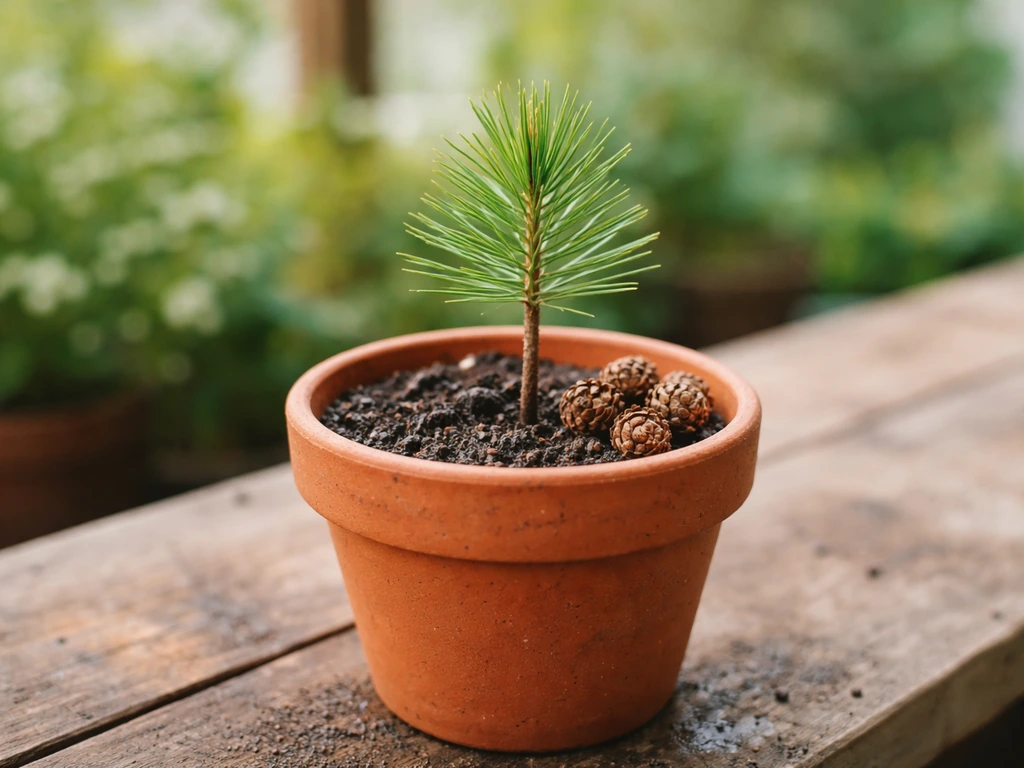
Wait, can you actually "grow" a pine cone?
This question trips a lot of people up, and honestly it's a fair one. Pine cones are the seed-bearing structures of pine trees, not seeds themselves. A female pine cone holds seeds between its scales, and after the cone matures and dries out, those scales open up and the winged seeds fall or can be shaken free.
So when you see the phrase "grow a pine cone in a pot," what it really means in practice is: collect a cone, extract the seeds, and grow the resulting pine seedling in a container. The cone itself will not root, sprout, or grow into anything. It'll just sit there and eventually decompose.
Pine cones do appear on a mature tree, but that happens years down the line, and you won't see them on a young container-grown tree for quite some time. Going in with that expectation set correctly makes everything else much easier.
Which pine species actually work in pots?
Not every pine is a great candidate for container life long-term, but several species do surprisingly well, especially if you're happy to eventually move the tree to the ground after a few years. Dwarf or slow-growing cultivars are the best choice if you want a permanent pot resident. Mugo pine (Pinus mugo) is probably the most forgiving container pine you can find.
Japanese white pine (Pinus parviflora) and Japanese black pine (Pinus thunbergii) are also popular, especially in small urban spaces. If you're working from seeds you found in a local park or forest, you're likely dealing with common species like loblolly (Pinus taeda), longleaf (Pinus palustris), or slash pine depending on your region.
These can start in pots just fine but will eventually outgrow container life and need to go in the ground, so keep that in the back of your mind.
Getting your seeds from a pine cone
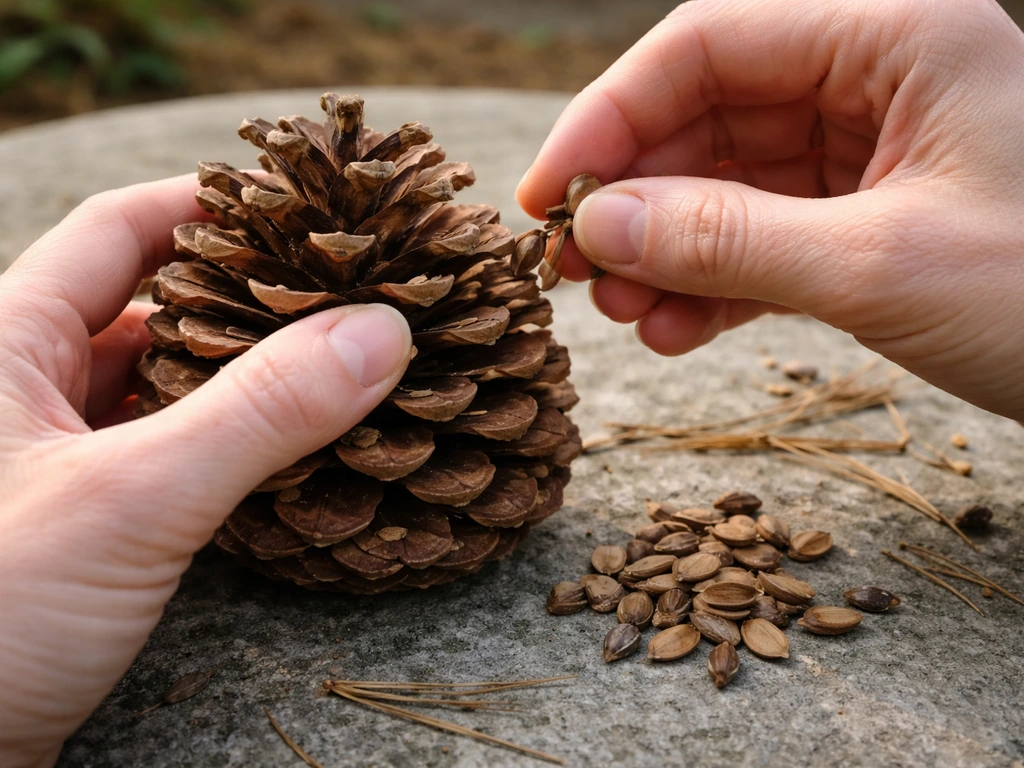
Start by collecting a mature cone, ideally one that has already begun to open on its own or has just fallen from the tree. Brown and dry is what you want. Green cones are not mature yet and the seeds inside likely won't be viable. If the cone is still closed, place it in a paper bag or on a tray in a warm spot (a sunny windowsill works well) for a few days. As it dries out further, the scales will pull back and you can shake or tap the seeds loose. They're small, usually with a papery wing attached, which you can pinch off before planting.
Once you have your seeds, do a quick viability float test. Drop the seeds into a glass of water and wait ten minutes. Seeds that sink are more likely to be viable. Seeds that float are usually hollow or empty and can be discarded. This isn't a perfect test, but it's a useful first filter, especially if you're working with a handful of seeds and want to plant only the best candidates.
Do pine seeds need stratification?
Many pine species do benefit from cold stratification before planting, which just means simulating winter by chilling the seeds in a moist environment. For species like loblolly pine, the US Forest Service recommends cold, moist stratification at around 37 to 41 degrees Fahrenheit (3 to 5 degrees Celsius) for 30 to 90 days. To do this at home, wrap your seeds in a damp paper towel, seal them in a zip-lock bag, and pop the bag in the fridge.
Check on them every couple of weeks to make sure the paper towel stays moist but not soggy. After the chilling period, they're ready to plant. That said, [longleaf pine seeds are well known for germinating very quickly without stratification, sometimes within a week of hitting favorable soil conditions. ](https://research.
fs. usda. gov/silvics/longleaf-pine) If you're not sure about your specific species and you're planting in late spring or early summer when soil temps are warm, you can try planting a small test batch without stratification and compare.
Picking the right pot and drainage setup
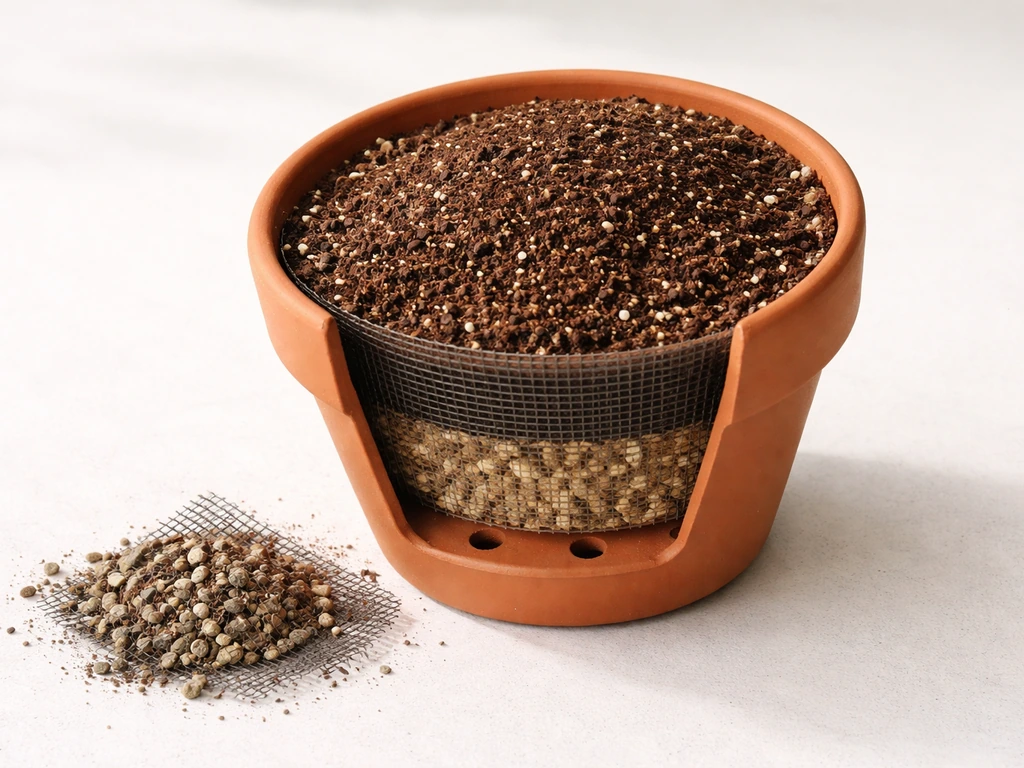
For seed starting, a small pot or seed tray works fine. A four to six inch pot per seed, or a standard seed tray with individual cells, is enough for the first stage. Pine roots grow downward aggressively, so depth matters more than width. Avoid shallow bowls or wide flat containers for starting pine seedlings. Once you're growing on a seedling for its first full season, move up to a one-gallon pot. After one to two years, a five-gallon container is more appropriate, and a genuinely long-term container pine will eventually want a fifteen-gallon or larger pot or a half wine barrel.
Drainage is non-negotiable with pines. They absolutely hate sitting in wet soil and will develop root rot fast if water can't escape freely. Every pot you use must have drainage holes in the bottom, and I'd recommend putting a thin layer of gravel or broken pot shards over the holes before adding soil to stop them getting blocked. Avoid saucers filled with standing water. If you're on a balcony or patio where runoff is an issue, elevate the pots slightly on pot feet or bricks so water can drain freely underneath.
Soil mix: what to use and what to avoid
Pines grow naturally in sandy, well-draining, slightly acidic soils. Standard all-purpose potting mix is too dense and retains too much moisture for them. Instead, mix equal parts of a quality potting mix, coarse horticultural sand or perlite, and a small amount of fine bark or pine bark mulch. This creates a mix that drains quickly, stays loose around the roots, and has the slight acidity pines prefer. If you want to keep it simple, a cactus and succulent mix blended with about 20 to 30 percent extra perlite is a decent shortcut. Avoid mixes with added moisture-retaining crystals or heavy amounts of peat, and don't use garden soil from the ground, which compacts badly in pots and usually drains poorly.
How to actually plant the seeds
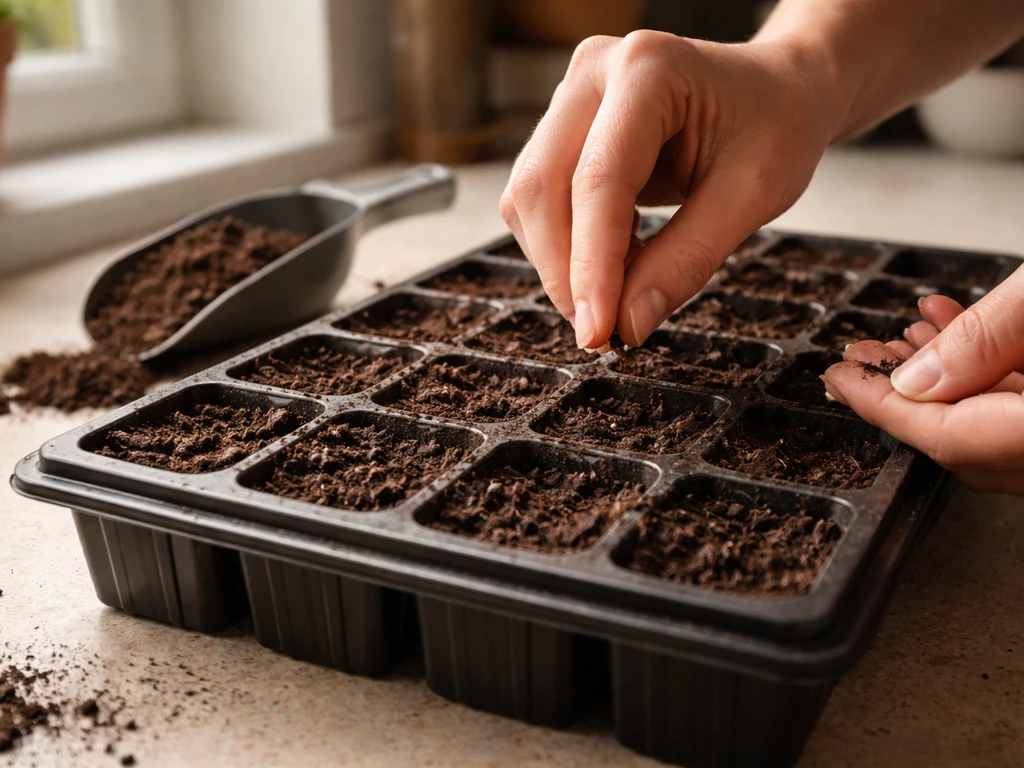
- Fill your pot or seed tray with the prepared mix to about half an inch below the rim.
- If you stratified seeds in the fridge, take them out and let them reach room temperature for an hour before planting.
- Make a small hole about a quarter inch to half an inch deep with a pencil or your fingertip.
- Place one seed per hole, pointed end down if you can tell which end is which.
- Cover lightly with the same soil mix and gently firm down.
- Water slowly and thoroughly until water runs out of the drainage holes.
- Cover the pot loosely with a clear plastic bag or a humidity dome to retain moisture during germination, then remove it once sprouts appear.
Plant one seed per small pot, or leave at least two to three inches between seeds if using a tray. Crowding pine seedlings leads to competition and poor airflow, which invites fungal problems early on. I like to plant a few extra seeds as insurance and then thin to the strongest once they've sprouted.
Light, water, and temperature during germination
Pine seeds germinate best when soil temperatures are warm. Research on southern pine species shows peak germination happening around 75 degrees Fahrenheit for unstratified seeds. If you're planting indoors, a warm spot on a south-facing windowsill or above a refrigerator works well for warmth. A seedling heat mat set to around 70 to 75 degrees is also very effective and speeds things up noticeably. Cold stratification can broaden the temperature range at which seeds germinate, so stratified seeds are a bit more forgiving if your indoor conditions aren't perfectly warm.
Keep the soil consistently moist but not waterlogged during germination. I check mine daily and mist with a spray bottle if the surface looks at all dry. Once the seedling has its first tiny needles above the soil, you can move to light watering with a small watering can rather than misting. At this stage, the seedling needs as much direct light as it can get, at least six hours of bright light daily. A south-facing window is ideal indoors, but if you're starting in late spring, an outdoor spot with morning sun and afternoon shade is even better.
Temperature-wise, pine seedlings are more cold-tolerant than they look, but protect young seedlings from frost. Once they're established with a few sets of needles, many species can handle temperatures down to freezing for short periods. Until that point, keep them somewhere that stays above 50 degrees Fahrenheit at night.
Ongoing care once your pine is growing
Watering
As the seedling grows, water deeply but infrequently. Push your finger an inch into the soil and if it feels dry, water thoroughly until it drains from the bottom. If it still feels moist, leave it another day. In hot summer weather, a small pot may need watering every couple of days. In cooler months, once a week might be plenty. Overwatering is by far the most common way people kill container pines, so when in doubt, hold off and check the soil first.
Fertilizing
Start fertilizing lightly once the seedling has been growing for about six to eight weeks and looks healthy and established. Use a slow-release granular fertilizer formulated for acid-loving plants or conifers, applied at half the recommended rate. Alternatively, a diluted liquid fertilizer (half strength) once a month during the active growing season from spring through early fall works well. Don't fertilize in late fall or winter when growth slows, as pushing new growth before cold weather sets in can weaken the plant.
Re-potting
Pines are sensitive to root disturbance, so re-pot only when necessary, typically when you see roots circling the bottom of the pot or coming out of the drainage holes. Move up one pot size at a time rather than jumping to a much larger container, as too much soil around small roots can stay wet and cause rot. The best time to re-pot is early spring before new growth starts. Handle the root ball gently and try to keep it intact.
Pruning
Light pruning helps keep a container pine compact and manageable. The classic method is to pinch or trim the candles (the new, elongating shoots that appear in spring) by about half their length before the needles fully extend. This is a common bonsai technique but works just as well for regular container pines to keep them from getting leggy. Don't cut into old brown wood, as pines rarely regenerate growth from bare wood. Just focus on the fresh, green growth each spring.
Winter care
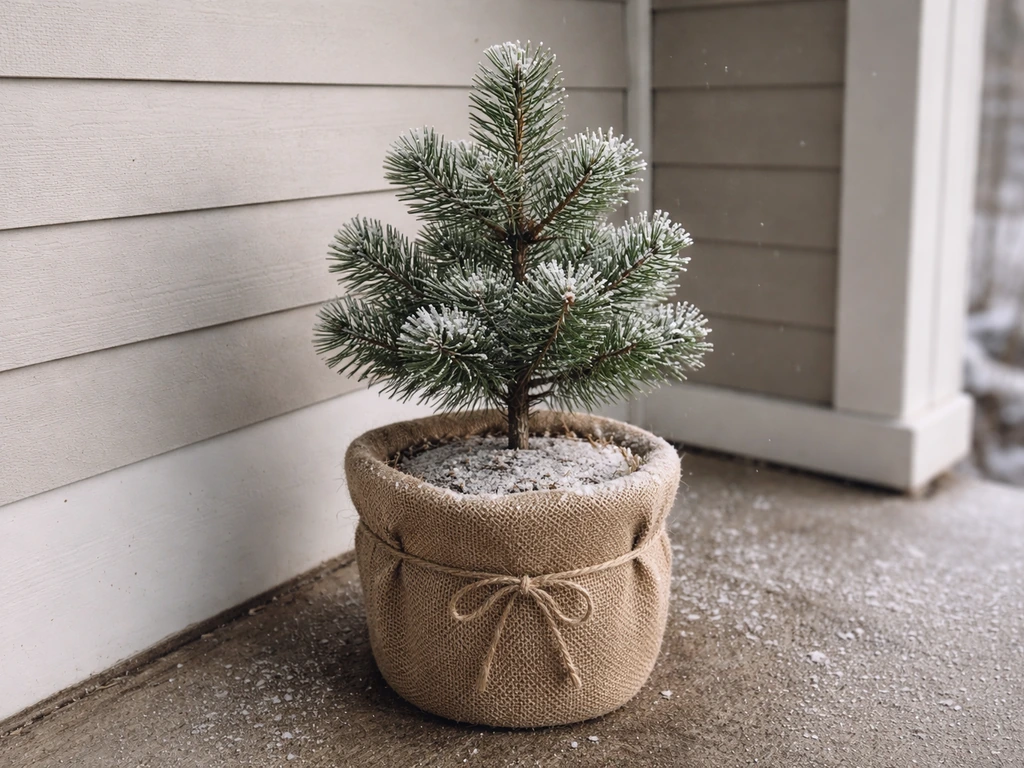
Container pines are more vulnerable to freezing in winter than the same tree in the ground, because the roots have less insulation. In cold climates, move pots to a sheltered spot like an unheated garage or shed, or wrap the pot in burlap or bubble wrap to protect the roots. The tree itself can handle some cold, but frozen roots in a pot can be lethal. In mild climates, most container pines are fine outside year-round as long as they're not sitting in wet, waterlogged soil over winter.
How long does everything take?
| Stage | Typical Timeline |
|---|---|
| Cold stratification (if needed) | 30 to 90 days in the fridge |
| Germination (first sprout visible) | 1 to 4 weeks after planting |
| First true needles appear | 2 to 6 weeks after germination |
| Seedling ready for larger pot | 6 to 12 months |
| Established container tree | 2 to 3 years |
| Pine cones on a container tree | Many years, sometimes a decade or more |
Longleaf pine is one of the faster germinators, with seeds sprouting in as little as one week under ideal conditions. Other species are slower and less predictable. If you have stratified seeds in warm soil and nothing has happened after four weeks, the seeds are likely not viable. That's why I always start more seeds than I think I'll need.
Why your seeds aren't sprouting (and what to do)
- Seeds were not viable to begin with: float test before planting helps, but some empty seeds still pass. Collect fresh seeds from a recently opened cone for the best results.
- Soil is too cold: pine seeds need warmth to germinate. If your soil temperature is below 65 degrees Fahrenheit, germination will be very slow or won't happen. Use a heat mat.
- Soil is staying too wet: soggy soil causes seeds to rot before they can sprout. Make sure your mix drains well and the pot has drainage holes.
- Soil is drying out completely: if the soil dries out entirely between checks, the seed embryo can die. During germination, keep moisture consistent.
- Species needed stratification and didn't get it: try chilling a fresh batch of seeds for 30 to 60 days and replant.
- Seeds are planted too deep: more than half an inch down and seedlings struggle to push through. Shallow planting at a quarter to half inch is correct.
Your practical next steps for this week
- Collect or buy pine seeds: find a mature, open pine cone locally or purchase seeds online from a reputable nursery. Species sold specifically for container growing, like mugo pine, are a good starting point.
- Do the float test: drop seeds in water, discard floaters, dry the sinkers on a paper towel.
- Decide on stratification: if you're planting a species that benefits from cold treatment, wrap seeds in a damp paper towel, bag them, and put them in the fridge now. Come back in four to six weeks.
- Prepare your pot and mix: grab a four to six inch pot with drainage holes and mix your soil with perlite or coarse sand while you wait.
- Plant and label: once seeds are ready, plant at a quarter inch depth, label the pot with the species and date, and place in a warm, bright spot.
- Check daily: mist to maintain moisture, watch for the first tiny green arch of a seedling pushing through the soil.
Growing a pine from seed in a pot is a slower project than, say, growing penstemon or SunPatiens in containers, where you can see results in weeks. If you want faster color in a pot, learn how to grow sunpatiens in pots and follow their watering and light needs for best blooms. If you want something with faster, more colorful results, learn how to grow penstemon in pots and use similar container care basics growing penstemon.
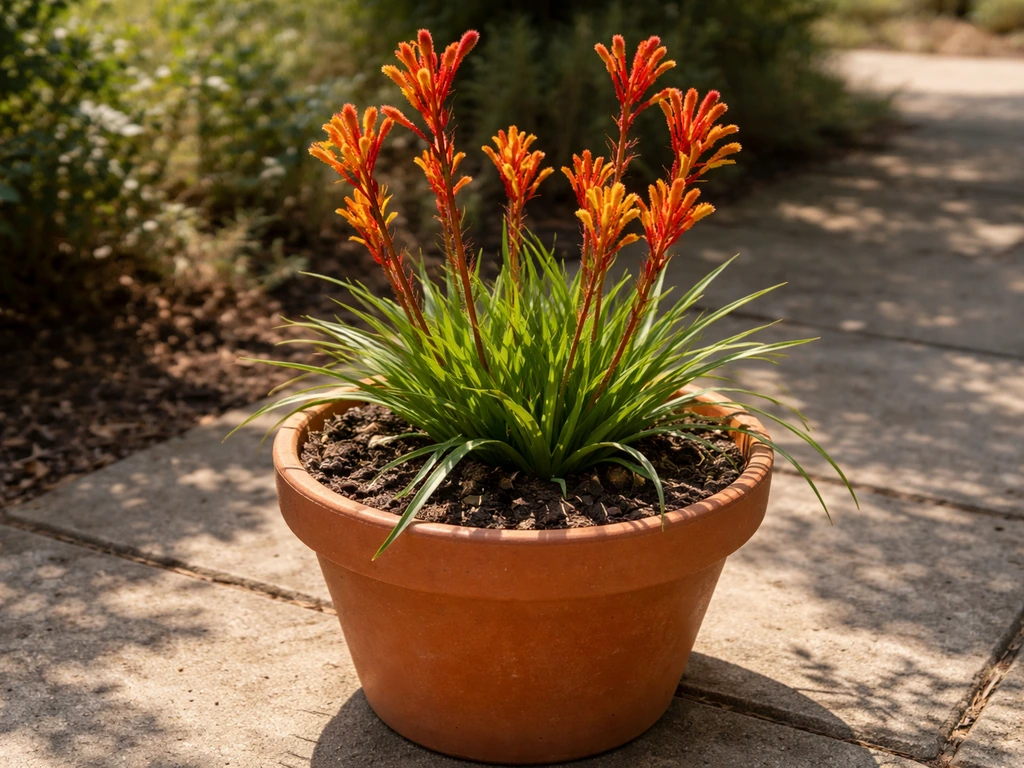
Pine is a long game. If you want a faster, more colorful potted option, learn how to grow kangaroo paw in pots next. But there's something genuinely satisfying about watching a tree you started from a seed grow steadily in a pot on your balcony or patio. Give it the right soil, good drainage, bright light, and a bit of patience, and you'll have a healthy young pine tree to show for it.
If you want a windwheel aster in a SerinTea pot, aim for a similarly well-draining setup and keep the soil lightly moist as it establishes how to grow windwheel aster in serenitea pot.
FAQ
Do I actually plant the pine cone in the pot or just use it for seeds?
No. A pine cone will not root or sprout in a pot, it only provides seeds once the scales have opened. The practical approach is to dry the cone, extract the seeds, then plant the seeds to grow a pine seedling.
What pine cone should I collect, brown or green, closed or already open?
Brown and drying cones are best because the seeds inside are mature. If the cone is still green or tightly closed, the seeds are often immature, and even stratification may not help. If you have to use a less mature cone, dry it in a warm, dry spot until the scales loosen.
How long should it take to see sprouts after planting pine seeds?
Yes, but don’t expect fast results. Pine seedlings commonly take weeks, and many people overwater during the waiting period. Keep the mix evenly moist (not wet), give enough warmth, and verify drainage so the container never sits in water.
Should I cold-stratify every pine seed I’m planting?
It can be, especially in warm weather, and longleaf can germinate quickly without cold treatment. If you want to hedge your bets, plant a small test batch with stratification and a small test batch without stratification, then compare germination over the next few weeks.
What kind of pot depth is best for pine seedlings?
Start in small, deep containers and plant one seed per pot or space seeds in a tray. Pine roots go downward early, so shallow bowls tend to tangle roots or force them to circle, which increases transplant shock and rot risk.
How do I know when to water without overwatering my container pine?
Use the “check before watering” method. Push a finger about an inch into the mix, water only if it feels dry, and always discard any water that collects under the pot. In small pots, watering might be frequent in summer, but overwatering is still the most common failure.
My seedlings are stretching, what should I change?
Not typically. Pine seedlings need bright light as they emerge, and weak light leads to leggy growth that is harder to correct in a container. Aim for at least six hours of bright light daily, and increase light gradually if moving from indoors to outdoors.
What causes damping off or fungal issues in pine seedlings?
Yes, and it’s usually due to poor airflow, overcrowding, or staying too wet. Thin to the strongest seedlings early, ensure drainage, and avoid misting once seedlings emerge if the soil surface stays damp for long periods.
Can I use regular garden soil or standard potting mix for pines?
Use a potting mix that drains quickly, add coarse mineral material like perlite or horticultural sand, and keep it slightly acidic by using appropriate conifer-oriented mix options. Avoid dense garden soil, peat-heavy mixes, and moisture-retaining crystals in containers.
When and how should I fertilize container pine seedlings?
Fertilize lightly after the seedling is established, around six to eight weeks, and only during active growth. Use a conifer or acid-loving fertilizer at half strength, or a diluted liquid feeding monthly in spring through early fall, then stop before cold weather to avoid tender growth.
How big of a container should I move to, and when should I repot?
Don’t jump to a huge pot. Overlarge containers hold excess moisture around small roots, increasing root rot risk. Re-pot only when roots are circling or visible through drainage holes, moving up one container size at a time.
Can I prune a container pine to keep it compact, and what parts should I avoid cutting?
Generally yes in spring, but prune with caution in winter. Use candle pinching or trimming on fresh green growth in spring to keep shape, and avoid cutting into old brown wood because pines often do not resprout from bare areas.
How do I protect a potted pine from freezing winters?
Yes, root freezing is a bigger risk in pots than in the ground. In cold climates, insulate the pot and move it to shelter, like an unheated garage/shed, or wrap with insulation such as burlap and bubble wrap. Also keep the mix from staying waterlogged during freezes.
If nothing sprouts after a month, does that mean my seeds are dead?
If no sprouts appear after about four weeks, the seed lot may be nonviable, but timing depends on species and temperature. That’s why starting extra seeds helps, and why a warm germination period and correct moisture level matter.