Sunpatiens grow beautifully in pots when you give them a roomy container (at least 10 to 12 inches wide), a well-draining potting mix at a slightly acidic pH, a sunny-to-partly-sunny spot, and consistent watering that keeps the soil moist but never waterlogged. Get those basics right and you'll have plants that bloom nonstop from late spring through the first frost, with almost no fussing in between.
How to Grow Sunpatiens in Pots: Complete Container Guide
Marcus Whitley
10 Jun 2026
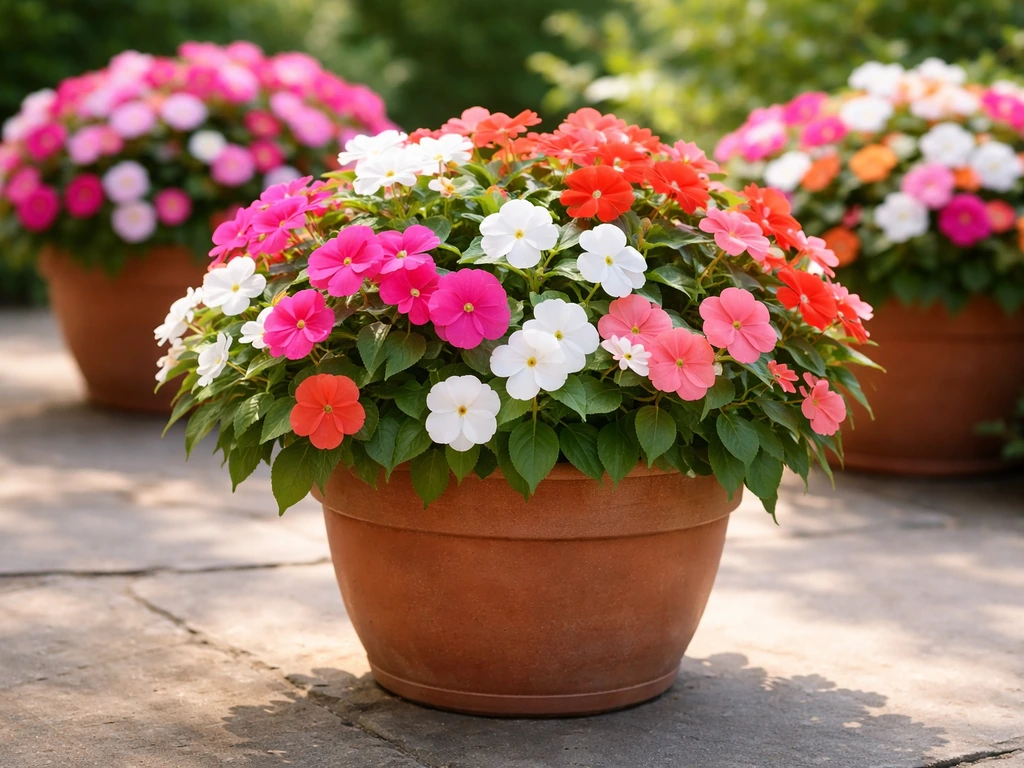
If you've tried growing regular impatiens in pots and ended up with sad, floppy plants the moment summer heat arrived, Sunpatiens are a genuine upgrade. They're a hybrid bred specifically to handle full sun and heat, which makes them one of the best flowering plants you can put in a container on a hot patio or balcony. Mississippi State University Extension puts it plainly: Sunpatiens don't just tolerate full sun and high temperatures, they thrive in it. That said, there's still a right way and a wrong way to grow them in pots, and the difference shows up pretty fast.
Choosing the right pot and how many Sunpatiens per container
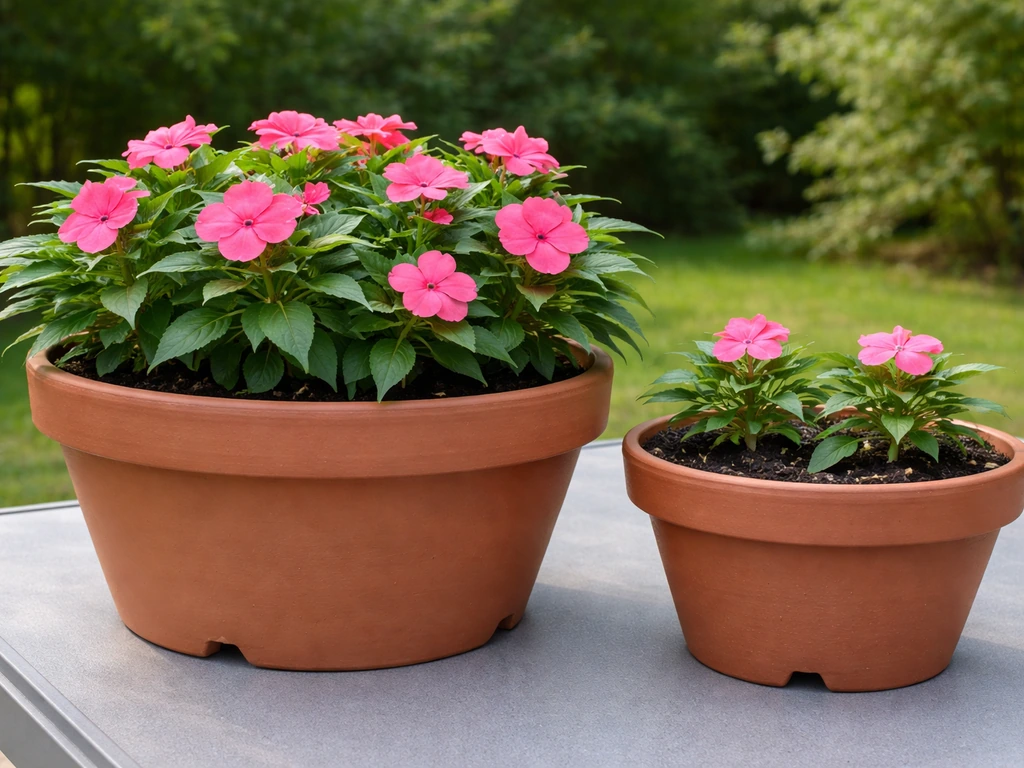
Pot size matters more with Sunpatiens than with a lot of other annuals because these plants get big. A mature plant in peak summer can spread 18 to 24 inches wide, so crowding them into a small pot just leads to competition for water and nutrients and a messier-looking display. As a starting point, a 10-inch (25 cm) pot can comfortably hold 3 plants, and so can a 12-inch (30 cm) pot. For anything larger, like a 14- to 16-inch container, you can push to 4 or 5 plants depending on the variety, but the smaller, more compact series tend to pack in better than the vigorous spreading types.
For hanging baskets, the same density rule applies: don't overcrowd. Three plants in a standard 12-inch basket is a sweet spot that fills in nicely by midsummer without the plants strangling each other. Wider, shallower containers also work, but make sure they're at least 10 to 12 inches deep so the roots have somewhere to go.
Material-wise, any container works as long as it drains well. Plastic and resin pots retain moisture longer than terracotta, which can actually be helpful in hot weather since Sunpatiens drink a lot. If you're in a very hot climate and placing pots in full afternoon sun, a lighter-colored container helps prevent the roots from overheating. Whatever you choose, drainage holes are non-negotiable. If your decorative pot doesn't have them, use it as a cachepot and drop a nursery pot with drainage inside it.
Soil and pot setup for strong container growth
Skip garden soil entirely. It compacts in containers, drains poorly, and can carry pathogens. You want a quality peat- or coir-based potting mix, ideally one formulated for flowering annuals or containers. Sunpatiens prefer a slightly acidic growing medium, somewhere in the pH range of 5.8 to 6.3. Most commercial potting mixes already fall in this range, but if you're mixing your own or amending, it's worth checking. A soil pH that drifts too high causes nutrients to lock up, and you'll see yellowing leaves even when you're fertilizing regularly.
Good drainage is the single most important thing to get right. I always mix in about 20 to 25 percent perlite by volume to open up the mix and keep air moving around the roots. Sunpatiens are susceptible to Pythium, a water-mold pathogen that attacks roots in overly wet, oxygen-deprived conditions, so giving the mix good drainage structure from the start is your best prevention. Skip the gravel layer at the bottom of the pot (it's a myth that it improves drainage), and just use a well-amended mix throughout.
Before filling, make sure your pot is clean. If you're reusing a container from last season, wash it out with a diluted bleach solution (about 1 part bleach to 9 parts water) and rinse thoroughly. Old disease spores or pests can linger and create problems right from the start.
Planting time and how to start Sunpatiens in pots
The best time to plant Sunpatiens in pots is after your last frost date, when nighttime temperatures are consistently staying above 50°F (10°C). In most of the US, that's somewhere between late April and late May. If you're reading this in June, you're in perfect timing to plant right now. Sunpatiens are almost always sold as transplants (plugs or nursery starts), not seeds, so you're most likely starting from a small plant rather than from scratch.
When you bring your transplants home, don't rush to put them in a blazing full-sun spot immediately. Even though Sunpatiens love sun, plants that were grown under greenhouse shade need a few days to acclimate. Give them bright indirect light or morning sun only for 3 to 5 days before moving them to their permanent full-sun position. Skipping this step can result in leaf scorch, where the edges and surface of leaves turn papery and bleached. It looks bad and stresses the plant at a time when you want it putting energy into root establishment.
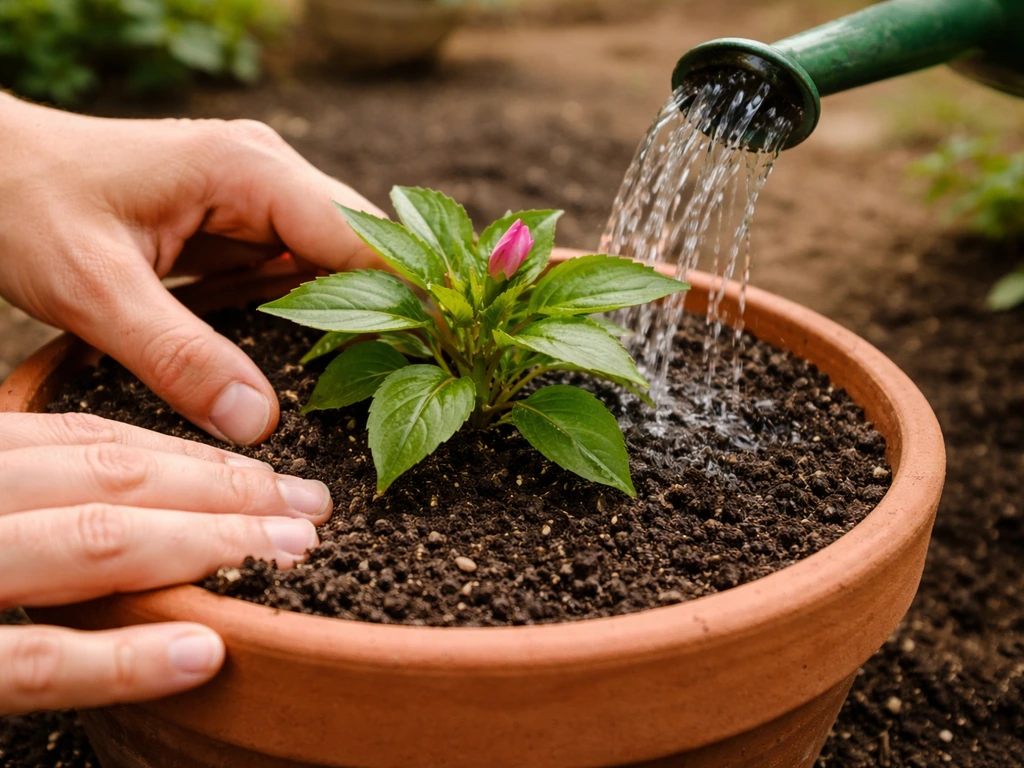
To plant, fill your pot about two-thirds full with your prepared mix, then set the transplants in at the same depth they were growing in their nursery containers. Backfill, gently firm the mix around the root ball, and water thoroughly until water drains from the bottom. That first deep watering helps settle the mix and removes air pockets. Then hold off on the next watering until the surface of the mix feels dry when you press your finger into it about an inch, which might be a day or two depending on conditions.
Sun, placement, and watering your potted Sunpatiens
Once acclimated, Sunpatiens can handle and genuinely prefer full sun, which means at least 6 hours of direct sunlight per day. A south- or west-facing patio or balcony is ideal. If you only have a spot that gets morning sun and afternoon shade, Sunpatiens will still bloom well there, just perhaps a bit less vigorously. What they don't like is dense shade, which leads to leggy growth and sparse flowering.
Watering in containers is where most people run into trouble, either watering too much early on or not enough once summer really kicks in. The approach that works: check the soil surface in the morning. サカタのタネの育て方では、植え付け直後を含む初期の時期は過湿を避けるため、朝に土の乾き具合を確認し、表面が乾いてから水やりし、鉢底から排水するまでしっかり与えることを勧めています。 check the soil surface in the morning. If the top inch is dry, water deeply until it runs out the drainage holes. In mild spring weather, that might mean watering every 2 to 3 days. By midsummer with hot, sunny days, you may find yourself watering daily, and on extremely hot days a small pot in full sun might even need a second drink in the evening.
Sunpatiens can recover from a mild wilt, and honestly a tiny bit of stress now and then encourages the plant to push its roots deeper to find moisture. But don't make a habit of letting them get to the point of wilting hard with leaves curling and stems flopping. Repeated severe drought stress weakens the plant and reduces blooming. The goal is consistently moist, not constantly saturated.
One watering tip worth following: avoid overhead watering early in the day when plants are in strong sun. Wet foliage and flowers in direct sunlight can scorch. Water at the soil level when you can, and if you do water overhead, do it in the morning so the foliage has time to dry before the heat of the day really builds.
Fertilizing and keeping blooms coming
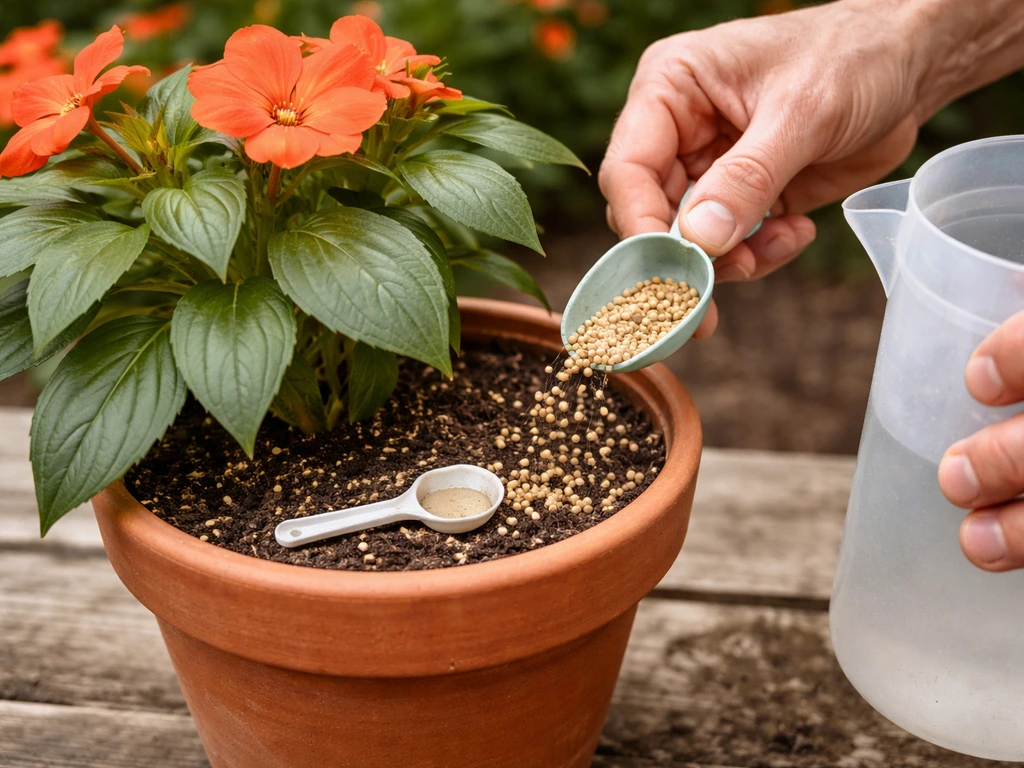
Sunpatiens are heavy feeders, especially in pots where nutrients wash out with every watering. A balanced, water-soluble fertilizer applied every 7 to 14 days is the most reliable approach for container-grown plants. Look for something with roughly equal nitrogen, phosphorus, and potassium (like a 10-10-10 or 20-20-20 formulation), and follow the label rate exactly. More is not better here. The Sunpatiens consumer guide specifically warns that excess plant food causes leaf and flower drop, which is the opposite of what you want.
If you'd rather not think about it every week, controlled-release granular fertilizer mixed into the potting soil at planting gives a baseline of nutrients for 3 to 4 months. You can still supplement with a liquid feed every few weeks during peak summer growing, but you won't need to fertilize as frequently. Either way works, the key is consistency rather than occasional heavy doses.
Watch for signs that feeding is off. Pale, yellowing leaves on a plant that's otherwise growing well can signal a nitrogen deficiency (or a pH problem preventing uptake). Dark green leaves with little flowering can mean too much nitrogen relative to phosphorus. A balanced fertilizer at the recommended rate avoids both extremes.
Pruning, deadheading, and shaping for fullness
Here's something that surprises a lot of gardeners: Sunpatiens don't need deadheading. Unlike regular impatiens that drop spent petals but leave behind a seed pod that can look untidy, Sunpatiens are self-cleaning. Old flowers drop on their own without leaving a mess. You can simply let the plant do its thing.
Pinching is another topic worth addressing directly. Sakata, the breeder behind Sunpatiens, explicitly states that you should NOT pinch Sunpatiens. Pinching alters the plant's natural symmetry and interferes with the branching habit that makes them look full and uniform. So resist the urge to nip the growing tips, even if you've been taught that pinching encourages bushiness in other plants. With Sunpatiens, you'll actually get a worse-looking result.
What you can and should do is light trimming if stems get too long or floppy by late summer. Use clean scissors or pruners to cut back any overly long stems by about one-third. This refreshes the plant and encourages a new flush of growth and blooms. In most climates, a light trim in mid to late August will reward you with a beautiful fall display right through until frost. After trimming, give the plant a good drink and a dose of fertilizer to support the regrowth.
Common problems in potted Sunpatiens and quick fixes
Even well-cared-for Sunpatiens in containers can run into issues. Here's a straightforward breakdown of the most common ones and what to actually do about them.
| Problem | Likely Cause | Quick Fix |
|---|---|---|
| Leggy, stretched stems with few flowers | Too much shade or not enough light | Move the pot to a sunnier location gradually over 3 to 5 days |
| Yellowing leaves (lower or all over) | Overwatering, poor drainage, or pH too high | Check drainage holes, let soil dry out more between waterings, test and adjust pH |
| Wilting despite moist soil | Root rot from Pythium (waterlogged conditions) | Reduce watering, improve drainage, remove affected roots if possible, treat with a fungicide labeled for Pythium |
| Wilting with dry soil | Underwatering or drought stress | Water deeply and consistently; increase frequency in hot weather |
| Leaf scorch (bleached or papery patches) | Sun exposure before acclimation, or wet foliage in hot sun | Provide shade for a few days to recover; avoid overhead watering in midday sun |
| Sparse blooms mid-season | Insufficient fertilizer or extreme heat stress | Resume regular feeding schedule; ensure adequate watering during heat spikes |
| Sticky residue or distorted new growth | Aphids or whiteflies | Spray with insecticidal soap or neem oil; hang yellow sticky traps to monitor and catch flying pests |
| Grayish fuzzy patches on leaves or stems | Botrytis blight (fungal, thrives in wet conditions) | Improve air circulation, water at the base only, remove affected tissue, apply a fungicide if severe |
| Fine webbing on undersides of leaves | Spider mites (more common in hot, dry weather) | Increase humidity around the plant, rinse foliage, apply neem oil or miticide |
The overwhelming majority of Sunpatiens problems in pots trace back to watering, either too much or too little. Before you reach for a spray or product, check soil moisture and drainage first. That single step solves probably 70 percent of issues you'll encounter.
Seasonal adjustments and pot refresh
Sunpatiens are frost-tender annuals in most climates, so once temperatures start dropping below 50°F consistently in fall, the plant's days are numbered outdoors. If you're in a frost-free zone (USDA zone 10 and above), you can grow them as short-lived perennials and they may overwinter in a sheltered spot. For everyone else, treat them as seasonal and plan to replace them next spring.
If you want to try overwintering a favorite plant, you can bring the pot indoors before the first frost and keep it in a very bright window or under grow lights. Cut the plant back by about half before bringing it in, reduce watering significantly, and skip fertilizing over winter. It's not guaranteed to survive, but it's worth a try if you're attached to a particular color or variety.
At the end of the season, refresh your containers before replanting next year. Dump out the old mix (compost it if it's disease-free), clean the pot, and start with fresh potting mix. Reusing old potting soil is tempting but it's often depleted of nutrients and can harbor pathogens from the previous season. Fresh mix gives next year's plants the best possible start. When you’re ready to switch to a Windwheel Aster in a Serenitea pot, use the same container-care mindset: choose a well-draining mix, give it plenty of light, and water based on how quickly the surface dries how to grow windwheel aster in serenitea pot.
Your practical next steps checklist
- Choose a pot at least 10 inches wide and 10 to 12 inches deep with drainage holes; use 3 plants per 10- to 12-inch pot.
- Fill with a quality peat- or coir-based potting mix amended with 20 to 25 percent perlite for drainage; target a pH of 5.8 to 6.3.
- Plant after your last frost date when nights stay above 50°F; acclimate plants to full sun over 3 to 5 days before final placement.
- Place in a full-sun spot (6-plus hours of direct sun) once acclimated; morning sun is ideal if afternoon sun is very intense in your area.
- Water by checking the top inch of soil each morning; water deeply when dry, potentially daily in peak summer heat.
- Fertilize every 7 to 14 days with a balanced water-soluble fertilizer at the label rate; do not increase the dose.
- Do not pinch or deadhead; trim overly long stems by one-third in late summer if needed, then water and fertilize to encourage regrowth.
- Troubleshoot problems by checking water and drainage first; use insecticidal soap for pests, and improve air circulation to prevent fungal issues.
- Plan to replace plants each spring with fresh potting mix and new transplants unless you're in a frost-free climate.
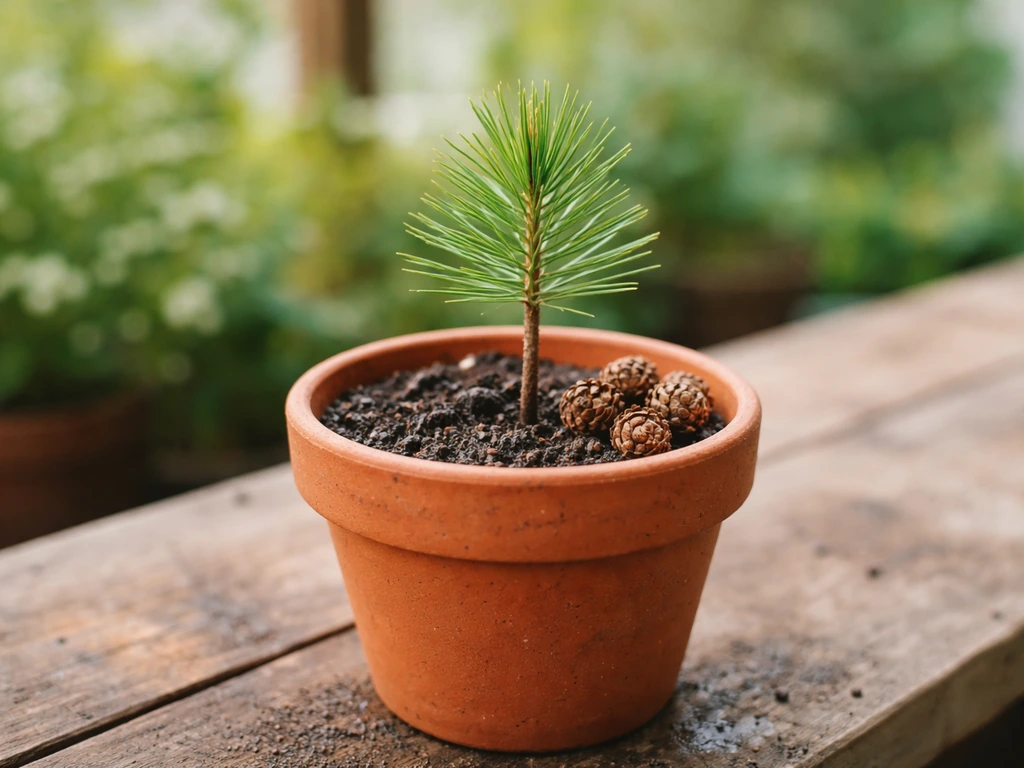
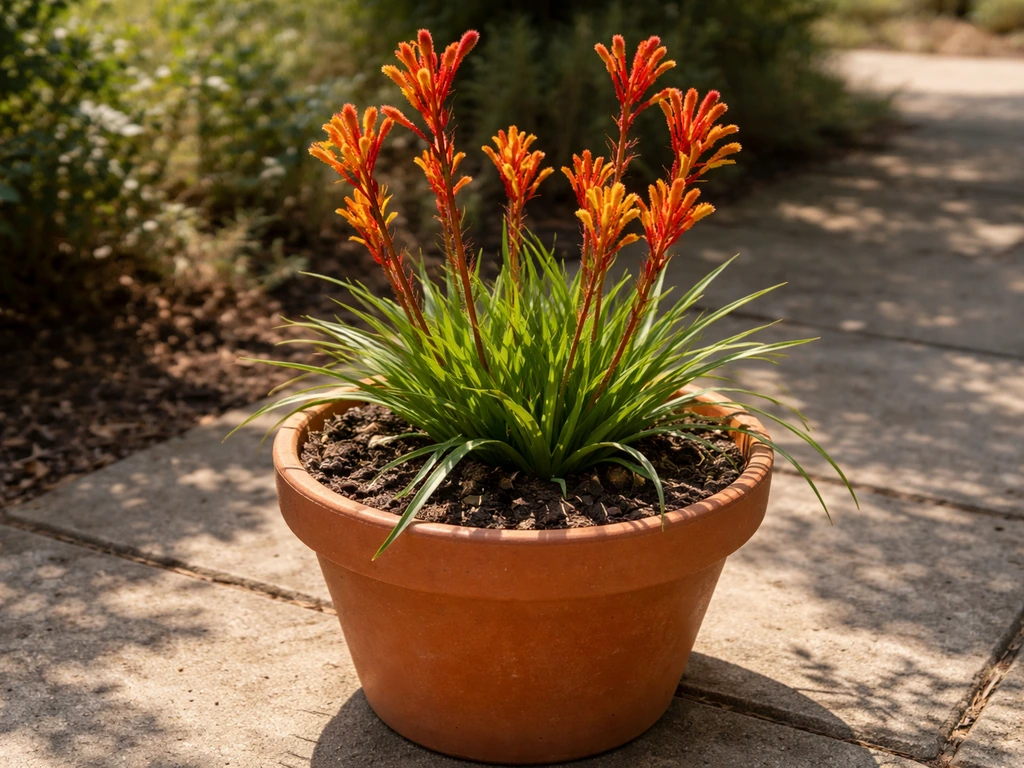
If you enjoy growing bold, heat-loving flowering plants in containers, it's worth exploring other sun-tolerant options alongside your Sunpatiens. If you want to try something different beyond flowering annuals, learn how to grow pine cones in pots for a fun, easy container project. Penstemon and kangaroo paw are two other container-friendly plants that can handle warm, sunny spots and bring interesting texture and color variety to a patio display. To learn the specifics, see our guide on how to grow kangaroo paw in pots, including the right soil mix, sunlight, and watering routine. If you want to include penstemon too, focus on providing well-draining soil and steady light so it can thrive in a pot.
FAQ
Can I start Sunpatiens before the last frost, or should I wait?
Yes, but use a sheltered light and reduce heat stress. Move them out to sun gradually (about 3 to 5 days), and if your patio gets scorching afternoon sun, start them with morning sun or bright shade first. Even sun-tolerant plants can show leaf scorch if their roots and foliage were never conditioned for your exact intensity.
How do I protect Sunpatiens in pots when a cold snap hits?
In most climates, you still should wait until nights stay above about 50°F (10°C). Colder nights slow root growth and can set plants back, making them more vulnerable to root disease and nutrient deficiencies. If you must plant early, protect with a frost cloth at night and monitor soil moisture closely.
What should I do if my Sunpatiens look droopy even though I watered them?
If your potting mix stays wet for long periods, Pythium risk rises. Use a finger check, and water only when the top inch dries. If you consistently see soggy soil, increase perlite, switch mixes, and confirm you have functioning drainage holes (avoid putting a heavy cachepot liner that traps water).
How can I tell whether I’m overwatering or underwatering Sunpatiens?
A fast rule is to keep the soil evenly moist, not saturated. Water deeply until it drains, then wait until the top inch dries before watering again. In midsummer, small pots in full sun may need two waterings on extreme days, especially on wind-exposed balconies.
Should I fertilize Sunpatiens in pots every week, or is there a better schedule?
For pots, choose a liquid feed or controlled-release baseline, but don’t combine both at full strength. If using controlled-release at planting, reduce how often you apply liquid fertilizer, and still keep to label rates. Too much food can cause flower drop and rank leafy growth even when watering is perfect.
My leaves are yellowing, but the plant is getting fertilizer. What’s the likely cause?
Yes, but avoid drastic changes. If you raise pH by using alkaline amendments or tap water that’s consistently high, leaves may yellow due to reduced nutrient availability. For container mixes, it helps to use a mix meant for containers and occasionally flush the pot with plain water to prevent salt buildup from fertilizer.
Will pinching Sunpatiens make them bushier in pots?
Don’t pinch the growing tips, because it can disrupt their natural branching and symmetry. Instead, if they get leggy late in summer, do a light cutback on long stems (about one-third) with clean pruners, then follow with watering and a supportive fertilizer dose for a fresh flush.
Do I need to deadhead Sunpatiens if flowers are fading in my container?
It’s normal for flowers to drop naturally, so you usually should not deadhead. The exception is if you see brown, diseased-looking stems or recurring fungal spotting, then remove affected parts with sterile tools to keep airflow and reduce spread.
What adjustments should I make to watering and fertilizing in cooler weather?
If you can, use water-soluble fertilizer at the rate on the label and feed based on the plant’s growth, not the calendar. If your weather is cooler or daylight is shorter, reduce feeding frequency slightly, because faster growth means higher nutrient uptake and higher demand.
Can Sunpatiens handle partial shade, and how much sun is actually enough?
Yes. If you start with plants that were grown under shade (like most greenhouse transplants), they need acclimation to your sun intensity. However, acclimation alone won’t fix deep shade, so aim for at least a bright spot with meaningful direct sun, otherwise flowering will thin out and stems become longer.
Should I reuse the same pot and potting mix for Sunpatiens next year?
Clean and restart the container approach each year, because old mixes and reused containers can carry lingering pests or diseases and become depleted. Dump old soil, wash the pot thoroughly, and use fresh potting mix, especially if you had root or wilting problems last season.
How do I grow Sunpatiens in hanging baskets without them drying out?
A hanging basket can work well if you match density and pot depth to the plant’s needs. Keep to about three plants in a typical 12-inch basket, ensure it’s at least 10 to 12 inches deep, and remember baskets dry faster, so check moisture more frequently in hot or windy weather.