Yes, you can absolutely grow godetia in pots, and it actually does surprisingly well in containers when you get a few key things right. If you are also wondering how to grow gongura in pots, choose a container with good drainage and keep the soil consistently moist for best leaf growth.
Can You Grow Godetia in Pots? Step-by-Step Guide
Marcus Whitley
16 Jun 2026
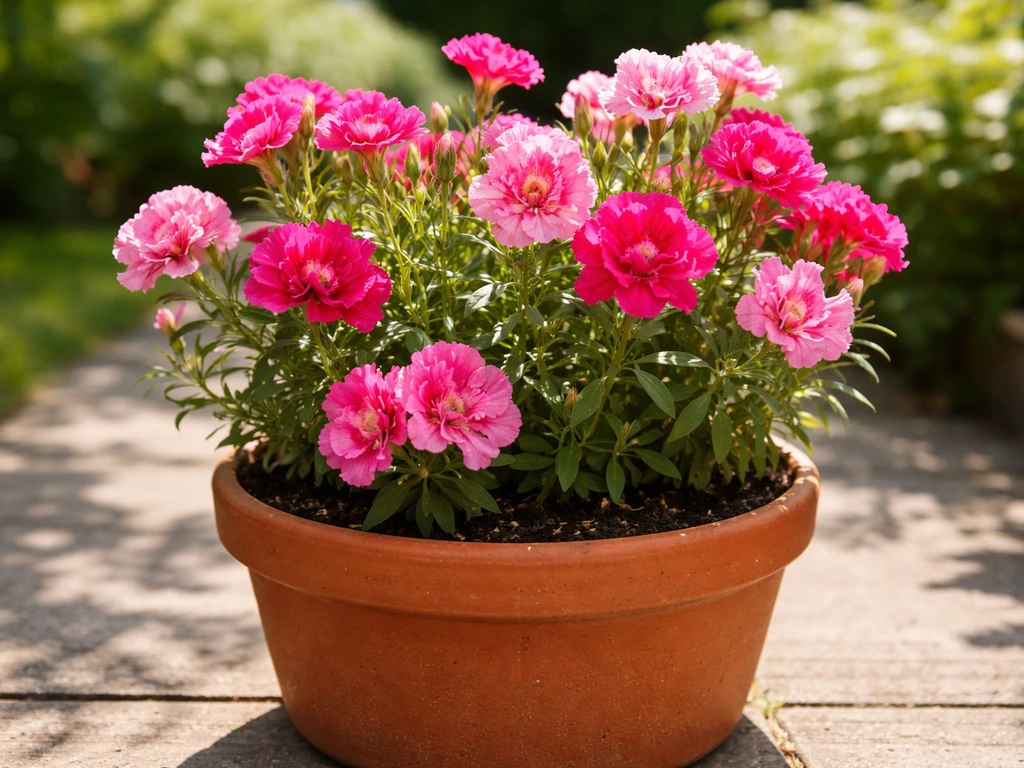
Give it a pot with good drainage, a gritty well-draining mix, full sun, and cool-ish temperatures, and those silky, poppy-like blooms will show up reliably from late spring into early summer. The main things to get right are: don't cover the seeds (they need light to germinate), don't overwater, and don't hit them with a nitrogen-heavy fertilizer. Get those three things sorted and you're most of the way there.
Can godetia really grow in containers (and what to expect)
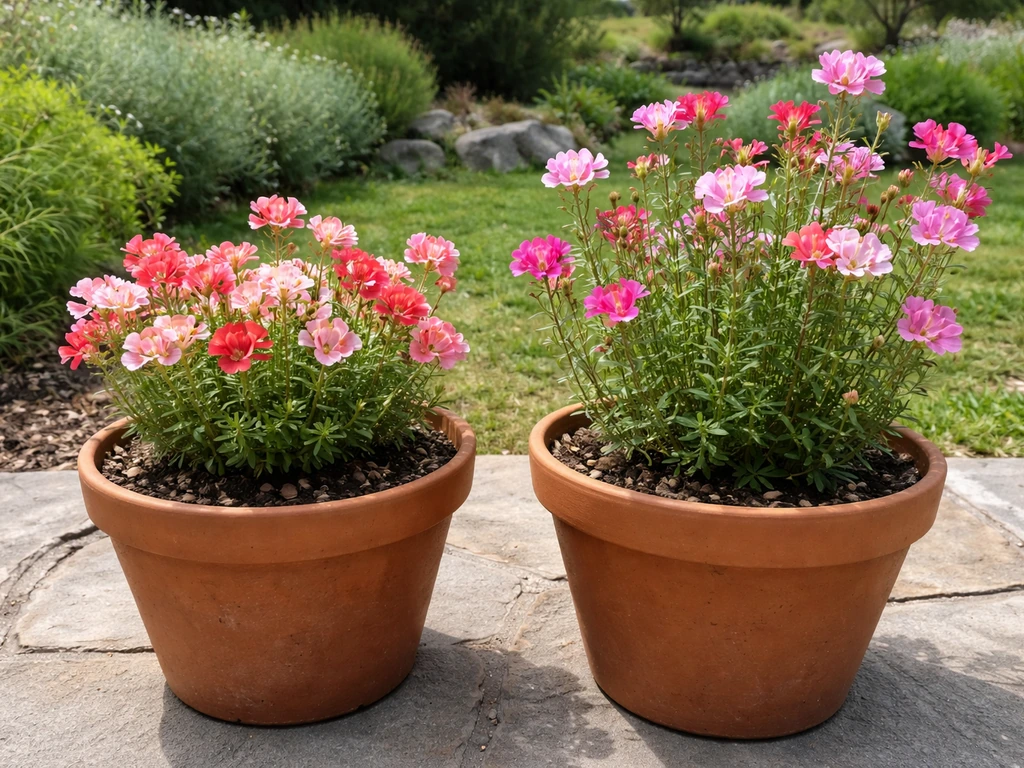
Godetia (properly known as Clarkia amoena) is a cool-season annual native to the Pacific coast of North America. In the ground it can spread enthusiastically, which is actually one reason containers make a lot of sense for it: growing in pots keeps it contained and makes it easier to manage. It's also worth knowing upfront that godetia is not a heat-lover. It germinates and grows best when temperatures are around 70°F (21°C) and struggles once summer heat kicks in above 75°F (25°C). So in most climates, you're working with a spring-flowering window, and timing your sowing to hit that window is the most important planning decision you'll make.
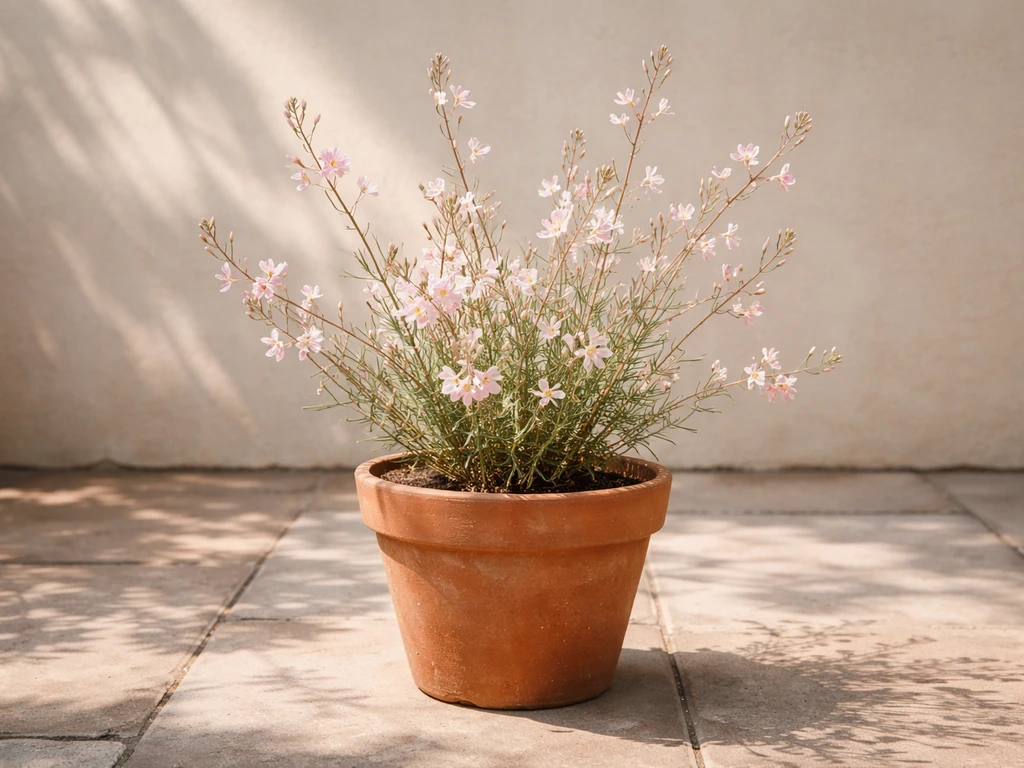
In terms of what the plant looks like in a pot: it grows upright, usually 12 to 24 inches tall depending on the variety, and produces clusters of cup-shaped flowers in pink, salmon, red, lavender, or white. A well-maintained container plant will bloom for 4 to 6 weeks. It won't go on forever like a petunia, but during that window it puts on a genuinely beautiful show. Just set your expectations: this is a cool-season burst of color, not a summer-long performer.
Choosing the right pot, drainage, and soil mix for godetia
Pot size matters more than most people think with godetia. Go for at least a 10- to 12-inch diameter pot for a small grouping of plants, or ideally a larger planter (14 to 16 inches wide) if you want a fuller, more generous display. Deeper is better too: at least 10 inches deep to give roots room to develop without getting cramped. Root crowding causes stunted plants and early blooming cutoff, so don't try to squeeze godetia into a tiny decorative pot.
Drainage is non-negotiable. Godetia hates sitting in wet soil, and a pot without drainage holes will almost certainly lead to root rot. If you fall in love with a decorative pot that has no holes, use it as a cachepot: put your godetia in a plain plastic pot with holes and just set it inside the decorative one. Make sure water isn't pooling at the bottom by lifting the inner pot out after watering if needed.
For the soil mix, skip straight garden soil entirely. Garden soil compacts badly in containers and, more importantly, it can carry pathogens that cause damping-off (a fungal condition that kills seedlings at the base). Instead, use a quality peat- or coir-based potting mix and sharpen the drainage further by mixing in about 20 to 25 percent perlite or coarse horticultural grit. The goal is a mix that drains quickly but holds just enough moisture to keep roots from drying out completely between waterings. Godetia is a plant that does better slightly on the dry side than the wet side.
Sowing or transplanting in pots (timing, depth, spacing, thinning)
Here's the most important thing to know about growing godetia from seed: it doesn't transplant well. The roots are delicate and don't like being disturbed. This means direct sowing into your final container is the easiest and most reliable method. If you do start seeds indoors, use biodegradable pots or plug trays that let you transplant the whole rootball without disturbance, and only do it 6 to 8 weeks before your last frost date.
When to sow
For direct sowing into outdoor containers, wait until nighttime temperatures are consistently above 50°F and daytime temperatures are around 70°F. In most temperate climates that's early-to-mid spring. Sow early enough that plants can establish and bloom before summer heat arrives. If you're in a mild-winter climate (like coastal California or the Pacific Northwest), you can even sow in autumn for a late winter and spring bloom.
How to sow
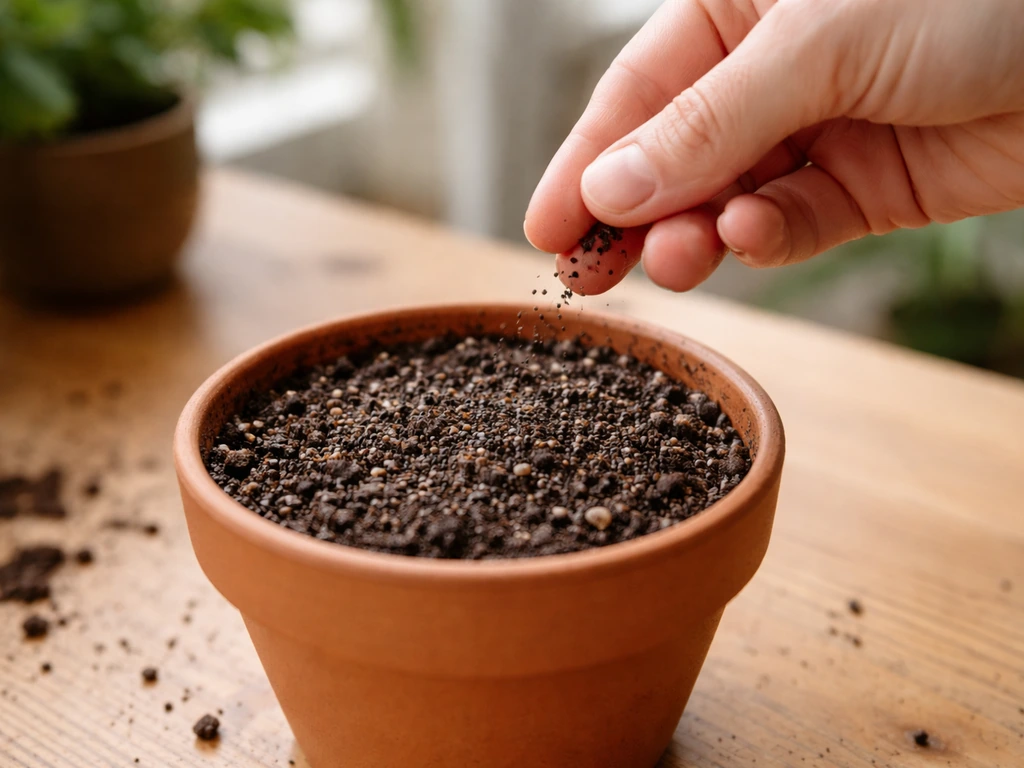
- Moisten your potting mix before sowing so the surface is damp but not soggy.
- Scatter seeds thinly across the surface of the pot. Do not bury them. Godetia seeds need light to germinate, so just press them gently into the surface with the flat of your hand.
- If you want to be more precise, aim for about one seed every 2 inches at the sowing stage (you'll thin later).
- Mist the surface lightly with a spray bottle. Avoid heavy watering that will wash the seeds around or push them below the surface.
- Place the pot somewhere that gets warmth (around 65 to 70°F) and indirect bright light until germination begins.
- Germination typically takes 21 to 28 days. Be patient and keep the surface consistently moist but not wet during this period.
Thinning and final spacing
Once seedlings are about 2 inches tall and have their first true leaves, thin them so each plant has about 6 to 8 inches of space in the container. In a 12-inch pot, that usually means 3 to 4 plants. Thinning is not optional: crowded plants compete for water and airflow, which encourages disease. Snip the unwanted seedlings at the base with small scissors rather than pulling them, to avoid disturbing the roots of the seedlings you're keeping.
Sun, watering, and feeding schedule for container godetia
Sun
Godetia wants full sun: at least 6 hours of direct sun per day. In containers this is easy to manage because you can move the pot to your sunniest spot. The catch is that containers in full sun in summer can overheat quickly, and godetia doesn't like that. If you're heading into warm weather, moving the pot to a spot that gets morning sun and afternoon shade can extend the bloom period by a couple of weeks. A south- or east-facing balcony or patio works well for most of the season.
Watering
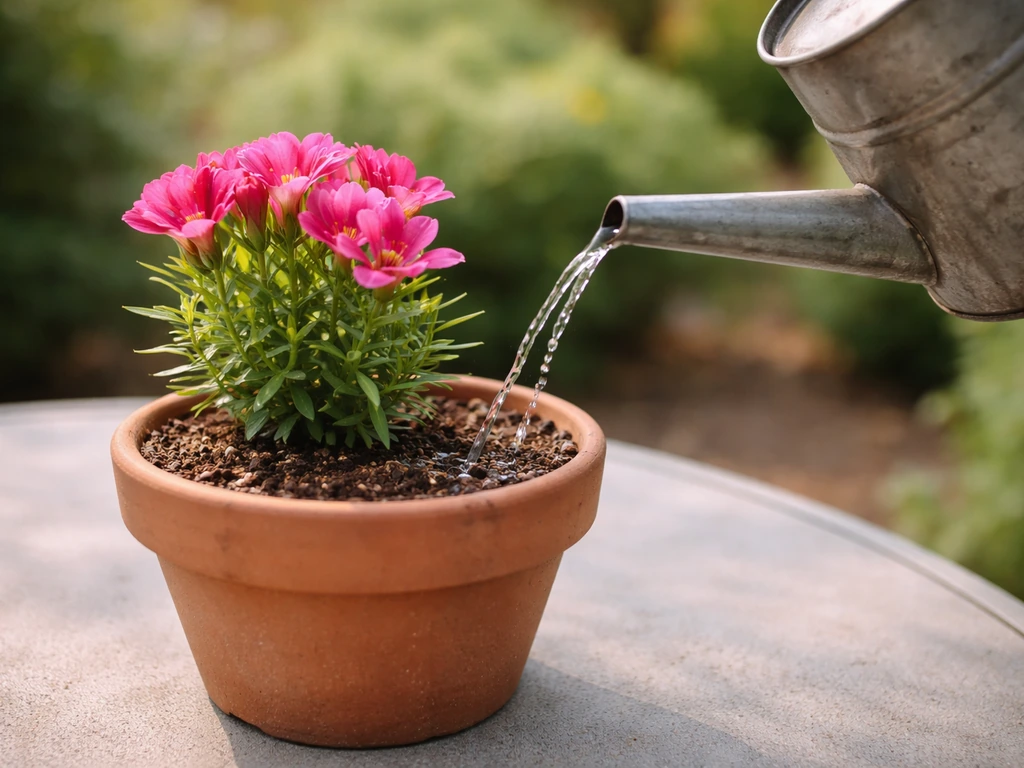
Water when the top inch of the potting mix feels dry to the touch. In cool spring weather, that might be every 2 to 3 days. On a warm, breezy day it could be daily. The key rule is: don't let the pot sit in water, and don't water on a schedule without checking the soil first. Push your finger an inch into the mix. Dry? Water thoroughly until it drains out the bottom. Still moist? Leave it another day. Godetia wilts quickly when underwatered but also suffers fast when overwatered, so this finger-check habit matters.
Feeding
Go easy on the fertilizer. This is one of the most common mistakes people make with godetia in pots: they feed it a nitrogen-heavy general fertilizer and end up with big leafy plants and very few flowers. Godetia doesn't need a lot of feeding. If you've started with a reasonable potting mix, you may not need to feed at all until flowering starts. Once buds begin to form, give it a low-nitrogen, high-potassium feed (a tomato-type fertilizer works well) every 2 to 3 weeks. That supports flower production rather than leafy growth. Stop feeding once the plant starts to wind down.
Deadheading and encouraging more blooms
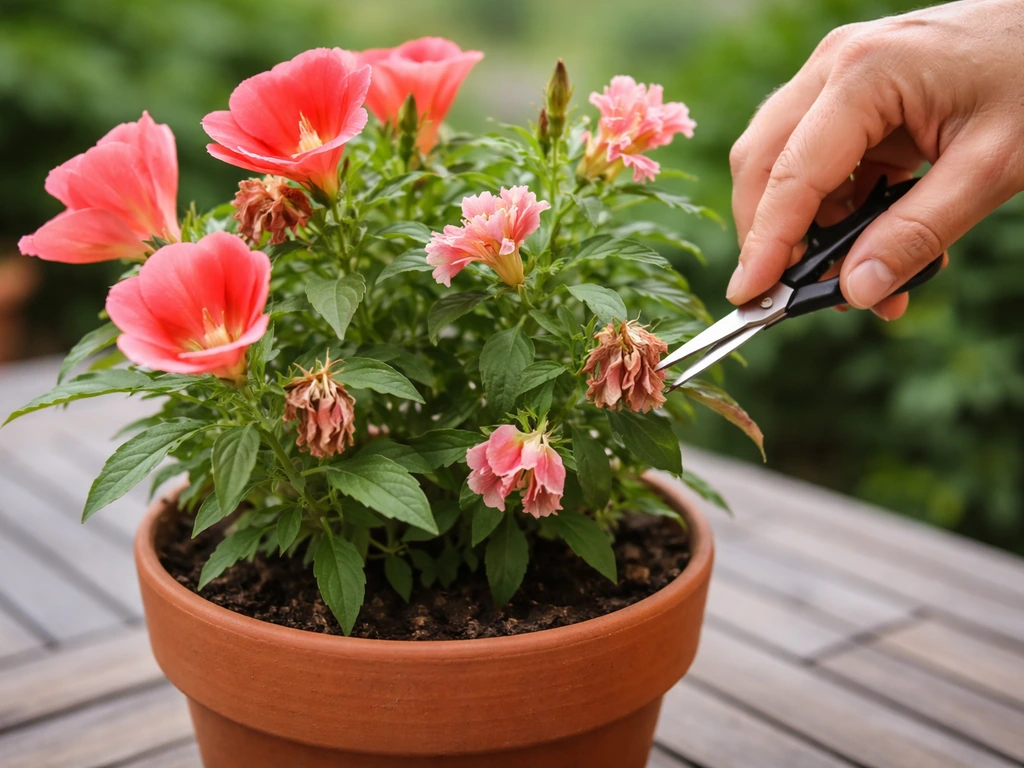
blank" rel="noopener noreferrer">Deadheading means removing spent flowers before they set seed. In some cases, blank" rel="noopener noreferrer">deadheading by removing spent flowers to prevent seed formation can encourage more blooms, according to the Missouri Botanical Garden. When a plant puts energy into making seeds, it slows down producing new flowers. Snipping off the faded blooms redirects that energy back into the next round of buds. For godetia, do this regularly (every few days) during the blooming period. You don't need to cut back whole stems: just snap or snip the spent flower head just below where it joins the stem, being careful not to damage any nearby buds that are still developing.
There's a bonus to deadheading container godetia specifically: it prevents the plant from self-seeding into the pot and then becoming a tangle next season. In a garden bed, godetia can spread quite easily from dropped seeds, but in a container you have control. Keep up with deadheading and you'll get a tidier, longer-blooming plant with far less mess to deal with later.
Common problems in pots and how to fix them quickly
| Problem | Likely Cause | What to Do |
|---|---|---|
| Seeds not germinating | Seeds buried too deep, or surface dried out | Re-sow on the surface, mist regularly, be patient (21–28 days is normal) |
| Seedlings collapsing at the base | Damping-off (fungal) | Improve airflow, reduce watering frequency, use sterile potting mix not garden soil |
| Leggy, floppy growth | Not enough light | Move pot to a sunnier spot with at least 6 hours of direct sun |
| Wilting despite watering | Root rot from overwatering or poor drainage | Check drainage holes are clear, let soil dry out more between waterings |
| Lots of leaves, few flowers | Too much nitrogen in fertilizer | Switch to a low-N, high-K feed; ease back on how often you fertilize |
| Early die-back in summer | Heat stress | Move to morning-sun-only spot; accept this as natural seasonal behaviour |
| Aphids or whitefly | Common container pests | Blast off with water, then use insecticidal soap spray if needed |
Damping-off deserves a bit more explanation because it's the most disheartening problem for beginners. It looks like your seedlings were doing fine and then suddenly keel over at the soil line. The cause is usually a combination of too-wet soil, poor airflow, and pathogen-laden soil. The fix for future batches is always to use sterile potting mix (never garden soil in containers), water carefully, and make sure the pot isn't sitting in a tray of standing water. There's no saving seedlings that have already damped off, but the fix for the next batch is simple.
Quick start checklist and next steps
If you're ready to get started today, here's the simple setup and care routine distilled into one checklist. Tick these off and you'll have a solid foundation for growing godetia in pots successfully. If you’re also curious about gotu kola, you can grow it in pots with similar container-care habits like well-drained soil and regular, consistent moisture how to grow gotu kola in pots.
- Choose a pot at least 10 to 12 inches wide and 10 inches deep, with drainage holes
- Fill with a mix of quality potting compost and 20 to 25 percent perlite or grit
- Sow seeds on the surface (do not bury them) and press gently into the mix
- Mist the surface to keep it moist; aim for 65 to 70°F during germination
- Expect germination in 21 to 28 days — don't give up before then
- Thin to 6 to 8 inches between plants once seedlings reach 2 inches tall
- Position in full sun (6+ hours) but be ready to shift to part shade as summer heats up
- Water when the top inch of soil is dry; never let the pot sit in standing water
- Feed with a low-nitrogen, high-potassium fertilizer every 2 to 3 weeks once buds form
- Deadhead spent flowers every few days to keep new blooms coming
If you enjoy growing cool-season flowering plants in pots, godetia sits in good company alongside other container-friendly plants like gaura, which also thrives in well-drained pots and produces delicate, airy blooms over a long season. The container care principles (drainage, light, and avoiding overfertilizing) carry across a lot of these plants, so once you've grown godetia in pots successfully, the skills transfer easily to others in your collection.
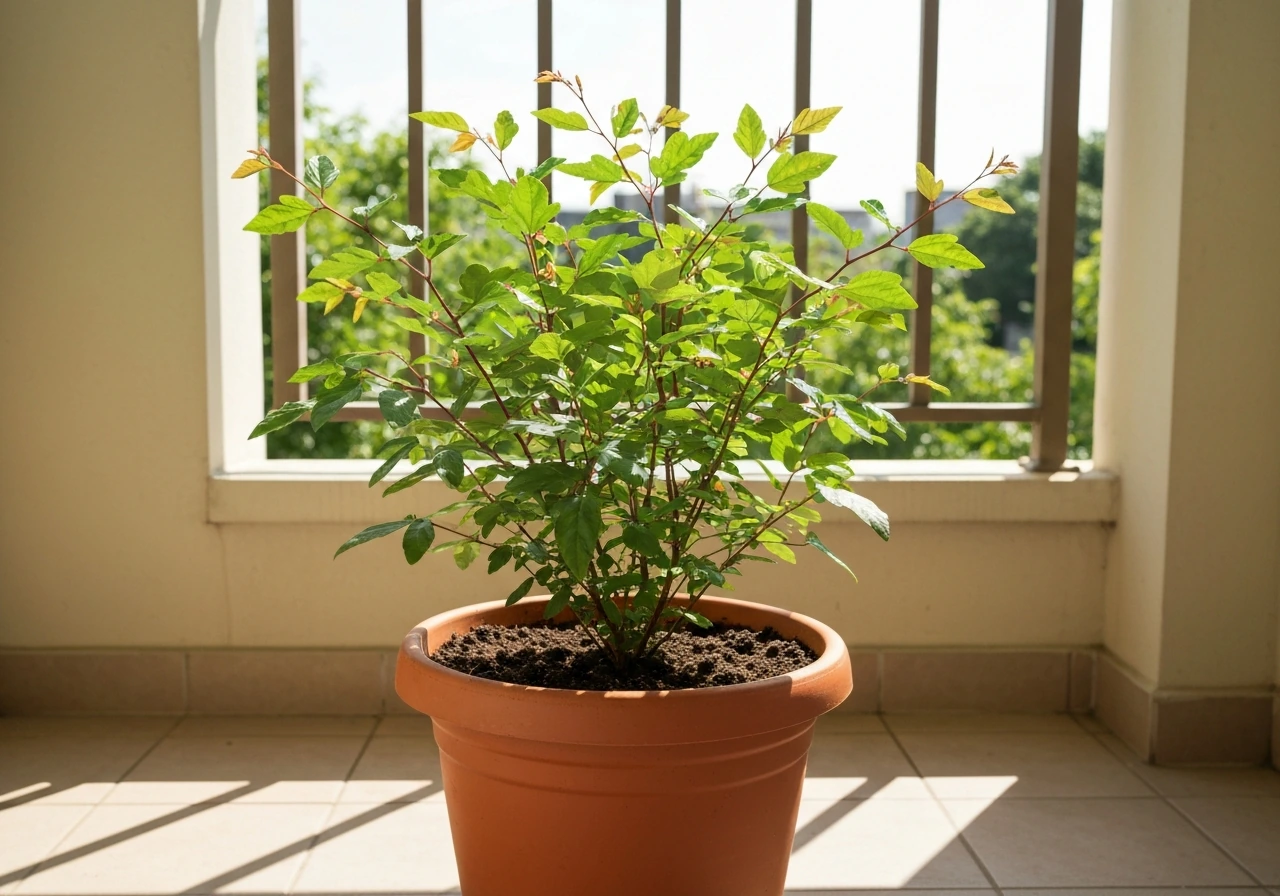
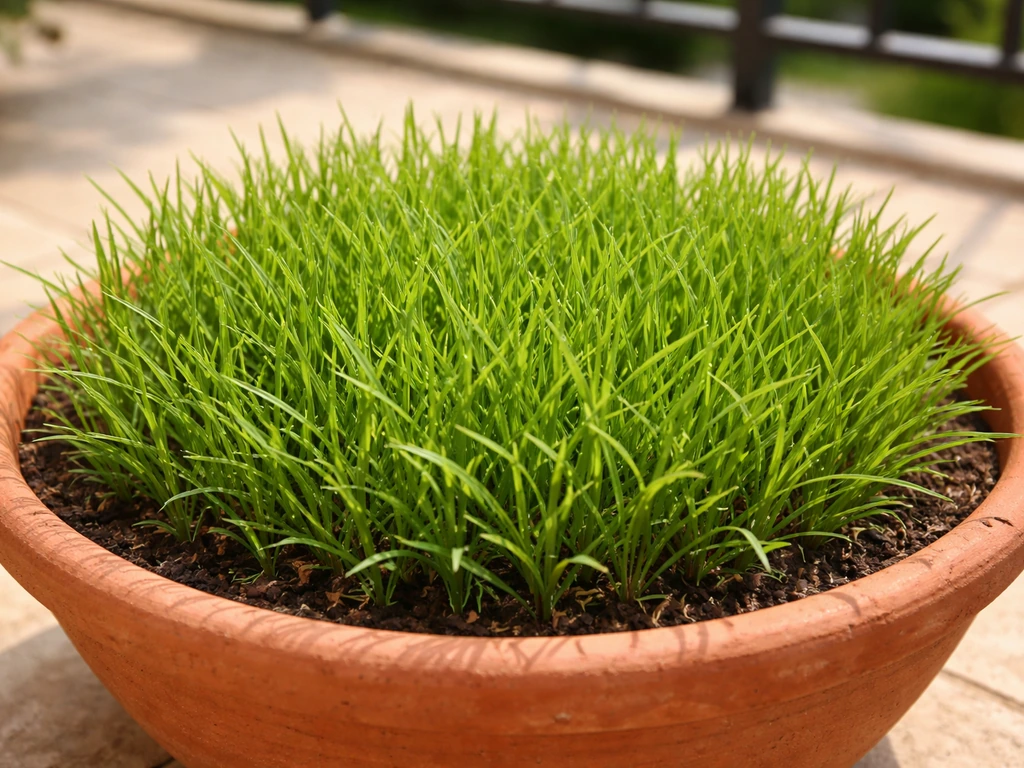
The best next step right now: check your calendar against your local last frost date, figure out when temperatures in your area are reliably sitting around 70°F, and work backward to plan your sow date. Then gather your pot, mix your soil, and get those seeds on the surface. If you're also wondering how to grow durva grass in pots, focus on providing ample light, a draining potting mix, and consistent moisture during establishment. Godetia is genuinely one of the more rewarding cool-season flowers you can grow in a container, and the blooms are spectacular enough that you'll want to grow it again every spring.
FAQ
Can you grow godetia in pots year-round, or only in cooler seasons?
Godetia is best as a cool-season annual. In containers it can handle mild spring temperatures, but it generally stalls and fades when summer heat stays above about 75°F (25°C). Plan for a spring (or mild winter) window rather than trying to keep it going through hot weather.
What size pot is actually the minimum for godetia in containers?
For reliable results, aim for at least a 10 to 12 inch diameter pot, and about 10 inches deep. Smaller pots tend to dry out or overheat faster, which can lead to stunted growth or an early end to flowering.
How many godetia plants should I sow in one pot?
After thinning, keep about 6 to 8 inches of spacing between plants. In a 12 inch pot this is usually 3 to 4 plants, depending on variety, so airflow stays good and roots do not overcrowd.
Do godetia seeds need to be buried, or can they be covered with soil?
They need light to germinate, so do not bury them. Press them gently onto the surface of the mix, then mist or water lightly so the seeds are evenly moistened without being covered.
Can I start godetia indoors and transplant into the pot later?
Transplanting is tricky because the roots are delicate. If you must start early, use biodegradable pots or plug trays so you can move the whole rootball with minimal disturbance, and time it so plants go into the container about 6 to 8 weeks before your last frost.
Why are my godetia seedlings collapsing at the soil line in the pot?
That pattern often points to damping-off from staying too wet, poor airflow, or pathogen-contaminated soil. Use sterile potting mix, avoid garden soil, water only when the top inch is dry, and never let the container sit in standing water.
How often should I water godetia in a pot during spring?
Instead of a strict schedule, use the finger check. Water thoroughly when the top inch feels dry, then let excess drain away. In cool weather it might be every 2 to 3 days, but breeze and sun can make it daily.
If my pot has drainage holes but water still pools in the bottom after watering, what should I do?
Check for a blocked drainage hole or potting mix that is too dense. Make sure you are using a lightweight potting mix with perlite or grit, and consider lifting the container off a saucer briefly so water cannot linger at the base.
What fertilizer should I use if I want more flowers and fewer leaves?
Use light feeding focused on bloom support. Once buds form, switch to a low-nitrogen, higher-potassium fertilizer (similar to tomato feed) every 2 to 3 weeks, and stop feeding as the plant begins winding down.
Should I deadhead godetia in pots, and how does it affect next season?
Yes, regular deadheading helps keep flowering going and prevents the plant from putting energy into seed. It also reduces self-seeding mess in the same container, so you get a tidier look and fewer volunteer seedlings later.
My godetia stopped blooming early even though the weather is still mild. What could be wrong?
Common causes are overcrowding, excess nitrogen, or inconsistent moisture. Recheck spacing, avoid nitrogen-heavy fertilizer, and make sure the potting mix is moist but never waterlogged, since both under- and overwatering can shorten the bloom window.
Can I move a godetia pot during the day to manage sunlight and temperature?
Yes, moving pots is a big advantage. If afternoons get too hot, shift to morning sun with afternoon shade to extend bloom duration and reduce heat stress.
What should I do with the pot after godetia finishes blooming?
Since it is an annual, you typically remove it once it stops producing flowers. If you want to avoid self-seeding, keep up with deadheading until it truly ends, then discard spent plants rather than leaving seed heads in place.