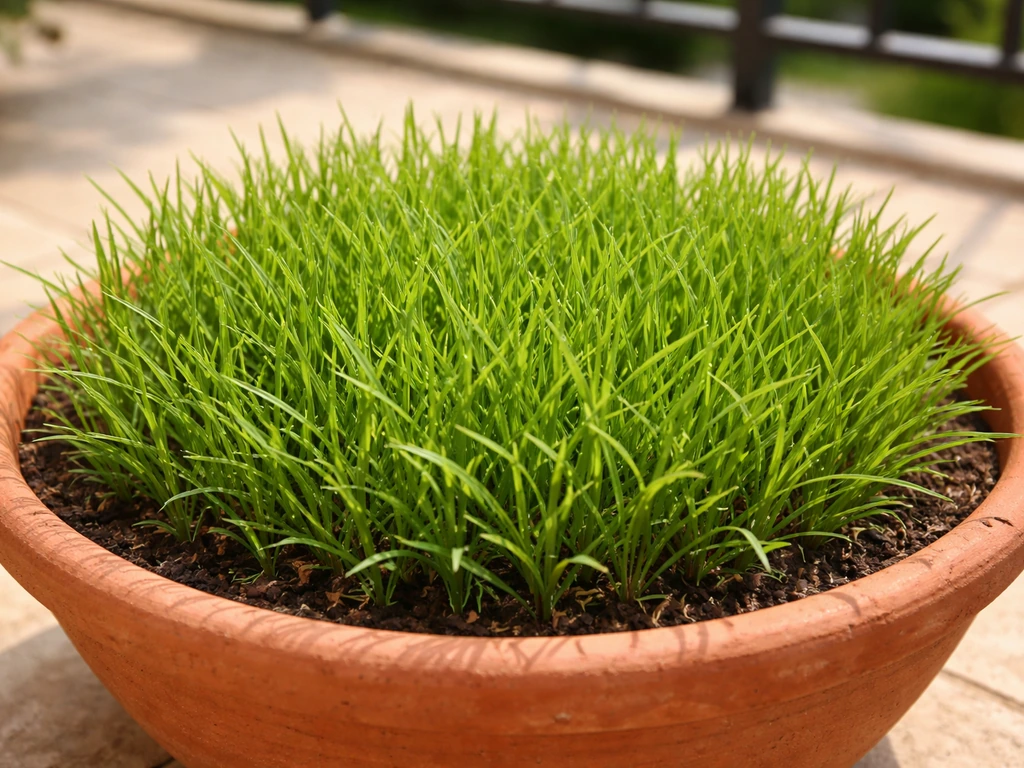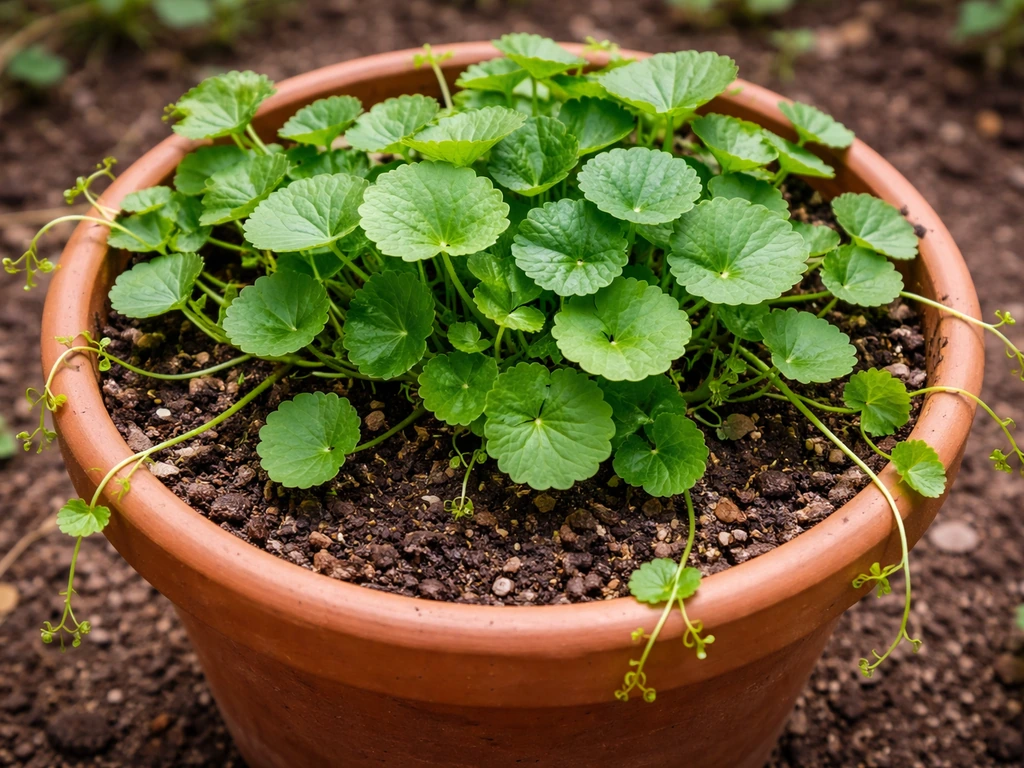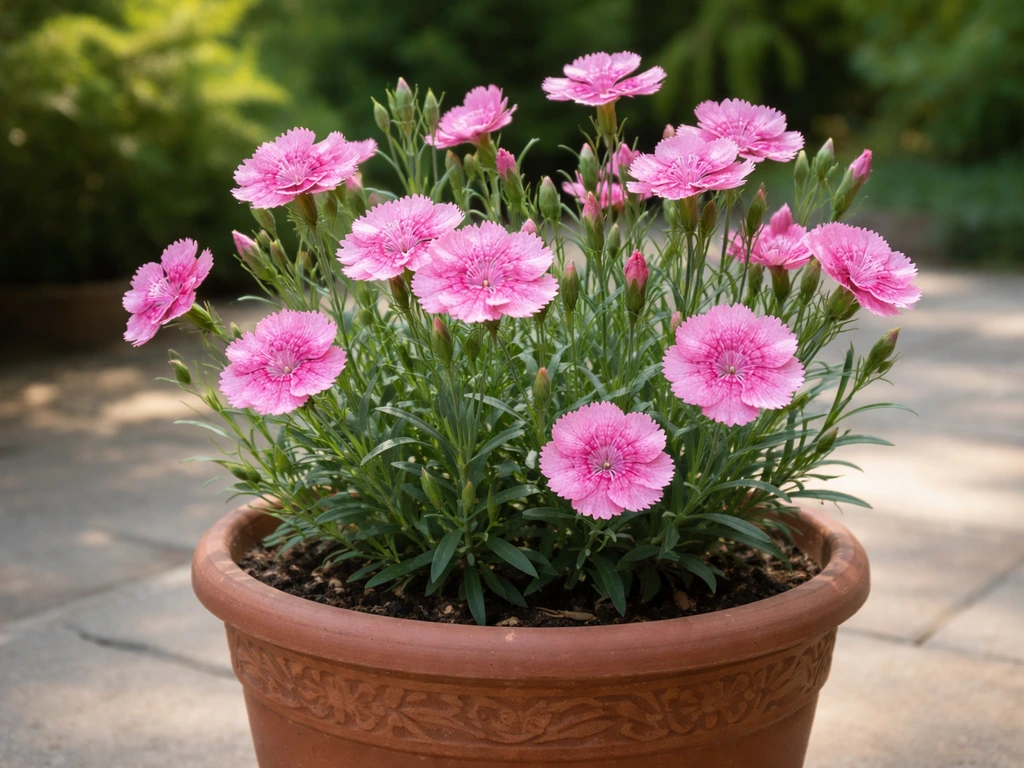
Yes, gaura absolutely grows in pots, and it can look spectacular doing it. The key is giving it fast-draining soil, a big enough container, and as much sun as you can manage. Get those three things right and you'll have those delicate, butterfly-like blooms dancing around from late spring right through to autumn without much fuss at all. If you can meet those basic container needs, you can also grow godetia in pots successfully can you grow godetia in pots.
How to Grow Gaura in Pots: Step-by-Step Care Guide
Marcus Whitley
30 May 2026
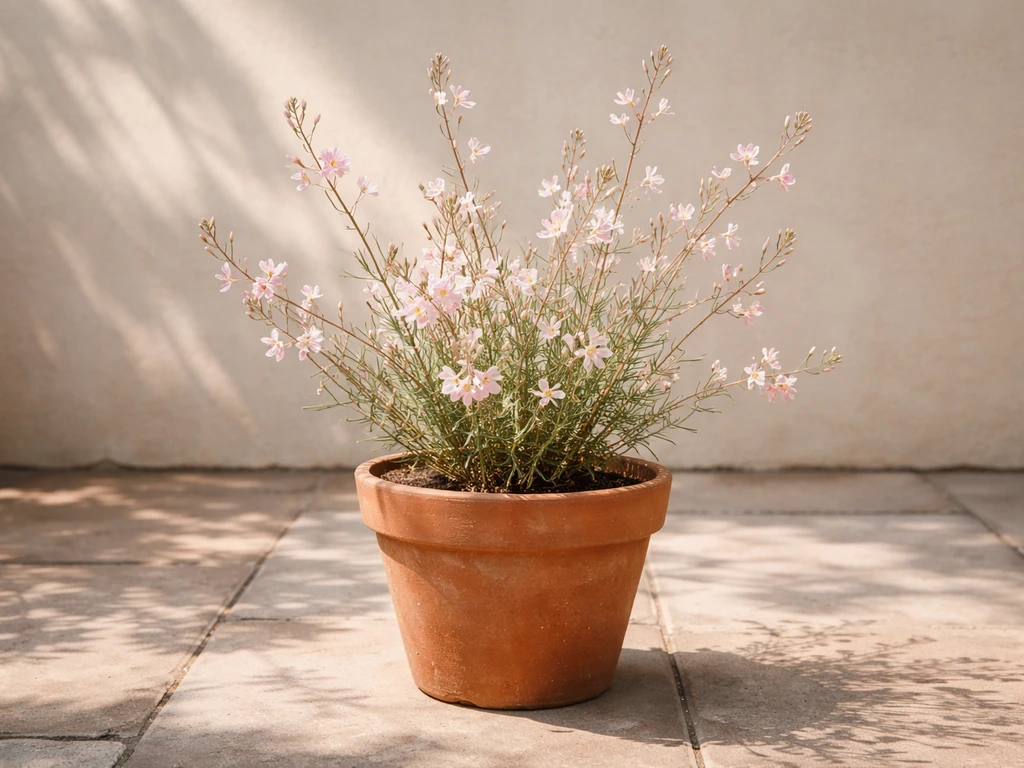
Can you grow gaura in pots (and what to expect)
Gaura (Gaura lindheimeri, now often listed as Oenothera lindheimeri) is a tough, drought-tolerant perennial that actually adapts well to container life as long as you respect its one non-negotiable: it cannot sit in wet soil. In the ground it's practically xeriscape material, meaning it thrives with minimal water once established. In a pot the same rule applies, except you're in charge of drainage rather than the earth. Nail that and you get a plant that blooms reliably for months, shrugs off summer heat, and asks for very little in return.
What you can realistically expect from container gaura: flowers from roughly late spring through to the first hard frosts, feathery wand-like stems that move beautifully in any breeze, and a surprisingly compact root system that's genuinely happy in a well-chosen pot. It won't look like a ground planting in terms of sheer volume, but paired with other container plants or grown solo as a focal piece, it's one of the best-value perennials you can put in a pot. It even does reasonably well on urban balconies, which makes it a great option if your growing space is limited.
Pick the right pot size, drainage, and gaura variety
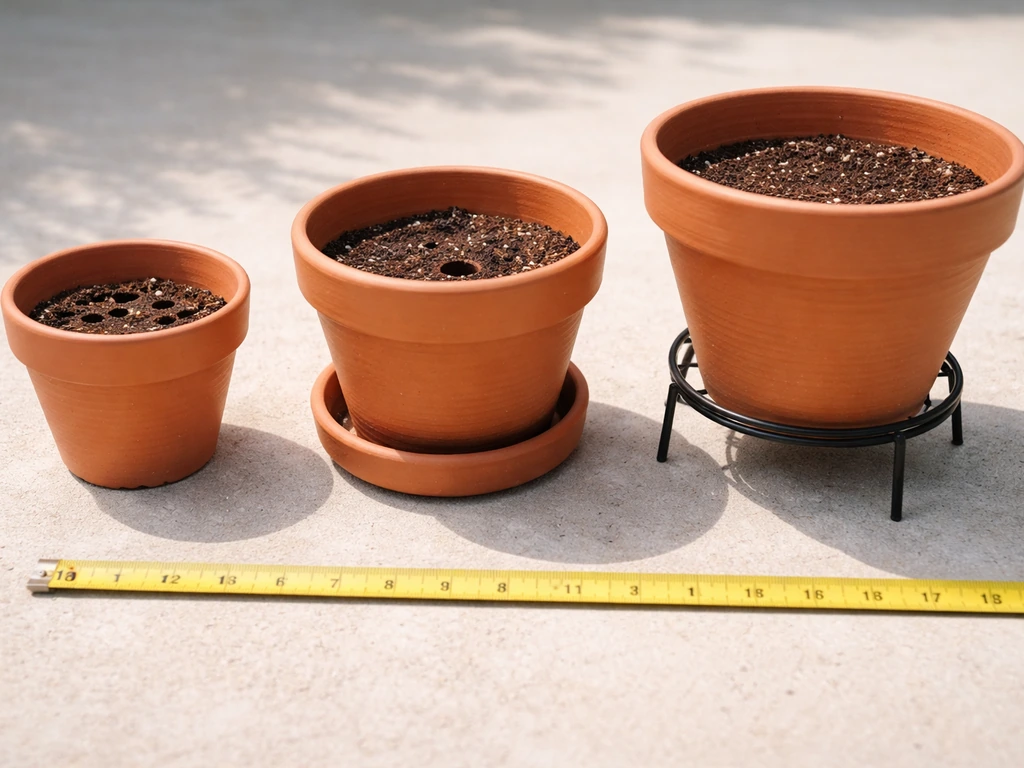
Pot size and material
Go bigger than you think you need. For a single gaura plant, a pot that's at least 12 inches (30 cm) wide and equally deep is a working minimum, but 14 to 16 inches is more comfortable and means less frequent watering in hot spells. The deep pot matters because gaura grows a thick taproot and it doesn't appreciate being cramped at the base. For two plants in one container, aim for at least 18 inches wide.
Terracotta (clay) pots are genuinely the better choice here over plastic. Terracotta is breathable, which helps excess moisture escape through the pot walls rather than just through drainage holes. That bit of extra air exchange around the root ball makes a real difference for a plant that hates wet feet. Whatever pot you use, make sure it has at least one good-sized drainage hole at the bottom, and never sit it directly in a saucer full of standing water.
Picking the right variety
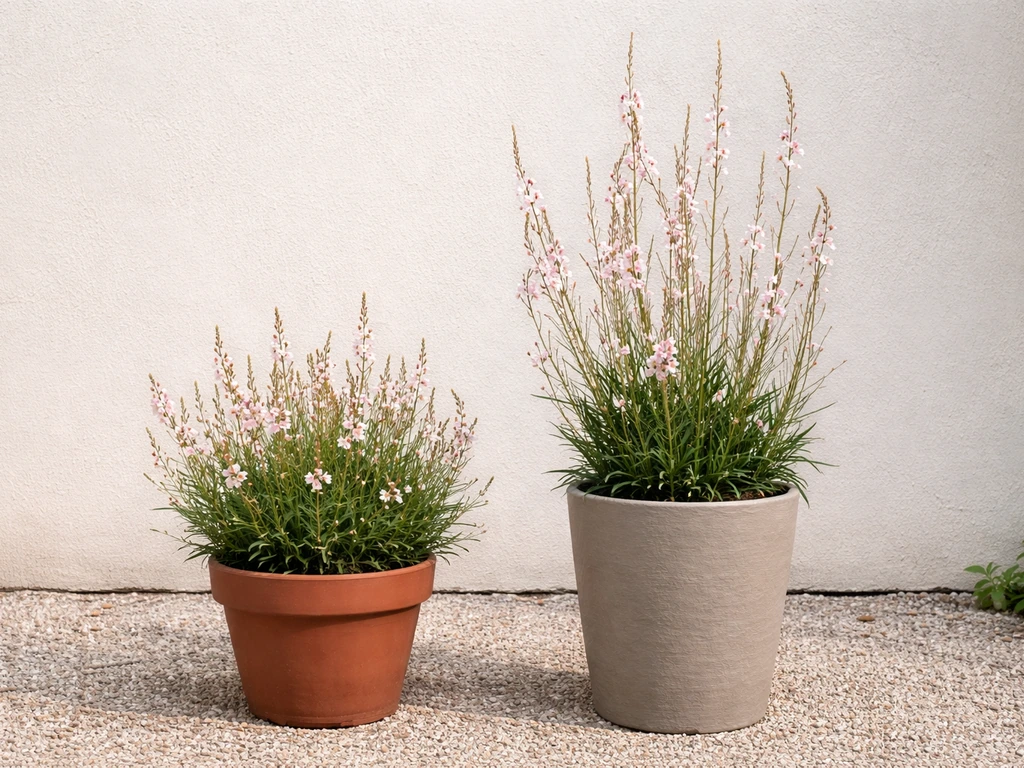
Variety choice genuinely matters in containers because some gauras get quite large. The compact or dwarf forms (sometimes labelled 'Gaura nain' or similar) stay around 40 to 45 cm (roughly 16 to 18 inches) and are ideal for smaller pots and balcony settings. If you want a mid-size variety, 'Whirling Butterflies' is a classic choice that tops out around 30 to 36 inches tall with a spread of 18 to 24 inches. It's manageable with regular pruning. 'Siskiyou Pink' is another popular one with soft pink flowers, maturing to about 2.5 to 3 feet tall and a similar width, so it needs a decent-sized pot and some pruning to stay tidy. For first-timers especially, starting with a compact cultivar takes a lot of the guesswork out of pot sizing and pruning.
| Variety | Height | Best for containers? | Notes |
|---|---|---|---|
| Compact/Dwarf types | ~40–45 cm (16–18 in) | Best choice | Great for smaller pots and balconies |
| 'Whirling Butterflies' | 30–36 in (75–90 cm) | Yes, with pruning | Classic, reliable bloomer; needs mid-sized pot |
| 'Siskiyou Pink' | 2.5–3 ft (75–90 cm) | Yes, with pruning | Pretty pink flowers; needs 14–16 in pot minimum |
Best soil and planting steps for container gaura
Getting the soil mix right
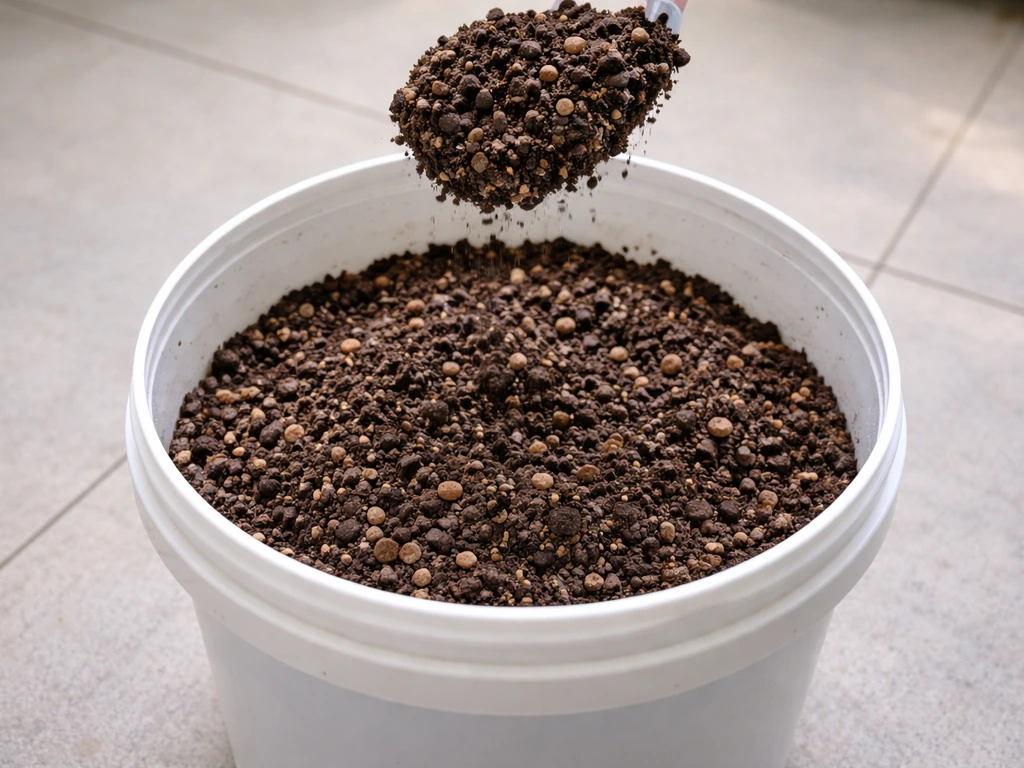
Standard potting mix straight from the bag is usually too moisture-retentive for gaura. The fix is simple: blend your potting soil with 40 to 50% coarse material. Expanded clay (often sold as Leca or similar), perlite, or coarse horticultural grit all work well. That ratio might sound like a lot of grit, but it's what gives you the fast-draining, well-aerated mix that mimics gaura's natural preferred conditions. Aim for a soil pH of around 6.1 to 6.8, which is slightly acidic to nearly neutral. Most quality potting mixes land in that range already, so you usually don't need to adjust.
One more drainage trick that's worth doing: add a 1 to 2 inch layer of coarse gravel or crocks at the very bottom of the pot before adding your soil. This keeps the drainage hole from getting clogged and encourages water to move through quickly.
Planting steps
- Time your planting for after your last frost date in spring, or early autumn in mild climates. Late spring (around now, end of May) is ideal for most gardeners.
- Fill your pot to about two-thirds full with your prepared soil mix.
- Remove the gaura from its nursery pot gently. If the roots are circling at the base, tease them apart lightly with your fingers so they point outward.
- Set the plant in the pot so the top of the root ball sits about 1 inch below the rim of the pot. This leaves space for watering without overflow.
- Fill in around the root ball with your soil mix and firm it down gently. The crown of the plant (where the stems meet the roots) should sit at or just above the soil surface.
- Water in thoroughly until water runs freely from the drainage holes.
- Place the pot in a sunny spot and don't water again until the top inch or two of soil has dried out.
Sunlight, watering, and fertilizing routine
Sun requirements
Gaura wants full sun, meaning at least 6 hours of direct sunlight per day. It can tolerate partial shade, but flowering will be noticeably reduced and the plant may become a bit leggy reaching for the light. If you're on a balcony or in a spot that only gets 4 to 5 hours of sun, it'll survive but don't expect the same show you'd see in a sunnier position. Given the choice, always put it in your sunniest spot.
Watering
This is where most container gaura problems start. The plant is naturally drought-tolerant, and overwatering in a pot is far more dangerous than underwatering. Let the top 1 to 2 inches of soil dry out between waterings before you water again. In hot summer weather that might mean watering every 2 to 3 days; in cooler or cloudy periods it could be once a week or less. The absolute rule, repeated from the research because it genuinely matters: never let gaura sit in saturated soil. Root rot can set in fast and is hard to come back from. When you do water, water deeply until it drains freely from the bottom, then leave it alone.
Fertilizing
Gaura doesn't need heavy feeding and too much fertilizer actually encourages lots of leafy green growth at the expense of flowers. A light, monthly feed during the active growing season (spring through early autumn) with a balanced liquid fertilizer diluted to about a quarter of the recommended strength is plenty. Think of it as a gentle top-up rather than a regular meal. If you notice the plant producing lots of foliage but few flowers, skip a feed or two and see if the blooming picks back up.
Pruning, deadheading, and keeping growth compact
Deadheading (removing spent flower spikes before they set seed) keeps gaura blooming longer and stops it from self-seeding everywhere. You don't need to be precise about it. Just run your fingers along a stem and pinch or snip off the spent tip once the flowers have faded. Doing this every week or two during peak blooming season makes a visible difference to how long the display lasts.
For a more intentional pruning session, cutting the whole plant back by about half in mid-June encourages it to branch out and produce a fresh flush of growth and flowers in late summer and autumn. This is especially useful for taller varieties that are getting a bit floppy or sprawling over the edge of the pot. Think of it as a reset button. The plant looks bare for a week or two, then comes back fuller and bushier. If you miss the mid-June window, cutting back by one-third at any point in summer still helps, though the regrowth takes a bit longer in hotter conditions.
Seasonal care: summer heat, autumn, and winter
Summer heat
Good news: gaura handles heat well and is one of the better container plants for hot, sunny patios. In extreme heat (consistently above 95°F / 35°C), pots dry out faster, so you'll need to check soil moisture more frequently. One practical tip for summer is to move terracotta pots slightly off full-south-facing surfaces in the peak afternoon if temperatures are extreme, since the pot walls can heat up and stress the roots. That said, the plant itself is far tougher than it looks. Keep up the watering cadence and it will generally sail through summer in good shape.
Autumn transition
As temperatures drop in autumn, gaura starts winding down. You can cut the plant back in late autumn once flowering is done, reducing it by about two-thirds. This tidies it up and prepares it for dormancy. Reduce watering significantly at this point since the plant isn't actively growing and the risk of overwatering increases as temperatures cool.
Winter protection for container gaura
Container plants are more vulnerable to frost than the same plant in the ground because the roots are exposed on all sides. In mild climates (USDA zones 6 and above), gaura in the ground can overwinter easily, but in pots the roots can freeze even if air temperatures are only just below freezing. The safest approach is to move your pot to a sheltered, frost-free spot for winter, ideally somewhere that stays between 35 and 45°F (2 to 7°C), like an unheated greenhouse, a cool garage, or a protected corner against a south-facing wall with some insulation around the pot. This overwintering step actually results in noticeably stronger spring growth the following year, which makes it well worth the effort. If you truly can't protect the pot, wrapping the pot (not the plant) in bubble wrap or hessian provides some insulation against the coldest nights.
Troubleshooting common container problems
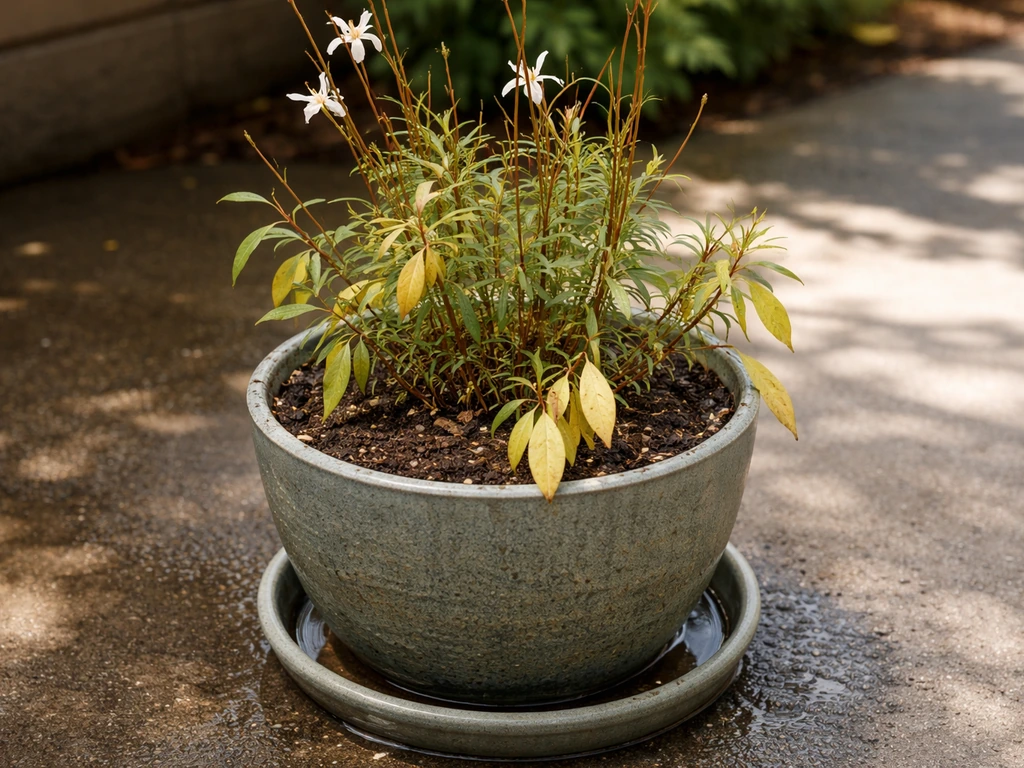
Most problems with container gaura come down to watering, light, or soil drainage. If you want another drought-friendly container plant, you can also learn how to grow gongura in pots. Here's what you're likely to see and what to do about it.
- Yellow leaves: Usually the first sign of overwatering or waterlogged soil. Check that your drainage holes aren't blocked, let the soil dry out fully before the next watering, and consider repotting into a grittier mix if the problem persists. Occasionally, yellowing is a nutrient deficiency, particularly nitrogen, but check watering first because overwatering is far more common.
- Leggy, floppy stems: Almost always a sign of insufficient light. Move the pot to a sunnier spot. If the plant is already in full sun, cutting it back by half will encourage bushier, sturdier regrowth.
- Lots of leaves, few flowers: Too much nitrogen from over-fertilizing, or not enough sun. Cut back on feeding and make sure it's getting at least 6 hours of direct sun per day.
- Root rot: Soft, darkened roots and a wilting plant despite moist soil are the warning signs. This is caused by saturated media and is unfortunately hard to reverse once established. Repot immediately into fresh, well-draining mix, trim away any black or mushy roots, and hold off on watering for a week.
- Fungus gnats: Tiny flies hovering around the soil surface. They breed in consistently moist topsoil. Allow the surface to dry out more between waterings. Yellow sticky traps help catch adults while you address the soil moisture.
- Whitefly: Small white insects on the undersides of leaves. Spray with an insecticidal soap solution, making sure to get under the leaves. Repeat every 5 to 7 days for 3 to 4 weeks to break the life cycle.
- Plant doesn't come back in spring: Either the roots froze over winter (bring the pot inside earlier next year) or the crown was too wet during dormancy (improve drainage in the potting mix).
The single most common mistake people make with container gaura is treating it like a thirsty annual that needs regular watering. It doesn't. Respecting its drought tolerance, giving it truly fast-draining soil, and getting it into a big enough terracotta pot are the three steps that solve almost every container problem before it starts. From there, it's an incredibly rewarding plant to grow, and one that suits the same kind of sunny, low-water container setup as other drought-tolerant ornamentals you might be exploring. Gotu kola can also be grown in pots if you give it plenty of light, consistently moist soil, and enough space for spreading growth Gotu kola in pots.
FAQ
Can I grow gaura in a self-watering pot or with a saucer underneath for convenience?
Avoid it. Gaura is very prone to root rot when kept consistently moist. If you use a self-watering system or a saucer, the water reservoir can keep the potting mix damp for too long. If you must use one, ensure the reservoir never feeds the pot, and always empty any runoff so the pot drains fully.
What potting mix should I use if my local potting soil already drains poorly?
Use a high-drainage custom blend. If your bag mix stays wet longer than a day after watering, increase the coarse component beyond the 40 to 50% range (for example, 60% grit/perlite/expanded clay). You can also top-dress with a thin layer of coarse grit to help surface water percolate instead of sitting.
How do I know my gaura pot has enough drainage holes?
One large hole is often fine, but if the pot is heavy or the soil tends to compact, add more holes or choose a pot designed with multiple openings. After watering, you should see water exit freely within minutes. If it trickles slowly or water pools at the bottom, repot with more drainage material and check hole size.
Why is my gaura leggy in a pot, even though it gets sun?
Legginess usually means the plant is stretching for light. Try moving it to the brightest spot you have, ideally where it gets the full 6+ hours of direct sun. Also rotate the pot every week so one side does not dominate growth toward the light.
How often should I water gaura in a pot if I’m not sure when the top 1 to 2 inches are dry?
Use a simple moisture test. Push a finger or a wooden skewer into the mix down a couple inches, if it feels cool and wet, wait. If it feels dry and the skewer comes out dry or with only a few crumbs, water thoroughly until it drains. This avoids guessing based on weather alone.
What should I do if my gaura starts wilting after I watered?
Wilting right after watering usually points to oxygen-starved roots, often from overly wet mix. Check drainage first (does water run out quickly?), then assess the top growth and soil scent. If the mix stays wet or smells sour, let it dry more, improve aeration, and consider repotting into a faster-draining mix.
Should I fertilize gaura in pots with a slow-release fertilizer?
It’s safer to avoid heavy slow-release feeding. Gaura flowers best with modest feeding, and slow-release products can be difficult to control, especially in containers. If you use one, choose a low-to-moderate rate and supplement with little or no additional fertilizer, then watch for reduced blooms and lush foliage.
Will gaura self-seed in pots, and how do I stop it?
Yes, it can set seed and volunteers may pop up in the same container or nearby pots. To prevent that, deadhead spent flower spikes before seeds fully form. A practical approach is pinching off faded tips every one to two weeks during peak bloom, so you never let seed heads develop.
When is the best time to prune container gaura, and can I prune after mid-June?
Mid-June is ideal for the bigger “reset” prune, because it supports a late-summer and autumn flush. If you miss that window, you can still trim by one-third during summer, but expect slower regrowth. Avoid cutting hard too late in the season, since it reduces foliage before winter dormancy.
How do I overwinter gaura in a pot if I have no greenhouse or garage?
Create a frost-protected microclimate. Move the pot close to a south-facing wall, wrap only the pot with bubble wrap or hessian for insulation, and keep it sheltered from driving rain. Water sparingly during winter, only enough to prevent the mix from completely drying out, and do not leave it in a constantly wet area.
Is gaura in pots more prone to pests, and what’s the first sign to watch for?
The biggest issue is usually culture, but you can still see occasional aphids or stressed growth when conditions are off. Early signs include distorted tender tips and sticky residue. Address by improving airflow, correcting watering and light, and if needed using an appropriate insect control method suitable for ornamentals in containers.