Chukkakura (Basella alba, also called Malabar spinach or vine spinach) grows surprisingly well in pots, and if you start now in mid-June, you are hitting almost perfect timing. It loves heat, thrives in the warm months ahead, and a single well-managed pot can give you steady harvests for months. The key things to get right: a pot that is at least 12 inches deep, fast-draining soil with some compost mixed in, a trellis or support for the vine, and consistent watering because containers dry out faster than garden beds. Get those four things right and this plant basically wants to grow for you.
How to Grow Chukkakura in Pots: Step-by-Step Guide
Marcus Whitley
16 Jun 2026
Choosing the right chukkakura variety and pot size
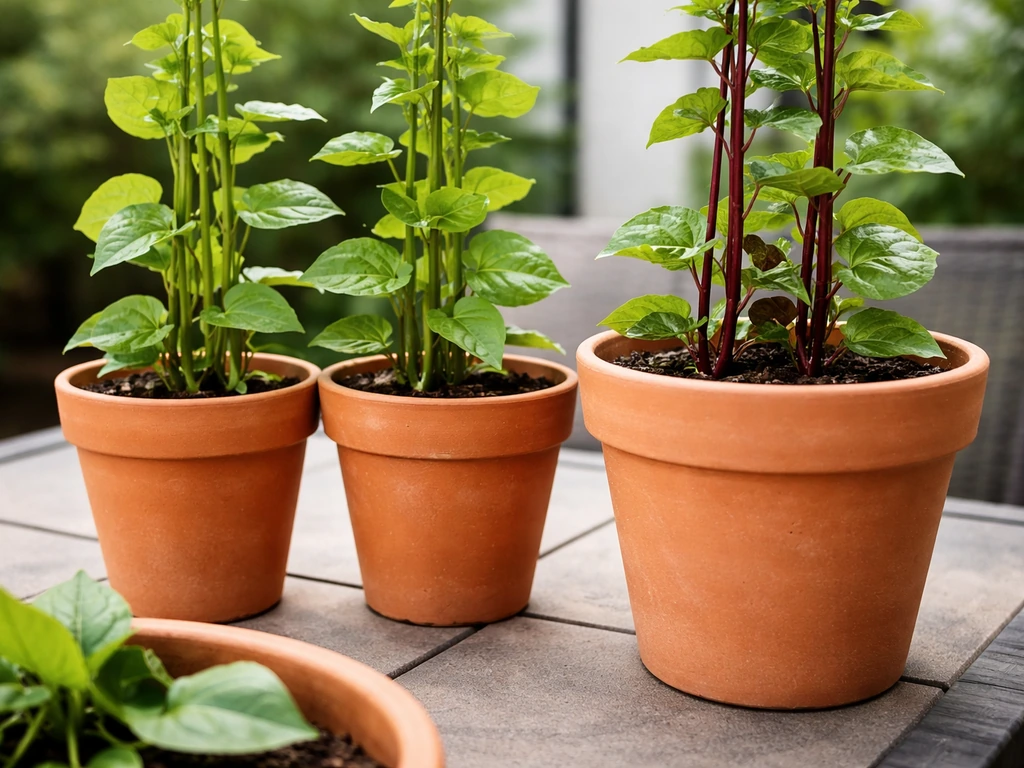
There are two main types of chukkakura you will find: the green-stemmed variety (Basella alba) and the red or purple-stemmed variety (Basella rubra). Both taste the same and grow the same way in pots. The red-stemmed type is slightly more ornamental if that matters to you, but for pure productivity, the green type tends to put out more leaf mass faster. Either works well in containers, so go with whichever seeds or seedlings you can find locally.
For pot size, do not go too small. Chukkakura is a vigorous climbing vine, and it develops a decent root system to support all that leafy growth. A pot that is at least 12 inches wide and 12 inches deep is the minimum. A 14- to 16-inch pot is genuinely better, especially if you want to grow more than one plant together. I have tried it in smaller 8-inch pots and the plant survives but looks stressed by midsummer, producing smaller leaves and fewer of them. Bigger pot, better yields, simpler care.
Material matters too. Terracotta pots dry out faster than plastic or glazed ceramic, which means more frequent watering in summer heat. That is not a dealbreaker, but if you are a busy person or in a hot climate, a plastic or resin pot of the same size will be more forgiving. Whatever you use, drainage holes at the bottom are non-negotiable.
Potting mix and container setup
Chukkakura is not fussy about soil, but it does need a mix that drains well while still holding some moisture. Do not use plain garden soil in a pot. It compacts, drains poorly, and basically suffocates roots in a container. Instead, start with a good quality potting mix as your base.
Here is the mix I recommend for a standard 14-inch pot: fill about 70 percent of the pot with standard potting mix, then add around 20 percent compost (homemade or bagged) for nutrients and moisture retention, and finish with about 10 percent coarse sand or perlite to keep things airy. Mix it together before filling the pot. This gives the roots oxygen, decent fertility, and enough moisture-holding capacity without becoming waterlogged.
Before filling, check the drainage holes. If they are very small or sparse, drill a few extra. Then add a one-inch layer of gravel or broken clay pot pieces at the bottom before adding your soil mix. This keeps the drainage holes from getting clogged with soil over time. Avoid using more than an inch of gravel though since a thick drainage layer actually reduces the total effective soil depth for your roots.
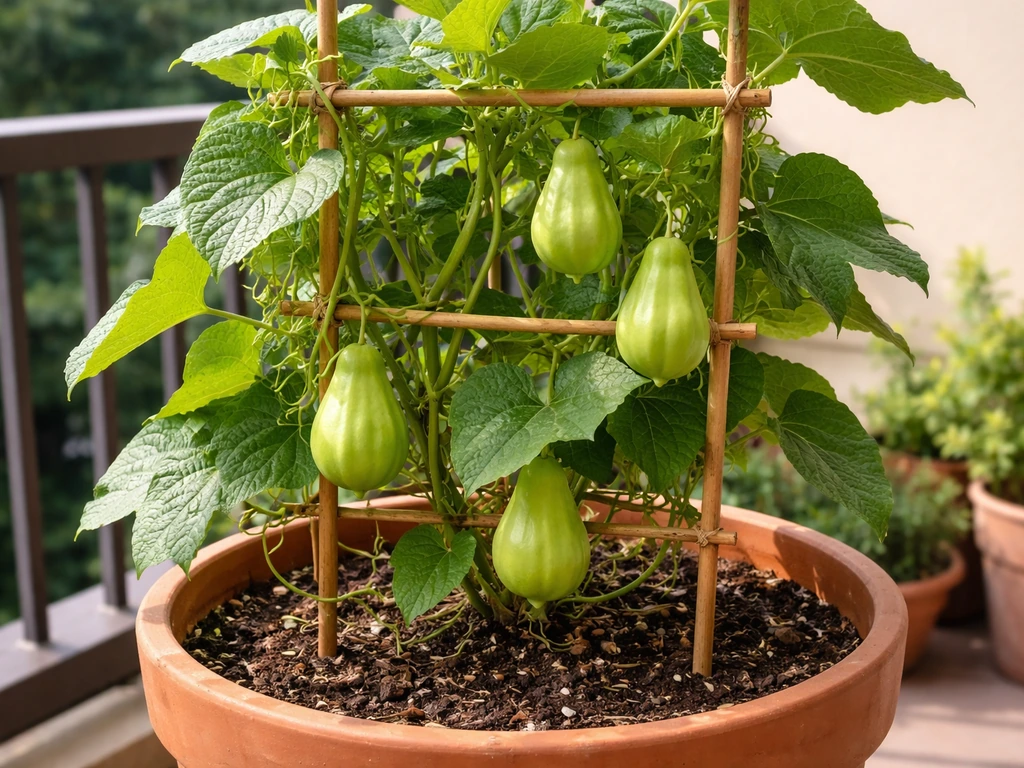
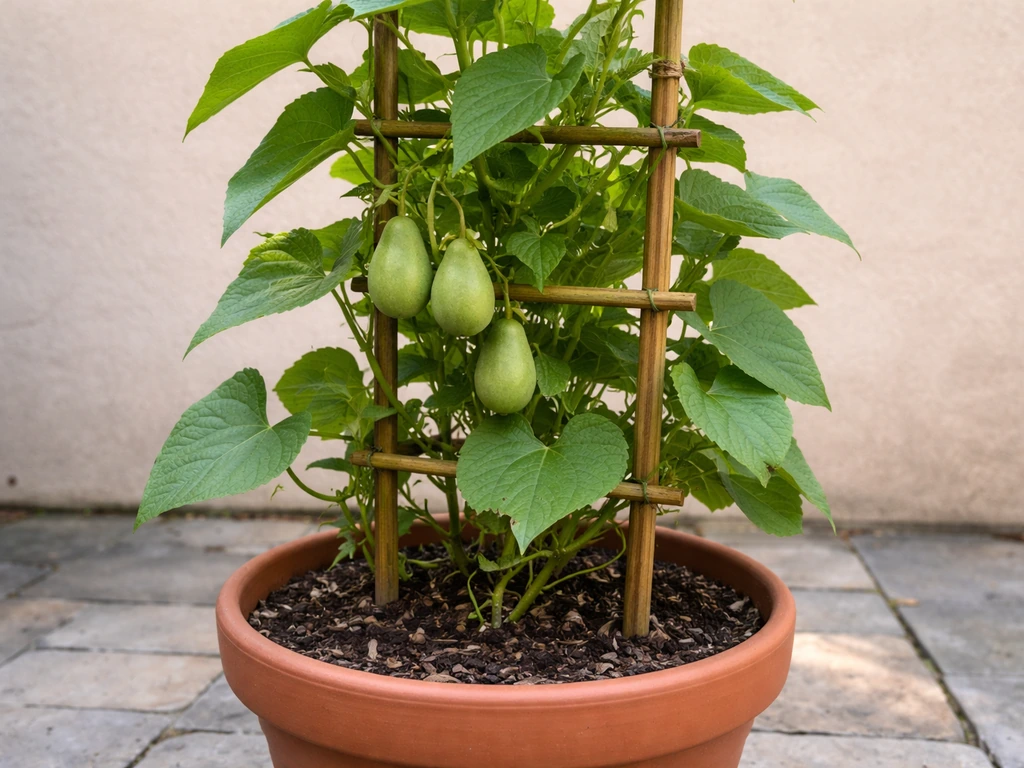
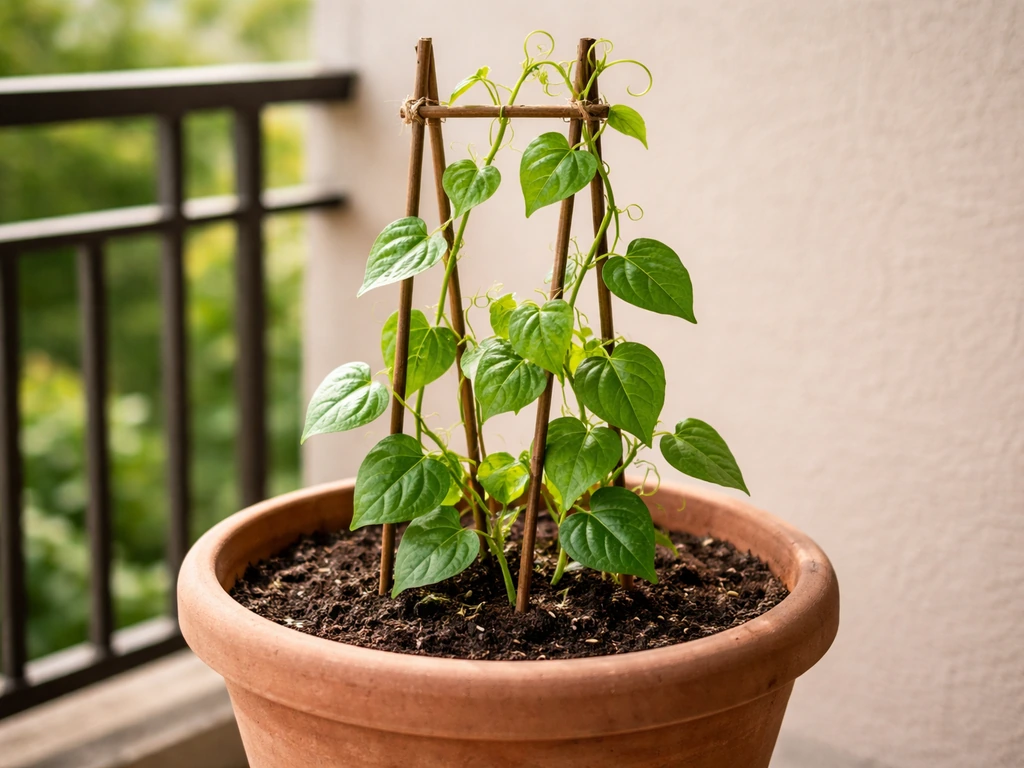
One more thing to set up before planting: a small trellis, bamboo stakes, or even a section of wire mesh inside or behind the pot. Chukkakura is a vine and will climb up to 10 feet given the chance. In a pot, it will stay more compact, but it still needs something to climb. Getting the support in place before the plant is there saves you from disturbing the roots later.
Seed starting vs transplanting in containers
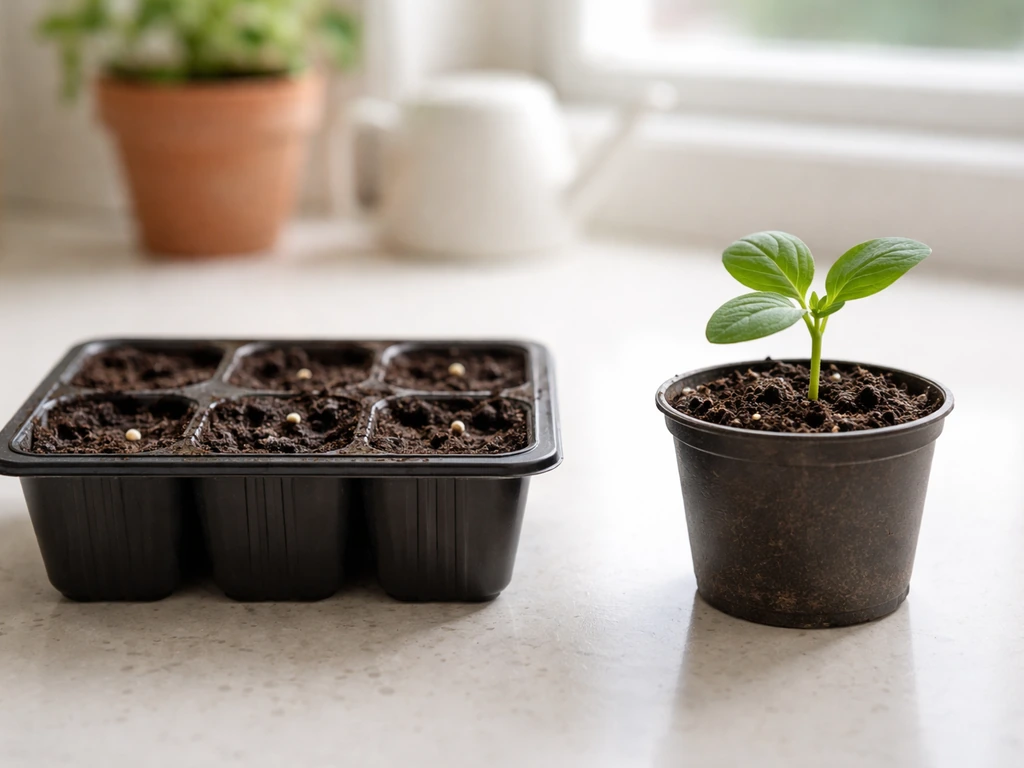
You have two options: start from seeds directly in the pot, or buy a small seedling and transplant it. Both work, but they have different timelines and quirks.
Starting from seeds
Chukkakura seeds have a hard outer coat, and this slows germination down a lot. North Carolina State University Extension notes that Basella alba is frost-tender and that seed scarification can help hasten germination. Without any prep, seeds can take three weeks or more to sprout, and some just sit there and refuse. The fix is scarification: gently rub each seed against sandpaper for a few seconds, or nick the seed coat lightly with a nail file. Then soak the seeds in room-temperature water for 12 to 24 hours before planting. This combination dramatically speeds things up and gets you sprouts in 7 to 14 days instead of waiting almost a month.
Sow seeds about half an inch deep and roughly 4 to 6 inches apart if planting multiple in one pot. In a 14-inch pot, two to three plants is comfortable. Water gently after planting and keep the pot in a warm spot, ideally somewhere with temperatures between 70 and 85 degrees Fahrenheit. Since it is now mid-June, outdoor temperatures are probably ideal for germination in most regions.
Transplanting seedlings
If you can find seedlings at a local nursery or have started them indoors, transplanting is the faster path to harvest. Handle the root ball carefully, plant at the same depth as it was in its nursery container, and water immediately after. Give transplants a couple of days in a partially shaded spot before moving them to full sun, just to let them settle in without the stress of blazing light on top of root disturbance.
Light, temperature, and watering in pots
Chukkakura is a tropical plant and it genuinely loves heat and sun. Give it at least 6 hours of direct sunlight per day, and more is better. A south-facing balcony or patio spot is ideal. It handles temperatures well into the 90s Fahrenheit without complaint. What it does not tolerate is frost, so it is grown as an annual in non-tropical climates. If your summers are short, get plants in the ground as soon as the weather is reliably warm, which mid-June already is.
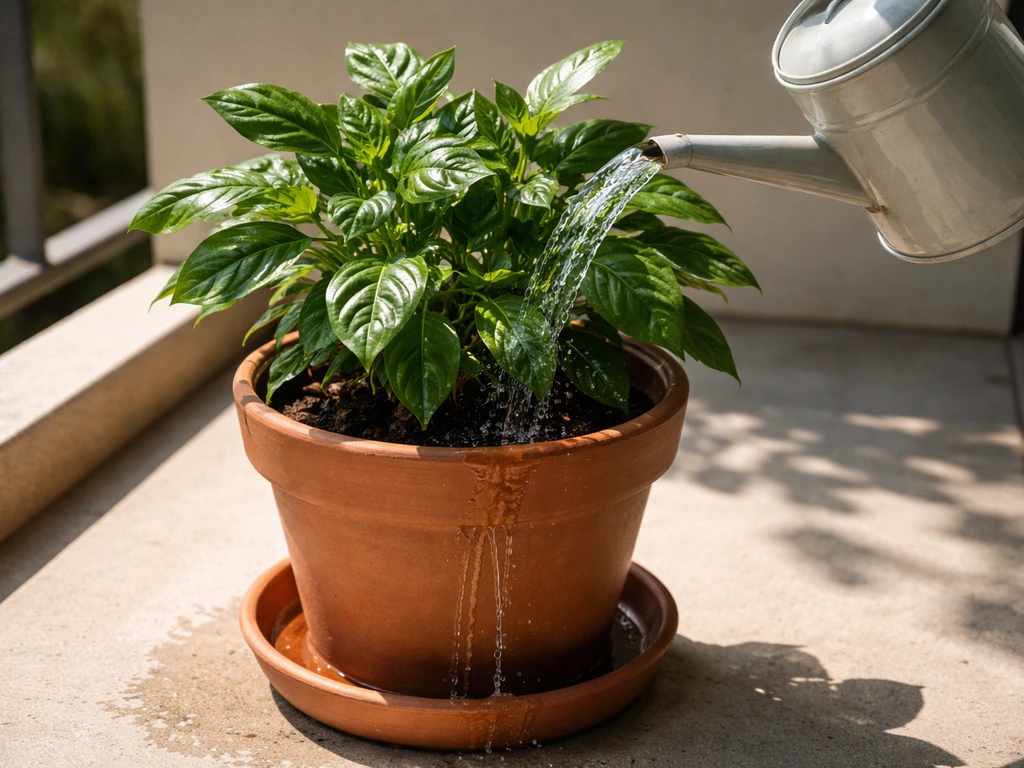
Watering in containers is where most people either under-deliver or overdo it. In a 14-inch pot during summer, you will likely need to water every one to two days. The rule I use: push your finger an inch into the soil. If it feels dry at that depth, water thoroughly until it runs out the drainage holes. If it still feels moist, wait another day. Do not let the pot sit in a saucer full of water because that is a fast track to root rot.
During heat waves or on a rooftop where heat radiates from surfaces, the pot might need water every single day. Smaller pots dry out even faster. One practical trick: move pots to a slightly shadier spot during the very hottest part of afternoon (around 2 to 4 pm) if heat stress becomes visible through wilting. The plant will perk back up quickly once temperatures drop.
One important note on watering technique: water at the base of the plant, not from above over the leaves. Overhead watering keeps the foliage wet, which can encourage fungal leaf diseases. Aim for the soil, not the plant.
Fertilizing and managing growth in a container
Container plants need regular feeding because watering gradually flushes nutrients out of the pot. With chukkakura, you are growing it for the leaves, so a fertilizer leaning toward nitrogen (the first number on the fertilizer label) is what you want. Nitrogen supports lush, leafy growth.
For the first four weeks after planting, the compost in your mix should provide enough nutrition. After that, start feeding every two weeks with a balanced liquid fertilizer diluted to half the recommended strength, or a liquid fertilizer higher in nitrogen like a fish emulsion or liquid seaweed. I prefer liquid fertilizers for container plants because they are absorbed quickly and you can control the dose easily.
As the plant gets bigger and you are harvesting frequently, you can bump feeding up to once a week. If you notice the leaves are getting smaller or the vine is growing slowly despite good light and water, that is usually a sign it needs more fertilizer. On the flip side, if the plant is growing like crazy and you cannot keep up with harvesting, ease off on nitrogen slightly and let it coast for a bit.
One thing to watch: when chukkakura starts to flower (which typically happens as days get shorter, usually late summer into fall), the leaves can turn slightly bitter. Pinch off flower buds as soon as you see them to keep the plant focused on producing tender leaves. Regular harvesting also helps delay flowering.
Pest, disease, and common container problems
The good news is chukkakura is relatively tough and pest-resistant compared to other leafy greens. The bad news is no plant in a pot is entirely problem-free. Here is what to watch for and what to do about it.
Pest problems
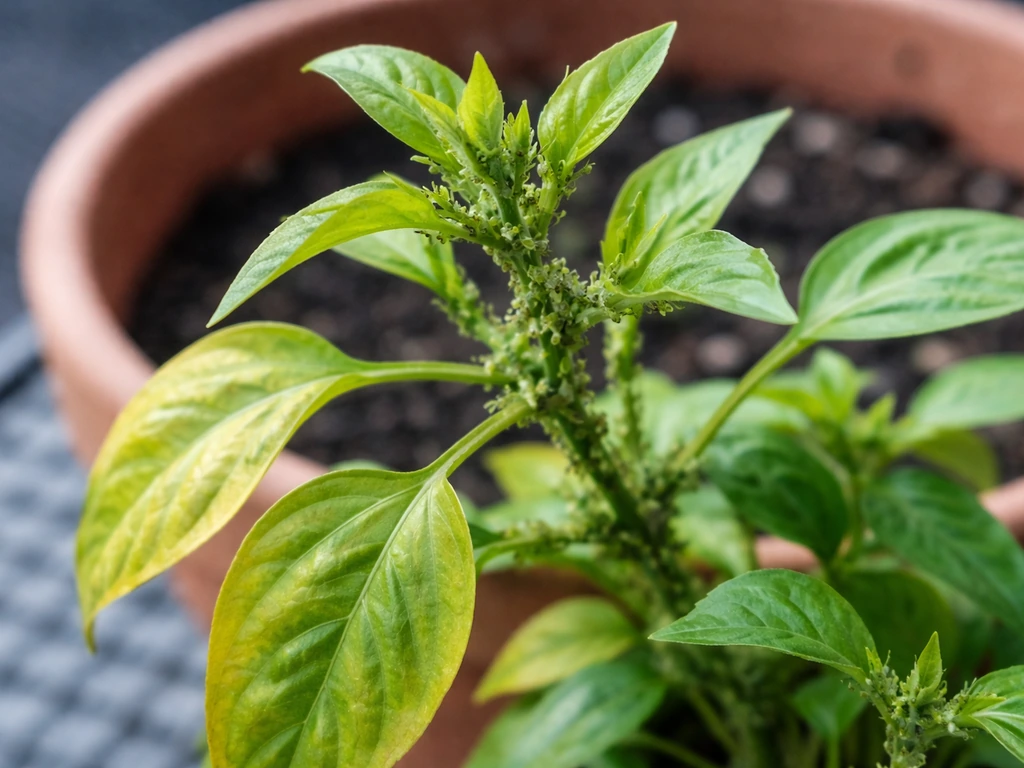
- Aphids: Small soft-bodied insects clustering on new growth. Blast them off with a strong stream of water, or spray with a diluted neem oil solution (about 2 teaspoons neem oil per liter of water with a few drops of dish soap). Check every few days until they are gone.
- Spider mites: Tiny dots on leaves with fine webbing underneath, usually showing up when conditions are hot and dry. Increase humidity around the pot, mist the undersides of leaves, and use neem oil spray.
- Caterpillars or leaf miners: Chewed leaves or winding trails inside the leaf. Pick caterpillars off by hand. For leaf miners, remove and discard affected leaves to break the cycle.
- Slugs and snails: More common if your pot is on the ground in a shaded or damp area. Use copper tape around the pot rim or place the pot on legs to deter them.
Disease problems
Fungal leaf diseases are the main disease risk, and they are almost always triggered by overwatering, poor drainage, or wet foliage. You will see yellowing leaves, dark spots, or a powdery coating if things go wrong. Prevention is much easier than cure: water at the base, make sure drainage is working, and avoid crowding too many plants in one pot. If you do spot fungal spots, remove the affected leaves immediately, improve airflow around the plant, and if needed, apply a copper-based fungicide spray.
Common container-specific problems
| Problem | What you see | Fix |
|---|---|---|
| Waterlogging | Yellow leaves, wilting despite wet soil, mushy stem base | Improve drainage, reduce watering, check holes are clear |
| Drying out too fast | Wilting in the afternoon, soil pulling away from pot edges | Water more frequently, use a larger pot or add a saucer (but empty it after an hour) |
| Root-bound plant | Plant stops growing, roots coming out of drainage holes | Repot into a size larger pot with fresh mix |
| Bitter leaves | Flavor turns sharp or unpleasant | Remove flower buds promptly, harvest more regularly |
| Leggy, weak growth | Long stems with small leaves, pale color | Move to more sunlight, check fertilizer schedule |
Harvesting chukkakura from potted plants and what comes next
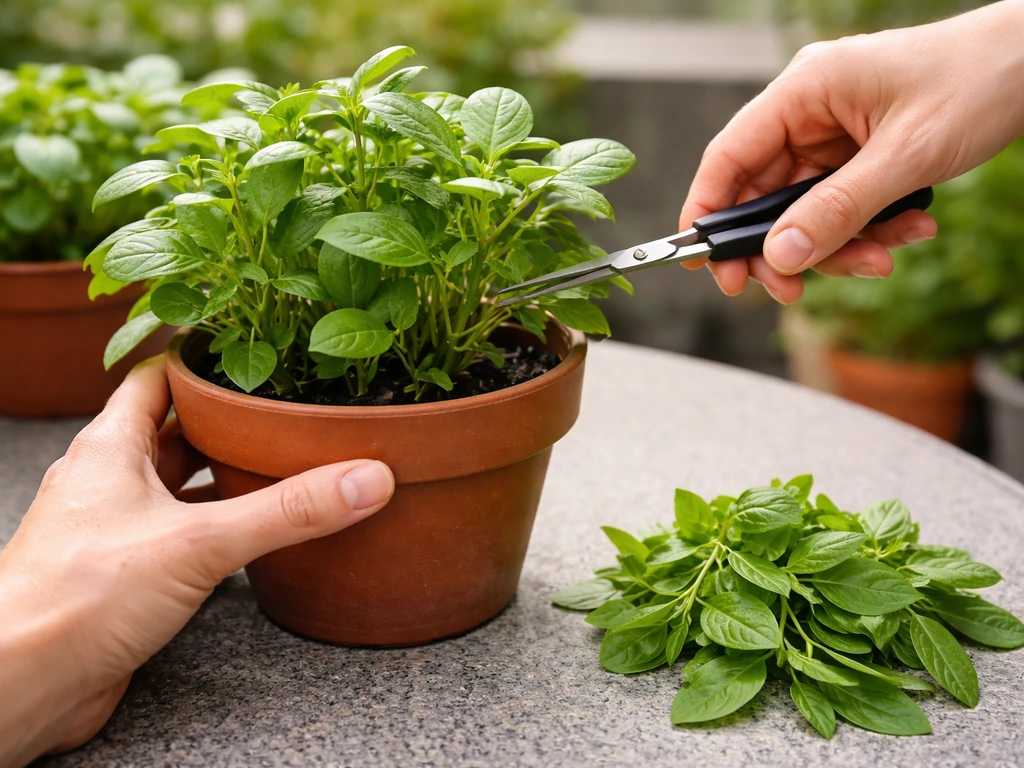
You can start harvesting chukkakura about 4 to 6 weeks after planting, once the plant has a few strong stems. Do not wait until it is huge to start picking. Early and regular harvesting actually encourages the plant to branch out and become bushier, which means more leaves over time.
The best way to harvest is to cut the tips of stems, taking the top 4 to 6 inches of new growth. Use clean scissors or small pruning snips. Leave at least a third of the plant intact so it can keep growing. The leaves closest to the growing tip are the most tender and best for cooking. Older leaves further down the stem are fine but a bit thicker.
Harvest every 7 to 10 days once the plant is established. This rhythm keeps leaves coming steadily all season. If you go on vacation or miss a week, just give the plant a bigger cut when you return and it will bounce back.
What to do at the end of the season
Because chukkakura is frost-tender, the plant will decline and eventually die once temperatures drop below 50 degrees Fahrenheit for extended periods. In most temperate climates, this means the plant wraps up by late October or November. Before that happens, you can take stem cuttings, root them in water, and keep them going indoors on a sunny windowsill through winter. The cuttings root readily in a glass of water within a couple of weeks, giving you a head start for next year.
If you are in a warm climate where frost is not a concern, chukkakura can keep growing year-round as a perennial vine. Just refresh the top inch of potting mix each spring and resume your feeding schedule.
Your next steps right now
- Get your pot: 12 to 16 inches wide and deep, with drainage holes.
- Source seeds or seedlings: check local Indian grocery stores, nurseries, or order online. Seeds are widely available.
- Prepare your mix: potting soil, compost, and a little perlite or coarse sand.
- Scarify and soak seeds overnight before planting, or transplant a seedling directly.
- Set up a small trellis or bamboo stakes in the pot right away.
- Place the pot in your sunniest spot and start your watering check routine.
- Mark your calendar to start liquid feeding around week four and to harvest your first stems around week five or six.
Growing chukkakura in a pot is one of the more rewarding container vegetables because it gives you so much edible material from a single plant with relatively little fuss. If you want another fast climber for containers, learn how to grow Thunbergia in pots too. If you enjoy growing other leafy climbing plants in containers, the same general approach works well for crops like thotakura in pots. You can apply the same container approach to learn how to grow chayote in pots as well. Get your pot set up today and you will be harvesting in just over a month.
FAQ
What should I do if my chukkakura leaves are yellowing but the soil feels wet? (Signs of overwatering)
If your pot is staying wet or the plant looks wilted but the soil feels damp, check drainage first (make sure there are unobstructed holes) and reduce watering frequency. Also confirm you have enough air in the mix by using perlite or coarse sand, and avoid a thick gravel layer beyond about 1 inch.
Can I grow chukkakura in a smaller pot than 12 inches if I only have limited space?
Yes, you can grow it in a smaller container, but expect slower growth and earlier stress in summer heat. If you must go smaller than 12 inches wide and deep, plan on more frequent watering and more careful feeding, and consider adding shade during peak afternoon to reduce drying and heat stress.
How do I know whether I should use more fertilizer or less fertilizer for better leaf growth?
For container chukkakura, aim for nitrogen-focused feeding, but do not continuously increase dose. If leaves become lush yet you are not getting vigorous new tips, or the vine seems to stall, switch to half-strength balanced fertilizer for one feeding cycle (or pause for a week) before returning to a nitrogen-leaning liquid.
My chukkakura started flowering in late summer, how can I keep it from turning bitter?
Yes. If you see flowers forming, pinch them off as soon as you notice buds to keep the plant leaf-focused. Also keep harvesting the stem tips regularly, because consistent cutting often delays flowering and helps maintain tenderness in the new growth.
Should I start chukkakura from seed or buy seedlings for the fastest harvest in pots?
Growing from seed is slower and more variable, while transplants usually give earlier harvests because the plant is already established. If you want the earliest leaves, buy seedlings or start seeds indoors with warmth and consistent moisture, then move outdoors once conditions are reliably warm.
I scarified and soaked the seeds, but they still are not sprouting, what could be wrong?
If germination is taking longer than expected even after scarifying and soaking, the most common cause is insufficient warmth or letting the surface dry out. Keep the pot warm (around 70 to 85 F), maintain lightly moist soil (not soggy), and give it time, since a portion of seeds can still sprout later.
What are the most common reasons potted chukkakura looks stressed midsummer?
Common leaf and vine stress in containers includes wilting from drought, cold exposure (especially near-night lows), and too much overhead water. Move the pot to consistent warmth, water at the base when the soil 1 inch down is dry, and improve airflow by not crowding multiple plants in one pot beyond what fits comfortably.
How can I overwinter chukkakura in cooler climates using the pot I have now?
If you want to keep it going after frost, take cuttings before temperatures drop below about 50 F for extended periods. Root the cuttings in water, then keep them indoors in bright light through winter, and resume outdoor growth once nighttime temperatures are reliably warm again.
How do I manage the trellis so the vine does not get tangled or damage itself?
If your support keeps slipping or the plant tangles, secure the trellis or stakes firmly before planting, and use soft ties to guide the vine as it grows. Avoid tying too tightly (as the stems thicken) and periodically untangle sections so airflow stays good around the leaves.
Can I grow multiple chukkakura plants in one pot without them competing or causing disease?
Yes, as long as you do not overcrowd and you harvest from the top regularly. In a 14-inch pot, two to three plants is a comfortable range; more plants can increase humidity and disease risk, and you may end up with smaller leaves if nutrients and light are competing.