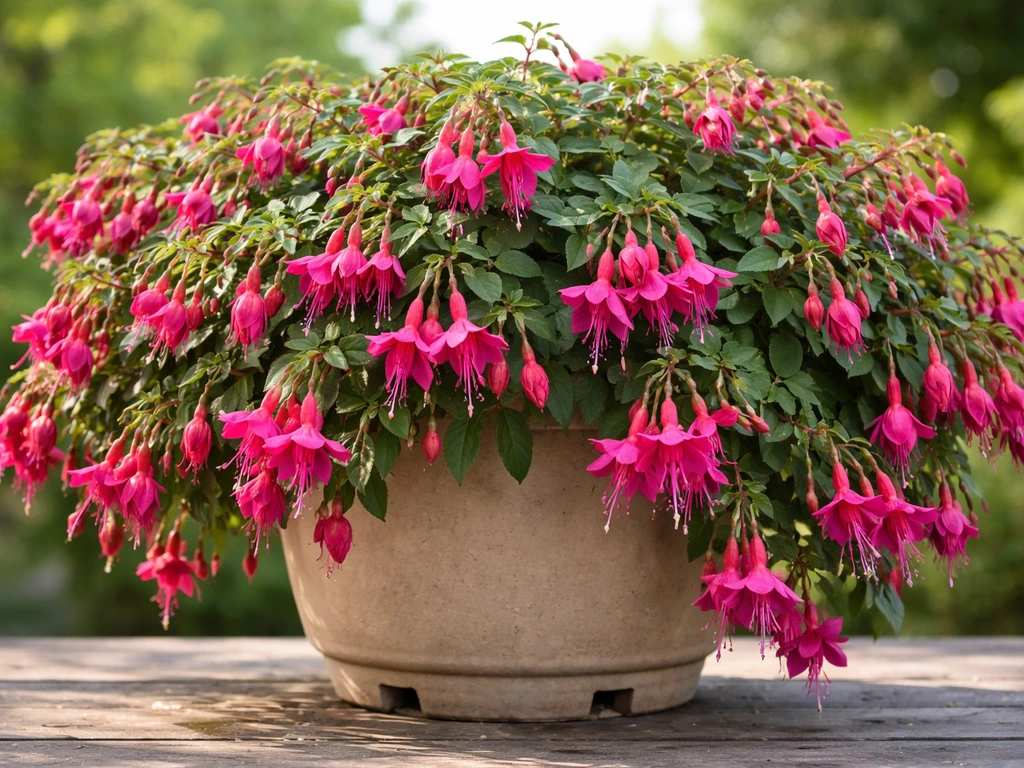
Pinks (Dianthus) are genuinely one of the best flowers you can grow in a pot. They stay compact, smell incredible, tolerate some neglect, and produce those classic fringed blooms for weeks on end if you treat them right. The key things to get right are drainage (they hate wet feet), a slightly alkaline potting mix, a sunny spot, and regular deadheading. Get those four things sorted and you'll have flowers all season. If you want a more complete guide, see the full steps for how to grow fuchsia in pots, including the best container, soil, and watering routine.
How to Grow Pinks in Pots: Step-by-Step Container Guide
Marcus Whitley
22 Jun 2026
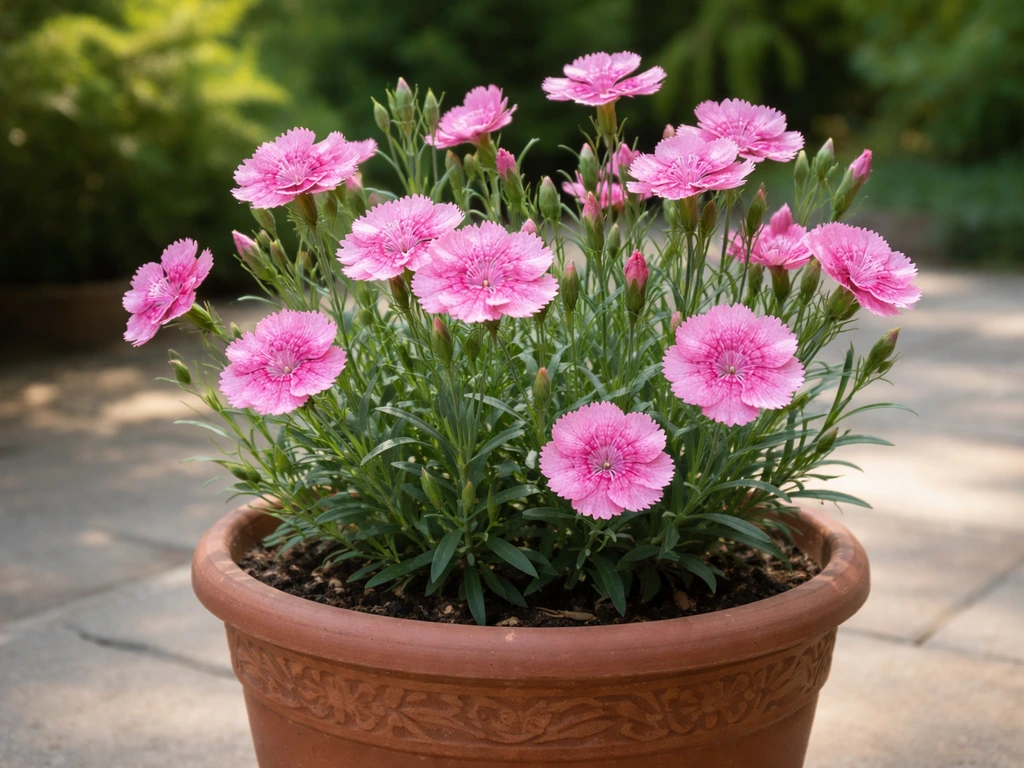
What are pinks, and which types actually do well in pots?
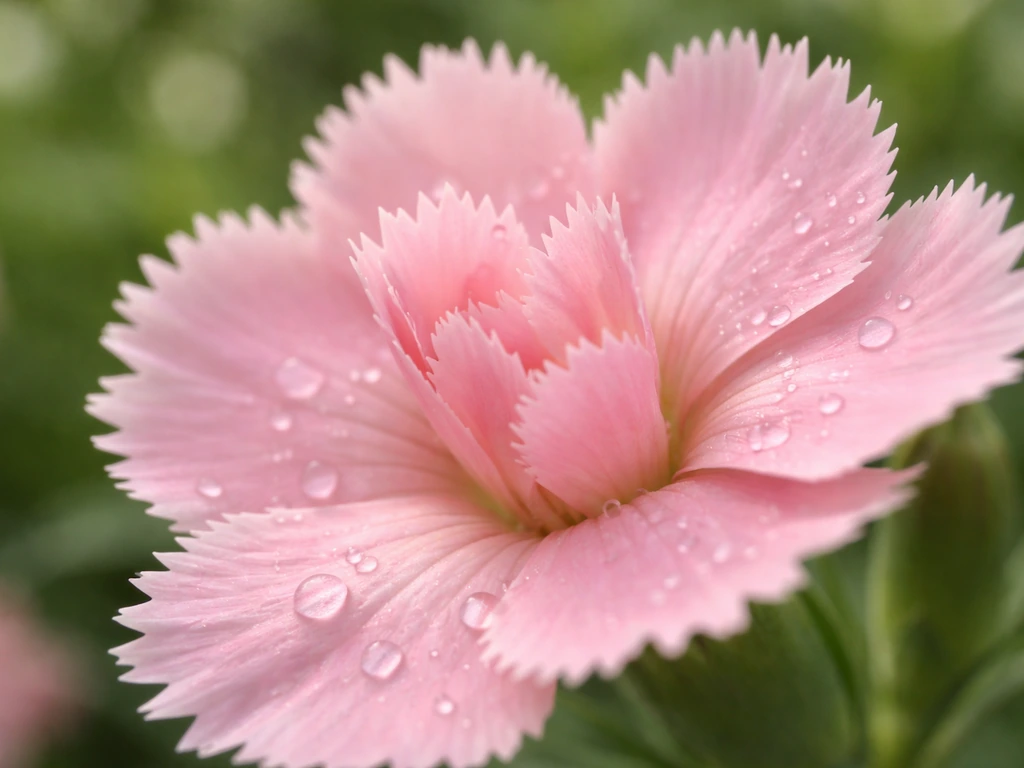
The name "pinks" doesn't refer to the color. It comes from the distinctive fringed, pinked edges of the flowers, which look like someone went at them with pinking shears. They all belong to the genus Dianthus, but within that genus there's quite a bit of variety in terms of size, life cycle, and behavior. If you want another container plant with a very different approach, see how to grow ferns in pots for tips on keeping them humid without oversaturating the root ball.
For containers, life cycle matters more than most people realize. Some Dianthus are perennials (they come back every year), some are biennials (they grow one year and flower the next, then die), and some are treated as annuals even if they'd technically survive longer in warmer climates. Sweet William (Dianthus barbatus) is the classic biennial, growing 12 to 24 inches tall with dense clusters of flowers. Carnations (Dianthus caryophyllus) can behave as annuals or perennials depending on your climate. The cottage pinks (Dianthus plumarius) are reliably perennial and among the most forgiving in pots.
For pot growing specifically, compact and low-growing varieties are your best bet. Tall carnation types can get floppy and need staking, which is annoying in a container. Look for varieties described as "dwarf," "compact," or "border pinks." Some reliable choices for containers include:
- Dianthus plumarius cultivars (cottage pinks): perennial, fragrant, compact, ideal for pots
- Dianthus deltoides (maiden pink): low-growing, spreads nicely, great in wider shallow containers
- Sweet William (Dianthus barbatus): biennial, good for a single season of impact, worth treating as an annual
- Modern hybrid Dianthus (like the 'Festival' or 'Neon Star' series): bred specifically for container performance and long flowering
If you're a beginner, I'd start with a compact hybrid or a cottage pink. They're forgiving, rebloom reliably, and are widely available as young plants from late spring onwards.
Choosing the right pot, drainage, and spot in the garden
Pot size and material
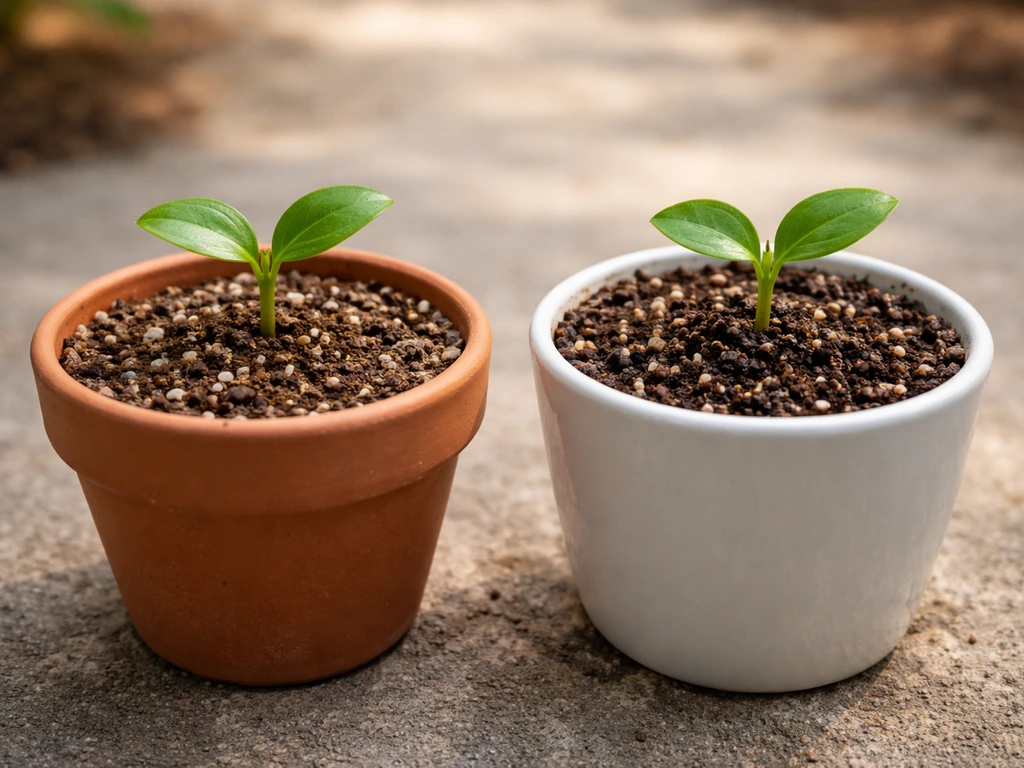
Pinks don't need huge pots. A compact variety does well in a pot around 8 to 12 inches (20 to 30 cm) in diameter. If you're potting up from a small plug or nursery pot, go about 1 to 2 inches wider than the existing root ball. Going too big too fast actually works against you because excess moist soil around the roots increases rot risk.
Terracotta pots are genuinely good for pinks. They're porous, which means the soil dries out faster between waterings. That works in your favor with a plant that hates sitting in wet soil. Plastic pots retain moisture longer, so if you use them, you need to be a bit more careful about watering frequency. Whatever you choose, drainage holes are non-negotiable. And don't bother putting gravel or crocks in the bottom of the pot thinking it improves drainage. Research consistently shows it doesn't help and can actually create a perched water table just above the gravel layer. Good potting mix and proper drainage holes do the job.
Sunlight requirements
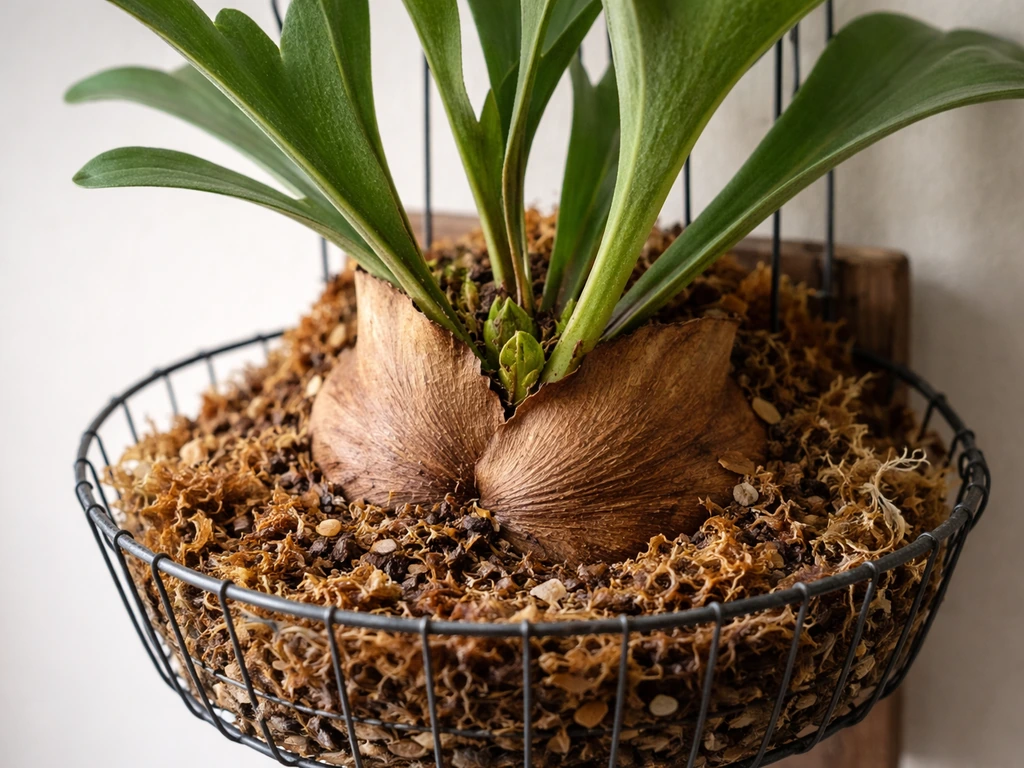
Pinks need sun. Give them at least 6 hours of direct sunlight per day. A south or west-facing spot is ideal in the northern hemisphere. They'll tolerate light afternoon shade in very hot climates, which can actually extend bloom time in midsummer heat. But if they're sitting in shade, you'll get leggy, weak stems and few flowers. Pots are great for this because you can move them to follow the sun or bring them somewhere sheltered when needed. You can use the same careful container approach when you’re wondering how to grow staghorn fern in a pot.
Getting the potting mix right
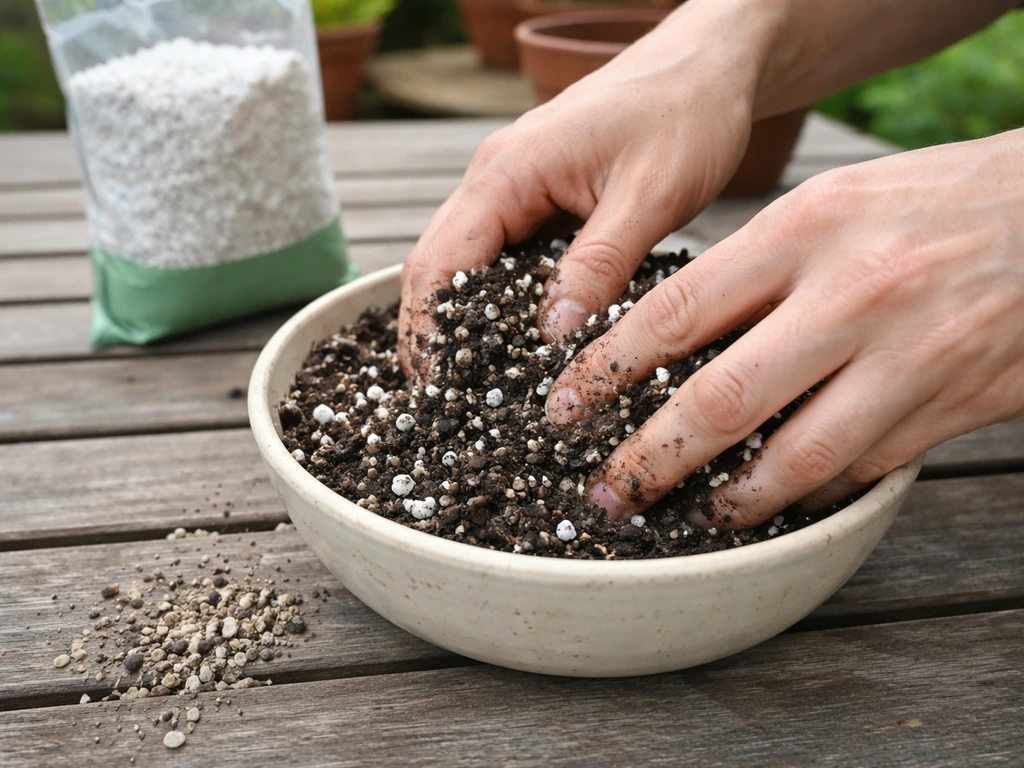
Standard potting mix is a decent starting point, but pinks prefer a mix that's a bit grittier and drains faster than most multi-purpose composts. They also do best in neutral to slightly alkaline conditions, ideally around pH 6.5 to 7.5. Most bagged potting compost sits around pH 5.5 to 6.5, which is slightly on the acidic side for dianthus.
Here's a simple mix that works well: use two parts good quality potting compost, one part perlite or horticultural grit, and a small handful of garden lime (about a tablespoon per standard 10-litre pot). The perlite or grit dramatically improves drainage and stops the mix compacting over time. The lime nudges the pH upward toward the slightly alkaline range pinks prefer. Don't go overboard with lime though. Hydrated lime is very strong and easy to over-apply. Garden lime (ground limestone) is much more forgiving for a beginner.
Avoid heavy, peat-dominant mixes that hold a lot of moisture. They're the main reason pinks rot in containers. If you're using a premium potting mix that already contains grit or sand, you may not need to add extra drainage material.
Seeds vs plugs vs established plants: what to plant and when
Starting from seed
Growing pinks from seed is rewarding but needs a bit of lead time. Sow indoors 8 to 10 weeks before your last frost date. Dianthus seeds germinate best when the soil temperature is between 60 and 70°F (16 to 21°C). Keep the compost consistently moist (not wet) during germination. Most varieties germinate within 10 to 21 days. Don't bury the seeds too deep, just press them lightly into the surface of the mix and barely cover them.
One thing to know about seed-grown pinks: perennial types won't flower in their first year from seed in many cases. If you want flowers this season and you're starting from scratch, plugs or young plants are a better bet.
Plugs and cuttings
Plug plants (small rooted seedlings sold in trays) are my favorite way to start. They're widely available in spring, they're cheap, and they bridge the gap between seeds and full-sized plants. Pot them up into your prepared mix as soon as you get them, water them in gently, and keep them somewhere frost-free until the risk of a late frost has passed.
Cuttings are worth doing once you have established plants. Take 3 to 4 inch (7 to 10 cm) cuttings from non-flowering shoots in early summer, remove the lower leaves, dip the base in rooting hormone (optional but helpful), and push them into moist cutting compost. They root fairly easily. This is a great way to multiply a plant you love without spending money.
Timing overview
| Method | Best timing | Flowers this season? | Difficulty |
|---|---|---|---|
| Seed (indoors) | 8–10 weeks before last frost | Maybe, with annuals/hybrids | Moderate |
| Plug plants | Spring, after last frost risk | Yes | Easy |
| Cuttings from existing plants | Early summer | Late season possible | Moderate |
| Established nursery plants | Spring to early summer | Yes, immediately | Very easy |
Watering and feeding: getting the balance right
How to water pinks in pots
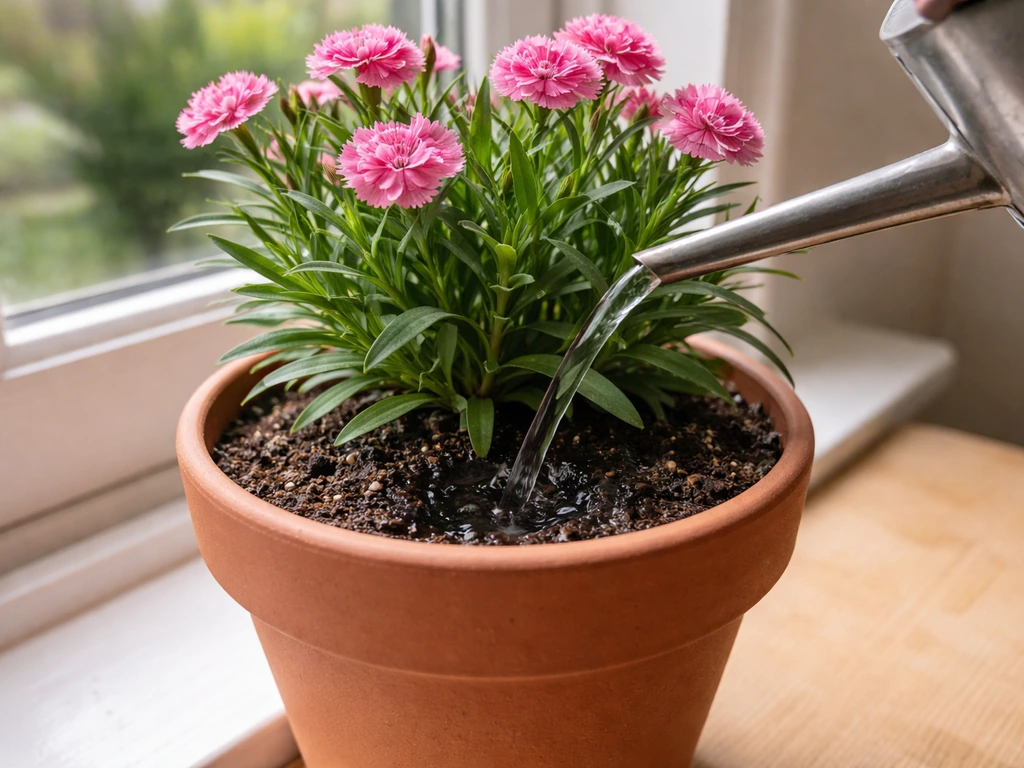
Overwatering is the number one way people kill pinks in pots. The roots are extremely susceptible to rot, especially the crown (the point where the stems meet the roots). The rule I follow: water thoroughly, then let the top inch or two of compost dry out before watering again. Stick your finger in the soil. If it feels damp below the surface, wait. If it's dry, water.
When you water, water at the base of the plant rather than over the top of the leaves and crown. Wet crowns in warm weather are an invitation for crown rot and fungal problems. After watering, make sure the pot drains freely and never leave it sitting in a saucer of water. If you use saucers, empty them after every watering session.
Feeding schedule
Hold off on feeding for the first two to six weeks after planting, especially if you used a potting mix that contains slow-release fertilizer. After that, feed every two weeks through the growing season (roughly April through September in the northern hemisphere). Use a liquid fertilizer that's higher in potassium and phosphorus than nitrogen. High-nitrogen feeds push leafy growth at the expense of flowers. A tomato feed or a dedicated flowering-plant feed works well. After each flush of blooms, a liquid feed helps push the next round of flowering.
Deadheading, pruning, and keeping the flowers coming
Deadheading pinks is probably the single most impactful maintenance task you can do. Once a flower fades, snip the whole flower stem back down to just above a leaf node or a branching point. Don't just pull off the spent flowerhead and leave the bare stalk. Cutting the whole stem back signals the plant to produce new flowering shoots rather than setting seed. With most varieties, regular deadheading means you'll get waves of blooms from early summer right through to autumn.
After a big flush of flowering, it's worth giving the whole plant a light shear. Cut back by about a third. This keeps the plant compact, prevents the leggy, sprawling look that pinks can develop mid-season, and often triggers a fresh bout of growth and flowers. Follow the shear with a liquid feed and you'll usually see new buds within a few weeks.
Tall varieties like standard carnations can flop over in pots, especially once they're loaded with flowers. Use a small bamboo stake and soft twine to give them a bit of support. Compact varieties rarely need this.
When things go wrong: troubleshooting common problems
No flowers or leggy growth
If your plant is all leaf and stem but no flowers, the most common culprits are not enough sun, too much nitrogen fertilizer, or not deadheading spent flowers. Move the pot to a sunnier spot first. Switch to a lower-nitrogen, higher-potassium feed. And check whether there are old flowerheads still on the plant that need removing. Leggy growth is almost always a sun problem, sometimes combined with overfeeding with nitrogen.
Root rot and crown rot
This is caused by fungi like Rhizoctonia and Pythium, both of which thrive in waterlogged, poorly drained soil. Symptoms include wilting even when the soil is moist, yellowing lower leaves, and stems that look brown and mushy at the base. If you catch it early, you can sometimes save the plant by removing it from the pot, cutting away any rotted roots, letting the root ball dry slightly, and repotting into fresh well-drained mix. Prevention is far easier than cure. Good drainage, careful watering, and not letting the pot sit in water are your best defenses.
Powdery mildew
Powdery mildew shows up as a white, talcum-powder-like coating on the leaves and stems. It tends to appear when air circulation is poor and conditions alternate between dry and humid. In pots, you can improve airflow by not overcrowding plants and by moving the container to a less sheltered spot. Remove affected leaves promptly. For persistent cases, a spray with a diluted solution of potassium bicarbonate or a proprietary mildew fungicide can help. For greenhouse ornamentals, Connecticut CAES emphasizes powdery mildew management that includes both cultural steps and chemical-control considerations, along with attention to spray coverage and delivery powdery mildew spray coverage and delivery. Avoid wetting the foliage when watering, which contributes to the problem.
Aphids and spider mites
Aphids cluster on new growth and flower buds, sucking sap and causing distorted growth. A strong blast of water from a hose knocks most of them off, or you can use an insecticidal soap spray. Spider mites are harder to spot. They leave a fine webbing on the undersides of leaves and cause a bronzed, stippled look to the foliage. They thrive in hot, dry conditions. Keeping the plant well watered (but not waterlogged) and occasionally misting the undersides of leaves in dry weather helps deter them.
Botrytis (grey mould) on flowers
Grey mould on flowers is caused by Botrytis and usually happens in cool, wet, humid conditions. Remove affected flowers immediately. Improve airflow and avoid overhead watering. It's rarely fatal to the whole plant if dealt with quickly.
Seasonal care, winter protection, and repotting
Spring and summer
Spring is the time to pot up new plants, refresh potting mix if repotting, and start feeding once plants are established. In midsummer heat, check pots more frequently as containers dry out much faster than garden soil. You may need to water daily in a heatwave. Move pots to a slightly shadier spot if flowers are bleaching in extreme heat.
Autumn and winter
For annual or biennial types like Sweet William, the pot will simply be done after flowering and you clear it out. For perennial pinks, autumn care is about helping them survive winter. Cut the plants back by roughly a third after the last flush of blooms. Move pots to a sheltered spot out of prevailing winds. Containers are far more vulnerable to freezing than in-ground plants because the roots are exposed on all sides. In cold climates (below about 20°F / -6°C), move terracotta pots indoors or into an unheated greenhouse to prevent both the compost and the pot cracking. Don't bury pots in heavy mulch that sits against the crown, as this encourages crown rot.
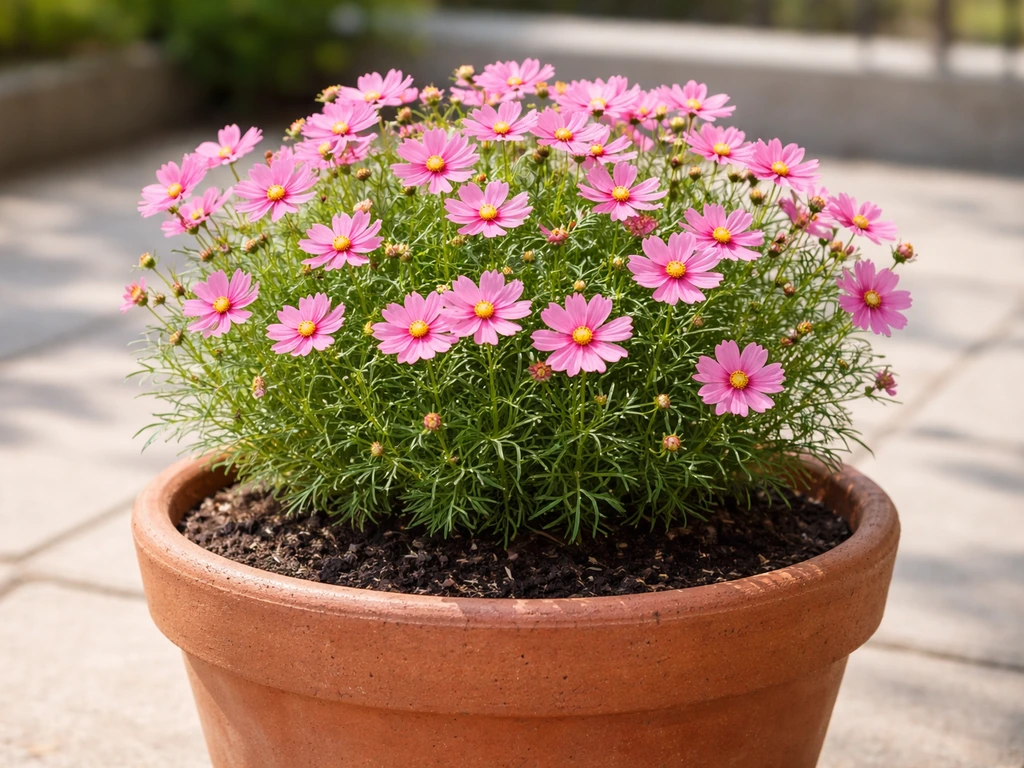
Perennial pinks in containers generally benefit from being repotted every one to two years. Cosmos pinkie also does best in pots when you use a fast-draining mix, keep it well lit, and water only after the top layer dries cosmos pinkie how to grow in pots. Over time, the roots fill the pot and the plant can become woody and flower less prolifically. Repot in early spring before growth really gets going. Refresh about half to two-thirds of the potting mix, tease out any circling or dead roots, and pot on into the same size pot or one size up. This is also a good moment to divide clumping varieties to get more plants.
Repotting and winter protection checklist
- After the last autumn flush, cut plants back by about a third
- Move pots to a sheltered spot away from strong winds and heavy rain
- In hard-frost areas, move terracotta or ceramic pots to an unheated shed or greenhouse
- Do not mulch heavily over the crown of the plant in the pot
- In early spring, check roots and repot if the plant is root-bound or the mix looks exhausted
- Refresh potting mix with fresh compost and a small amount of grit and lime
- Resume feeding 2 to 6 weeks after repotting, once new growth is underway
Your next steps this week
If you're reading this in late spring or summer (which is prime time for this), here's exactly what to do right now to get pinks growing well in a pot. If you want the same container success with a different flower, learn how to grow freesias in a pot too get pinks growing well in a pot. It's simpler than it looks.
- Buy a compact Dianthus variety as a plug plant or young plant from a nursery or garden center
- Choose a terracotta or well-draining pot at least 8 to 10 inches across with drainage holes
- Mix two parts potting compost with one part perlite or horticultural grit, plus a tablespoon of garden lime per pot
- Plant so the crown sits just at or slightly above soil level, never buried
- Place the pot in the sunniest spot you have (6+ hours of direct sun)
- Water in thoroughly, then let the top inch of soil dry before watering again
- Start a fortnightly liquid feed with a high-potassium flowering fertilizer 4 to 6 weeks after planting
- Deadhead spent flowers every few days, cutting the whole stem back to a leaf node
- After a big flowering flush, shear the plant back by a third and give it a feed
- In autumn, cut back, shelter the pot, and plan to refresh the potting mix next spring
That's genuinely all there is to it. Pinks are not fussy plants when grown in a container. Fennel is another great container herb, and learning how to grow fennel in a pot will help you get strong, flavorful growth. They mostly want sun, good drainage, and the occasional haircut. Get those right and you'll have those beautiful, spicy-scented blooms nodding around from June until the first frosts. If you enjoy growing fragrant cottage-garden flowers in pots, it's also worth exploring fuchsias and freesias as pot companions that suit a similar sunny, sheltered container spot.
FAQ
How often should I water pinks in pots in hot weather?
If your pot dries out fast, switch from a heavier watering schedule to smaller, more frequent soakings, aiming to keep the top 1 to 2 inches lightly dry between waterings. In hot weather, this can mean watering once daily, but still only at the base of the plant. Consider moving the pot a bit away from reflective surfaces (like light-colored walls) that spike heat.
My pink is in a saucer, should I ever leave water in it?
Use a holey pot and let all excess water run out. Place the pot on feet or on dry gravel so air can circulate under it, and empty any saucer after each watering. Saucer water encourages the same rot problems, even if you think you are not “overwatering.”
Can I grow tall carnation-type pinks in pots without them flopping?
Yes, but choose varieties that are naturally compact or dwarf. Tall types often need staking early because late support can damage roots or stems. If you do stake, insert the stake at planting time and tie loosely with soft twine to avoid rubbing flower stems.
Does putting gravel in the bottom of the pot improve drainage for pinks?
Avoid. Pinking roots are prone to crown rot, and extra moisture trapped under a gravel or crocks layer can keep the crown too wet. Focus on pot size, drainage holes, and a grittier mix instead, then water only when the top layer has dried.
Will pinks grown from seed flower the same year in pots?
If you want flowers sooner, buy plugs or young plants rather than seed. Also note that some perennial Dianthus may not bloom in the first year from seed even under ideal conditions, so plan on a “grow and establish” season rather than expecting a full bloom cycle immediately.
How do I know if my potting mix is too acidic for pinks, and what should I do?
Target neutral to slightly alkaline conditions. If your tap water is very soft or you’re seeing chronic poor flowering, use garden lime in the mix (as described) or occasionally top-dress lightly and water in. Don’t rely on repeated acidic fertilizers to “push” growth, it can work against flowering by keeping pH too low.
What’s the difference between pulling off a spent flower and deadheading pinks properly?
Deadhead correctly by cutting the entire spent flower stem back to just above a leaf node or branching point. If you only remove the faded petals, the plant is more likely to set seed and you will get fewer new flowering shoots.
When should I repot my container pink, and does it need a larger pot each time?
In pots, repotting is often about refreshing the mix and preventing root crowding, not about “giving more room.” Most container pinks benefit from repotting every 1 to 2 years in early spring, and when you do it, replace roughly half the mix and tease out any circling roots before moving up only one pot size.
My pink has lots of leaves but no flowers, what should I troubleshoot first?
Watch the leaf-to-flower ratio. If the plant looks lush but stays budless, it is usually too much shade, too much nitrogen, or deadheads were missed. First move to brighter sun, then switch to a higher potassium, lower nitrogen liquid feed, and do a careful scan for any remaining spent stems.
How can I tell grey mold on pink blooms from other problems, and what should I do immediately?
Grey growth on flowers that are left too long is often Botrytis, especially when conditions are cool, humid, and airflow is limited. Remove affected blooms promptly, avoid wetting foliage, and increase airflow by spacing plants or moving the pot out of crowded corners.
Powdery mildew keeps coming back on my potted pink, how do I prevent repeat outbreaks?
If powdery mildew keeps returning, stop overhead watering and improve airflow by spacing and choosing a less sheltered location. Remove infected leaves early. In severe cases, use an appropriate mildew control product and follow the label carefully, but first correct the watering and airflow conditions that trigger it.
What should I do if I see aphids or spider mites on my container pink?
Start by checking for pests on new growth and undersides of leaves. For aphids, a strong water rinse can work, then monitor. For spider mites, symptoms often worsen in hot, dry conditions, so keep watering consistent and mist the leaf undersides occasionally, focusing on prevention rather than harsh treatments.
How should I overwinter perennial pinks in pots in freezing temperatures?
Most pot-grown perennial pinks need protection, not full burial. After cutting back, move terracotta into a sheltered spot, ideally indoors or in an unheated greenhouse in hard freezes, and protect the pot from cracking. Avoid mulching that sits directly against the crown.