Thunbergia alata, the black-eyed Susan vine, grows beautifully in pots. Thunbergia alata is listed as an blank" rel="noopener noreferrer">open, spreading vine well-suited to container planting and hanging baskets, with mature size about 0.7 to 1.3 m tall and 0.6 to 1.0 m wide. Give it a container at least 12 inches wide and deep, a trellis or cane to climb, rich well-draining potting mix, full sun (at least 6 hours daily), consistent watering, and a feed every 2 to 3 weeks, and you'll have a cheerful scramble of orange, yellow, or white blooms from early summer right through autumn. The whole setup is beginner-friendly, it just has a few non-obvious tricks around timing, light, and soil warmth that make the difference between a plant that thrives and one that sits there looking miserable. Chukkakura is grown much the same way in pots, with a warm, sunny spot, well-draining compost, and regular watering beginner-friendly.
How to Grow Thunbergia in Pots: A Step-by-Step Guide
Choose the right Thunbergia type and container setup
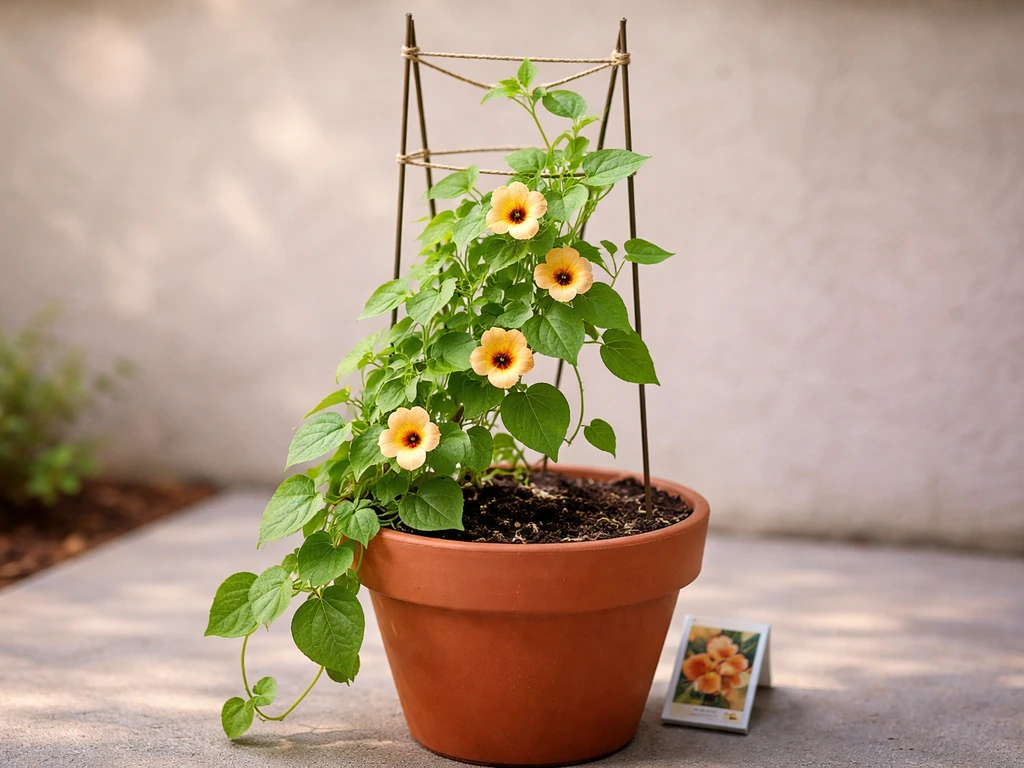
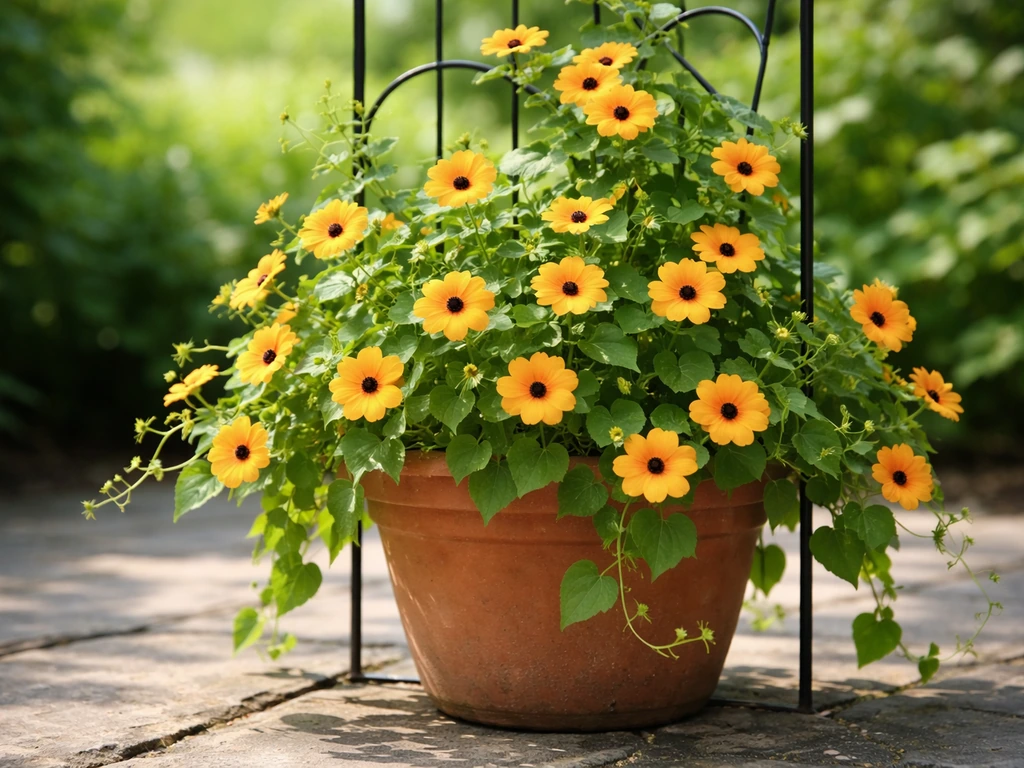
The variety you almost certainly want is Thunbergia alata. It's the one the RHS calls 'the most popular and easy-to-grow' thunbergia, and it's the plant most seed packets and garden centres are selling when they say 'black-eyed Susan vine.' You'll find it in classic orange with a dark centre, but also in yellow, cream, apricot, and red, often sold as a mix. Other thunbergia species exist (Thunbergia grandiflora is a big climber, Thunbergia erecta is a shrub), but for a pot on a balcony, patio, or windowsill, alata is your plant. If you need more than just the setup, follow a step-by-step guide for how to grow thotakura in pots.
For the container itself, you have a few good options depending on how you want it to look. A classic upright pot with a small bamboo trellis or a tripod of canes gives you a neat climber, perfect for a sunny corner. A hanging basket or a pot on a railing works well too, since the vines will trail and spill over the edge rather than climb. Both styles work, and the plant doesn't really care which you choose, as long as the pot is the right size and drains well.
One thing worth knowing before you buy: in frost-prone climates, Thunbergia alata is treated as an annual. It won't survive a hard winter outdoors, so each season you're essentially starting fresh. In genuinely warm, frost-free areas it behaves as a perennial and can get much bigger over time. For most home gardeners in temperate zones, plan to grow it as a seasonal container plant and enjoy it for its long, colourful run from early summer to first frost.
Pot size, soil mix, and drainage essentials
Don't go too small. A Thunbergia in a 6-inch pot will sulk and stall, and you'll wonder what you did wrong. Aim for a container that's at least 12 inches (30 cm) wide and 12 inches deep as your minimum, and go up to a 14 or 16-inch pot if you want really vigorous growth. A mature container plant typically reaches around 2 to 4 feet in height when trained, sometimes pushing toward 6 to 8 feet if it's happy and has a good support to climb, so the root system needs room to match.
Drainage is non-negotiable. Thunbergia genuinely hates sitting in soggy soil. Make sure your pot has at least one (ideally several) decent drainage holes, and if you're using a saucer underneath, empty it after heavy rain or watering. I've lost plants to root rot from a blocked drainage hole more than once, so this is worth checking before you even put soil in.
For the potting mix, skip standard garden soil entirely. Garden soil compacts badly in pots and doesn't drain well enough. Instead, use a good-quality general-purpose potting compost as your base, then lighten it up by mixing in about 20 to 30 percent perlite or coarse grit. This gives you the rich, fertile, well-drained growing medium that Thunbergia loves. If you want to boost fertility right from the start, mix a slow-release granular fertiliser into the compost when you pot up. That covers the first 6 to 8 weeks of feeding without any extra effort.
Light, temperature, and placement for blooming
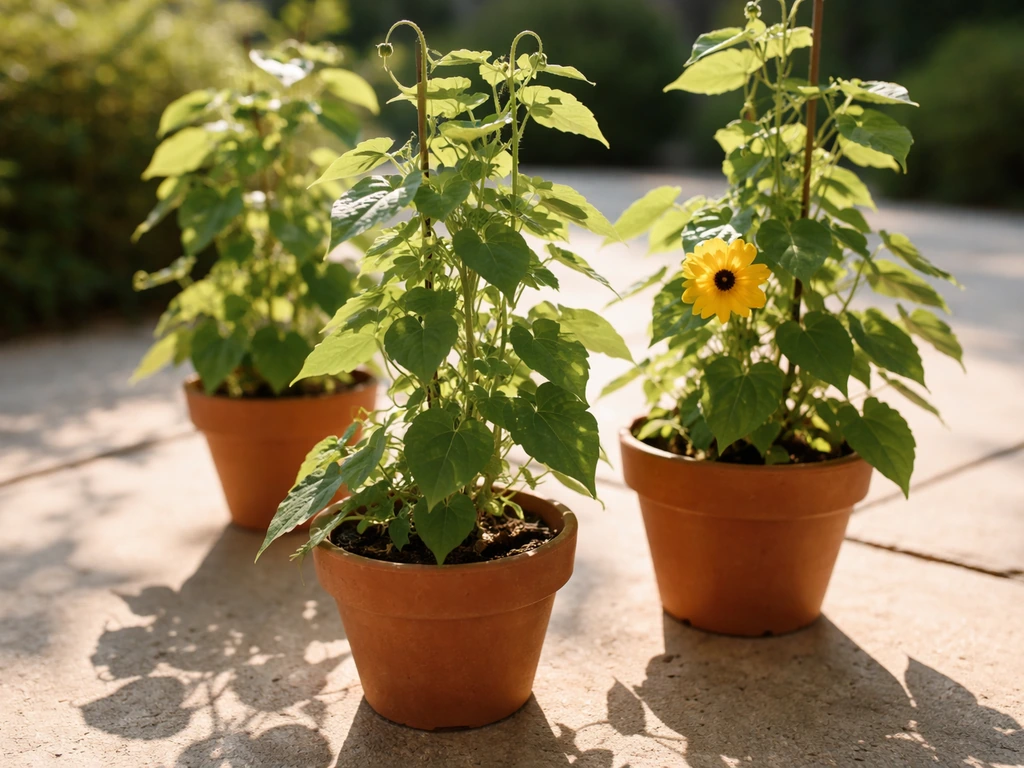
This is the biggest factor in whether your plant actually flowers. Thunbergia needs real, genuine sunlight, at least 6 hours of direct sun per day. Ball Seed's grower notes specifically flag that 'Sunny Thunbergia requires relatively high light levels,' and in practice, a shady spot will give you lots of green leaf and almost no flowers. A south or west-facing position is ideal for most gardeners in the northern hemisphere.
That said, if you're in a very hot climate and your afternoons get brutal (think above 35°C / 95°F regularly), some shade from about 2 pm onward actually helps. Heat stress will cause flowers to drop and leaves to scorch. A spot with morning sun and light afternoon shade is the sweet spot for hot summers. North Carolina State University Extension notes that Thunbergia alata performs best in full sun (6+ hours of direct sunlight) with some afternoon shade, and it can also be at risk indoors for pests such as spider mites, scale, and whiteflies Thunbergia alata performs best in full sun (6+ hours of direct sunlight) with some afternoon shade; it also flags indoor pest risk including spider mites, scale, and whiteflies..
Temperature is equally important. Thunbergia is a warm-weather plant and it really doesn't like the cold. Don't move it outdoors until the soil has warmed to at least 60°F (15°C) and nighttime temperatures are reliably above that. Below 50°F (10°C) it sulks and stops flowering. If you're growing it as a houseplant or bringing it indoors over winter, keep it in a bright, warm spot and maintain temperatures above 60°F to keep it ticking along. Logees' indoor care guidance backs this up, noting that temperatures dropping below 60°F combined with low light is a reliable way to stop flowering.
Planting, trellising, and training in a pot
Starting from seed vs buying a plant
You have two good options here. Starting from seed is cheap and satisfying. Sow indoors 6 to 8 weeks before your last expected frost date, in small pots or cells. Use a warm, bright spot or a heat mat to keep soil temperatures consistent. Seeds germinate best with some warmth under them. Once seedlings are up and you've had your last frost, acclimatise them to outdoor conditions gradually over about a week before moving them to their final container. This hardening-off step matters: going straight from a warm indoor windowsill to a breezy patio is a shock the plant doesn't need.
Buying a plug plant or small pot from a garden centre is faster and often easier if you're a beginner. You skip the germination phase and start with a plant that's already on its way. Cuttings from an existing plant also work well; take semi-ripe cuttings in late summer if you want to propagate before the season ends.
Getting the trellis right
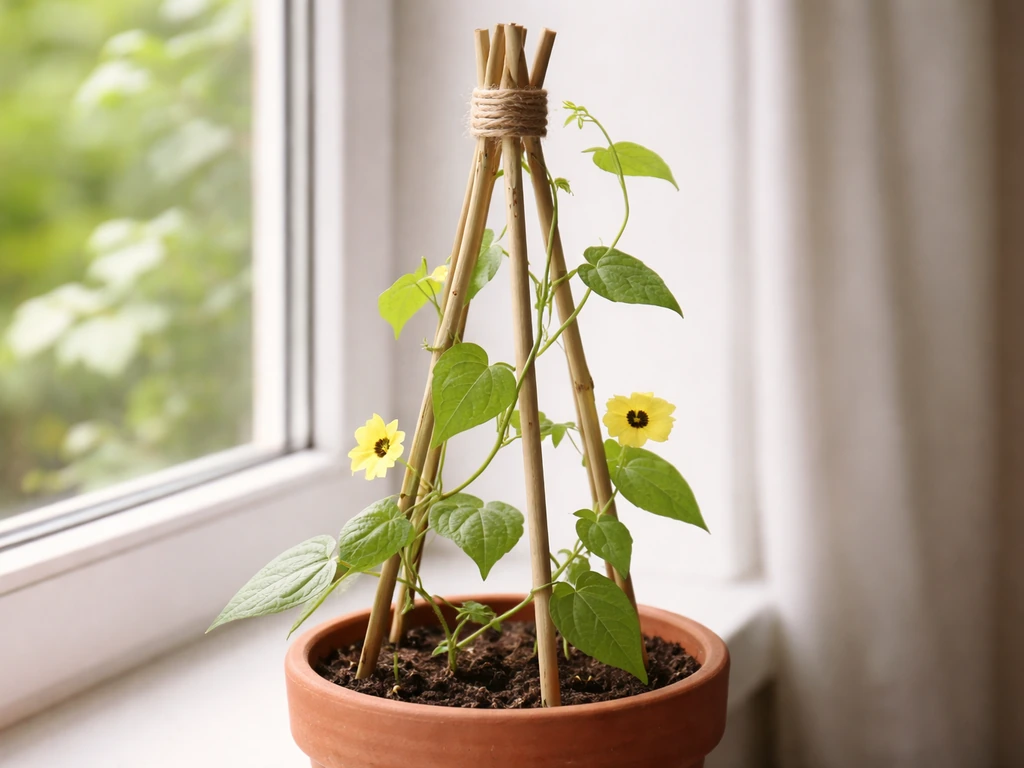
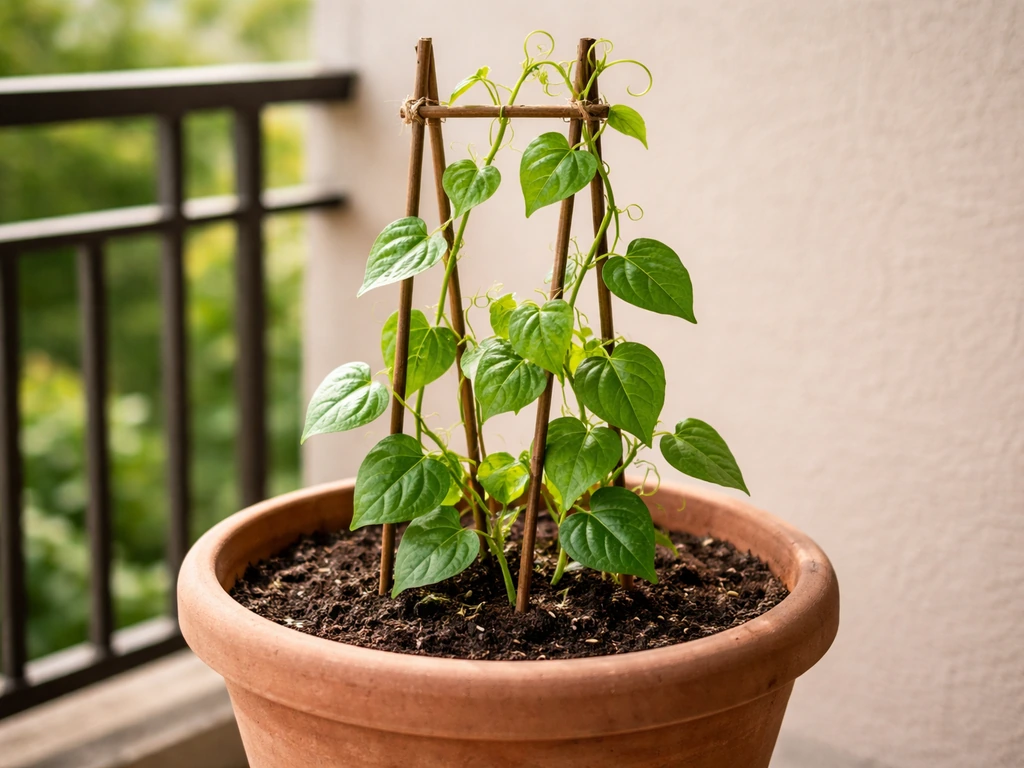
Thunbergia climbs by twining its stems around supports, so it needs something slender to grip, not a flat panel. Three or four bamboo canes pushed into the pot and tied together at the top (like a wigwam or tripod) works brilliantly and gives a nice bushy column of flowers. A small wire obelisk or a ready-made pot trellis also works well. If you're going for the trailing/hanging basket look, skip the trellis entirely and just let it spill.
Once your plant is in and growing, gently guide the young stems toward the support. Thunbergia will start twining on its own once it finds something to grab, but occasionally tucking a wayward stem in the right direction saves you from a tangled mess later. Pinching out the growing tip when the plant is young (just nipping off the top centimetre or two) encourages branching and makes for a bushier, fuller plant rather than a single long stem. This is one of those simple steps that really does make a visible difference.
Watering and feeding schedule in containers
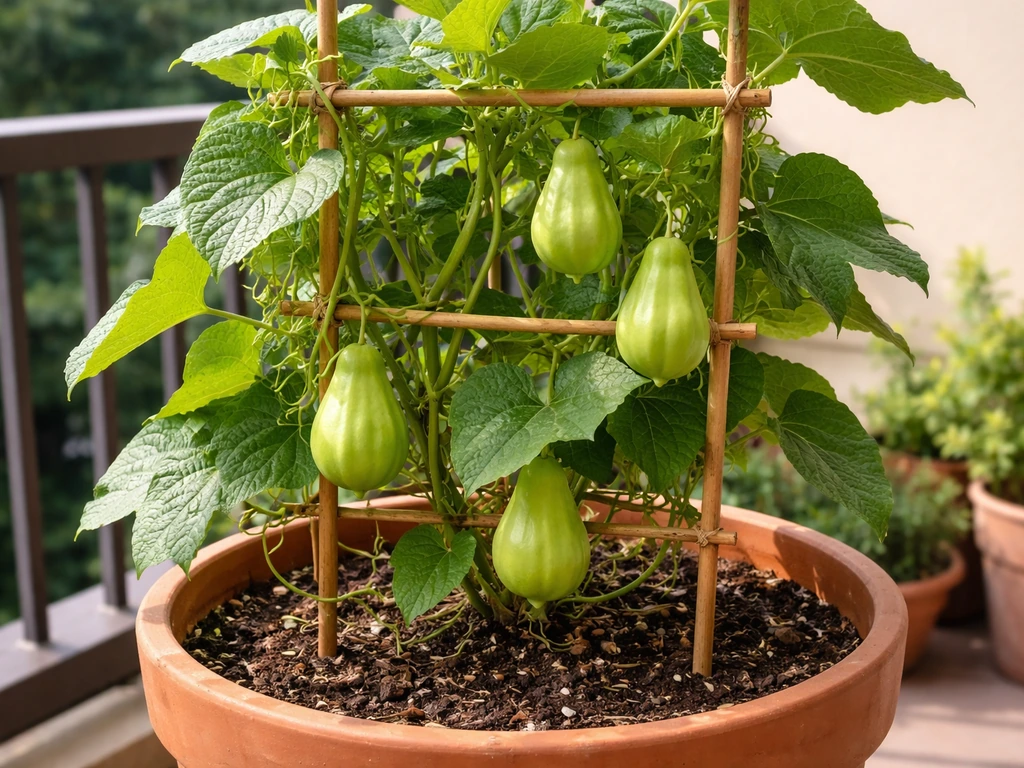
Container plants dry out much faster than plants in the ground, and Thunbergia needs consistently moist soil to keep flowering. If you are also planning to grow chokos in pots, the same container mindset applies: choose the right size, use a well-draining mix, and keep watering consistent how to grow chokos in pots. In warm summer weather, check the soil every day or two by pushing your finger about an inch into the compost. If it feels dry at that depth, water thoroughly until it runs freely from the drainage holes, then let it drain fully. Never let the pot sit in a puddle of water, but also never let it dry out completely. Both extremes cause problems.
In cooler spring or autumn weather, you'll water much less frequently, maybe every 3 to 5 days. Adjust based on how the soil actually feels, not a fixed schedule. During a heatwave, you might be watering daily. This sounds like a lot of work, but once you get a feel for your specific pot size and local conditions it becomes second nature.
For feeding, Thunbergia in a pot is a hungry plant, especially once it starts flowering. A liquid fertiliser applied every 2 to 3 weeks is the recommendation from Melinda Myers' growing guide, and that matches my own experience. Use a balanced liquid feed or one slightly higher in potassium (the third number on the fertiliser label) to encourage flowering over leaf growth. If you already mixed slow-release granules into the potting compost at planting time, start the liquid feeds about 6 to 8 weeks in when those granules begin to run out.
Common pests and problems + quick troubleshooting
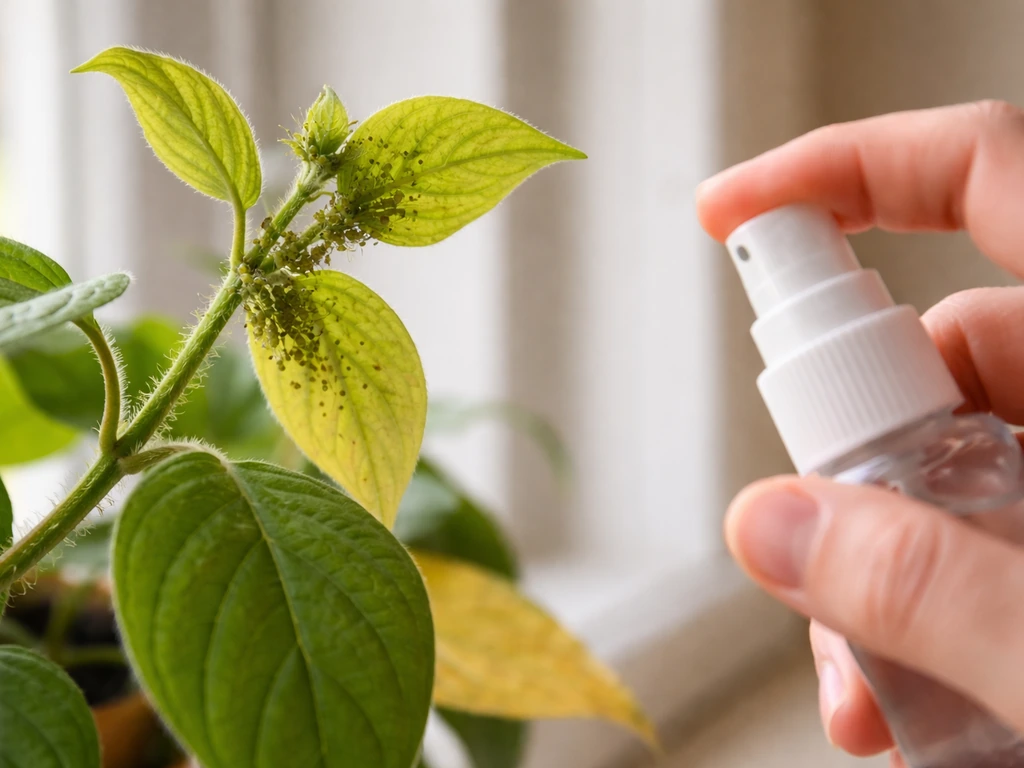
Thunbergia is generally tough but it does attract a few common pests, especially when grown indoors or in warm, dry conditions. Here's what to look for and what to do:
| Problem | What you'll see | What to do |
|---|---|---|
| Aphids | Clusters of small soft insects on new growth and buds, sticky residue on leaves | Spray with a strong jet of water to dislodge, follow up with neem oil or insecticidal soap |
| Whiteflies | Tiny white insects that fly up when you disturb the plant, sticky or sooty leaves | Yellow sticky traps help monitor; treat with insecticidal soap, repeat weekly |
| Spider mites | Fine webbing under leaves, speckled or bronzed foliage, worst in hot dry conditions | Increase humidity around the plant, spray undersides of leaves with water or neem oil |
| Scale insects | Small brown or grey bumps on stems and leaves, sticky honeydew | Scrape off manually, treat with neem oil or horticultural oil |
| Leggy growth, few flowers | Long bare stems, few blooms, thin plant | Move to a sunnier spot, pinch back stems to encourage branching, increase feeding |
| Yellowing leaves | Leaves turning yellow, starting from older leaves | Usually overwatering or nutrient deficiency; check drainage, resume fertilising |
| No flowering | Healthy green plant but no blooms | Almost always a light problem; needs 6+ hours direct sun, also check if temperature has dipped below 60°F |
Spider mites are particularly sneaky because they're tiny and you often don't notice until there's a full infestation. If you're growing Thunbergia indoors, make it a habit to check the undersides of leaves every week or two. Catching them early makes treatment much easier. NCSU Extension specifically flags spider mites, scale, and whiteflies as the main indoor risks for this plant.
If your plant is getting leggy and stretched, that's almost always a light problem. Thunbergia will reach desperately toward any available light and produce weak, long stems in the process. Moving the pot to a brighter spot and doing a firm pinch-back of the longest stems will usually restore a more compact, floriferous shape within a few weeks. Don't be afraid to cut it back; it responds well.
Seasonal timing and overwintering/end-of-season plans
Getting the timing right is probably the most underrated part of growing Thunbergia in a pot. Start too early and your seedlings sit in cold, damp conditions and stall. Start at the right time and the whole season feels effortless.
- Late winter to early spring (8 weeks before last frost): Sow seeds indoors in a warm spot. Keep soil temperature warm for good germination. A windowsill above a radiator or a heat mat works well.
- After last frost date (soil at 60°F/15°C): Harden off seedlings by moving them to a sheltered outdoor spot for about a week before final placement. This gradual transition prevents shock.
- Early summer: Move pot to its permanent outdoor position. Install trellis if using one. Begin regular watering and feeding schedule.
- Midsummer to early autumn: Peak flowering season. Keep on top of watering (daily in heat), feed every 2 to 3 weeks, deadhead faded blooms to keep new flowers coming.
- Late summer (if propagating): Take semi-ripe cuttings to root indoors before the cold arrives.
- First frost forecast: Bring pot indoors or accept the plant is done for the season if treating as an annual.
For most gardeners in temperate climates, the honest advice is to treat Thunbergia as an annual and start fresh each spring. Yes, you can try overwintering it indoors, and in a warm, bright home it can survive and even continue to flower through winter. But it needs a genuinely warm room (above 60°F consistently), direct light for several hours a day, and you'll still likely deal with spider mites and whitefly indoors. If you have a south-facing conservatory or a very sunny room, it's worth trying. If not, growing it fresh from seed each year is easy enough and you get a clean start.
If you do overwinter it, cut the plant back by about a third before bringing it indoors in early autumn, reduce watering significantly, and stop feeding until you see new growth in late winter. As days get longer and brighter in late winter, resume gentle feeding and watering and the plant will often flush out with new growth ready for another season.
Container gardening opens up a lot of options for climbing and trailing plants that many people assume need a garden border. Thunbergia is a genuinely brilliant choice for pots, and once you nail the basics of sunlight, warmth, and consistent moisture, it rewards you with months of colour. If you're exploring other container climbers or compact edible plants alongside your thunbergia, there are plenty of similarly rewarding options for small-space growing that follow a very similar care routine. If you're also interested in edible climbers, this guide on how to grow chayote in pots can help you set up the right container and support.
FAQ
My thunbergia is growing but not flowering. What should I check first in a pot?
First confirm you are getting at least 6 hours of direct sun daily (not just bright shade). Next, check the potting mix is draining well, because consistently damp roots can suppress blooms. Finally, review feeding timing, if you only used slow-release fertilizer at planting, start liquid feeding once that initial charge should be running out (often around 6 to 8 weeks).
How do I stop thunbergia from looking messy or tangled in the pot?
Use a trellis method that matches how you want it to grow, either a slender wigwam or tripod of canes for climbing, or nothing at all for a trailing spillover. Also guide only the first few young stems, once they twine they usually self-manage, if you wait too long they tangle and you end up snapping stems when you try to untangle them.
Can I grow black-eyed Susan vine from seed directly in the pot outdoors?
Usually not in temperate climates, because seedlings need warm soil and a sheltered start. The reliable approach is starting seed indoors 6 to 8 weeks before the last frost, then acclimating outside for about a week before moving into the final container.
What’s the best way to water thunbergia in pots during a heatwave without drowning it?
Water thoroughly until it runs from the drainage holes, then always empty any saucer after excess drains away. In very hot weather, daily checks are normal, but only water when the top inch feels dry, if the pot stays wet for long periods, reduce frequency and confirm drainage holes are open.
Should I pinch, prune, or cut back thunbergia that’s getting leggy?
Yes, pinch out the growing tip when the plant is young to encourage branching. If it becomes leggy later, cut back the longest stems and move the pot to a brighter spot, you can usually restore a fuller, floriferous shape within a few weeks.
Are there signs my potting mix is wrong for thunbergia?
If you used garden soil or a heavy mix and the plant stays limp despite watering, it may be holding too much moisture, leading to root stress. Another red flag is persistent yellowing without new growth, in that case repot into a well-draining potting compost lightened with perlite or coarse grit.
How can I prevent spider mites and whiteflies if I keep thunbergia indoors?
Inspect the undersides of leaves every week or two, spider mites often show up before you see obvious damage. Also avoid prolonged dry, warm conditions, if your indoor air is very dry, increase humidity slightly or move the plant to the brightest window you have, stronger light helps reduce pest pressure and improves growth.
When is it safe to move potted thunbergia outdoors, and what if nights are still cool?
Wait until the soil is at least 15°C (60°F) and night temperatures are consistently above that threshold. If nights dip below 10°C (50°F), expect stalling and reduced flowering, you can use cloches or a temporary shelter on borderline nights, then remove in the morning when temperatures rise.
Can thunbergia survive winter if I leave it outside in a sheltered courtyard?
In frost-prone areas, assume it will not reliably survive outdoors, even if the spot is sheltered, treat it as a seasonal container plant. If you want to try overwintering indoors, cut back by about a third, reduce watering, stop feeding until late winter, and keep it warm and bright (above 60°F consistently).
What pot size should I use if I want a bigger, more flower-filled plant?
A 12 inch (30 cm) minimum width and depth is the usual starting point, 14 to 16 inch pots often produce more vigorous growth. If you size up, keep the trellis sturdy and check watering more carefully, bigger pots dry slower and can stay wet if drainage is not excellent.