You can absolutely grow bamboo indoors in a pot, but the type you choose makes all the difference. Clumping bamboos like Fargesia species are your best bet for long-term indoor container life, they stay manageable, don't run riot through their pots, and actually tolerate lower light and cooler indoor temperatures. If you've been sold 'lucky bamboo' at a gift shop, that's actually a Dracaena, not bamboo at all, and it needs a completely different care routine. If you want to grow lucky bamboo in pots, the key is using a light, well-draining mix and keeping humidity and watering consistent. This guide covers both, so you know exactly what you have and exactly what to do with it.
How to Grow Bamboo in a Pot Indoors: Step-by-Step
Marcus Whitley
31 May 2026
Choosing the Right Indoor Bamboo Type
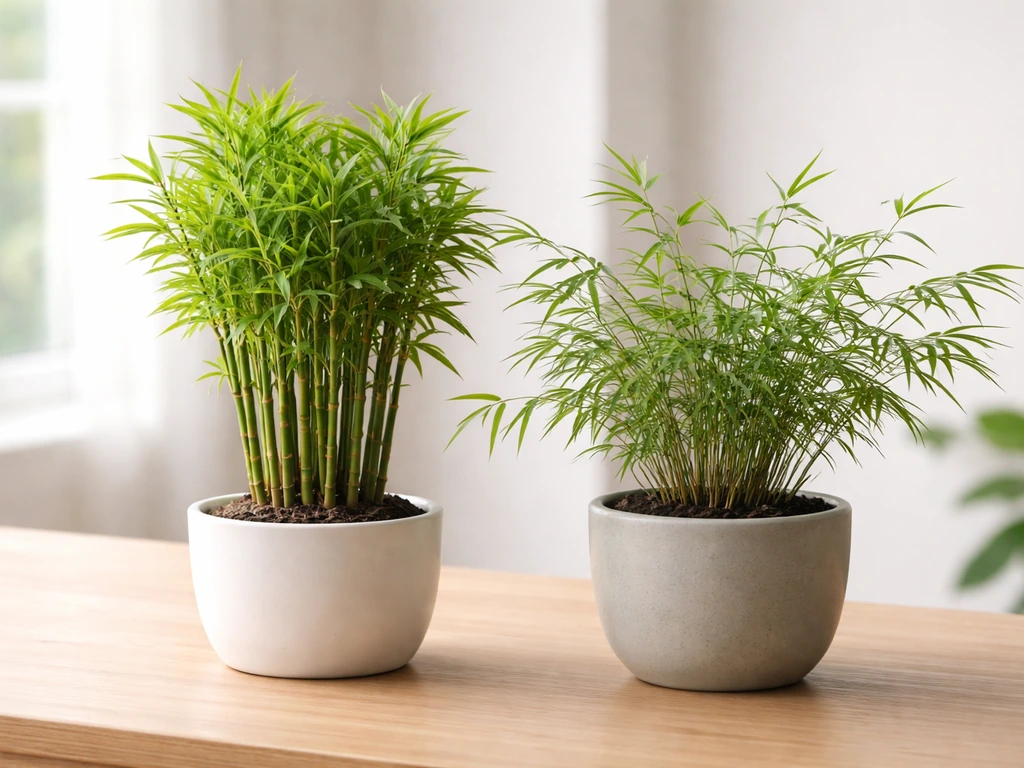
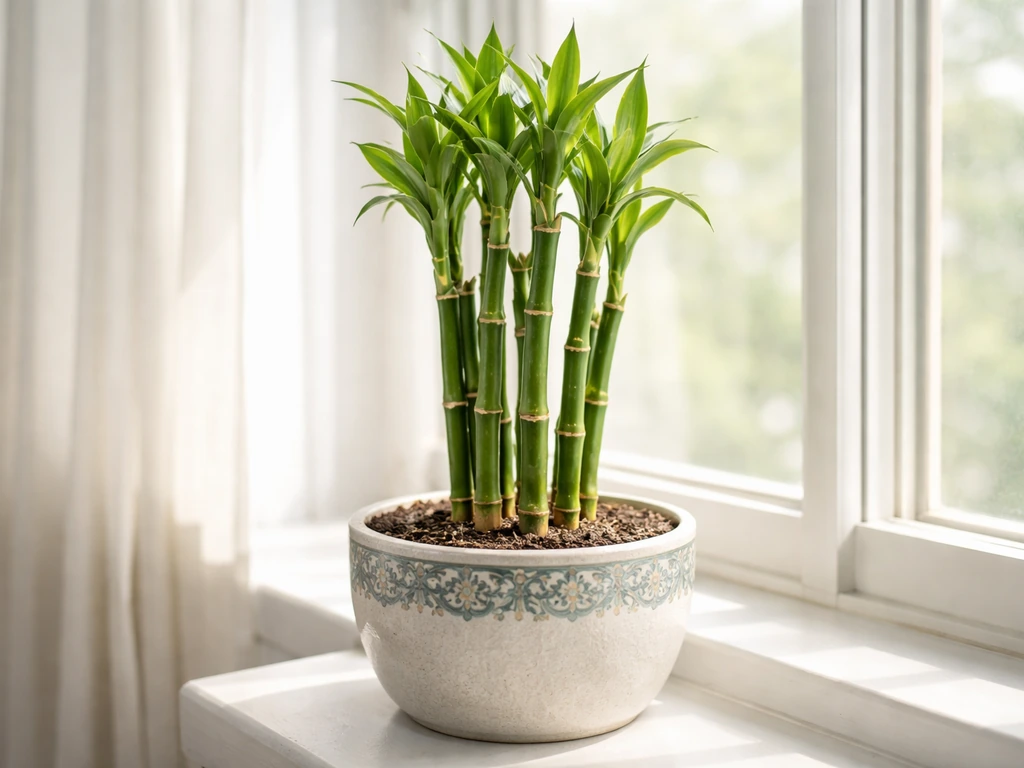
Before anything else, you need to know what you're actually growing. True bamboo belongs to the grass family (Poaceae) and grows from a root system called rhizomes. Lucky bamboo, the twisted green stalks you see in glass vases at garden centers, is Dracaena sanderiana, a completely different plant with completely different needs. They share a name and a vague visual similarity, and that's about it.
For true bamboo indoors, stick with clumping types rather than running types. Running bamboos (like many Phyllostachys species) spread aggressively through underground rhizomes and will quickly outgrow any pot you put them in. Clumping bamboos grow outward slowly from a central base, which makes them much more manageable in containers long-term.
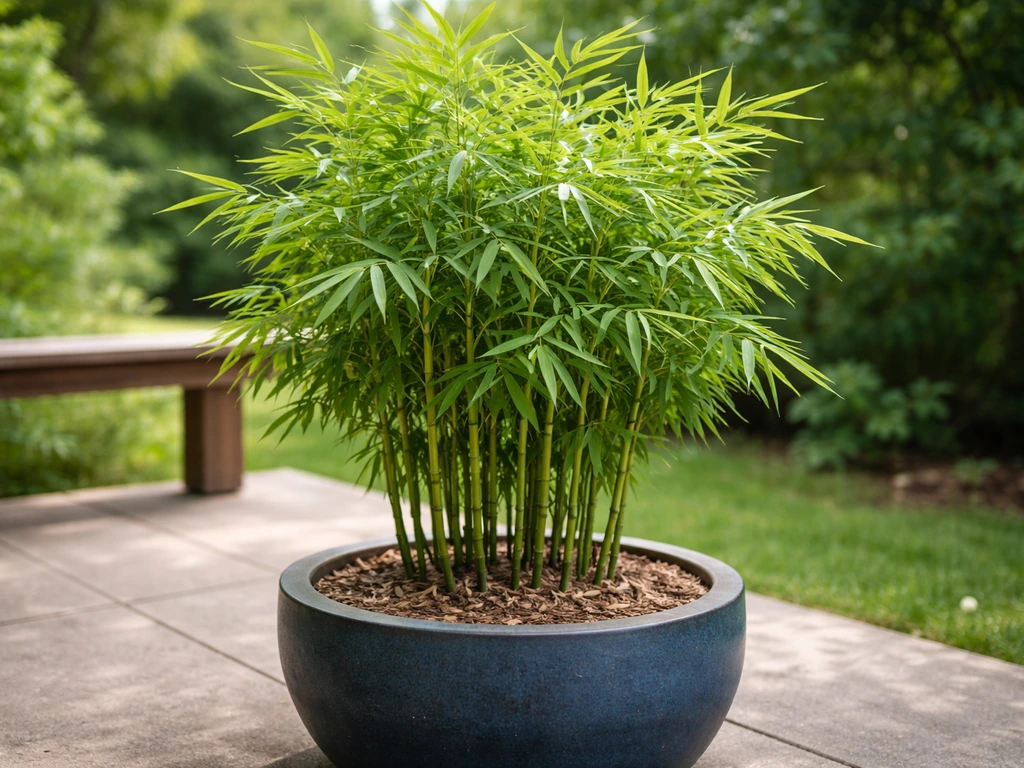
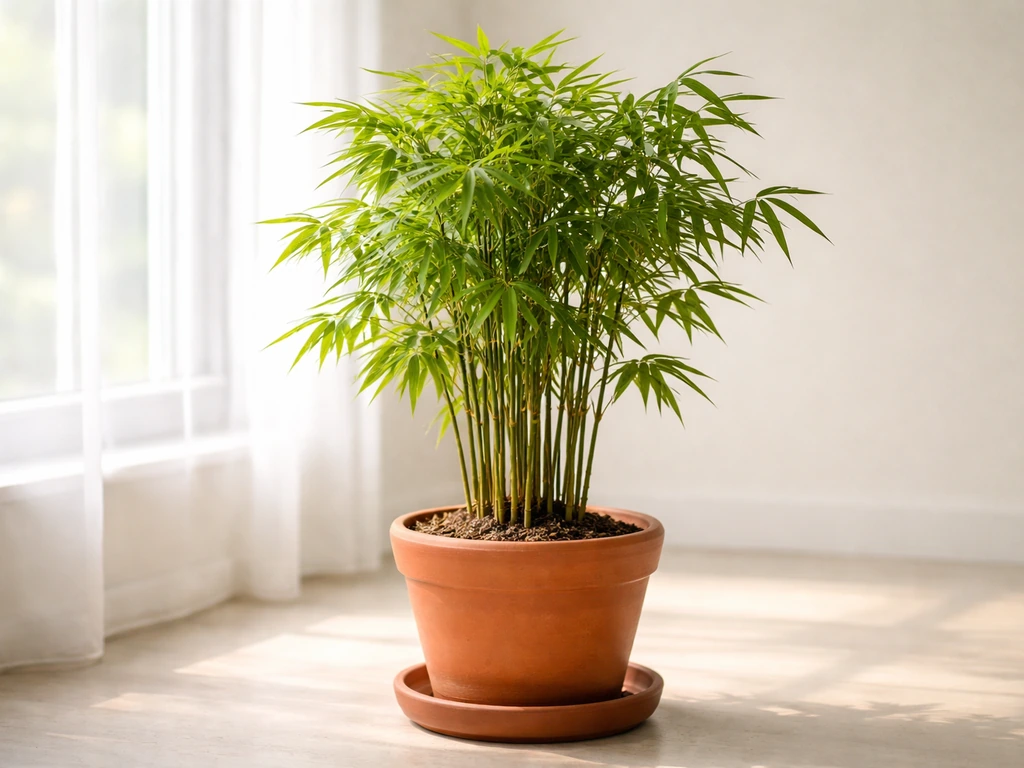
The best clumping bamboos for indoor containers are Fargesia species. Fargesia murielae (umbrella bamboo) is cold-hardy down to around -15°C (5°F) and does well in cooler, shadier spots, which maps nicely to typical indoor conditions. Fargesia nitida is similarly cold-hardy and compact. Fargesia rufa (dragon head bamboo) is particularly popular for containers because of its tidy, compact habit. Any of these will give you a genuine, graceful bamboo without turning into a container nightmare.
If you have lucky bamboo (the Dracaena stalks in water or pebbles), it's actually one of the easier houseplants to keep alive indoors. It just needs its own specific care approach, which is covered in its own section below. The soil mix, watering, and light requirements are quite different from true bamboo, so don't mix up the two.
Best Pot, Drainage, and Container Size
Drainage is the single most important feature of any bamboo container. Bamboo sitting in waterlogged soil will rot at the roots, and once that happens it's very hard to recover. If you're also wondering how to grow bamboo tree in pot, keep in mind that proper drainage and avoiding waterlogged soil are just as crucial for healthy container growth. Whatever pot you choose, it must have multiple drainage holes at the bottom, not just one small one. If you fall in love with a decorative pot that has no holes, use it as a cache pot (an outer sleeve) and keep the bamboo in a plain nursery pot with proper drainage inside it.
For a young Fargesia plant, start with a pot around 12 to 14 inches (30 to 35 cm) in diameter. As the plant matures, you'll want to move up to something in the 18 to 24 inch range. Bigger isn't always better early on since a large pot holds more moisture around the roots and increases rot risk when the plant is small. Give the roots room to grow without drowning them.
Material-wise, unglazed terracotta breathes well and helps prevent overwatering, which is great for bamboo. The downside is it's heavy and dries out faster, so you'll water more often. Heavy-duty plastic or fabric grow pots work well too and are much lighter, which matters if you're on a balcony or need to move the plant around for light. Avoid thin plastic that can crack or warp under the pressure of a maturing root ball.
Light, Temperature, and Humidity Indoors
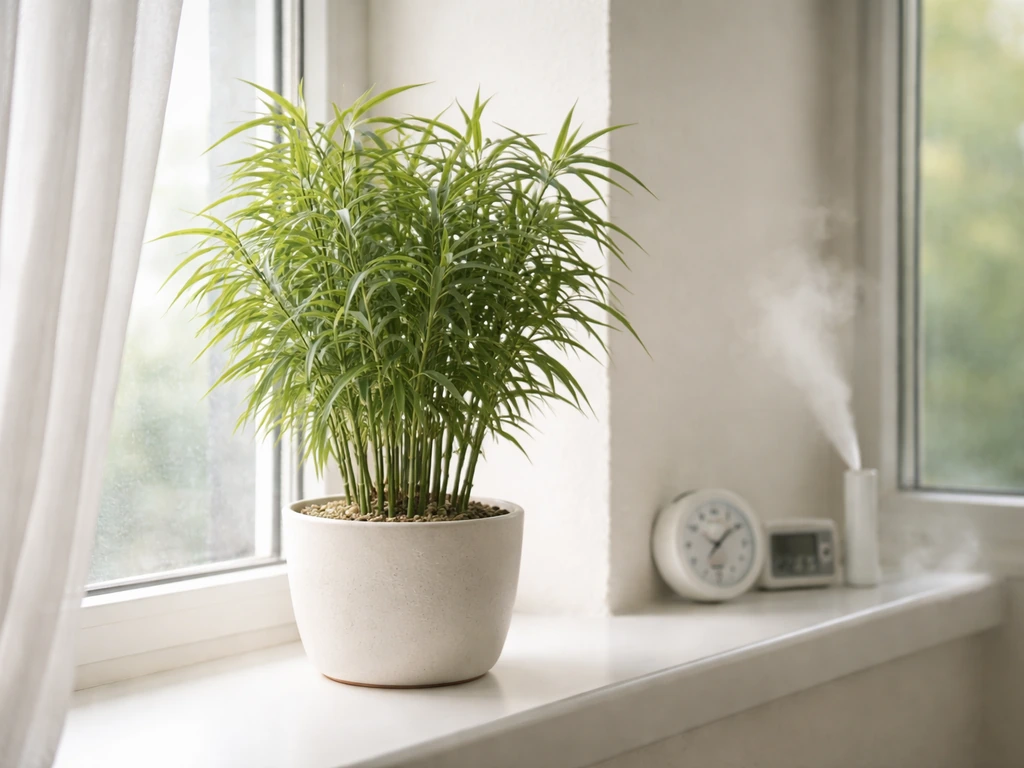
True clumping bamboos like Fargesia are naturally understory plants, meaning in the wild they grow beneath a forest canopy. This actually works in your favor indoors: they handle lower light better than many plants and don't need a south-facing window blasting them with sun all day. A bright spot near an east- or west-facing window is ideal. They can survive in a north-facing room if it's genuinely bright (no dark corners), but growth will slow noticeably. Direct afternoon sun through glass can scorch the leaves, so some light filtering with a sheer curtain helps.
Temperature-wise, Fargesia species are very comfortable in the typical indoor range of 60 to 75°F (15 to 24°C). They actually prefer it on the cooler side and can struggle if temperatures consistently exceed 85°F (29°C) for long periods indoors, especially Fargesia nitida. Keep the pot away from heating vents, radiators, and drafty single-pane windows in winter.
Humidity is something indoor bamboo will thank you for. Most heated or air-conditioned homes run quite dry. Misting the leaves occasionally, placing a tray of pebbles and water beneath the pot (without letting the pot actually sit in water), or running a small humidifier nearby all help. Lucky bamboo is especially sensitive here, preferring 50 to 70% humidity. True Fargesia is more forgiving but will look better with a little extra moisture in the air during dry winter months.
Soil Mix and Watering: True Bamboo vs Lucky Bamboo
True bamboo and lucky bamboo have very different growing mediums, and using the wrong one is one of the most common mistakes people make. A potting-mix methodology notes that pH and soluble salts in container mixes are strongly affected by water and the mix, so container-water interactions matter.
Soil for True Bamboo (Fargesia)
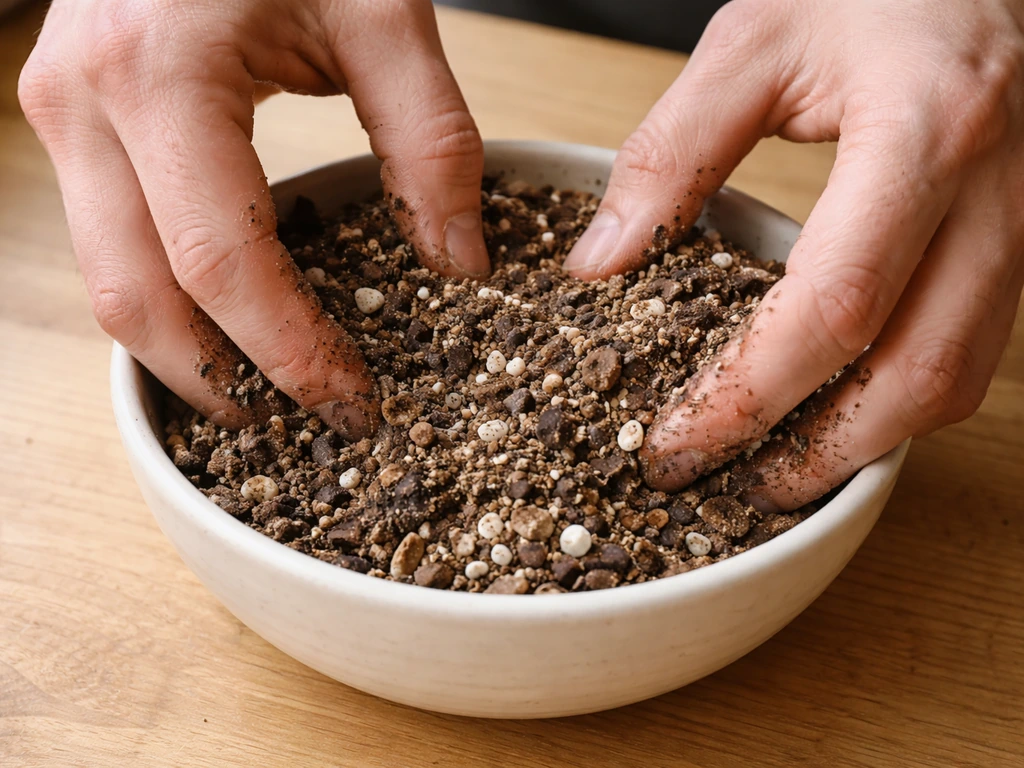
True bamboo needs a well-draining, slightly acidic to neutral potting mix. A good blend is two parts bark-based potting mix, one part perlite or pumice, and one part coarse horticultural grit. This gives roots the drainage they need while still holding enough moisture between waterings. Aim for a soil pH in the 6.0 to 7.0 range. Standard all-purpose potting compost on its own tends to pack down and hold too much water, so always amend it with something gritty.
Water when the top inch or two of soil feels dry. Pour water slowly until it drains freely from the bottom holes, then stop. Never let the pot sit in a puddle of water in the saucer. In winter when growth slows, water less frequently, maybe every 10 to 14 days depending on your home's temperature and humidity. In active growing months (spring and summer), you may be watering every few days.
Growing Medium for Lucky Bamboo (Dracaena)
Lucky bamboo is often sold in water alone or in pebbles with water, and it can live that way for a long time. If you're growing it in water, change the water every one to two weeks and use filtered or distilled water. Tap water with high chlorine or fluoride content is a genuine problem for lucky bamboo and causes yellowing leaves over time. If you want to move it into soil, use a light, well-draining potting mix and keep it lightly moist but not soggy. It's actually more forgiving in soil than many people expect, and it tends to grow faster that way.
How to Plant, Transplant, and Manage Root Growth
When you first pot a Fargesia bamboo, fill the pot about one-third full with your prepared potting mix, set the plant in so the root ball sits about an inch below the rim of the pot, then fill in around it and firm gently. Water thoroughly right after planting to settle the mix around the roots. Don't bury the crown (where the stems meet the roots) too deep, keep it at roughly the same depth as it was in the nursery pot.
Clumping bamboos are well-behaved but they do grow, and every two to three years you'll notice roots starting to circle the inside of the pot or push out of the drainage holes. That's your cue to repot. Spring is the best time to do it, just as new growth is starting. Move up one pot size, tease out any circling roots gently, and refresh the potting mix.
If you want to keep the plant at the same size rather than going bigger, you can root-prune it: take it out of the pot, trim back the outer layer of roots by about a quarter, and replant it in fresh mix in the same container. It sounds drastic but bamboo handles this well.
Unlike running bamboo types, Fargesia doesn't send long underground rhizomes shooting out in every direction, so you don't need a rhizome barrier or any special root containment. The clumping habit is self-limiting. Running bamboo varieties, by contrast, are not suitable for long-term indoor containers precisely because rhizome control becomes nearly impossible in a pot setting.
Feeding, Pruning, and Keeping Pests Away
Fertilizing Schedule
Bamboo is a grass and it loves nitrogen. During the growing season (roughly March through August), feed your container bamboo monthly with a liquid fertilizer at the label-recommended strength. A high-nitrogen fertilizer, the kind sold for lawns or grass, works really well. Give it a good feed in early spring as new shoots start emerging, another in early summer, and then ease off through autumn and stop completely in winter. Container-grown bamboo loses nutrients faster than garden bamboo because watering flushes them out, so that monthly feeding really matters.
Pruning and Thinning
Pruning bamboo indoors mainly means thinning out old culms (the individual canes) to keep the plant looking fresh and to let light and air into the center. Remove any culms that are five or more years old, they'll look duller, maybe slightly hollow, and won't produce much new foliage. Cut them right down to the base with clean pruners. You can also trim the tops of culms to control height, bamboo won't branch below the cut but the existing side branches will fill out. Do your main thinning in late winter or early spring before new shoots appear.
Pest and Disease Prevention
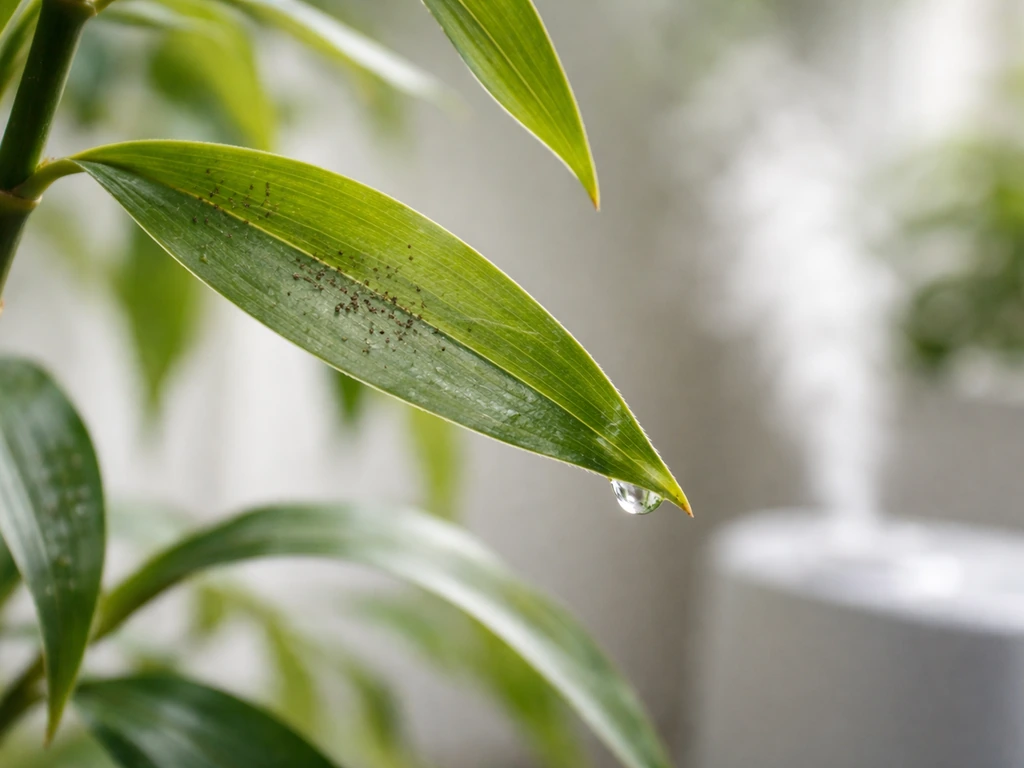
Indoor bamboo can get spider mites, especially in dry conditions, you'll notice fine webbing and tiny specks on the undersides of leaves. Raising humidity helps prevent them. If you spot them, wipe leaves down with a damp cloth and use insecticidal soap spray. Mealybugs and scale insects can also appear. Check the plant when you water, catching problems early makes them much easier to deal with. Root rot from overwatering is the main disease risk, and the best prevention is simply not letting the pot sit in standing water and using a well-draining mix from the start.
What to Expect and How to Fix Problems When They Appear
Bamboo indoors grows more slowly than outdoors, and that's completely normal. In the first year, focus on establishing the root system rather than expecting dramatic top growth. New culms typically emerge in spring, and each culm grows to its full height within just a few weeks before the leaves unfurl. Once a culm reaches its full height, it won't get taller, new height comes from new culms the following season.
Here's a quick-reference troubleshooting guide for the most common problems you'll run into:
| Problem | Most Likely Cause | What to Do |
|---|---|---|
| Yellow leaves (true bamboo) | Overwatering, poor drainage, or low nutrients | Check drainage holes aren't blocked, reduce watering, feed with nitrogen fertilizer in growing season |
| Yellow leaves (lucky bamboo) | Chlorinated/fluorinated tap water, or root rot | Switch to filtered or distilled water; if stalks are mushy, cut off rotted parts and re-root healthy sections |
| Leaves curling or drooping | Underwatering or very low humidity | Water thoroughly until it drains out the bottom; mist leaves or add a pebble humidity tray |
| Slow or no new growth | Too little light, root-bound pot, or no fertilizer | Move to brighter spot, check if roots are circling (repot if so), start monthly feeding |
| Mold on soil surface | Overwatering and poor airflow | Reduce watering frequency, scrape off mold, improve air circulation around the pot |
| Soft or mushy culm bases (lucky bamboo) | Root rot from sitting in dirty or stagnant water | Change water immediately, trim any soft/black roots, move to clean container with fresh water or light potting mix |
| Tiny webs on leaves (spider mites) | Dry indoor air | Increase humidity, wipe leaves with damp cloth, apply insecticidal soap spray |
One thing that trips up a lot of first-time indoor bamboo growers is overwatering in winter. The plant is barely growing, the soil stays moist much longer, and it's easy to keep watering on autopilot. Check the soil with your finger before every watering, if the top inch or two is still damp, wait a few more days. That one habit prevents most of the root rot problems people run into.
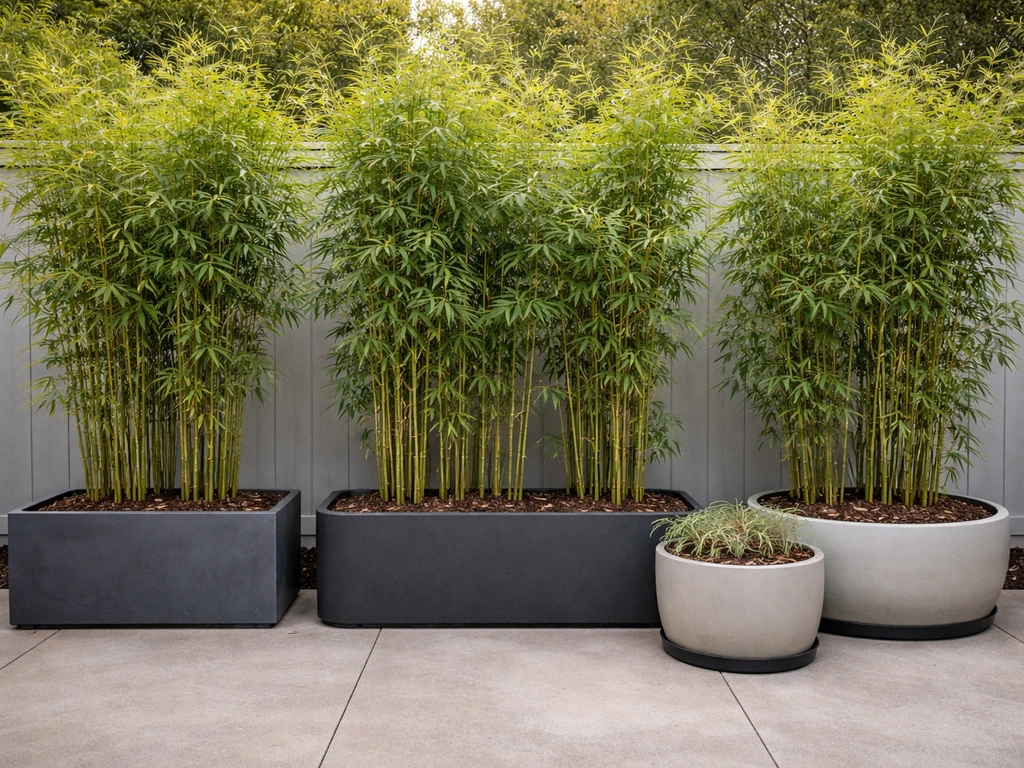
If you're interested in bamboo for outdoor privacy screening, that's a different situation with different variety choices and pot sizes, since outdoor container bamboo can handle larger growing types and full sun exposure. Similarly, if you're specifically focused on lucky bamboo care and the Dracaena growing method, that plant has its own rewarding quirks worth exploring in depth on its own. For now, if you're starting indoors with a Fargesia in a well-draining pot on a bright windowsill, you're already set up for success.
FAQ
Can I move indoor bamboo outside in summer, or will it shock the plant?
Yes, but only if you keep the light consistent and avoid drafts and temperature swings. Start by placing it where it gets bright, indirect light for a few hours a day, then gradually increase exposure over 1 to 2 weeks. Bring it back inside before nights drop below your indoor comfort range, and never move it abruptly into direct afternoon sun through glass.
How do I tell if my bamboo in a pot is dry enough, since the top layer can look dry?
Use the “pull test” before watering. If the top inch or two feels dry but the pot still feels heavy, it may still be waterlogged lower down. If in doubt, wait an extra day, then water slowly until excess drains out, empty the saucer immediately, and reassess.
What fertilizer should I use for true clumping bamboo indoors, and what should I avoid?
Avoid fertilizing with general houseplant formulas or slow-release pellets. For Fargesia, stick to a high-nitrogen liquid fertilizer diluted to label strength, and feed only during active growth (spring through summer). If you see dark, lush growth with weak stems or leaf curl, you may be overfeeding or keeping it too warm.
If my bamboo starts getting root-bound, should I repot right away or wait for spring?
Repot when roots are circling or when water runs straight through without soaking, not just on a calendar schedule. If you repot mid-season because the plant is stressed, expect slower growth for a few weeks. Use fresh mix, keep the crown at the same height, and water thoroughly right after repotting.
My indoor bamboo leaves are turning yellow, what are the most likely causes?
If the leaves yellow slowly and the plant looks otherwise fine, think water and light first. Yellowing plus persistently wet soil often points to overwatering and early root stress. Yellowing without wet soil can be under-light, low humidity, or fertilizer imbalance. Check soil moisture and drainage behavior before changing multiple variables at once.
What should I do if I suspect root rot or the soil stays wet too long?
Cut back only dead or severely damaged culms, then correct the cause. If the center looks limp, smells sour, or the pot stays wet for days, focus on drainage and watering frequency first, because rot is hard to reverse once established. In severe cases, you may need to remove the plant, trim rotten roots, and repot into fresh mix.
Do I really need to increase humidity for Fargesia bamboo indoors, and how can I do it without making a mess?
In most homes, a tiny humidification boost is enough. Grouping plants together, using a pebble tray correctly (pot on the tray, not sitting in water), or running a small humidifier near the plant helps. Misting can provide temporary relief, but it will not replace proper watering control and good airflow.
Can bamboo live in a north-facing room, and what should I watch for?
Yes, but expect slower growth and avoid long periods in dim corners. If you only have a north-facing room, place the pot near the brightest window available, rotate it weekly for even growth, and be strict with watering so you do not overwater in low light.
How big should the pot be, and what happens if I use a pot that’s too large?
Do not start with a pot that is too large. A larger pot holds more moisture, so for young clumping bamboo you want only one size up at repotting, and you want the roots to fill the container gradually. If the pot is oversized, reduce the watering frequency and consider moving to terracotta or a better draining mix.
Should I prune indoor bamboo to keep it small, and when is the best time?
For indoor containers, keep pruning light and targeted. Thinning out older culms helps light reach the center, and topping can limit height, but bamboo will not produce new branching below a cut. Use clean pruners, and do your main cleanup late winter or early spring before new shoots.
Is it okay to rotate my potted bamboo and move it around for light?
Since bamboo is a grass, mild movement is fine, but constant touching or bumping can injure leaves and stress the plant. Place it where it gets stable light, keep the pot away from heating vents and high-traffic drafts, and only rotate the pot occasionally for even growth.