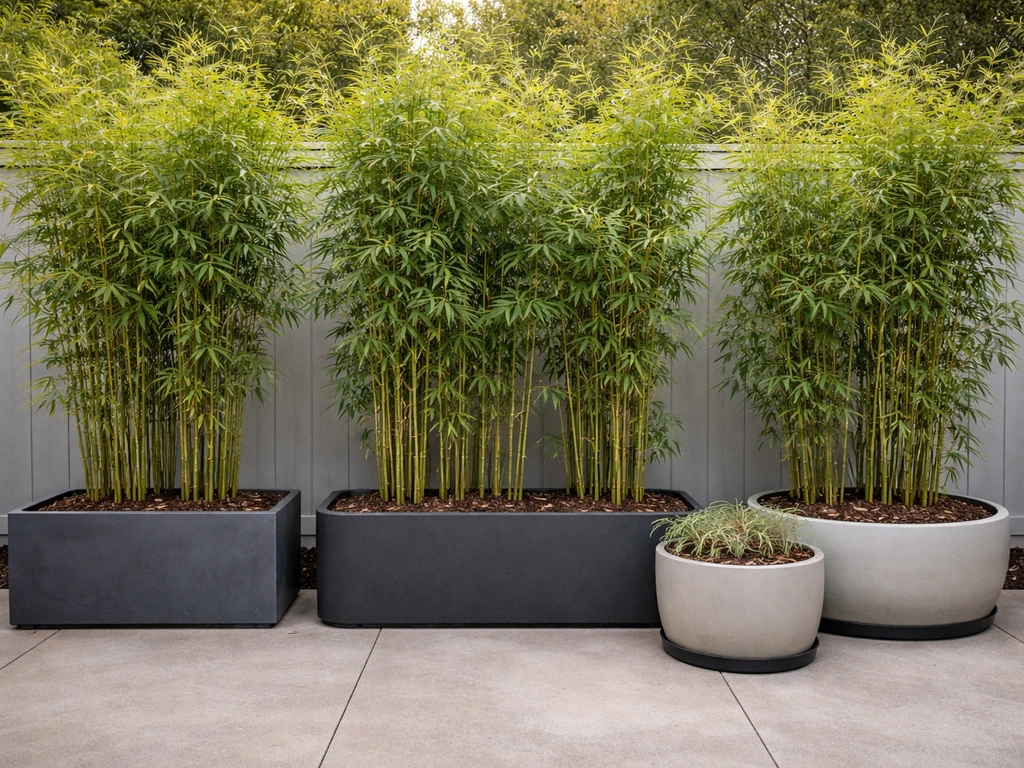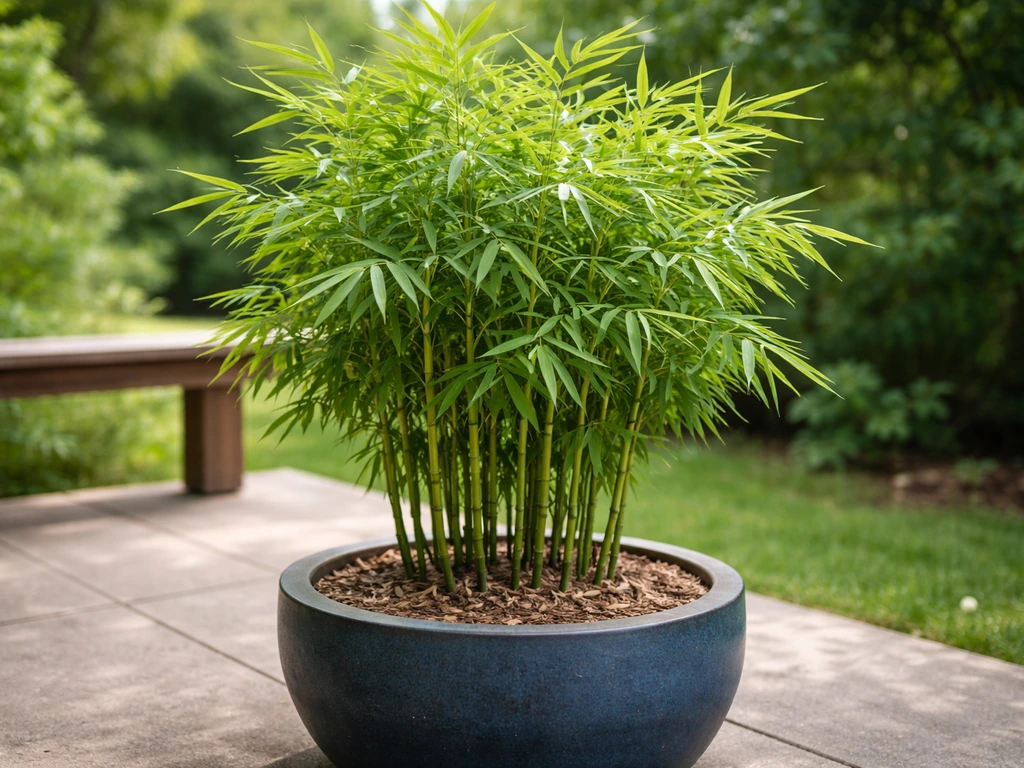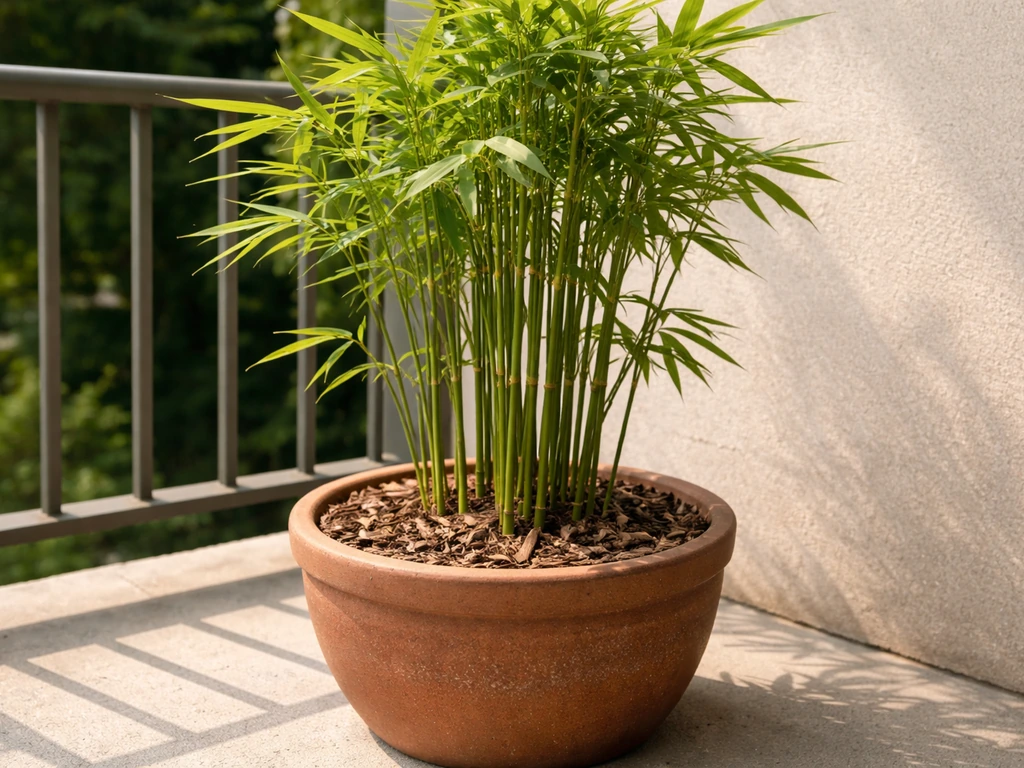
Lucky bamboo (Dracaena sanderiana) grows beautifully in pots, either propped up in water with pebbles or planted directly in soil. The key is giving it filtered indirect light, keeping it in the 65–75°F range, and never letting its roots sit in soggy conditions. Get those three things right and lucky bamboo is genuinely one of the easiest indoor plants you can keep. Get them wrong and you'll be staring at yellow stems within a few weeks.
How to Grow Lucky Bamboo in Pots: Pot Care Guide
Marcus Whitley
28 May 2026
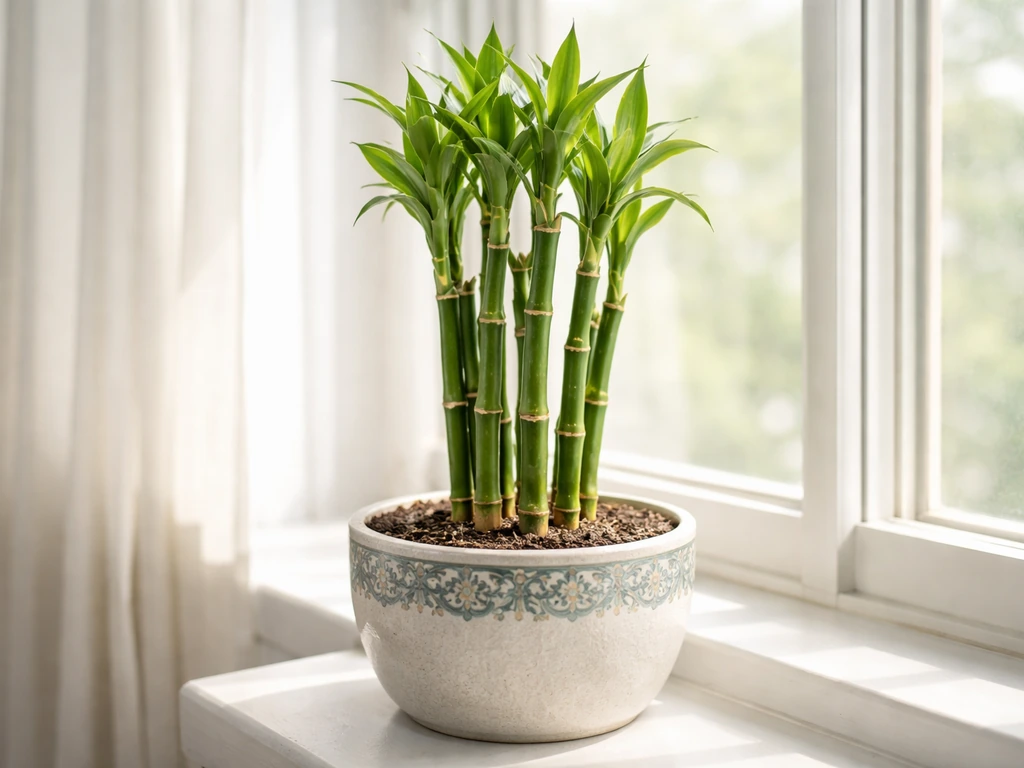
What lucky bamboo actually needs indoors
Lucky bamboo is not real bamboo. It's a tropical plant from Central Africa that happens to look like bamboo, and it thrives in the warm, humid conditions you'd find inside most homes. That's good news if you're growing indoors, because you're already halfway there just by bringing it inside.
The non-negotiables are: indirect but reasonably bright light, consistent moisture (not drenching), temperatures that stay above 60°F, and water that isn't loaded with chlorine or fluoride. Tap water sounds harmless, but over time those chemicals poison the roots and show up as yellowing leaves. More on that in a bit.
- Light: bright but indirect, never direct sun
- Temperature: 65–75°F (18–23°C) is the sweet spot
- Humidity: average indoor humidity works, but it appreciates a little extra
- Water quality: filtered, distilled, or tap water left out overnight to let chlorine off-gas
- Fertilizer: diluted liquid plant food every two weeks if growing in soil or plain water
One thing I've learned from keeping these plants: they're forgiving to a point, but they send you clear signals when something's off. A yellow stem or brown leaf tips are your early warning system. The troubleshooting section below will walk you through exactly what those signals mean.
Picking the right pot and container
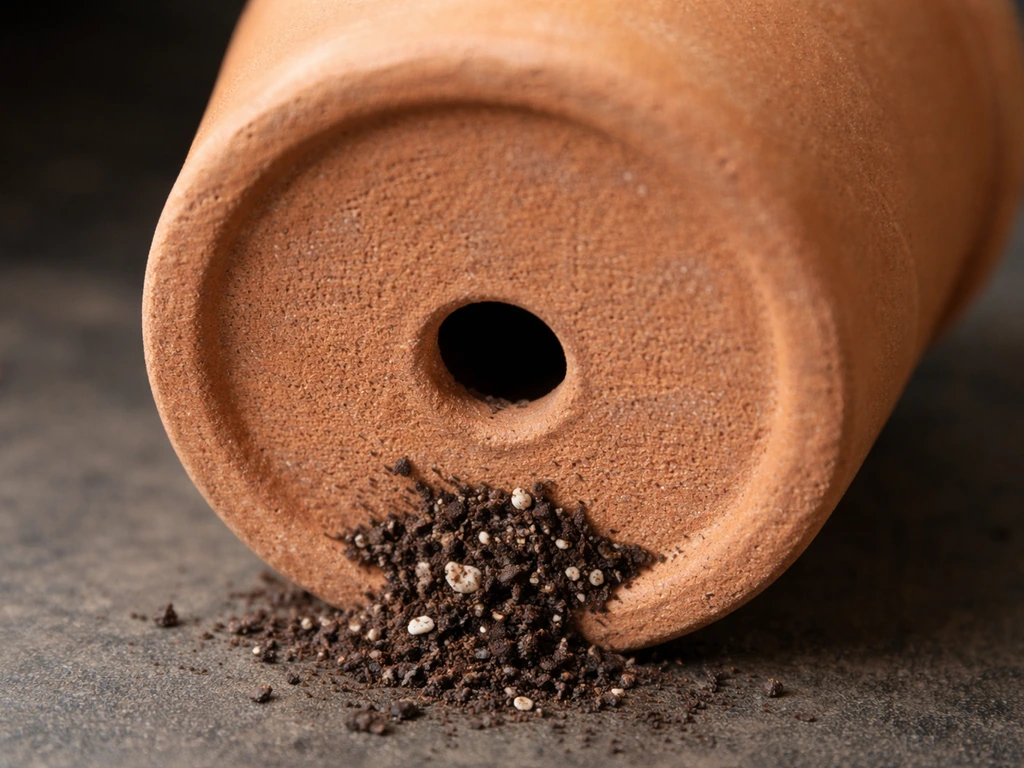
If you're going the soil route, drainage is everything. Use a pot with at least one drainage hole in the bottom. Lucky bamboo does not like wet feet, so a pot that traps water is a fast track to root rot. A 4 to 6 inch pot works well for a single stem or a small bundle, and you can go up to an 8 inch pot if you're planting a cluster of three or more stalks.
For material, unglazed terracotta is a solid choice because it breathes and lets excess moisture evaporate through the walls. Ceramic and plastic both work fine as long as drainage holes are present. If you fall in love with a decorative pot that has no drainage hole, use it as an outer sleeve and keep the plant in a plastic nursery pot inside it. Just remember to empty any water that collects in the sleeve after watering.
If you're going the water method (no soil), almost any watertight container works: glass vases, ceramic bowls, shallow dishes. The container just needs to be deep enough to hold pebbles that support the stalks upright, plus a few inches of water covering the lower roots. A 4 to 6 inch glass cylinder is a classic choice and lets you keep an eye on root health easily.
Soil pot vs water container: which method should you use?
This is the question I get asked more than any other about lucky bamboo, and honestly, both methods work. The difference comes down to what you're willing to manage and how long you want the plant to live.
| Method | Setup | Maintenance | Growth potential | Longevity |
|---|---|---|---|---|
| Soil in a pot | Potting mix in a drained pot | Water when top inch of soil is dry; fertilize every 2 weeks | Faster, more vigorous growth | Years, given good care |
| Water in a container | Stalks held by pebbles, roots submerged in water | Change water every 7–10 days; clean pebbles monthly | Slower but manageable | Can last years but more vulnerable to rot over time |
The water method is what you typically see lucky bamboo sold in at gift shops, and it's fine for decorative use. But soil growing gives the plant more nutrients and stability, and in my experience the stems stay firmer and greener longer. If you bought your plant growing in water and want to switch it to soil, you can do that. Just rinse the roots gently, let them air dry for about 30 minutes, then plant into a moist soil mix and water it in. Expect a short adjustment period of a week or two where the plant looks a little stressed.
Going from soil to water is trickier and not something I'd recommend unless the soil situation has gone badly wrong, like a severe root rot case where you're trying to save the plant. In that scenario, trimming away all rotted roots and re-rooting in clean water can actually revive a stem that would otherwise die.
The right soil mix for potted lucky bamboo
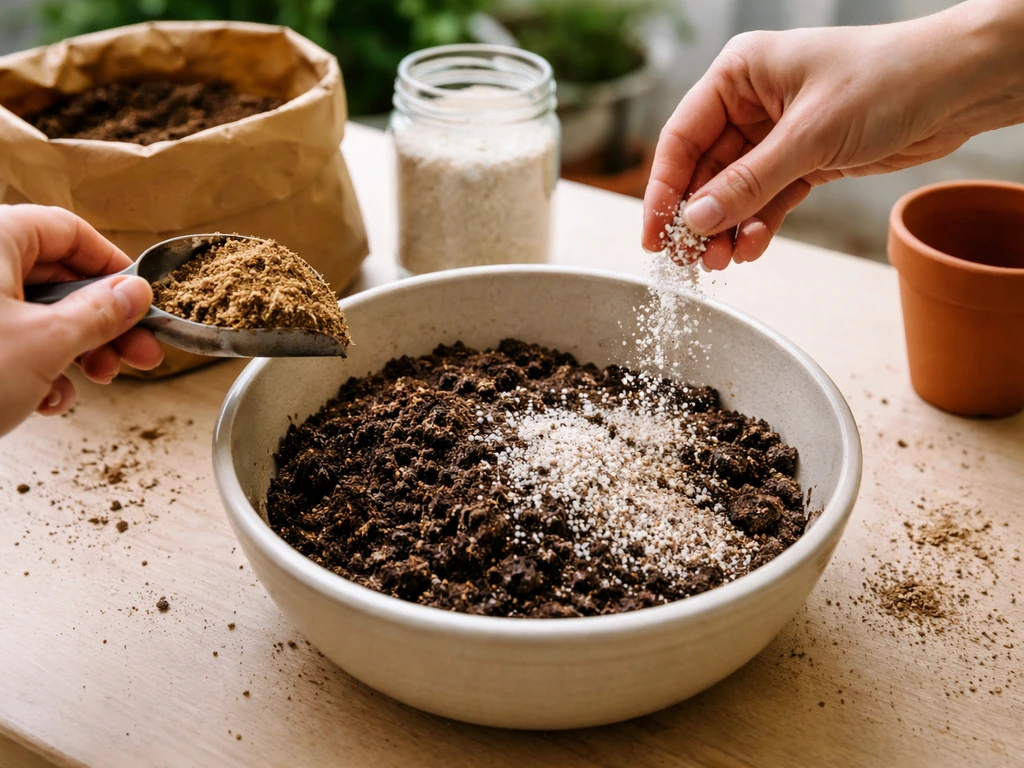
Don't just grab any potting mix off the shelf. Lucky bamboo wants soil that drains fast but still holds a bit of moisture. A good DIY mix is blank" rel="noopener noreferrer">two parts peat moss (or a peat-based potting mix), one part perlite, and one part coarse sand. This combination aerates the root zone, prevents compaction, and stops water from pooling at the bottom of the pot. If you want to keep it simple, a cactus/succulent mix with a little extra peat stirred in does the job well too.
Light, temperature, and where to put the pot
Place your lucky bamboo near a window that gets bright, indirect light. An east-facing window is ideal because it catches gentle morning sun without the harsh afternoon rays. A north-facing window can work if the light is decent. What you want to avoid is direct midday or afternoon sun, which scorches the leaves and turns them brown and papery almost overnight.
Temperature-wise, keep it between 65 and 75°F. Most living rooms and offices sit right in that range, which is why lucky bamboo does so well indoors. The plant can tolerate slightly warmer temps, but anything below 60°F causes it to sulk and stop growing, and a cold draft from a window in winter can cause the same problem. Keep it away from air conditioning vents and heating radiators, both of which create dry, extreme conditions the plant hates.
Humidity is where many indoor gardeners skip a step. Lucky bamboo prefers a humid environment, and in dry climates or heated winter rooms, the air can get pretty dry. An easy fix: place the pot on a shallow tray filled with pebbles and a small amount of water. As the water evaporates, it raises the humidity immediately around the plant. Just make sure the bottom of the pot sits on the pebbles, not in the water, so you're not wicking moisture up into the drainage hole.
How to plant, water, and fertilize lucky bamboo
Planting in a pot
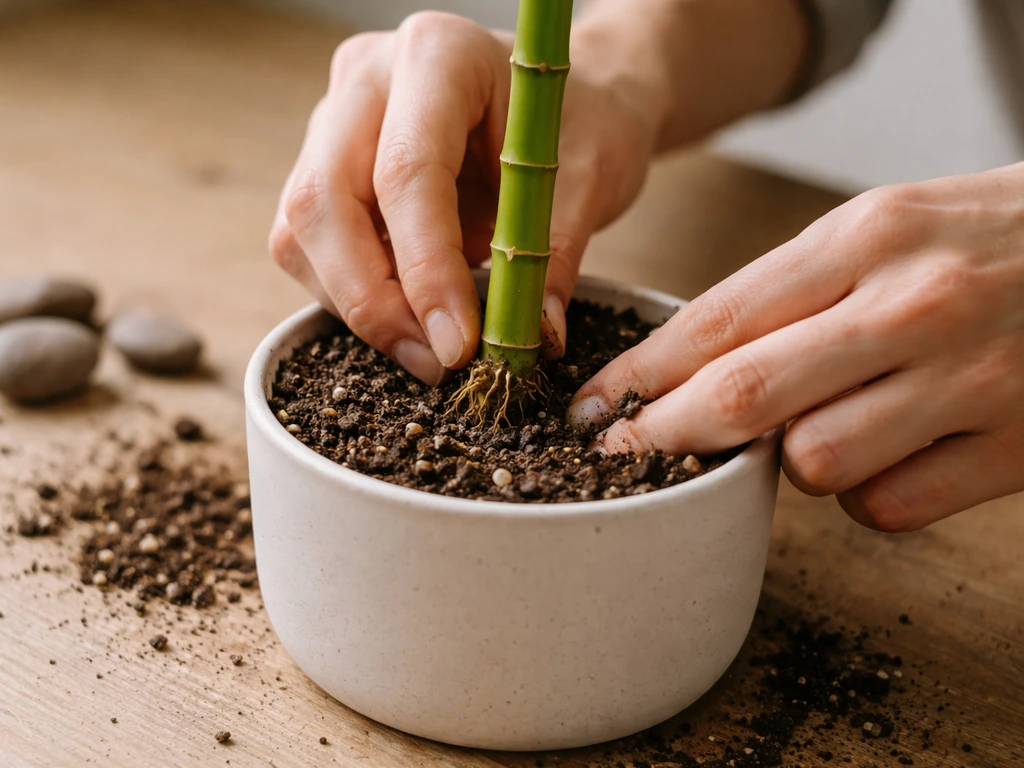
- Fill your pot about one-third full with your peat/perlite/sand mix.
- Place the lucky bamboo stalk or bundle in the center, spreading the roots out gently.
- Fill in around the roots with more soil mix, firming it lightly so the stalk stands upright.
- Leave about half an inch of space between the soil surface and the rim of the pot.
- Water thoroughly until water drains from the bottom, then let it drain completely before placing it in its spot.
Setting up the water method
- Add a 2 to 3 inch layer of rinsed decorative pebbles or stones to your container.
- Nestle the stalks between the pebbles so they're held upright.
- Add filtered or distilled water until it covers the bottom inch or two of the stalks (and any visible roots).
- Do not submerge the entire stalk, only the lower roots and base.
- Top off with fresh water every few days and do a full water change every 7 to 10 days.
Watering schedule for soil-potted lucky bamboo
Check the soil every few days by pushing your finger about an inch into the mix. If it feels dry at that depth, water thoroughly. If it still feels moist, leave it alone. The goal is moderately moist soil, never soggy. In my experience, most indoor lucky bamboo in pots needs watering roughly once a week in summer and every 10 to 14 days in winter when growth slows. Always use filtered or distilled water, or tap water that's been sitting out in an open container for at least 24 hours.
Fertilizing
Feed every two weeks with a diluted all-purpose liquid plant food. The key word is diluted: use the fertilizer at half the strength recommended on the label, or even quarter strength. Lucky bamboo is sensitive to excess fertilizer, and over-feeding causes salt buildup in the soil that burns the roots and shows up as yellowing leaves from the bottom of the plant upward. If you're growing in water rather than soil, add just a single drop of liquid fertilizer to the water every two to four weeks. That's genuinely all it needs.
Pruning, repotting, and keeping stems in good shape
Lucky bamboo doesn't need a lot of pruning, but a little goes a long way toward keeping it looking neat and growing strong. When offshoots (the side shoots that sprout from the main stalk) get too long or spindly, trim them back. Use sharp, sterile scissors or pruning shears and cut just above a node, which is one of those slightly raised rings you can see along the stalk. Cutting above a node encourages new growth to sprout from that spot.
Never cut the main stalk if you can help it. Once cut, the main cane won't regrow from that point. What you'll get instead are side shoots from just below the cut, which can look a bit odd over time. Stick to trimming the offshoots and removing any dead, yellow, or brown leaves by pulling them cleanly away from the stalk.
Repotting is needed when you see roots circling the inside of the pot or pushing out of the drainage hole, which is a sign the plant is root-bound. This usually happens every one to two years. Move up just one pot size (about 2 inches wider in diameter) rather than jumping to a much larger container, which can hold excess moisture and cause root issues. Refresh the soil completely when you repot, and give the plant a thorough watering afterward.
Fixing common problems: yellow stems, brown tips, rot, and slow growth
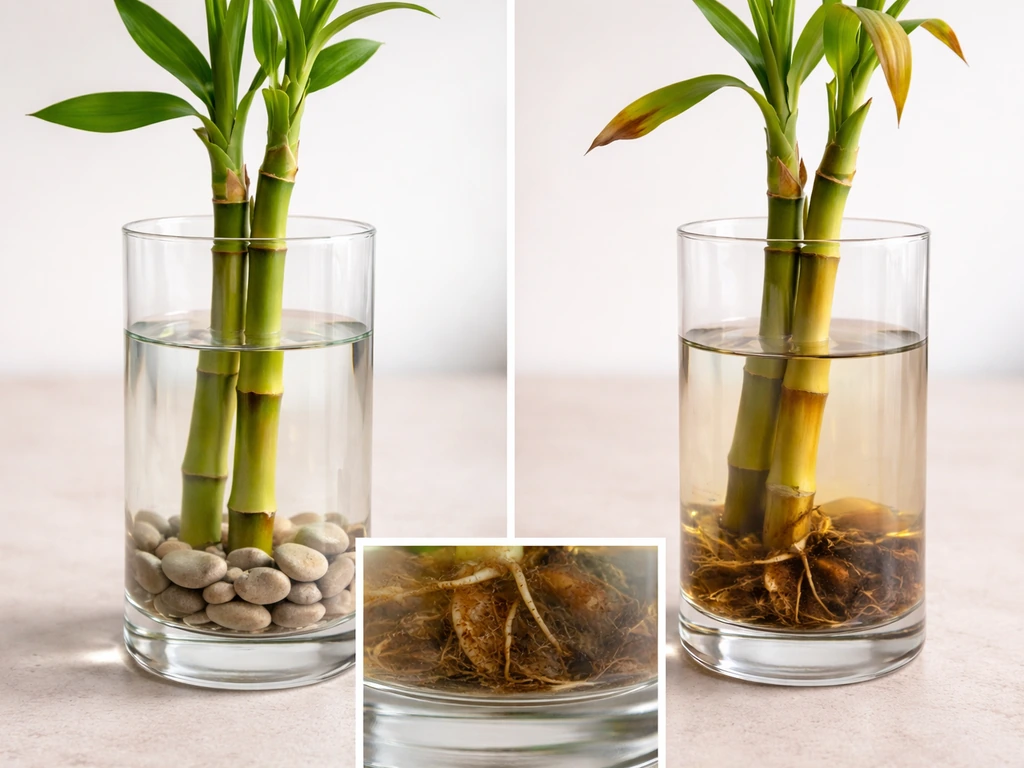
Yellow leaves or stems
Yellowing is the most common complaint with lucky bamboo, and it usually comes down to one of four causes: tap water chemicals, too much direct sunlight, over-fertilizing, or root rot. Start by switching to filtered or distilled water if you haven't already. Then check light levels and move the plant away from any direct sun. If you've been feeding regularly, skip the fertilizer for at least a month and flush the soil with plain water to leach out built-up salts. In many cases, the existing yellow sections won't green back up, but new growth emerging above the damaged area will come in healthy.
Brown leaf tips
Brown tips are almost always a humidity or water quality issue. The air is too dry, or the plant is getting fluoride or chlorine from tap water. Raise humidity with the pebble tray method mentioned earlier, and switch to filtered water. You can trim off the brown tips with clean scissors (cutting at a slight angle so it looks natural) without harming the plant.
Root rot and mushy stems
Root rot has a distinctive smell: sour, swampy, unpleasant. If you smell it when you check the pot or water container, act fast. For soil-grown plants, pull the stalk out, rinse the roots under running water, and cut away any black, mushy, or slimy root sections with sterile scissors. Let the healthy roots air dry for 30 minutes, then repot in fresh dry mix and hold off watering for a few days. For water-grown plants, remove all pebbles, wash the container with diluted bleach solution, rinse everything thoroughly, and refill with fresh clean water. If the main stalk itself has soft, mushy spots, unfortunately that section is done, but you may be able to cut above the mushy part and re-root the healthy top section in fresh water.
Slow or leggy growth
If your lucky bamboo is barely growing or the new shoots are pale and stretched, it needs more light. Move it closer to a bright window (keeping it out of direct sun). Leggy, weak offshoots can also be a sign of insufficient fertilizer, so if you've been skipping the feeding schedule, restart at a diluted dose every two weeks. Lucky bamboo isn't a fast grower by nature, but you should see new leaf shoots emerging every few weeks in good conditions.
Quick troubleshooting checklist
- Yellow leaves or stems: switch to filtered water, check light, reduce or pause fertilizer, check for root rot
- Brown leaf tips: increase humidity, switch water source, trim tips cleanly
- Mushy base or bad smell: remove, trim rotted roots or stalk sections, repot or change water
- No new growth: move to brighter indirect light, check temperature, restart diluted feeding
- Algae in water container: move out of direct light, clean container and pebbles, change water more frequently
- Wilting stalks: check that roots have access to water (in water method) or that soil is not bone dry
One last thing worth knowing: lucky bamboo is not the same plant as the bamboo species you'd grow outdoors for screening or privacy. If you're interested in true bamboo in containers, that's a completely different growing challenge with different pot and space requirements. If you want bamboo specifically for privacy, you will need to choose the right clumping or running variety and then manage its pot size and root growth carefully true bamboo in containers. If you want the closest match to real bamboo gardening, check out our guide on how to grow bamboo in pots. Lucky bamboo is strictly an indoor decorative plant, and it's worth treating it as such rather than expecting outdoor hardiness from it.
Start with a 4 to 6 inch pot, a well-draining peat and perlite mix, a spot near a bright window, and filtered water. Feed lightly every two weeks and check on it every few days. That's genuinely all it takes to grow a healthy lucky bamboo in a pot, and once you get the rhythm down, it's one of the most satisfying low-maintenance plants you can keep indoors. If you want more general tips beyond lucky bamboo, here is a guide to how to grow bamboo in a pot indoors. If you want the bamboo-like look on a container scale, follow the same pot basics and care rhythm for how to grow bamboo tree in pot.
FAQ
Can I grow lucky bamboo in pots using regular tap water?
You can at first, but if your tap has noticeable chlorine or fluoride, plan on yellowing over time. A practical approach is to test one plant, use filtered or distilled water, and if you see leaf yellowing from the bottom upward, switch immediately and pause fertilizer for a month.
How much water should I keep in the container if I’m growing lucky bamboo in water?
Aim for enough water to cover the lower roots by a few inches, but keep the stalk base out of standing water. If the waterline rises to touch the stem, that area is more likely to rot, especially if you don’t refresh the water regularly.
How often should I change the water when using the water method?
In most indoor conditions, refresh the container every 1 to 2 weeks to prevent algae and bacterial buildup. If the water gets cloudy faster, switch to weekly changes and rinse the pebbles when you do.
Should I clean the pebbles each time I refill the water container?
Yes, at least occasionally. Every couple of water changes, swish the pebbles and remove any sludge or algae film, then rinse well. This helps reduce rot risk and slows nutrient and odor buildup.
What’s the best potting soil depth for a single stalk?
Keep the stalk roots covered but do not bury the stalk base. Typically, filling the pot so the crown sits level with or slightly above the soil surface prevents trapped moisture around the stem.
Why are my leaves turning yellow even though the light seems bright?
Check the direction of yellowing. Yellowing that starts at the bottom is often tied to fertilizer salts or aging roots, while sudden widespread yellowing can point to cold drafts or consistently soggy soil. Adjust one variable at a time so you can identify the cause.
How do I know if my soil is staying too wet?
Use a drainage check. After watering, the water should exit the drainage holes within a short time and the top inch should dry before the next watering. If you can see water sitting in the saucer for long periods, shorten your watering and empty the saucer.
Can I use a self-watering pot for lucky bamboo?
Generally avoid it unless you can control the reservoir level and ensure the pot does not wick moisture into the root zone. Lucky bamboo needs to dry slightly between waterings, so a constantly wet reservoir increases root-rot risk.
What fertilizer should I use, and can I use slow-release pellets?
Stick to diluted liquid all-purpose fertilizer. Slow-release pellets can be harder to dose accurately and are more likely to create concentrated salts that burn roots, especially in small pots.
How do I flush salts from soil if fertilizer built up?
Water deeply with plain water until it runs out of the drainage holes, then let it drain fully. Repeat once or twice a week apart, then resume a lighter feeding schedule only after new growth looks healthy.
Why do my brown tips keep coming back after I switch to filtered water?
Brown tips often lag behind the fix. Trim off the damaged tips, keep humidity more consistent, and watch new growth. If new tips still brown quickly, consider moving away from direct heat sources like radiators and air conditioning vents.
Is it safe to trim offshoots, and how do I encourage a fuller plant?
Yes. Trim spindly offshoots back to just above a visible node to trigger branching. For a fuller look, repeat light pruning over time rather than removing many parts at once.
Should I repot right after buying lucky bamboo?
Only if the container lacks drainage, the soil is clearly waterlogged, or you see circling roots. If it’s already in a stable pot and looking healthy, wait until it’s actively growing, usually after it has settled indoors for a few weeks.
My lucky bamboo is root-bound, should I prune roots when repotting?
It’s usually better to gently loosen and untangle roots rather than cutting large portions. If you must remove some circling roots, do it lightly, then use fresh well-draining mix and hold watering for a day or two to reduce shock.
What should I do if the stalk itself gets soft or mushy?
If the main stalk has soft sections, that part typically cannot be saved. Cut above the mushy area if there is healthy tissue, then re-root the healthy top in clean water and discard any rotted sections immediately.
Is lucky bamboo safe around pets?
It’s not ideal for pets. Lucky bamboo (Dracaena) is generally considered toxic if ingested, so keep it out of reach and consider pet-safe alternatives if your animals chew plants.