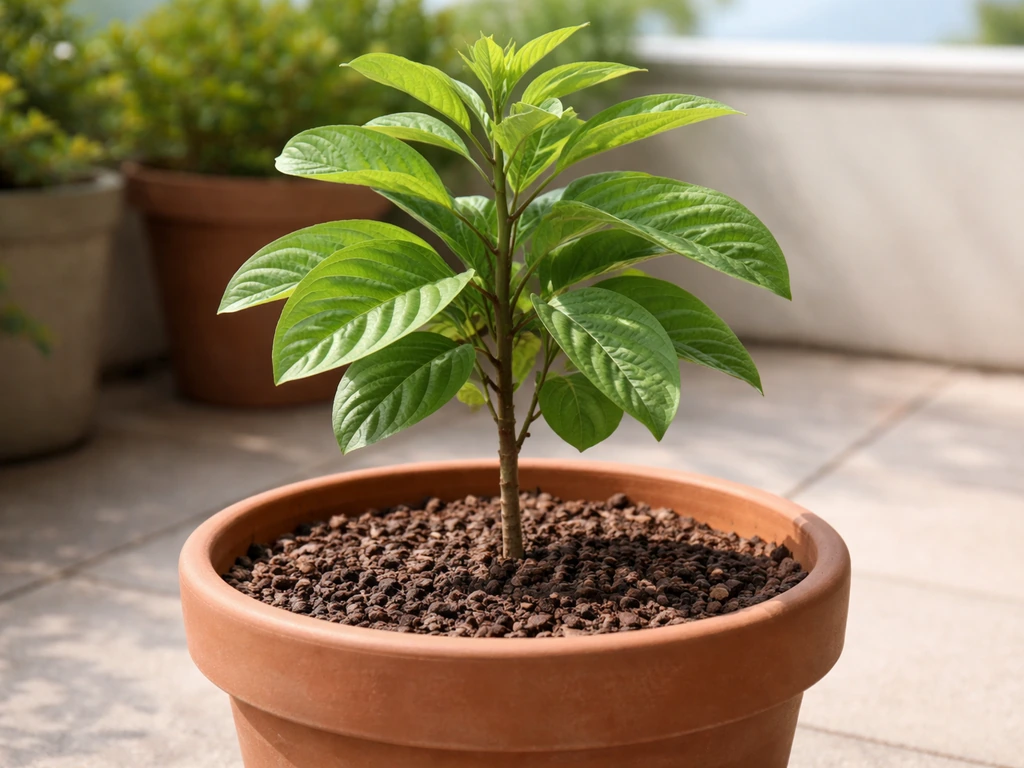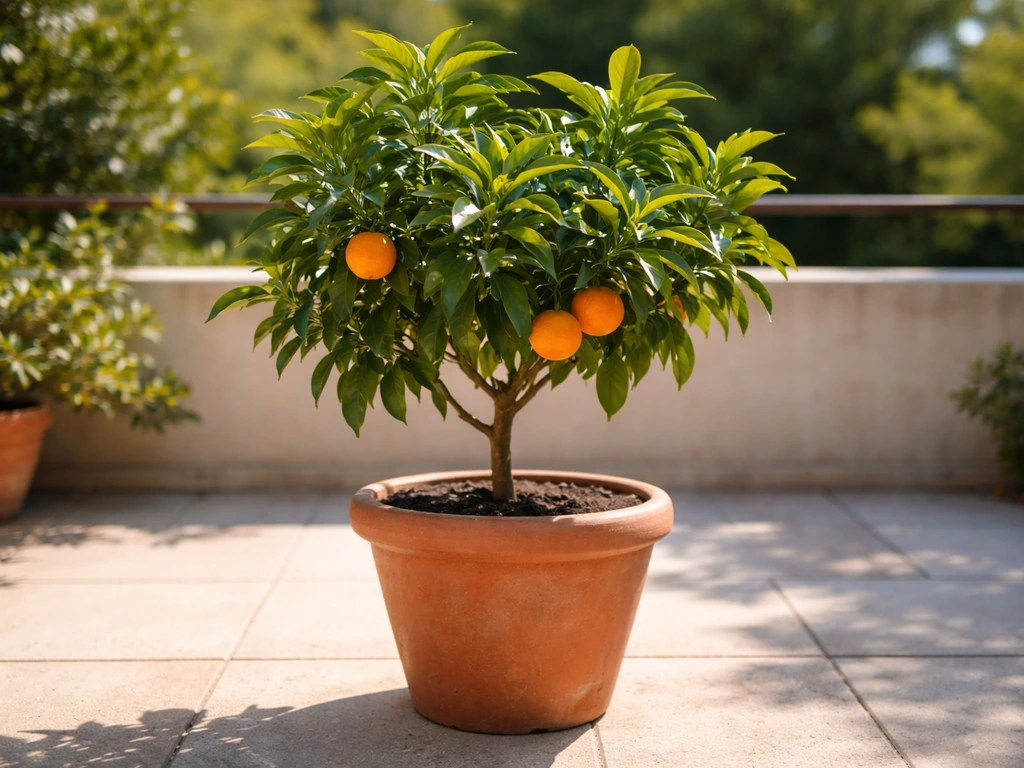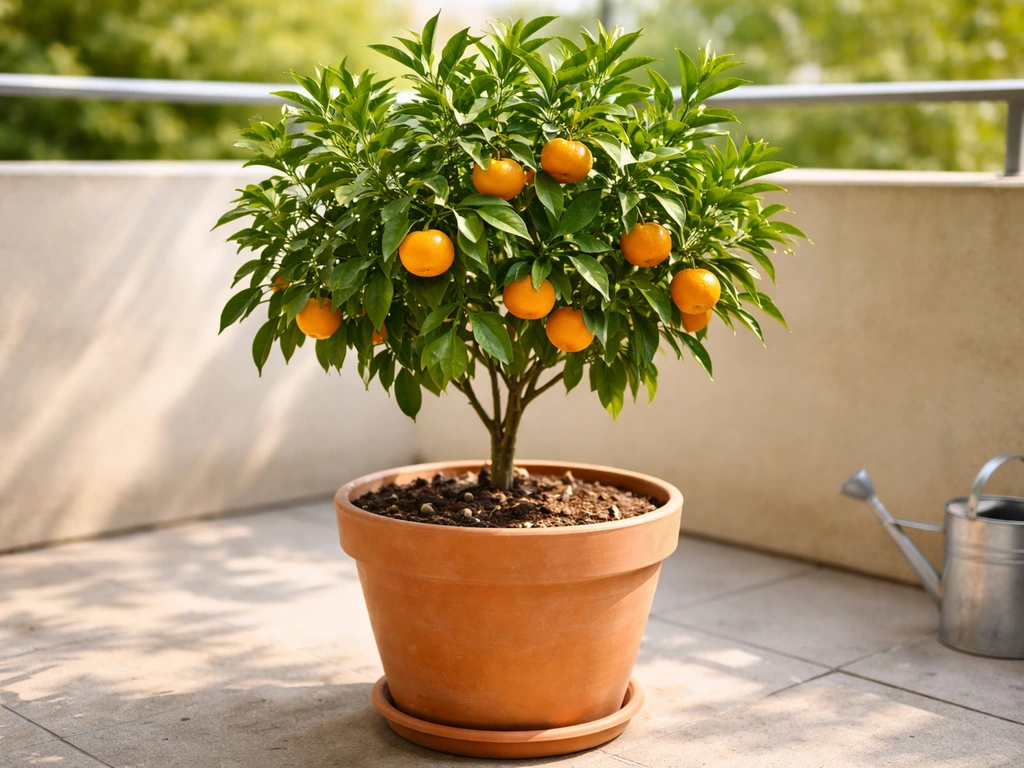
If you want a potted mango tree to grow faster, start with a grafted dwarf variety, plant it in a well-draining, chunky soil mix in a pot that's just big enough (not too big), put it in the sunniest, warmest spot you have, and feed it on a consistent schedule. Do those four things right and you will see noticeably faster growth than most container mangoes. Miss even one of them, bad drainage, wrong variety, not enough sun, and the tree just sits there looking sorry. This guide walks you through each piece in the order that matters most.
How to Grow Mango Tree Faster in Pots: Step-by-Step
Marcus Whitley
7 Jun 2026
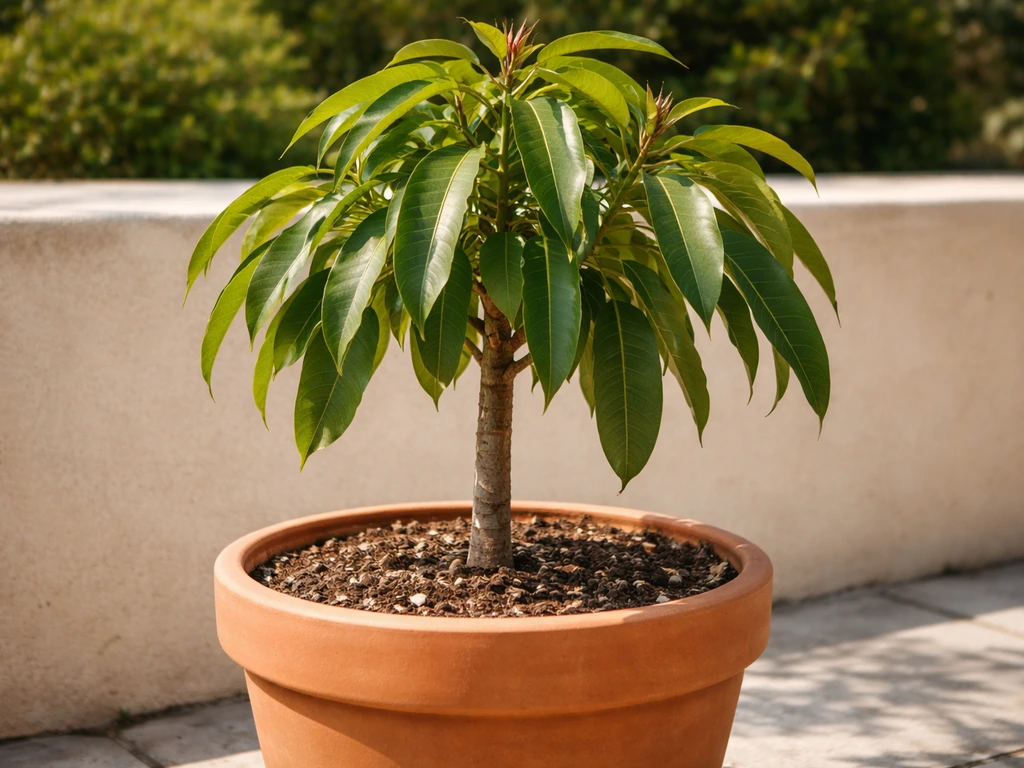
Pick the Right Mango Variety and Starting Material First
This is the single biggest decision you will make, and it determines how fast everything else goes. Not all mangoes belong in pots, and not all mangoes grown in pots will grow at the same speed.
Dwarf and compact varieties are the ones you want
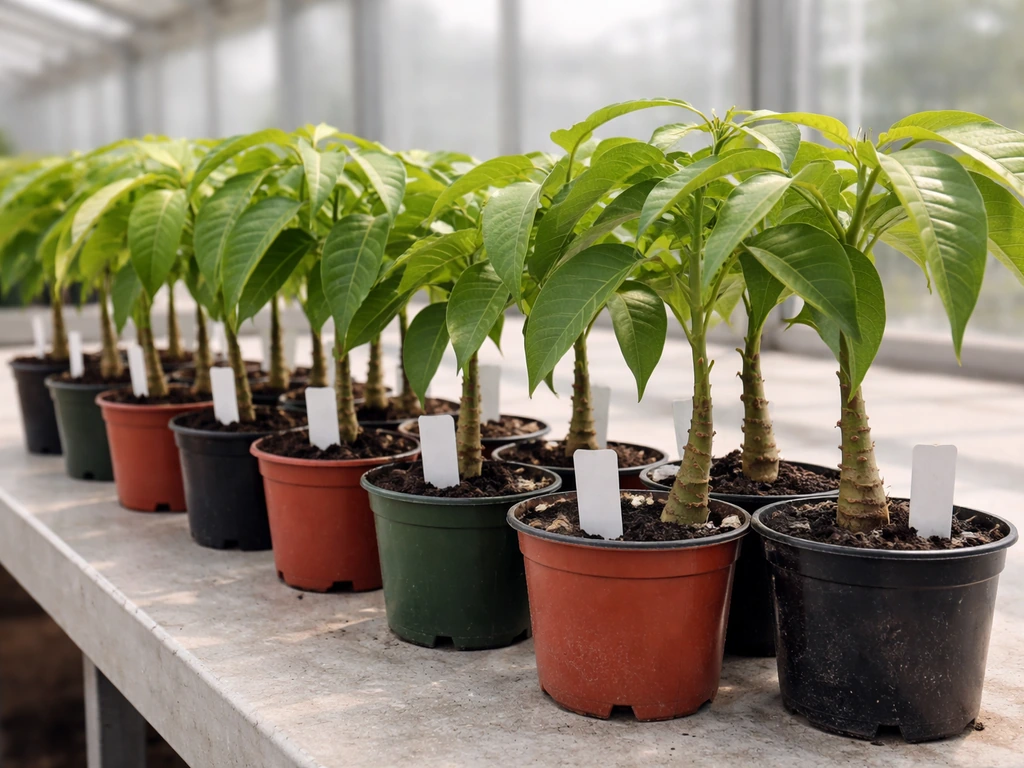
Stick with varieties bred or known to stay compact. Carrie, Cogshall, Angie, Keit, and Nam Doc Mai are all solid container choices. Nam Doc Mai tops out around 2 to 4 meters in the ground and can be kept even smaller in a pot. Angie is popular for home gardeners because it has a naturally compact growth habit and good disease tolerance. These varieties respond well to pruning without throwing a tantrum, and they put energy into productive branching rather than uncontrolled upward shooting.
Grafted seedlings beat seeds by years, literally
A grafted mango can produce fruit in roughly 1 to 3 years. A mango grown from seed? You are looking at 8 to 10 years, sometimes more, especially with Indian varieties. Grafted trees also tend to flower from their first year under the right conditions, stay more compact, and carry the exact traits of the parent tree. Seeds are a fun experiment, but if faster growth and earlier fruiting is your goal, buy a grafted seedling from a reputable nursery. That one choice saves you years of waiting.
Pot Size, Drainage, and Getting the Root Zone Right
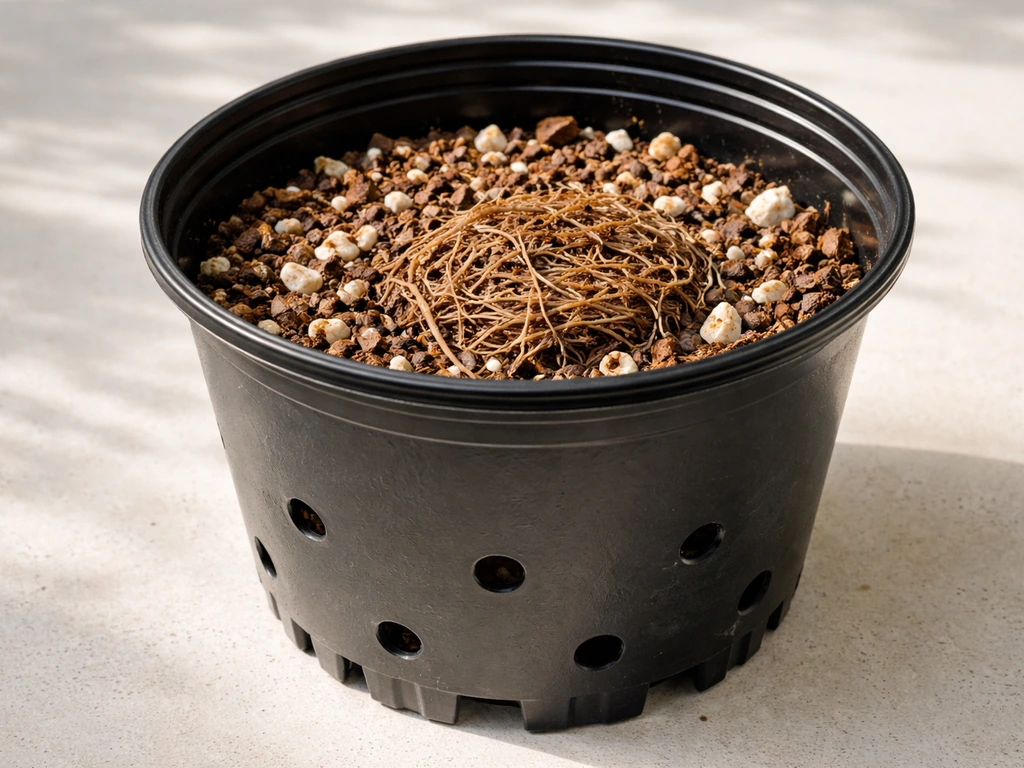
Mango roots need room to grow but they also need to breathe. An oversized pot holds too much moisture and slows the tree down just as much as a pot that is too small. A two-gallon pot works well as a starting size for a young seedling, but you will need to step up the pot size as the tree grows. For a maturing container mango, aim for a 15 to 25-gallon container, big enough for a solid root system, manageable enough that you can still move it.
Drainage is not optional, it is the whole game
Your pot needs drainage holes, and it needs good ones. Extension research recommends that drainage hole area should be at least 20 percent of the pot's base, which means one small hole in the bottom of a big pot is not going to cut it. Root rot from poor drainage is the number one silent killer of container mangoes, and it looks like slow growth long before it looks like rot. If you are drilling your own holes, more is better. Set the pot on feet or a stand so water can actually escape.
For the growing medium itself, aim for an air-filled porosity above 30 percent. In plain language: your mix needs to be loose, chunky, and drain fast. When you water heavily, the excess should run out within seconds. If it takes minutes, your mix is too dense and your roots will suffocate.
The Soil Mix That Actually Speeds Things Up
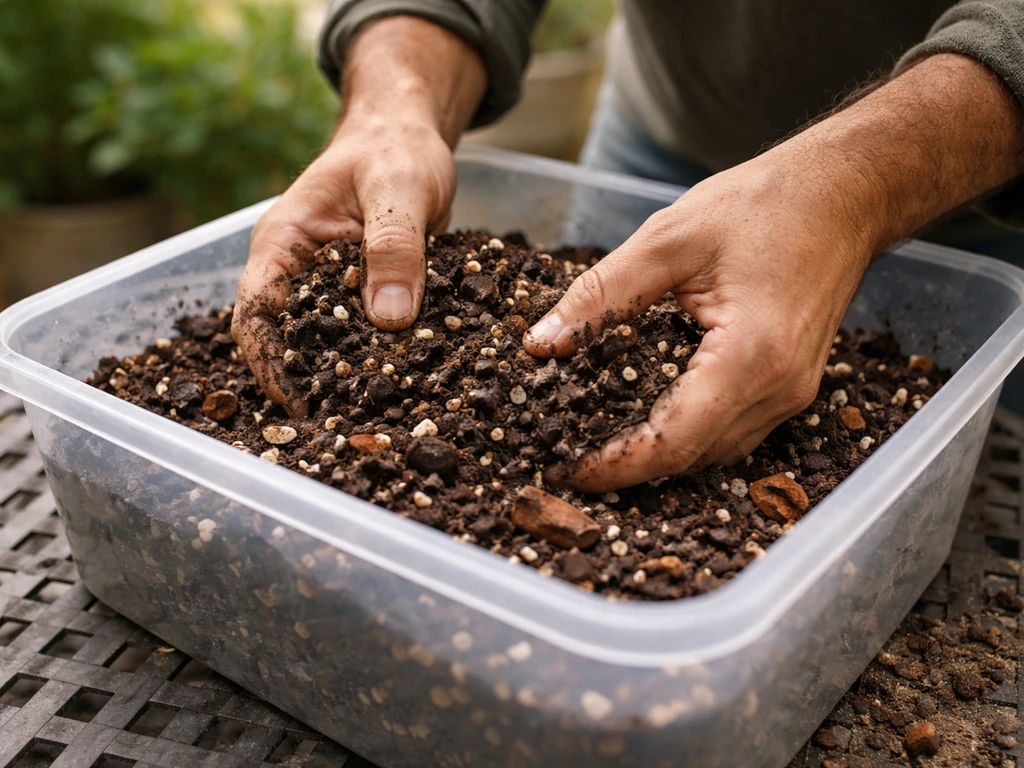
Standard potting soil straight from the bag is usually too dense and water-retentive for mango. You want to make it chunkier. A mix that works really well is two parts quality potting mix, one part perlite, and one part coarse orchid bark or pumice. This gives you the drainage and aeration the roots need while still holding enough moisture and nutrients to support fast growth. The drainable pore space in your mix should be in the range of 20 to 30 percent, meaning roughly a quarter of the mix volume should drain freely after watering.
Repotting: when and how to do it without stalling the tree
Repot when you see roots circling the bottom of the pot or pushing out of drainage holes, that is your signal the tree is pot-bound and growth will slow. When you repot, move up only one pot size at a time (for example, from a 5-gallon to a 10-gallon). Going too big floods the roots with unused wet media. Before repotting, check for circling or girdling roots and trim them with clean, sharp shears. Replant at the same depth as before, do not bury the trunk deeper. Water thoroughly after repotting and keep the tree out of intense direct sun for a few days to reduce transplant shock.
Light, Heat, and Timing: Give Your Mango What It Craves
Mango trees are tropical plants. They want full sun, at least 8 hours a day, and warmth. The more light and heat you give a container mango, the faster it grows. This is actually one of the best advantages of growing in pots: you can move the tree to chase sunlight and protect it from cold snaps that would wreck an in-ground tree.
Position for maximum heat gain
Place your pot against a south-facing wall if you can. The wall absorbs heat during the day and radiates it back at night, creating a warmer microclimate that helps the tree grow faster. Dark-colored pots also absorb more heat than light ones, which can give the root zone a slight temperature boost. Avoid shaded patios or spots that get afternoon shade, mango does not forgive low light.
Cold is the enemy of fast growth
Temperatures below 30°F will damage leaves and twigs on young trees, and even temperatures below 50°F will stall growth significantly. If you are in a cooler climate, bring the pot indoors or under cover before overnight temps drop below 50°F. A stalled mango in cool weather is not dead, it is just waiting, but those cool weeks are lost growth time. Outdoors in warm weather from spring through summer is when the most vigorous vegetative growth happens, so plan around that window and make the most of it.
A note on flowering temperature
Here is something worth knowing: the same cool temperatures that slow vegetative growth (below about 15 to 20°C) are actually what triggers mango to flower. So if faster fruiting is your eventual goal, a brief cool spell in late fall or winter can be useful. But if you are focused on building a bigger, healthier tree right now, keep it warm and it will put all its energy into leaves and roots.
Watering Strategy: Fast Growth Without Root Rot
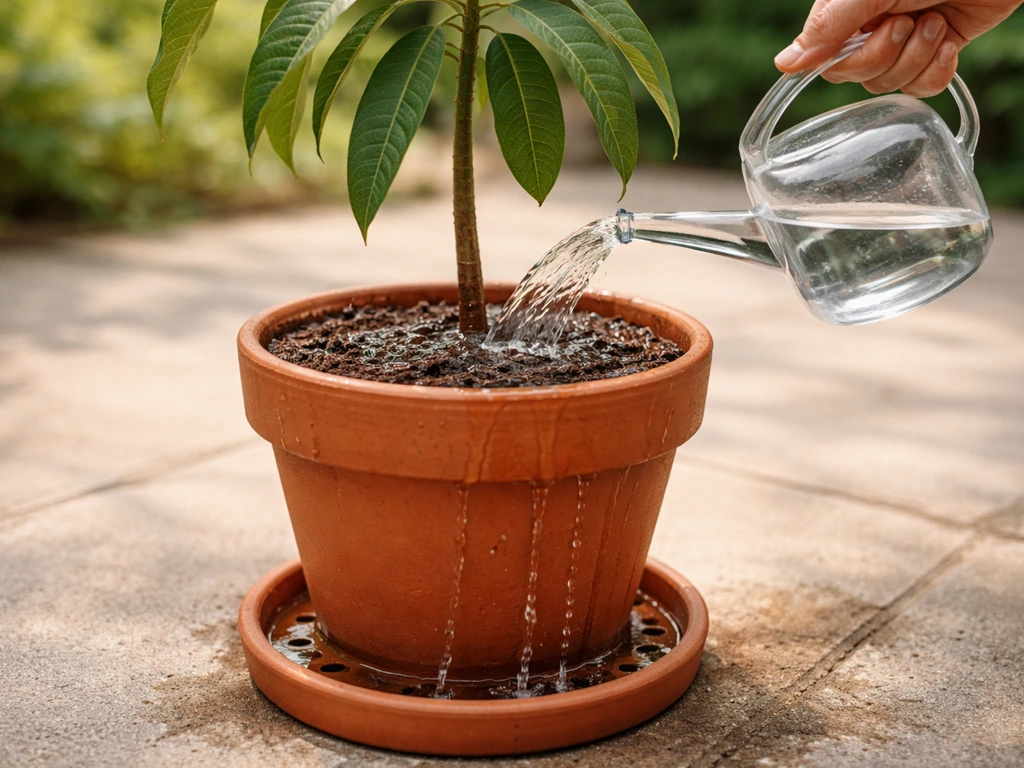
The watering rule for container mangoes is: water deeply, then wait. Soak the pot until water runs freely from the drainage holes, then do not water again until the top 2 inches of soil are dry. Roots need oxygen just as much as they need moisture, and standing water in the root zone literally suffocates them. Overwatered mangoes do not just get root rot, they grow slowly, look yellow, and drop leaves. It looks like they need more water, which makes people water more, which makes it worse.
In summer heat, you may water every 2 to 3 days. In cooler months or when the tree is indoors, you might water once a week or less. The soil and drainage quality you set up earlier matters a lot here, a chunky, well-draining mix is much more forgiving than dense potting soil because excess water leaves quickly even if you water a little too much.
| Season / Condition | Watering Frequency | What to Watch |
|---|---|---|
| Summer, full sun, warm climate | Every 2–3 days | Top 2 inches dry before watering |
| Spring and fall, moderate temps | Every 4–5 days | Check soil moisture by feel |
| Winter, cool temps, indoors | Once a week or less | Err on the dry side; slow growth = less demand |
| After repotting | Water once, then wait | Let soil approach dryness before next watering |
Feeding Schedule: Fertilizing for Speed Without Burning the Roots
Mango trees in pots need regular feeding because nutrients leach out every time you water. The Mango Industry literature review “Nutrition and Fertilization in Mango” explains that nitrogen dosing is given as grams per tree, such as 113 to 227 g per tree depending on conditions, which supports the idea that mango fertilization should be stage- and dose-specific rather than casual monthly feeding nitrogen dosing is given as grams per tree (113–227 g/tree). But over-fertilizing, especially with high nitrogen, causes a flush of weak, soft growth that is vulnerable to pests and disease. The goal is steady, consistent feeding, not aggressive dosing.
What to use
A balanced slow-release granular fertilizer (something like a 10-10-10 or 14-14-14) applied at the start of spring and again in midsummer forms the backbone of your feeding program. Supplement with a liquid balanced fertilizer every 3 to 4 weeks during the active growing season (spring through summer). Research on mango nutrition confirms that nitrogen, phosphorus, and potassium all matter, with magnesium playing an important supporting role, a fertilizer that includes magnesium (or a separate epsom salt drench once a month at about a tablespoon per gallon of water) helps prevent the yellowing that slows growth.
Month-by-month feeding routine
- March to April (early spring): Apply slow-release granular fertilizer around the base of the pot. Start liquid feeding every 3 to 4 weeks.
- May to August (active growth): Continue liquid feeding every 3 weeks. Watch leaf color — pale or yellowing new leaves often mean nitrogen or magnesium deficiency. Add an epsom salt drench once a month if needed.
- September to October (late season): Taper off nitrogen. Switch to a low-nitrogen, higher potassium feed (like a 5-10-15) to help harden growth before cool weather.
- November to February (dormant/cool period): Stop fertilizing. The tree is not actively growing and unused nutrients just sit in the soil or leach out without benefit.
Pruning and Training: How to Push the Tree to Branch Faster
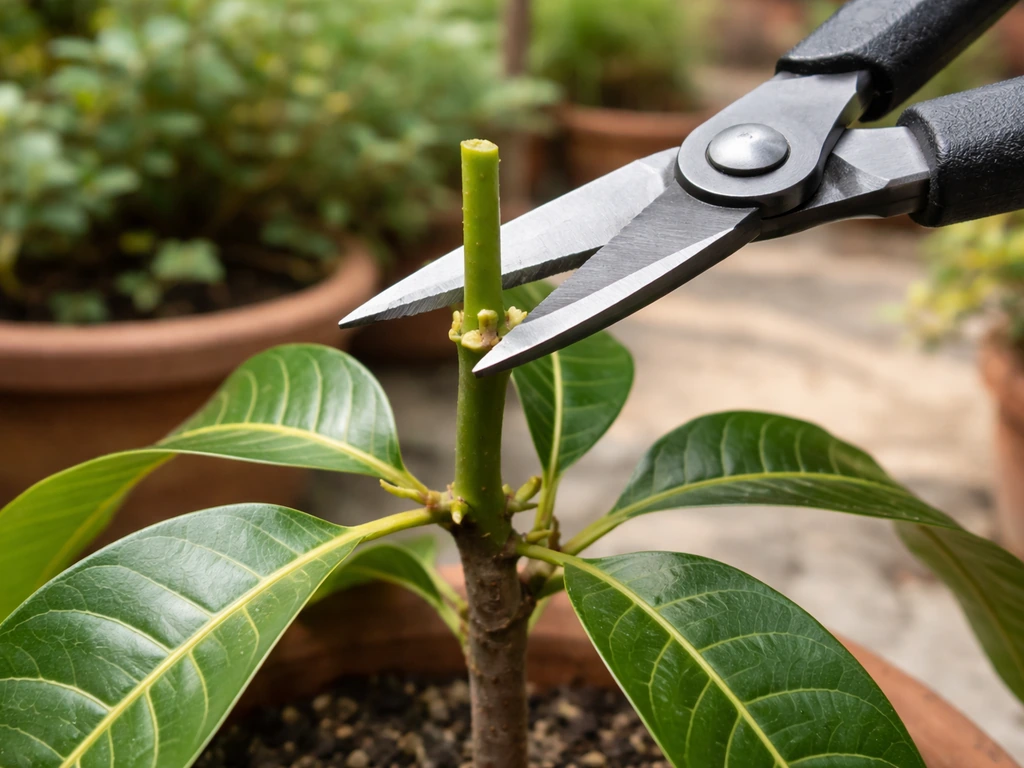
Pruning feels counterintuitive when you want faster growth, but it actually works. Cutting back a leggy shoot forces the tree to push out two or three new branches from below the cut. More branches mean more leaves, more photosynthesis, and a stronger, more productive tree overall. The key is timing and technique.
When and how to prune
The best time to prune container mangoes is late winter to early spring, just before the flush of new growth begins. You can also prune lightly immediately after a fruiting cycle ends. Cut just above a node (a spot where a leaf or branch meets the stem) using clean, sharp shears. For a young tree you are training, pinching off the growing tip when the main shoot reaches about 60 to 80 cm tall encourages the first round of lateral branching. Do this once or twice in the first two years and you will end up with a much bushier, faster-developing tree than one that was left to grow unchecked.
Staking young branches
If a branch is growing at an awkward angle or you want to encourage a wider, lower canopy, stake it gently before the wood hardens. Tie branches down at a slight angle away from the trunk using soft plant ties, this is a technique borrowed from fruit tree training and it encourages more fruiting wood over time. Stake limbs before the tree bears fruit to avoid mechanical damage to productive branches later.
Why Your Potted Mango Is Growing Slowly and How to Fix It
Slow growth in a container mango almost always comes down to one or more of these five problems. If you are also wondering how to grow tangerines in a pot, the biggest wins come from matching light, drainage, and a consistent watering routine. Go through them one by one and you will usually find the culprit.
| Problem | What It Looks Like | Fix |
|---|---|---|
| Not enough light | Pale leaves, spindly stems, no new growth flushes | Move to a sunnier spot; aim for 8+ hours of direct sun |
| Overwatering / poor drainage | Yellow leaves, mushy stem base, slow growth despite feeding | Improve soil mix with perlite; check drainage holes; water less |
| Pot-bound roots | Roots circling out of holes, wilting despite watering, no growth | Repot to next size up; trim circling roots first |
| Nutrient deficiency | Yellowing between leaf veins, pale new leaves, poor shoot extension | Apply balanced fertilizer; add magnesium (epsom salt drench) |
| Cold stress | No new growth, dull or bronze-tinged leaves | Move indoors or to a warmer spot; protect from temps below 50°F |
| Pests (scale, mites, mealybugs) | Sticky leaves, distorted new growth, visible insects on stems | Treat with neem oil spray or insecticidal soap; repeat weekly until clear |
Realistic expectations: how fast should you see results?
A healthy grafted mango in the right setup can push out a new flush of growth every 6 to 10 weeks during the growing season. In its first year, expect the tree to roughly double in size if conditions are good. In year two and three, with consistent pruning and feeding, you should have a well-branched tree capable of flowering and fruiting, that 1 to 3 year window from grafting to first fruit is real, but only if you keep the tree warm, fed, and well-lit. Seed-grown trees will follow the same care routine but the timeline stretches to many years. If you planted from seed and are frustrated, that is normal, consider grafting a cutting onto your seedling rootstock to speed things up, or start fresh with a grafted nursery plant.
Your First 90-Day Action Plan
Here is a simple routine to get started today, regardless of what time of year it is.
- Week 1: Source a grafted dwarf variety (Carrie, Cogshall, Angie, or Nam Doc Mai) from a local nursery or reputable online grower. If you already have a tree, assess its current pot — is it pot-bound? Plan to repot if yes.
- Week 1 to 2: Set up or upgrade the pot. Use a 10 to 15-gallon container with multiple drainage holes. Mix your soil: 2 parts potting mix, 1 part perlite, 1 part orchid bark or pumice.
- Week 2: Plant or repot the tree. Check for circling roots and trim them. Place the pot in its sunniest permanent spot. Water thoroughly and let it settle for a few days before feeding.
- Week 3: Begin your feeding routine. Apply slow-release granular fertilizer around the base. Start a liquid feed schedule every 3 to 4 weeks.
- Weeks 4 to 8: Monitor new growth flushes. Water deeply when the top 2 inches of soil dry out. If the new leaves look pale, add an epsom salt drench.
- Month 2 to 3: Once you see healthy new growth established, do your first training prune — pinch the growing tip if the tree is young, or cut back any overly leggy shoots to encourage branching.
- Ongoing: Repeat the cycle — feed, water correctly, prune lightly each spring, repot when root-bound. Each season the tree will get stronger and faster.
Container fruit growing takes a little patience, but mango is genuinely one of the more rewarding plants to grow in a pot once you get the fundamentals right. For a similar container setup tailored to a different fruit, see our guide on how to grow custard apple in pot. If you want to learn how to grow mandarin oranges in a pot, apply similar container basics like good drainage, plenty of sun, and regular feeding. If you enjoy growing tropical fruits in containers, you might find similar satisfaction in growing other tropical and subtropical fruits in pots, fruits like custard apple, sapota, tangerines, and mandarin oranges all follow a similar philosophy of compact variety selection, good drainage, and consistent feeding. But start with your mango, nail the basics, and watch what happens.
FAQ
My potted mango looks healthy but it is not growing faster, what should I troubleshoot first?
If your mango is in a pot but growth is still slow, check temperature first and water second. Mango growth stalls when nights drop below about 50°F, even if days are warm. Then verify your “water deeply, then wait” routine by feeling the top 2 inches of mix, not by the calendar.
Can I grow a mango faster in pots if I do not get full sun all day?
The fastest growth usually comes from a grafted dwarf or compact variety plus aggressive light management. If you cannot give consistent full sun, use the brightest window or a grow light, and rotate the pot weekly so all sides get equal light, otherwise you will get weak, leggy growth.
When should I start fertilizing my potted mango each year for faster growth?
Yes, but only if you manage it like a tree in active growth. Wait to fertilize until you see new leaves or after you prune just before the spring flush. Use a light application first, then follow your regular schedule, because pushing fertilizer too early can burn tender new growth.
How big should I upsize the pot, and what size jump is too much for faster growth?
Overpotting is a common mistake that slows container mangoes. Move up only one pot size at a time when roots circle or emerge, and keep repotting distance modest (for example, doubling is often too big). Oversized media stays wet longer, which cuts oxygen to the roots.
How do I know if my potting mix is too dense, and should I change it?
For faster, healthier growth, prioritize aeration. After watering, excess should drain quickly, and the mix should not feel dense when you pinch it. If the mix stays muddy or wet for hours, replace it rather than “watering less,” since poor structure will continue to suffocate roots.
Does misting or increasing humidity help mango trees grow faster in pots?
Use humidity management, not misting. Misting is usually short-lived and can invite leaf spotting. Better options are to ensure warm temperatures, provide enough ventilation, and keep the tree in bright light. If you need humidity, do it indirectly (like a sheltered location) rather than constantly wetting the foliage.
What is the best way to protect a potted mango from cold nights without slowing it down?
If temperatures are near freezing, wait until it is clearly warmed before leaving it outside again. For nights below 50°F, bring it indoors or use protection, and avoid relocating it abruptly between hot sun and cold air, because sudden stress can trigger leaf drop.
When is the worst time to prune a potted mango if I want faster growth?
Pruning should support new branch growth, but do not over-prune during cool or low-light periods. Aim for late winter to early spring just before active growth. If you prune while the tree is stalled, it may shed leaves and take longer to recover.
My mango leaves are yellowing and growth is slow, how can I tell if it is watering or nutrients?
If you are seeing yellow leaves plus slow growth, the cause is often either overwatering or nutrient imbalance, especially magnesium. First check drainage and the top 2 inches moisture, then adjust feeding. If yellowing persists, apply magnesium as directed, but only after you confirm the root zone is not staying wet.
How does training and branch positioning affect how fast a potted mango grows?
You can speed up branching by pinching or pruning the growing tip at the right height (when the main shoot reaches roughly 60 to 80 cm) so the plant redirects energy into lateral shoots. Tie down awkward branches gently to encourage a wider canopy, but avoid bending that cracks or stresses the wood.