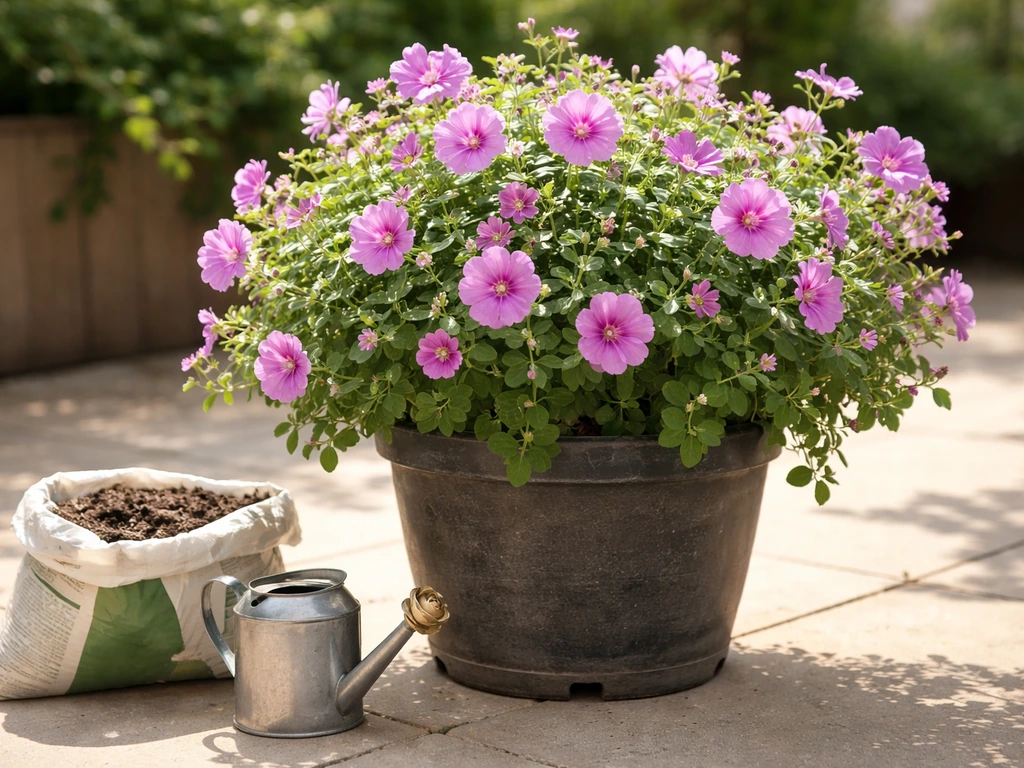
Yes, you can grow ixora in a pot, and it can bloom its head off all season long if you get two things right: acidic soil and plenty of sun. Get those dialed in and the rest is pretty forgiving. Miss them and you'll be staring at yellow leaves and zero flowers, wondering what went wrong. This guide walks you through the whole process from picking your pot to fixing problems, so you can skip the frustrating trial and error. If you're also interested in other patio flowers, check out how to grow lavatera in pots for similar container-friendly care tips.
How to Grow Ixora in Pots: Step-by-Step Guide

Marcus Whitley
5 Jun 2026
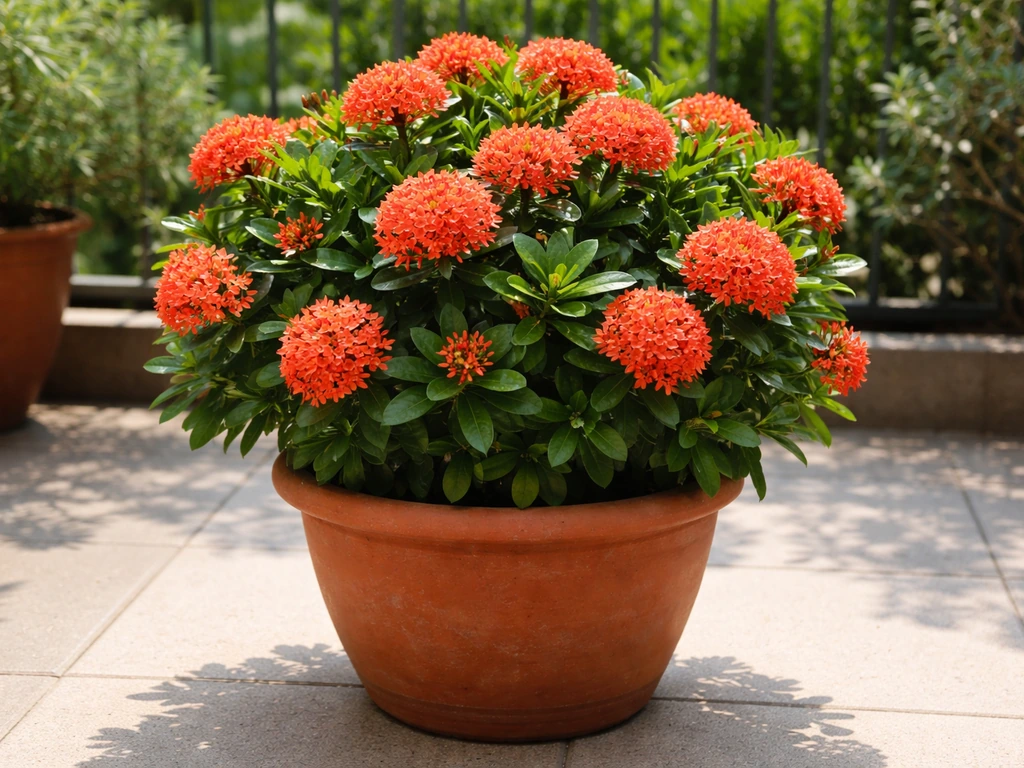
Choosing the right ixora variety and pot
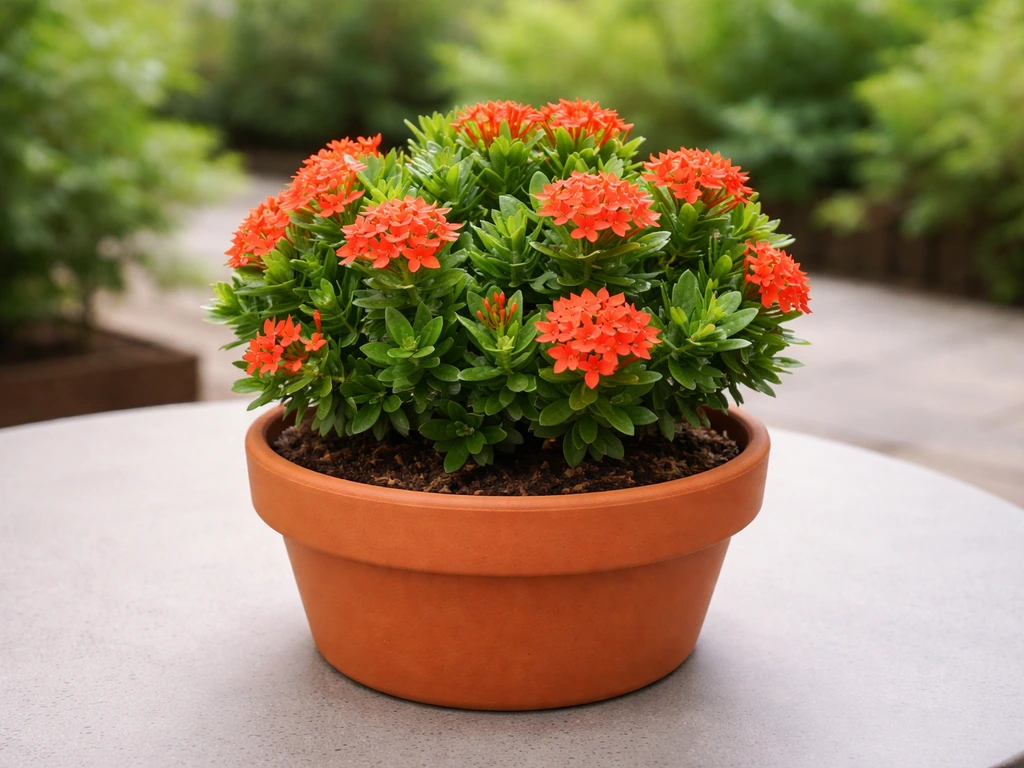
The most important decision you'll make before you even buy the plant is matching the cultivar to your container. Ixora comes in two broad size categories. Dwarf cultivars like 'Maui' top out at about 2 to 3 feet tall and wide, making them genuinely manageable in a pot. Regular cultivars can push 4 to 6 feet tall with a similar spread, and while you can contain them, they'll need a much bigger pot and more frequent repotting. For balconies, patios, and urban spaces, go dwarf. UF/IFAS specifically calls out dwarf ixora cultivars as well suited for container planting, and that's exactly the advice I'd give anyone starting out.
For a dwarf variety, start with a pot that's about 10 to 12 inches in diameter. For a standard cultivar, you're looking at 14 to 18 inches minimum. The rule when repotting is to go only 1 to 2 inches larger in diameter than the previous container each time, so you don't overwhelm the roots with excess soggy soil. Whatever you choose, drainage holes are non-negotiable. One hole is rarely enough. Look for pots with multiple holes, or drill your own if you're using decorative containers. Terracotta is a solid choice because it breathes and helps prevent waterlogging, though it dries out faster in summer heat. Glazed ceramic or thick plastic works too, just keep a close eye on moisture levels.
Potting mix, planting setup, and fertilizing for blooms
Ixora is an acid-lover, full stop. It needs soil pH in the range of about 4.5 to 6.0 to absorb iron and other nutrients properly. Use a standard potting mix and you'll likely end up with pH closer to 6.5 or higher, which is where yellowing starts. The fix is simple: buy a potting mix formulated for acid-loving plants (the kind sold for azaleas, camellias, or gardenias), or amend your regular mix with pine bark fines and peat moss to bring the pH down. I'd also add about 20 to 25 percent perlite to the mix to keep drainage sharp, because compacted, waterlogged soil makes iron unavailable even if the pH is right.
When planting, place a layer of coarse gravel or broken pot shards over the drainage holes to stop soil from washing out, then fill the pot about halfway with your acidic mix. Set the plant in so the top of the root ball sits about an inch below the pot rim. Fill in around the sides, press gently to remove air pockets, and water thoroughly until water runs freely from the drainage holes.
Fertilizing is where a lot of people go wrong by using the wrong product. Ixora needs a fertilizer designed for acid-loving plants that includes micronutrients, especially iron, magnesium, and manganese. A slow-release formula like a 6-1-8 NPK blend formulated for palms and ixora works well because roughly half the nitrogen is released slowly over about four months, feeding the plant steadily rather than in a spike. During the active growing season (spring through early fall), apply a liquid acid fertilizer every four to six weeks to supplement. In winter, hold off unless your plant is actively growing in a warm indoor spot.
Light, temperature, and sun exposure
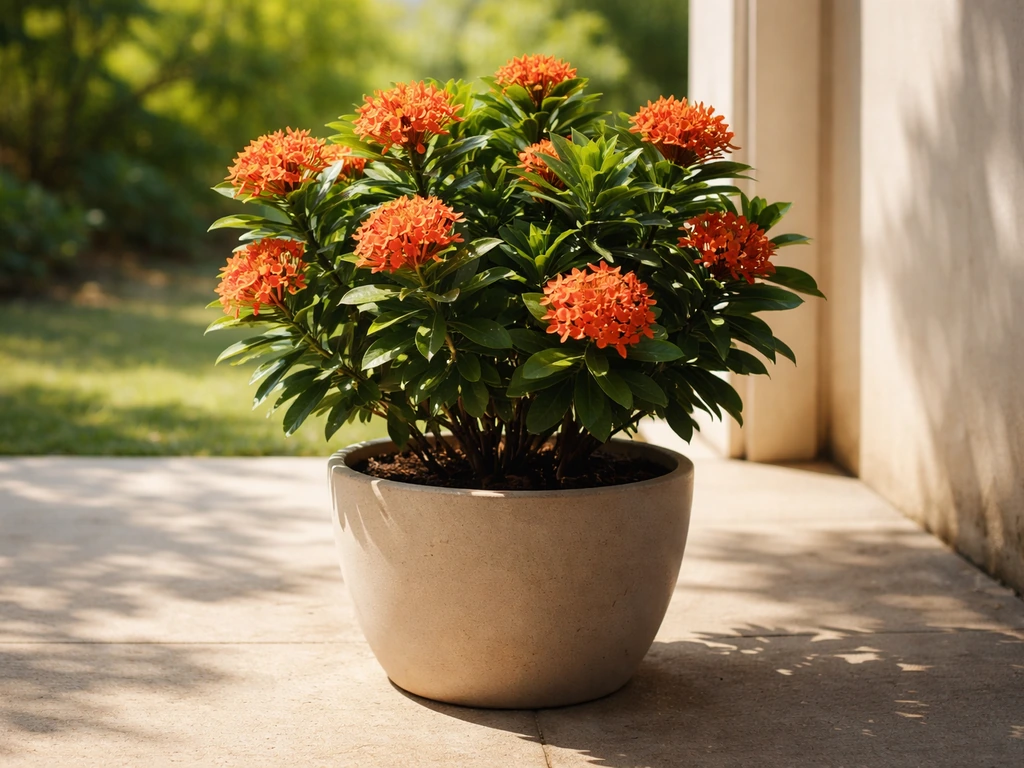
Ixora wants sun, real sun, ideally 6 to 10 hours of direct light daily for the best flowering. If your pot is sitting in a spot that only gets 3 or 4 hours, expect sparse blooms at best. Position your container where it gets morning and midday sun. South-facing and east-facing spots are usually winners. If you're in a particularly hot climate where afternoon temperatures routinely top 95°F, some shade during the peak 2 to 3 afternoon hours can prevent leaf scorch without sacrificing bloom production. Partial shade is tolerable, but full shade is a no-go.
Temperature matters a lot with potted ixora because containers don't insulate roots the way ground soil does. Ixora is tropical and hates cold. When nighttime temperatures start dropping below about 55°F, move your pot indoors to a bright window. A south-facing window with supplemental grow lights if needed is your best indoor setup. Don't let it sit near heating vents that blast dry air. In spring, once nighttime temps are reliably above 55°F, move it back outside gradually, starting with a few hours of outdoor time each day before leaving it out full time.
Watering rules and drainage
Overwatering kills container ixora more reliably than almost anything else. The roots need moisture but they also need oxygen, and sitting in soggy soil starves them of both. The rule I follow: stick your finger about an inch into the soil. If the top inch feels dry but it's still slightly damp below that, it's time to water. If it's still wet all the way down, wait another day. In summer heat, that might mean watering every two to three days. In cooler months, once a week or less is often enough. Water deeply when you do water, until it flows freely out the drainage holes, then let the pot drain completely. Never let the pot sit in a saucer full of water.
Water at the base of the plant rather than overhead. Splashing water on the leaves, especially in humid conditions, encourages fungal leaf spot, which you really don't want to deal with on top of everything else. If you're using tap water that's heavily chlorinated or has high pH (many municipal water supplies run around pH 7 to 8), consider collecting rainwater or letting tap water sit uncovered overnight before using it. Over time, high-pH water contributes to soil pH creep upward in containers, which is one sneaky cause of gradual yellowing.
Pruning, shaping, and encouraging more flowers
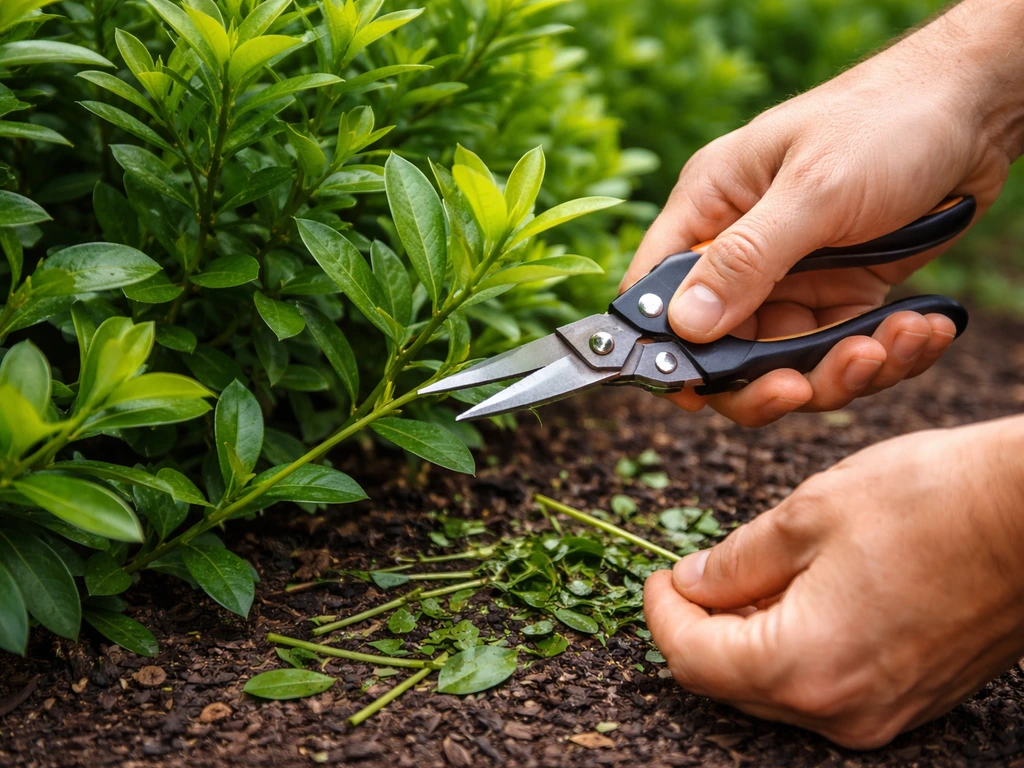
Ixora blooms on new growth, which means the more branching you encourage, the more flowers you'll get. The best time to prune is right after a bloom flush finishes. Cut stems back to a node, which is the point where a leaf meets the stem or where two branches join. This stimulates the plant to push out two new branches from that point, doubling your eventual flower clusters. Avoid heavy pruning in late summer or fall because you'll be cutting off the new growth that was setting up to bloom, and you'll have a long wait before you see flowers again.
Keep pruning light and frequent rather than doing one dramatic chop once a year. Nipping back three to four inches after each bloom flush keeps the plant tidy and bushy without setting it back significantly. Deadhead spent flower clusters promptly by removing them right at the base of the cluster. This redirects the plant's energy toward producing the next flush rather than setting seed.
Yellow leaves and no blooms: what's really going on
Yellow leaves are the number one complaint with potted ixora, and almost every time, the culprit is iron chlorosis caused by soil pH being too high. When pH climbs above 6.5, iron in the soil becomes chemically locked up and the plant can't absorb it, even if there's plenty in the mix. The telltale sign of iron chlorosis is yellowing between the leaf veins while the veins themselves stay green. This is different from overall yellowing caused by overwatering or nitrogen deficiency.
If you catch it early, a foliar spray with chelated iron can green up existing leaves quickly. Mix ferrous sulfate at about a 0.5% solution (roughly 2 ounces dissolved in 3 gallons of water) and spray it directly on the leaves. Keep in mind foliar sprays only help the leaves that are already on the plant. New leaves that emerge later will need their own treatment, so plan to re-spray every few weeks as new growth develops. For a longer-term fix, a chelated iron product containing FeDTPA or EDDHA applied to the soil can be more effective than ferrous sulfate alone, especially if your water or soil is on the alkaline side. USU Forestry Extension notes that, for iron chlorosis, EDDHA is a synthetic chelate singled out as one of the best compounds in some conditions, and it also mentions foliar ferrous sulfate as about a 0.1% option EDDHA applied to the soil can be more effective than ferrous sulfate alone. The real solution, though, is getting your soil pH right in the first place. Test it with an inexpensive pH meter from any garden center.
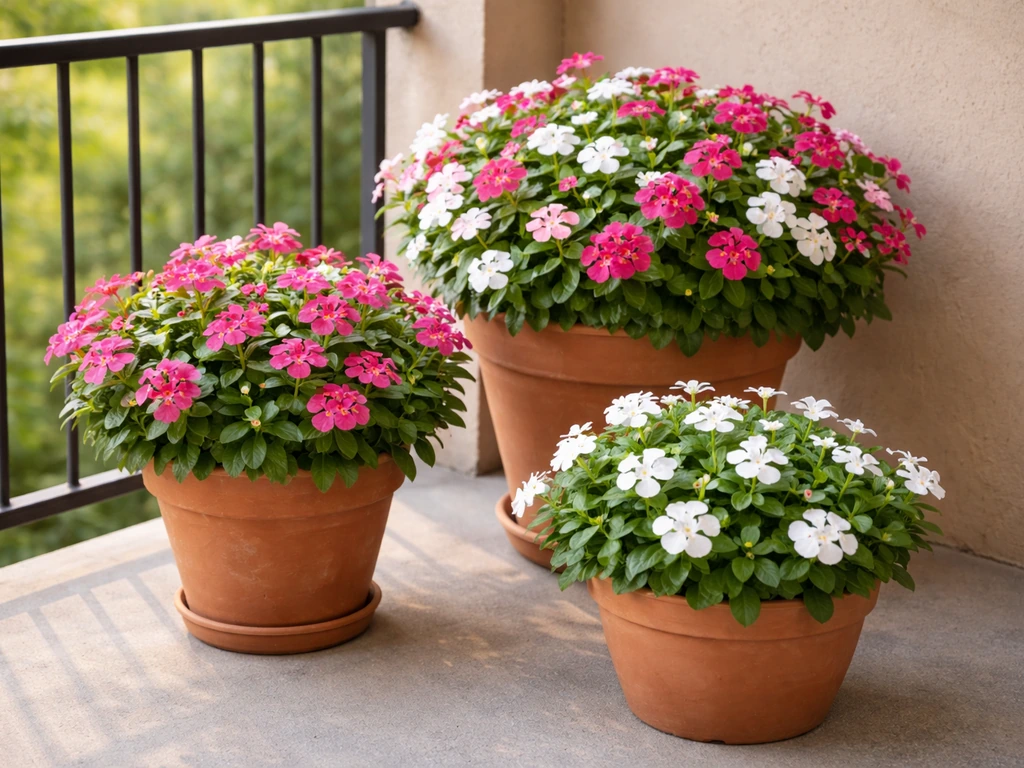
If your ixora has good leaf color but refuses to bloom, the most common reasons are not enough light, too much nitrogen (which pushes leafy growth at the expense of flowers), pruning at the wrong time, or temperatures that are too cold. Run through that checklist before assuming something more complicated is happening. If you're also experimenting with other container plants, the routine for how to grow vinca in pots is a handy related comparison for keeping growth thriving in a pot.
| Symptom | Likely Cause | Quick Fix |
|---|---|---|
| Yellow leaves with green veins | Iron chlorosis (high soil pH) | Foliar chelated iron spray, acidify soil mix, test pH |
| Overall yellow leaves, soft stems | Overwatering or poor drainage | Let soil dry out, check drainage holes, repot if soggy |
| No blooms despite healthy leaves | Insufficient light or excess nitrogen | Move to sunnier spot, switch to low-nitrogen fertilizer |
| Leaf drop in winter | Cold stress (below 55°F) | Bring indoors, protect from drafts and cold windows |
| Leggy growth, sparse branching | Not enough light or infrequent pruning | Increase sun exposure, prune after each bloom flush |
Pests and diseases to watch for in containers
Container ixora is most commonly bothered by mealybugs, spider mites, and scale insects. Mealybugs look like tiny white cotton puffs tucked into leaf joints and stem crevices. Spider mites leave fine webbing on the undersides of leaves and cause a stippled, dusty look to foliage. Scale insects appear as small brown or tan bumps stuck to stems and leaves.
For mealybugs and spider mites, insecticidal soap or neem oil are your first line of defense. Both work by smothering the pests on contact, so thorough coverage of all leaf surfaces including the undersides is essential. Spray in the early morning or evening to avoid burning foliage in direct sun. Repeat every five to seven days for two to three weeks to catch newly hatched eggs. For scale insects, the waxy coating on adults makes soap and oil less effective on mature insects, so catch them early when they're in the crawler stage and still soft-bodied. For established scale, a targeted dab of rubbing alcohol on a cotton swab applied directly to each insect can knock them back without chemicals.
Fungal leaf spot shows up as dark or water-soaked spots on leaves, usually after periods of high humidity or overhead watering. Remove affected leaves, improve air circulation around the pot by spacing it away from walls, and avoid wetting foliage when you water. A copper-based fungicide can help if the problem is persistent, but fixing your watering habits usually resolves it.
Seasonal care, repotting, and keeping it going long-term
Ixora in a container follows a pretty predictable rhythm once you understand what it needs each season. Here's a practical breakdown:
| Season | Key Tasks |
|---|---|
| Spring | Move outdoors after last frost risk, repot if root-bound, refresh top 2 inches of soil mix, resume fertilizing every 4 to 6 weeks, begin pruning after winter to shape |
| Summer | Water every 2 to 3 days in heat, fertilize regularly, prune lightly after each bloom flush, check for pests weekly, provide afternoon shade if temperatures exceed 95°F regularly |
| Fall | Reduce fertilizing as growth slows, move indoors before nights drop below 55°F, do a final light shaping prune, check roots and pot drainage |
| Winter | Water sparingly (once a week or less), keep in brightest indoor window, do not fertilize unless in active growth, watch for spider mites indoors in dry heated air |
Repotting every two to three years is the right cadence for most container ixora. You'll know it's time when roots start circling the bottom of the pot or poking through the drainage holes, when the soil dries out unusually fast, or when the plant stops growing even with regular feeding. Spring is the best time to repot. Choose a new container that's only one to two inches larger in diameter than the current one. Going too big fills the pot with more soil than the roots can use, which stays wet longer and creates iron chlorosis and root rot risk. Shake off as much of the old mix as you can from the roots and replant into a fresh batch of acidic mix with added perlite. The old potting mix in containers breaks down over time and its pH can drift, so refreshing it every couple of years is one of the best things you can do for long-term plant health.
Your next steps after reading this
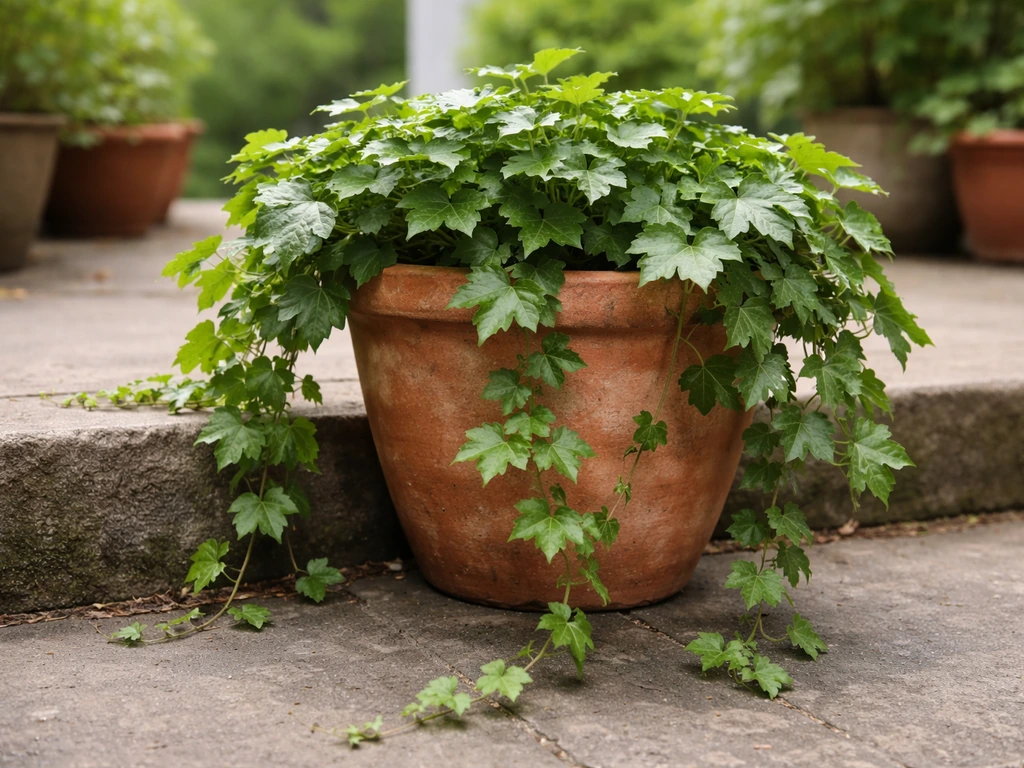
If you're just getting started, here's exactly what to do first: If you specifically want to know how to grow ivy in a pot, focus on choosing the right container, keeping the soil evenly moist, and giving it the light it needs.
- Pick a dwarf ixora cultivar like 'Maui' if you're working with a balcony or limited space
- Get a pot with solid drainage (10 to 12 inches for dwarf, 14 to 18 inches for standard) and avoid saucers that hold standing water
- Mix up an acidic potting blend using azalea/camellia mix plus 20 percent perlite, targeting pH 4.5 to 6.0
- Find the sunniest outdoor spot you have, aiming for 6 or more hours of direct sun daily
- Buy a slow-release acid fertilizer that includes iron, magnesium, and manganese and follow up with liquid feeds every 4 to 6 weeks in spring and summer
- Test your soil pH with a simple meter and correct with sulfur or an acidifying fertilizer if it reads above 6.5
- Set a weekly reminder to check moisture levels so you catch overwatering before it becomes a problem
- Plan to bring the pot indoors before fall nights drop below 55°F
Ixora is genuinely rewarding once you hit that sweet spot of acid soil and full sun. If you want a similar pot-friendly approach for another flowering plant, learn how to grow violas in pots next. If you also want to try a different type of violet, you can follow the same container-friendly principles in the guide on how to grow violets in a pot. If you're already growing other tropical bloomers in containers, the care routine here overlaps quite a bit with plants like mandevilla, which also loves sun and acidic well-drained mixes. The learning curve is real, but once your first flush of those vivid red, orange, or yellow flower clusters opens up, you'll understand exactly why it's worth the effort.
FAQ
What size pot should I start with for a dwarf ixora, and how do I know I chose correctly?
For dwarf types, start around 10 to 12 inches across, then check fit a few weeks in: if the soil dries out in under 2 days in summer, the pot is likely too small, if it stays wet beyond 4 to 5 days, it is too large or the mix is too dense. Aim for a pot where the top inch dries first and the rest dries shortly after, not all at once or never.
Can I grow ixora in a self-watering container or planter with a reservoir?
It’s risky because ixora does not tolerate roots sitting in constantly moist media. If you try one, keep the reservoir from flooding the root zone, use a very fast draining mix with extra perlite, and regularly check that the pot drains freely and does not remain soggy between watering cycles.
How do I keep soil pH from drifting upward in containers over time?
Even with an acidic mix, container pH can creep due to water alkalinity and fertilizer salts. Use acid-formulated fertilizer, avoid over-frequent heavy feedings, and periodically test with a pH meter. If you see yellowing between veins returning, correct pH before adding more iron.
Will iron sprays fix ixora yellowing permanently?
They are a quick patch for existing leaves, not a permanent solution. New leaves may still come in yellow if soil pH remains too high or if roots cannot access iron, so combine foliar chelated iron with a pH plan (acid mix, correct fertilizer, and water quality management).
Do I need to use rainwater, or can I use tap water for ixora pots?
Tap water can work if it is not too alkaline and you monitor results, but chlorine and high pH can raise container pH over time. If your tap is around pH 7.5 to 8 or you see recurring iron chlorosis, test a few weeks of outcomes, consider letting water sit uncovered overnight, or switch to collected rainwater or filtered water.
What fertilizer schedule is safest if I’m not sure how fast my ixora is growing?
Use the plant’s growth as the guide. During active growth (spring through early fall), feed with an acid-loving slow-release at planting or repotting, then add a liquid acid fertilizer every 4 to 6 weeks only if you see new growth. If growth stalls or leaves are dropping, pause feeding and check light, temperature, and watering first.
How can I tell if yellow leaves are from iron chlorosis versus overwatering?
Iron chlorosis usually shows yellowing between leaf veins with greener veins, and leaves may look pale rather than mushy. Overwatering tends to cause general dull yellowing, wilting despite wet soil, and sometimes leaf drop, often alongside a persistently damp mix and a musty smell.
When should I prune ixora in a pot, and how much is safe?
Prune right after a bloom flush finishes to remove spent clusters and encourage fresh branching. Keep pruning light and frequent, nipping back a few inches rather than doing a hard cut, especially in late summer and fall when you want to protect new growth that will set up the next flowers.
What if my ixora is getting enough sun but still won’t bloom?
Double-check nitrogen level (too much encourages leaf growth), recent pruning timing (cutting off new bloom-setting growth), and temperature (cool nights can suppress flowering). Also confirm you are not letting the pot dry out too much, because stress can reduce flowering even when light is adequate.
Can I move my ixora outdoors and indoors seasonally without shocking it?
Yes, but acclimate gradually. Start with a short outdoor period on mild days, then increase time over 7 to 10 days, and bring it inside before nighttime temps consistently drop below about 55°F. Avoid moving it suddenly into harsh midday sun, especially when leaves are adapted to indoor light.
How do I water ixora when the weather swings day to day?
Use the finger test rather than a calendar. If the top inch is dry, water deeply until it drains freely, then empty any outer saucer. In heat waves it may need watering every 2 to 3 days, but during cool, cloudy stretches it can drop to weekly or less.
What pests are most common on potted ixora, and what should I do first if I spot them?
Common problems include mealybugs, spider mites, and scale. Start with the least harsh option: insecticidal soap for mealybugs and mites with thorough coverage, repeat every 5 to 7 days for 2 to 3 weeks, and for scale target early crawlers because waxy adults are harder to kill.
What causes fungal leaf spot on ixora, and how can I prevent it without changing everything?
It often follows wet leaves, high humidity, or overhead watering. Remove affected leaves, improve airflow around the pot, water at the base, and keep the plant out of splash zones from sprinklers or wet walkways.
How often should I repot ixora in containers, and what’s the biggest mistake during repotting?
Repot about every 2 to 3 years or sooner if roots circle, roots appear through drainage holes, or the plant stops thriving despite feeding. The biggest mistake is jumping to a much larger pot, which holds extra wet media, increases root rot risk, and can worsen iron-related yellowing.