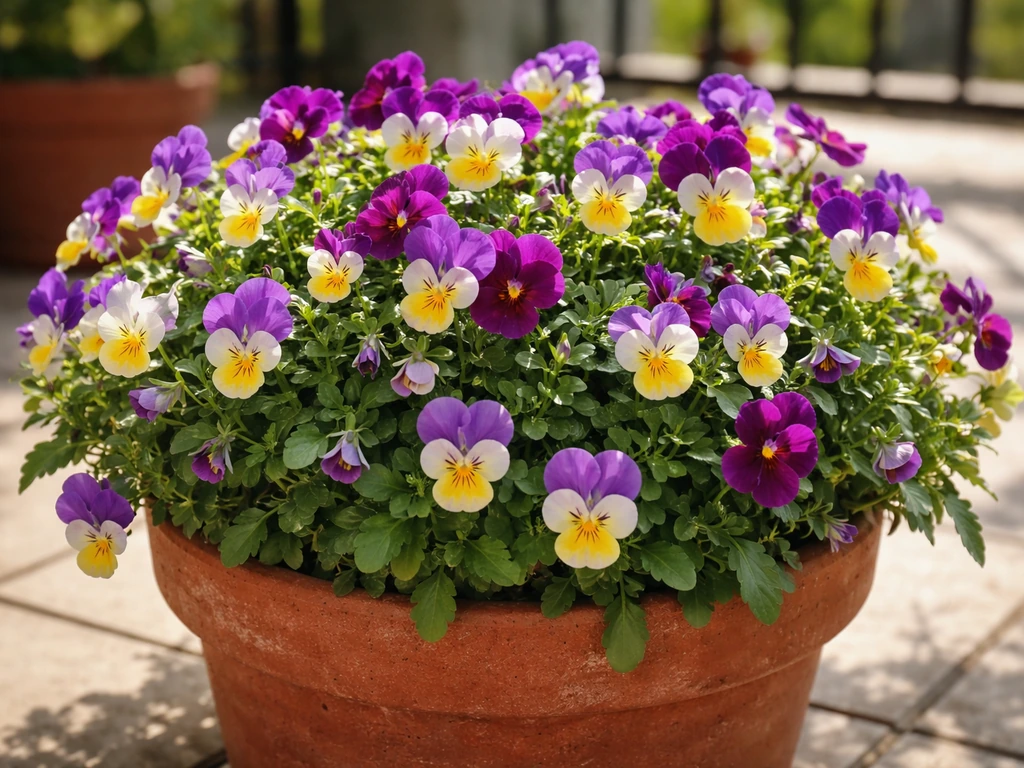
Yes, violets grow really well in pots, and if you get a few key things right, cool temperatures, partial shade, decent drainage, and regular deadheading, they'll reward you with months of delicate blooms. They're compact plants (most stay between 4 and 10 inches tall), which makes them perfect for containers on balconies, doorsteps, or windowsills.
How to Grow Violets in a Pot: Step-by-Step Care
Marcus Whitley
9 Jun 2026
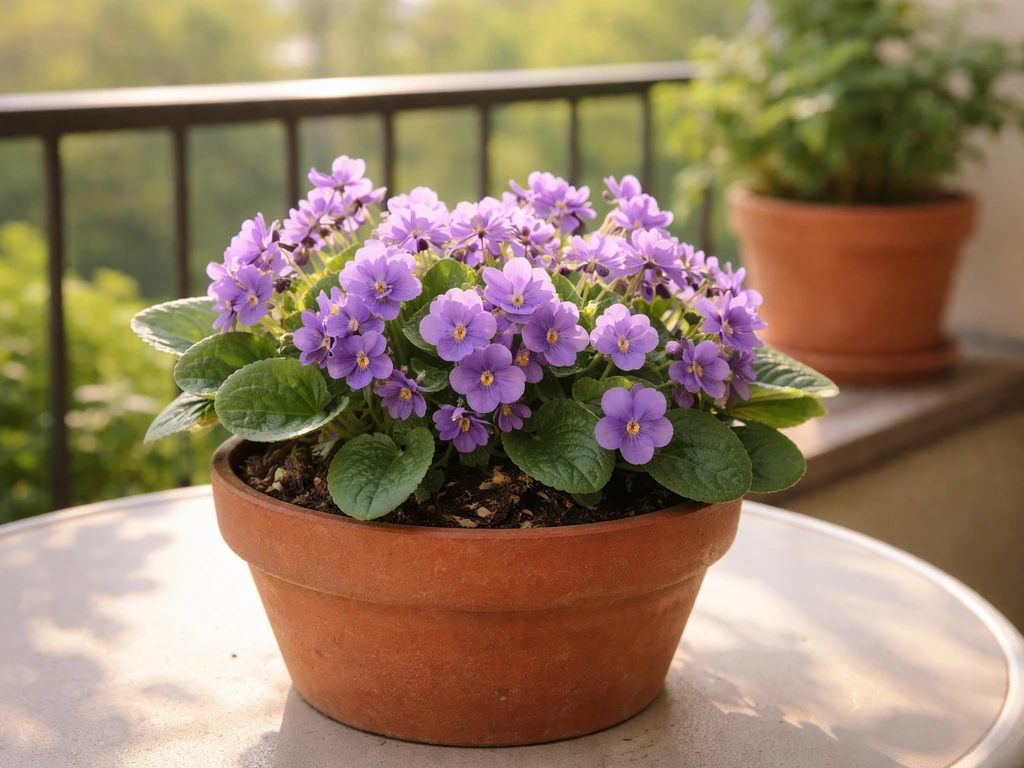
Can you actually grow violets in pots?
Absolutely. Violets in the Viola genus, including the classic common blue violet (Viola sororia) and its relatives, are naturally compact, shallow-rooted plants that adapt well to container life. They don't need deep soil, they don't sprawl, and they're not fussy about pot material. The main thing working against them in pots is heat: violets are cool-season plants, and a pot sitting in full afternoon sun in summer will stress them fast. But if you work with their preferences instead of against them, a pot is actually a great home for them because you can move it to chase the right light and temperature as the seasons change.
One quick note on naming: 'violets' and 'violas' are often used interchangeably at garden centers, and pansies are also in the same Viola family. This guide focuses on true violets and smaller violas (not the large-flowered pansies, though much of the care overlaps). If you've been looking at growing violas in pots as well, the growing conditions are nearly identical.
Picking the right violet type and pot size
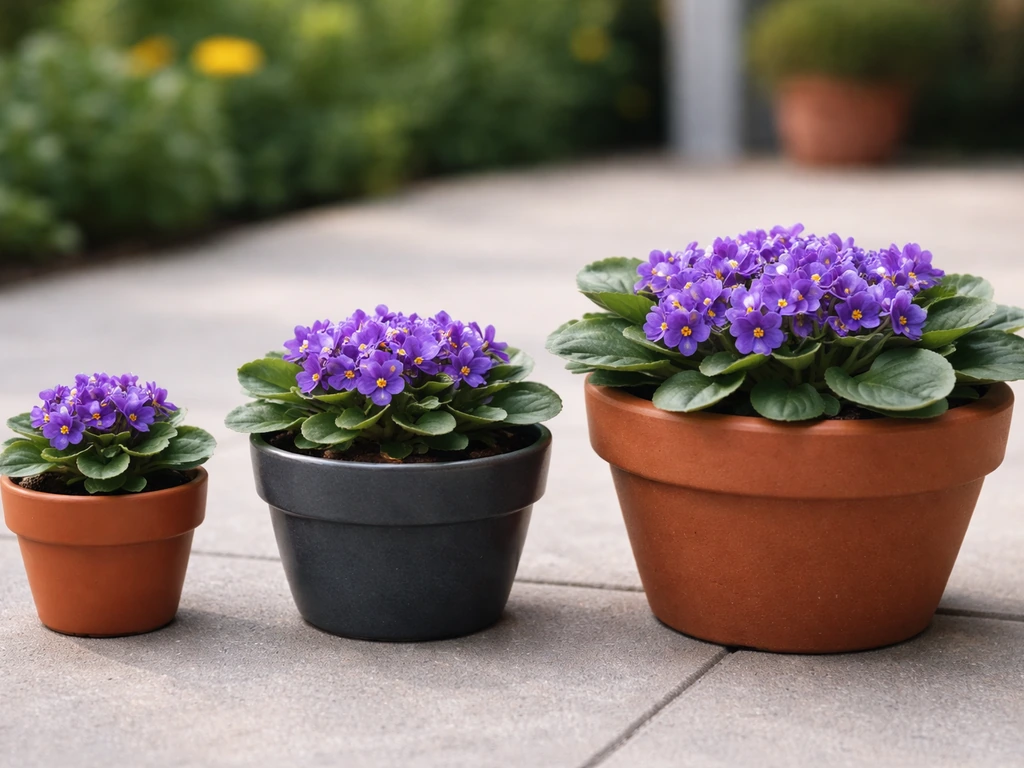
For containers, smaller-growing violet varieties work best. Viola sororia (common blue violet), Viola odorata (sweet violet), and compact hybrid violas are all excellent choices. They stay manageable, bloom reliably in spring, and don't outgrow a pot quickly. Avoid very large, spreading varieties if you're working with limited space.
For pot size, an 8-inch pot works fine for one or two plants. If you want a fuller, showier display, a 10- to 12-inch pot lets you plant three or four violets together without crowding. The most important feature isn't width, it's drainage holes. No drainage holes means soggy soil, which means dead violets. This is non-negotiable. If you fall in love with a pot that has no drainage, either drill holes in it or use it as a decorative outer sleeve around a plain pot that does have holes.
Terracotta pots are a solid choice for violets because they're porous and help the soil dry out a little between waterings, which reduces the risk of rot. Plastic and glazed ceramic pots hold moisture longer, so if you use them, you'll need to be a bit more careful about not overwatering.
Potting mix and planting setup
Don't use garden soil in a pot, it compacts, drains poorly, and introduces pests. Use a good-quality peat-free multi-purpose potting mix as your base. Violets like soil that stays consistently moist but never waterlogged, so you want a mix that holds some moisture while still draining freely.
A reliable mix for violets in containers is two parts potting compost to one part perlite. Perlite is the white granular stuff that looks like tiny foam beads, it keeps the mix aerated and stops it from becoming dense and soggy over time. If you ever plan to use a self-watering pot or wicking system with violets, increase the perlite to at least 50% of the mix to prevent the roots sitting in too much moisture.
- Add a layer of crocks (broken pottery pieces) or a handful of gravel to the bottom of the pot to stop the drainage holes from clogging.
- Fill the pot about halfway with your potting mix.
- Remove the violet from its nursery pot gently, disturbing the roots as little as possible.
- Set the plant in so the top of the root ball sits about an inch below the pot rim — this makes watering easier and stops soil splashing out.
- Fill in around the roots with more mix, firm lightly, and water well until it drains from the bottom.
Light, temperature, and watering
Getting the light right
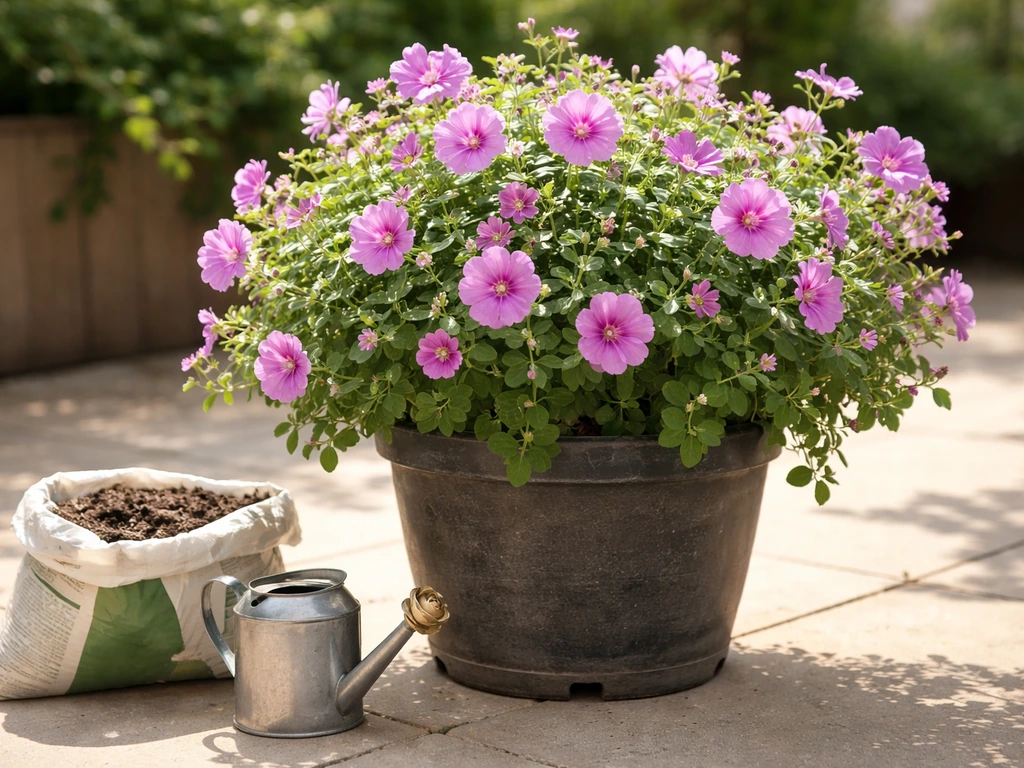
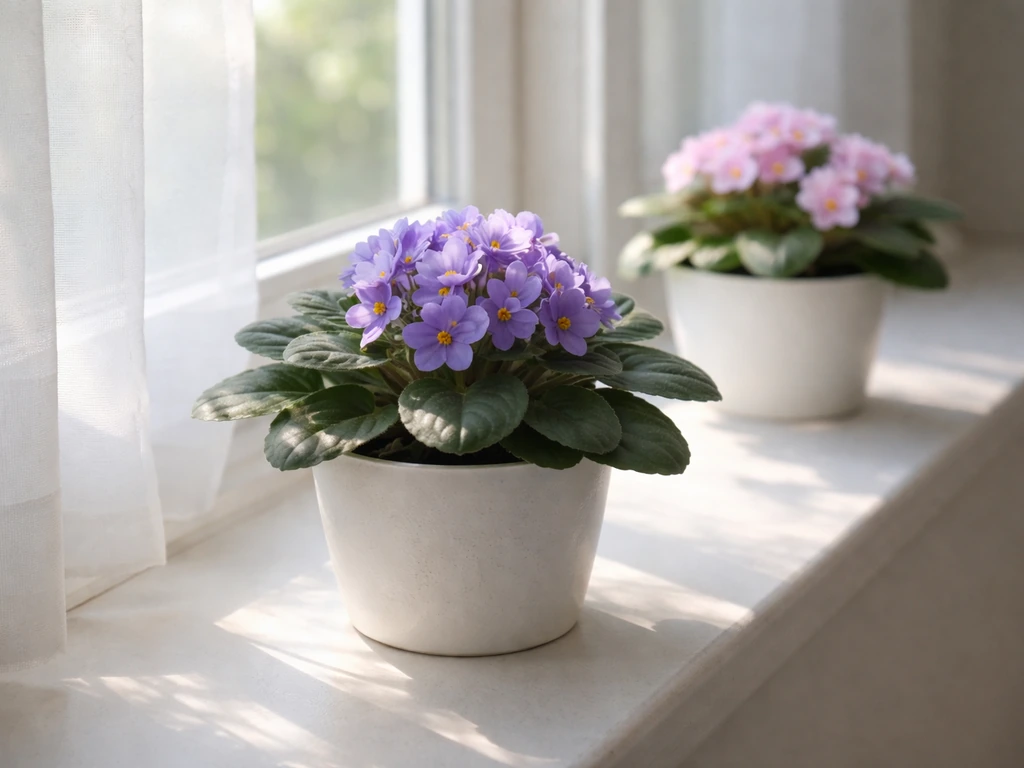
Violets prefer part shade to dappled light, think a spot that gets morning sun and afternoon shade, or bright indirect light for most of the day. To learn more about pot-friendly care, check out the specific guide on how to grow vinca in pots. Viola sororia can handle full sun if the soil stays consistently moist, but in a container that's harder to maintain, so aim for partial shade as your default. Indoors, a bright windowsill that doesn't get blasted by direct afternoon sun is ideal. If your violets start looking leggy and stretched out, they need more light. If they're wilting even when watered, they're getting too much direct sun.
Temperature
Violets are cool-season plants and bloom best when temperatures are between about 45°F and 65°F (7°C to 18°C). They can handle light frost, especially established plants, but prolonged freezing will damage them. Hot summers above 75°F to 80°F (24°C to 27°C) cause them to go dormant or stop blooming, and in a pot sitting in a sunny spot, the soil heats up even faster than in-ground. This is actually where pot growing has an advantage: you can move the container to a cooler, shadier spot when summer hits.
Watering routine
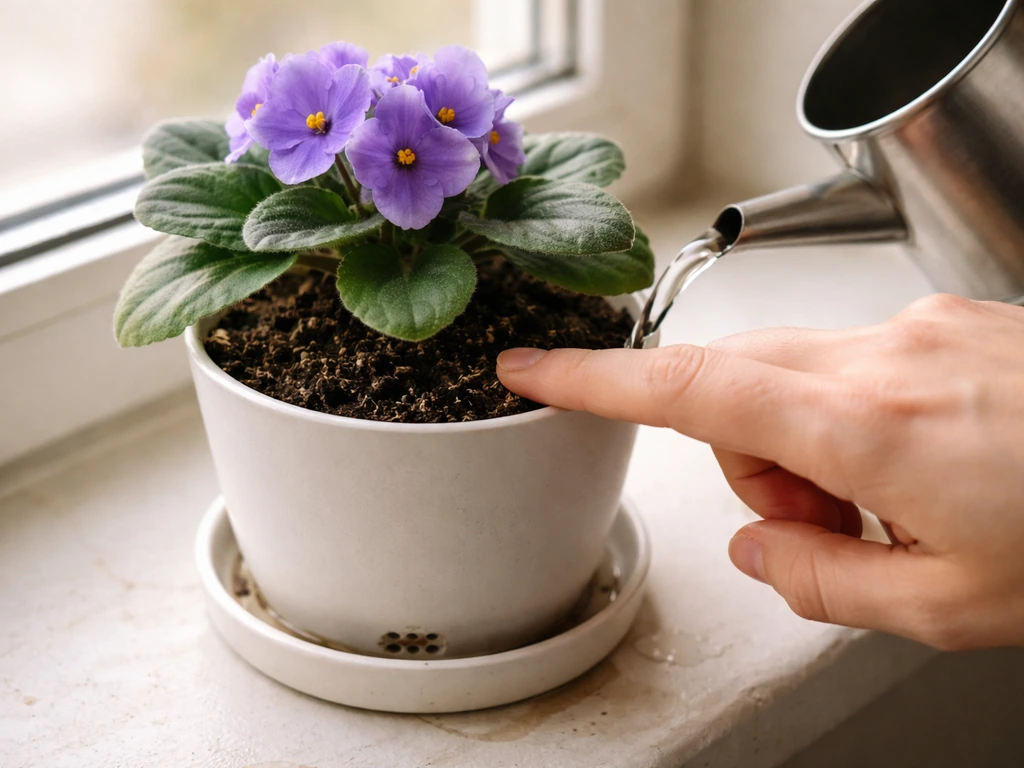
Check the soil every couple of days by pushing your finger about an inch into the mix. For a different but related container plant, you can also use the same general pot rules (drainage, consistent moisture, and temperature control) when you learn how to grow ivy in a pot. If it feels dry at that depth, water thoroughly until it runs out of the drainage holes. Then leave it alone until the top inch dries out again. In spring and autumn (their main growing seasons), you'll probably water every two to three days. In hot weather, possibly every day. In winter, much less.
The most common mistake people make with potted violets is keeping the soil too wet. Consistently soggy soil leads to root rot, which kills the plant from the bottom up. If you're not sure whether to water, wait one more day. It's easier to rescue a slightly dry violet than one with rotting roots.
Feeding and keeping them blooming
Start feeding about four to six weeks after planting, once the initial nutrients in the potting mix have been used up. Use a balanced liquid fertilizer (something like a 10-10-10 or similar) diluted to half strength every two weeks during spring and autumn when they're actively growing. In summer dormancy or winter, hold off on feeding.
Deadheading, removing spent flowers before they set seed, is one of the most effective things you can do to keep violets blooming. Once a flower fades, pinch or snip it off at the base of the stem. This redirects the plant's energy from seed production back into making more flowers. It takes about two minutes every few days, and the difference in bloom production is noticeable. The RHS confirms that regular deadheading genuinely extends the flowering season, so don't skip it.
If the plant starts looking a bit tired and straggly mid-season, you can cut it back by about a third to encourage fresh growth. This works especially well in late summer if you want a second flush of blooms in autumn. If you're also wondering how to grow violas in pots through the same seasonal shifts, the late-summer timing is the same kind of cue late summer.
Troubleshooting common pot problems
| Problem | Likely Cause | Fix |
|---|---|---|
| Wilting despite recent watering | Overwatering or root rot | Check roots for rot (they'll be brown and mushy); repot into fresh, drier mix with more perlite |
| Wilting and dry soil | Underwatering | Water thoroughly, place in shade temporarily to reduce stress |
| No blooms or very few flowers | Too much shade or heat stress | Move to brighter spot or cooler location; check temperature |
| Leggy, stretched stems | Not enough light | Move to a brighter spot with more indirect light |
| Yellow leaves | Overwatering, poor drainage, or nutrient deficiency | Check drainage and watering frequency; resume feeding if you've stopped |
| Compacted, crusty soil surface | Old mix or lack of aeration | Gently fork the top inch; consider repotting into fresh mix with perlite |
| Aphids or spider mites | Common in warm, dry conditions | Spray with a dilute neem oil solution or insecticidal soap; repeat weekly |
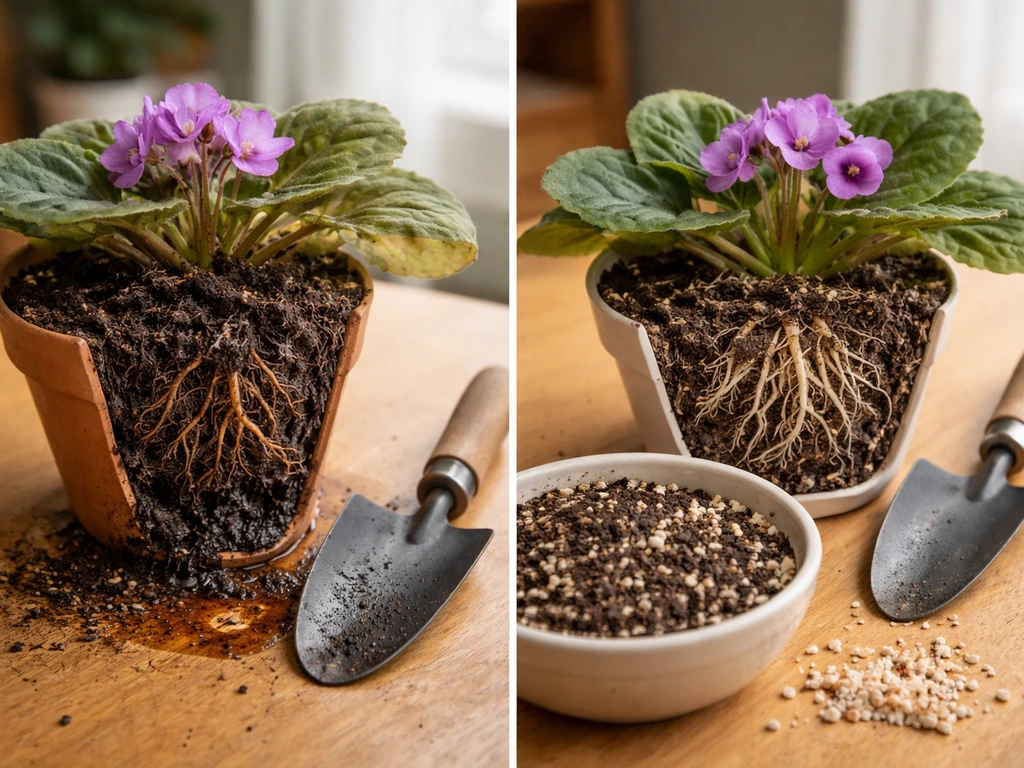
Root rot deserves special attention because it's the number one killer of potted violets. The practical fix, according to plant disease guidance, is to remove the affected plant, cut away any mushy or blackened roots with clean scissors, let the roots air dry for an hour, then repot into fresh, well-draining mix. Don't reuse the old soil. It's not a guaranteed save, but it works more often than leaving the plant to decline in soggy mix.
When to plant and how to handle the seasons
Best planting time
The best time to plant violets in a pot is early autumn (September to October in the Northern Hemisphere). The soil is still warm from summer, which helps roots establish quickly, but air temperatures are cooling down to the range violets love. Plants put in during autumn come into spring blooming strongly. Early spring (February to March) is your second-best window, just as temperatures start to rise but before the heat of summer arrives. Violets planted in a pot in midsummer in most climates will struggle unless you can keep them in a reliably cool, shaded spot.
Handling summer
When temperatures consistently climb above 75°F (24°C), most violets will slow down, stop blooming, and look a bit sorry for themselves. This is normal, they're not dying, just resting. Move the pot to your shadiest, coolest spot, cut back watering, and stop feeding. Some gardeners move the whole pot to a shaded garage or shed during the hottest weeks. Come September, the plant will often perk right back up.
Overwintering and indoor care
In mild climates (USDA zones 6 and above), potted violets can often stay outside through winter with some protection. Move them to a sheltered spot away from harsh wind, and if a hard frost is forecast, bring the pot into an unheated garage or porch overnight. In colder zones (5 and below), bring the pot indoors once temperatures drop below about 28°F (-2°C) consistently.
Indoors, violets need a cool room, not a warm living room next to a radiator. An unheated spare room, a cool hallway, or a bright porch that stays above freezing is ideal. Give them as much light as possible: a south- or east-facing windowsill works well. Water sparingly through winter, just enough to stop the soil from drying out completely, and don't feed until you see new growth returning in late winter or early spring.
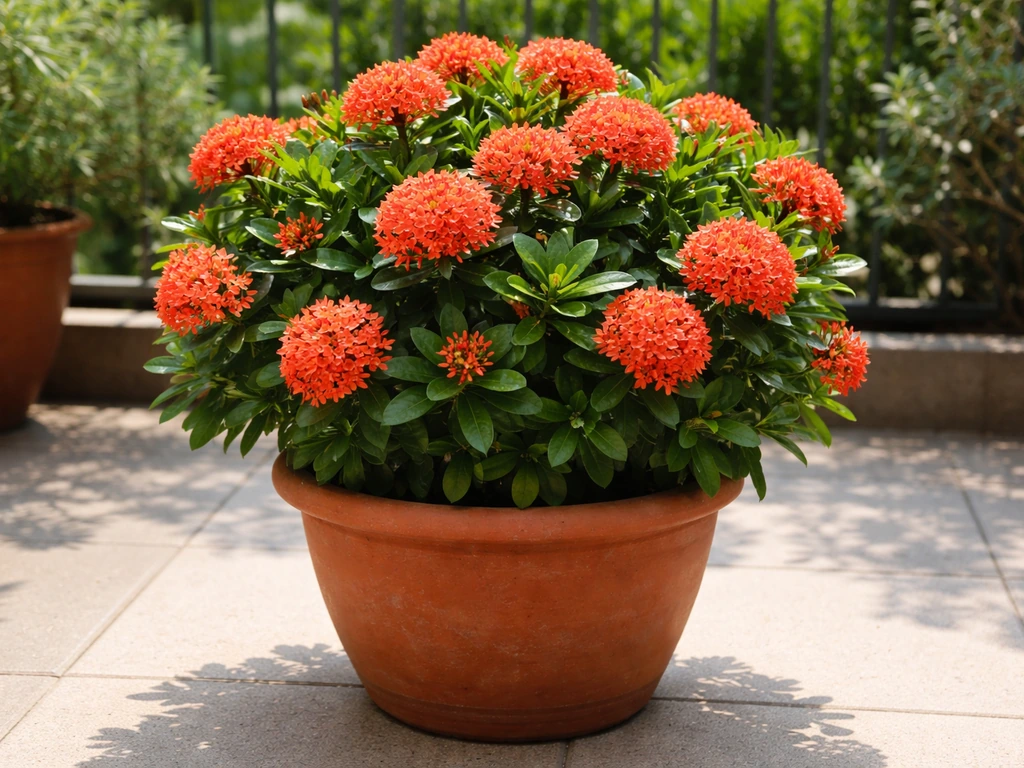
If you're drawn to container growing of other flowering plants with similar cool-season or shade-tolerant needs, violas in pots are a natural companion project with almost identical care requirements. If you are also planning to grow ixora in a container, you will need to focus on bright light and consistent warmth, since ixora is much more heat-loving than violets. If you want a similar style of container setup, learning how to grow mandevilla in pots can help you match the right light and watering for a completely different flowering vine container growing of other flowering plants. Plants like ivy also thrive in low-light container setups and make good companions for violets in mixed plantings.
Your action plan from here
- Choose a compact violet variety and a pot at least 8 inches wide with drainage holes.
- Mix two parts potting compost with one part perlite for your growing medium.
- Position in part shade — morning sun, afternoon shade is ideal.
- Water when the top inch of soil dries out; never let it sit soggy.
- Deadhead spent flowers every few days to keep blooms coming.
- Feed with half-strength balanced liquid fertilizer every two weeks in spring and autumn.
- Move the pot to a cooler, shadier spot in summer and a sheltered spot in winter.
- If you're planting today in June, focus on finding the coolest, shadiest spot you have and hold off heavy feeding until September when they'll start actively growing again.
FAQ
Can I grow violets in a pot without buying a new variety, using volunteer seedlings or plants from the yard?
Yes, but pick small plants with healthy, firm roots and transplant them into fresh, well-draining potting mix. Avoid disturbing if the plant is already stressed in hot weather, and keep the pot in bright shade for 1 to 2 weeks while roots settle, then shift to your usual light position.
How often should I water potted violets if the weather changes day to day?
Follow the finger test you described, and also account for heat spikes. A sunny balcony after a cool morning can dry the top inch fast, so check daily during heat waves, then back to every couple of days when temperatures cool. Always water thoroughly until it drains, don’t “top up” small amounts.
What’s the best way to tell if my violet is getting too much water versus too little?
Too wet usually shows as consistently soggy soil and plants that look limp even though the pot feels wet. Too dry shows as dry top growth, lighter pot weight, and leaves that wilt and perk after watering. If in doubt, wait a day only if the soil is not wet at the 1-inch depth.
My violet flowers keep fading quickly. Should I deadhead, or do I need different fertilizer?
Deadheading is usually the main fix, especially if flowers are fading before you’ve had a chance to enjoy a long bloom run. Fertilizer helps later by supporting active growth, but if you skip spent-flower removal, the plant may put energy into seed rather than more buds.
Do violets need repotting every year in containers?
They benefit from refresh more than frequent repotting. Many do well for 12 to 24 months, but repot or refresh the mix when drainage slows, roots circle the pot, or flowering drops despite good light and watering. When repotting, move to a slightly larger container only if roots fill most of the existing one.
Can I use a decorative pot as long as it has no drainage holes?
Yes, as long as the plant sits in an inner pot with drainage and the decorative outer container is treated like a sleeve. Empty any drainage water from the outer pot promptly, and never let the inner pot stand in a puddle, even for a few hours.
Will violets do well on a windowsill indoors if it gets some direct afternoon sun?
They can, but direct hot afternoon sun is the common problem. Aim for a spot with bright light and no intense late-day rays, or rotate the pot so the plant doesn’t overheat. If you see stretching (leggy growth) increase light, but if you see drooping after sunny exposure reduce direct sun and move back to dappled or partial shade.
How do I protect potted violets during an unexpected cold snap or frost?
Move the pot to a sheltered location away from wind and keep it off cold, reflective surfaces if possible. If you use temporary coverings, choose breathable protection rather than airtight plastic that can trap moisture and cause rot. Bring indoors overnight only if you expect prolonged freezing, since swings from freeze to thaw can be hard on shallow roots.
What should I do if I suspect root rot but I can’t confirm it right away?
Check drainage first and stop watering if the soil stays wet beyond the point where the top inch should dry. If the plant looks worse quickly, unpot it to inspect roots, remove mushy or blackened sections, air-dry briefly, and repot into fresh mix. Afterward, water lightly at first, then return to your normal schedule.
Can I grow violets with other plants in the same pot?
You can, but choose companions that tolerate the same cool-season conditions and similar watering needs. Avoid plants that like consistently dry soil or heavy fertilizing, since that can push violets toward drought stress or excess moisture. Use a single drainage system and keep the violet’s root zone in the well-draining mix.
Why do my violets stop blooming in summer, even though I keep them watered?
Heat can trigger dormancy even if watering is correct. In warm weather, move the pot to the coolest available shade, cut back watering slightly to prevent soggy mix, and stop feeding until cooler temperatures return. The goal is to keep the plant alive and stable, bloom usually resumes in the main cool-season window.