Yes, lavatera can absolutely grow in pots, and it can put on a genuinely impressive show if you give it the right container, decent drainage, and plenty of sun. It is not the most common choice for container gardening, but once you see those big, hollyhock-like blooms opening from early summer right through to early fall, you will understand why it is worth the effort. The annual type, Lavatera trimestris, is the easiest variety to start with in pots because you are not trying to carry it through winter, you sow, grow, enjoy, and start fresh next year.
How to Grow Lavatera in Pots: Step-by-Step Container Care
Marcus Whitley
3 Jun 2026
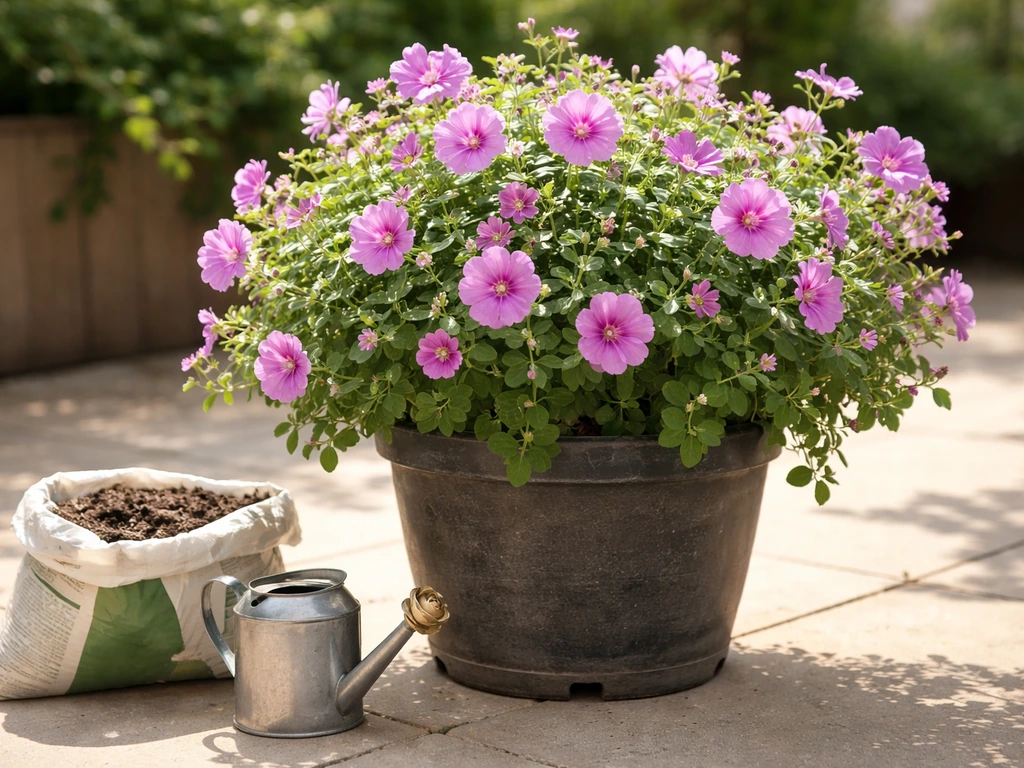
Can lavatera grow in pots (and who it's best for)
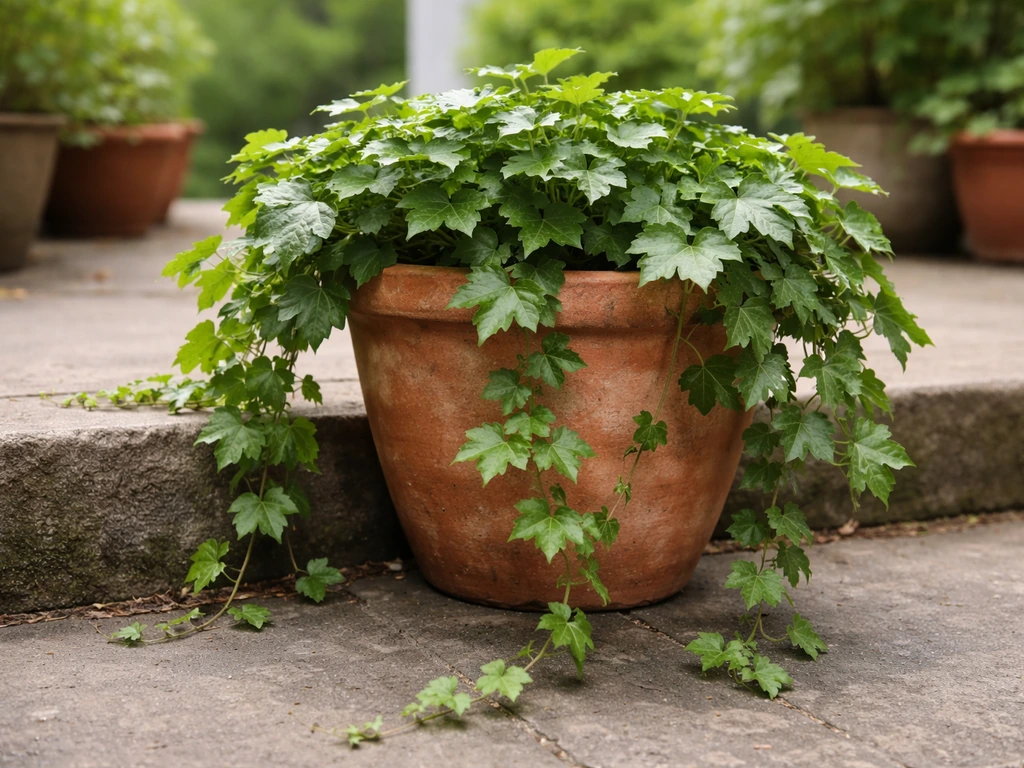
Lavatera is a great fit for container growing if you have a sunny spot and can commit to watering consistently through the warmer months. If you are also growing ivy in a pot, make sure you use the same approach to watering by keeping the soil evenly moist rather than soggy watering consistently. It is especially well suited to urban gardeners with balconies, patios, or small gardens where border space is limited. The annual Lavatera trimestris is the most forgiving variety for pots, it grows fast, flowers heavily, and does not require a massive container to do well. Perennial or shrubby types can also be grown in containers, but they need larger pots and more careful overwintering, which I will come back to later.
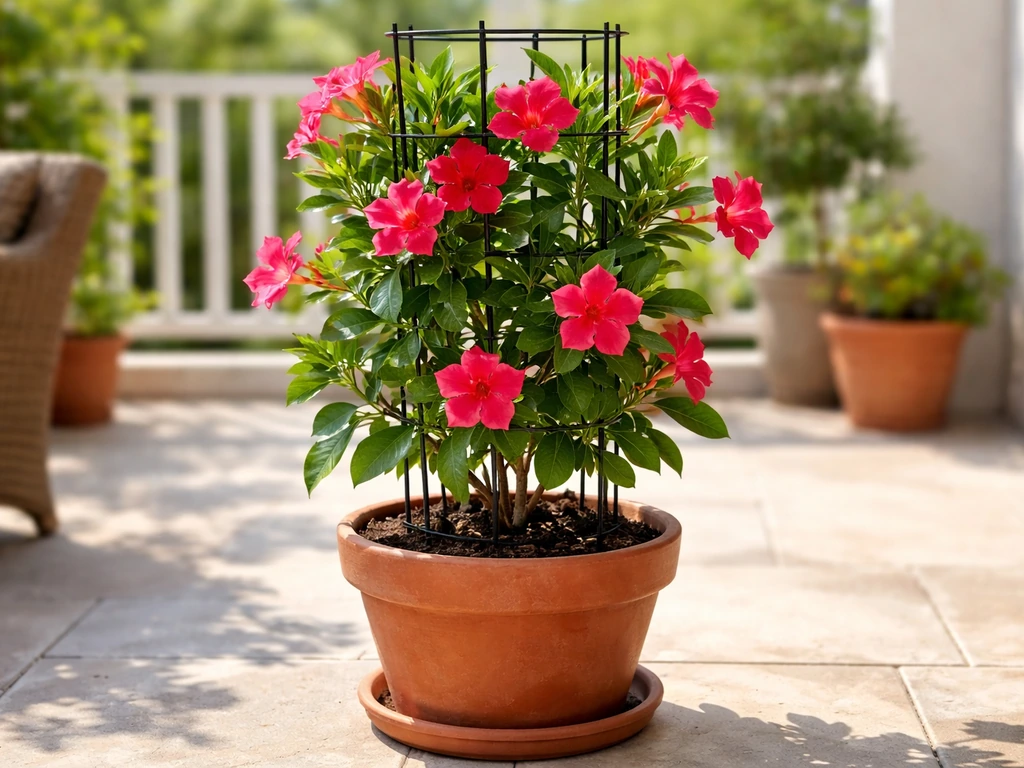
Where lavatera in containers can trip people up is drainage. This plant genuinely does not tolerate sitting in wet soil. If your pot holds water or your mix stays soggy, the roots will suffer quickly. Get that right and you are most of the way there. If you have already grown something like mandevilla in a pot, you will recognize the same need for a sunny position and consistent moisture without waterlogging, lavatera follows the same general logic. If you want to expand your balcony container collection, it is also helpful to learn how to grow mandevilla in pots and how to match its light and watering needs.
Choosing the right pot size and container setup
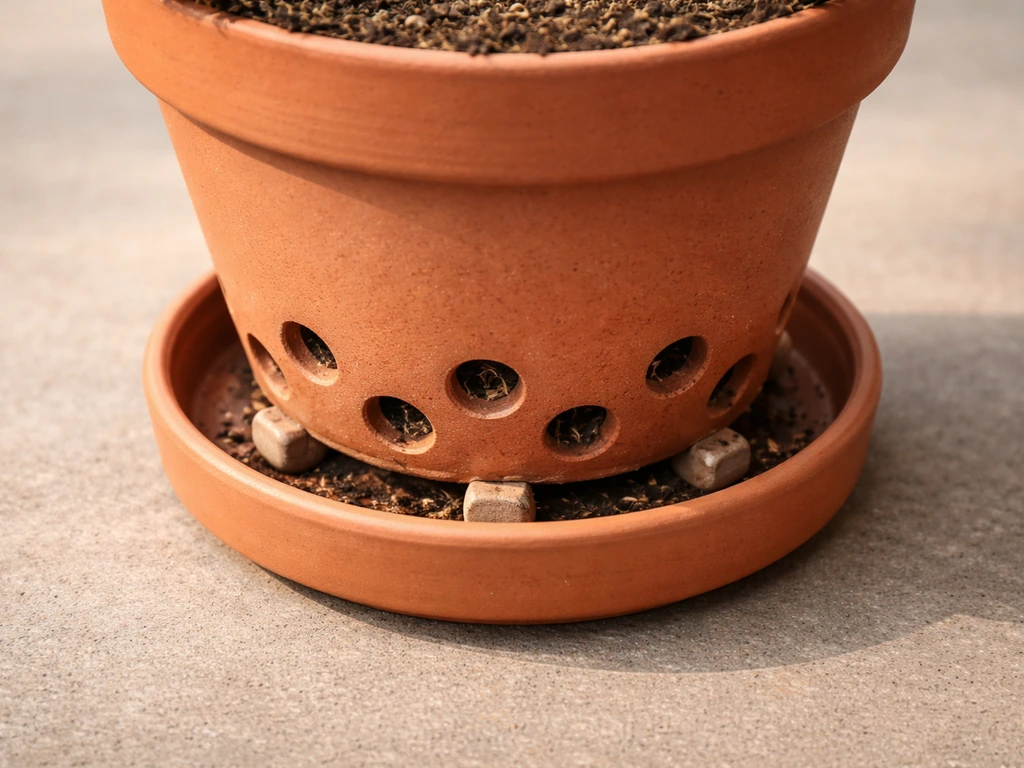
Go for a pot that is at least 35 to 40 cm wide (roughly 14 to 16 inches) for a single lavatera plant. This gives the root system enough room to establish and support the tall, bushy growth lavatera is known for. Smaller pots dry out faster, stress the roots, and often result in the leggy, sparse plants that frustrate people. If you want two or three plants together for a fuller display, step up to a pot that is 50 cm (about 20 inches) or wider.
Drainage is non-negotiable. Choose a container with several large holes at the base, not just one small central hole. Terracotta pots work beautifully because they are porous and allow some air exchange through the sides, which helps prevent the soggy conditions lavatera hates. Plastic pots are fine too and hold moisture a little longer, which can actually be useful in very hot, exposed spots. Whatever material you go with, add a layer of crocks, broken terracotta pieces, or coarse gravel at the bottom before filling with soil. This keeps the drainage holes from getting blocked without stopping water from flowing through freely.
Best soil mix and potting amendments for lavatera
Lavatera is not fussy about soil richness, but it is very fussy about drainage. It will tolerate most soil types as long as the mix does not stay permanently wet. A standard multipurpose potting compost on its own tends to hold too much moisture and compact over time, so I always mix in something to open it up. My go-to is to mix roughly two parts good-quality potting compost with one part horticultural grit or perlite. This gives you a free-draining mix that still holds enough moisture and nutrients to keep the plant going.
If you want to give your lavatera a good start without constant feeding, work some slow-release granular fertilizer into the top few inches of compost at planting time. This is especially useful in containers because the limited soil volume means nutrients get used up and washed out much faster than in a garden bed. Avoid heavy clay-based mixes or anything that clumps and holds water, lavatera in those conditions will be unhappy very quickly. Chlorosis, which can show up as yellow-green tissue with veins staying greener, can also be caused by nutrient deficiencies, so remediation depends on which nutrient is lacking (for example, adjusting fertilization) Morton Arboretum.
Sowing from seed or starting with young plants
You have two practical options here: sow seeds yourself or buy a young plant from a nursery. Both work well, and your choice mostly depends on timing and patience.
Growing lavatera from seed
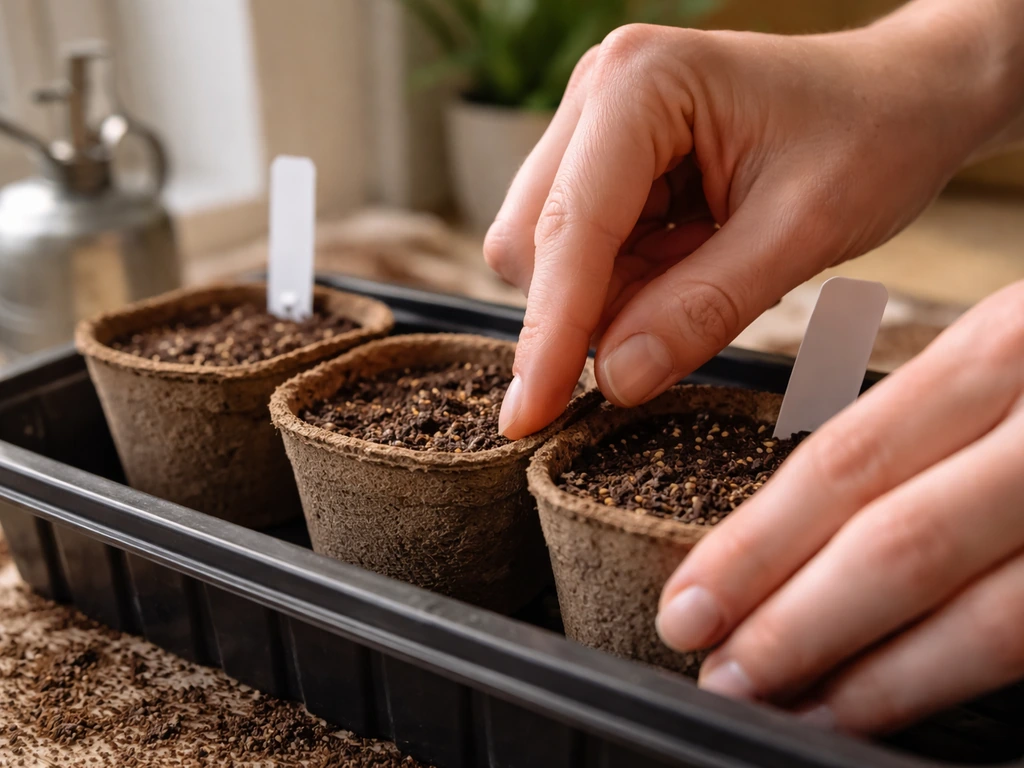
Lavatera trimestris grows readily from seed, which is one of the things I love about it. Sow seeds in early spring indoors, pressing them gently into the surface of moist seed compost and covering lightly with a thin layer of compost or vermiculite. The key to good germination is soil temperature: aim for 65 to 70 degrees Fahrenheit (around 18 to 21 degrees Celsius). At that temperature, expect seedlings to emerge in 14 to 21 days. A warm windowsill or a propagator works perfectly. Cell packs or small individual pots are ideal so you avoid disturbing the roots too much when you transplant later, lavatera does not love having its roots messed with.
Once the risk of hard frost has passed in late spring, harden off your seedlings by putting them outside for increasing amounts of time over a week or two before moving them to their final container. This gradual transition prevents the shock that can set young plants back significantly.
Starting with nursery plants
If you are reading this in late spring or early summer and want flowers this season without the seed-starting wait, just buy a young plant. Garden centers stock lavatera from late spring onward. Plant it in your prepared container at the same depth it was in its nursery pot, firm the soil gently around the roots, and water it in thoroughly. It should establish quickly and start flowering within a few weeks. This is genuinely the easiest route for beginners.
Sunlight, watering, and feeding in containers
Sunlight
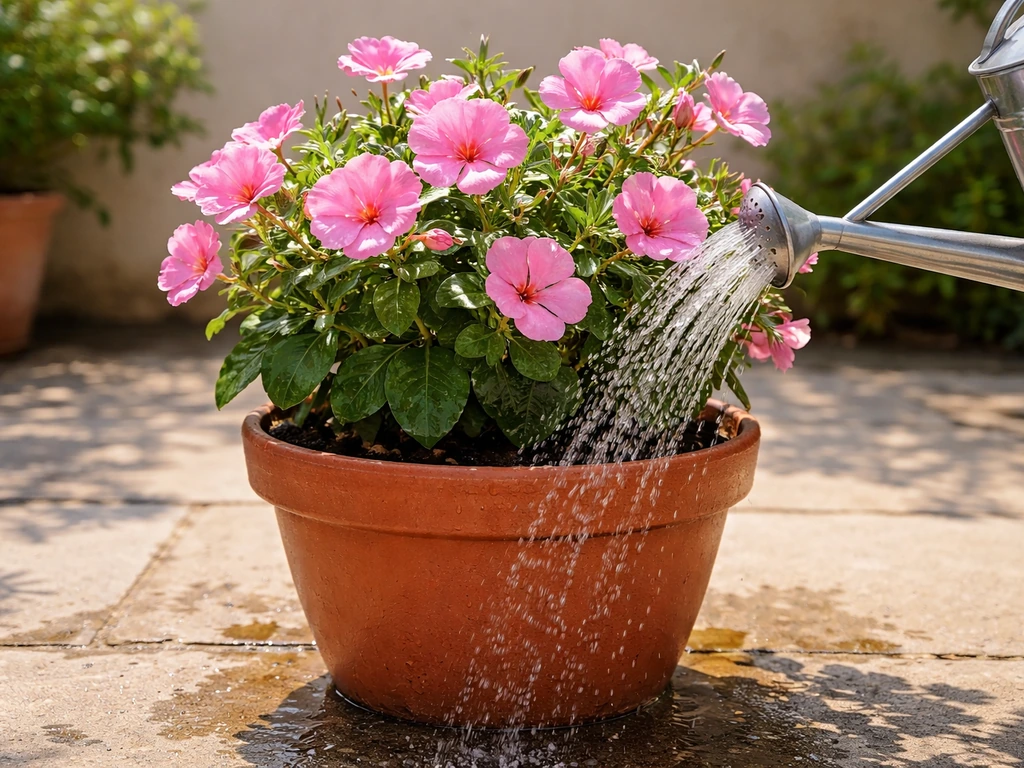
Lavatera needs full sun, at least 6 hours of direct sunlight per day. This is not a plant that will be happy tucked in a shady corner. A south or west-facing position on a patio or balcony is ideal. More sun generally means more flowers, stronger stems, and a healthier plant overall. If your only spot gets a bit less sun, the plant will still grow but flowering will be reduced and stems may get a bit leggy as the plant stretches toward the light.
Watering
This is where most container lavatera fails: inconsistent watering. In a pot, the soil dries out much faster than in the ground, especially in hot weather or a sunny, exposed spot. When you water, really water, soak the whole root ball until water runs freely from the drainage holes. Then let the top inch or two of compost dry out before watering again. Stick your finger into the soil: if it feels dry a couple of centimeters down, it is time to water. If it still feels moist, wait another day. The worst thing you can do is water a little every day, which keeps just the surface damp while the deeper roots go dry, or water so infrequently that the plant wilts repeatedly. Both will stress the plant and reduce flowering. In peak summer, you may need to water daily or every other day. In cooler, cloudier periods, every few days might be enough.
Feeding
Because nutrients wash out of containers with every watering, regular feeding keeps lavatera blooming through the season. If you worked slow-release fertilizer into the compost at planting, that will carry the plant for about 6 to 8 weeks. After that, switch to a liquid fertilizer applied every 10 to 14 days. A balanced liquid feed works well early in the season to support leaf and stem growth, and a higher-potassium feed (like a tomato fertilizer) from midsummer onward encourages continued flowering. Do not overfeed with nitrogen-heavy fertilizers or you will get a lot of lush green growth but fewer flowers.
Ongoing care: pruning, deadheading, and preventing issues
Deadheading for more flowers
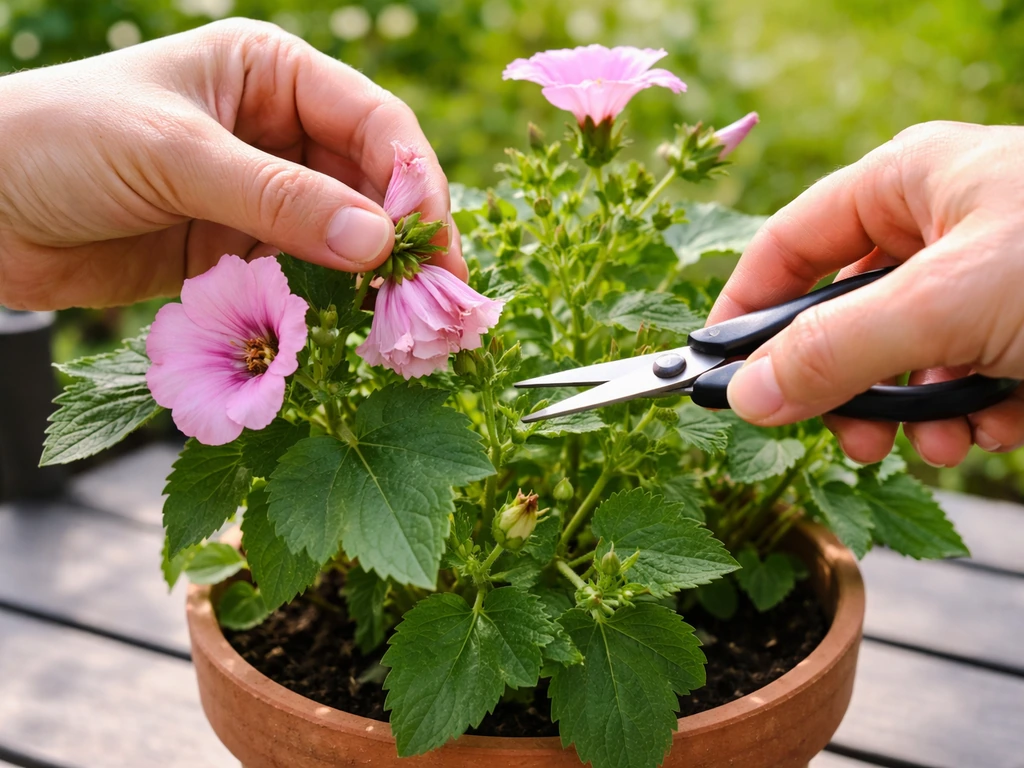
Deadheading is one of the simplest and most rewarding things you can do for a lavatera in a pot. Once a flower fades and starts to look tatty, remove it by pinching or cutting just above the nearest leaf junction below the spent bloom. Do this regularly and the plant will redirect its energy into producing the next flush of flowers rather than setting seed. Lavatera flowers from early summer through to early fall, and consistent deadheading keeps that going for the whole season. If you let spent flowers sit, flowering slows and eventually stops.
Pruning for shape and renewal
For annual lavatera in pots, pruning during the growing season is mostly about keeping the plant tidy and preventing it from getting top-heavy. Pinch out the growing tips of young plants to encourage bushier growth. If a plant gets very leggy mid-season, you can cut it back by about a third and it should push out new growth and flower again. For perennial or shrubby types, do a more significant cutback in early to mid-spring, once the danger of hard frost has passed. Lavatera flowers on the current year's growth, so spring pruning encourages a fresh flush of flowering stems without losing that season's blooms.
Common pests and diseases
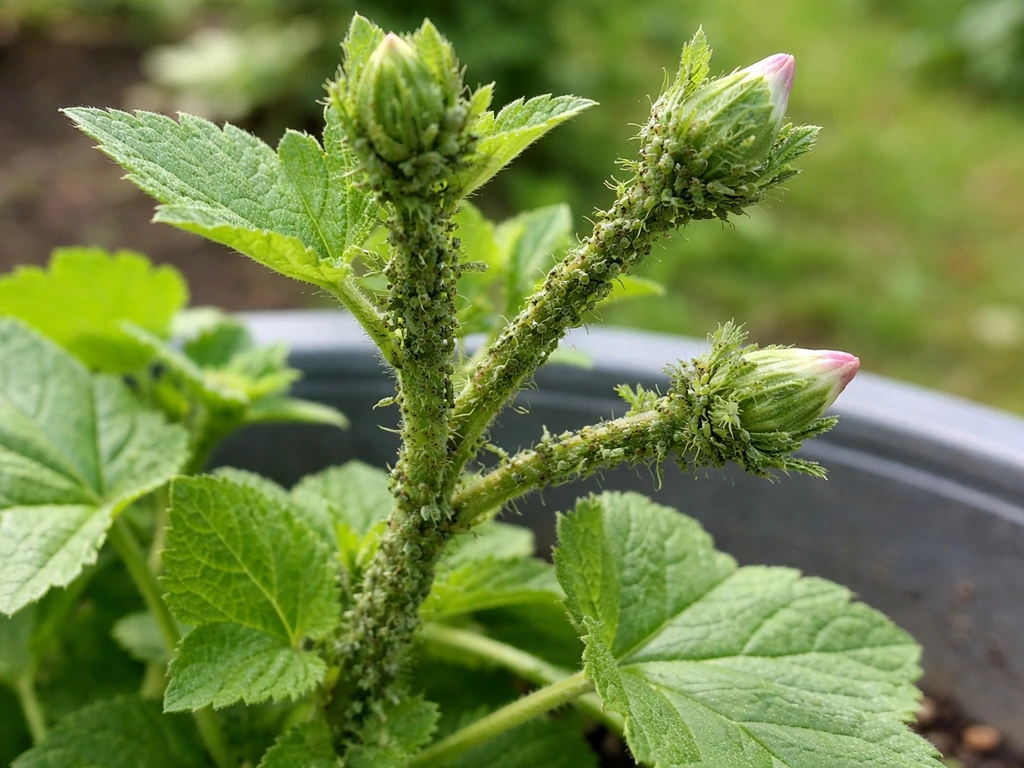
Aphids are the most common pest you will encounter. They cluster on new growth and flower buds, weakening the plant. A strong blast of water from a hose dislodges most of them effectively, and repeating this every few days keeps populations in check. For heavier infestations, insecticidal soap or horticultural oil sprays are safe and effective options. Lavatera can also be susceptible to fungal issues, particularly in humid conditions or when plants are crowded. Powdery mildew is the most likely fungal problem, showing up as a white powdery coating on leaves. Good air circulation around the pot helps prevent it. Remove affected leaves and treat with a suitable fungicide if it spreads. Avoid wetting the foliage when watering, water at the base instead.
Seasonal care and troubleshooting for container lavatera
Seasonal timing at a glance
| Season | What to do |
|---|---|
| Early spring | Start seeds indoors at 65–70°F; prepare containers with fresh compost mix |
| Late spring | Harden off seedlings; plant out after last frost; buy nursery plants now if skipping seeds |
| Early to midsummer | Water consistently, feed every 10–14 days, deadhead spent flowers regularly |
| Midsummer to early fall | Switch to high-potassium feed; keep deadheading; watch for pests and fungal issues |
| Fall (annuals) | Remove annual plants once flowering stops; refresh compost for next season |
| Fall/winter (perennials) | Move pots to a frost-free space or insulate with fleece, bubble wrap, or burlap; prune in early spring |
Winter protection for perennial types
If you are growing a perennial or shrubby lavatera in a container, winter protection matters more than most people realize. Plants in pots are significantly more exposed to freezing temperatures than those in the ground because the roots have no insulating soil mass around them. In colder climates, move the pot to a frost-free shed, garage, or cool conservatory once temperatures start dropping. If moving it is not practical, cluster it with other pots in a sheltered spot against a wall, and wrap the pot itself in layers of bubble wrap, fleece, or burlap to insulate the roots. A thick layer of mulch on the soil surface adds extra protection for the crown. Do not prune until early to mid-spring once the risk of hard frost has genuinely passed.
Troubleshooting common container problems
If your lavatera is not performing the way you hoped, one of these issues is almost certainly the cause. Run through this checklist and you will usually find the answer quickly.
- Leggy, sparse stems with few flowers: Not enough sun. Move the pot to a sunnier spot immediately. Also check whether you have been overfeeding with nitrogen, which promotes leafy growth at the expense of flowers.
- No flowers or very slow flowering: Could be insufficient sunlight, or the plant may still be establishing. Check you are using a potassium-rich feed during the flowering season rather than a high-nitrogen one.
- Yellowing leaves with green veins (chlorosis): This is a classic sign of a nutrient deficiency, often iron or magnesium in containers. Use a balanced liquid feed with micronutrients, or apply a specialist sequestered iron product to the compost.
- Wilting even when the soil is moist: Check whether roots are waterlogged and rotting — squeeze the soil; if it feels very wet and dense, drainage is the problem. Repot into a better-draining mix with more grit or perlite.
- Rapid wilting and dry soil: The pot may be too small, or the plant is in very intense heat. Water more frequently and consider moving to a slightly larger pot or a less exposed position during the hottest part of the day.
- White powder on leaves: Powdery mildew fungus. Improve air circulation, remove affected leaves, and treat with a fungicide spray if needed. Avoid overhead watering.
- Sticky residue or distorted new growth: Aphid infestation. Blast with water, then treat with insecticidal soap or horticultural oil if they return.
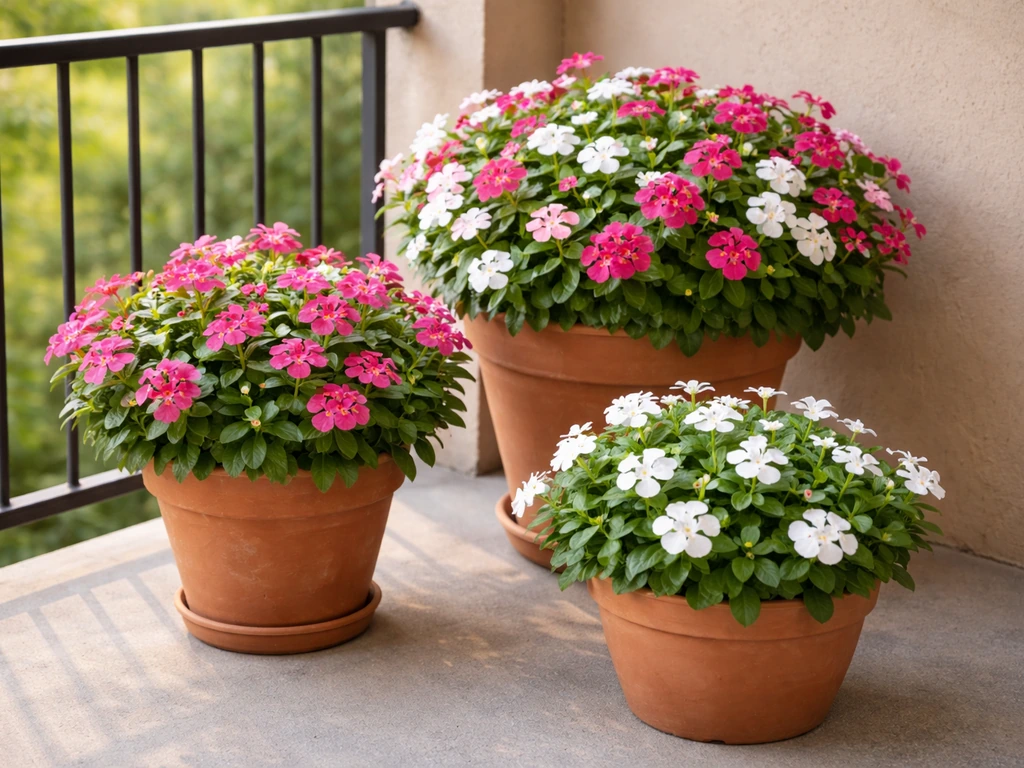
Growing lavatera in pots is genuinely rewarding once you get the basics locked in. Start with the right sized container, nail the drainage, put it in the sunniest spot you have, and water it properly rather than habitually. If you are also wondering how to grow violas in pots, the key is choosing a container with drainage and keeping the soil evenly moist Start with the right sized container. Do those things and you will have a plant that blooms generously from early summer right through to fall, which is a pretty good return for a container plant. Ixora can also thrive in containers, but it needs warm temperatures, bright light, and a carefully managed potting mix to keep roots healthy grow ixora in pots. If things go wrong at first, do not be put off. Most lavatera problems have a straightforward fix, and the plant bounces back quickly once the issue is addressed. It is one of those flowers that rewards a little attention with a lot of colour. If you are also wondering how to grow vinca in pots, the key is using a well-draining mix and keeping up with regular watering as it establishes. If you are curious about other container flowers, see how to grow violets in a pot for tips on keeping them happy in a smaller space.
FAQ
How do I tell if I’m watering too much or too little for lavatera in pots?
For lavatera in a pot, the fastest “tuning” lever is water depth plus timing. Water until you see drainage, then wait until the top 2 to 5 cm feel dry and only then water again. If you’re in a hot, exposed spot and it’s wilting by mid-afternoon, that’s a sign you need more thorough soaking (not more frequent tiny sips).
What should I do if my potted lavatera is leggy and not flowering much?
If your plant looks tall and floppy with fewer blooms, it usually means either not enough sun or the pot is drying too fast so growth gets imbalanced. First move it to the sunniest spot you have (aim for at least 6 hours). Second, check pot size and water routine, small pots dry out quickly and often cause leggy growth.
Can I grow lavatera in a pot that sits in a saucer or tray?
Using a saucer under the pot is risky if water can collect, because lavatera dislikes standing moisture. If you must use one, empty it after watering every time, and make sure you still have several large drainage holes.
Should I mulch the top of the pot to reduce watering, and will it cause problems?
The soil-surface mulch helps reduce drying, but it must not trap moisture around the stem. Keep mulch a couple of cm away from the crown, and in humid climates choose a lighter, airy mulch rather than thick, water-retaining layers.
How can I adjust fertilizing if my lavatera has lots of leaves but not many flowers?
Yes, especially if you start with the right feed plan. After the first 6 to 8 weeks of slow-release fertilizer, switch to liquid feed every 10 to 14 days. To support blooms, move toward a higher-potassium tomato-style fertilizer from midsummer, and avoid nitrogen-heavy products that increase leaf growth but reduce flowering.
Why is lavatera in my pot struggling even though I used potting compost?
A common container mistake is compacted compost. To prevent it, use a grit or perlite amendment as described (about 2 parts compost to 1 part grit/perlite). If the mix has already compacted, top-dress and loosen the surface gently, then refresh with a small amount of new free-draining mix.
How exactly do I deadhead lavatera in a pot without damaging new buds?
Lavatera annuals can be deadheaded aggressively, but don’t remove buds that still look plump and developing. Only remove faded flowers, cut or pinch above the nearest leaf junction below the spent bloom, and keep the plant tidy without stripping healthy foliage.
When is the best time to repot lavatera, and how do I avoid shock?
If you need to repot, do it soon after buying or after the plant is established and actively growing. Move at the same depth as in its old container, and keep watering consistent for about a week. Avoid repotting during peak heat, because the combination of root disturbance and fast drying can set the plant back.
What causes powdery mildew on lavatera in pots, and how do I prevent it?
Powdery mildew is often triggered by humidity plus poor airflow and wet foliage. Improve circulation around the pot, water at the base, and remove badly affected leaves early. For persistent cases, treat with a suitable fungicide and continue deadheading so the plant doesn’t become overcrowded.
How do I overwinter lavatera grown in a pot if it’s a perennial or shrubby type?
Overwintering depends on type and your climate. For tender perennial or shrubby forms, move the pot to a frost-free, cool place (shed, garage, conservatory) once temperatures start dropping. If you can’t move it, insulate the pot with bubble wrap or fleece, add mulch over the crown, and wait to prune until early to mid-spring after hard frost risk passes.
Can I cut back potted lavatera mid-summer, and will it reflower?
You can trim leggy growth mid-season, cutting back by about a third, and the plant should produce fresh stems. However, avoid heavy cutting right before a major change in weather (like a cold snap), because new shoots can be set back.
What’s the safest and most effective way to deal with aphids on lavatera in containers?
Aphids usually concentrate on tender new growth and buds. Start with a strong water blast to knock them off, then monitor every few days. If populations bounce back, use insecticidal soap or horticultural oil, and apply in the evening or on an overcast day to reduce leaf scorch risk.