Vinca absolutely grows in pots, and it can look fantastic in them. The key is knowing which type of vinca you're working with, because the two most common ones have pretty different needs. Annual vinca (Catharanthus roseus, also called Madagascar periwinkle) is the one most people picture: bold, colorful flowers, loves heat and sun, and thrives in containers. Ground vinca (Vinca minor or Vinca major) is the trailing, evergreen type that spreads along the ground. It can work in pots too, but it's better suited to hanging baskets or as a spiller in mixed planters than as a standalone container plant. This guide focuses mainly on annual vinca since that's what most people are trying to grow in pots, but I'll flag where ground vinca care differs.
How to Grow Vinca in Pots: Step-by-Step Container Guide
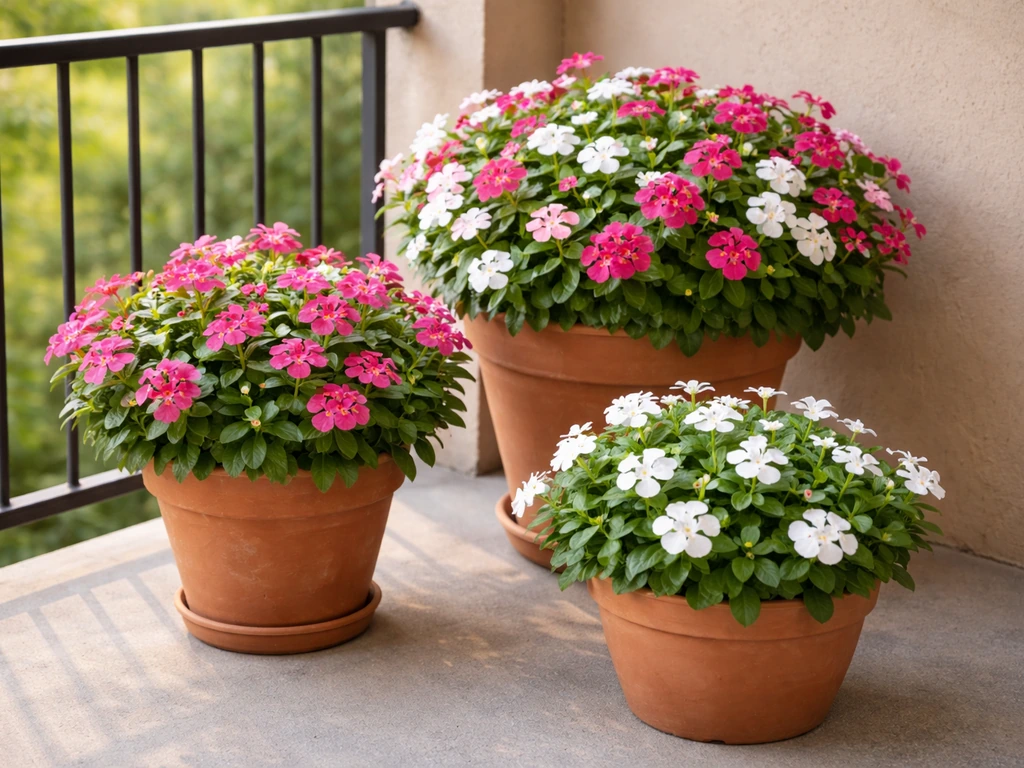
Yes, vinca can grow in pots (and which type to choose)
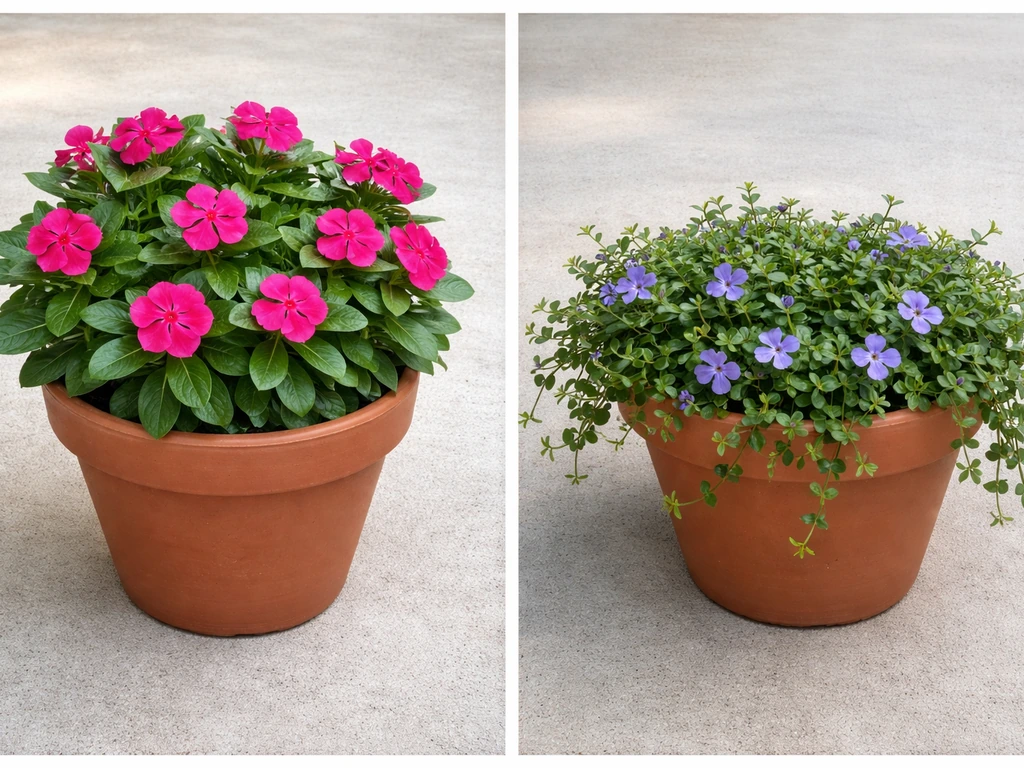
Annual vinca (Catharanthus roseus) is a natural for containers. It's compact, blooms all season, handles heat like a champ, and doesn't need constant fussing. You'll find it at virtually every garden center in spring, usually in 4-inch or 6-inch starter pots, and it comes in white, red, pink, lavender, and bicolor options. This is the vinca most people mean when they say they want to grow vinca in a pot.
Ground vinca (Vinca minor) is a different plant entirely. It's a low, spreading perennial that prefers partial shade and moist soil, and it's usually grown as a groundcover. In a pot, it tends to sprawl over the edges, which can look lovely in a hanging basket or as a trailing edge plant in a large mixed container. If you're after flowers for color impact, annual vinca is your better bet. If you want a low trailing foliage plant with small purple-blue flowers, ground vinca can work, just know it spreads and doesn't fill a pot the same way the annual does.
| Feature | Annual Vinca (Catharanthus roseus) | Ground Vinca (Vinca minor) |
|---|---|---|
| Type | Annual (or tender perennial) | Hardy perennial |
| Light preference | Full sun | Part shade to dappled sun |
| Flower display | Bold, continuous blooms | Small flowers, mainly spring |
| Growth habit | Mounding, upright | Low, spreading, trailing |
| Best pot use | Standalone container star | Hanging basket or spiller |
| Water needs | Dry side, drought-tolerant | Moist but well-drained |
| Heat tolerance | Excellent | Moderate |
Choosing the right pot size and drainage
For a single annual vinca plant, a pot that's at least 8 to 10 inches in diameter works well. If you want a fuller, more dramatic display, go for a 12-inch pot and plant two or three plants together, spacing them about 6 inches apart. The wider the pot, the more you can plant and the better the visual payoff. Ground vinca planted as a spiller fits nicely in window boxes or hanging baskets at least 10 to 12 inches wide.
Drainage is non-negotiable with vinca, especially annual vinca. This plant will rot if water sits around its roots. Every pot you use must have at least one drainage hole, and ideally a few. Avoid decorative pots that have no holes at all. If you love a cachepot (a decorative outer pot with no hole), just put your vinca in a nursery pot with drainage inside it, then set that inside the decorative one. The important thing: after you water, if water collects in that outer container, tip it out or pull the inner pot out to empty it. Water sitting in a saucer or outer sleeve is one of the fastest ways to kill vinca.
Skip the gravel-at-the-bottom trick. It's a myth that a layer of gravel improves drainage inside the pot. It actually raises the water table inside the container. If you want better drainage and aeration, the fix is in the potting mix itself, not in what you put at the bottom.
Potting mix and fertilizer plan
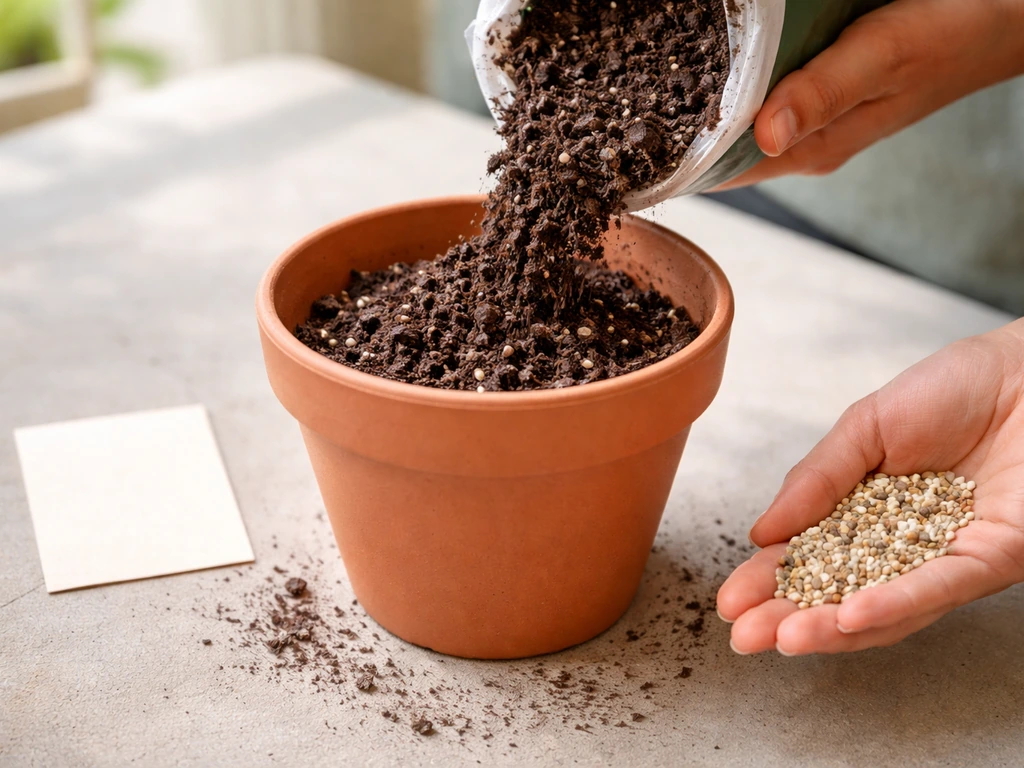
Use a quality commercial potting mix, not garden soil. Garden soil compacts in containers and suffocates roots. A standard all-purpose potting mix is a good starting point for annual vinca. You can improve drainage and aeration further by mixing in about 20 to 25 percent perlite. This is especially worth doing if you tend to water frequently or if your pots are in a humid climate where the mix stays wet longer than it should.
Annual vinca is a light feeder compared to some container flowers, but it still needs regular fertilizing in pots because watering flushes nutrients out over time. A slow-release granular fertilizer mixed into the potting medium at planting gives you a good base. On top of that, feed with a balanced liquid fertilizer once a week at half to quarter strength through the growing season. Fertilizers with a balance like 20-10-20 work well, but keep an eye on phosphorus levels. High phosphorus can cause leggy, stretched growth. During peak summer bloom, lean toward a lower-phosphorus option. Back off fertilizing in late summer if you're heading toward the end of the season.
How to plant vinca in pots: seeds, cuttings, or nursery starts
Nursery transplants (easiest, fastest)
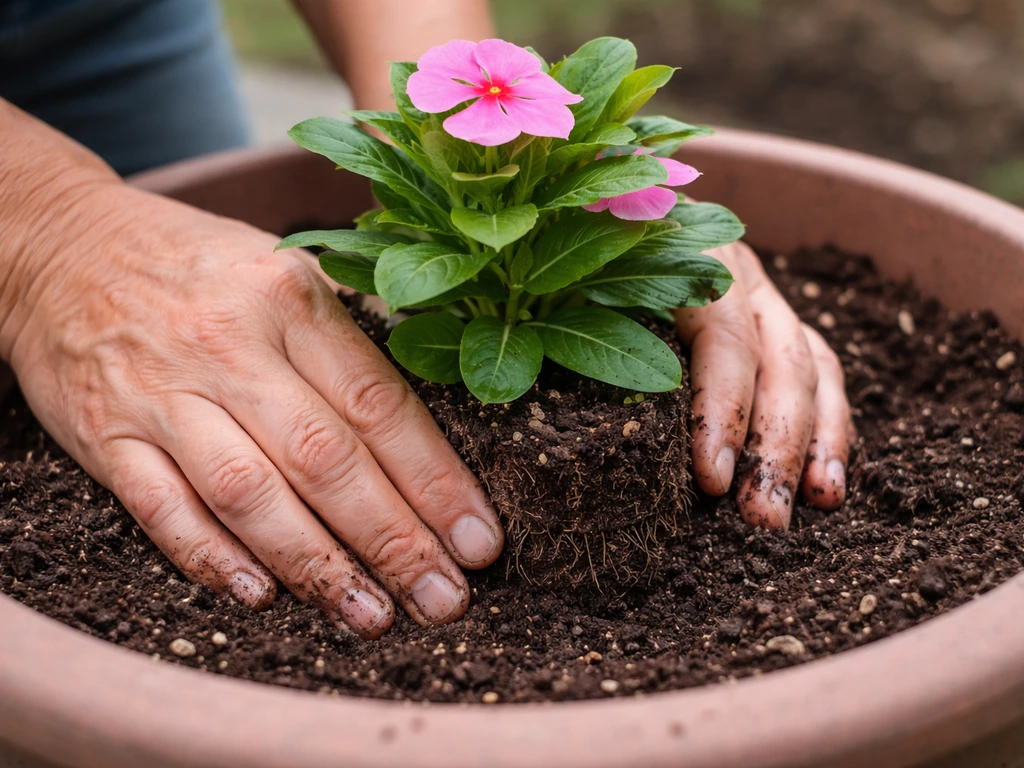
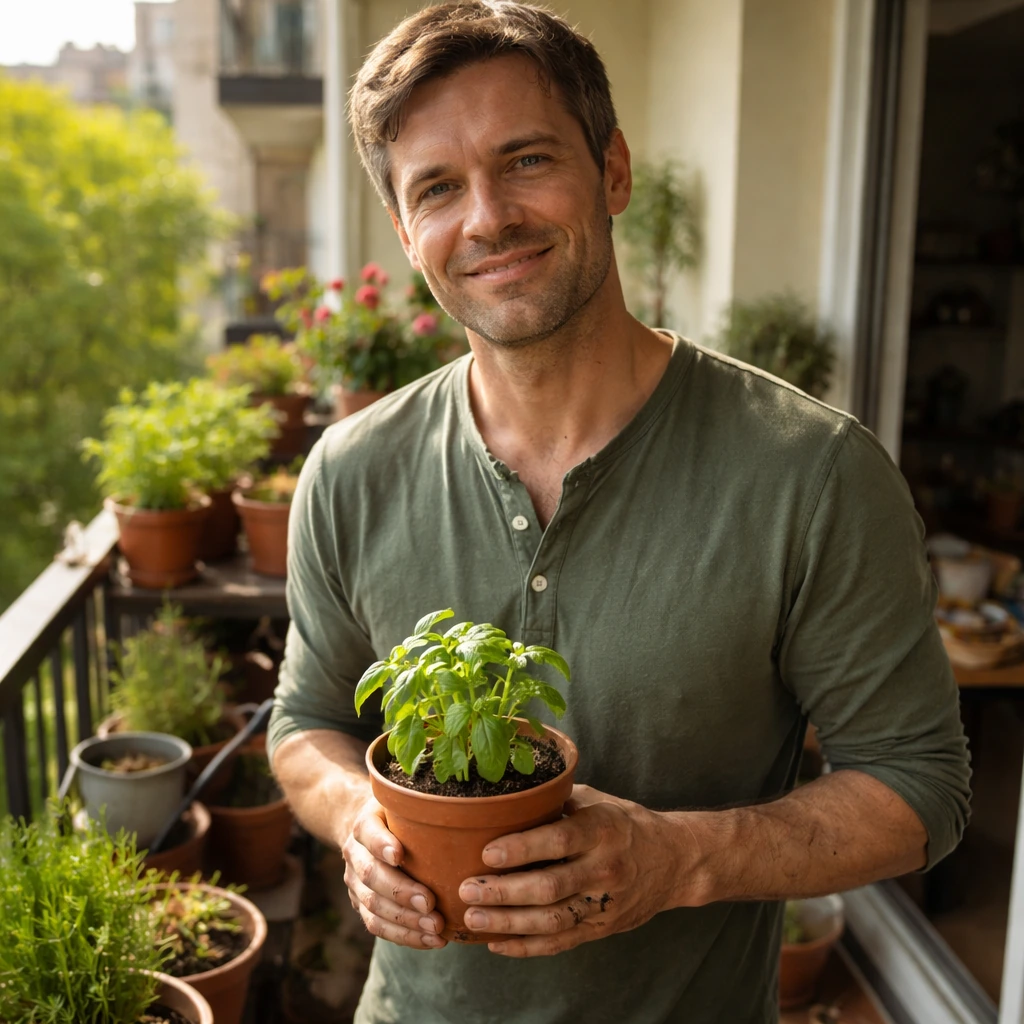
This is the method I'd recommend for most beginners, and honestly what I do most years. Buy established annual vinca starts from a nursery or garden center in spring after your last frost date. Fill your pot with prepared potting mix, dig a hole about as deep as the root ball, set the plant in at the same depth it was in its nursery container, and firm the soil around it. Water it in well. That's really it. You'll have blooms in days to weeks.
Starting from seed (rewarding but takes patience)
Annual vinca can be grown from seed, but it needs a head start indoors. Sow seeds 10 to 12 weeks before your last expected frost. The seeds need warmth to germinate, ideally soil temperatures between 70 and 72°F. Keep the seed tray in the dark until germination, which typically takes anywhere from a few days to about two weeks depending on conditions. Don't water excessively at this stage as vinca seedlings are very prone to damping off, a fungal issue that collapses young seedlings at soil level. Let the surface dry slightly between waterings. Once seedlings emerge, move them to a sunny windowsill or under grow lights (around 16 hours on, 8 hours off works well). Transplant them into your outdoor pots after all frost risk has passed and temperatures are reliably warm.
Propagating from cuttings
If you already have vinca growing, or you want to multiply a plant you love, stem cuttings are an option. Take a cutting about 4 to 6 inches long from a healthy stem tip, remove the lower leaves, and place the cut end in a small pot of moist potting mix or even a glass of water. Keep it warm (above 65°F), in bright indirect light, and roots should form within a few weeks. This is also a great way to overwinter a favorite annual vinca variety if you don't want to start from scratch next spring.
Light, watering, and handling heat and wind
Sunlight
Annual vinca wants full sun, ideally 6 or more hours of direct sunlight per day. This is where it performs best and produces the most flowers. It can handle some afternoon shade, which can actually help in very hot climates where afternoon temps regularly top 95°F, but in general, the more sun the better. Ground vinca is the opposite: it prefers part shade to dappled light and can actually look washed out and stressed in full sun. If you're growing Vinca minor in a pot, put it somewhere that gets morning sun and afternoon shade.
Watering
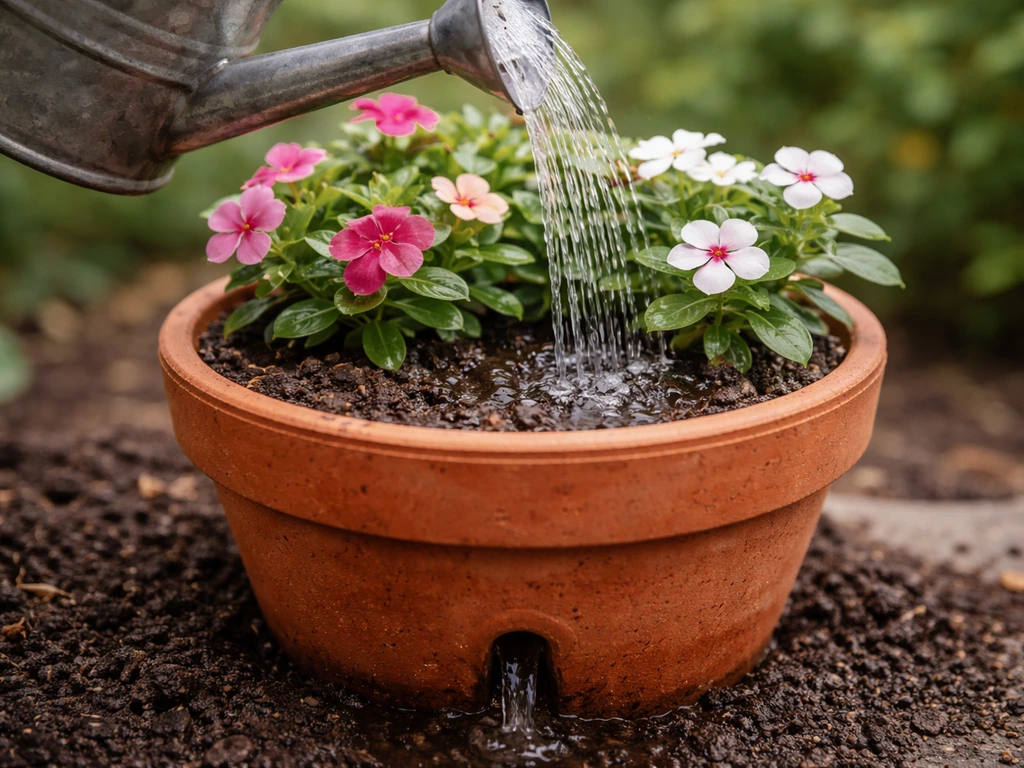
This is the most important thing to get right with annual vinca in pots. It likes to be on the drier side. Let the top inch or so of potting mix dry out before you water again. When you do water, water thoroughly so it drains out the bottom, then let it dry down again. The roots will rot if you keep them constantly wet, and once root rot sets in it's very hard to reverse. During summer rainy seasons, this is especially important: if your pot is sitting outside getting rained on daily, you may not need to water at all. Check the soil before reaching for the watering can.
Heat and wind
One of annual vinca's best qualities is that it genuinely loves heat. Hot summers don't slow it down the way they do with other flowers. That said, pots heat up faster than garden beds, especially dark-colored or metal containers sitting in full sun. In extreme heat, you might find the plant wilts briefly in the afternoon even with adequate moisture. This is usually just heat stress, not a watering problem. If it recovers by morning, it's fine. Moving the pot to a spot with some afternoon shade during a heatwave can help. Wind is tougher on container plants because it dries out the potting mix faster and can tip smaller pots over. If you're on a balcony or rooftop, choose a heavier pot and check moisture more frequently on windy days.
Keeping vinca blooming all season
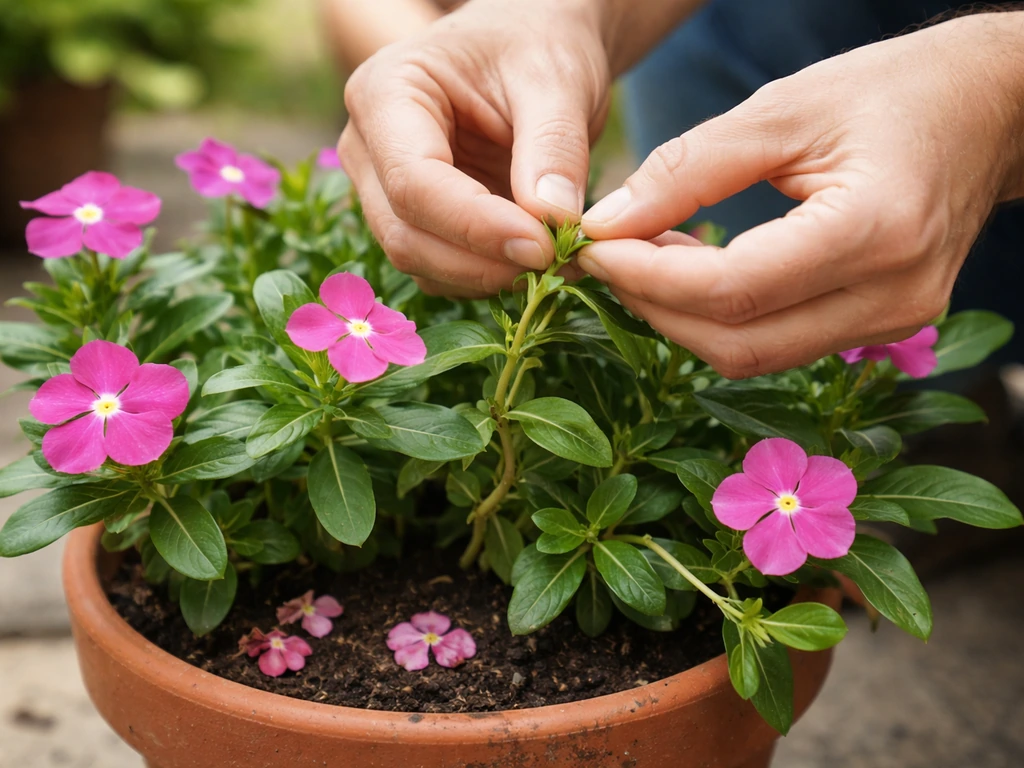
Annual vinca is mostly self-cleaning, meaning it drops its spent flowers on its own without much help from you. This is actually one of the reasons it's such a low-maintenance container plant. You don't need to deadhead it obsessively the way you would with petunias or geraniums. That said, if the plant starts to look a bit tired or faded in midsummer, a light trim (cutting stems back by about a third) can refresh it and encourage a new flush of growth and flowers. This is also a good time to give it a fertilizer boost.
For ground vinca in a pot, occasional trimming keeps the trailing stems from getting too long and leggy. It flowers mainly in spring, so after the spring bloom period, a light shaping helps it look neat through the rest of the year. It's a tough plant and tolerates cutting back well.
Pests to watch for
Vinca in pots is generally pretty resistant to pests, but a few culprits show up occasionally. Aphids cluster on new growth and can be blasted off with a strong stream of water or treated with insecticidal soap. Spider mites tend to appear in hot, dry conditions and create a fine webbing on leaves. Increasing humidity around the plant and using a miticide or neem oil spray helps. Thrips and whiteflies are less common but possible, especially in sheltered or indoor growing situations. Check the undersides of leaves regularly and catch problems early.
Disease to watch for
The biggest disease concerns with vinca in containers are damping off (in seedlings), black root rot, and fungal wilt diseases. Fungal wilt diseases of vinca are favored by high moisture, which is why keeping moisture and drainage in check matters. All of them are connected to too much moisture. Overwatering, poor drainage, and pots that stay wet for long periods create exactly the conditions these diseases love. If you keep your watering in check and your pot drains well, you'll avoid most of them. Fungal wilt shows up as sudden wilting that doesn't recover even when the soil is moist. At that point the plant is usually too far gone to save. Remove it, dump the old soil, and start fresh with clean potting mix before replanting.
Troubleshooting common pot problems
- Plant isn't flowering: Annual vinca needs sun to bloom reliably. If your pot is in too much shade, move it to a sunnier spot. Also check that you're not over-fertilizing with high-nitrogen feeds, which push leaf growth at the expense of flowers. Cut back leggy stems to encourage branching and new buds.
- Leggy, stretched growth: This usually means not enough light or too much nitrogen fertilizer. Move to a sunnier position and switch to a more balanced or lower-nitrogen fertilizer. A light trim helps reset the shape.
- Yellowing leaves: The most common cause is overwatering and root rot. Check the soil before watering and make sure your pot is draining properly. If the potting mix smells sour or the roots look brown and mushy, root rot has set in. Trim off damaged roots, repot into fresh dry mix, and cut back on watering. Yellowing can also signal a nutrient deficiency, particularly iron, if your water is very alkaline.
- Wilting or drooping: First check whether the soil is bone dry (needs water) or soggy (root rot from overwatering). Afternoon wilting in very hot weather with moist soil is usually just heat stress and the plant will recover by morning. If wilting is persistent and the soil is moist, suspect a fungal wilt disease.
- Aphids or spider mites: Knock aphids off with water or apply insecticidal soap. For spider mites, increase airflow and humidity and apply neem oil or a miticide spray every 5 to 7 days until resolved.
- Plant dies suddenly after rain: This is almost always root rot triggered by the pot sitting in excess water. Empty any saucers after rain, improve drainage, and consider elevating the pot slightly on pot feet to let water escape freely.
- Overwintering annual vinca: Annual vinca is frost-sensitive and will die if left outside in freezing temperatures. If you want to keep a plant alive over winter, bring it indoors before temperatures drop near freezing, cut it back by about half, and keep it in a bright, warm spot. You can also take cuttings in late summer to root indoors and replant next spring. For ground vinca (Vinca minor) in pots, it's hardier but containers freeze faster than ground soil. Cluster pots together, water well before a cold snap, and move them to a sheltered spot before subfreezing weather arrives.
Your next steps
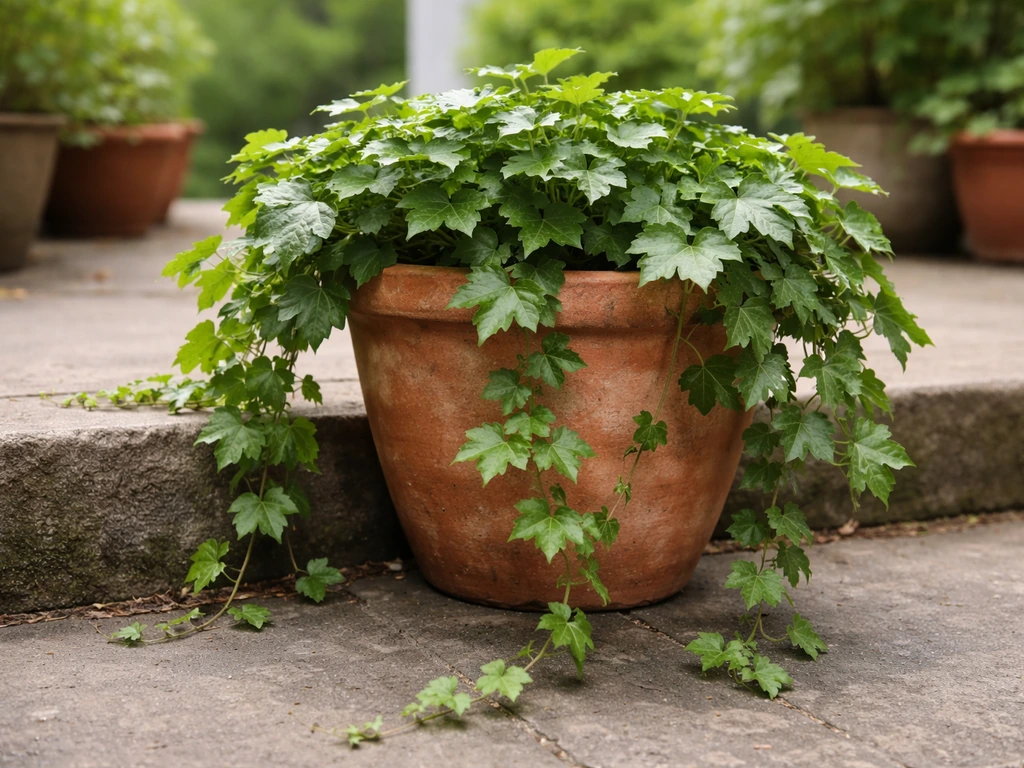
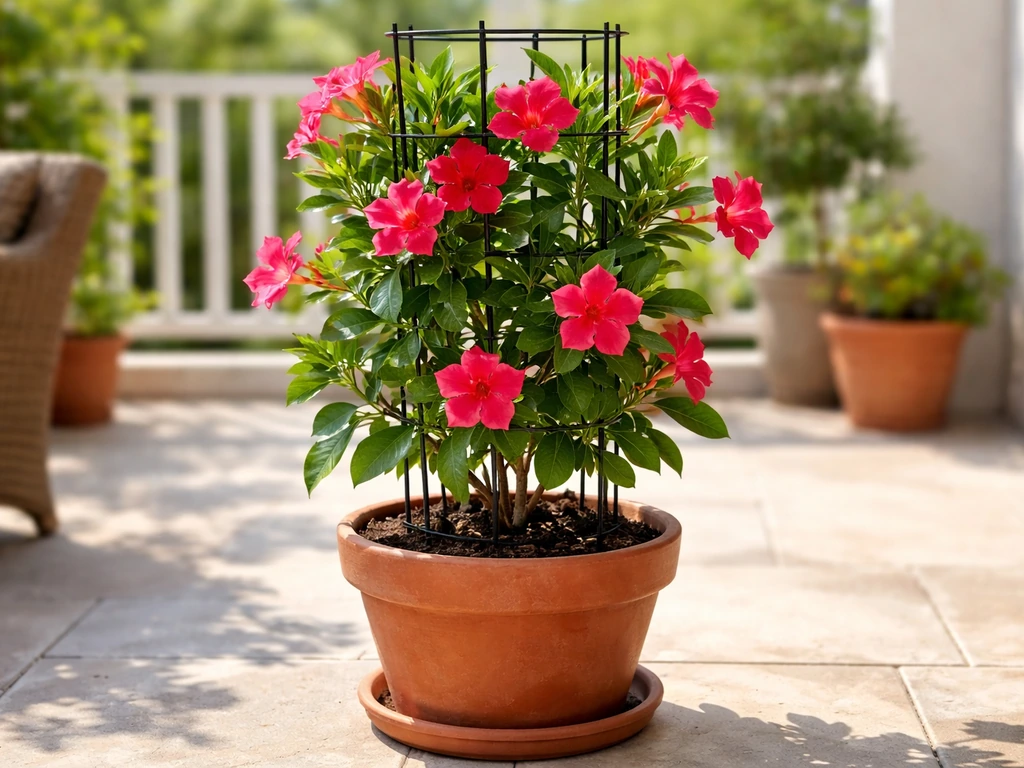
If you're starting today, here's the simplest path forward: grab a couple of annual vinca starts from your local nursery, pick a pot at least 10 to 12 inches wide with good drainage holes, fill it with a quality potting mix blended with a little extra perlite, and set it in your sunniest spot. Water it in, then back off and let it dry between waterings. Feed it weekly with a diluted balanced fertilizer, and it will reward you with flowers from late spring all the way until frost. It's genuinely one of the easiest, most heat-tough flowering plants you can grow in a container. If you also want a shrub option, you can use the same container thinking to learn how to grow ixora in pots next. If you want to keep the plant blooming longer, follow the watering and light tips above for annual vinca in pots. If you want another container vine to try, learn how to grow mandevilla in pots for big, dramatic blooms. If you enjoy the trailing look, ground vinca works beautifully as a spiller in a mixed planter alongside upright flowers, much like you'd use trailing ivy or violas to fill out the edges of a larger pot. If you're specifically interested in violets, you can also learn how to grow violets in a pot using a similar container setup and consistent light and moisture trailing ivy or violas. If you want the look of trailing ivy, learn how to grow ivy in a pot by focusing on the right container, soil, and consistent watering.
FAQ
Can I grow annual vinca in a pot outside year-round?
Usually not. Annual vinca is frost sensitive, so keep it outdoors only after temperatures stay reliably warm. In cold climates, treat it as a seasonal plant, or take cuttings late in the year to overwinter indoors (warm location, bright indirect light).
How often should I water vinca in pots during hot summer?
Check the potting mix first. A good rule is to water only after the top inch dries, then water deeply until it drains out. In long heatwaves with strong sun and wind, you may end up watering more frequently than you expect, but don’t “schedule” watering if the mix is still moist.
Why is my vinca blooming less even though it gets sun?
Most often it is underfeeding or inconsistent watering. Pots lose nutrients quickly, so use slow-release at planting and then a diluted balanced liquid feed during the growing season. Also confirm it is not staying too wet, because root stress can reduce flowering.
What pot size is best if I want fewer plants but a fuller look?
Use wider containers. A single annual vinca does fine in about an 8 to 10 inch pot, but for a dense, showy container, go to 12 inches and plant two or three plants spaced about 6 inches apart.
Do I need to deadhead annual vinca in containers?
Usually no, spent flowers drop on their own. If blooms slow or the plant looks tired, a light trim (about one-third) helps reset growth and can be paired with a fertilizer boost to restart flowering.
Can I use a cachepot with a decorative outer pot?
Yes, as long as you prevent standing water. Place the vinca in a draining nursery pot inside the decorative shell, then remove the inner pot or tip out any water collected in the outer layer after watering.
Is gravel at the bottom of the pot helpful for drainage?
No. A gravel layer can actually worsen drainage by holding extra moisture in the container. Better drainage comes from using a quality potting mix and improving aeration with perlite.
What potting mix should I avoid?
Avoid garden soil and anything that compacts hard in containers. Use a commercial potting mix, optionally amended with about 20 to 25 percent perlite for extra air space, especially if your climate stays humid or you water often.
My seedlings collapsed at the soil line, what happened?
That sounds like damping off, which is caused by overly wet conditions and low airflow around seedlings. Let the surface dry slightly between waterings, avoid excessive moisture, and keep the germination area warm (roughly 70 to 72°F) with darkness until they sprout.
How do I tell annual vinca from ground vinca when shopping?
Annual vinca (Catharanthus roseus) is the compact, heat-loving bloomer, often sold as colorful bedding plants. Ground vinca (Vinca minor/major) is a trailing evergreen used more for groundcover, and in pots it tends to spill and sprawl rather than form a tight flowering mound.
Why do my leaves get webbing or look dusty in summer?
Spider mites are common in hot, dry conditions. Check leaf undersides regularly, rinse the plant if you see them, and consider targeted treatments like insecticidal soap or a miticide or neem oil product, following label directions.
What should I do if my vinca suddenly wilts and won’t recover?
If wilting persists even when the soil is moist, it may be a fungal wilt issue or severe root rot. The safest move is to remove the plant, discard the old soil, and replant in fresh, clean potting mix rather than trying to salvage it.
Can I overwinter annual vinca by taking cuttings instead of buying new plants?
Yes. Take 4 to 6 inch stem cuttings from healthy tips, remove lower leaves, root them warm (above 65°F) in moist mix or water with bright indirect light, then keep them growing indoors over winter until spring.