Portulaca is one of the easiest flowers you can grow in a pot, and it genuinely thrives on neglect. Give it a small container, gritty soil, full sun, and minimal water, and it will reward you with nonstop jewel-toned blooms all summer long. The biggest mistakes people make are overwatering it and giving it shade, both of which shut the flowers down fast. Get those two things right and you're mostly there.
How to Grow Portulaca in Pots: Step-by-Step Care

Marcus Whitley
7 Jun 2026
Choose the right portulaca type for pots
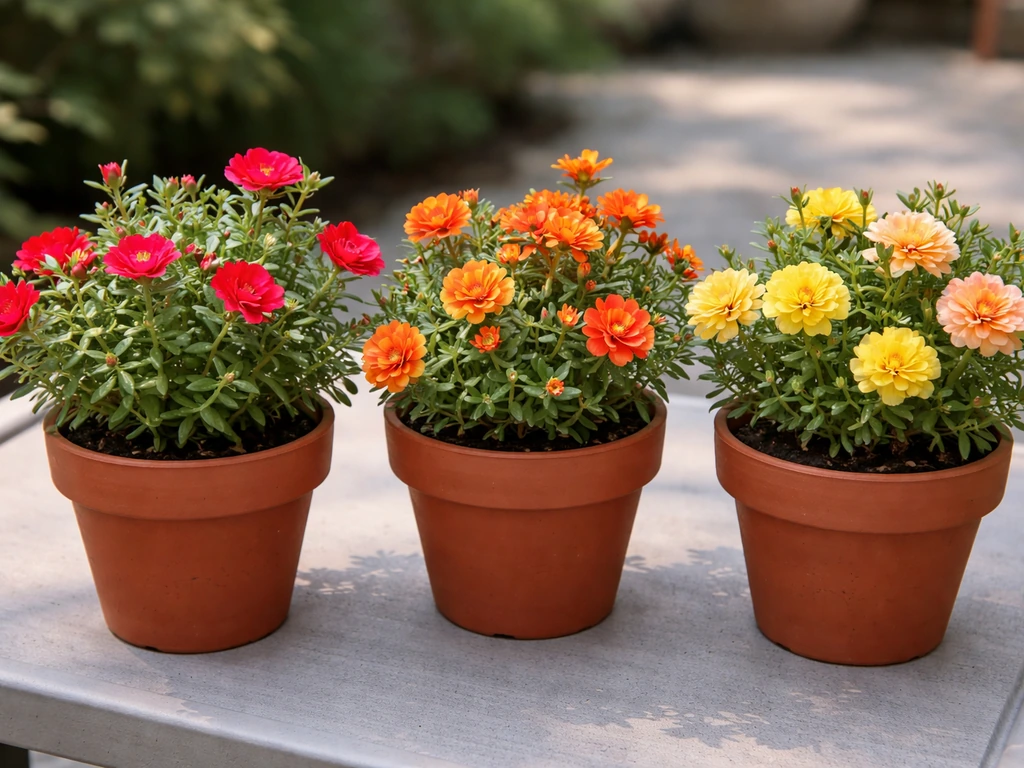
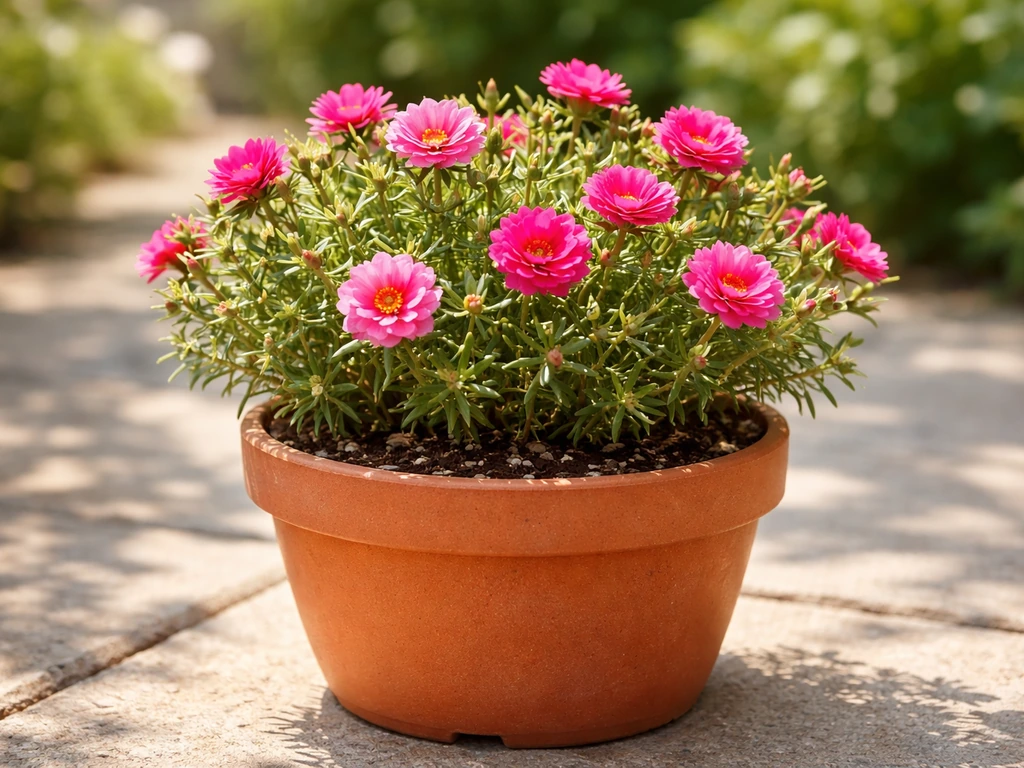
The portulaca you want for pots is almost certainly Portulaca grandiflora, commonly called moss rose. It's the showy one with silky, rose-like blooms in shades of red, orange, yellow, pink, white, and bi-colors. It grows low and spreading, typically 3 to 12 inches tall and up to 24 inches wide, which makes it perfect for the edges of containers where it can spill over the sides. You'll also find it sold in hanging baskets, and it works beautifully there.
Within the Portulaca grandiflora world, there are single, semi-double, and fully double flower forms. The doubles look lush and almost peony-like. If you want flowers that stay open longer during the day, look for series like Heatwave or Sundial, which are bred specifically to stay open in extreme heat and for longer daily periods. Standard portulaca opens in the morning sun and closes in the evening, so if that bothers you, those heat-tolerant series are worth seeking out.
You may also come across Portulaca oleracea (common purslane) and Portulaca umbraticola. Purslane is edible and grows as a mat-forming, prostrate plant, while umbraticola has larger, more rounded leaves. Both can work in pots but produce smaller, less showy flowers than grandiflora. If your goal is a colorful flowering display, stick with Portulaca grandiflora. If you're growing for edible greens or a ground-cover look, purslane is a fine low-maintenance option.
One more thing worth knowing: portulaca is frost-tender and only survives year-round in USDA zones 10 and 11. Everywhere else, treat it as a summer annual and plan to replant each season. That's not a problem at all for container gardeners since you can start fresh each year without any guilt.
Pot size, drainage, and container setup
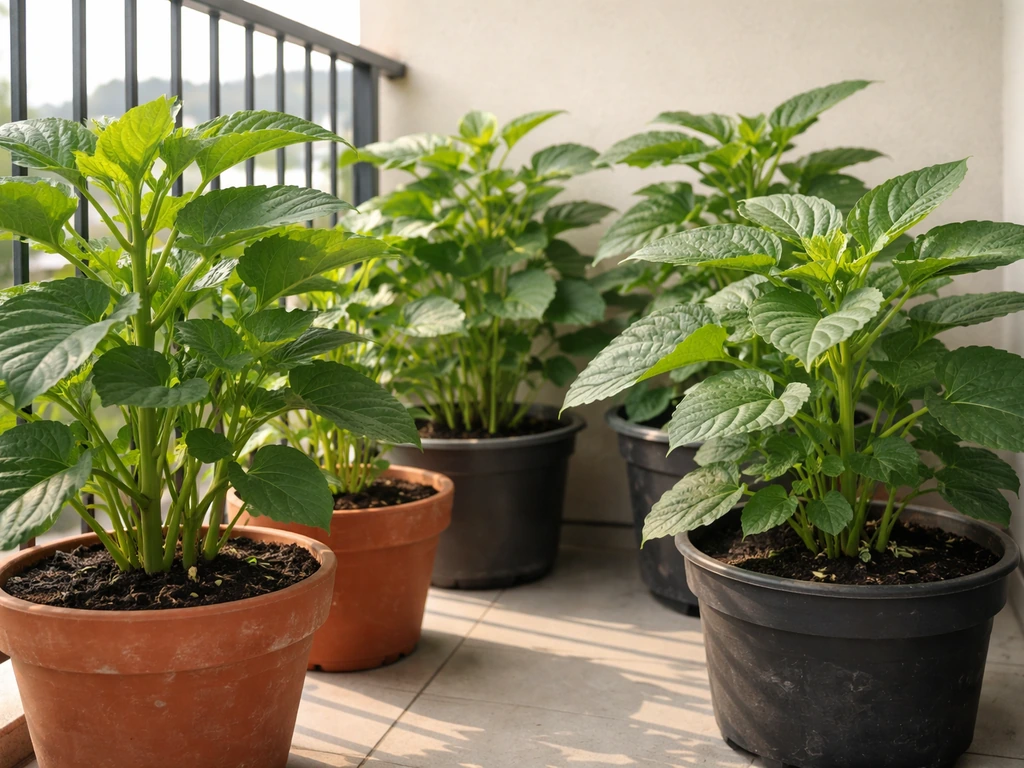
For a single portulaca plant, a blank" rel="noopener noreferrer">10 to 12-inch container is a solid starting point. You can use the same pot-size, drainage, soil mix, and light rules here to figure out how to grow callaloo in pots. If you want a fuller, trailing display or plan to group several plants together, a wider pot or a window box works great. Portulaca doesn't have deep roots, so you don't need a super tall pot. Wide and shallow beats narrow and deep for this plant.
Drainage is non-negotiable. Portulaca is a succulent-leaved plant that rots quickly in soggy conditions, so your container must have at least one drainage hole at the bottom. No exceptions. If the pot you love doesn't have a hole, drill one. Don't rely on a gravel layer at the bottom as a substitute, because research has actually shown that gravel can create a perched water table effect that keeps moisture sitting near the roots longer, which is the opposite of what portulaca needs.
Terra cotta pots are an excellent choice here because unglazed clay is porous and helps wick moisture away from the soil, drying things out faster between waterings. Plastic and glazed ceramic pots retain moisture longer, which can work fine if you're disciplined about not overwatering, but they're less forgiving if you tend to water by habit rather than by checking soil dryness. If you do use a saucer under your pot, empty it after watering so the roots aren't sitting in standing water.
A simple but effective setup: cover the drainage hole with a piece of mesh or a coffee filter before adding soil. This keeps the growing medium from washing out while still letting water drain freely.
Soil mix and planting method
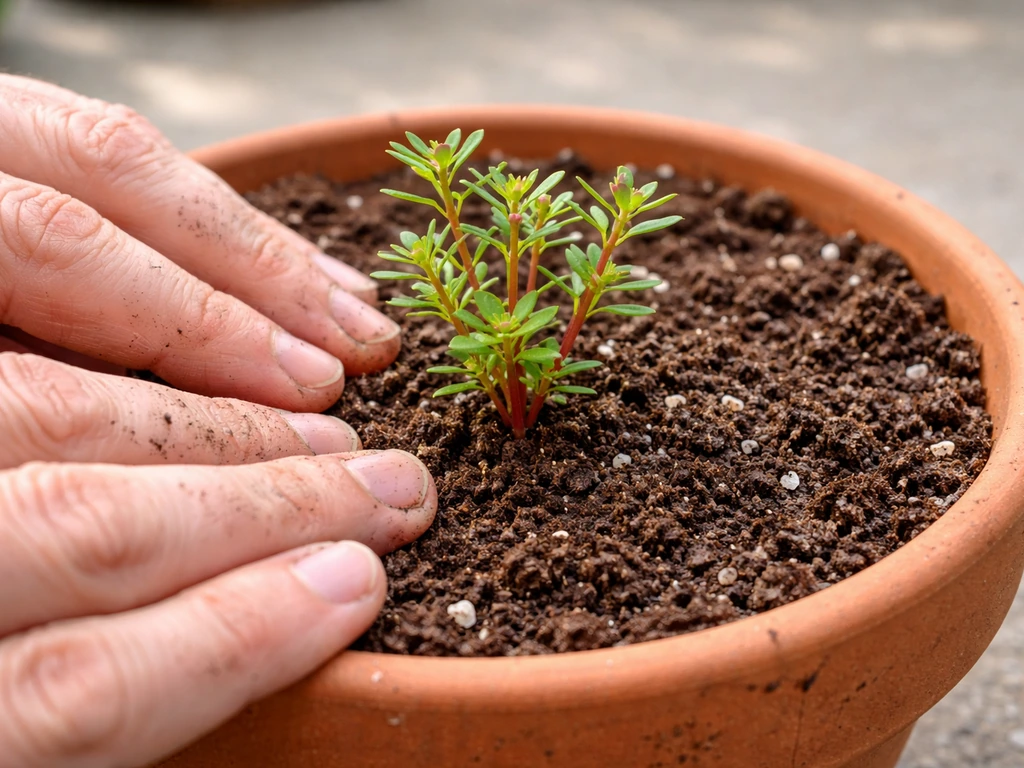
Never use yard soil or garden soil in a container. It compacts, drains poorly, and can introduce pests and diseases. Instead, start with a commercial potting mix and then amend it to drain even faster. A good target ratio is roughly two parts potting mix to one part perlite or pumice. Perlite is the small white granules you see in bagged potting soil, and adding more of it creates air pockets that help water move through quickly and prevent the soggy conditions portulaca hates. The ideal soil pH for portulaca grandiflora is between 5.5 and 6.5, which most quality potting mixes will land in naturally.
You can start portulaca from seed or from plugs and cuttings, and the approach makes a real difference in timing and effort.
Starting from seed
Portulaca seeds are tiny, almost dust-like, and they need light to germinate. Do not bury them. Press them gently onto the surface of moist potting mix and leave them uncovered. Soil temperature needs to be at least 70 to 75°F for germination to happen reliably, with 85°F being the upper ideal range. If you're starting seeds indoors, a heat mat helps. Outdoors, wait until the soil is genuinely warm, typically late spring, before direct sowing. Planting when the soil is still cool will stunt young plants even if the air warms up later. Germination usually takes 10 to 14 days.
Starting from plugs or cuttings
Buying portulaca as a plug or small transplant from a garden center is the easier and faster route, especially for beginners. You'll skip the germination gamble and get blooming plants sooner. Cuttings also root easily in moist potting mix during warm months. Just snip a 3 to 4-inch stem, remove the lower leaves, and press it into damp soil. Either way, plant after your last frost date when nighttime temps are consistently above 50°F.
Light, temperature, and watering schedule
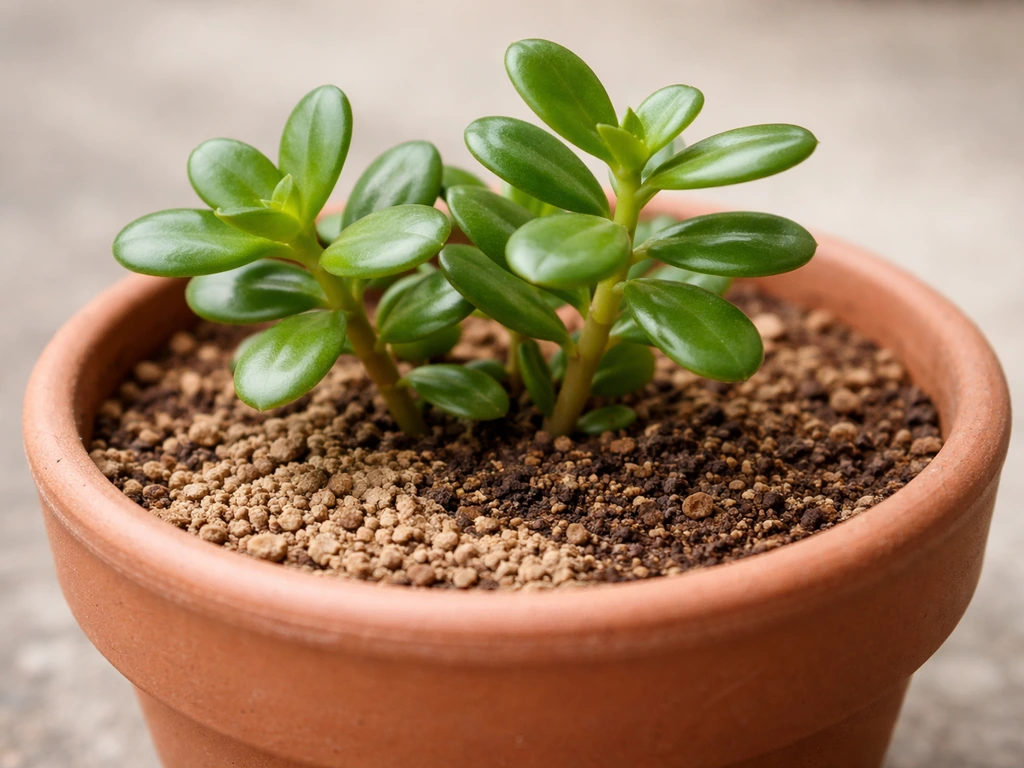
Portulaca wants full sun, meaning at least 6 to 8 hours of direct sunlight daily. It can tolerate partial shade, but fewer flowers will open and the plant becomes leggy and loose. If you have a south or west-facing balcony, rooftop, or sunny patio, portulaca will be happier there than almost any other flowering plant. It has very high heat tolerance and genuinely thrives in conditions that would melt other annuals. Compared to shade-lovers like coleus or caladiums, portulaca is on the opposite end of the spectrum and loves the hottest spots you can offer it. If you want a warmer, more lush alternative to portulaca, coleus is a great pot plant to learn alongside these tips coleus in pots.
For watering, the approach is: water deeply, then let the soil dry out before watering again. When you water, do it thoroughly until water runs out of the drainage hole. Then leave it alone. In hot summer weather, that might mean watering every 5 to 7 days for a terra cotta pot or every 7 to 10 days for plastic. Check the top inch or two of soil with your finger. If it still feels damp, wait. If it's dry, water. Portulaca stores water in its fleshy leaves and stems, so it can handle a missed watering much better than it can handle constant moisture.
Temperature-wise, portulaca thrives between 70 and 100°F. It handles scorching hot days well, which is part of why it's such a great choice for exposed urban containers. It starts to struggle below 50°F and will be killed by frost. If an unexpected cold snap is forecast and your plants are young, move the pots indoors overnight or cover them.
Fertilizing and pest/disease prevention
Here's a place where less is genuinely more. Portulaca evolved in poor, low-fertility soils and actually flowers better when it's not overfed. Too much nitrogen pushes leafy growth at the expense of blooms. If you're using a decent potting mix, you may not need to fertilize much at all. If you do want to feed, a diluted balanced liquid fertilizer (something like a 10-10-10) applied once a month at half the recommended strength is plenty. Avoid heavy, nitrogen-rich feeds.
On the pest front, portulaca is largely problem-free. It doesn't attract many insects. Aphids can occasionally appear, especially on new growth, and they're easy to knock off with a strong spray of water or treat with insecticidal soap if needed. The bigger risk is disease, specifically crown rot and root rot from wet soil. These are fungal problems caused by overwatering and poor drainage, not by any particular pathogen you need to worry about finding. The prevention is simply keeping the soil from staying soggy. Good airflow around the pot helps too, so avoid cramming it into a corner with no circulation.
Deadheading, pruning, and encouraging continuous blooms
Portulaca is largely self-cleaning, meaning spent blooms drop off on their own and the plant continues to produce new flowers without much intervention. That said, if you notice the plant starting to look scraggly or flower production slowing down in mid-summer, it's time for a light trim. Many gardeners skip deadheading portulaca entirely and still get great results, but giving it attention pays off.
If stems are getting long and leggy with few flowers, shear the plant back by about a third in mid-summer. Use clean scissors or pruning shears and cut above a leaf node. This stimulates branching and pushes out a fresh flush of blooms within a couple of weeks. It feels a bit brutal the first time you do it, but portulaca responds really well and comes back bushier and fuller.
Pinching off spent blooms regularly (deadheading) can also encourage the plant to keep pushing new flowers instead of putting energy into setting seed. It's optional with portulaca but helpful if you want maximum bloom output. Just pinch or snip the faded flower heads off at the base of the bloom.
Troubleshooting common pot problems
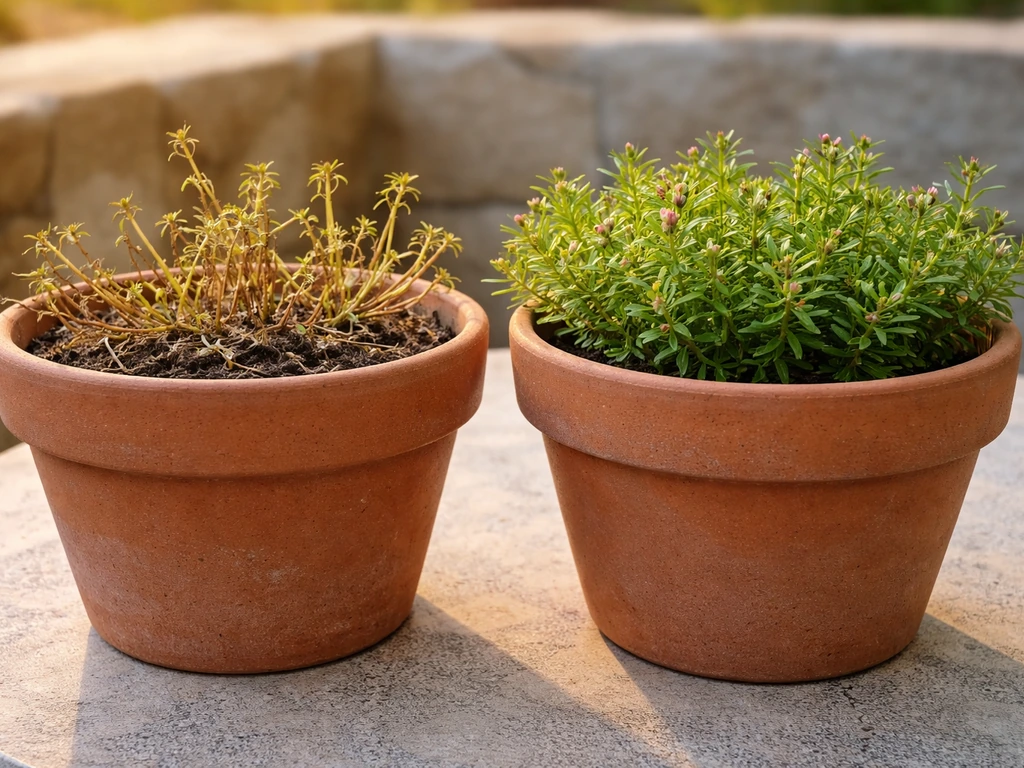
Even with good care, things can go sideways. Here's what to look for and what to do about it.
| Problem | Likely Cause | Fix |
|---|---|---|
| Leggy stems, sparse flowers | Not enough sun or needs mid-season pruning | Move pot to a sunnier spot; shear back by a third to stimulate branching |
| Few or no flowers opening | Shade, overfeeding with nitrogen, or flowers only open in sun | Ensure 6+ hours of direct sun; reduce fertilizing; check if flowers are just closing at night |
| Yellow leaves, mushy stems, rot at base | Overwatering or poor drainage | Let soil dry completely; check drainage hole is clear; repot in grittier mix if needed |
| Wilting despite moist soil | Root rot from soggy conditions | Ease off watering immediately; trim any rotted roots and repot into fresh, fast-draining mix |
| Wilting with dry, pulling-away-from-pot soil | Underwatering (rare but possible in extreme heat) | Water deeply until it drains from the bottom; allow the full drink before checking again |
| Stunted seedlings that won't grow | Planted when soil was too cool, or seeds buried too deep | Wait for soil temps above 70°F; press seeds onto the surface and don't cover them |
| Scorched or bleached patches on leaves | Extreme heat combined with reflected surfaces, or sunburn after moving from shade to full sun | Transition plants gradually to full sun over a week; ensure adequate watering in extreme heat above 100°F |
| Aphid clusters on new growth | Pest infestation | Spray with strong water jet; apply diluted insecticidal soap if needed |
The most common problem by far is overwatering. If you can honestly say you water it only when the soil is dry, you've already solved about 80% of the issues portulaca faces in containers. Everything else is minor and correctable. Don't be discouraged if your first pot doesn't go perfectly. Portulaca is forgiving and fast-growing, and a mid-summer reset with a trim and fresh soil can turn a struggling plant around quickly.
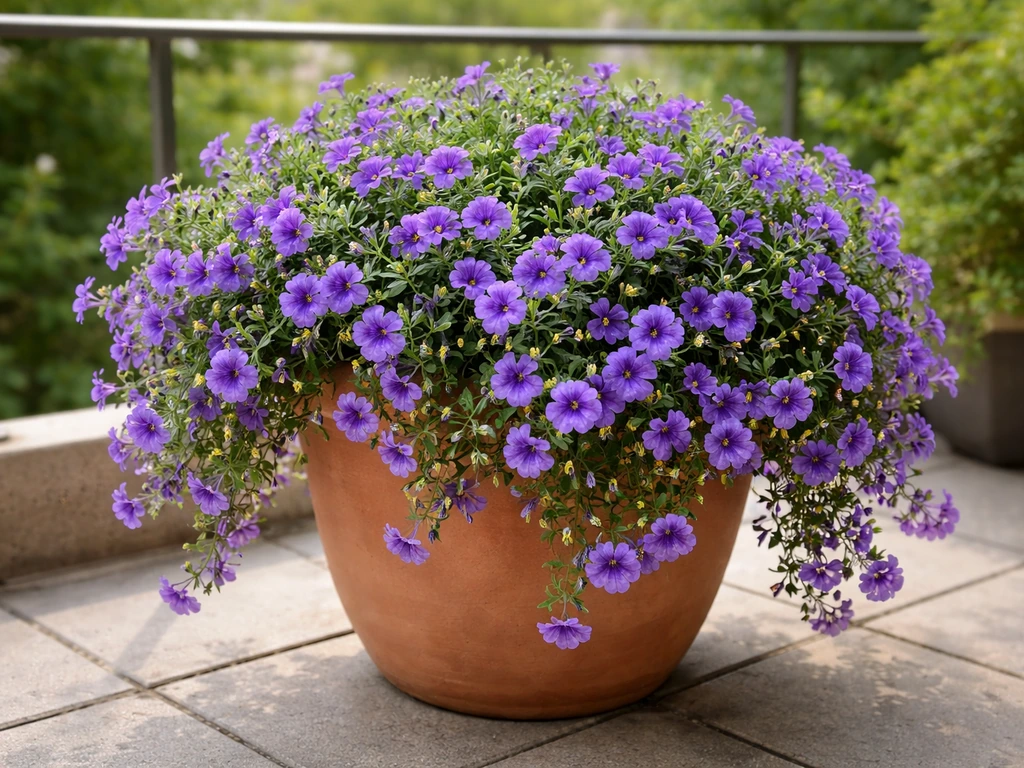
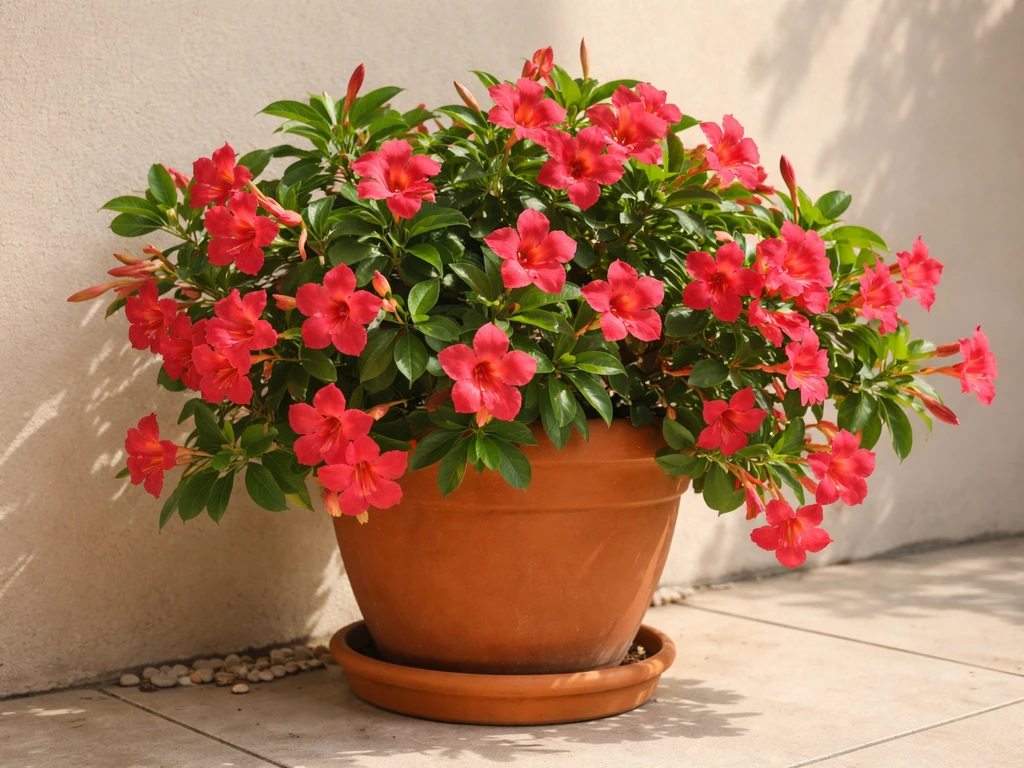
If you enjoy growing low-maintenance, heat-loving plants in pots, portulaca pairs naturally with a summer container lineup. Chrysanthemums in pots do best with bright light, well-draining soil, and a consistent watering rhythm so the roots never stay soggy how to grow chrysanthemums in pots. It shares the sun-loving, minimal-fuss approach of calibrachoa, which is another excellent trailing annual for hot, exposed spots, though calibrachoa needs more water than portulaca. Calibrachoa is also great in pots, but its watering needs are a bit more consistent than portulaca’s how to grow calibrachoa in pots. Dipladenia is another heat-tolerant container choice that does well in similar conditions if you want height and tropical drama alongside your portulaca. The point is, once you've got the hang of the sun-and-dry-soil philosophy, a whole range of heat-tolerant container plants opens up to you. If you want a similar low-fuss, container-friendly tropical vibe, you may also want to learn how to grow colocasia in pots.
FAQ
Can I grow portulaca in a pot with no drainage hole if I add gravel at the bottom?
No. Portulaca is very prone to crown rot and root rot when moisture lingers. Gravel does not fix the problem because it can create a higher-moisture “perched” zone. Use a container with at least one real drainage hole, or drill one. If you must use an inconvenient pot, treat it as a decorative cover and place the plant in a plastic nursery pot with drainage inside the cover.
How do I tell if the soil is dry enough to water portulaca in pots?
Don’t rely on the pot surface. Check the top 1 to 2 inches. If that layer still feels cool or damp, wait. If it feels dry and lighter in weight than usual, water thoroughly until water runs out of the drainage hole, then stop.
What size pot should I use for portulaca if I want it to trail over the edges?
Use wide, shallow containers rather than tall ones. For single plants, a 10 to 12 inch pot works well. For a fuller trailing display, choose a wider pot or window box so you have room for multiple crowns to spread and spill. A deeper pot usually stays wet longer and increases rot risk.
Does portulaca need fertilizer to bloom well?
Usually it does not. If your mix is decent, skip feeding or keep it minimal. Overfertilizing, especially with nitrogen, tends to increase leaf growth and reduce flowers. If you feed, use a diluted balanced liquid once a month (half-strength) and stop if you see the plant getting lush but less floral.
Why are my portulaca flowers staying closed or dropping off?
Most closed-flower complaints come from insufficient sun or cool conditions. Portulaca needs at least 6 to 8 hours of direct light, and it performs best when temperatures are consistently warm. Also check watering and soil drainage, because repeated soggy conditions can stress the plant and disrupt blooming.
Should I deadhead portulaca in pots for better blooming?
It is optional because many types self-clean by dropping spent blooms. Deadheading can still help if you want maximum bloom output or if the plant looks scraggly mid-season. Snip or pinch faded flowers at the base of the bloom, and pair it with a light trim if growth gets leggy.
My portulaca got leggy and has fewer flowers. What should I do?
Shear it back by about a third in mid-summer and cut just above a leaf node. This encourages branching and usually produces a fresh bloom flush within a couple of weeks. If the pot is in partial shade, move it to a hotter, brighter spot first, since leggy growth often tracks low light.
Can I start portulaca from seed indoors and transplant to containers?
Yes, but keep seedlings warm. Seeds need light to germinate, so they should be pressed onto the surface of moist mix and left uncovered. Use a heat mat to maintain roughly 70 to 75°F or warmer, and only transplant outdoors after nights stay above 50°F. Cold snaps after transplant can stunt or kill young plants.
How often should I water portulaca during heat waves?
Expect more frequent watering than early summer, but still only when the soil has dried. Terra cotta typically dries faster (often every 5 to 7 days in extreme heat), while plastic can take longer (often 7 to 10 days). The best rule is soil dryness checks, not the calendar.
What’s the best soil mix for portulaca in pots?
Use a quality potting mix and make it drain faster. A common target is about two parts potting mix to one part perlite or pumice. Avoid yard soil or garden soil because it compacts and holds moisture, raising the chance of rot. Also make sure the container is not overfilled, since a compacted top layer can block drying.
Do I need to bring portulaca indoors in fall?
Portulaca is frost-tender and only survives year-round in very warm areas (commonly USDA zones 10 to 11). In most regions it is treated as a summer annual. If you have a sudden cold snap forecast when plants are young, you can move pots indoors overnight or cover them to prevent frost damage.
How can I prevent crown rot in potted portulaca?
The prevention strategy is simple: never leave the pot sitting in water, ensure reliable drainage, and avoid frequent light watering. Water deeply only after the soil dries in the top inches, empty any saucer after watering, and give the pot some airflow so it dries out faster.
Will portulaca come back the next year if I keep it in the same pot?
In climates that get frost, it usually will not reliably overwinter, even if it looks fine for a while. Most container gardeners replant each season with fresh soil to reset drainage and reduce disease risk. If you do want to try to overwinter indoors, expect reduced blooming under lower light and keep watering very sparingly.