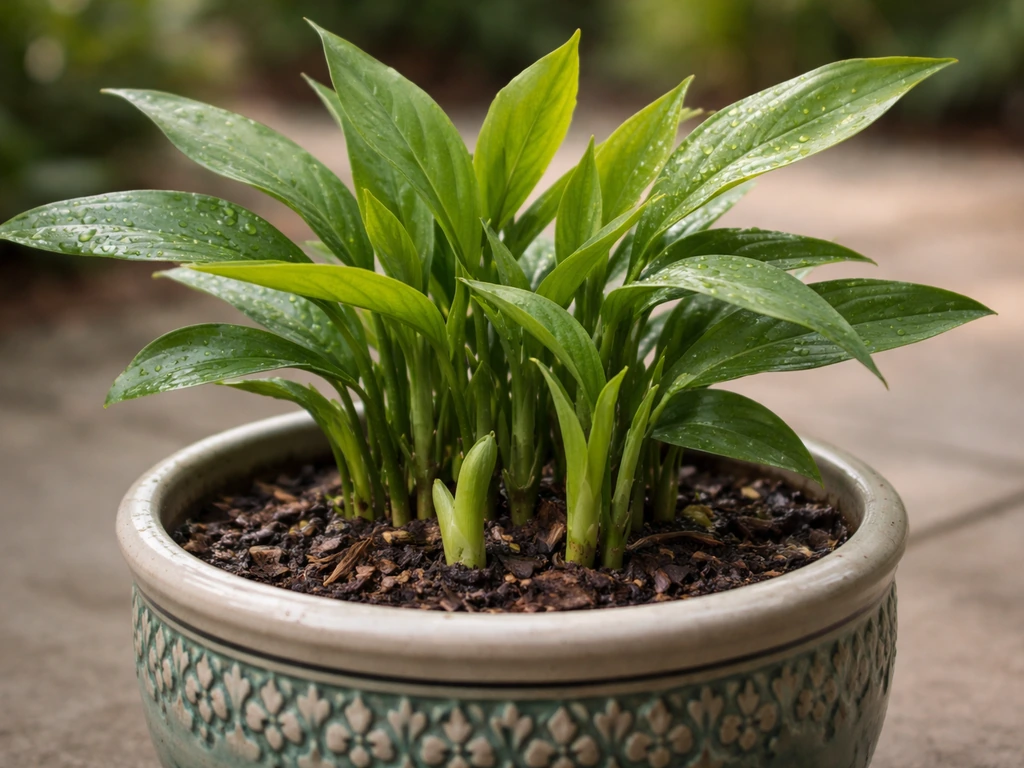
Betel leaf (Piper betle) grows really well in pots, and it's one of those plants that actually prefers the cozy, controlled environment a container gives it. If you want, I can walk you through how to grow elephant ears in a pot, including the best container size, soil mix, and watering schedule. You don't need a garden bed or a lot of space.
How to Grow Betel Leaf Plant in Pot: Step-by-Step Guide
Marcus Whitley
23 May 2026
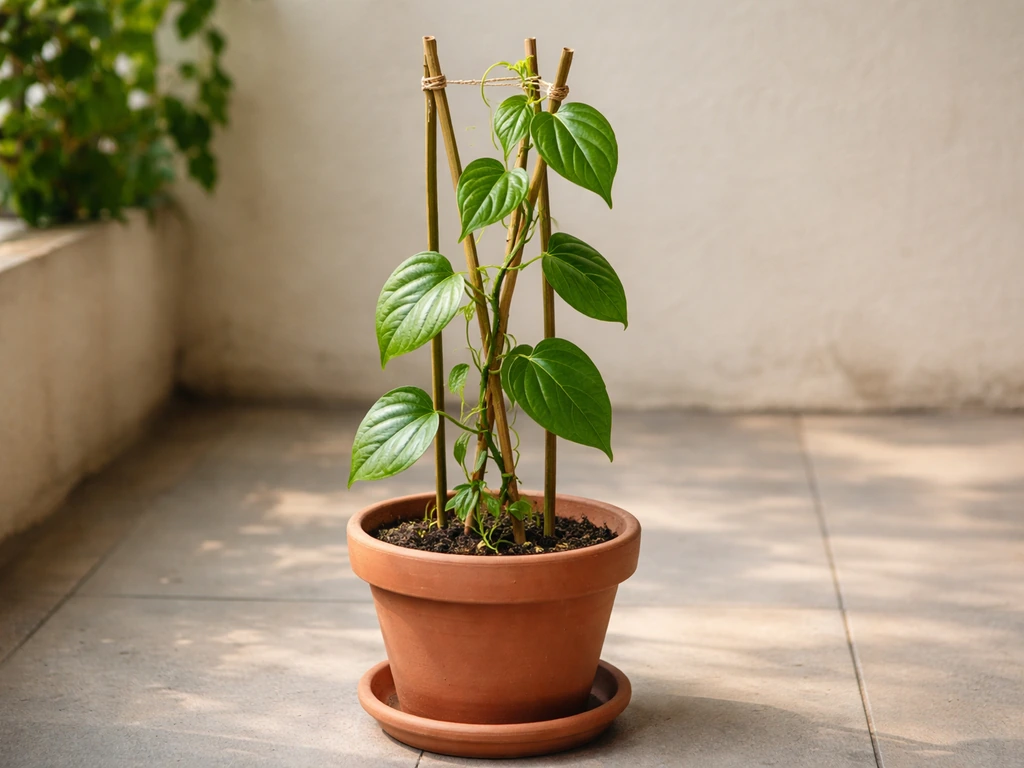
A single pot on a balcony, patio, or even a bright indoor corner is genuinely enough to get a healthy, producing plant. If you want to grow something similar in containers, learning how to grow a henna plant in pot will help you nail the right pot, soil, and light for healthy growth how to grow henna plant in pot. The key things to get right are a deep enough pot with good drainage, a rich but well-aerated soil mix, some kind of support for the vines to climb, and a spot that's warm and humid without being blasted by harsh direct sun.
Yes, betel leaf really does thrive in pots
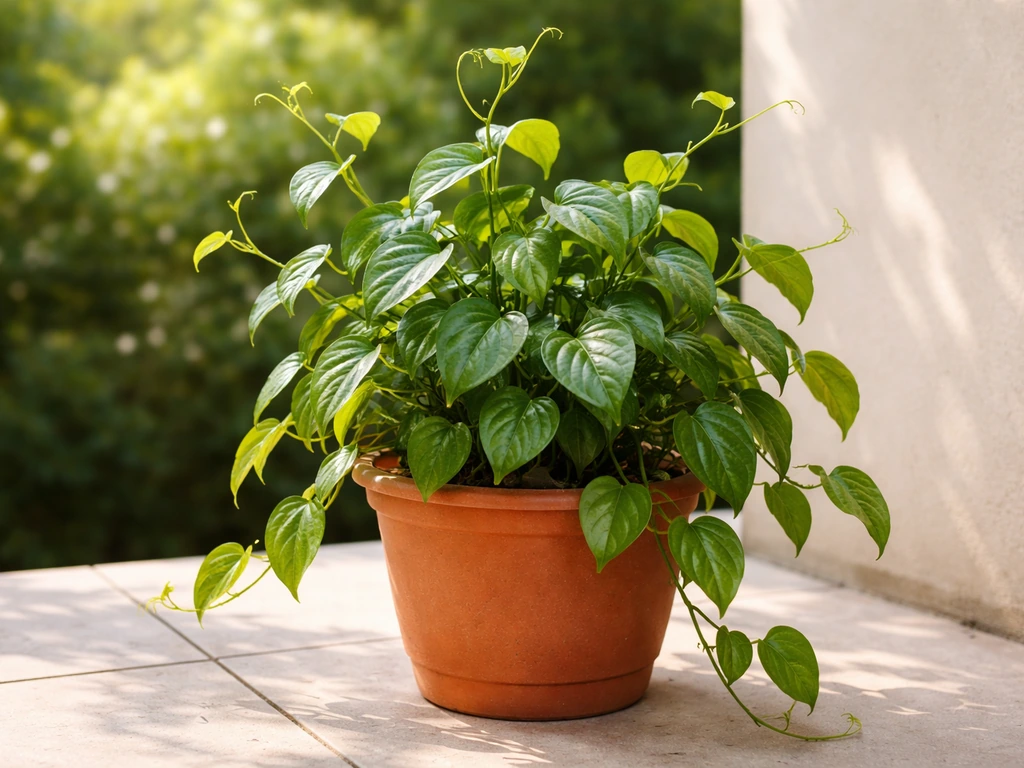
I'll be honest: betel leaf is one of the easier tropical vines to container-grow once you understand its personality. If you also want to know how to grow elaichi in pot, focus on choosing the right container, warm conditions, and consistent watering container-grow. It's a climbing plant (a vining habit similar to money plant or pepper), so it doesn't sprawl outward the way a tomato or zucchini does. It grows upward, which means even a small balcony works perfectly as long as you give it something to climb. One mature plant in a 12-to-16-inch pot with a bamboo stake or small trellis is entirely manageable.
In tropical climates, betel leaf can stay outdoors in its pot all year. In temperate or cooler regions, you can still grow it successfully in a pot almost all year by bringing it indoors during cold months. This is actually one of the strongest arguments for container growing: you control the environment. A potted betel plant is far easier to protect from cold snaps than one planted in the ground.
Space-wise, plan for one plant per pot. Betel leaf vines can grow quite vigorously once established, and cramming two plants together in the same container just leads to root competition and slower growth for both. One healthy plant in the right pot will give you a steady supply of leaves without needing much room at all.
Skip the seeds, start from cuttings
Betel leaf seeds are notoriously tricky to find, slow to germinate, and honestly not worth the hassle for a home gardener. Cuttings are the way to go, and they root so readily that this is what virtually every experienced grower recommends. If you have a neighbor, friend, or local nursery with a betel plant, ask for a few stem cuttings. Online plant shops and ethnic grocery stores in South and Southeast Asian communities are also good places to source starter cuttings or young plants.
For the cutting itself, look for a healthy stem about 4 to 6 inches long with at least two or three leaf nodes (the little bumps or joints where leaves grow from). Snip just below a node at the bottom. Strip off the leaves from the lower half of the cutting, leaving just one or two leaves at the top. You can root cuttings directly in moist potting mix or in a glass of water first. I've had better luck planting directly into soil, water rooting sometimes leads to mushy stems if you're not careful about transferring at the right time.
If you buy a young plant that's been shipped, give it a few days to recover from transport stress before repotting or disturbing the roots. Put it in a warm, bright spot out of direct sun, keep the soil lightly moist, and let it settle in. Transplant shock is real with betel leaf, and a little patience here pays off.
Choosing the right pot, drainage setup, and location
Pot size and drainage
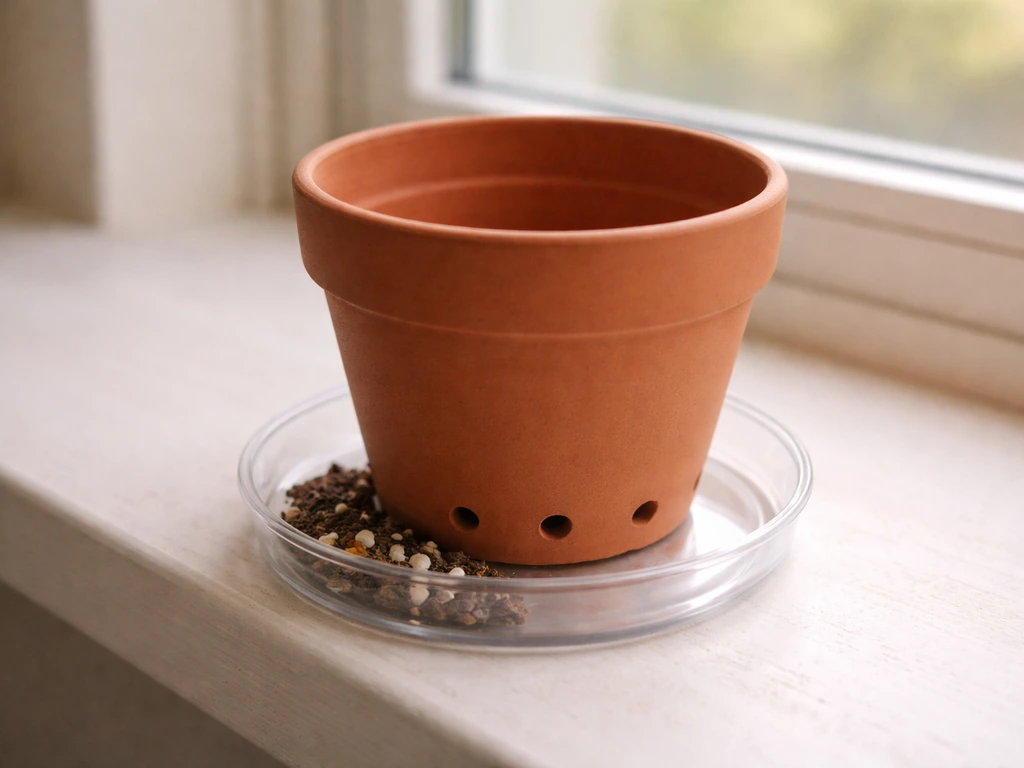
Go with a pot that's at least 12 inches wide and 12 inches deep. I'd actually recommend going slightly larger, a 14-to-16-inch pot gives the roots room to spread and helps the plant stay hydrated between waterings without drying out too fast. Terracotta pots are beautiful but they dry out quickly, which is a problem for moisture-loving betel leaf. A plastic or glazed ceramic pot retains moisture better and is usually the smarter choice here.
Drainage is non-negotiable. Betel leaf needs consistently moist soil, but sitting in waterlogged soil will rot the roots fast. Make sure your pot has at least two or three drainage holes at the bottom. Don't use a saucer that holds standing water permanently, if you want to use a saucer for aesthetics, empty it out after watering. A layer of coarse gravel or broken pot shards at the bottom of the container before you add soil helps drainage flow freely.
Light, heat, and humidity
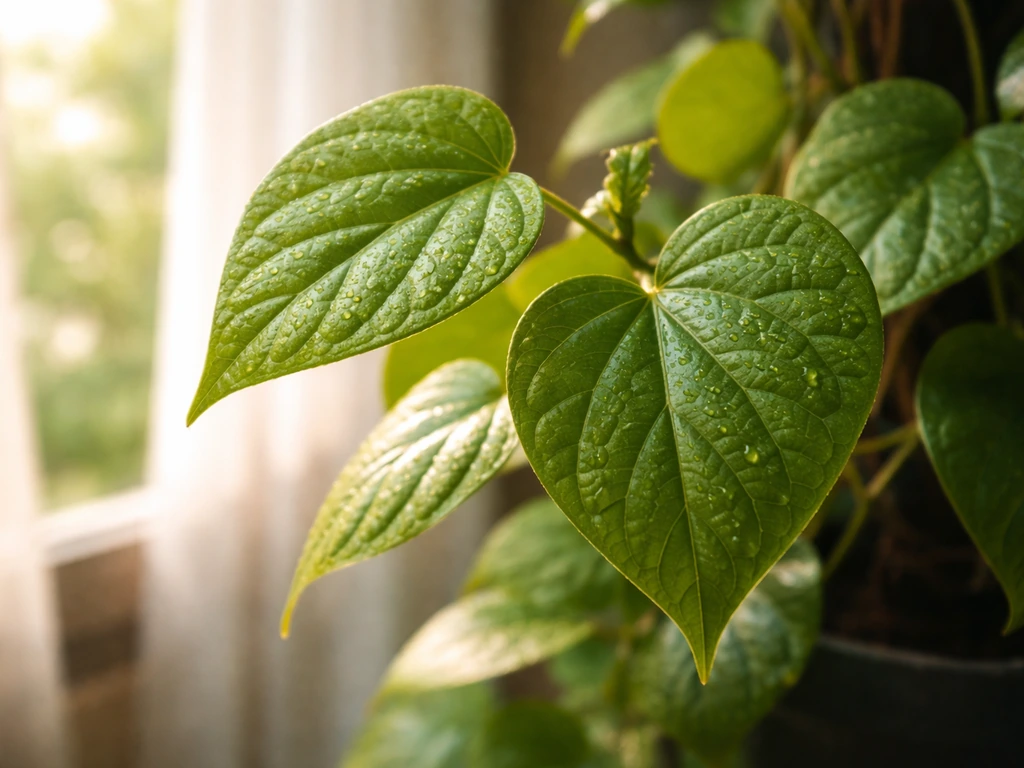
Betel leaf is described as a shade-loving plant, which catches a lot of people off guard. It doesn't mean it wants to sit in a dark corner, it means it genuinely hates harsh, direct afternoon sun. Think of the light you'd find under a large tree in the tropics: bright but filtered. Indoors, a spot near an east-facing window is ideal. Outdoors, morning sun with afternoon shade is the sweet spot. If your only option is a south- or west-facing spot, use shade cloth or position the pot where a wall or larger plant filters the harshest rays.
Temperature-wise, betel leaf is a tropical plant that wants warmth. It does best between 65°F and 95°F (18°C to 35°C). Below 50°F (10°C), growth slows dramatically and leaves can start dropping. If you're in a cooler climate, bring the pot indoors before temperatures drop in autumn and keep it in the warmest, brightest room you have.
Humidity is where container growers often struggle. Betel leaf loves humidity. Indoors in a dry climate or during winter heating season, the air can get far too dry. Group your pot with other plants to create a microclimate, mist the leaves every couple of days, or set the pot on a tray filled with pebbles and water (the pot sitting above, not in, the water). A small humidifier nearby works brilliantly if you're serious about indoor growing.
The best potting mix for betel leaf in a container
This is where a lot of beginners go wrong, they grab whatever generic potting mix is at the garden center and wonder why the plant looks sad after a few weeks. Betel leaf wants rich, loamy, moisture-retaining soil that also drains well. That sounds contradictory, but the secret is in the blend.
Here's the mix I'd recommend building from scratch:
- 50% good quality potting mix or loamy garden soil
- 25% compost or well-rotted cow manure (for richness and moisture retention)
- 15% coco coir or peat moss (for moisture retention and aeration)
- 10% coarse river sand or perlite (to keep drainage moving)
Mix these together thoroughly before filling the pot. The finished mix should feel spongy and moist when you squeeze a handful, not compacted into a muddy ball. If you're in a pinch and can't build a custom mix, buy a tropical plant potting mix and add a generous handful of perlite and compost to each pot, that gets you close enough for a good start.
Betel leaf prefers a slightly acidic to neutral soil pH, roughly 6.0 to 7.0. Most good potting mixes fall in this range naturally, so you usually don't need to fuss with pH adjustments unless you notice persistent problems later.
Planting your cutting and caring for it in the early weeks
- Fill your pot with the prepared mix, leaving about an inch of space at the top.
- Make a small hole in the center about 2 to 3 inches deep with your finger or a pencil.
- Insert the cutting (stripped lower end) into the hole, burying at least one node below the soil surface.
- Firm the soil gently around the cutting so it stands upright.
- Water slowly and thoroughly until water drains from the bottom — then stop.
- Place the pot in a warm, bright-but-indirect-light spot and insert a small bamboo stake for support.
In the first two to three weeks, your main job is to keep the soil consistently moist but not soggy. Check the soil daily by sticking your finger about an inch into the mix. If it feels dry at that depth, water it. If it still feels damp, leave it another day. During this rooting phase, the cutting has no roots yet to absorb much water, so overwatering is a real risk. I always err toward slightly less water in the first two weeks rather than more.
Adding a thin layer of mulch (shredded leaves, coco coir, or even dried grass clippings) on top of the soil helps retain moisture and keeps the root zone from drying out too quickly between waterings. About half an inch to an inch of mulch is plenty, don't pile it up against the stem of the cutting.
Hold off on fertilizing for the first three to four weeks. New cuttings need to establish roots before they can use fertilizer effectively, and feeding too early can actually burn the fragile developing roots. Once you see new leaf growth, a reliable sign that roots have taken hold, that's your cue to start a gentle feeding routine.
Ongoing care: feeding, training, pests, and troubleshooting
Feeding schedule
Betel leaf is a hungry plant once it gets going. Feed it every two weeks during the active growing season (spring through early autumn) with a balanced liquid fertilizer diluted to half strength. A 10-10-10 NPK ratio works well for general growth. Every four to six weeks, supplement with a potassium-rich feed or a banana peel tea (soak banana peels in water for 48 hours, then dilute and use as a liquid feed), potassium supports leaf quality and disease resistance. In winter, when growth slows, reduce feeding to once a month or skip it entirely if the plant is barely growing.
Pruning and training the vine
Betel leaf grows as a climbing vine, so training it is a regular part of care rather than an occasional task. Guide new stems onto your trellis, stake, or a coir pole as they grow. Loosely tie stems with soft plant ties or strips of old fabric, never tight enough to cut into the stem. Commercial betel vine cultivation uses orthotropic shoot training systems to maximize leaf yield, and you can borrow this logic at home by encouraging upward growth rather than letting vines flop sideways. Commercial betelvine cultivation commonly uses orthotropic shoot training systems to maximize leaf yield, and these cultivation practices are described in the Department of Biotechnology, Govt. of India guidelines.
Prune regularly to keep the plant bushy and productive. When a vine gets long and leggy, pinch or snip off the growing tip. This encourages the plant to branch out and produce more leaf-bearing side shoots. Don't be timid about pruning, betel leaf responds well to it. I usually do a light trim every three to four weeks during the growing season.
Common problems and how to fix them
| Problem | Likely Cause | Fix |
|---|---|---|
| Yellow leaves | Overwatering or poor drainage | Let soil dry slightly between waterings; check drainage holes are clear |
| Slow or stunted growth | Low light, cold temps, or nutrient deficiency | Move to brighter indirect spot, check temps are above 65°F, resume fortnightly feeding |
| Leaf edges drying out or crisping | Low humidity or too much direct sun | Mist leaves, add a pebble humidity tray, move out of afternoon sun |
| White powdery coating on leaves | Powdery mildew (fungal) | Improve air circulation, reduce overhead misting, apply diluted neem oil spray |
| Black or brown mushy spots on stems | Root rot from waterlogging | Remove affected roots, repot in fresh dry mix, improve drainage, water less |
| Small insects on leaf undersides | Spider mites or aphids | Spray with water to dislodge, then follow up with neem oil or insecticidal soap |
Fungal issues are the most common problem I hear about with container betel leaf, and they almost always come down to too much moisture sitting on the leaves combined with poor airflow. If you're growing indoors or in a sheltered spot, make sure there's some gentle air movement around the plant. A small fan running on low nearby makes a noticeable difference.
Harvesting leaves and keeping your plant producing
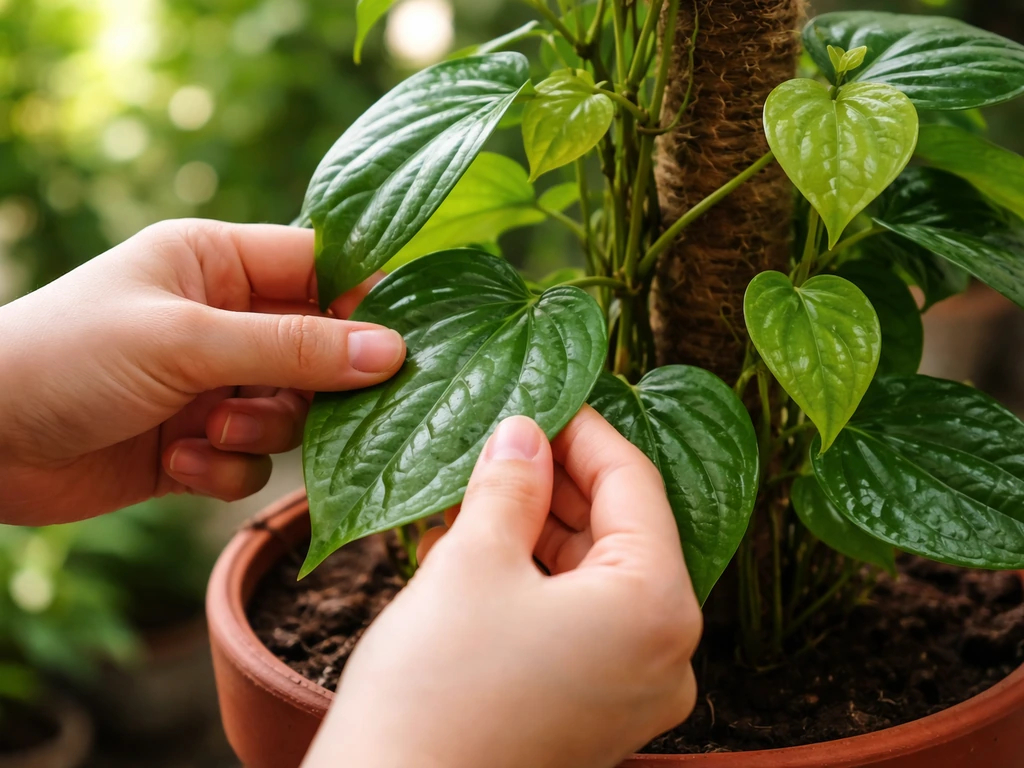
You can start harvesting leaves once the plant is well established and actively growing, usually around three to four months after planting a cutting. Look for leaves that are fully expanded and a rich, deep green. These are mature enough to harvest without stressing the plant. Younger, pale green leaves at the growing tips are still developing and should be left to grow.
To harvest, snip or pinch off individual leaves from the lower or middle portions of the vine. Never strip all the leaves from a single stem, leave at least two or three leaves on each stem so it can keep photosynthesizing. Rotate your harvesting around the plant rather than concentrating on one spot. A well-managed potted betel vine can realistically give you dozens of leaves every month during peak growing season, which is more than enough for home use.
The plant will produce continuously as long as you keep up with feeding, watering, and occasional pruning. Think of harvesting as part of pruning, picking leaves and trimming tips stimulates new growth. The more actively you harvest (within reason), the bushier and more productive the plant becomes. A well-managed vine in peak years can yield 80 to 120 leaves per year, and in a container you can hit the higher end of that range by staying consistent with care.
Every year or two, repot the plant into a slightly larger container with fresh potting mix. The roots will fill the current pot over time, and a refresh of fresh soil gives the plant a nutritional boost and keeps it growing vigorously. This is also a good time to take cuttings from healthy stems to propagate new plants, so you've always got a backup in case anything goes wrong with the main plant.
Your practical next steps
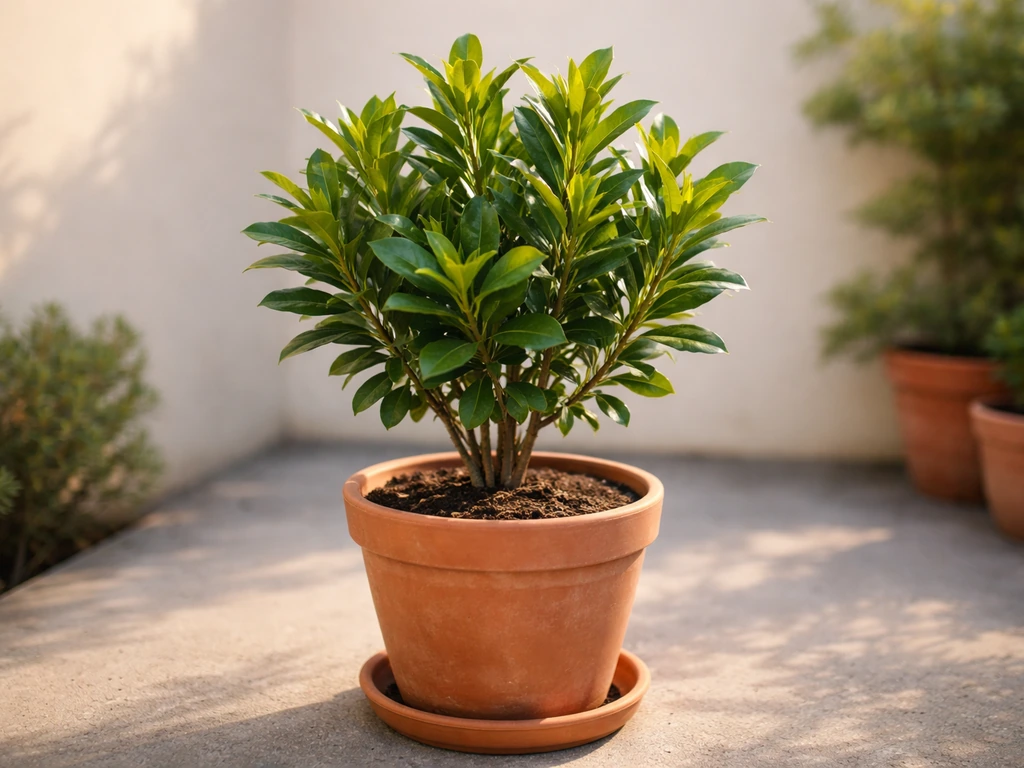
If you're ready to get started today, here's exactly what to do first: source a cutting or young plant from a local nursery, an online tropical plant supplier, or a friend. While you wait for it to arrive, prepare your pot (12-inch minimum, good drainage holes) and mix up your soil blend. Set up a trellis or stake inside the pot before you plant. Find the warmest, brightest-indirect-light spot in your home or on your balcony. If you are curious about bay leaves, this guide on how to grow bay leaves in a pot covers the same container basics like light, watering, and drainage.
Plant the cutting, water it in, mulch the top lightly, and resist the urge to fertilize for the first month. After that, just follow the fortnightly feeding and regular pruning routine, and you'll be harvesting fresh betel leaves sooner than you'd expect. Elkhorns thrive in pots too, as long as you use a fast-draining mix and provide bright, indirect light how to grow elkhorns in pots.
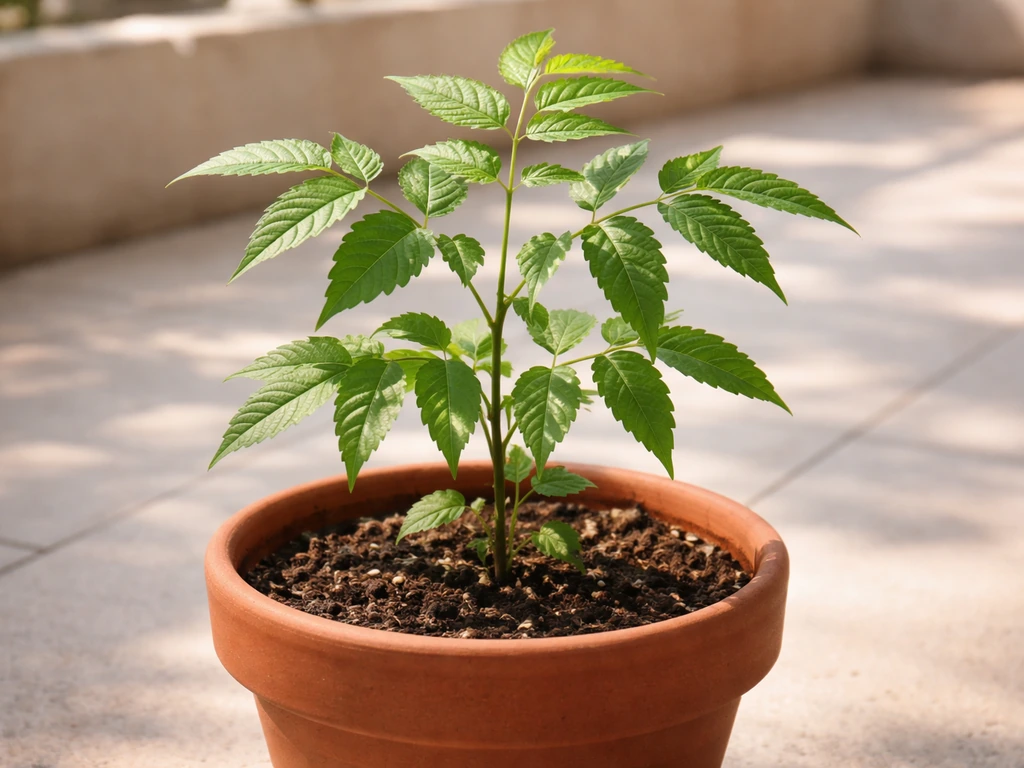
If you are also exploring other container-friendly herbs and trees, the guide on how to grow neem plant in pot will help you set up the right soil, light, and watering routine.
If you enjoy growing tropical and aromatic plants in containers, betel leaf sits in great company alongside things like curry leaf, which has similarly specific soil and warmth needs, or henna, another tropical plant that adapts surprisingly well to pot culture. The skills you build growing betel leaf, managing humidity, training a climber, and reading soil moisture correctly, transfer directly to many other container plants in this family.
If you want a quick adjacent container challenge, you can also look up how to grow edelweiss in a pot for a different set of light, soil, and care priorities. You can apply the same container-friendly principles to learn how to grow bay leaves in a pot, too. A similar pot-and-soil approach is also how you grow henna in a container, so the same container basics apply how to grow henna plant in pot.
FAQ
Why is my betel leaf plant in a pot losing leaves, even though I water it?
If your betel leaf drops leaves, check the three usual triggers in order: cold (below about 50°F), inconsistent watering (soil swings from dry to soggy), and harsh afternoon sun. Use a finger test 1 inch down before watering, and move the pot to bright indirect light or morning sun with afternoon shade.
How often should I repot betel leaf grown in a container?
Repot once every 1 to 2 years, and only one size up. When you do repot, keep as much of the root ball intact as possible, then water lightly and keep it in warm bright indirect light for a week. This reduces stress compared with frequent repotting.
Is it better to root betel leaf cuttings in water or directly in potting mix?
Betel leaf cuttings can be rooted in soil or water, but if you start in water, transfer when roots are still small and pale, not when they turn thick and fibrous. Keep the transition shaded and humid for several days, because water-grown roots often struggle with drier potting mix.
How do I know when to water my potted betel leaf?
Inconsistent moisture is the biggest mistake. If you are using a plastic or glazed pot, water when the top 1 inch feels dry, not on a fixed calendar. In hot weather you may need more frequent watering, in cooler months less, and a mulch layer can help smooth out swings.
Can I grow betel leaf indoors, and how do I prevent fungal problems?
Yes, but you must avoid fungal conditions. Use a spot with gentle airflow, rotate the pot weekly so leaves dry evenly, and keep the watering aimed at the soil rather than misting the plant heavily when humidity is already high. A small fan on low is often enough to prevent leaf problems.
Should I use a saucer under the pot for my betel leaf?
If your pot has a saucer, never leave it with standing water. Empty the saucer after watering, or use a pebble tray approach where the pot sits above water level. Standing water blocks oxygen to roots and quickly leads to root rot.
What should I troubleshoot if my betel leaf is not growing in its pot?
If growth stalls and leaves look dull, look first at temperature and light, then at feeding. Do a simple check: move the plant to the warmest bright spot you can (no harsh sun), wait a few days, then resume feeding at half strength only after you see new leaf growth.
Do I need to adjust soil pH for betel leaf in containers?
For the best balance, aim for a slightly acidic to neutral soil, but do not overcorrect pH. If your plant struggles, focus more on drainage and aeration (perlite and compost in the mix) than on constant pH testing, because potting mixes often stabilize naturally.
How do I prune and harvest my potted betel leaf without reducing production?
You can prune in two main ways: pinch the growing tips to encourage side shoots, and harvest leaves from lower or middle sections only. Avoid stripping an entire stem, and do the heavier pruning during active growth (spring through early autumn) for faster recovery.
My betel leaf vines won’t climb the trellis, what should I change?
If your vines are not climbing, the issue is usually support placement and ties. Put the stake or trellis in the pot at planting time, then gently guide new shoots upward as they appear, tie loosely with soft fabric, and avoid letting vines flop for long periods.