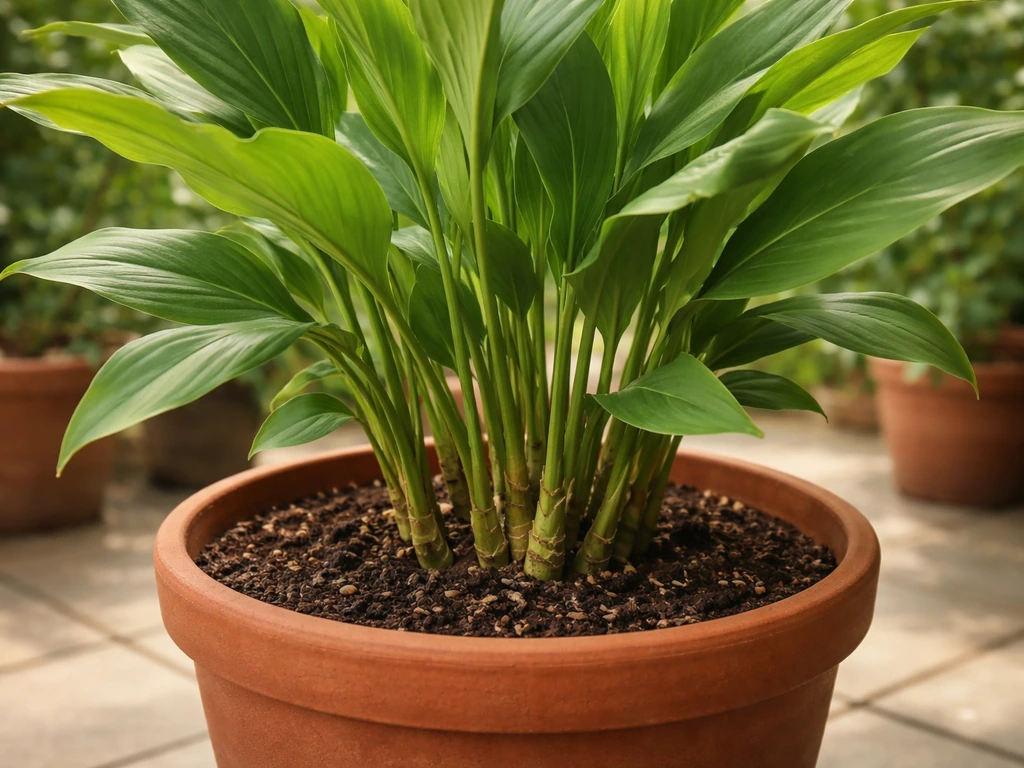
You can absolutely grow cinnamon in a pot, and it makes a genuinely beautiful houseplant even if you never harvest a single stick of bark. The plant to grow is Cinnamomum verum, also called Ceylon cinnamon or true cinnamon. It's the same tree that produces the mild, sweet cinnamon you'll find labeled 'Ceylon' at specialty spice shops.
How to Grow Cinnamon in a Pot: Step-by-Step Guide

Marcus Whitley
28 May 2026
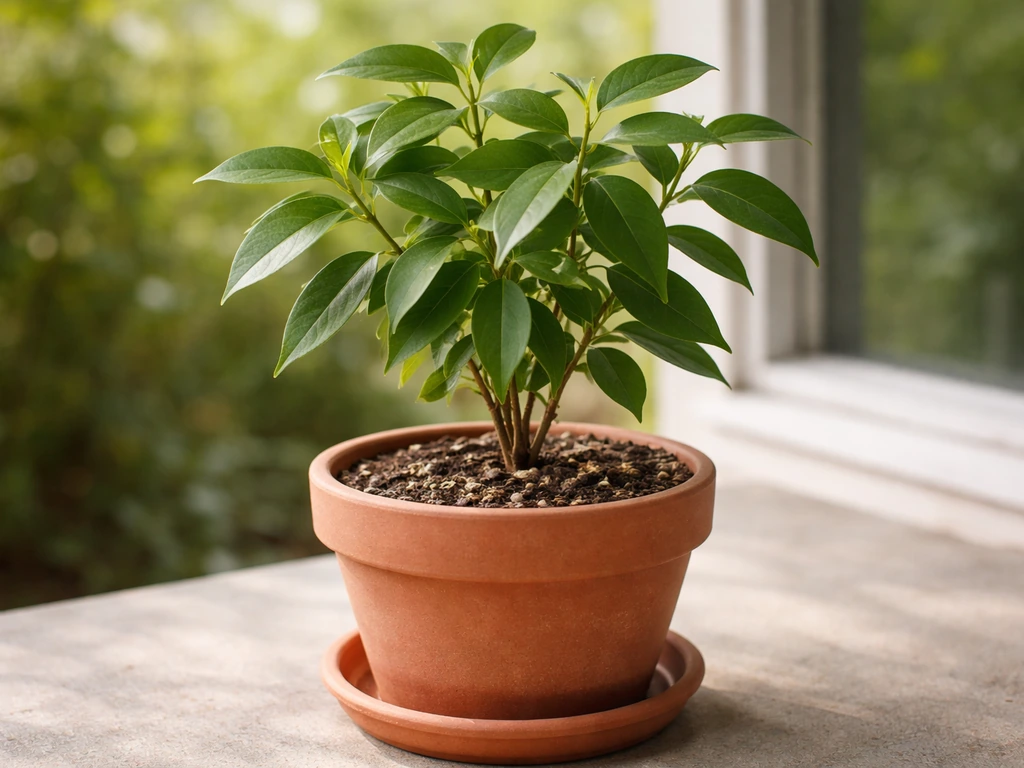
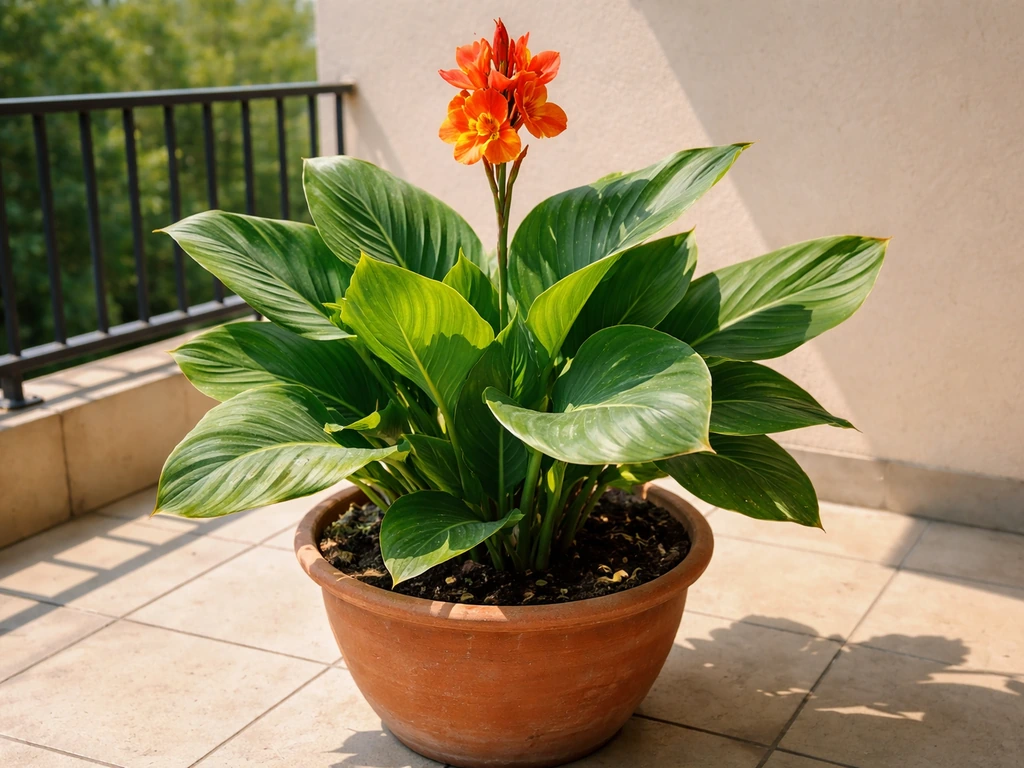
In a pot, it grows as a lush, aromatic tree that you can keep trimmed to a manageable size indoors or on a warm patio. If you are instead looking for how to grow cannas in pots, the main focus is on choosing a roomy container, keeping the soil consistently moist, and giving the plant lots of sun. Here's exactly how to do it.
True cinnamon vs. cinnamon-like plants: grow the right one
This is worth sorting out before you buy anything, because the name 'cinnamon' gets attached to several different plants. The four main species traded commercially as cinnamon bark are Cinnamomum verum (Ceylon cinnamon), C. cassia (cassia or Chinese cinnamon), C. burmannii (Korintje or Indonesian cinnamon), and C. loureiroi (Vietnamese cinnamon). Of these, C. verum is the one most commonly sold as a houseplant or potted tree, and it's the one worth seeking out. It has thinner bark, a gentler flavor profile, and it adapts better to container life than the others.
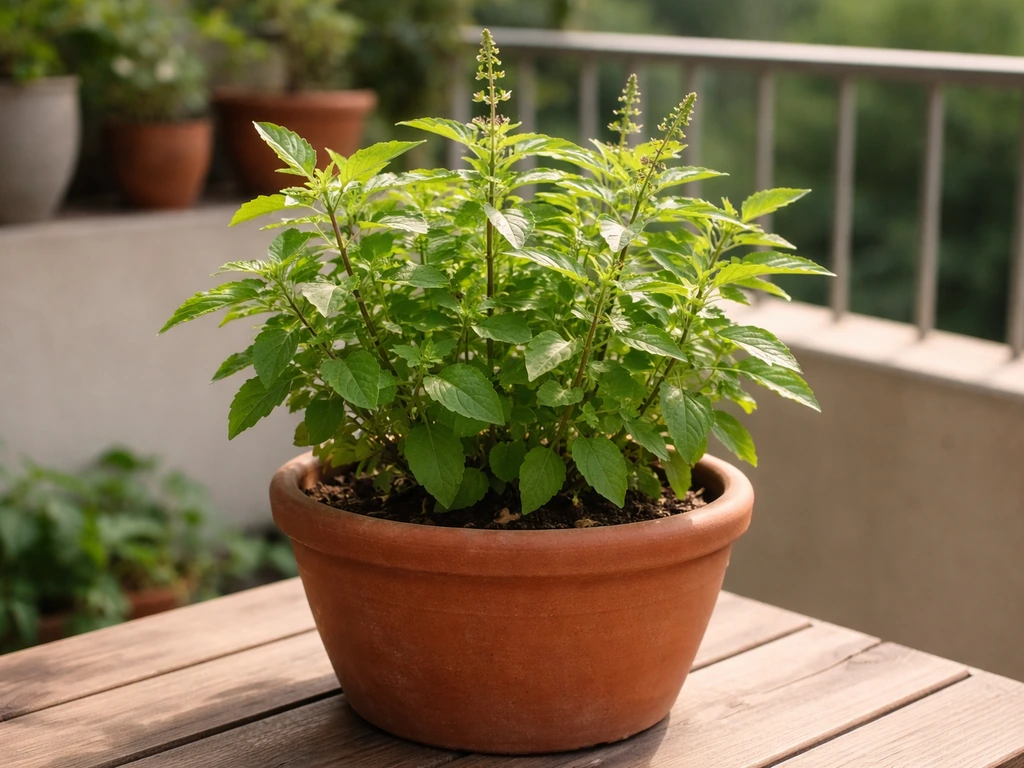
You might also come across 'cinnamon basil,' 'cinnamon fern,' or even cinnamon-scented geraniums at garden centers. These smell wonderful but have nothing to do with spice production. If you want the actual cinnamon tree experience, look specifically for Cinnamomum verum (sometimes still labeled Cinnamomum zeylanicum, which is an older synonym). If you enjoy growing other aromatic herbs in pots, turmeric and cardamom are close relatives in the broader spice world and follow somewhat similar care principles. If you want a similar container spice experience, learn how to grow turmeric in a pot with the right light, soil, and watering routine. Marigolds are a different plant, but the pot-growing approach is similar grow marigolds in pots.
Choosing the right pot: size, material, and drainage
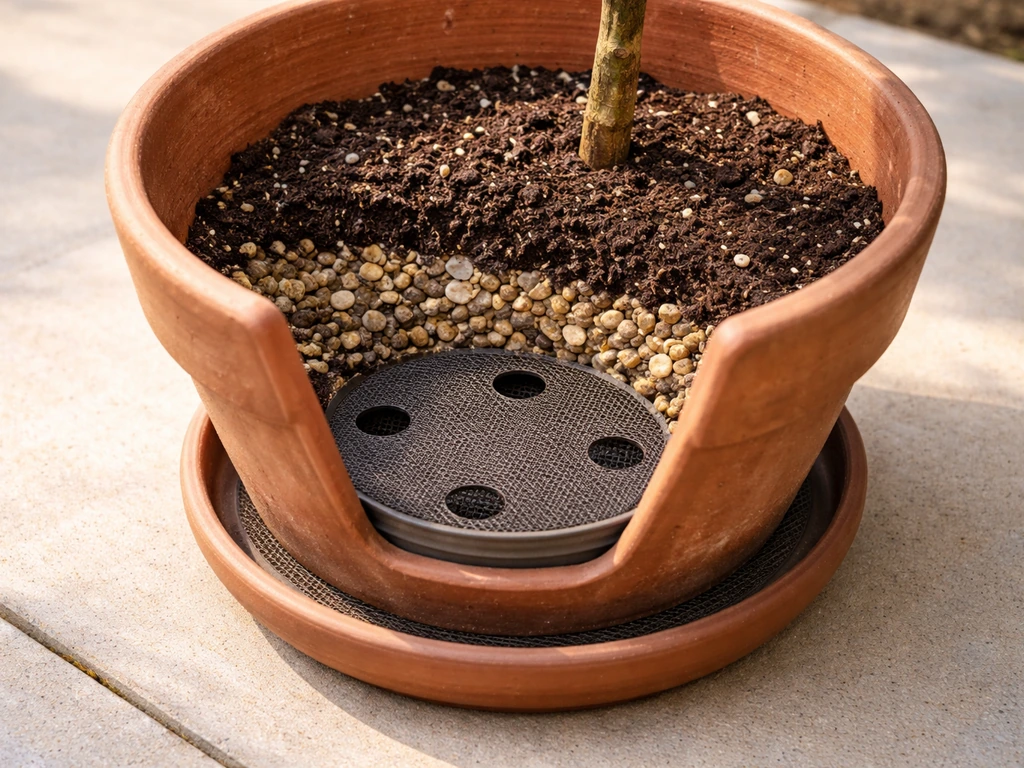
Start with a pot that's about 12 inches (30 cm) wide and at least 12 inches deep. This gives a young cinnamon tree enough room to establish a decent root system without drowning its roots in excess soil that holds too much moisture. As the plant grows, plan to move up one pot size every two to three years. For a mature container specimen, you're eventually looking at a 20 to 24 inch pot.
Material matters more for cinnamon than for a lot of other potted plants, because this tree really hates sitting in soggy soil. Terracotta is my first recommendation. It's heavy (a plus for stability outdoors), it breathes, and it dries out faster than plastic, which keeps root rot at bay. Plastic pots are fine too if you're disciplined about watering and have good drainage holes. Glazed ceramic sits somewhere in the middle. Whatever you pick, non-negotiable requirement: at least one large drainage hole at the bottom, ideally two or three.
Place a saucer under the pot if you're growing indoors, but never let the pot sit in standing water. Empty the saucer within an hour of watering. A layer of gravel in the saucer can help, but it won't save you if the pot is resting directly in pooled water. Waterlogging is the single fastest way to kill a potted cinnamon tree.
The right soil mix and how to feed your cinnamon
Building the ideal potting mix
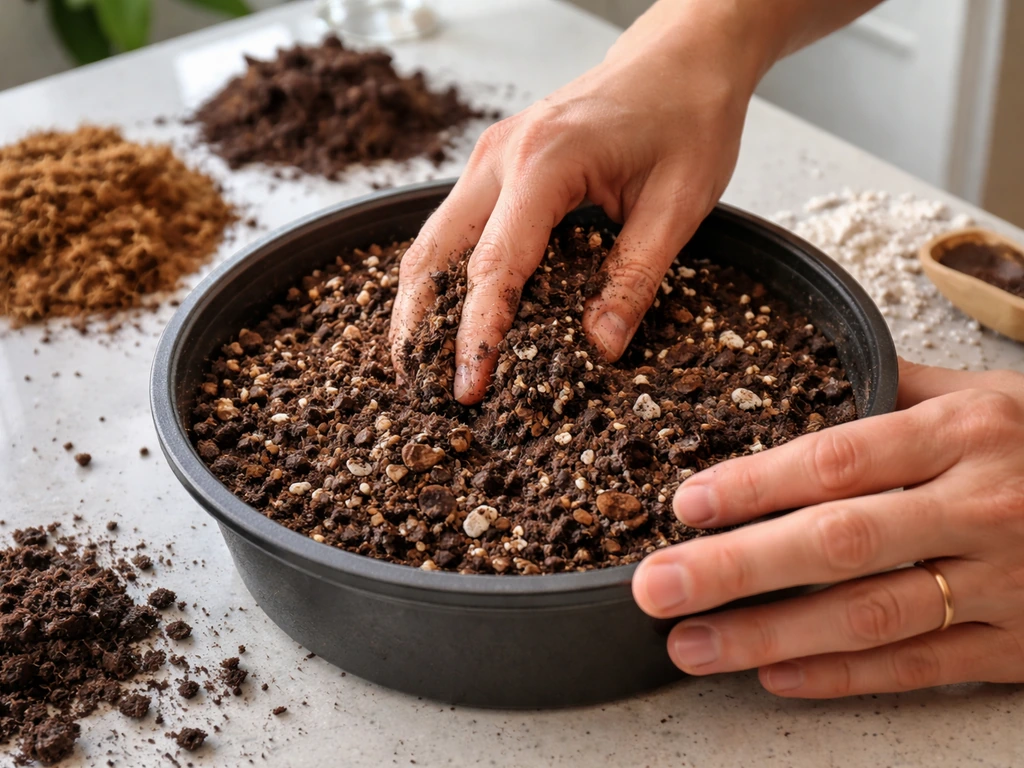
Cinnamomum verum wants soil that holds a bit of moisture but drains freely. A pH range of 5.5 to 6.5 (slightly acidic) hits the sweet spot. You won't find a ready-made 'cinnamon mix' at a garden center, but you can put one together easily. My go-to blend for a 12-inch pot is: 60% quality peat-based or coco coir potting mix, 20% perlite, and 20% fine bark chips or orchid bark. The perlite keeps things airy and fast-draining, and the bark chips mimic the forest floor conditions this tree loves in its native Sri Lanka.
Avoid garden soil entirely. It compacts in containers, drains poorly, and brings in pests. Also skip heavy, nutrient-dense mixes marketed for vegetables. Cinnamon grows slowly, and you don't want to push it with a super-rich mix right out of the gate.
Feeding schedule
During the growing season (roughly spring through early autumn), feed your cinnamon tree once a month with a balanced liquid fertilizer diluted to half strength. A rough 10-10-10 or similar balanced NPK is fine. Alternatively, mix a slow-release granular fertilizer into the top inch of soil at the start of spring. Polymer-coated slow-release fertilizers (look for formulations around 19-6-12 or similar) work well for woody potted plants because they deliver nutrients gradually over several months, which suits cinnamon's steady, unhurried growth. Stop feeding in late autumn and through winter. The plant slows down, and fertilizing a resting tree just builds up salts in the soil without any benefit.
Light, temperature, and humidity: getting the environment right
Cinnamon is a tropical tree native to warm, humid Sri Lanka, and it doesn't pretend otherwise. In its ideal world, it gets around 6 hours of sunlight a day, prefers temperatures around 27°C (80°F), and never sees frost. ForwardPlant notes that Cinnamomum verum benefits from at least about 6 hours of direct sun exposure daily, and it warns that excessive sun can scorch leaves blank" rel="noopener noreferrer">around 6 hours of sunlight a day. In a pot, you need to do your best to recreate that. To apply the same care steps to tulsi, you can follow a simple pot routine for light, watering, and pruning how to grow tulsi plant in pot.
For light, the best indoor spot is right next to a south-facing or west-facing window where the plant gets bright, direct to bright indirect sun for most of the day. Outdoors (in summer or in warm climates year-round), it's happy in full sun with some afternoon shade in very hot climates to prevent leaf scorch. 'Bright indirect light' as a label can be misleading. This is not a shade plant. Thin, leggy growth with pale leaves is almost always a light problem.
Temperature is where container growing gets tricky. Cinnamomum verum is cold-sensitive. Keep it above 10°C (50°F) at all times. Ideally, it stays between 18°C and 30°C (65°F to 86°F). If you're in USDA hardiness zone 9 or above, you can grow it outdoors year-round. Anywhere colder, treat it as a container plant that comes inside for winter. Bring it indoors before night temperatures drop below 10°C.
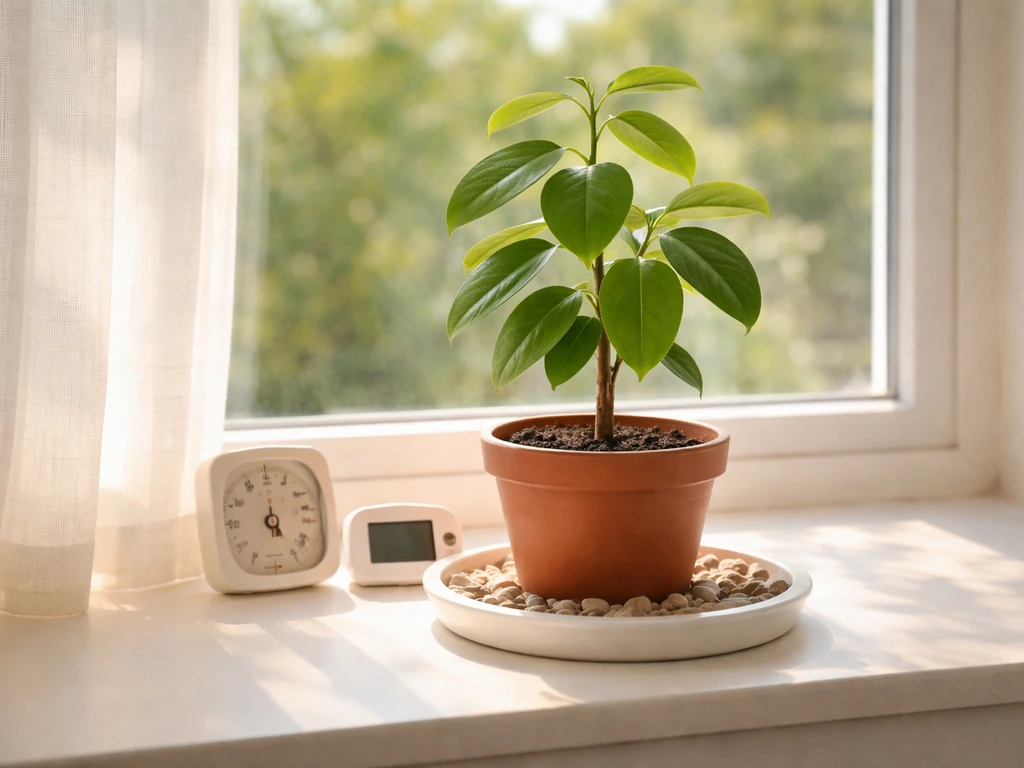
Humidity is the one thing most people forget about. Cinnamon trees love humidity, and the dry air inside most heated homes in winter is genuinely stressful for them. Group your cinnamon with other plants to create a little humidity bubble, place it on a pebble tray filled with water (just make sure the pot sits above the waterline), or run a small humidifier nearby. Misting the leaves a few times a week helps too, though it's not as effective as the pebble tray method.
Starting cinnamon in a pot: seeds vs. cuttings
| Method | Difficulty | Time to established plant | Success rate | Best for |
|---|---|---|---|---|
| Seeds | Moderate | 6–12 months to a sturdy seedling | Variable; seeds lose viability quickly | Patient growers who can source fresh seeds |
| Stem cuttings | Moderate to tricky | 3–6 months to rooted cutting | Good with humidity and warmth | Most home gardeners |
| Air layering | Tricky but reliable | 2–4 months for roots, then transplant | High when done correctly | Experienced propagators |
Starting from seed
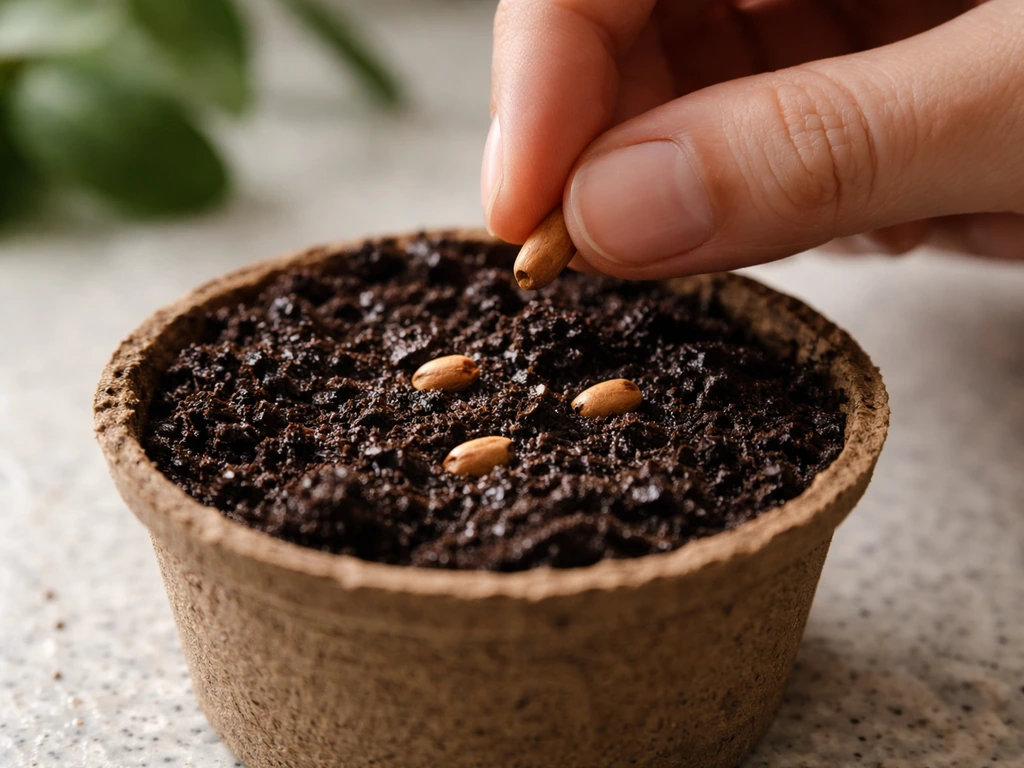
If you're going the seed route, freshness is everything. Cinnamon seeds lose viability fast, so buy from a reputable tropical plant supplier and plant them as soon as they arrive. Sow seeds about 1 cm deep in a moist, well-draining seed-starting mix. Keep the tray at 24–27°C (75–80°F) with consistent humidity. Germination typically takes 2 to 3 weeks under warm, humid conditions. A heat mat under the tray and a clear plastic cover over it makes a huge difference. Once seedlings have two or three true leaves, pot them up individually into small containers.
Starting from cuttings
Semi-hardwood cuttings (stems that are no longer soft and new, but not yet fully woody) root reasonably well with a little effort. Take a cutting about 10–15 cm long with two or three leaves. Remove the lower leaves, dip the cut end in rooting hormone powder, and plant it in a mix of perlite and coconut coir. Keep it warm (around 27°C), cover loosely with a plastic bag to hold humidity, and place it in bright indirect light.
Research on cinnamon propagation suggests cuttings taken in early summer (June to July) tend to produce the best root development. Expect rooting in about 6 to 10 weeks. Don't rush to transplant. Wait until you see new leaf growth, which signals the roots are established.
Watering routine and the mistakes most people make
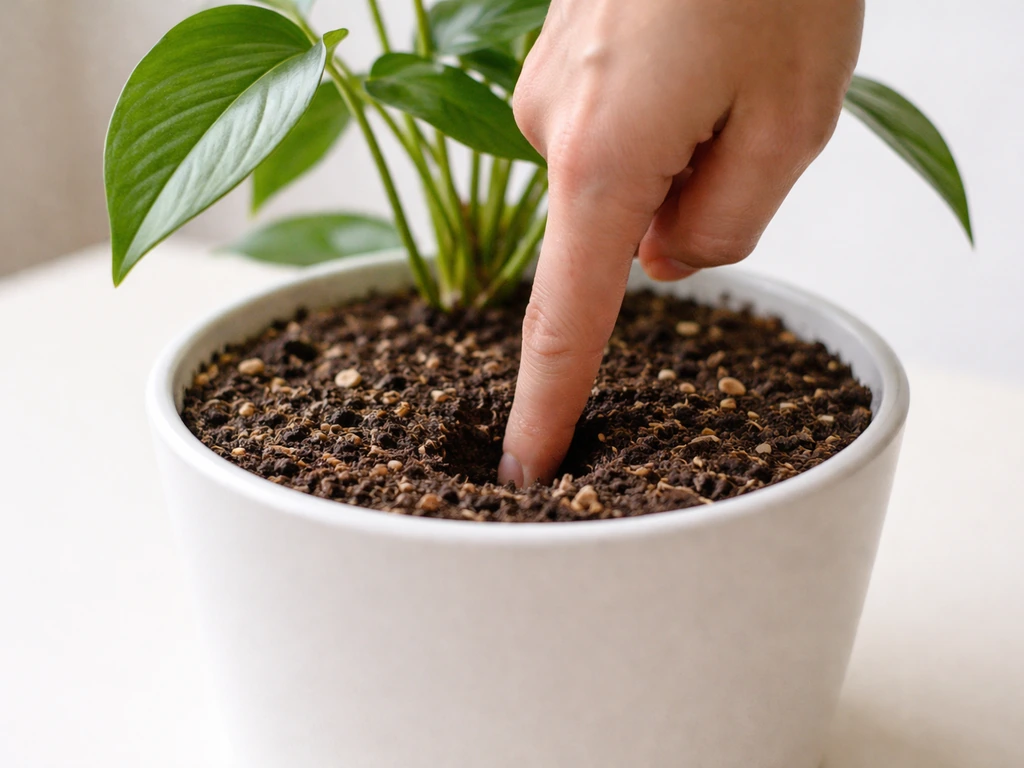
The golden rule: water when the top 1 to 2 inches of soil feel dry to the touch. If you want the same kind of success with marigolds, learn the potting, watering, and sun basics for how to grow marigolds in pots. Stick your finger into the soil up to the second knuckle. If it feels dry at that depth, water thoroughly until water runs freely from the drainage holes. Then stop. Don't water again until that top layer dries out again. In summer, this might mean watering every 3 to 5 days. In winter indoors, it could be once every week or two.
The most common mistake I see is overwatering. People check that the top of the soil looks dry and water again, but the bottom of the pot is still waterlogged. That sitting moisture around the roots is what causes root rot, and by the time you notice the leaves yellowing and dropping, the damage is already done. The finger-test method is genuinely the most reliable approach for beginners.
Underwatering causes its own problems: the leaves will droop, dry out at the edges, and eventually drop. If you've let the soil dry out completely, water slowly and thoroughly, and the plant should perk up within a day or two. One dry spell won't kill a cinnamon tree, but chronic underwatering stresses the plant and makes it more vulnerable to pests.
In winter, cut back watering significantly. The plant isn't actively growing, so it needs much less. Check the soil every week or so, and water only when the top 2 inches are completely dry.
Pests, diseases, and container problems to watch for
Common pests
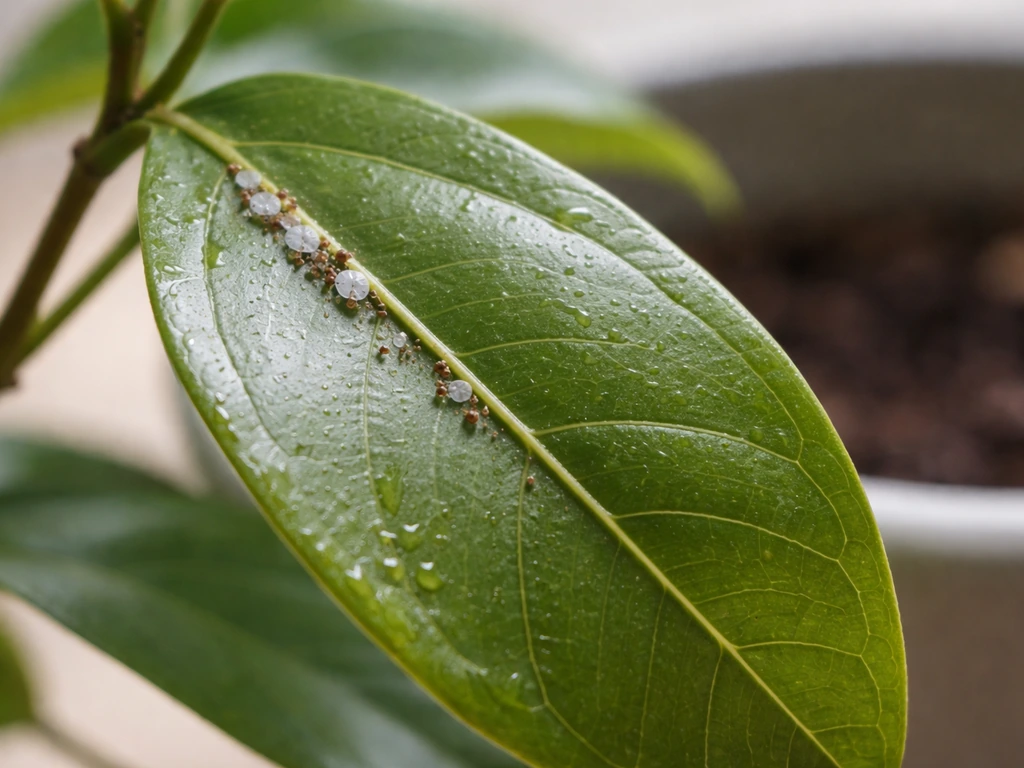
Potted cinnamon trees are most vulnerable to the classic indoor plant pest lineup: mealybugs, scale insects, and spider mites. Mealybugs look like tiny cotton wool blobs in the leaf joints and along stems. Scale insects appear as brown or tan bumps on stems and undersides of leaves. Spider mites are tiny and hard to see, but they leave a fine webbing and cause stippled, pale-looking leaves. All three are more likely when the plant is stressed by low humidity or poor light.
One early sign of mealybugs and scale is sticky residue on leaves or the surface below the pot. That's honeydew, the waste these insects produce, and it can lead to a black sooty mould if left unchecked. Treat mealybugs and scale with isopropyl alcohol dabbed directly on the pests with a cotton swab, or spray the plant with neem oil solution. For spider mites, increase humidity and spray with a diluted neem oil or insecticidal soap. Repeat treatment every 5 to 7 days for at least three rounds to break the pest life cycle.
Disease and container-specific issues
- Root rot: caused by overwatering or poor drainage. Yellow, mushy lower leaves and a soft, dark stem base are warning signs. Repot into fresh dry mix, trim any black or mushy roots, and ease up on watering.
- Leggy, stretched growth: almost always a light problem. Move the plant to a brighter spot or supplement with a grow light, especially in winter.
- Leaf drop: can signal cold drafts, sudden temperature changes, overwatering, or root bound conditions. Check each cause systematically.
- Yellow leaves with green veins: suggests a magnesium or iron deficiency, which is common in pots. A dose of diluted liquid fertilizer with micronutrients usually sorts it out.
- Brown leaf tips: often a humidity issue or salt buildup from fertilizer. Flush the soil with plain water to clear salts, and boost humidity around the plant.
What to realistically expect at harvest time
Let's be honest about expectations here. Cinnamon bark production in a pot is a long game. In field conditions in Sri Lanka, growers typically see a first harvest around 3 to 4 years after planting, with quality and yield improving in subsequent harvests. In a pot, growth is slower, so your first realistic opportunity to attempt a small bark harvest is probably 4 to 5 years in, and only if the plant has grown into a multi-stemmed shrub or small tree with stems at least pencil-thick.
Traditional bark harvesting involves cutting young stems, making shallow lengthwise cuts in the bark, and peeling it away in sheets that curl into the familiar quills as they dry. In a container setting, you can do a modest harvest by removing one or two stems at a time without harming the plant. The bark is most easily removed when the plant is actively growing and the cambium layer (the moist layer just under the outer bark) is hydrated, which tends to be in warmer, wetter periods.
That said, for most people growing cinnamon in a pot, 'success' doesn't look like a spice cabinet full of homegrown cinnamon sticks. It looks like a thriving, beautiful aromatic tree that you can brush your hands against for that distinctive scent, that fills an indoor space with lush tropical leaves, and that gives you the satisfaction of growing something genuinely unusual. A small experimental harvest after a few years is a bonus, not the baseline goal. Set that expectation early and you'll enjoy the process a whole lot more.
Your quick-start checklist
- Source a Cinnamomum verum plant or fresh seeds from a reputable tropical plant nursery or online seller.
- Choose a 12-inch terracotta or well-draining plastic pot with at least one large drainage hole.
- Mix your own potting blend: 60% peat or coco coir, 20% perlite, 20% fine bark chips.
- Position the pot in your brightest south or west-facing window, or outdoors in a warm sheltered spot after the last frost.
- Water only when the top 1–2 inches of soil are dry. Never let the pot sit in standing water.
- Feed monthly in spring and summer with a half-strength balanced liquid fertilizer. Skip feeding in autumn and winter.
- Boost humidity with a pebble tray, plant grouping, or small humidifier, especially in heated indoor spaces.
- Bring the plant indoors before night temperatures drop below 10°C (50°F).
- Check leaves and stems weekly for mealybugs, scale, or spider mites. Treat early with neem oil or rubbing alcohol.
- Be patient. A happy, healthy cinnamon tree is the reward. Bark harvest is a bonus that comes years down the line.
FAQ
Can I grow cinnamon in a pot from a store-bought “cinnamon” plant, or do I need true Ceylon cinnamon?
Look for Cinnamomum verum specifically, sometimes sold under an older name like Cinnamomum zeylanicum. If the tag says cassia or “Chinese cinnamon,” it is a different species and is not the best match for typical indoor pot care. If the label is vague, you can usually confirm by asking the seller for the Latin name.
How do I prevent root rot if my potting mix dries slowly or my climate is humid?
Use the mix the tree can handle (peat/coco, perlite, and fine bark), and keep your watering rule based on soil depth, not the surface. If your saucer fills easily, either avoid using one indoors or empty it immediately after watering (within about an hour). Also ensure you have at least one large drainage hole, and consider switching to terracotta if you routinely see soggy soil.
What should I do if my cinnamon plant looks leggy and pale even though I have it near a sunny window?
Treat it as a light problem first. Bright indirect light labels are often misleading, and cinnamon needs more direct sun than most houseplants. Move it closer to a south or west window, rotate the pot weekly for even growth, and avoid placing it behind sheer curtains if you are not getting clearly bright light.
How much should I water when the plant is inside during winter?
In winter, wait longer between waterings and only water when the top 2 inches are fully dry. Even if the surface looks dry sooner, the deeper moisture matters because cinnamon roots rot from persistent dampness. If your home is cooler than usual, reduce watering frequency further.
Is misting enough for humidity, or should I use a pebble tray or humidifier?
Misting helps, but it is usually temporary. For best results, use a pebble tray (pot above the waterline) or a humidifier near the plant, then add misting a few times per week as a supplement. Also group plants together, because cinnamon benefits from a steadier local humidity rather than short spikes.
What temperature is truly “safe,” and how quickly should I bring the plant indoors in fall?
Keep it above 10°C (50°F) at all times. Start bringing it in when nights begin to drop near that threshold, because short cold exposure can stress a tropical plant even if daytime stays warm. If you cannot move it, use insulation around the pot and protect it from cold drafts.
Do I need to repot immediately after buying, or can I wait?
Wait if the plant is actively growing and the roots are not visibly circling or pushing through drainage holes. If drainage seems poor or the mix is dense and stays wet, repot soon using a fast-draining, slightly acidic mix. After repotting, hold off on fertilizing for a few weeks to reduce stress.
How do I choose between seed and cuttings, and which one is more reliable in a pot?
Cuttings tend to be more predictable for hobbyists, especially semi-hardwood cuttings taken in early summer. Seeds require fresh seed and warm, humid conditions to germinate, and viability drops quickly. If you are not set up with a heat mat and consistent humidity, cuttings are often the easier route.
When should I prune my potted cinnamon to keep it compact, and where do I cut?
Prune during the active growing period so the plant can push new shoots after cuts. Aim to shape it by trimming back long, thin growth and removing any weak stems close to a leaf node. If you are trying for a future bark harvest, avoid heavy pruning that delays multi-stem growth.
Can I harvest cinnamon bark from a pot-grown plant, and what is the risk to the tree?
It is possible but not the goal for most indoor growers, and the tree must be mature enough with stems thick enough to support careful removal. If you harvest at all, do it modestly by removing one or two stems at a time and only when the plant is in active growth. Overharvesting can stunt the plant and make pest problems more likely.
My cinnamon leaves are yellowing, is it overwatering or underwatering?
Overwatering is more common, especially if soil stays damp longer than it should. Check the top-to-deeper soil moisture with the finger method up to 1 to 2 inches, then adjust watering accordingly. If the pot consistently stays wet, prioritize drainage and reduce frequency; if the soil fully dries out and the plant droops, water more thoroughly but less often.
What is the best way to deal with mealybugs, scale, or spider mites on a cinnamon tree?
Isolate the plant if possible, then treat early. For mealybugs and scale, dab with isopropyl alcohol directly on the pests, and for spider mites increase humidity and use diluted neem or insecticidal soap. Repeat every 5 to 7 days for multiple rounds because eggs and hidden individuals can survive the first treatment.