Marjoram grows really well in a pot, and it's honestly one of the easier Mediterranean herbs to keep happy in a container. You need a pot at least 20–25 cm (8–10 inches) wide, a gritty, free-draining potting mix, full sun, and a light hand with the watering can. Get those four things right and your marjoram will reward you with soft, fragrant leaves all season long.
How to Grow Marjoram in a Pot: Step-by-Step Care
Marcus Whitley
19 Jun 2026
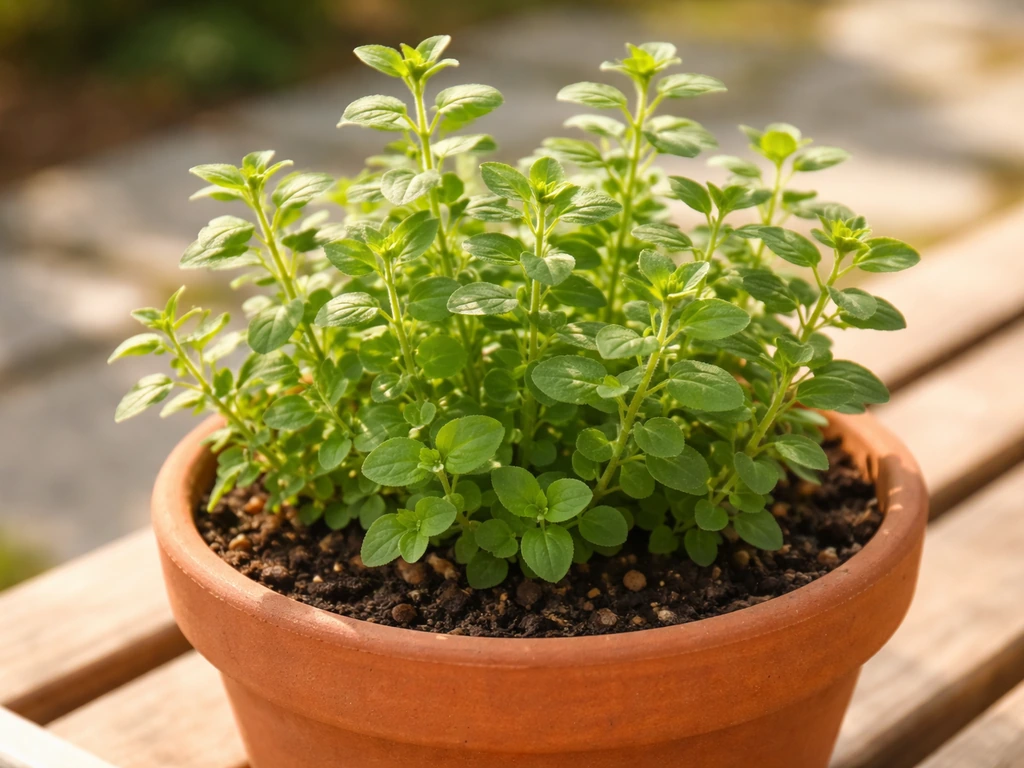
Choosing the right marjoram variety and pot size
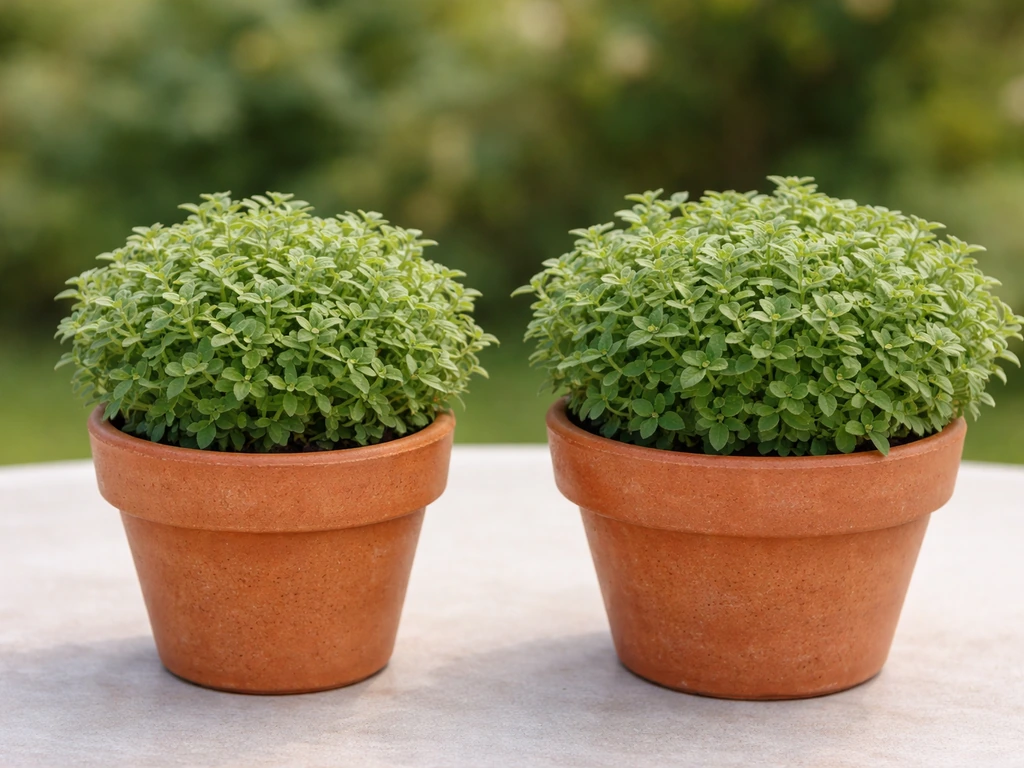
The variety you want for pot growing is sweet marjoram (Origanum majorana), sometimes sold as knotted marjoram. It's a compact little subshrub that tops out around 20–40 cm tall and 10–30 cm wide at maturity, which makes it a natural fit for containers. Don't confuse it with pot marjoram (Origanum onites), which is a different species that's not particularly cold-hardy and can get a bit rangy in a small pot. Sweet marjoram is the one most herb suppliers stock, and it's the one worth growing.
For pot size, a single marjoram plant needs at minimum a 20 cm (8-inch) diameter container, but a 25–30 cm (10–12-inch) pot gives the roots more room and means the soil dries out slightly less aggressively on a hot balcony. If you want to grow two or three plants together for a fuller look, step up to a 30 cm pot. Depth matters too: aim for at least 20 cm of depth so the roots aren't cramped.
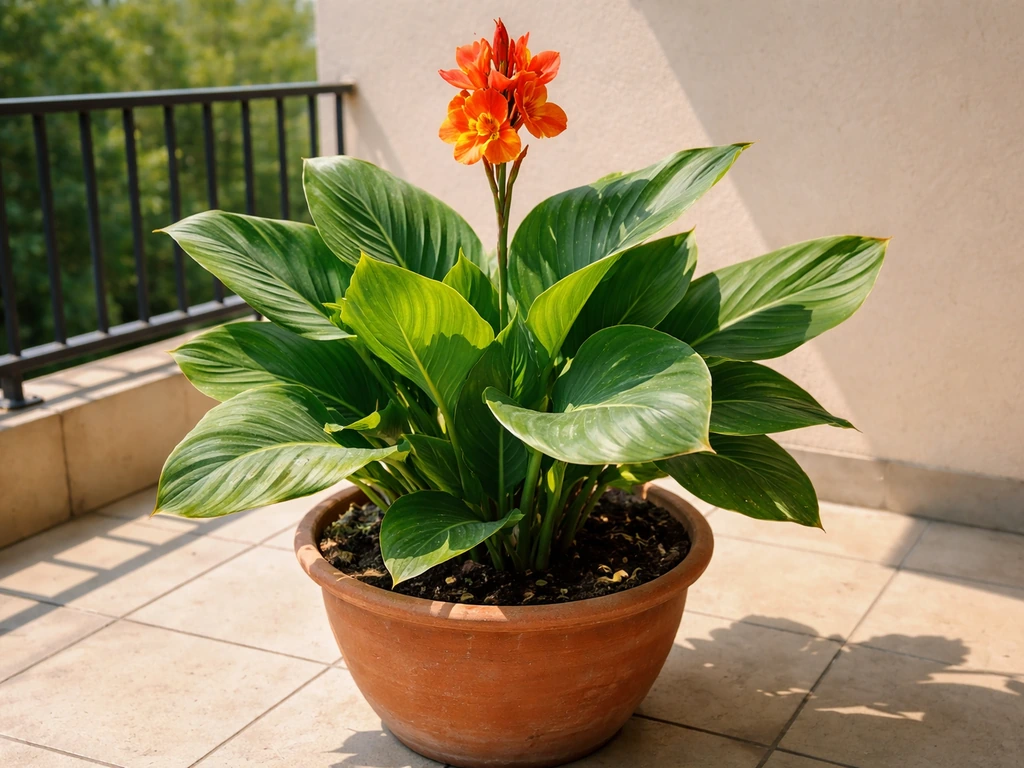
Terracotta is a great choice because it breathes and discourages the soggy conditions marjoram hates, though any pot works as long as it has drainage holes. If you're also learning how to grow cannas in pots, focus on choosing the right container size and making sure the pot drains well before you plant.
Potting mix, drainage, and where to place it
Standard potting mix straight from the bag is usually too water-retentive for marjoram. What this herb really wants is something closer to what it gets in the wild: lean, gritty, neutral to slightly alkaline soil that drains fast. The simplest fix is to blend your regular peat-free or peat-based potting compost with about 20–30% perlite or coarse horticultural grit. That extra drainage material stops water from sitting around the roots after rain or watering. If you want to keep things simple, a cactus-and-succulent mix blended 50/50 with standard potting compost works well too.
Always make sure your pot has at least one drainage hole, and don't block it with a crock or layer of gravel (that old advice actually impedes drainage rather than helping it). Place a saucer underneath if you need to protect a surface, but empty it after 30 minutes so the pot isn't sitting in standing water.
For placement, find the sunniest spot you have. A south- or west-facing windowsill, balcony railing, or patio corner that gets six or more hours of direct sun is ideal. Marjoram is a Mediterranean plant and genuinely needs that warmth and light to develop the essential oils that give it its distinctive flavor. A spot that's merely 'bright' rather than fully sunny produces leggy, less aromatic plants.
Planting (seeds vs cuttings vs nursery starts) and watering basics
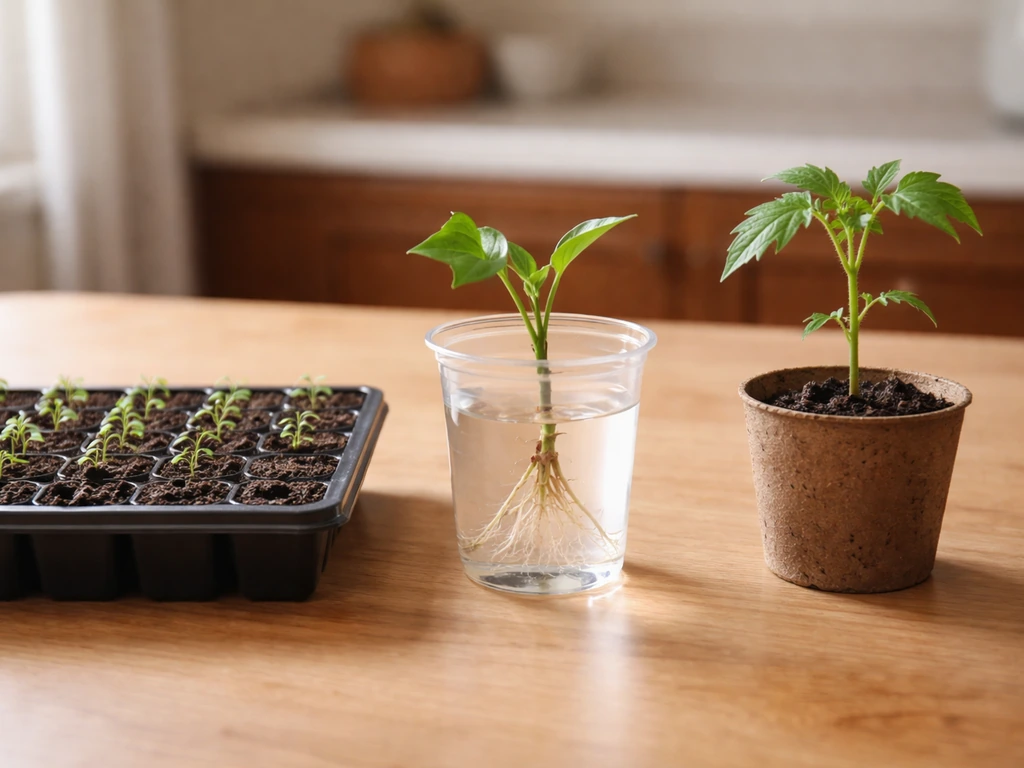
Three ways to get started
| Method | Best timing | Time to harvest | Difficulty |
|---|---|---|---|
| Seeds (indoors) | Late winter to early spring | 10–12 weeks from sowing | Moderate |
| Stem cuttings | Spring to early summer | 6–8 weeks to establish | Easy |
| Nursery transplant | After last frost | 2–4 weeks to settle in | Easiest |
Seeds are economical but slow. Cinnamon (Cinnamomum verum) can also be grown in a pot, but it needs warmth, consistent moisture, and patience for slow growth Seeds are economical but slow.. Sow them indoors in small pots or seed trays in late winter, pressing them lightly onto the surface of moist compost without covering them (they need light to germinate). Keep the tray somewhere warm, around 18–21°C, and expect germination in 7–14 days. Once seedlings are a few centimeters tall and the risk of frost has passed, you can move them outdoors gradually over a week or two before potting on into their final container.
Stem cuttings are the fastest and most reliable route if you already have a marjoram plant or know someone who does. Snip a 8–10 cm tip cutting just below a leaf node, strip the lower leaves, and push it into a small pot of gritty compost. Keep it in a warm, bright spot and it will root in two to three weeks. This is genuinely my preferred method.
Nursery transplants are the beginner-friendly choice. Buy a healthy plant from a garden center in late spring, knock it gently out of its plastic pot, loosen the roots a little, and transfer it straight into your prepared container with the gritty mix. Water it in well, then leave it alone for a week to settle.
How to water marjoram in a pot
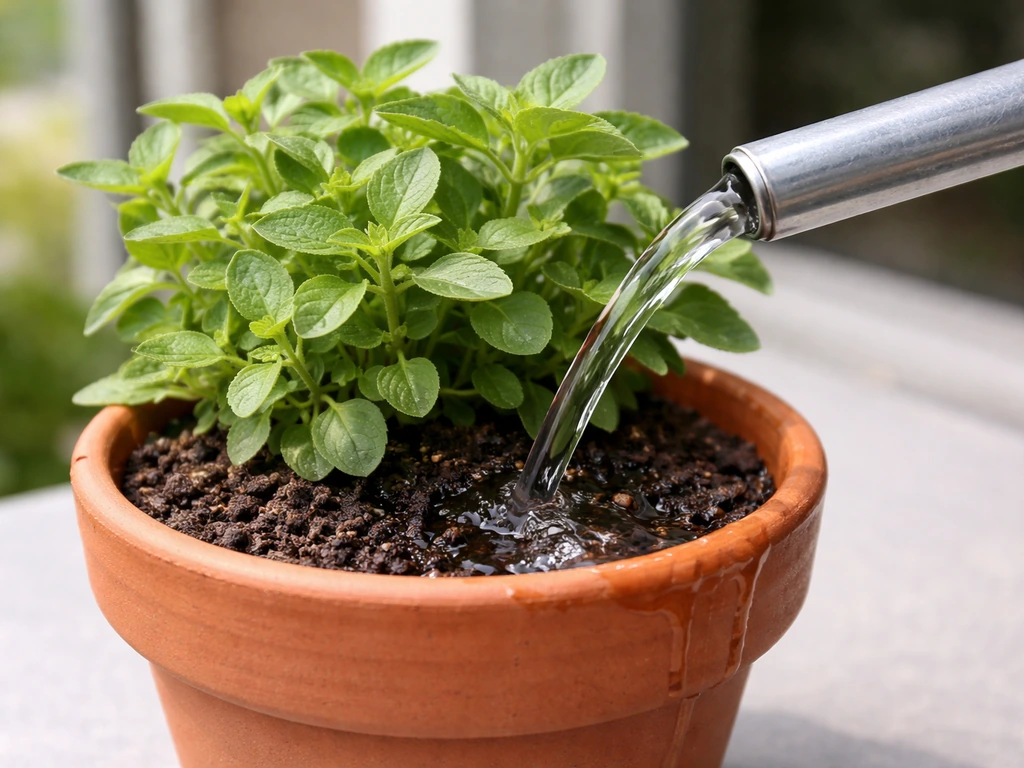
Marjoram in a pot is far more likely to be killed by overwatering than by drought. If you want to grow turmeric in a pot, aim for warmth, fast-draining soil, and careful watering so the rhizomes do not rot marjoram in a pot. The rule I follow is this: push your finger about 2 cm into the compost. If it feels even slightly damp, leave it.
If it feels dry all the way down, water thoroughly until it drains from the bottom. In summer on a sunny balcony, that might mean watering every 2–3 days. In cooler or cloudier weather, it could be once a week or less. Never water on a schedule; always check the soil first.
In autumn and winter, reduce watering significantly because the plant's growth slows and wet compost in cold temperatures is the fastest way to rot the roots.
Light, temperature, and day-to-day care in containers
Sweet marjoram is rated to around hardiness Zone 9, which means it can tolerate temperatures down to roughly -6°C for short periods but really prefers it warmer. In practice, treat it as a tender herb: it loves heat, sulks in cold, wet weather, and will die if left outdoors in a hard frost. In summer, the hotter and sunnier your spot, the more aromatic and flavorful your harvest will be.
Day-to-day care is minimal once the plant is established. Turn the pot a quarter turn every week or so if it's against a wall, so all sides get even light and the plant doesn't lean. Remove any dead or yellowing leaves to keep the plant tidy and discourage fungal issues. If temperatures suddenly spike above 35°C, move the pot to a spot with some afternoon shade to prevent leaf scorch, though this is rarely needed.
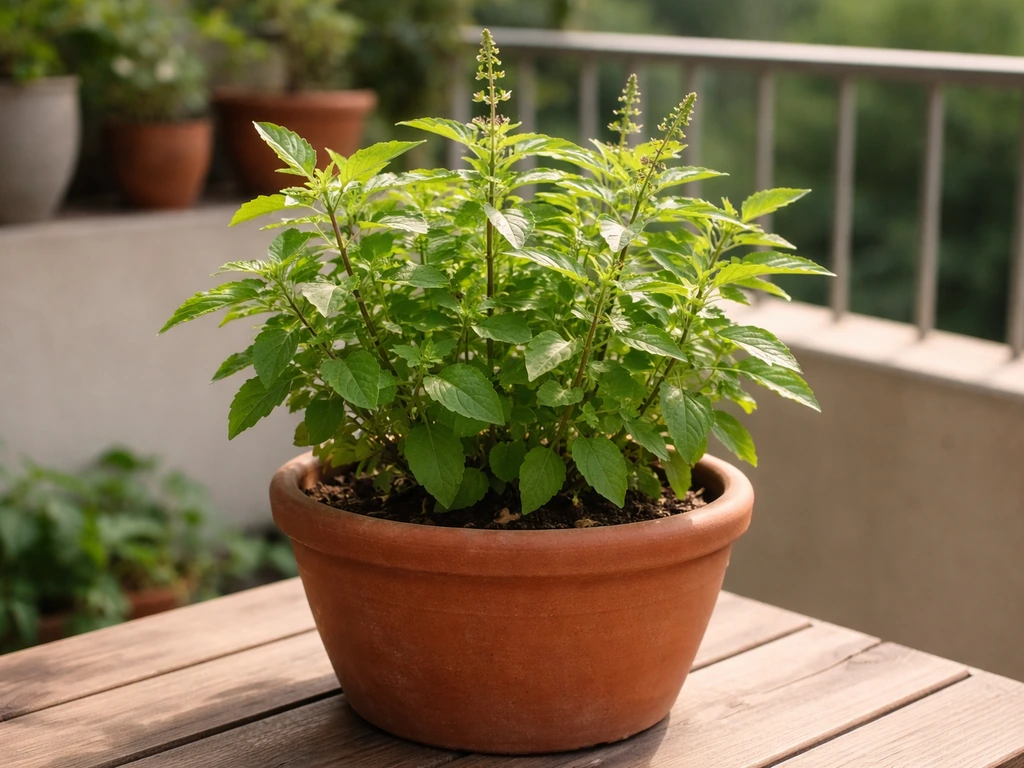
If you're growing marjoram indoors on a windowsill, the biggest challenge is usually insufficient light. A south-facing window in summer can work, but in winter the light levels drop dramatically. A small grow light used for a few hours a day can make the difference between a thriving plant and a sad, stretched one. This is worth considering if you grow other indoor herbs too, like tulsi. If you're also learning how to grow tulsi plant in pot, the key is choosing a bright spot and keeping the soil lightly moist but well-drained like tulsi.
Feeding, pruning and harvesting, and keeping it from getting leggy
Marjoram doesn't want a lot of fertilizer. Too much nitrogen pushes lush, watery growth that smells of very little and is more prone to pests. In a pot, I use a half-strength liquid seaweed feed or a diluted balanced fertilizer (something like a 5-5-5 or 10-10-10) once every three to four weeks during the active growing season, from late spring through to early autumn. Stop feeding completely in autumn and winter when the plant is resting.
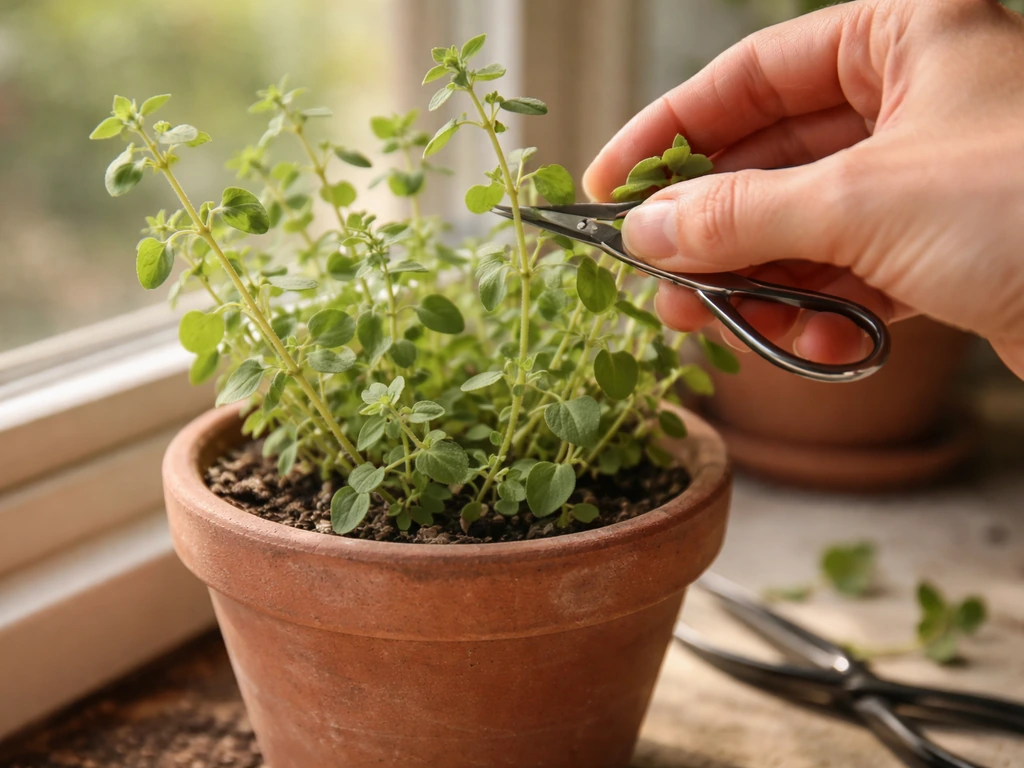
Pruning is the single most important thing you can do to keep potted marjoram productive. Left unpruned, it quickly goes leggy and woody at the base with sparse growth at the top. The trick is to pinch or snip back the growing tips regularly, before the plant flowers.
North Carolina Extension Gardener Plant Toolbox recommends pinching or pruning back knotted marjoram stems before flowers appear to encourage denser, bushier growth, and harvesting leaves before the flowers bloom for best flavor before the plant flowers.
Harvesting does this naturally: every time you snip a stem for cooking, you're encouraging the plant to branch out and produce more growth below. Aim to take no more than a third of the plant at any one time, and cut just above a leaf node (the point where leaves attach to the stem).
Flavor is best just before the plant flowers, so watch for the small white or pink flower buds forming and harvest generously at that point. If the plant does flower, pinch the flower heads off promptly to keep the leaves coming. It's not the end of the world if it flowers, but the leaves become slightly more bitter afterward.
Common problems in potted marjoram and how to troubleshoot
- Yellowing leaves: The most common cause is overwatering or poor drainage. Check that the compost isn't staying soggy and that the drainage holes aren't blocked. If the lower leaves are yellow but the tips are green, it could also be a mild nitrogen deficiency, in which case a half-strength liquid feed will help.
- Leggy, stretched growth: Almost always caused by insufficient light. Move the pot to a sunnier spot. Cut the plant back by about half to stimulate bushy regrowth, and keep it pinched going forward.
- Root rot: If the plant suddenly wilts despite wet soil and you can smell something unpleasant when you unpot it, root rot from overwatering is likely. Remove the plant, cut off any black or mushy roots with clean scissors, let the remaining roots air dry for an hour, and repot into fresh dry gritty mix. Water sparingly until you see new growth.
- Aphids: Small clusters of green or black insects on new growth. Blast them off with a jet of water, or wipe with a damp cloth. A diluted neem oil spray works well for persistent infestations. Marjoram is generally more resistant to aphids than softer herbs like basil.
- Powdery mildew: A white dusty coating on leaves, usually caused by poor air circulation combined with humidity. Move the pot somewhere with better airflow, remove affected leaves, and avoid wetting the foliage when watering.
- Slow or no growth: In cool, overcast conditions, marjoram simply sits still. Don't over-feed or overwater in an attempt to push growth; wait for warmer, sunnier weather and the plant will take off on its own.
Overwintering and when to repot or replace plants
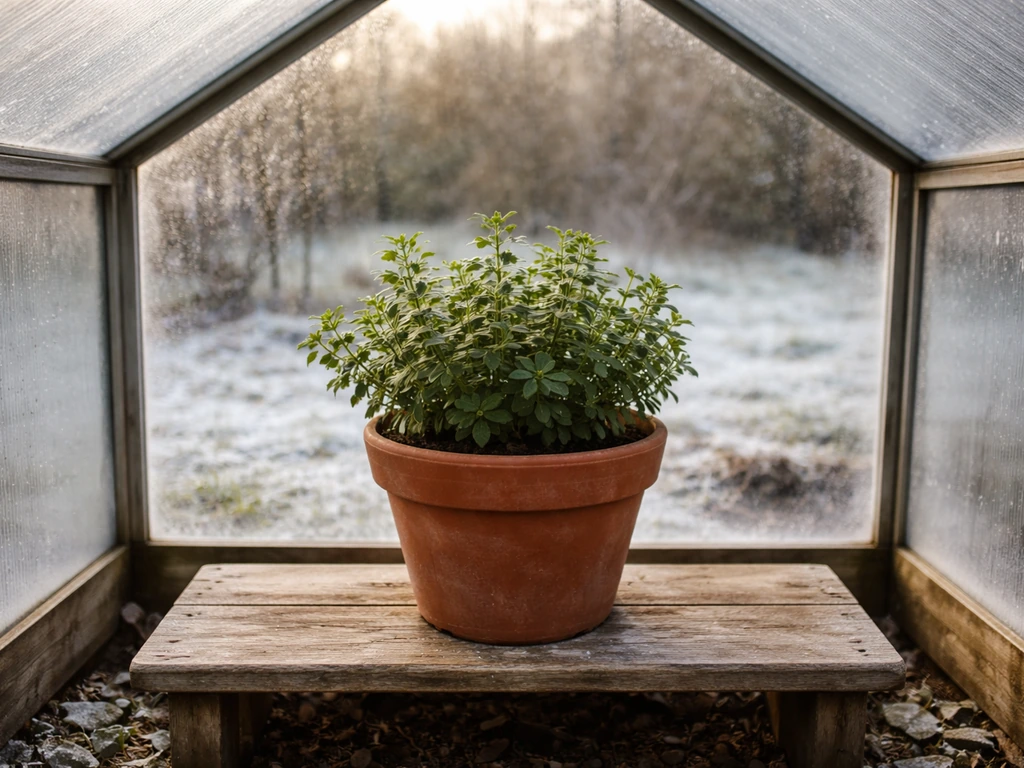
Because sweet marjoram is not fully hardy, how you handle winter depends on your climate. If you're in a mild area that rarely drops below -3°C and frosts are brief, you might get away with leaving the pot outdoors in a sheltered spot against a south-facing wall, with the pot raised off cold ground and wrapped in fleece during hard freezes. But honestly, the safest approach is to bring it indoors before the first frost.
If you are wondering how to grow cardamom in a pot, the same idea applies: protect it from cold drafts and keep it steadily warm bring it indoors. A cool, bright windowsill or a frost-free greenhouse or conservatory keeps it ticking over nicely through winter. Reduce watering to just enough to stop the compost drying out completely, stop feeding, and don't worry if it looks a bit sad, it will bounce back in spring.
Repotting becomes necessary when you see roots poking out of the drainage holes, the plant dries out suspiciously fast after watering, or growth has stalled despite good conditions. This usually happens every one to two years. In early spring, move the plant up one pot size (so a 25 cm pot to a 30 cm pot), refresh the compost, and trim back the top growth by about a third to balance the root-to-shoot ratio. Don't go dramatically larger with the pot, as too much extra compost around the roots holds moisture the plant doesn't need.
Marjoram plants do eventually become woody and less productive after two to three years, even with good care. When that happens, the easiest move is to take a few stem cuttings in late spring, root them in a small pot of gritty compost, and start fresh. It takes minutes and you end up with a vigorous young plant that will outperform the old woody one within a single season. Don't feel like you've failed when you replace a plant: it's just part of the rhythm of growing herbs in containers, and it's something you'll do with many compact herbs like these.
FAQ
Why is my potted marjoram getting leggy and sparse at the base?
It usually means it is not being pinched enough and it is stretching toward light. Start pinching or snipping the growing tips regularly before flowering, and if it is indoors, consider rotating the pot more often or adding a small grow light for winter months.
How can I tell if I am overwatering marjoram (before it dies)?
The earliest sign is the compost staying damp longer than expected, then yellowing leaves and a musty smell from the pot. Do the finger check down to about 2 cm, and only water when that depth dries slightly, then empty the saucer after about 30 minutes.
What should I do if my marjoram plant keeps dropping leaves?
Leaf drop often follows cold drafts or waterlogged soil. Move the pot to a warmer, brighter spot, protect it from chilly window airflow, and adjust watering to only when the surface is dry and the finger test shows the compost is drying through.
Should I cover the soil with gravel, and will that improve drainage?
No. A gravel or decorative stone layer can trap moisture at the surface and make it harder to judge when to water. Use a gritty mix in the pot, ensure drainage holes are clear, and rely on the finger test instead.
Can I grow marjoram from store-bought dried marjoram?
Usually not reliably. Dried leaves are typically not viable for germination, and marjoram is better started from viable seed or from nursery plants or cuttings for dependable results.
What is the best time to harvest marjoram for the strongest flavor?
Flavor is best right as flower buds form, but you can extend peak flavor by harvesting lightly throughout the weeks before buds appear. Avoid cutting more than about a third of the plant at one time to prevent a long recovery.
My marjoram flowers, should I remove the flowers?
Yes, pinch off flower heads promptly if you want ongoing leaf growth. If you leave them, expect fewer leaves and a slightly more bitter flavor afterward, even though the flowers can still look good in the pot.
Is sweet marjoram the only type that works well in pots?
For most gardeners, sweet marjoram (often sold as knotted marjoram) is the easiest choice because it is compact and more suitable for container life. Other species sold as “marjoram” may be less cold-hardy or grow differently, so check the scientific name if you are unsure.
How do I winterize marjoram if I do not want to bring it indoors?
If your winters are mild, place the pot in a sheltered spot against a south-facing wall, raise it off cold ground, and wrap the pot for extreme freezes. Still, plan to protect during hard frost days, and reduce watering to the point where the compost does not fully dry out completely.
Why is the soil drying out too fast, and should I switch pots?
Fast drying often happens with very small pots or terra cotta that is exposed to wind and hot sun. If it is drying within a day or two in summer, step up one pot size and ensure your mix has enough perlite or grit to drain but still hold workable moisture.
Can I use tap water for marjoram, or will it harm the plant?
Tap water is usually fine, but very hard water can build up minerals over time, which may subtly stress the plant in containers. If you notice a white crust on the pot or compost, flush the pot with a slow pour of water occasionally so excess salts drain out.
When should I repot, and how do I avoid shocking the plant?
Repot in early spring and only move up one pot size, typically refreshing the compost rather than using a much larger container. After repotting, keep it in bright light but avoid harsh midday sun for a few days, then resume normal care.