You can grow sorrel in a pot right now, and it is honestly one of the easiest leafy greens to keep going in a container. Pick a pot at least 12 inches wide and 10 inches deep, fill it with a good-quality potting mix, sow seeds about 1/4 inch deep, give it a sunny spot, and you will be cutting leaves in as little as 6 to 8 weeks. Sorrel is a perennial, which means once it is established, the same plant keeps producing for years. That makes it especially rewarding in pots where you want maximum return for minimum effort.
How to Grow Sorrel in a Pot: Step by Step Guide
Marcus Whitley
30 May 2026
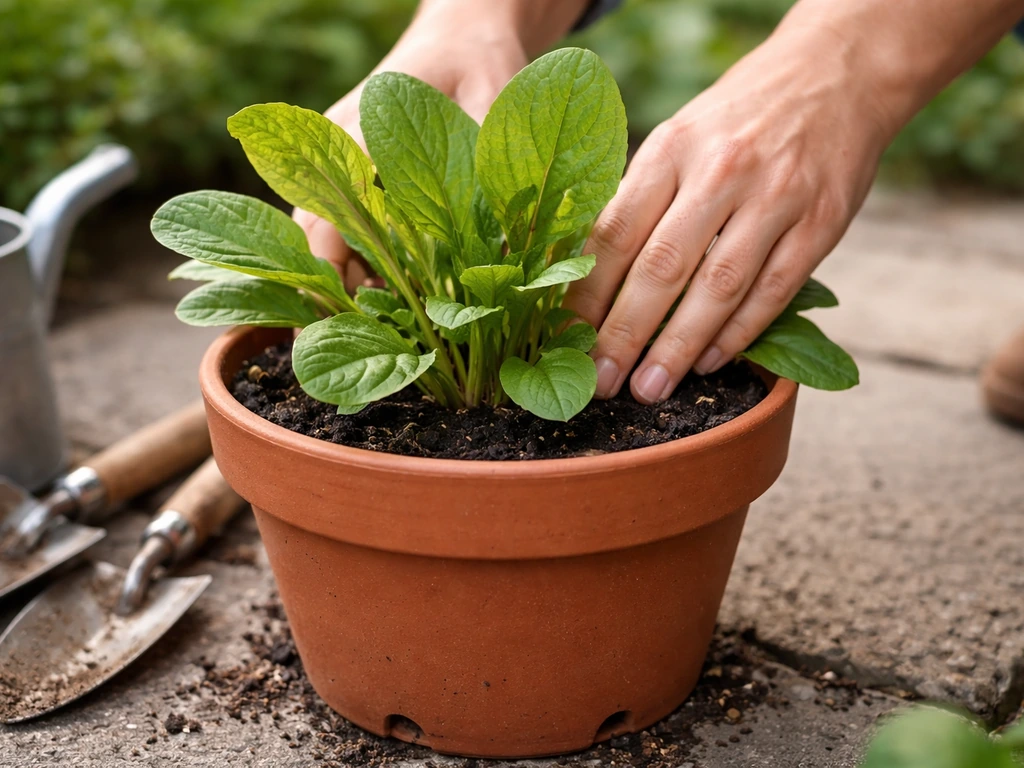
Quick-start checklist for growing sorrel in a pot today
If you are already holding a pot and a bag of soil and just want to get started, here is everything you need to do right now, in order.
- Choose a pot that is at least 12 inches wide and 10 inches deep, with drainage holes in the base
- Fill it with a good all-purpose potting mix, not garden soil
- Sow seeds 1/4 inch deep and roughly 2 to 3 inches apart, or transplant a seedling into the center with at least 12 inches of space around it
- Water gently until water runs from the drainage holes, then let the top inch of soil dry out before watering again
- Place in a spot that gets at least 4 to 6 hours of direct sun daily (morning sun with afternoon shade is ideal in hot climates)
- Keep temperatures between 50°F and 75°F (10°C to 24°C) for the best leaf growth
- Start harvesting outer leaves once plants reach about 4 to 5 inches tall, or wait for baby-leaf stage at around 4 inches
- Pinch off any flower stalks the moment you see them to keep the plant focused on leaves
Which sorrel variety should you grow in a container?
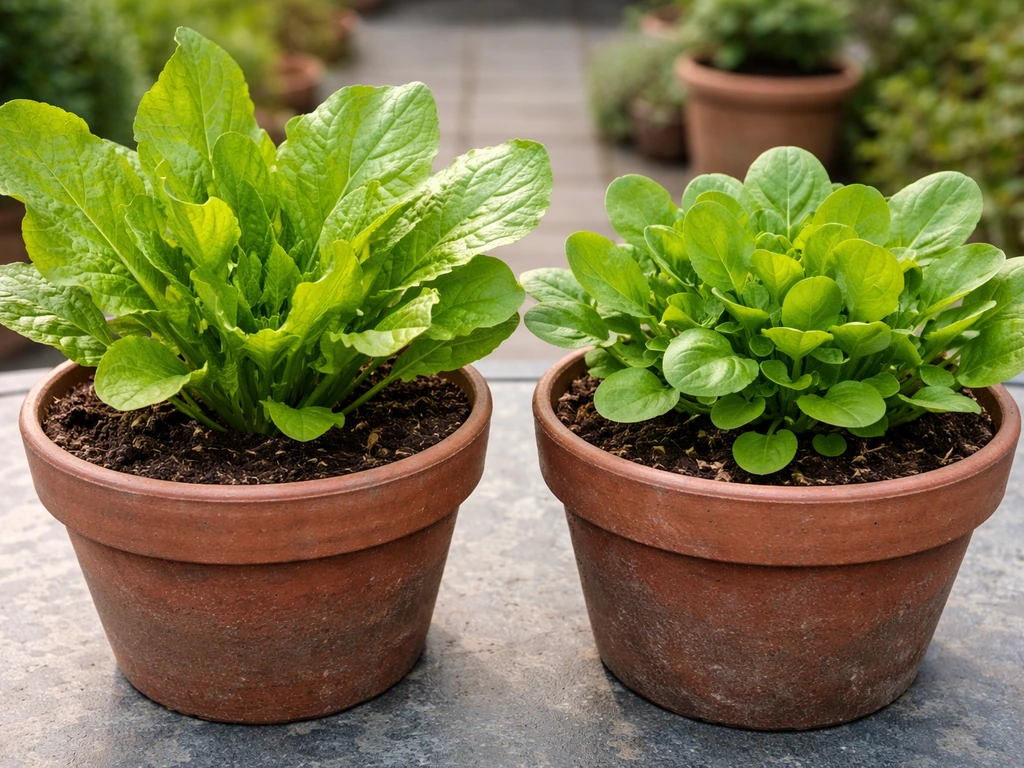
There are two types you will most commonly come across: common sorrel (Rumex acetosa) and French sorrel, also called buckler-leaf sorrel (Rumex scutatus). Common sorrel has large arrow-shaped leaves, roughly 4 to 8 inches long, and the plant can reach about 24 inches tall at maturity. French sorrel is more compact, with small shield-shaped leaves only about 1 to 2 inches across and a mature height of around 12 to 18 inches. For containers, French sorrel is the better fit. It stays manageable, the flavor is slightly milder and lemony, and it does not run to seed as aggressively as common sorrel. If you want to grow common sorrel, look for the cultivar 'Green de Belleville,' which stays around 12 to 18 inches tall and has bright green leaves up to about 3 inches long. It is a tidy, well-behaved plant in a pot.
Choosing the right pot, drainage, and container size
The most important rule with any container herb or leafy green is drainage. Sorrel roots hate sitting in wet soil, and if water pools at the bottom of the pot, you will get root rot long before you get a good harvest. Every pot you use must have drainage holes, full stop. Do not use decorative outer pots without removing the liner pot to check for standing water after every watering session. This is one of those habits that sounds fussy but saves a lot of heartache.
For a single sorrel plant, a 12-inch wide pot works well. If you want to grow multiple plants or want a cut-and-come-again baby leaf patch, go wider, something like a 14 to 16-inch pot or a window box at least 8 inches deep. Depth matters because sorrel develops a taproot over time. A pot that is at least 10 inches deep gives the roots enough room to establish properly and makes the plant more drought-tolerant between waterings. Terracotta pots are great for drainage and breathability, but they dry out faster, so you will need to water more often in summer. Plastic or glazed ceramic pots hold moisture longer, which can be a plus in hot or dry conditions.
If you are using a saucer under the pot, empty it after every rain or watering. Standing water in a saucer wicks back up into the potting mix and keeps the root zone soggy. It is one of the most common container gardening mistakes, and sorrel is not forgiving about it.
Soil and planting: seeds vs transplants, timing, and spacing
What soil to use
Use a quality all-purpose potting mix, not soil dug from the garden. For French sorrel specifically, Restoration Seeds recommends planting depth of 1/4 to 1/2 inch and spacing of 12 to 24 inches French sorrel planting depth and spacing. Garden soil compacts in pots, drains poorly, and can introduce pests and diseases you do not want in a container. A good potting mix is light, airy, and drains well while still holding enough moisture between waterings. You can improve drainage further by mixing in about 20 percent perlite if your climate is rainy or humid. Sorrel tolerates a fairly wide soil pH, but it performs best around 5.5 to 7.0, which covers most standard potting mixes.
Seeds or transplants?
Both work well. Seeds are cheaper and satisfying to grow from scratch, but they take longer to reach harvest size. Transplants (young plants from a nursery or started indoors) give you a head start of several weeks. If you are starting from seed, sow them about 2 to 3 weeks before your average last frost date in spring. Sorrel is a cool-season crop and actually germinates better in cooler soil, so early spring is ideal timing. In mild climates, you can also sow in late summer for a fall and winter crop.
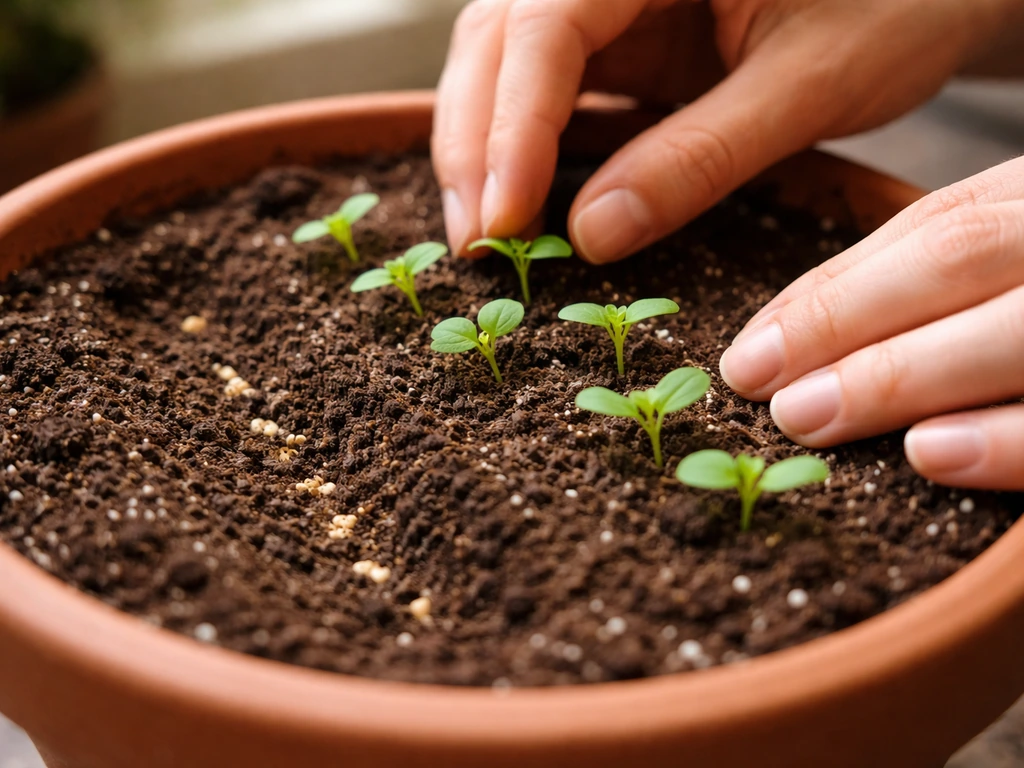
For seeds, push them into the potting mix about 1/4 inch deep (no deeper than 1/2 inch). They need light to germinate, so do not bury them. For a baby-leaf patch in a wide container, sow 3 to 5 seeds per inch in rows about 2 inches apart. This gives you a dense, cut-and-come-again crop that you can harvest repeatedly before thinning. For individual plants you plan to grow long-term, thin or space seedlings to about 12 inches apart once they are a couple of inches tall. If you are planting transplants, space them at least 12 inches apart, or give a single plant its own 12-inch pot.
Light, temperature, and watering schedule
Sunlight and temperature
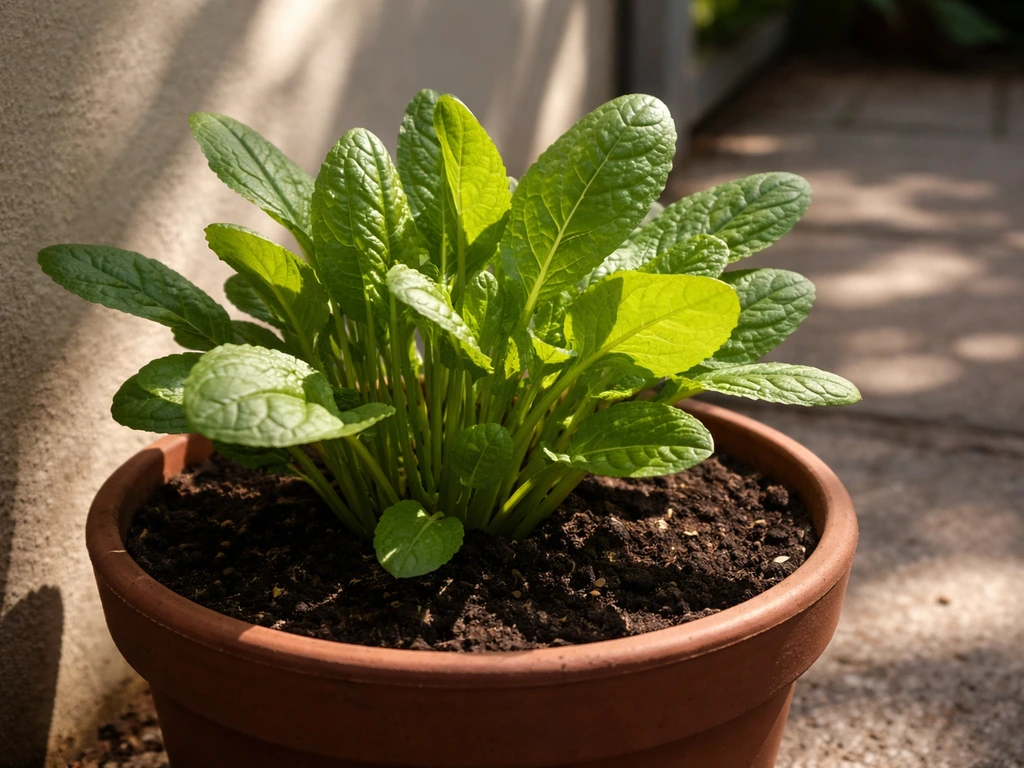
Sorrel grows best in full sun to partial shade, meaning 4 to 6 hours of direct sunlight per day. In cooler climates (spring and fall), full sun is ideal. In hot summers, a bit of afternoon shade actually helps because intense heat pushes sorrel to bolt (send up flower stalks) and the leaves become more bitter. One of the real advantages of container growing is that you can move the pot to a shadier spot when temperatures climb above 75°F to 80°F. Sorrel handles light frost without much trouble, which makes it a great cool-season pot plant for balconies and patios.
How often to water
The most reliable watering method for any container plant is the finger test: push your finger about an inch into the potting mix. If it feels dry at that depth, water. If it still feels moist, leave it another day. When you do water, water deeply, enough that water runs freely from the drainage holes at the bottom. This ensures the entire root zone gets moisture, not just the top inch. Sorrel in a pot will typically need watering every 2 to 3 days in warm weather and every 4 to 5 days in cooler conditions, but always let the soil guide you rather than a fixed calendar. Overwatering is a much more common killer of container sorrel than underwatering.
Feeding and ongoing container care for leafy growth
Most good-quality potting mixes already contain slow-release fertilizer that covers the first 6 to 8 weeks after planting. After that, sorrel in a container benefits from a balanced liquid fertilizer (something like a 10-10-10 or a general-purpose liquid feed) applied every 3 to 4 weeks through the growing season. Because you are growing for leaves, you want a fertilizer with decent nitrogen, which is the nutrient that drives leafy growth. Do not overdo it though. Heavy feeding can make sorrel grow fast but the leaves become coarser and more bitter. A moderate, consistent approach works better than throwing a lot of fertilizer at it all at once.
Beyond feeding, the single most important ongoing task is removing flower stalks. The moment you see a tall stem starting to form in the center of the plant, snap it off at the base. When sorrel flowers and sets seed, it diverts all its energy away from leaf production and the leaves shrink, get tougher, and lose flavor. Catching flower stalks early, especially in late spring and summer, keeps the plant producing tender, flavorful leaves for much longer. I have a habit of checking my sorrel pot every time I water, and it has made a huge difference.
Pests, problems, and troubleshooting in containers
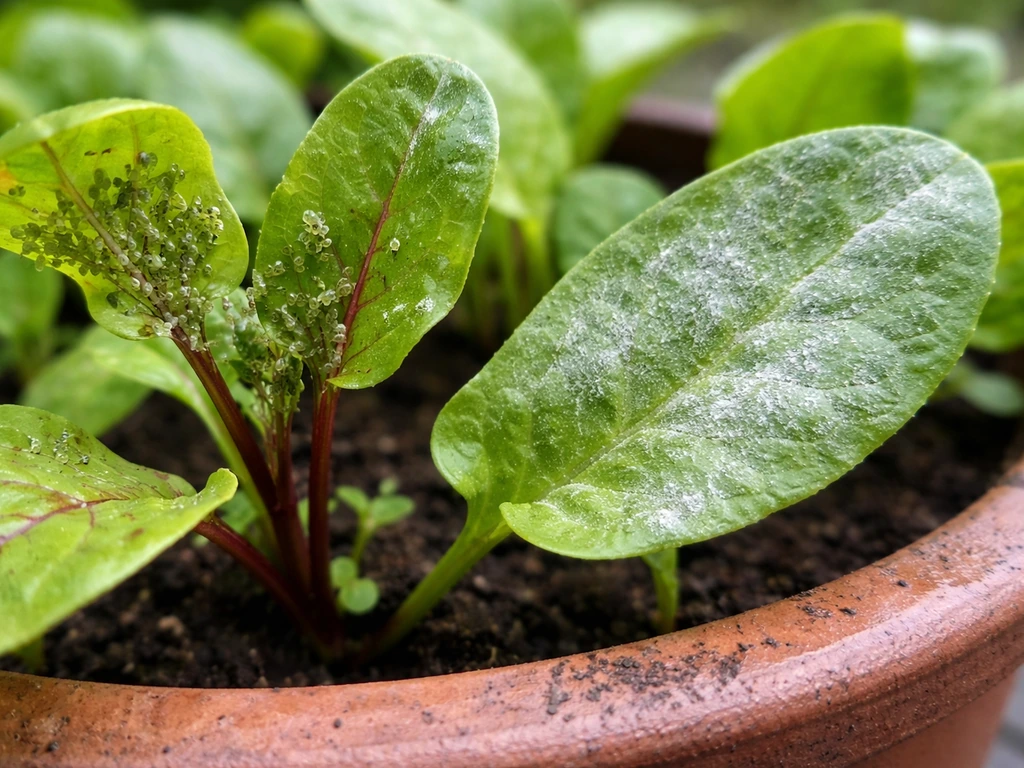
The good news is that sorrel is not a pest magnet. The main culprits you might encounter are aphids, slugs, and snails. Aphids tend to cluster on new growth and the undersides of leaves. A strong spray of water from a hose knocks most of them off, or you can wipe leaves with a diluted neem oil solution. Slugs and snails are a bigger issue in damp conditions. Keeping your pot slightly elevated off the ground (putting it on pot feet or a shelf) helps a lot, and they are less likely to reach a balcony container than something sitting on wet garden soil.
If you notice a white powdery coating on the leaves, that is powdery mildew, a fungal issue that shows up when air circulation is poor or the plant is stressed by heat. The fix is to remove affected leaves, thin out any overcrowding in the pot, and move it to a spot with better airflow. Watering at the base of the plant rather than splashing the leaves also helps prevent mildew from taking hold. In containers, good drainage and not overcrowding plants go a long way toward preventing most fungal problems before they start.
| Problem | Likely cause | What to do |
|---|---|---|
| Yellowing leaves | Overwatering or waterlogged soil | Check drainage holes; let soil dry before watering again |
| Bitter, tough leaves | Heat stress or plant has flowered | Remove flower stalks; move to partial shade in summer |
| White powder on leaves | Powdery mildew (fungal) | Remove affected leaves; improve airflow; water at the base only |
| Small clusters of insects on new growth | Aphids | Knock off with water spray; treat with diluted neem oil |
| Holes chewed in leaves | Slugs or snails | Elevate the pot; remove pests by hand at night |
| Leggy, pale growth | Not enough light | Move to a sunnier spot with at least 4 hours of direct sun |
Harvesting sorrel and what to do after cutting
When and how to harvest
You can start picking baby leaves once plants are about 4 inches tall, roughly 6 to 8 weeks after sowing. For a fuller harvest of mature leaves, wait until the plant is at least 10 to 12 cm (about 4 to 5 inches) tall. Always harvest the outer leaves first, leaving the younger inner leaves to keep growing. Use scissors or pinch the leaves off at the base of the stem. If you harvest this way, new leaves regrow within about two weeks, which means you can harvest repeatedly from the same plant through the whole growing season.
In mid to late summer, especially if the plant has been through a hot spell or bolted, you can cut the whole plant back hard to about an inch above the soil. This sounds drastic but it works really well. The plant bounces back with a flush of fresh, tender new growth within a few weeks, essentially resetting itself for a late summer and fall harvest. This hard cut also helps the plant go into its dormant period in better shape.
What to do after harvest, and refreshing the container
Because sorrel is a perennial, you do not need to replant every year the way you would with many vegetables. The same plant can live in its pot for 3 to 4 years before it needs refreshing. Each spring, top-dress the pot with a fresh inch of compost or potting mix to replenish nutrients. Every 2 to 3 years, consider dividing the root clump and repotting it into fresh potting mix. Dividing is easy: tip the plant out, pull or cut the root ball into two or three sections, and pot each piece back up separately. It reinvigorates the plant and gives you extra plants to share or start new pots with.
In winter, sorrel in a container will die back in colder climates. That is completely normal. Leave the pot somewhere sheltered from the hardest frosts (against a wall, in a cold greenhouse, or indoors in a cool room) and the roots will survive. New growth appears again in early spring without any help from you. If you are in a mild climate, the plant may stay semi-evergreen all winter and keep producing leaves even in the cooler months, which makes it one of the most productive things you can grow in a pot year-round.
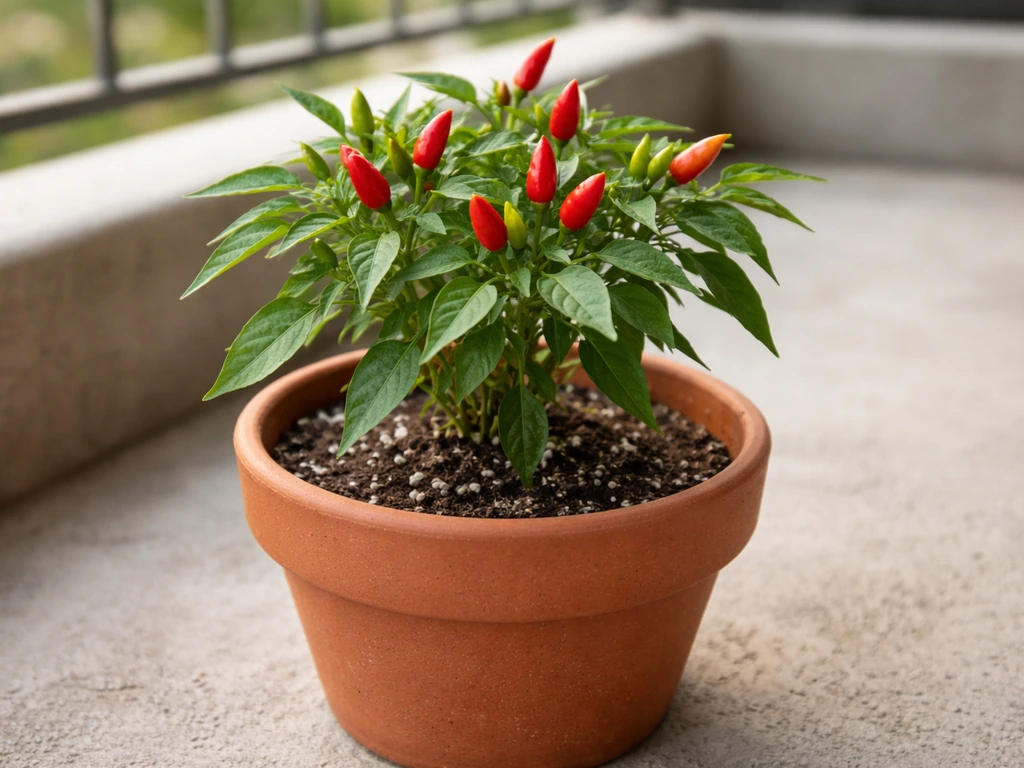
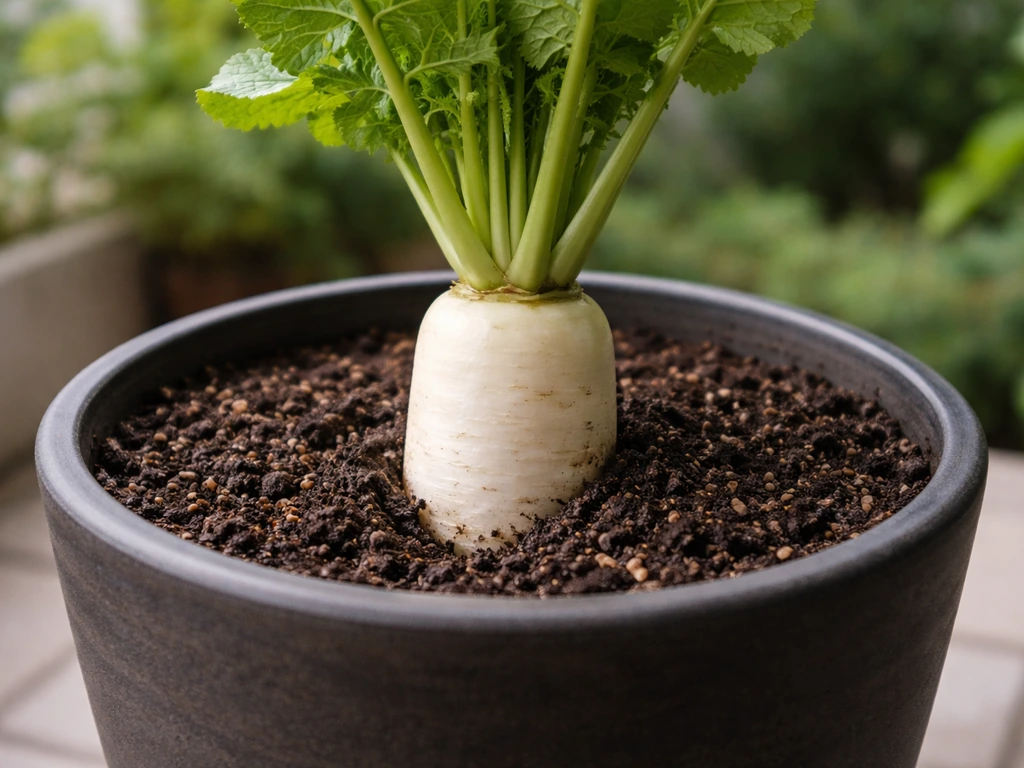
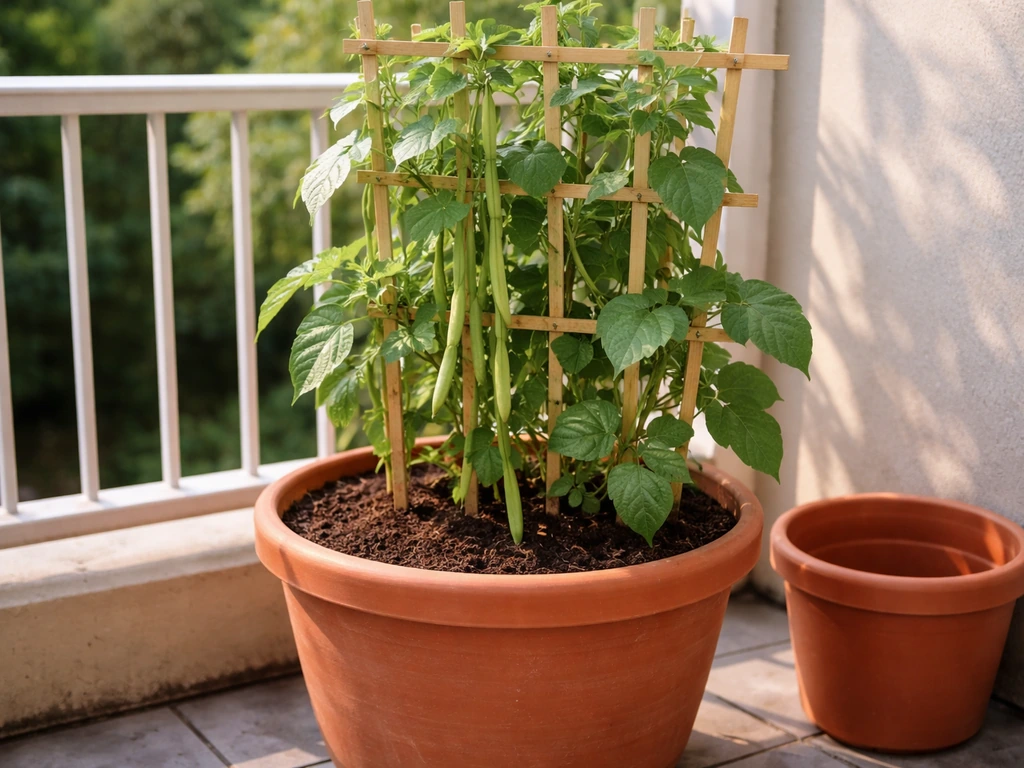
If you enjoy growing leafy greens in pots, sorrel fits naturally alongside other easy container crops. If you want a similar experience with potol too, follow potol-specific timing and trellis needs so it can climb and produce well sorrel in a pot. You can apply the same container gardening basics, like drainage and consistent watering, when you learn how to grow siling labuyo in pots grow leafy greens in pots. If you want another container option, learn how to grow sitaw in pots by matching the pot size, sunlight, and watering to this fast vine grow leafy greens in pots. The same general approach, good drainage, consistent watering using the finger test, and regular harvesting, applies to many plants in this family. Saluyot (jute leaves) can be grown in a pot with the same container-gardening basics: a roomy planter, fresh potting mix, and consistent watering so the leaves stay tender how to grow saluyot in pot. Once you get comfortable with how sorrel behaves in a pot, branching out to other container-friendly greens and vegetables becomes a lot less intimidating. If you want to keep expanding your container herb and leafy green collection, you can use similar pot and watering strategies for how to grow labanos in pots.
FAQ
Can I grow sorrel in a pot indoors, and what changes if I do?
Yes. If you want to start a pot indoors, use a bright window or grow light and keep the temperature closer to cool spring conditions. Sorrel will grow more slowly when it is too warm, and transplanting is easiest once seedlings have a couple of true leaves and you can keep watering consistent so the mix does not dry out between visits.
How do I stop my potted sorrel from getting bitter?
French sorrel is usually the safest bet if you want to avoid bitter leaves. Even with French types, once temperatures run hot for several days and the plant sends up flower stalks, flavor can turn sharper. The practical fix is to move the pot to afternoon shade and remove any flower stalk immediately to keep leaves tender.
Why are the leaves getting tougher even though I harvest from the outside?
Routinely removing flower stalks prevents most quality drop, but leaf size and flavor also depend on harvest timing. If you only harvest outer leaves but let the plant fully mature between harvests, leaves can become thicker and more sour. A better routine is to harvest outer leaves regularly (about every 1 to 2 weeks) while the plant is still producing new tender growth.
What should I do if my sorrel looks wilted or yellow but the soil feels wet?
Overwatering shows up faster than underwatering in containers because sorrel roots hate oxygen-depleted, wet mix. Signs include wilting despite damp soil, yellowing, and a sour or musty smell from the potting mix. Before adding fertilizer or water, pause and let the mix dry an inch down, then fix the drainage plan if saucers or liners are holding water.
Is it better to grow sorrel for baby leaves or as full-size plants in a pot?
Yes, but only if you choose the right crop plan. Sorrel is perennial, but you can treat it like a short-term baby-leaf crop. For cut-and-come-again, sow densely or use multiple plants in a wider pot, then cut often and thin later. If you want long-lived plants, keep spacing so each plant can develop its taproot.
My sorrel seeds are not germinating, what mistakes should I check first?
If seeds do not sprout, the most common cause is burying too deep or letting the mix dry completely right after sowing. Sorrel needs light to germinate, so keep sowing depth shallow (about 1/4 inch). Also, expect better germination in cool conditions, so avoid starting in peak heat or place the pot somewhere that stays on the cooler side.
When should I hard prune potted sorrel versus just removing flower stalks?
A hard pruning can be more than you need when you are only trying to manage bitterness or stress. If the plant bolts, removing the flower stalks is the first step. Do a hard cut (back to about an inch above soil) only after a hot spell or when growth is clearly stalled, because it resets leaf production and you will need a few weeks for a new flush.
How do I fertilize sorrel in a pot without making it taste worse?
Sorrel is usually easy to feed, but uneven growth often comes from fertilizer type or timing. If your mix already has slow-release, avoid adding liquid feed immediately. After that initial period, use a balanced liquid fertilizer every 3 to 4 weeks at a moderate rate, and stop when the plant is bolting or heat stressed to avoid coarse, bitter leaves.
What is the best time to divide potted sorrel, and how often should I do it?
Yes. You can refresh a container by dividing the root clump, which improves vigor and reduces overcrowding that leads to mildew and smaller leaves. Aim to divide in early spring when growth begins, and repot each section into fresh potting mix so the new roots are in loose, well-draining media from day one.
Should I keep watering my potted sorrel in winter?
Container sorrel can keep producing into winter in mild regions, but in colder areas it will die back. The key is placement and protection, not heavy watering. Keep the pot sheltered from the hardest frosts, reduce watering in winter when growth is dormant, and resume normal finger-test watering once new shoots appear.