You can grow fruit in pots successfully at home with the right plant, a big enough container, decent potting mix, and consistent watering and feeding. Strawberries, blueberries, figs, dwarf citrus, and even goji berries all do well in containers on a balcony, patio, or doorstep. The plants won't care that they're not in the ground, as long as you give them enough root space, sun, and food. This guide walks you through every step, from picking your first fruit plant to fixing it when something goes wrong.
How to Grow Fruits in Pots: Beginner Step-by-Step Guide
Marcus Whitley
2 Jun 2026
Choose the right fruit for pots (and for your space)
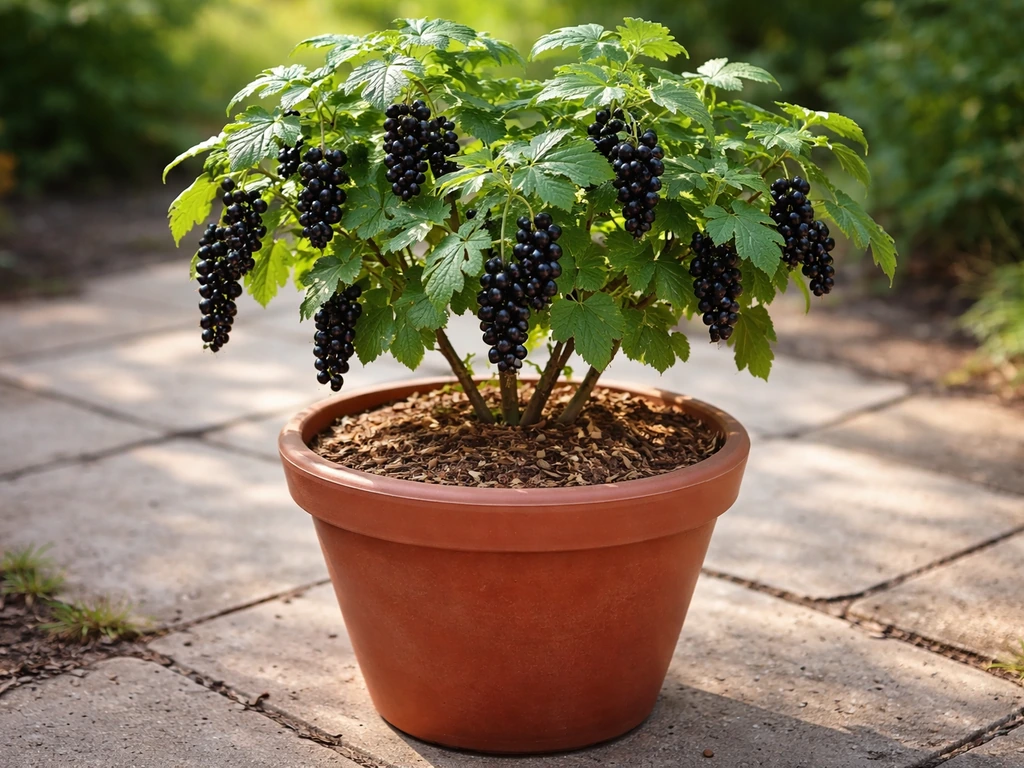
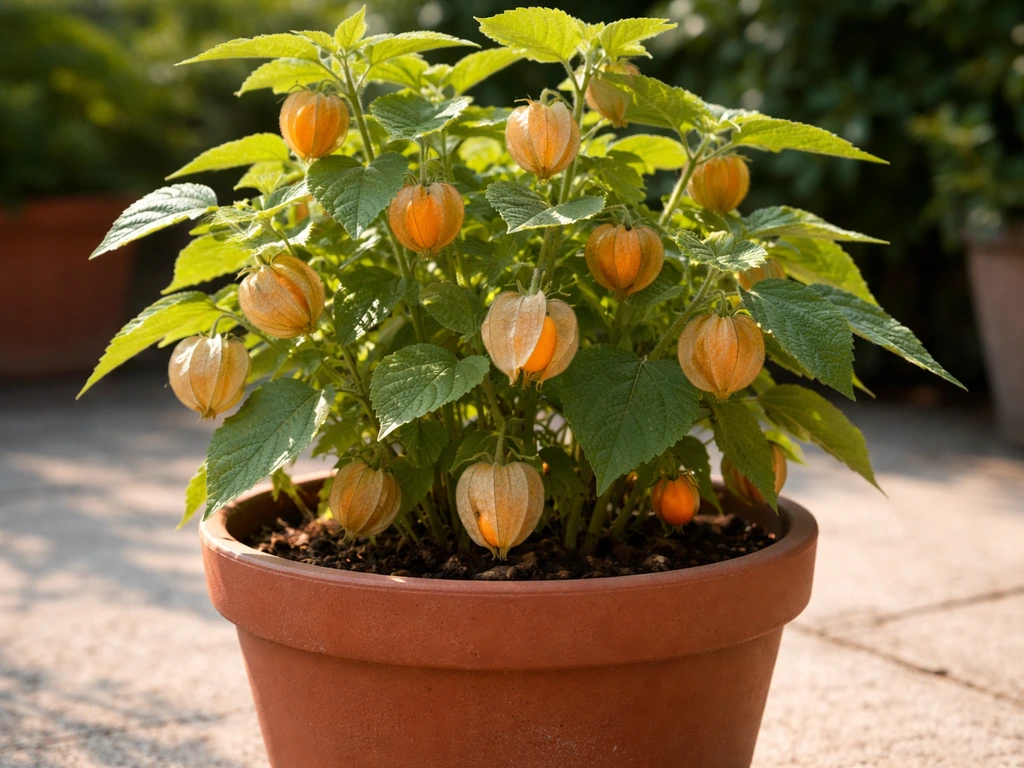
Not every fruit tree belongs in a pot, but more do than most people think. The key is choosing varieties that are naturally compact or have been bred for container life. Blackcurrants can also be grown in containers, but you need the right pot size and a sunny spot grow blackcurrants in a pot. Cape gooseberry is another excellent option for containers, and if you want the best results you can follow a specific pot-and-sun plan potted fruit. A full-size apple tree will fight you every step of the way. A dwarf apple on a dwarfing rootstock, or a fig pruned to stay manageable, will reward you for years.
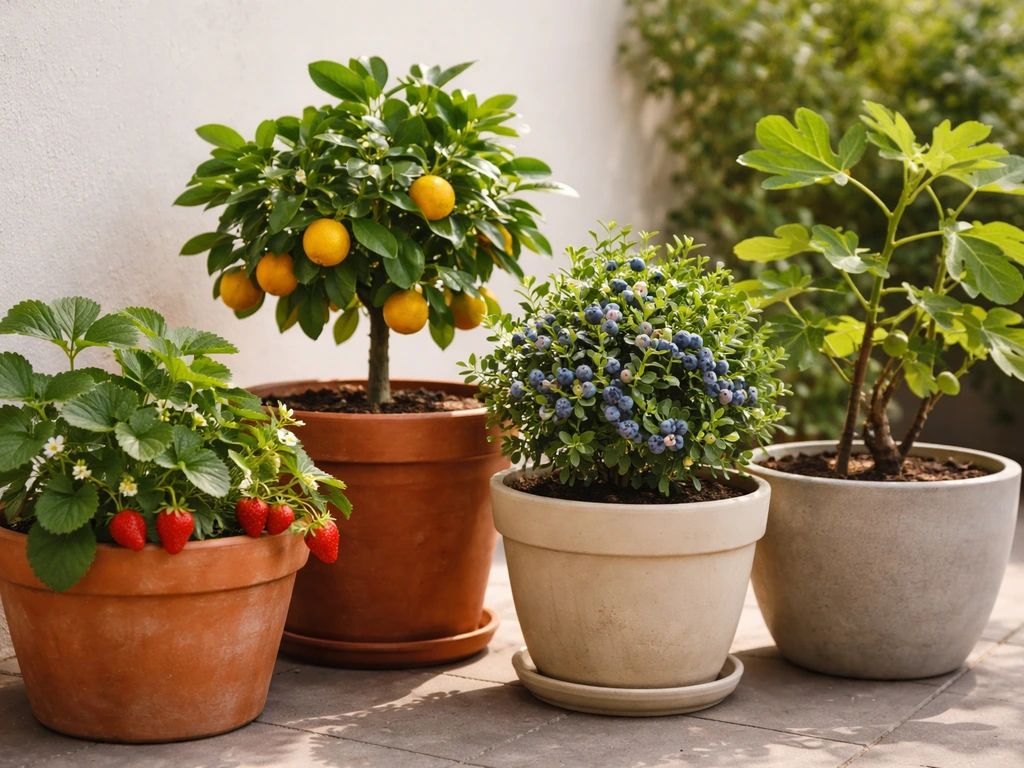
Here are the fruits I'd recommend if you're starting out, roughly from easiest to a little more involved:
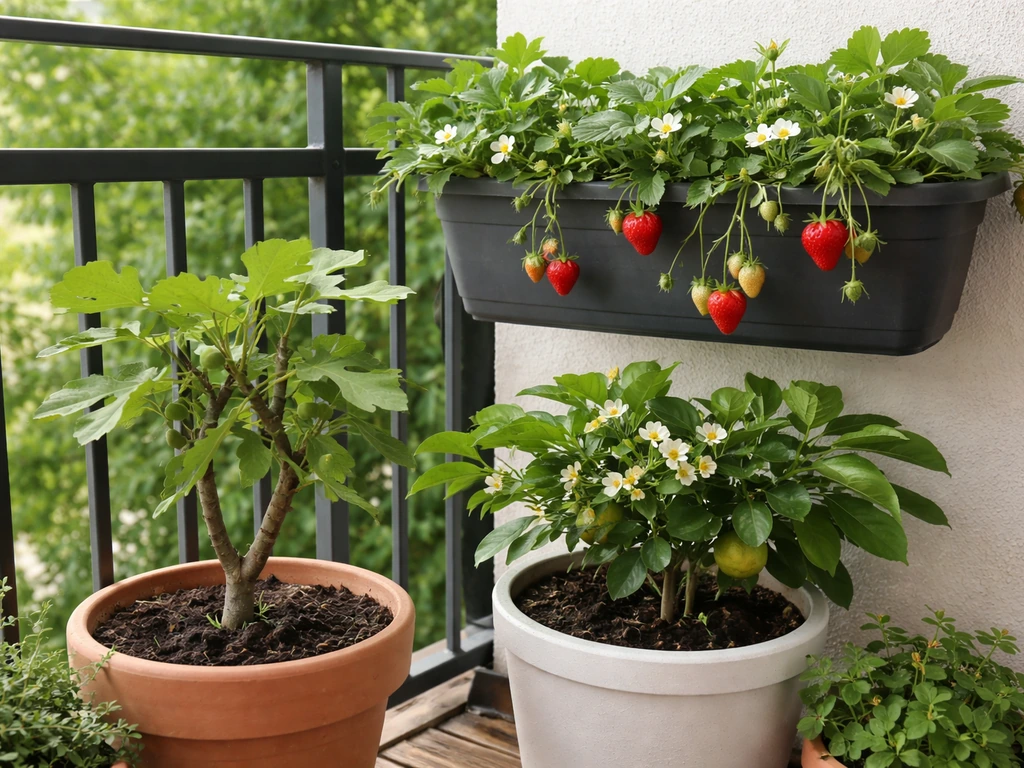
- Strawberries: The classic starter fruit. Fast results, low maintenance, great in small spaces. A 12-inch pot will hold 3 or 4 plants comfortably.
- Blueberries: Slower to establish but worth it. Need acidic soil (pH 4.0 to 5.0) and ideally two varieties for best yield.
- Figs: Surprisingly well-suited to containers. They actually fruit better when slightly root-bound, and a pot lets you control their vigour.
- Dwarf citrus (lemon, lime, calamondin): Perfect if you have a warm sunny spot. Self-fertile, so one plant is enough. Move them indoors before frost.
- Goji berries: Hardy, tolerant, and productive. Often overlooked but a great container choice.
- Gooseberries and currants (including blackcurrants): Compact, cold-tolerant, and very happy in large pots.
- Cape gooseberries: Great for warmer climates or indoors with good light. Prolific fruiter once established.
When choosing, honestly assess your space first. How much direct sun does your balcony or patio get? Most fruiting plants need at least 6 to 8 hours. Do you have room for more than one plant? Some fruits need a companion for pollination. Can you move pots indoors in winter if needed? Answering those questions before you buy saves a lot of frustration.
Pick containers and pot size (drainage, depth, and layout)
Getting the pot size right is probably the single biggest thing beginners get wrong. For strawberries, Iowa State University Extension notes that a 12-inch diameter container can fit about 3 or 4 plants spaced roughly 8 inches apart 12-inch diameter container can accommodate about 3 or 4 strawberry plants. Too small, and the plant runs out of root space and dries out constantly. Too massive too soon, and soil that roots haven't reached yet stays soggy and can cause rot. The general rule is: start in a pot that comfortably fits the roots with a little room to grow, then move up gradually as the plant fills the container.
| Fruit | Minimum pot diameter | Notes |
|---|---|---|
| Strawberries | 12 inches (30 cm) | Fits 3 to 4 plants; shallow pots are fine |
| Blueberries | 18 to 24 inches (45 to 60 cm) | Need room for deep roots and acidic mix |
| Figs | 15 to 20 inches (38 to 50 cm) to start | Pot up gradually as roots fill the container |
| Dwarf citrus | 12 to 18 inches (30 to 45 cm) | Lightweight pot preferred for moving indoors |
| Gooseberries / currants | 15 to 18 inches (38 to 45 cm) | Wide pots better than deep for these shrubs |
| Goji berries | 15 to 20 inches (38 to 50 cm) | Deep pot suits their root system well |
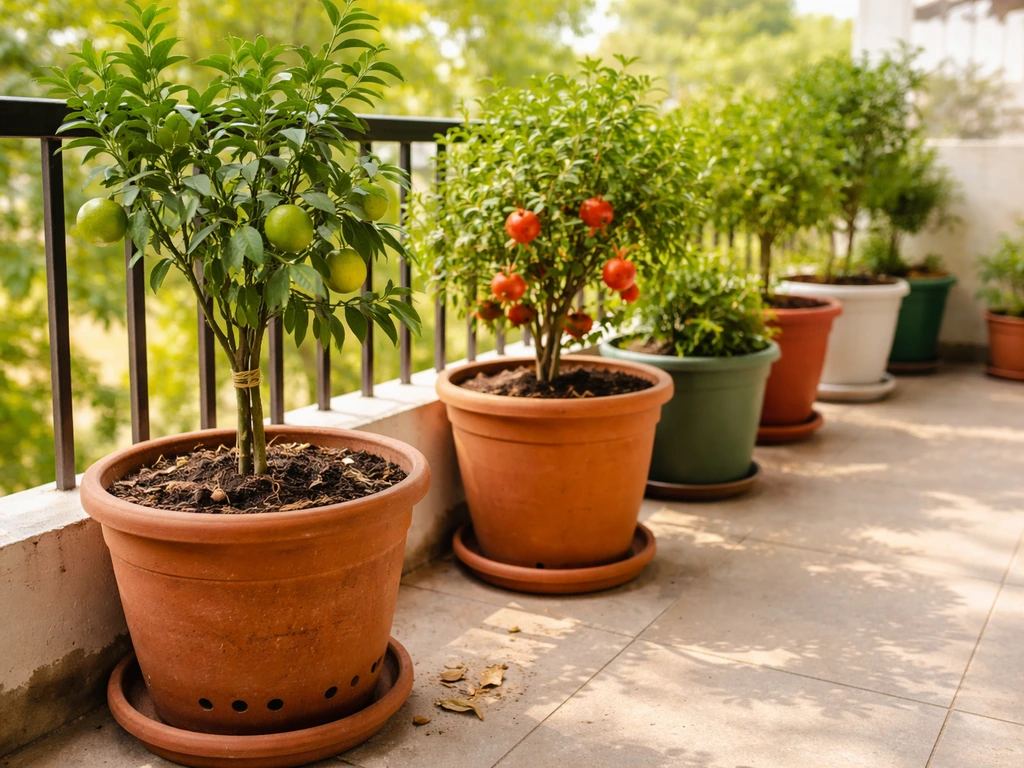
Drainage is non-negotiable. Every pot needs at least one drainage hole at the bottom, and ideally several. For roses, you'll want the same kind of reliable drainage so the roots do not sit in water roses in pots. If your pot is sitting directly on a hard surface like concrete or tiles, lift it up on pot feet or a couple of bricks. This stops the drainage holes from being blocked, keeps water flowing freely, and prevents roots sitting in a puddle. I learned this the hard way with blueberries that slowly drowned on my patio.
For material, terracotta looks great but dries out fast and cracks in frost. Plastic or fibreglass pots hold moisture longer and are much lighter, which matters a lot if you ever need to move dwarf citrus or figs indoors for winter. Fabric pots (also called grow bags) are brilliant for strawberries and even blueberries. They air-prune roots naturally and are cheap to buy.
Think about layout too. Group pots of the same plant type together to make watering easier. Keep larger pots near walls where they get some shelter from wind. And if you're on a balcony, always check the weight limit before loading up with multiple large, soil-filled containers.
Soil and planting basics for potted fruit
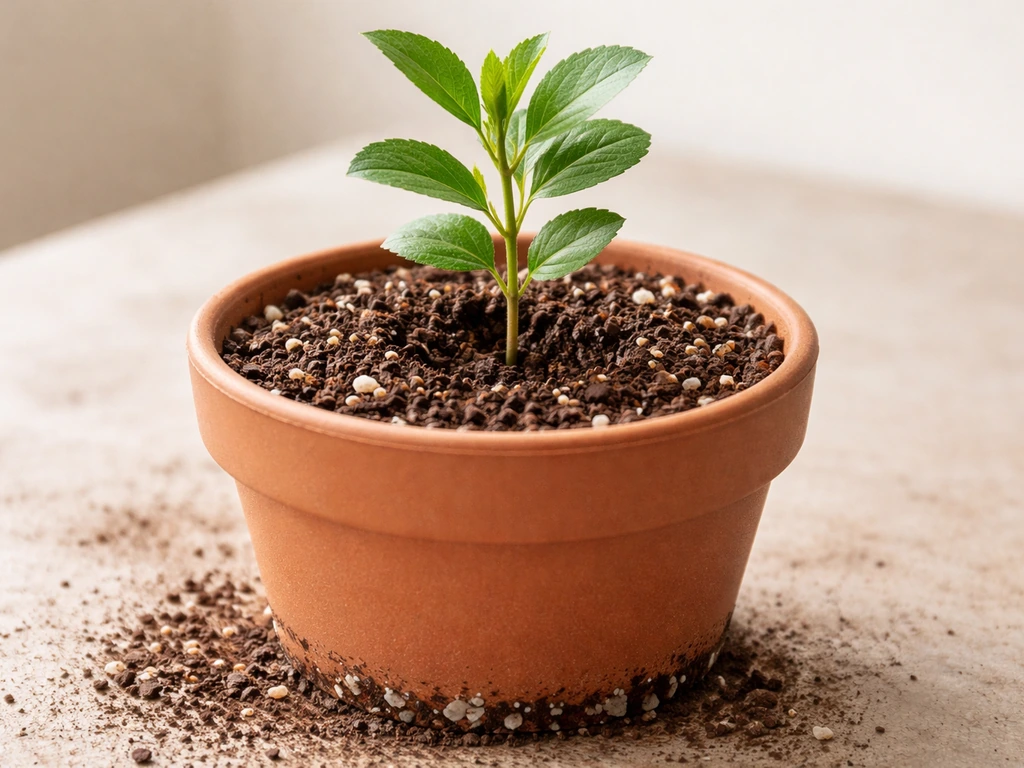
Never use garden soil in pots. It compacts badly, drains poorly, and often brings in pests and diseases. You want a potting mix that stays loose, drains well, and holds enough moisture to keep roots happy between waterings.
For most fruit in pots, a peat-free multipurpose compost mixed with perlite (about 20 to 30 percent perlite by volume) works very well. The perlite is those small white granules you see in bagged compost. It keeps the mix from compacting and improves drainage. For figs specifically, a 50:50 blend of compost and a soilless growing medium gives excellent results. That mix drains fast enough to suit figs while holding enough nutrients to fuel their growth.
Blueberries are the exception to the general rule. They need genuinely acidic soil, with a pH between 4.0 and 5.0. Standard multipurpose compost is too alkaline. Use a mix formulated specifically for ericaceous (acid-loving) plants, or blend ericaceous compost with pine bark chips. If your pH creeps above 5.5, the blueberry leaves will turn yellow and the plant will struggle to take up nutrients, no matter how much fertiliser you apply.
When planting, set the plant at the same depth it was growing in its nursery pot. Burying the stem too deep invites rot. Water the plant well immediately after planting, then leave it for a day or two before starting a regular watering routine. Avoid fertilising right away if you're using fresh potting compost, since most good-quality mixes contain enough nutrients for the first 6 to 8 weeks.
Light and watering schedule for container-grown fruit
Most fruiting plants are sun-hungry. Figs and dwarf citrus both need a minimum of 8 hours of direct sunlight a day. Strawberries and blueberries want at least 6 hours. If your space only gets 4 hours of sun or less, honestly most fruit crops will struggle to produce much. That's worth knowing before you invest time and money. Herbs and some leafy vegetables are a better fit for shadier spots.
Dwarf citrus is a good example of how light management works in practice. When the weather is warm and frost-free, move citrus pots outside where they get that full 8 to 12 hours of sun. Bring them back indoors before the first frost in autumn. Indoors, place them in your sunniest south-facing window, or supplement with a grow light if natural light is limited.
Watering is where most container fruit gardeners go wrong, and it's usually one of two ways: too much or not enough. If you're looking for a region-specific plan for how to grow fruits in pots in india, follow the same core steps on pot size, drainage, and watering. Pots dry out much faster than garden beds, especially in warm weather. At the same time, overwatering is just as damaging. The method I rely on is simple: push your finger about an inch into the soil. If it feels dry at that depth, water thoroughly until it drains from the bottom of the pot. If it still feels damp, wait another day.
Strawberries have particularly shallow roots and are sensitive to drying out, so during warm spells check them daily. In midsummer heat you may water strawberries every day. Figs, on the other hand, tolerate drier conditions better and can go a few days between waterings. Blueberries like consistent moisture but also need that free drainage, so it's a balance. In summer, most container fruit will need watering every 1 to 3 days depending on pot size, temperature, and whether there's been rain.
Feeding, pruning, and training for fruit production
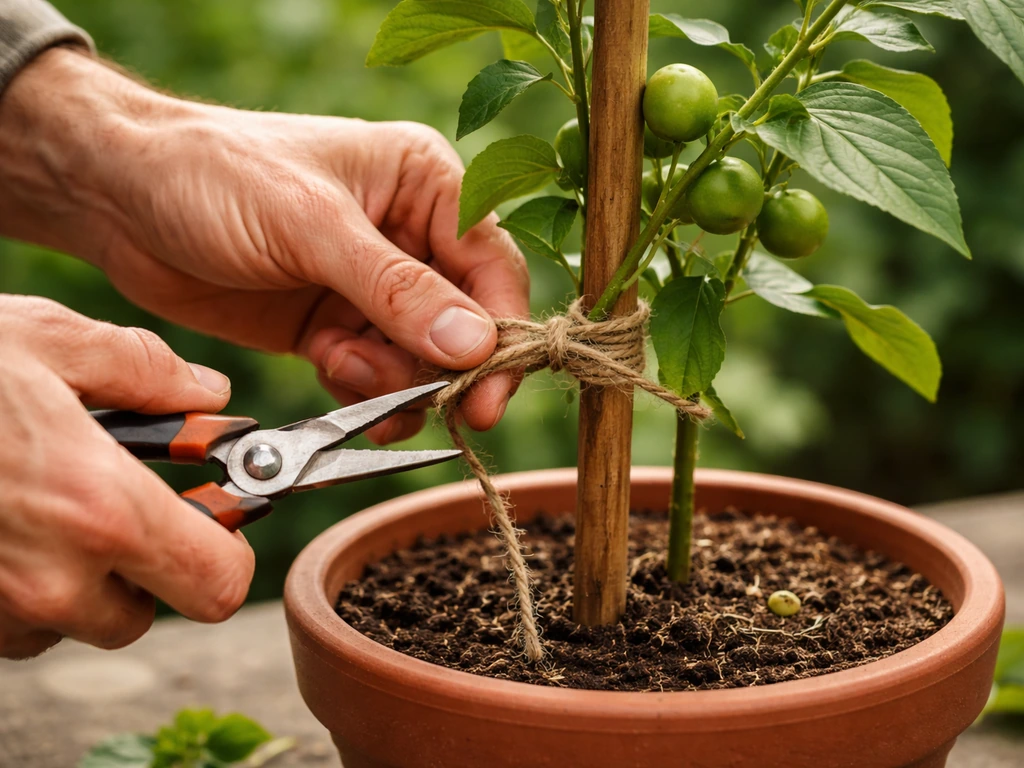
Fruit plants in pots need regular feeding because every watering gradually flushes nutrients out of the container. Unlike a plant in the ground with access to a whole garden's worth of minerals, your potted fig or blueberry is entirely dependent on what you give it.
For most fruiting plants, a balanced slow-release fertiliser worked into the soil at the start of the growing season gives a good foundation. Then once flowers and fruits begin to form, switch to a high-potassium liquid feed (tomato feed works perfectly for this) every 1 to 2 weeks through the fruiting season. Potassium drives flower and fruit development. Blueberries need a fertiliser formulated for acid-loving plants to avoid raising the soil pH.
Pruning for potted fruit is less about shaping a tree and more about keeping the plant productive and manageable. With figs, remove any dead or crossing branches in late winter or early spring before growth starts. You can also pinch out the tips of growing shoots in midsummer to stop the plant getting too large and to encourage more fruiting side shoots. Strawberries need their old leaves cleared after fruiting, and runners (long stems that creep outward) should be snipped off unless you want to propagate new plants. Blueberries benefit from removing a few of the oldest, most woody stems at ground level each year after about three years of growth.
For training, figs and dwarf citrus respond well to being shaped into a simple open-centred bush form. Just remove any stems that cross through the middle of the plant so light and air can reach all the branches. You don't need to do anything complicated. The goal is a plant that isn't too congested, not a horticultural masterpiece.
Pollination and how to get flowers to fruit at home
If your plant flowers but never produces fruit, pollination is usually the culprit. Some fruits are self-fertile, meaning one plant is all you need. Others need a second compatible variety nearby so bees and insects can carry pollen between them.
| Fruit | Self-fertile? | Pollination notes |
|---|---|---|
| Dwarf citrus | Yes | One plant is sufficient; bees help but aren't essential |
| Figs (most varieties) | Yes | Common fig varieties fruit without pollination |
| Strawberries | Yes | Wind and insects both help; one plant is fine |
| Blueberries | Partially | Better yield with two different varieties close together |
| Gooseberries | Yes | Self-fertile, though insects improve crop size |
| Blackcurrants | Yes | Self-fertile; insect visitors increase yields |
| Goji berries | Yes | Self-fertile but produce more with two plants |
If you grow fruit indoors or on a high balcony where bees don't visit often, you may need to hand-pollinate. It's easier than it sounds. Take a small soft paintbrush or a cotton swab and gently dab it into the centre of each open flower in turn. Do this every couple of days while flowers are open. This transfers pollen between flowers and dramatically improves your fruit set. I do this with my indoor citrus every spring and the difference in fruit production is noticeable.
Temperature matters for pollination too. Flowers that open during a cold snap or a heatwave often fail to set fruit even when bees visit. If you see flowers dropping without forming fruit, check the recent temperatures. Most fruiting plants set fruit best between about 15°C and 25°C (59°F to 77°F).
Growing fruit alongside vegetables in the same pots
Mixing fruit and vegetables in the same container or in grouped pots is a smart use of limited space, and it can work really well as long as you think about compatibility. The main things to match up are: similar water needs, similar sun requirements, and similar soil type preferences.
Strawberries are probably the easiest fruit to mix with vegetables. They share a pot happily with low-growing herbs like thyme or with lettuce and spinach at the edges of a larger container. The compact roots don't compete aggressively, and the bed-like planting looks attractive. A 15-inch pot or a long window box works well for this. The UW-Madison Extension guide on growing strawberries in containers recommends using round containers no less than 12 inches in diameter A 15-inch pot.
For fruit trees or bushes like figs, blueberries, or dwarf citrus, I'd keep them in their own dedicated pots rather than planting vegetables directly in the same container. The root mass of an established fig or blueberry doesn't leave much room for anything else. Instead, arrange vegetable pots around them. Cherry tomatoes, basil, and chillies all need similar sunny conditions to most fruit and can sit right alongside fruit pots without any conflict.
The combinations to avoid are plants with very different watering needs in the same pot. Blueberries want consistent moisture; Mediterranean herbs like rosemary and thyme want to dry out between waterings. Plant them together and either the blueberry dries out or the rosemary rots. Also avoid planting vegetables that are heavy feeders (like courgettes or brassicas) directly in with fruit that prefers lower-fertility soil (like figs), since you'll end up with conflicting fertilising needs.
If you're short on space and want a true mixed setup, here are pairings that genuinely work together:
- Strawberries with lettuce, spinach, or compact herbs (thyme, chives)
- Dwarf citrus pot surrounded by basil or lemon verbena in nearby pots
- Cape gooseberries with cherry tomatoes in adjacent pots (same sun and water needs)
- Blueberries underplanted with low-growing nasturtiums (which deter aphids and tolerate moist soil)
- Gooseberries or currants with chives nearby (the chives help repel some pests)
When grouping different pots together, think in zones. Put the thirsty, sun-loving plants (strawberries, tomatoes, citrus) in one cluster so you can water them at the same time. Keep the slightly drought-tolerant ones (figs, goji berries) together in another spot. This stops the chaos of trying to remember which pot needs what.
Troubleshooting pests, diseases, and low/no fruit
Something going wrong is part of container growing. I've killed plants and had near-misses with others. Here are the most common problems and how to fix them. For example, if you want to grow gooseberries in pots, the right container size, soil, and watering schedule make a big difference how to fix them.
The plant flowers but produces no fruit
Usually a pollination problem or a temperature issue. If your plant is indoors or on a sheltered balcony with few insect visitors, try hand-pollinating with a small paintbrush as described above. If the flowers are dropping off, check if temperatures were extreme when the flowers were open. Also check that you have two compatible varieties for fruits that aren't self-fertile, like some blueberry varieties.
Yellowing leaves
On blueberries, yellow leaves almost always mean the soil pH is too high. The plant can't absorb iron and other minerals even if they're present in the soil. Water with a diluted ericaceous fertiliser and test your soil pH. On other fruits, yellowing often means nutrient deficiency, especially nitrogen. Switch to a balanced liquid feed and the colour usually recovers within two to three weeks. Yellowing between leaf veins (but the veins stay green) on any plant points to iron or magnesium deficiency, which you can treat with a chelated iron or Epsom salt solution.
Wilting despite regular watering
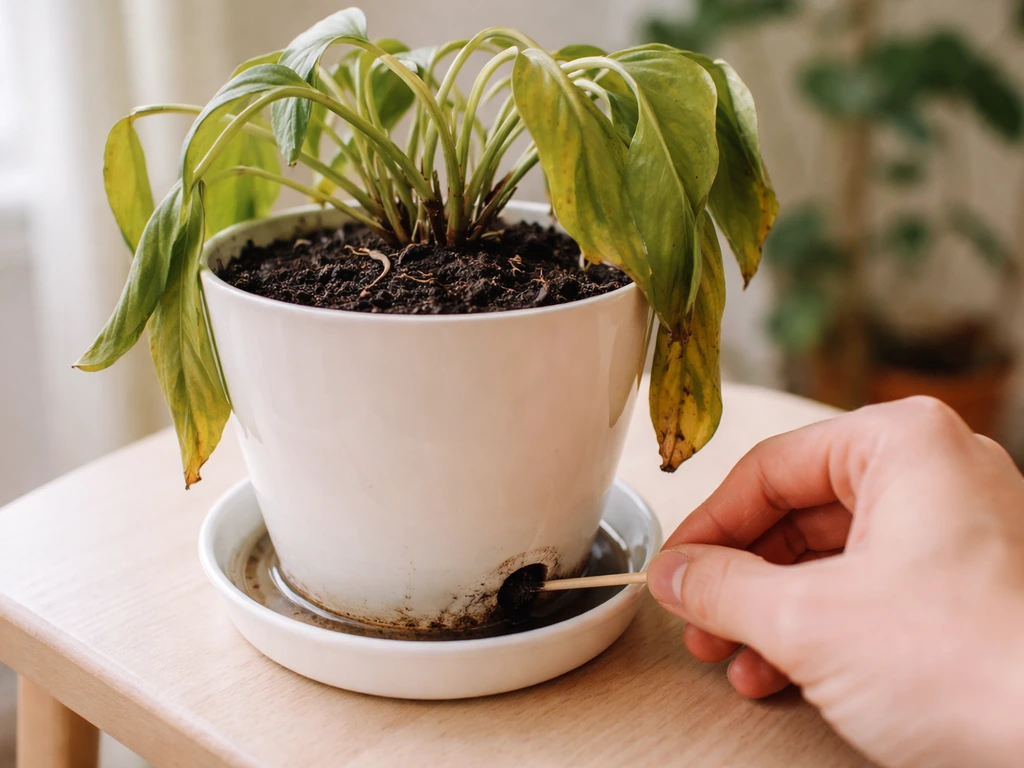
If the soil is wet but the plant is wilting, the roots are probably rotting from overwatering or poor drainage. Check the drainage holes are clear and not blocked. Reduce watering frequency and let the top few inches of soil dry out before watering again. In serious cases, you may need to unpot the plant, trim off any black or mushy roots, and repot in fresh dry compost. It sounds drastic but plants often recover well from it.
Slow growth or a plant that just looks stuck
Often a root restriction problem. If a plant has been in the same pot for more than two years, it may be root-bound. Roots circling tightly inside the pot can't take up water or nutrients efficiently. Check by sliding the plant out of its pot. If you see a dense mat of roots with barely any visible soil, it's time to pot up into a container one size larger with fresh potting mix. This is especially common with figs, which grow vigorously once established.
Common pests on container fruit
- Aphids: Cluster on new soft growth. Blast off with water or use an insecticidal soap spray. Ladybirds and lacewings eat them, so attract beneficials by grouping plants.
- Vine weevil: The larvae eat roots and can devastate a container plant from below. Adult weevils leave notched leaf edges. Use nematode biological controls in the compost in spring and autumn.
- Spider mites: Tiny mites that thrive in hot, dry conditions, causing pale stippled leaves and fine webbing. Mist leaves regularly to raise humidity and use a suitable miticide if the infestation is heavy.
- Scale insects: Brown or white bumps on stems of citrus or fig. Wipe off with a damp cloth and treat with a horticultural oil spray.
- Birds and squirrels: The most brazen pests of all. Net fruit once it starts to colour, or accept sharing.
Your quick-start checklist
If you want to get going today, here's the short version of everything above. Do these things in order and you'll be well ahead of most first-time container fruit growers.
- Pick one or two fruits that suit your sun levels and space. Strawberries or a fig are the easiest starting points.
- Buy a pot with drainage holes that's the right minimum size for your chosen fruit.
- Fill with quality peat-free potting mix (ericaceous mix for blueberries). Add 20 to 30 percent perlite for better drainage.
- Plant at the correct depth, water in well, and lift the pot onto bricks or feet if it's on a hard surface.
- Place in the sunniest spot available and check daily for watering needs in warm weather.
- Start a liquid potassium-rich feed (tomato fertiliser) every 1 to 2 weeks once flowers appear.
- Hand-pollinate with a paintbrush if you're in a low-traffic area for bees.
- Check for pests weekly and deal with them early before they establish.
Container fruit growing has a learning curve, but it's a forgiving one. You'll make mistakes, and so did I, but most fruit plants are tougher than they look. A strawberry that wilts in a heatwave usually bounces back. A fig that dropped its leaves in an unexpected cold snap often recovers the following spring. Keep experimenting, keep notes on what worked, and the results improve every year.
FAQ
Should I repot my fruit plant immediately after buying, or wait?
In most cases, yes, you can repot into a larger container after buying, but do it with timing. If the plant is actively growing (warm months), move up one pot size and use fresh potting mix, then wait about 1 to 2 weeks before starting your regular fertiliser. Avoid repotting right before dormancy or during a heatwave, because containers already stress roots.
How often should I water fruit in pots if weather changes week to week?
For container fruit, more frequent watering is often the right direction, but the right way is to water thoroughly only when the mix is dry at depth. Instead of daily watering on a schedule, check the finger depth (about 1 inch). In very small pots, you may still need daily checks in summer, but you should not water if the soil is still damp below the surface.
Do I need to flush or rinse my potting mix to avoid fertilizer buildup?
To prevent salt buildup, occasional flushing helps, especially if you fertilise regularly. Once every 3 to 6 weeks during the growing season, water until excess drains out freely, then empty the saucer or cache pot so roots are not sitting in the runoff. If you notice crusty white deposits on the rim, that is a sign to flush sooner.
What’s the best way to fix root-bound fruit plants in containers?
Yes, you can, but avoid burying the stem and avoid going too large in one jump. If your plant is getting root-bound, increase by about 1 pot size (or roughly 2 to 4 inches in diameter), keep the planting depth the same as the nursery pot, and use fresh mix. Going from very small to very large can stay wet too long, increasing rot risk.
Can I use mulch on top of potting mix to reduce watering?
Many fruiting plants in pots do best with a mulch top layer, but keep it thin and clear of stems. Use a 1-inch layer such as compost, shredded bark, or leaf mold to slow evaporation, then leave a small gap around the trunk or crown to reduce rot risk. Mulch is especially helpful for strawberries, but keep blueberries uncovered or lightly mulched because they prefer consistently moist yet airy conditions.
How should I protect potted fruit during winter (indoors vs outdoors)?
Yes, but it is not the same for every fruit. Citrus and figs are sensitive to frost damage, so bring them indoors before freezing nights and place them in the brightest window you have. Blueberries often struggle indoors without cool, light conditions, so monitor for yellowing and consider a dedicated bright spot. For strawberries, light frost protection outdoors can work, but heavy insulation that traps soggy conditions can cause crown rot.
Should I use a saucer under my fruit pots, and will it cause root problems?
Most fruit plants in pots need a drainage tray for catching water, but the key is what you do after watering. If you leave pots sitting in standing water for hours, you can trigger root problems. Empty the saucer or cache pot soon after watering, unless the potting mix and container design clearly prevent roots from re-soaking.
My plant flowers but never fruits, what should I check first?
If flowers keep appearing but fruit never sets, first confirm pollination compatibility, then check environmental triggers. Many container fruits need bees or a compatible second variety, and temperature extremes during flowering can stop setting even if pollination occurs. If you must hand-pollinate, do it when flowers are open and repeat every couple of days during the bloom window.
How can I tell whether yellow leaves are a soil pH issue or a nutrient issue?
Yes. For blueberries, pH management is often the difference between thriving plants and chronic yellow leaves. If you see yellowing, test soil pH, then switch to an ericaceous mix or supplement, and avoid alkaline water sources. For other fruits, yellowing can be nutrient related, so use a balanced feed and reassess after 2 to 3 weeks rather than overcorrecting immediately.
What’s the most reliable way to diagnose overwatering versus underwatering in pots?
A practical sign is the surface can look dry while the mix deeper down stays damp (or vice versa). Use two checks: the finger-depth test for moisture and the pot weight test (lift the pot when watered, then compare after a day or two). This prevents guesswatering, which is a common cause of wilting with wet soil or poor fruiting from under-watering.
How large should the pot be for different fruits, like strawberries vs figs?
Try to match pot size to the fruit type and expected root volume. Strawberries can do well in narrower containers if they have good drainage and you water more frequently. Figs, dwarf citrus, and goji typically need larger volumes to hold stable moisture and nutrients. If you tell me the fruit type and your pot dimensions, I can suggest a more targeted starting size range.
My balcony gets wind and partial sun, how do I adjust my setup for better fruiting?
If your balcony is windy or partially shaded, plant choice and positioning matter. Grouping pots by similar sun and watering needs helps, but wind protection matters too, especially for lighter or fast-drying pots. Put the most sun-hungry fruit in the warmest, most exposed area that still offers some shelter from strong gusts, and consider a windbreak if pots dry out too quickly.