You can absolutely grow a staghorn fern in a pot, but you need to treat it more like an orchid than a regular houseplant. The key is keeping the roots airy, letting the medium dry out between waterings, and choosing a setup that mimics how the plant grows in the wild (clinging to a tree, not sitting in soil). Do that, and a potted staghorn will reward you with dramatic, antler-shaped fronds that look like living art.
How to Grow a Staghorn Fern in a Pot: Step-by-Step Care
Marcus Whitley
4 Jun 2026
Why staghorns are weird, and why that matters for your pot setup
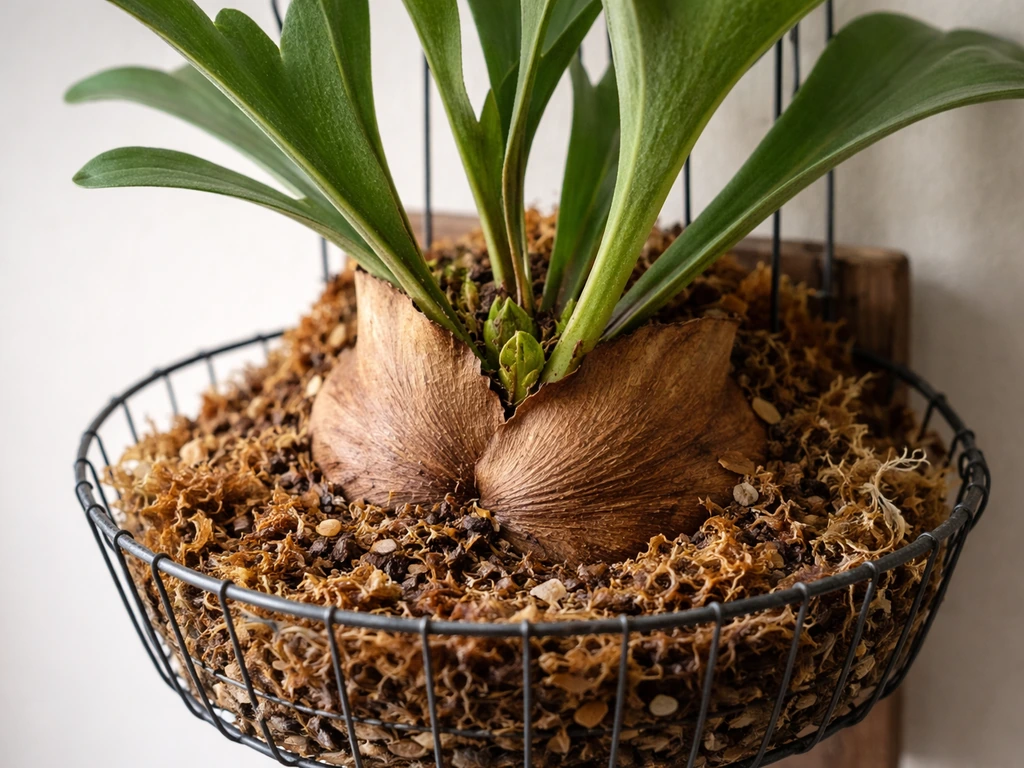
Staghorn ferns (Platycerium bifurcatum is the most common species) are epiphytes, which just means they naturally grow attached to trees rather than rooted in soil. Pinks can be grown in pots as long as you give them a sunny spot and well-draining soil how to grow pinks in pots. In the wild, their roots grip bark, collect rainfall, and dry out quickly between rains. That's why growing one in a regular pot filled with standard potting mix almost always ends in rot. The roots simply can't handle sitting in dense, moisture-retaining compost.
Once you understand this, the rest of the care guide makes sense. Everything, from pot choice to watering, is about recreating that fast-draining, bark-like environment in a container. It's a little different from how you'd approach growing other ferns in pots, but once the setup is right, staghorns are genuinely low-maintenance.
Best pot size and type for staghorn ferns
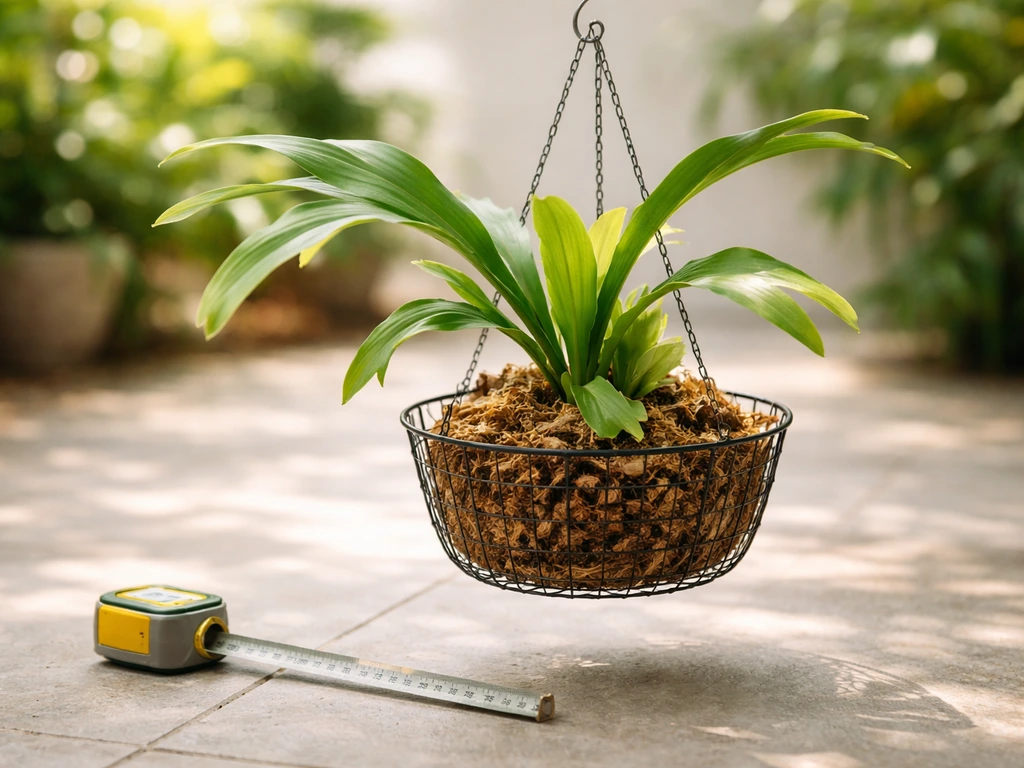
The single best container choice for a potted staghorn fern is a wire hanging basket. This is not just a style preference. Wire baskets allow air to reach the roots from every direction, excess water drains out freely (no pooling at the bottom), and the whole setup behaves more like a mounted plant than a potted one. That airflow makes a real difference in preventing rot.
For a young or medium-sized plant, a basket between 8 and 12 inches (20 to 30 cm) works well. Staghorns actually prefer to be slightly snug in their container, so don't go too big. Oversized containers hold more medium than the roots can dry out efficiently, which creates exactly the soggy conditions you're trying to avoid. If you're working with a larger, more established plant, scale up to a 14 to 16 inch basket, but err on the smaller side when in doubt.
If you really want to use a solid pot rather than a basket, go for unglazed terracotta over plastic or glazed ceramic. Terracotta is porous, so moisture evaporates through the walls and the roots stay drier. Whatever container you pick, it must have generously sized drainage holes. A solid-bottomed pot with no drainage is a non-starter for staghorns.
Choosing the right setup: pot vs. pot-with-mount (and how to do each)
Here's a decision you'll want to make before you plant: are you going straight into a pot or basket with medium, or are you doing a pot-with-mount hybrid? Both work. The hybrid approach is worth knowing about because it's how many serious staghorn growers handle plants that would otherwise be mounted on a board.
Planting directly in a wire basket
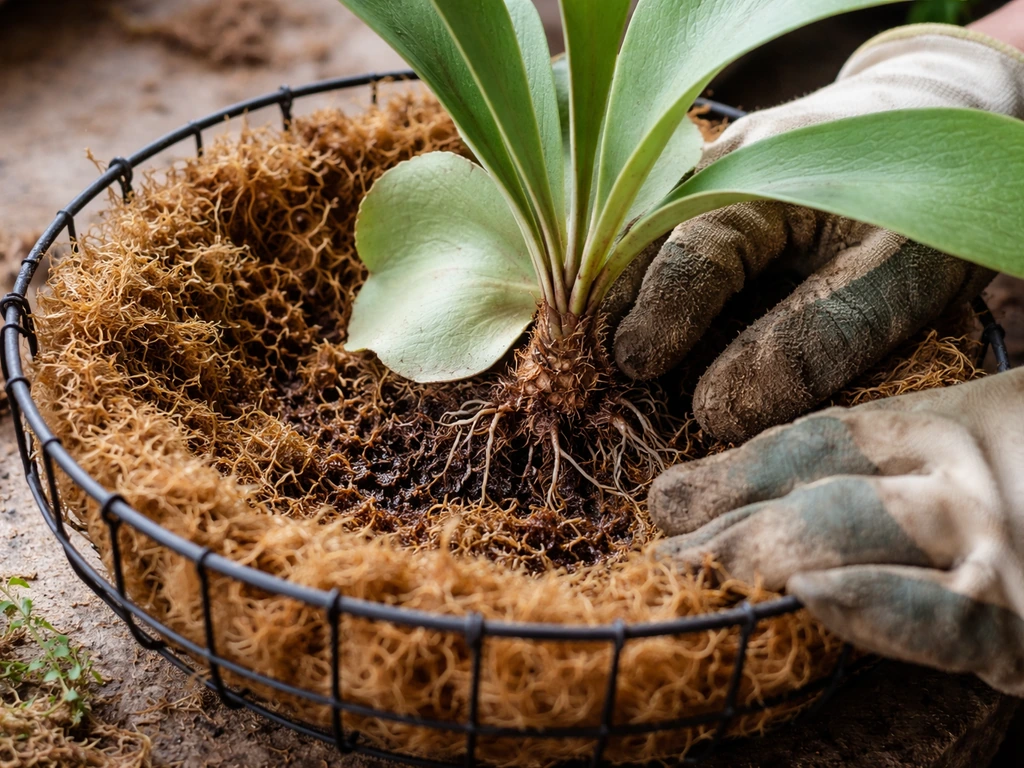
This is the most common potted approach. Line the inside of your wire basket with a generous layer of moistened long-fiber sphagnum moss, about 1 to 1.5 inches (2.5 to 4 cm) thick, pressing it firmly against the wire. This layer acts as the basket wall, holding your planting medium in place. Then fill the center with your prepared airy mix (more on that below). Place the plant face-up on top of the medium, with the basal shields (the flat, rounded fronds at the base) resting against the moss and medium rather than buried inside it.
The pot-with-mount hybrid
If you want something that hangs on a wall but also sits stable, or if you're transitioning a mounted plant to a more portable container, the hybrid method is excellent. Attach a small piece of cork bark or untreated wood to the inside back wall of a wide, shallow basket or pot. Secure the plant to this piece with fishing line or soft plant ties, just as you would on a traditional mount, then pack moistened sphagnum moss around the root area and fill in the gaps. The plant gets the tactile surface it loves, and you get a container you can move around.
Potting medium: how to make the mix your staghorn actually needs
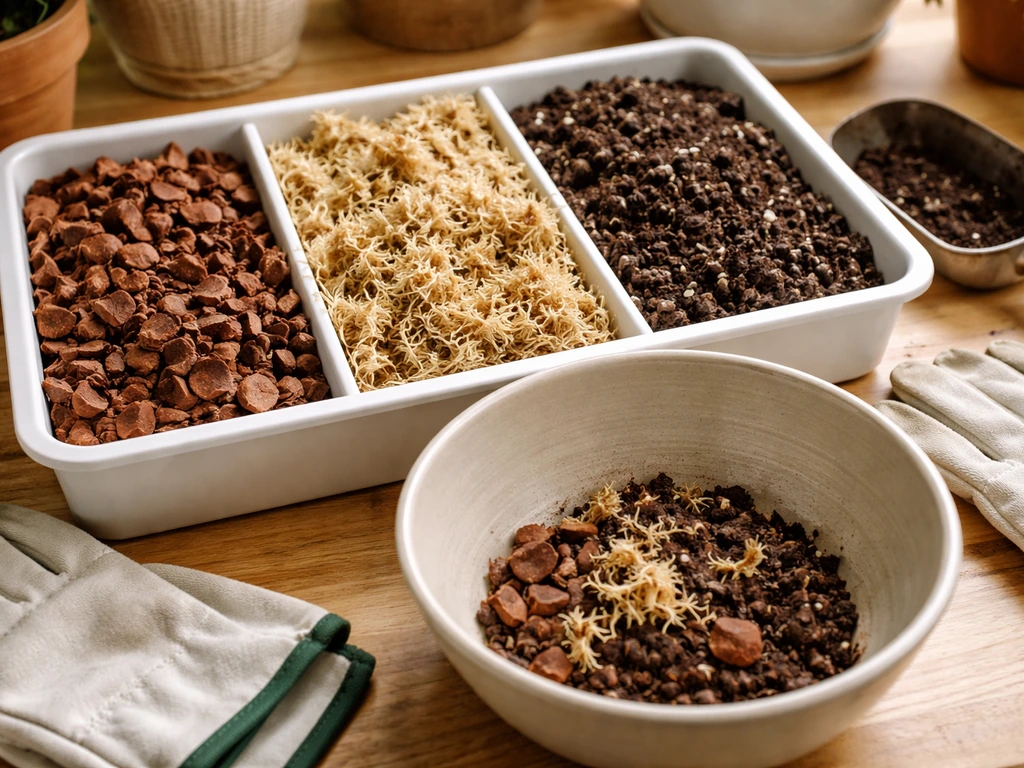
Standard potting mix alone is too dense and holds too much moisture. You need to amend it heavily. The simplest recipe that works reliably is equal thirds: orchid bark chips, long-fiber sphagnum moss, and regular potting mix. That ratio gives you structure, moisture retention, and drainage all at once. The bark chips create air pockets, the sphagnum holds just enough moisture without staying waterlogged, and the small portion of potting mix provides some nutrient base.
Before you fill the basket, moisten your sphagnum moss thoroughly and squeeze out the excess. Dry sphagnum repels water initially, so pre-moistening it makes a real difference when you first water the plant in. Mix everything together loosely. You want a mix you can squeeze in your hand and have it fall apart easily rather than clump together. If it clumps and stays in a ball, it's too dense or too wet.
One thing to avoid: don't pack the medium tightly around the roots. Press it in gently so the basket holds its shape, but leave the root zone loose. Staghorn roots need air just as much as they need moisture.
Light, temperature, and humidity: what staghorns actually need
Light
Indoors, medium light is the sweet spot. An east-facing window is ideal because it gets gentle morning sun without the intensity of afternoon light. If you only have a south or west-facing window, position the plant a few feet back from the glass so it gets bright, indirect light rather than direct rays. Direct indoor sun through glass can scorch the fronds quickly.
Outdoors (in warmer months), staghorns can handle more direct sunlight, but only when humidity is high and temperatures are warm. In dry, hot conditions, strong direct sun will desiccate the fronds before the roots can compensate. A bright, dappled spot under a tree canopy or on a covered porch is a great outdoor placement. And if you do move the plant into more sun, expect to water it more often.
Temperature
Staghorn ferns are comfortable between 55°F and 85°F (13°C to 29°C). They genuinely dislike cold drafts and temperatures below about 50°F (10°C), so if you're growing yours outdoors in a pot, bring it inside before the first cold snap. This is actually one of the advantages of growing a staghorn in a container rather than mounting it permanently outdoors: you can move it.
Humidity and airflow
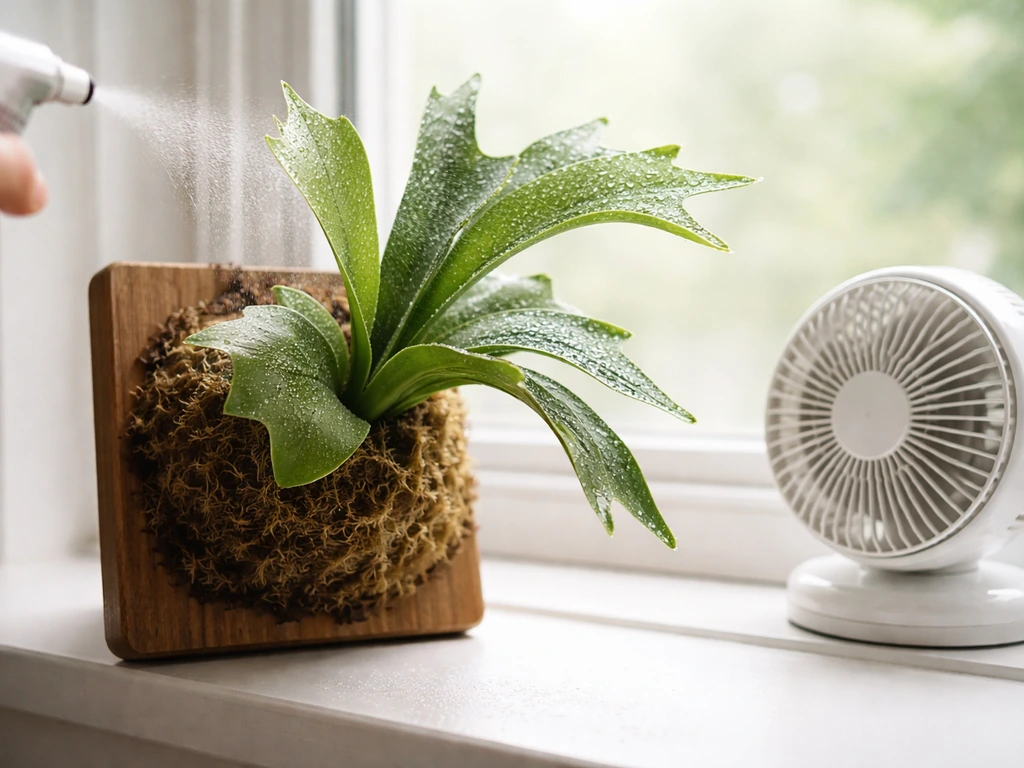
Staghorns love humidity, ideally 50 to 70 percent if you can manage it. In dry indoor environments, you have a few practical options: mist the fronds (not the medium) daily with room-temperature water, place a tray of water and pebbles nearby, or run a small humidifier in the room. Daily misting works well for small plants. For larger specimens, a gentle spray with a hose or spray bottle over the foliage helps without soaking the root zone.
Good airflow matters just as much as humidity, though. A staghorn with humid, stagnant air around its roots is at real risk of rot. If you're growing indoors, don't tuck it into a closed corner. A gentle fan running nearby (not blowing directly on the plant) keeps air circulating and dramatically reduces rot risk. This balance between humidity and airflow is the main thing beginners overlook.
Watering your potted staghorn: how, when, and what to watch for
The method matters as much as the frequency. For potted staghorns, a deep soak followed by complete drainage is far better than frequent light watering. When it's time to water, take the whole basket or pot to a sink or outdoors, water it thoroughly until water runs freely out of every gap, then let it drain completely before hanging it back up. This mimics a good rain followed by fast drying, which is exactly what the plant expects.
How often? In summer, aim for roughly once a week. In Staghorn Fern.org’s mounting guide, the author notes seasonal watering rhythms for mounts, with summer watering about 1, 2 times per week and winter watering roughly every 12, 14 days, which helps you design a drench-and-drain schedule that matches similar epiphyte drying patterns. In winter when growth slows, stretch that to every two to three weeks. These are starting points, not rules, because your specific conditions (pot size, medium composition, humidity, light level) will shift the timing. The actual trigger for watering should be the medium feeling dry when you press your finger an inch into it, not the calendar.
Always use room-temperature or lukewarm water. Cold water can shock the roots of a tropical plant, especially in winter.
Signs you're overwatering vs. underwatering
| Symptom | Likely cause | What to do |
|---|---|---|
| Brown, mushy fronds at the base | Overwatering / root rot | Let medium dry fully; improve drainage; check for rot at roots |
| Shield fronds turning brown and firm | Normal aging (not a problem) | Leave them alone; they protect the root structure |
| Fronds looking pale, washed out, or limp | Overwatering or too much direct sun | Reduce watering frequency; move to filtered light |
| Fronds shriveling, tips browning and crispy | Underwatering or low humidity | Increase watering frequency; mist daily; check air moisture |
| Entire plant drying quickly after watering | Too much light or heat; medium too loose | Move to shadier spot; check medium composition |
| Yellowing fronds overall | Overwatering or nutrient deficiency | Let dry out; consider a half-strength fertilizer feed |
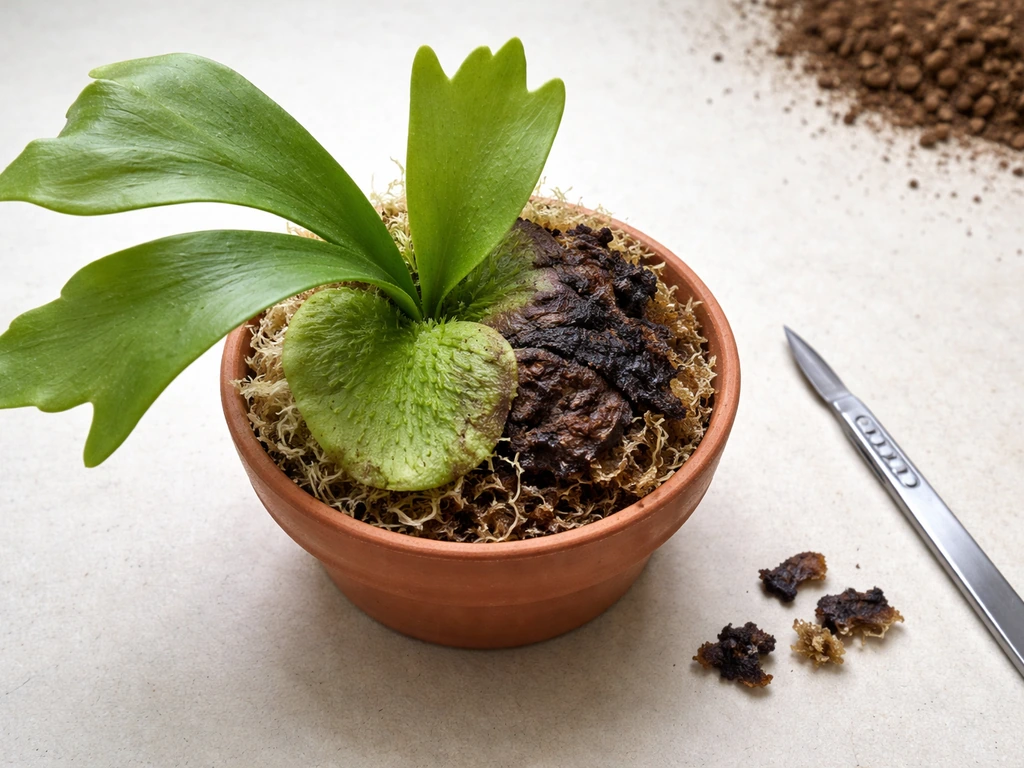
One thing that trips up a lot of new staghorn growers is the basal shields. These are the flat, rounded fronds at the bottom that cover and protect the root system. They naturally turn brown and papery over time, and that is completely normal. Don't cut them off and don't panic about them. They're doing their job. What you're looking for is brown that's soft and mushy, which signals rot, versus brown that's dry and firm, which is just natural aging.
Feeding your staghorn fern in a container
Because you're using a very free-draining mix, nutrients wash out faster than they would in a standard potted plant. Regular feeding during the growing season makes a noticeable difference in frond size and color. The easiest approach is half-strength orchid fertilizer every two weeks from spring through early autumn. Orchid fertilizer works well because it's formulated for epiphytes that have similar nutrient needs.
Cut back to once a month or stop entirely in winter when the plant isn't actively growing. Feeding a dormant plant is wasteful at best and can cause salt buildup in the medium, which damages roots over time. If you're using hard tap water, or if you notice a white crusty residue forming on the surface of your medium, flush the basket thoroughly with plain water once a month to clear accumulated salts.
When in doubt, under-fertilize rather than over-fertilize. Staghorns are not heavy feeders, and a burned or fertilizer-stressed plant takes a long time to recover.
Ongoing care: airflow, positioning, and solving growth problems
Once your staghorn is set up and settling in, the day-to-day care is fairly minimal. The main things to stay on top of are positioning and airflow. Rotate the basket occasionally so all sides get even light exposure, and check that the plant isn't being crowded by other nearby plants or pressed against a wall. Staghorns that are too cramped tend to develop poor air circulation right at the root zone, which is where problems start.
If your staghorn's new fronds are coming in small or stunted, it's usually one of three things: not enough light, not enough feeding, or the roots are starting to get bound in the container. Try improving the light situation first since that's the easiest fix, then evaluate fertilizing consistency. Slow growth in winter is completely normal and not a cause for concern.
Pests are worth a mention, because staghorns can get them and they hide well. Scale insects and mealybugs are the most common. They tend to shelter in the overlapping layers of fronds and around the base of the plant, which makes them easy to miss on a casual inspection. Get in the habit of looking under fronds and around the base whenever you water. If you spot them early, you can wipe them off with a cotton swab dipped in rubbing alcohol. For more established infestations, horticultural oil (like neem oil) applied to the affected areas does the job. Just avoid spraying horticultural oils in direct sunlight, as it can burn the fronds.
Repotting, seasonal care, and troubleshooting common problems
When and how to repot
Staghorns don't need frequent repotting and actually prefer being a little snug in their container. Plan to repot every two to three years, or when you can see the plant is genuinely busting out of its basket (roots escaping through the sides, basal fronds completely overwhelming the container). Spring is the best time, as the plant is heading into active growth and will recover quickly.
When you repot, go up only one size, so a couple of inches larger in diameter. Refresh the medium entirely rather than just topping up, since old bark breaks down over time and loses its structure. Prepare your new basket exactly as before: sphagnum lining, then the bark-moss-potting mix blend. Handle the basal shields gently and don't disturb the root ball more than necessary.
Seasonal adjustments
- Spring: Resume regular feeding (half-strength orchid fertilizer every two weeks), increase watering frequency as temperatures rise, and move outdoor containers back outside once nighttime temps stay above 55°F (13°C).
- Summer: Water approximately weekly, mist fronds more often if conditions are hot and dry, and watch for increased pest activity in warm weather.
- Autumn: Start reducing feeding frequency, cut watering back gradually as growth slows, and bring outdoor plants inside before temperatures drop below 50°F (10°C).
- Winter: Water every two to three weeks (only when the medium is dry), stop or minimize feeding, and ensure the plant still gets adequate indirect light indoors.
Troubleshooting quick reference
- Rotting at the base: Almost always overwatering or poor drainage. Remove affected tissue with a clean, sharp knife, let the plant dry out completely, and reassess your watering schedule and medium composition.
- Fronds not attaching to the medium or basket: Press the basal shields gently against the sphagnum moss lining and, if needed, use soft plant ties or fishing line to hold the plant in place until the roots grip. This is temporary and can be removed once the plant stabilizes.
- Brown crispy tips: Low humidity or underwatering. Increase misting frequency and check that you're doing thorough soaks rather than surface watering.
- White crust on medium surface: Salt buildup from fertilizer or hard water. Flush thoroughly with plain water and reduce fertilizer concentration.
- No new frond growth for months (in spring or summer): Likely a light or feeding issue. Move to a brighter spot and start a consistent feeding schedule.
Your next steps based on where you are right now
If you're starting from scratch, get a wire basket, gather the three-part medium (orchid bark, sphagnum moss, basic potting mix), and set your plant up face-up with a good sphagnum lining before anything else. That physical setup is the foundation everything else depends on.
If your staghorn is already in a pot and struggling, check the medium first. Press your finger in: if it's still damp two or more weeks after your last watering, the mix is too dense and needs to be changed. If the fronds are browning at the base and feel soft, pull the plant out, inspect the roots, trim any rotten material, and replant in a fresh airy mix with better drainage. Most staghorn problems trace back to the medium being too moisture-retentive, and that's always fixable. A cosmos pinkie in pots needs the same focus on a fast-draining mix and letting the roots dry slightly between waterings.
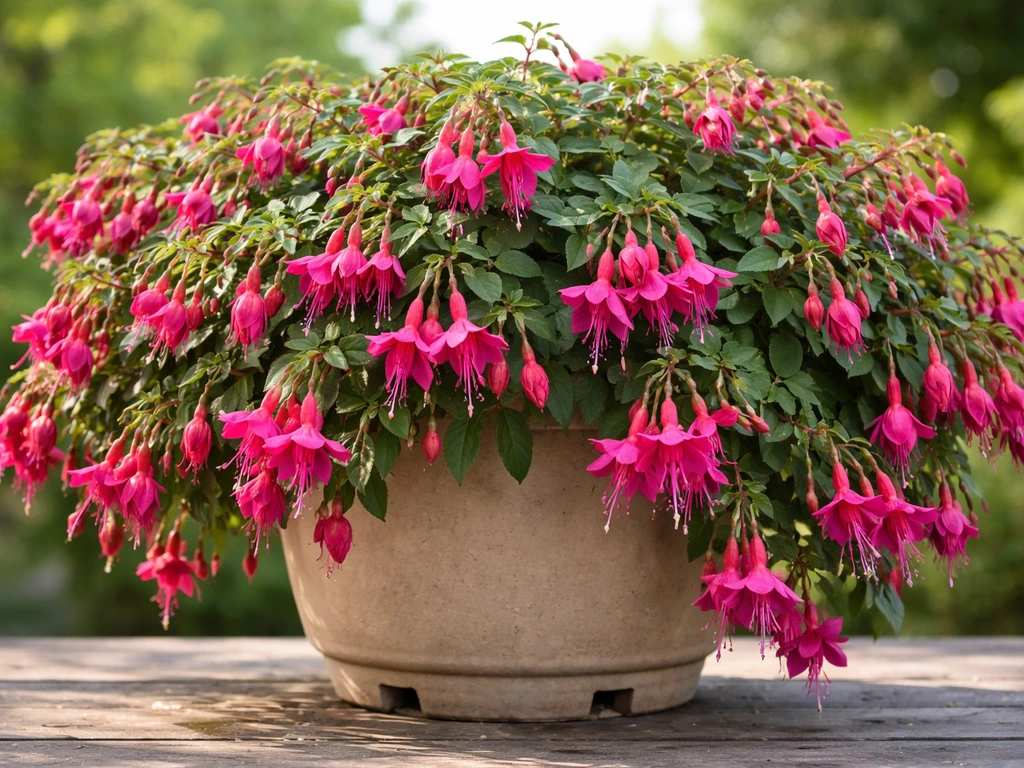
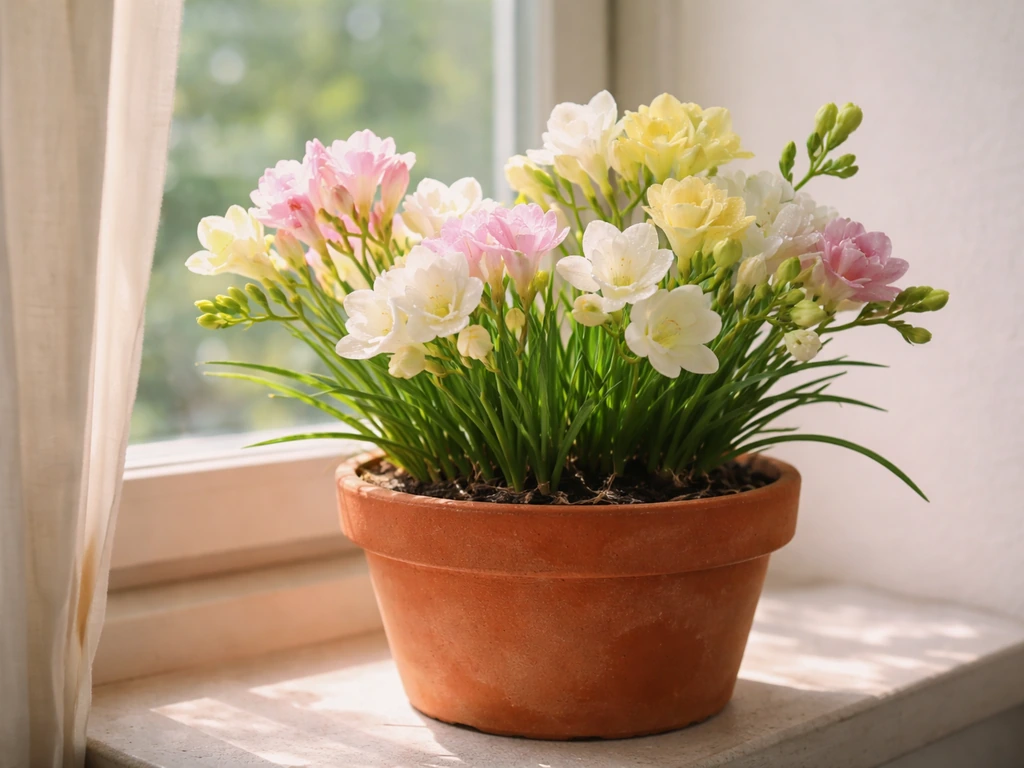
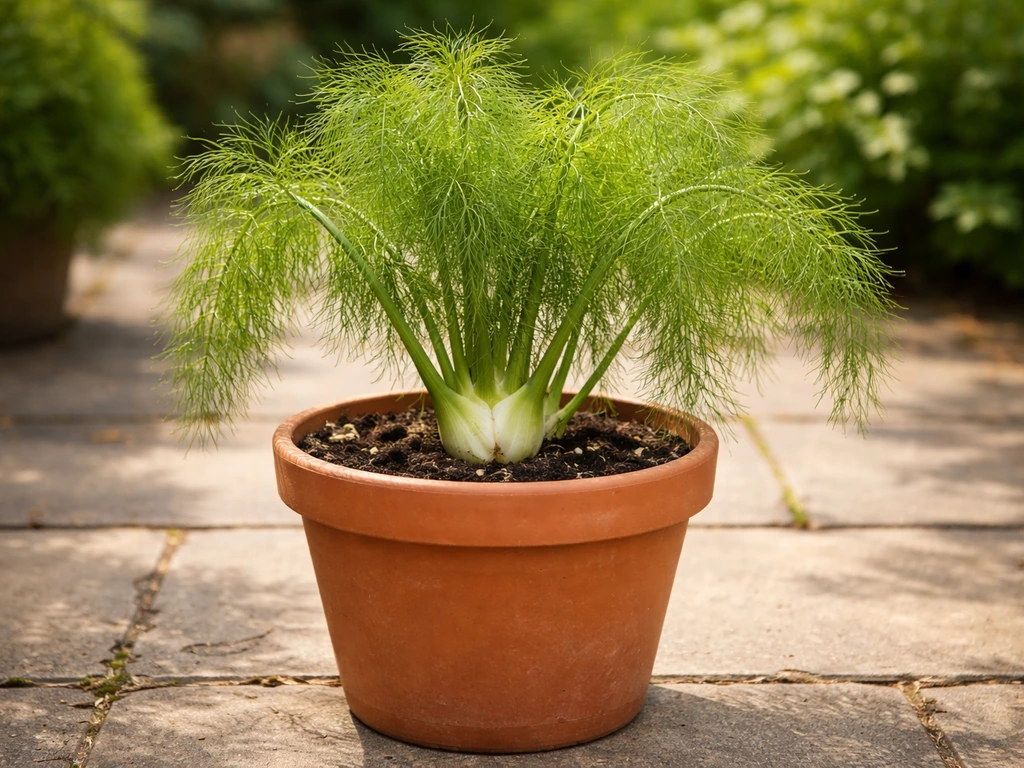
Once the setup is right, the plant really does take care of itself. A weekly check-in to assess moisture, a biweekly feed in the growing season, and good indirect light are all it takes. Staghorns are dramatic-looking plants that ask for surprisingly little once they're happy in their container. If you want more general guidance on pot culture, see our step-by-step on how to grow fuchsia in pots. Once you understand pot drainage and airflow for epiphytes, the same principles make it much easier to figure out how to grow freesias in a pot. For details on soil, container size, and watering schedules for container gardening, see how to grow fennel in a pot.
FAQ
Can I grow a staghorn fern in a regular plastic pot if it has drainage holes?
It will be riskier than using a wire basket or terracotta. Plastic holds moisture longer, so if you use it, choose the smallest size that still fits snugly, use a very airy amended mix (orchid bark, sphagnum, potting mix as described), and be strict about letting the medium dry before watering again. Watch closely for soft browning at the base, which signals rot.
What’s the best way to tell whether my staghorn is drying out enough between waterings?
Don’t rely only on days. Press a finger into the medium about 1 inch deep, or lift the basket to judge weight. If it still feels cool and damp at that depth, wait. If it’s dry or barely moist and the mix crumbles easily, you’re ready to soak.
Should I water my staghorn by soaking the whole basket or misting it daily?
Soak-and-drain is the safer default. Daily misting can work for small plants in very dry homes, but it often fails to rehydrate the root zone thoroughly, and it can encourage patchy moisture. If you mist, mist the fronds lightly and still do a deep soak when the medium has dried.
Do I need to soak the mounting cork or wood pieces when I’m using the hybrid pot-with-mount method?
Yes, but indirectly. During a watering session, aim for moisture to reach the moss-packed root area and allow everything to drain fully. Avoid leaving water pooled in the hollow of a wood mount or letting moss remain wet for long periods, since airflow is still critical to prevent basal rot.
Can I use sphagnum moss alone as the entire medium?
You can, but it’s harder to get right. Pure sphagnum tends to stay wet longer and can compact over time. The article’s mix works better because the bark chips provide long-term structure and airflow. If you insist on mostly sphagnum, keep the container snug, use a basket or very fast-draining setup, and be extra careful about letting it dry out between soaks.
My basal shields are turning brown, is that always a problem?
Not always. Brown and papery from aging is normal, especially on the older shields. The red flag is brown that feels soft or mushy, or a sour, wet smell from the base. If it’s soft, remove and inspect roots and then replant in fresher, looser medium.
How do I prevent fertilizer salt buildup in a staghorn’s pot?
Flush with plain water periodically, especially if you use hard tap water or notice white residue on the medium surface. A monthly thorough rinse helps clear accumulated salts. Also, stick to the low-dose schedule during active growth and avoid feeding in winter when growth is slow.
What do I do if my staghorn is growing new fronds but they’re small or slow?
First check light, since it’s the easiest lever. Then verify feeding during the growing season. If light and fertilizer seem fine, the next suspect is root crowding or stale, compacted medium, especially after long periods without a repot (about every two to three years).
Is it normal for staghorn ferns to drop or lose older fronds?
Yes, some loss happens as the plant reallocates energy to new growth. However, if fronds are browning from the base and the root area feels unhealthy, that points more to moisture or rot issues. Healthy aging usually shows up as dry, papery sections rather than mushy, collapsing tissue.
Can I move my potted staghorn outside in summer without acclimating it?
Better not. Sudden sun exposure can scorch fronds through glass-to-outdoor transitions or when moving from bright shade to direct sun. Increase light gradually over 1 to 2 weeks, and only move into higher sun when humidity is decent. Keep the same soak-and-drain watering rhythm, adjusting for faster drying outdoors.
How can I check whether my medium has become too dense without repotting right away?
Do a finger-depth moisture test two weeks after a soak, and also check whether the mix crumbles instead of forming a compact ball. If it stays damp longer than expected or holds together too tightly, the structure has likely degraded. At that point, repotting with a refreshed bark-moss mix is the real fix.
What’s the safest way to remove pests like scale or mealybugs from a staghorn?
Start by inspecting under overlapping fronds and around the basal shields. Early infestations can be wiped off with a cotton swab dipped in rubbing alcohol. For heavier infestations, use horticultural oil on the affected areas, but avoid applying in direct sun or very warm conditions to prevent frond burn. Repeat as needed because eggs can remain hidden.