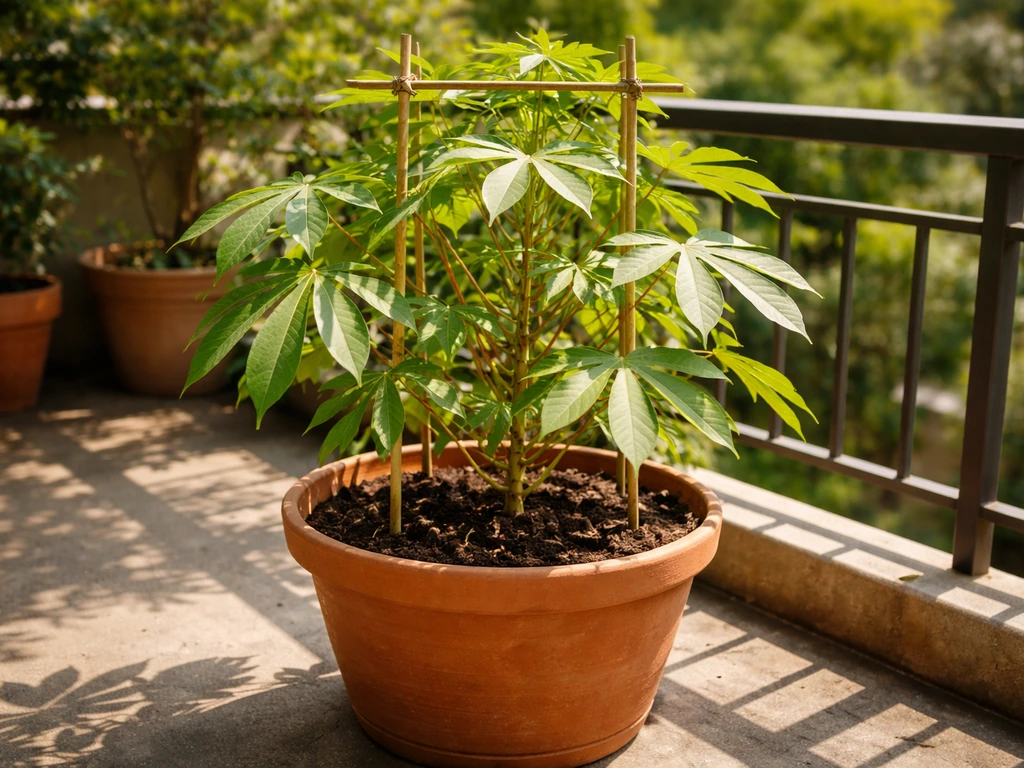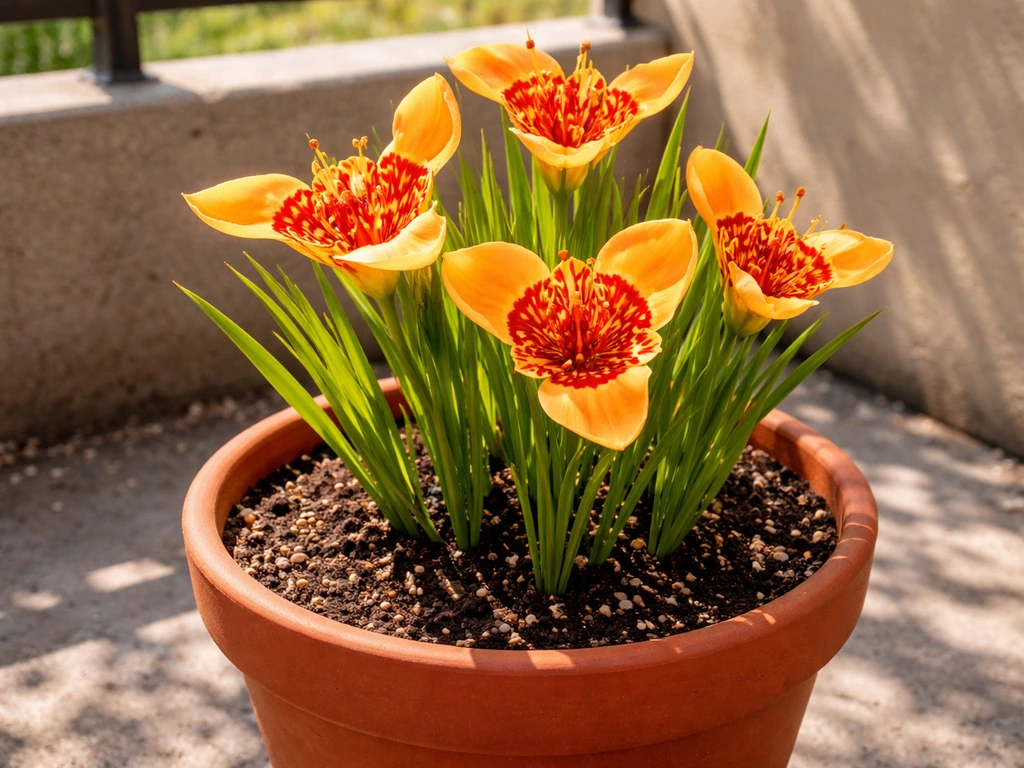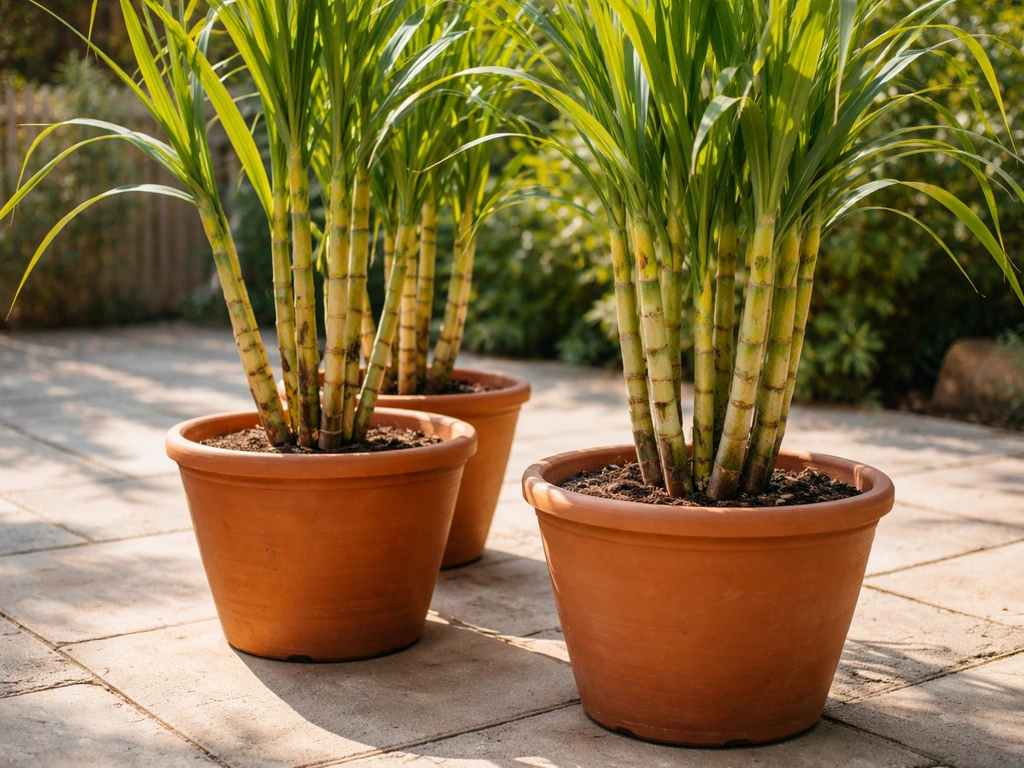
You can absolutely grow sweetgrass in a pot, and it does surprisingly well in containers as long as you keep the soil consistently moist, give it a wide shallow planter, and don't let it dry out between waterings. If you also want to grow tapioca in pots, focus on choosing the right container size and keeping the soil consistently warm and moist grow sweetgrass in a pot.
How to Grow Sweetgrass in Pots: Step by Step Care Guide
Marcus Whitley
20 Jun 2026
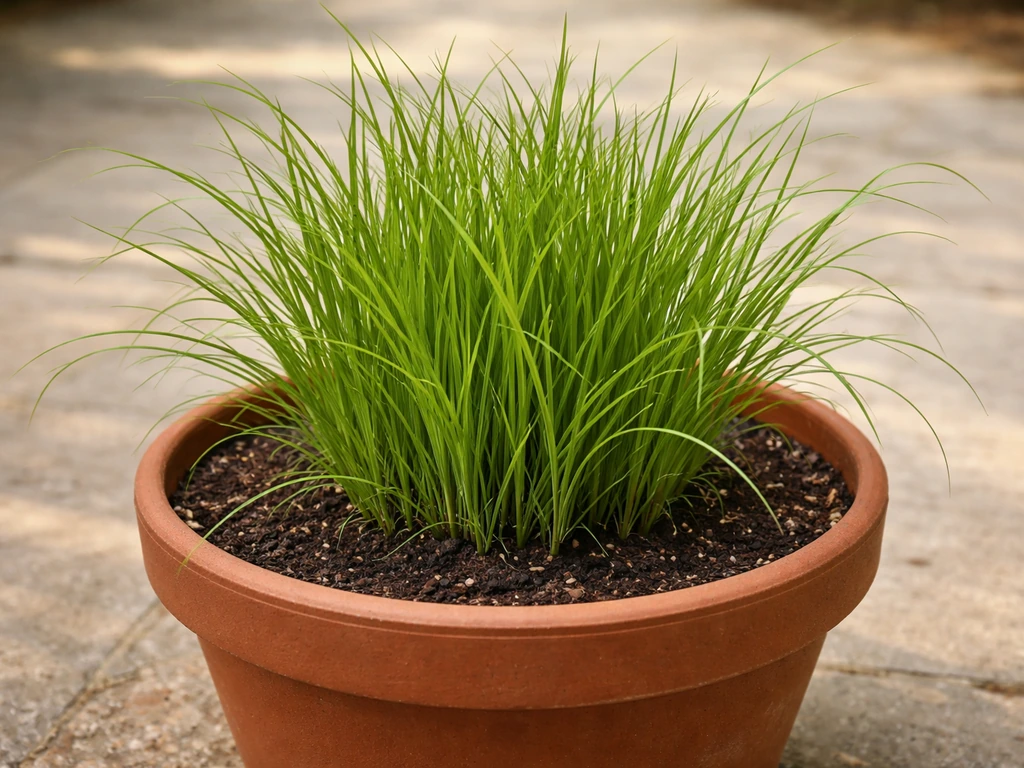
The plant most serious gardeners mean by 'sweetgrass' is Hierochloe odorata, a fragrant, slow-spreading perennial grass native to North American wetlands. It thrives in containers when you mimic that moist, rich environment. Start with divisions rather than seeds, use a moisture-retentive mix, and place the pot somewhere it gets morning sun with afternoon shade, and you'll have lush, harvestable grass within one growing season.
Which sweetgrass are we talking about? (This actually matters)
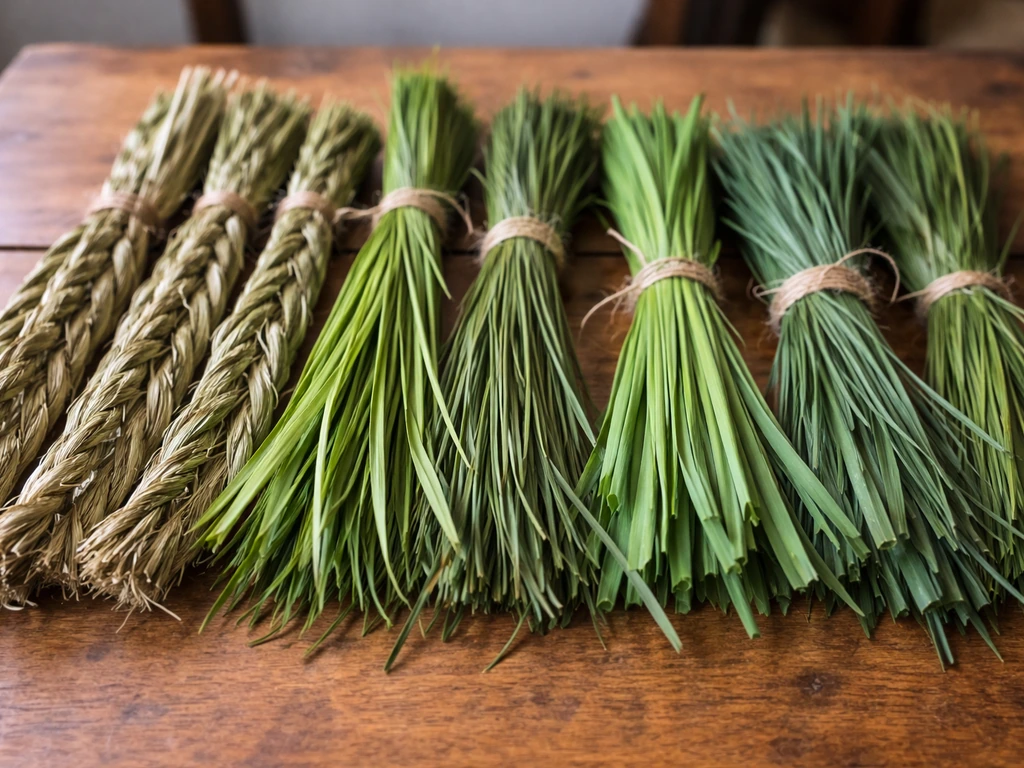
The name 'sweetgrass' gets slapped on several different plants at nurseries and seed suppliers, so before you buy anything, it's worth knowing what you're actually getting. The two most commonly confused plants are Hierochloe odorata and Anthoxanthum odoratum. They're related, they both smell sweet when crushed, and they're both sold as 'sweetgrass' depending on where you shop.
Hierochloe odorata is the true sweetgrass of Indigenous North American traditions, the one used for basket weaving, smudging, and ceremonial purposes. The USDA classifies it as a wetland-associated grass, which tells you a lot about how it likes to be grown: moist soil, cooler temperatures, and room to spread via rhizomes (underground runners). It's a low-growing perennial that comes back each spring from overwintering shoots, with seedheads forming in autumn. This is the plant this guide is written for.
Anthoxanthum odoratum, often called sweet vernal grass, is a shorter-lived perennial that's also fragrant and widely available in the nursery trade. The RHS and NC State Extension both profile it as a scented ornamental grass. It's a perfectly lovely plant, but it behaves differently and doesn't have the same cultural significance or basket-weaving qualities. If you're growing sweetgrass purely for fragrance or as an ornamental, either plant works. If you want the traditional sweetgrass for braiding or Indigenous crafts, make sure you're sourcing Hierochloe odorata specifically. Ask your supplier directly, check the Latin name on the tag, and when in doubt, crush a leaf and smell it: true sweetgrass has a warm, vanilla-like scent from a compound called coumarin.
Picking the right pot and where to put it
Sweetgrass spreads horizontally through rhizomes rather than growing tall and bushy, so the shape of your pot matters more than the depth. Go wide rather than deep. If you want to grow tinda in pots successfully, start by using a wide container and a soil mix that holds moisture without getting soggy how to grow tinda in pots.
A pot that's at least 16 to 18 inches in diameter and 10 to 12 inches deep gives the plant room to spread and develop a healthy root system. I've had good results with large, low planters, even wide seed trays with drainage holes. If you want a more generous colony, a 24-inch planter is ideal and lets the grass fill out nicely over a season or two.
Drainage is non-negotiable. Sweetgrass loves moisture, but 'moisture-loving' doesn't mean it wants to sit in waterlogged, stagnant soil. That causes root rot. Make sure your pot has several drainage holes at the bottom, not just one. If you're using a decorative pot without holes, plant into a plain nursery pot first and slip it inside the decorative one. Avoid saucers that trap water under the pot for days at a time, especially in cool weather.
For placement outdoors, sweetgrass does best in a spot with morning sun and afternoon shade, especially in warmer climates. It handles full sun in cooler regions but can scorch in intense summer heat if the pot dries out. North or east-facing patios, balconies, or spots under a tree canopy that filters afternoon light are ideal. Indoors, sweetgrass is trickier. It needs bright indirect light (think a sunny windowsill or a south-facing window with a sheer curtain), good airflow, and you'll need to work harder to keep the soil moisture consistent. It can work as a temporary indoor plant in winter, but it really prefers to live outside during the growing season.
The best soil mix for container sweetgrass
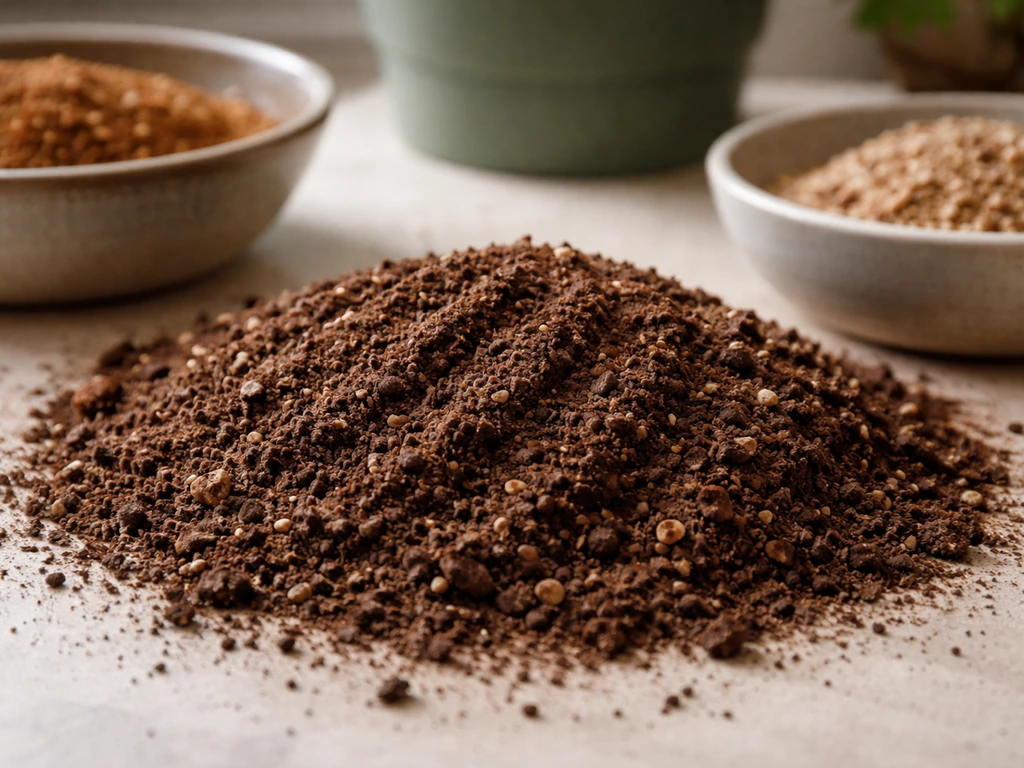
Don't use a standard all-purpose potting mix straight from the bag. Most commercial mixes are formulated to drain quickly, which is great for most container plants but works against sweetgrass. You want something that holds moisture without becoming dense and compacted.
The mix I recommend is two parts standard potting compost, one part peat-free moisture-retentive compost (or coir), and one part perlite. The perlite keeps the mix from going anaerobic and sticky even when wet, while the moisture-retentive compost holds enough water between waterings. If you can get your hands on some loamy garden soil, you can swap one part of the potting compost for that instead. It adds weight (helpful for a wide, shallow pot that might tip) and a more natural texture that sweetgrass rhizomes seem to navigate more easily.
Sweetgrass likes a slightly acidic to neutral soil pH, roughly 5.5 to 7.0. Most potting mixes fall within this range naturally. You don't need to test and adjust unless you're seeing persistent problems. Skip any mixes marketed as 'fast-draining' or 'cactus and succulent mix.' Those will cause your sweetgrass to dry out and struggle within weeks.
How to plant sweetgrass: seeds vs divisions
Divisions are the realistic choice for most gardeners. Growing Hierochloe odorata from seed is slow and notoriously unreliable. Seeds have low germination rates, need cold stratification (a chilling period to break dormancy), and can take months to produce anything worth talking about. Unless you're sourcing seeds from a specialist and enjoy a patient long-term project, skip seeds entirely for your first attempt.
Divisions are fast, reliable, and how most sweetgrass gardeners actually get started. You take a clump from an established plant, ideally one with several shoots and some visible root material, and replant it. Native plant nurseries, Indigenous plant suppliers, and some specialty online retailers sell sweetgrass plugs or divisions. If you know someone who grows it, ask for a small clump in spring. The plant spreads generously and most growers are happy to share.
Step-by-step planting from divisions
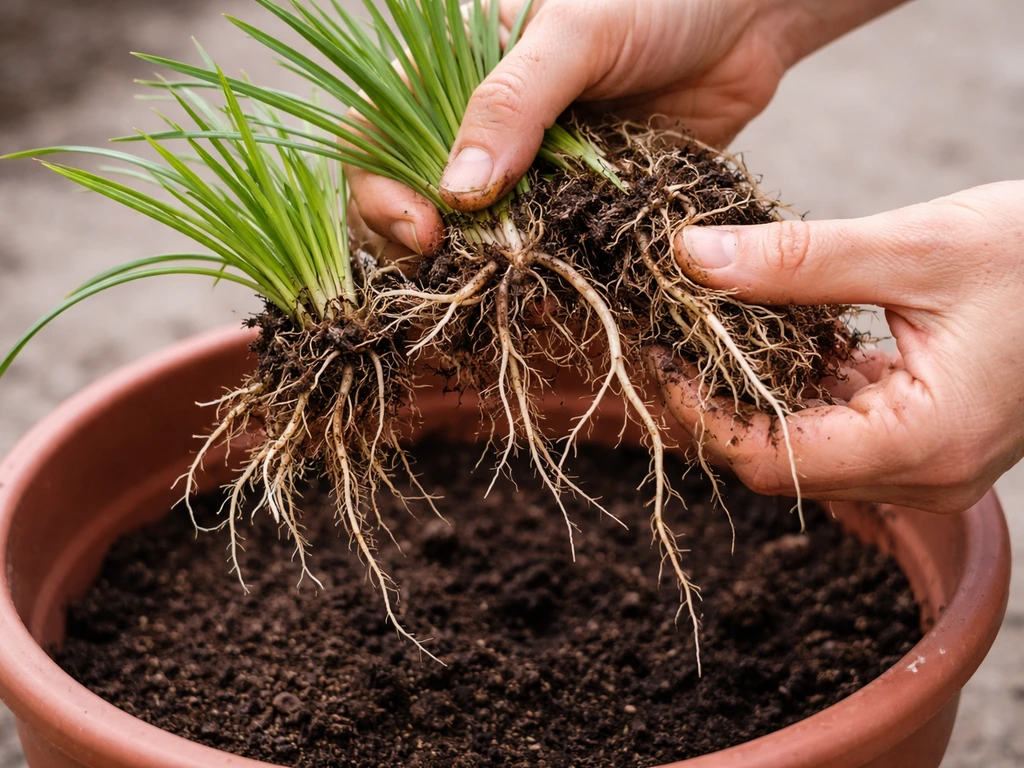
- Fill your pot to about two-thirds with your prepared soil mix.
- Gently tease apart the division into smaller clumps of three to five shoots each. Don't worry about being too rough with the roots.
- Plant each clump about six to eight inches apart in the pot. For a 16-inch pot, two or three clumps work well.
- Cover the roots and rhizomes with soil, leaving the green shoots above the surface.
- Water thoroughly until water runs from the drainage holes.
- Place the pot in its final location and keep the soil consistently moist for the first two to three weeks while the plant establishes.
Timing matters. Plant divisions in early spring once soil temperatures have climbed above 50°F (10°C). This is usually March through April in most temperate climates. Sweetgrass grows from overwintering shoots, so spring is when the energy is there for quick root establishment. Planting in late summer or autumn is possible but results in slower establishment and a smaller plant going into winter.
Watering and feeding: keeping it happy without overdoing it
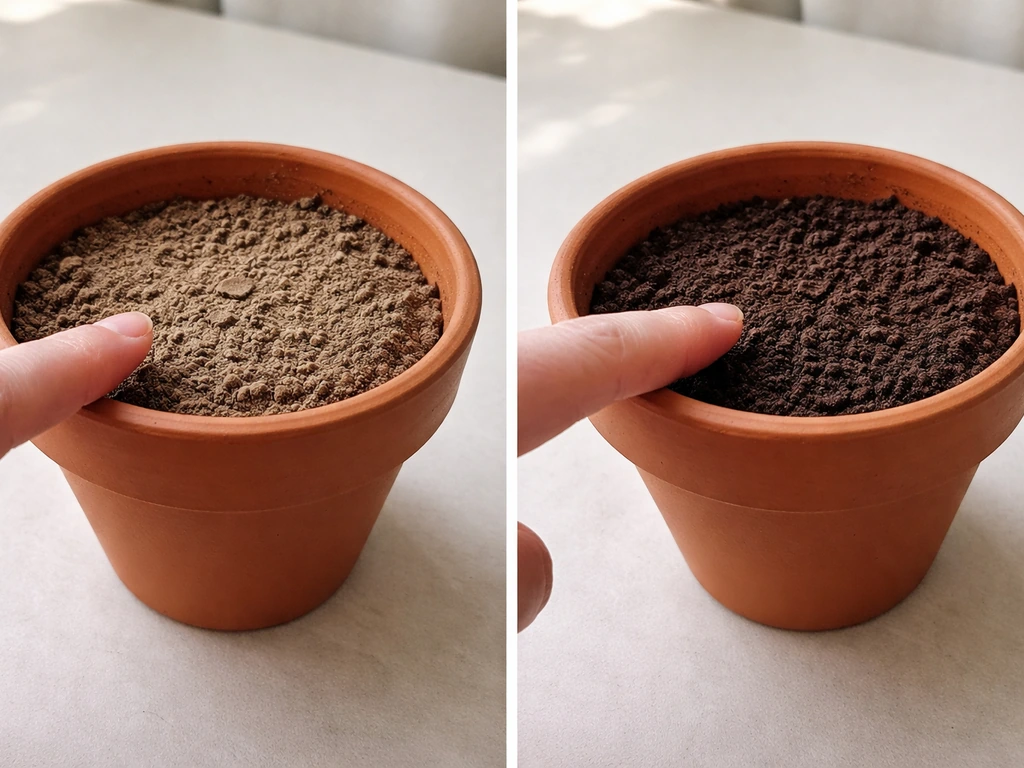
Consistent moisture is the single most important factor for sweetgrass in a container. In the ground it can tap into groundwater; in a pot, it's entirely dependent on you. During the active growing season (spring through summer), check the soil every one to two days. The top inch of soil can dry slightly, but the layer below should feel damp. If the soil pulls away from the sides of the pot or the grass blades start curling, you've waited too long.
In hot weather, you may need to water daily. In cooler, cloudy conditions, every two to three days might be enough. The key is to feel the soil rather than follow a rigid schedule. When you do water, water deeply so the whole root zone gets moisture, not just the surface. Self-watering planters or placing a water-filled tray under the pot (keeping the base of the pot just above the waterline using pot feet) can really help in summer.
For feeding, sweetgrass is not a heavy feeder. Too much fertilizer actually pushes leafy growth at the expense of the fragrant compounds that make the plant worth growing. Apply a balanced, slow-release granular fertilizer (something like a 10-10-10 or similar) at half the recommended rate in early spring when new growth appears. One application per season is usually enough. If you want to give it a mid-summer boost, a light liquid feed of a balanced fertilizer at quarter strength once every four to six weeks works well. Skip high-nitrogen feeds, which push green bulk but dilute scent and weaken the plant overall.
Signs of too much vs too little water
| Problem | Signs | Fix |
|---|---|---|
| Too dry | Leaf tips browning, blades curling, soil pulling from pot edges, stunted growth | Water deeply immediately; consider self-watering pot or daily watering in hot weather |
| Too wet / waterlogged | Yellowing at base, mushy stems, sour soil smell, root rot | Improve drainage, reduce watering frequency, check drainage holes aren't blocked |
| Just right | Bright green blades, soil damp 1–2 inches down, steady spread of rhizomes | Keep doing what you're doing |
Light, temperature, and seasonal care
Sweetgrass is a cool-season grass at heart. It grows most actively in spring and early autumn when temperatures are moderate, roughly between 50°F and 75°F (10°C to 24°C). In summer heat above 85°F (29°C), growth slows and the plant can look tired. This is normal. Keep it watered and shaded during peak summer heat, and it will perk up again as temperatures drop in late summer.
Light-wise, aim for four to six hours of direct sun per day, with protection from the hottest afternoon rays. An east-facing spot that gets morning sun and dappled afternoon shade is close to ideal. If you're growing it on a south or west-facing balcony with no shade, consider moving it during July and August or using a shade cloth.
Cold hardiness in pots is a real concern. In the ground, Hierochloe odorata is quite cold-hardy (it's native to northern North America and handles hard winters). In a pot, the roots are more exposed and can freeze solid if left outdoors in a hard frost. Pots are more vulnerable than the ground because cold air surrounds the whole container, not just the surface.
The RHS notes that the plant is sensitive to being frozen when in containers. The RHS also warns that Hierochloe odorata is sensitive to being frozen in containers [sensitive to being frozen when in containers](https://www. rhs. org.
uk/plants/49366/hierochloe-odorata/details). Once overnight temperatures consistently drop below 25°F (-4°C), move the pot to a sheltered location: an unheated garage, shed, greenhouse, or a covered porch. It doesn't need warmth, just protection from freezing solid.
Pruning, harvesting, and keeping the plant healthy long-term
Harvesting sweetgrass is itself a form of pruning. When you cut the long blades for braiding or drying, you're doing the same thing a light trim would do: removing old growth and encouraging new shoots from the base and rhizomes. If you're harvesting for use, cut blades at the base rather than snipping midway. Cutting in the middle leaves brown, ugly stubs and doesn't stimulate regrowth as effectively.
Even if you're not harvesting, give the plant a trim in early spring before new growth emerges. Cut the old winter foliage back to about two to three inches from the soil surface. This removes dead material that can harbor pests and fungal issues, and it lets light reach the new shoots coming up from the base. Don't cut it back in autumn because the old foliage provides some insulation to the crown going into winter.
Sweetgrass doesn't have many serious pest or disease problems in containers, which is one of the perks of growing it in pots. The main things to watch for are aphids clustering on new spring growth (knock them off with a jet of water or use an insecticidal soap spray) and fungal issues caused by poor airflow and waterlogging. Keep the pot in a spot with decent air movement, avoid overcrowding, and trim away dead foliage promptly. If the center of the clump starts to die out (this can happen in older, congested pots), divide the plant in spring, discard the dead center, and replant the healthy outer sections.
Troubleshooting the most common sweetgrass pot problems
Even with the best setup, things go wrong sometimes. Here are the problems I see most often with container sweetgrass and what to actually do about them. If you are also wondering about other potted plants, can you grow tamarind in a pot?
The grass keeps drying out no matter how much I water
This usually means your pot is too small, your soil mix drains too fast, or the plant is in too much sun. First, check the mix. If it's mostly a peat-free commercial potting compost that dries and shrinks away from the pot sides, amend it with coir or moisture-retentive material. Second, consider pot size. A small pot in full sun will dry out in hours on a hot day. Upsizing to a bigger pot and moving it to a shadier spot makes an immediate difference. You can also lay a thin layer of mulch (bark chips, straw, or even a layer of pebbles) over the soil surface to slow evaporation.
Growth is very slow or the plant seems stuck
Slow growth in sweetgrass is almost always one of three things: it's too hot, the soil is too dry, or the plant is newly divided and still establishing. Newly planted divisions can look like they're doing nothing for four to six weeks while they grow roots below the surface. Be patient. If it's genuinely established (six or more weeks in) and still not spreading, check soil moisture first. Then consider giving it a half-strength liquid feed. If the temperature has been consistently above 85°F, wait until cooler weather arrives. Sweetgrass just slows down in the heat.
The tips are brown and crispy
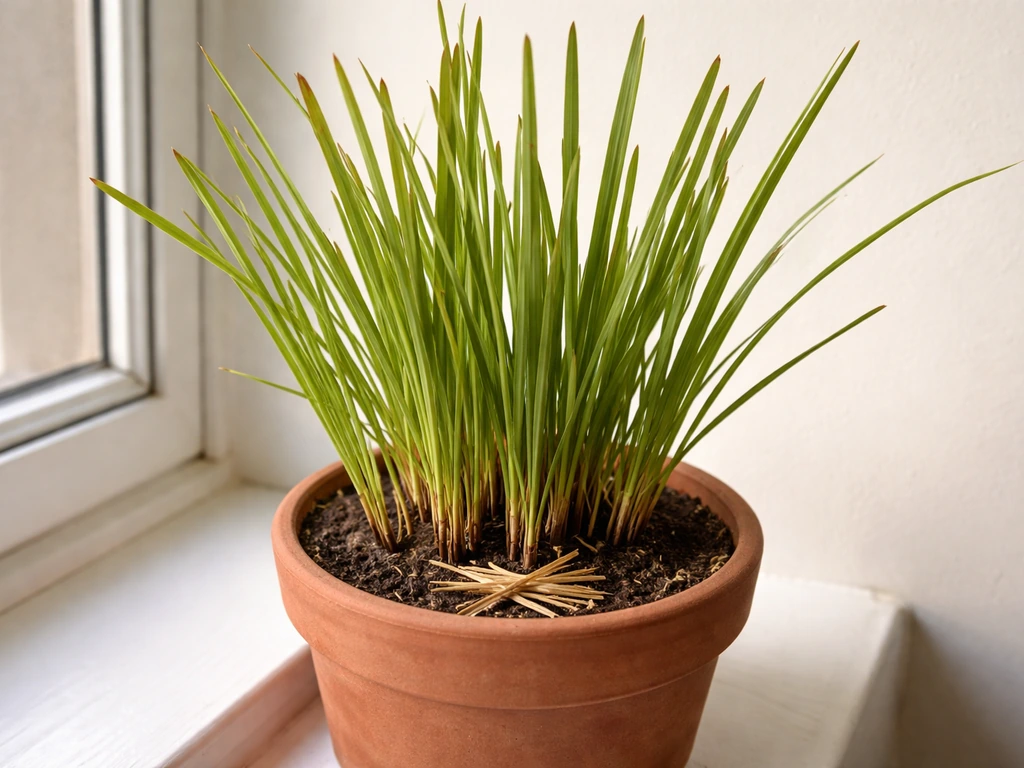
Brown tips usually mean the plant dried out at some point, even briefly. They can also be caused by low humidity indoors or wind exposure on a balcony. Trim the brown tips back with scissors (it won't hurt the plant), resolve the watering issue, and the new growth that comes in will look fine. If whole blades are browning from the base up, that points more toward waterlogging or root rot, and you should check the drainage situation.
The plant died back completely over winter. Is it dead?
Maybe not. Sweetgrass dies back to the ground in winter, especially in containers. The USDA notes that it overwinters as dormant shoots that regrow in spring. If you see what looks like a dead pot of brown stubs in February, don't throw it out. Move it to a sheltered spot, keep the soil just barely moist (not wet), and wait until April. If the plant is alive, you'll see green shoots emerging from the base. If nothing appears by late May, then it's time to replace it.
The clump is getting thin in the middle
This is a sign the pot is becoming congested or the soil is depleted. Divide the plant in early spring, remove the dead center, refresh the soil mix, and replant the healthy outer sections with more space. This is normal for any clumping grass after two to three years in a container and is a good habit to get into regardless. Think of it like repotting a houseplant: it resets the plant's vigor and keeps it producing well.
If you enjoy growing grasses and scented plants in containers, sweetgrass sits in an interesting niche alongside other more unusual container crops. It shares some of the patience-required quality of plants like tamarind or sugarcane in pots, where the setup and early care determine everything about long-term success. Get the pot size, soil moisture, and light right from the start, and sweetgrass will reward you with lush, fragrant growth that you can harvest season after season. If you are also interested in other fragrant bulbs, learn how to grow tuberose in pots by choosing the right container and giving it plenty of sun and warmth sweetgrass will reward you.
FAQ
Can I use seeds to grow sweetgrass in pots, and why do they often fail?
It’s possible but usually impractical. True sweetgrass (Hierochloe odorata) seeds need cold stratification and long establishment time, so you may see no meaningful growth for months and low germination even under good conditions. For container success, divisions are far more reliable, especially for your first attempt.
How do I keep sweetgrass from drying out between waterings when I’m busy or traveling?
Check soil moisture at the root zone, not just the surface. In peak heat you may need daily watering, so use a deeper watering routine (soak until excess drains), then add a moisture buffer like mulch on top. If you go away, a self-watering planter with a controlled water level, or pot feet so the base stays just above a tray, helps prevent both drought and waterlogging.
What should “consistent moisture” mean, exactly, for a pot of sweetgrass?
Aim for damp soil below the top inch. Let the very top dry slightly between waterings, but avoid cycles where the whole pot dries out and pulls away from the sides. A simple test is to press a finger into the mix 2 to 3 inches down, it should feel evenly moist, not crisp-dry and not soggy.
Do I need to repot or refresh the soil periodically in containers?
Yes, usually. Even if you don’t change pot size, the mix compacts and nutrients get depleted after a couple of years. Plan to divide in early spring (and refresh soil) when the center starts dying out or growth slows, typically around the two to three-year mark in pots.
How can I tell whether I bought true sweetgrass (Hierochloe odorata) or the common lookalike?
Verify the Latin name on the tag and, if possible, confirm the scent by gently crushing a leaf. True sweetgrass has a warm, vanilla-like fragrance from coumarin. The other plant sold as sweetgrass can smell similarly but behaves differently in the landscape and container.
Is it safe to overwinter sweetgrass outdoors in the pot?
Only with frost protection. In containers, roots can freeze more easily than in-ground plants. Once nights drop consistently below about 25°F (-4°C), move the pot to a sheltered spot like an unheated garage, shed, greenhouse, or covered porch. Keep the soil just barely moist, not wet.
Can I fertilize heavily to boost fragrance and growth?
No, heavy feeding can backfire. Sweetgrass is not a heavy feeder and too much can increase leafy growth while reducing the quality of the fragrant compounds. Stick to half-strength slow-release once in early spring, and only use a light mid-summer liquid feed at quarter strength if needed.
Why are my sweetgrass blades turning brown, and what’s the difference between underwatering and root problems?
Brown tips and browning after a short dry spell usually point to drying and should improve once moisture and placement are corrected. If blades are browning from the base upward and the pot stays wet or smells off, that points more toward poor drainage or waterlogging, so check that there are multiple drainage holes and avoid standing water in saucers.
How much sun is too much for container sweetgrass on a balcony or patio?
Too much afternoon sun in hot weather can scorch the plant, especially if the pot dries quickly. If your container is in full sun during summer, provide afternoon shade, use a shade cloth during July and August, or shift the pot to a cooler east or north-facing spot.
What pot size should I choose for ongoing spreading without repeated stress?
Go wide, shallow, and stable. A pot around 16 to 18 inches in diameter (about 10 to 12 inches deep) supports rhizome spread, and a 24-inch planter gives a more generous colony over one to two seasons. Larger width reduces rapid drying and helps prevent tipping as the plant spreads.
What’s the right way to harvest sweetgrass from a potted plant?
Cut blades near the base when harvesting, rather than snipping mid-blade. This supports regrowth from the base and rhizomes. If you cut too high and leave messy stubs, you may get weaker regrowth and a less tidy clump.