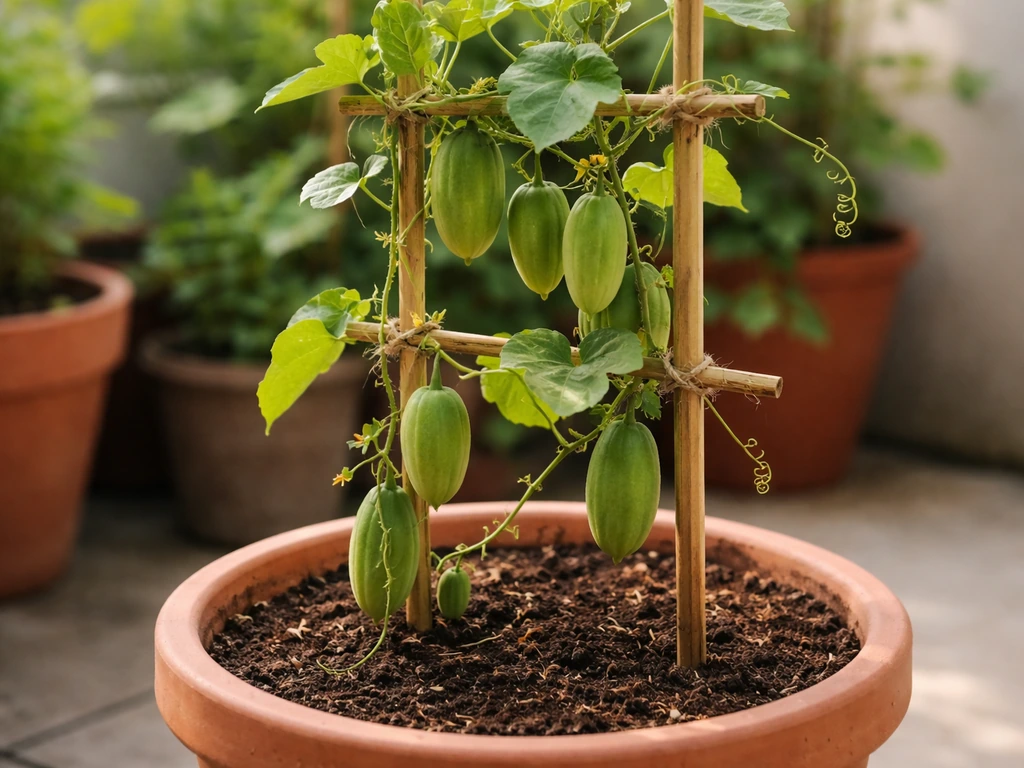
Yes, you can absolutely grow tinda in pots, and it works better than most people expect. Tinda (also called apple gourd or Indian round gourd, Praecitrullus fistulosus) is a fast-growing vining cucurbit that produces small, round, pale-green fruits within about 60 to 90 days from sowing. Give it a big enough pot, something sturdy to climb, full sun, and consistent watering, and it will reward you with a steady stream of fruit through the warm season. If you are curious about other container fruit trees, you can also explore whether can you grow tamarind in a pot.
How to Grow Tinda in Pots: Step-by-Step Container Guide
Marcus Whitley
21 Jun 2026
Choosing the right pot and setup
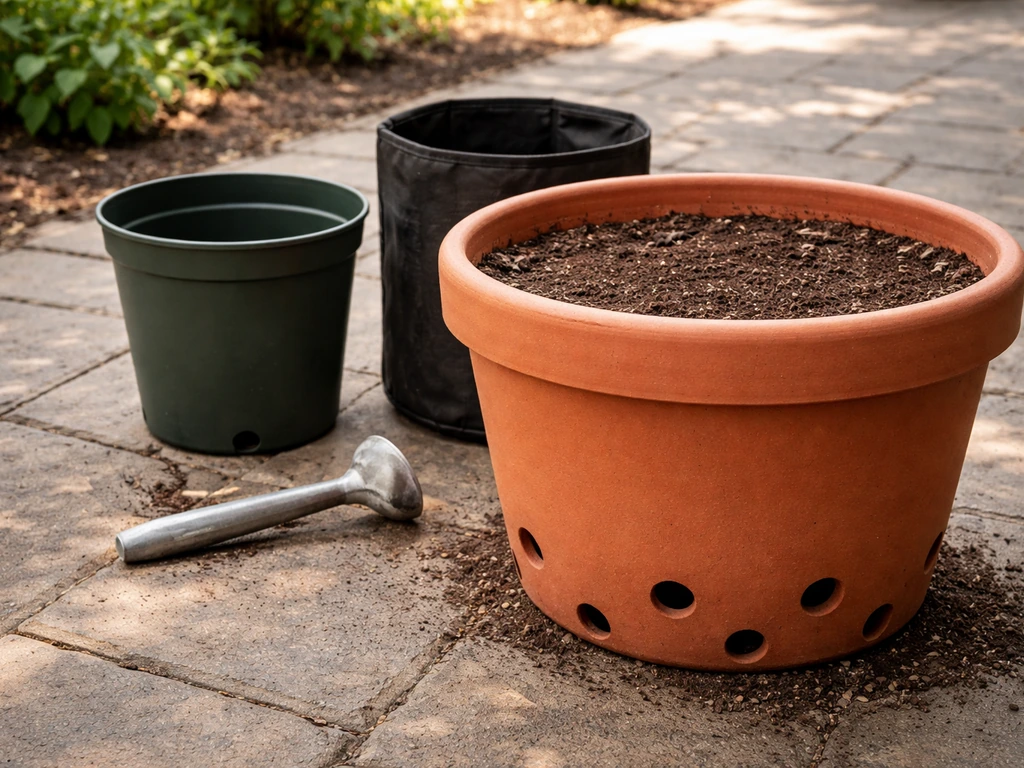
Container size is the single biggest factor that trips people up with vining gourds. Go too small and you will fight a losing battle with wilting, poor fruit set, and a root-bound plant. For tinda, aim for a pot that is at least 12 to 15 inches deep and 12 to 18 inches in diameter. In practical terms, that means a 10 to 15 gallon container. I have had good results with those large black nursery pots, fabric grow bags (which improve drainage and air-prune roots), and even repurposed plastic storage tubs with holes drilled in the bottom. If you only have smaller pots, use one per plant and plan to water more frequently.
Drainage is non-negotiable. Make sure your pot has at least four to six drainage holes in the base. If you are using a saucer underneath, empty it after heavy rain or deep watering so the roots are never sitting in standing water. Elevating the pot slightly on bricks or pot feet helps water escape freely and prevents the drainage holes from getting blocked by the surface below.
Place your pot where it will get the trellis support. It is much easier to set up the climbing structure before planting than to try retrofitting it later when the vine is already running. Think about your space: a balcony railing, a simple A-frame made from bamboo poles, a length of cattle panel or wire fencing attached to a wall, or even a sturdy tomato cage for a shorter run. Tinda vines can reach 6 to 10 feet, so plan for vertical height rather than horizontal spread.
Soil and potting mix: what to put in that pot
Do not use garden soil in a pot. It compacts badly in containers, drains poorly, and often brings in pests and diseases. Instead, start with a high-quality peat- or coco-coir-based potting mix and then improve it. My standard mix for tinda looks like this: two-thirds good potting mix, one-sixth aged compost or well-rotted manure, and one-sixth perlite or coarse sand for drainage. The compost feeds the plant early in the season and the perlite keeps the mix from turning into concrete after a few weeks of watering.
Tinda prefers a slightly acidic to neutral soil pH, somewhere around 6.0 to 7.0. If you are using a standard potting mix and compost, you are probably already in that range. If you know your water is very alkaline (hard water areas), water occasionally with a dilute solution of one teaspoon of white vinegar per gallon of water to gently nudge the pH down. You do not need to overthink this, but it is worth knowing if your plants consistently look yellow despite regular feeding.
Fill the pot to about two inches below the rim so you have room to water without it running straight off the sides. Water the mix thoroughly before sowing so it is evenly moist but not waterlogged.
Starting from seed: timing and sowing
Tinda is a warm-season crop that absolutely needs warm soil to germinate well. The ideal germination temperature is around 25 to 30°C (77 to 86°F). Sow seeds after your last frost when nighttime temperatures are consistently above 15°C (about 60°F). In most of South Asia and warmer parts of the US, that means late spring through early summer. Since tinda matures in 60 to 90 days, you can often squeeze in a second sowing in late summer for a fall harvest if your season is long enough. If you are also growing sugar cane in pots, you will want to focus on container size, drainage, and plenty of sun to keep the canes thriving how to grow sugar cane in pots.
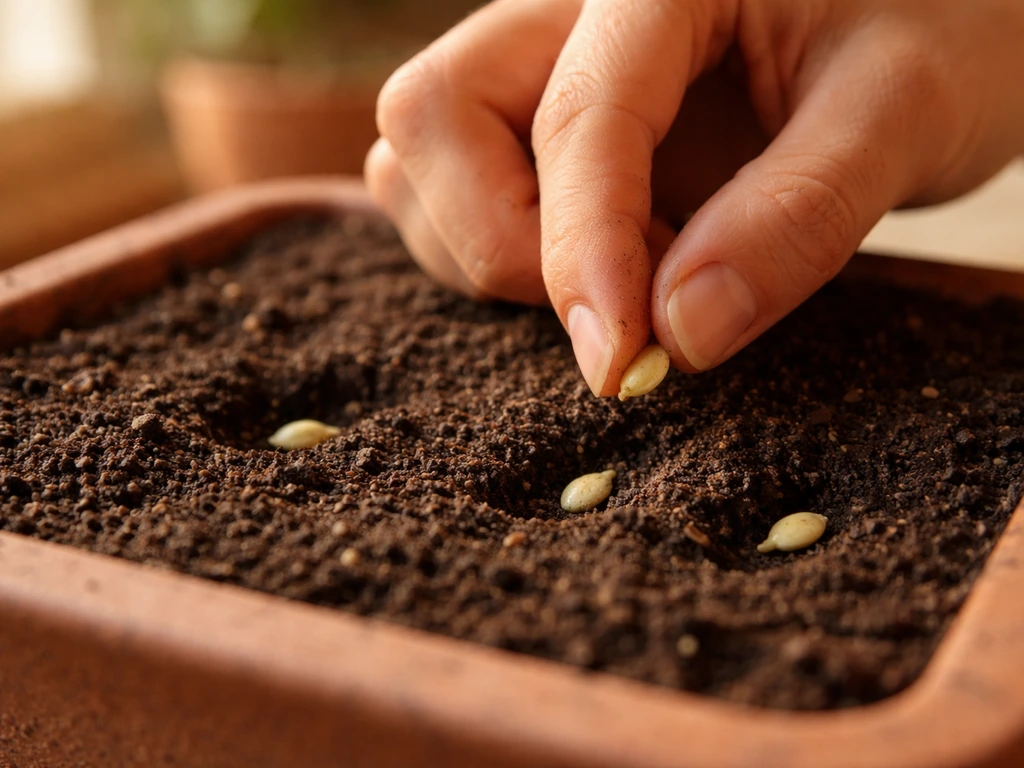
Before sowing, soak your seeds in room-temperature water for 6 to 8 hours. This softens the seed coat and speeds up germination noticeably. After soaking, sow the seeds directly into your prepared pot at about 1 inch (2 to 3 cm) deep. Place two to three seeds per pot and thin to the strongest one seedling after they germinate, which typically takes about 7 to 10 days at the right temperature. Cotyledons (the first two seed leaves) will push fully above the soil surface as the seedling emerges.
If your outdoor temperatures are still cool at planting time, use a heat mat under the pot to keep the soil warm during germination. Once seedlings are up and have their first true leaves, they can handle normal warm outdoor conditions. Resist the urge to sow too early in cold soil, because the seeds will just sit there and either rot or germinate very slowly and weakly.
Sun, watering, and everyday container care
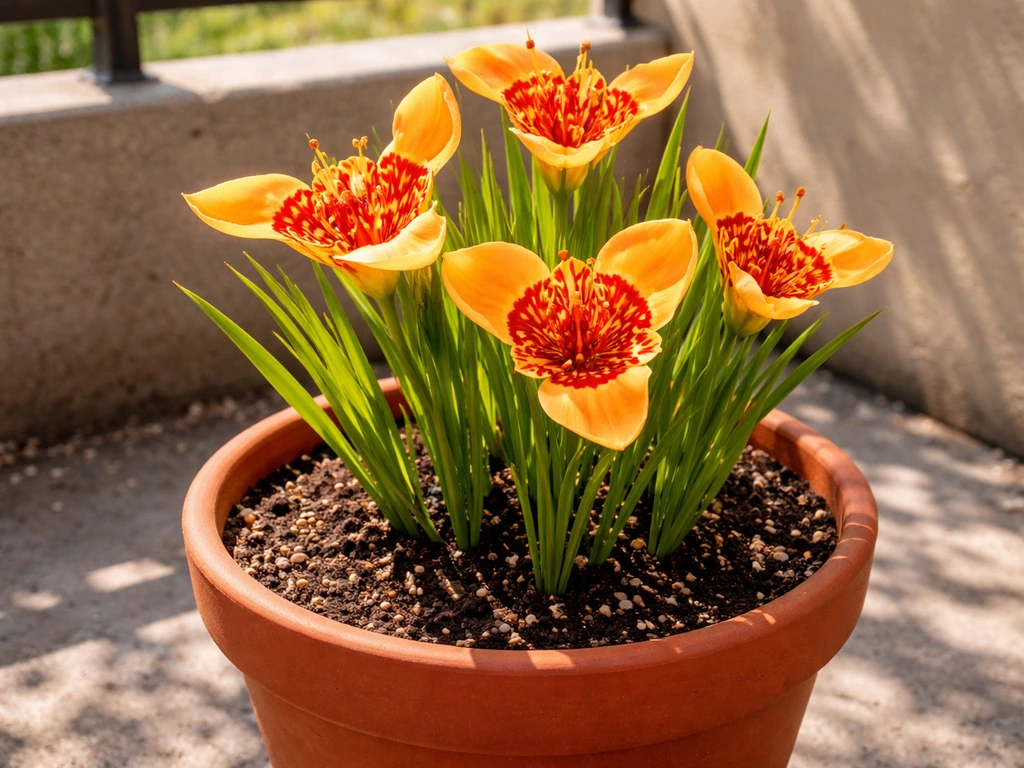
Tinda wants full sun, ideally 6 to 8 hours of direct sunlight per day. You can use the same pot-and-care basics for growing tigridia in pots, especially if you focus on drainage, sun, and consistent watering. In a container, that means moving the pot to your sunniest spot, whether that is a south-facing balcony, a rooftop, or a bright patio. Less sun means fewer flowers, fewer fruits, and a leggy vine that looks sad and stretched. This is one crop where there is really no substitute for adequate light.
Watering is where most container growers go wrong in one of two directions. Because pots dry out much faster than garden beds, tinda in a container needs consistent moisture. During warm weather, check the soil daily by pushing your finger an inch into the mix. If it feels dry at that depth, water thoroughly until it runs freely out the drainage holes. During a heat wave, you may need to water once in the morning and again in the evening. In cooler or cloudy spells, every other day is often enough. The danger signs: wilting midday (often okay, the plant recovers in the evening), but if it is still wilted in the morning, it is seriously underwatered. Yellow lower leaves with soggy soil means you are overwatering.
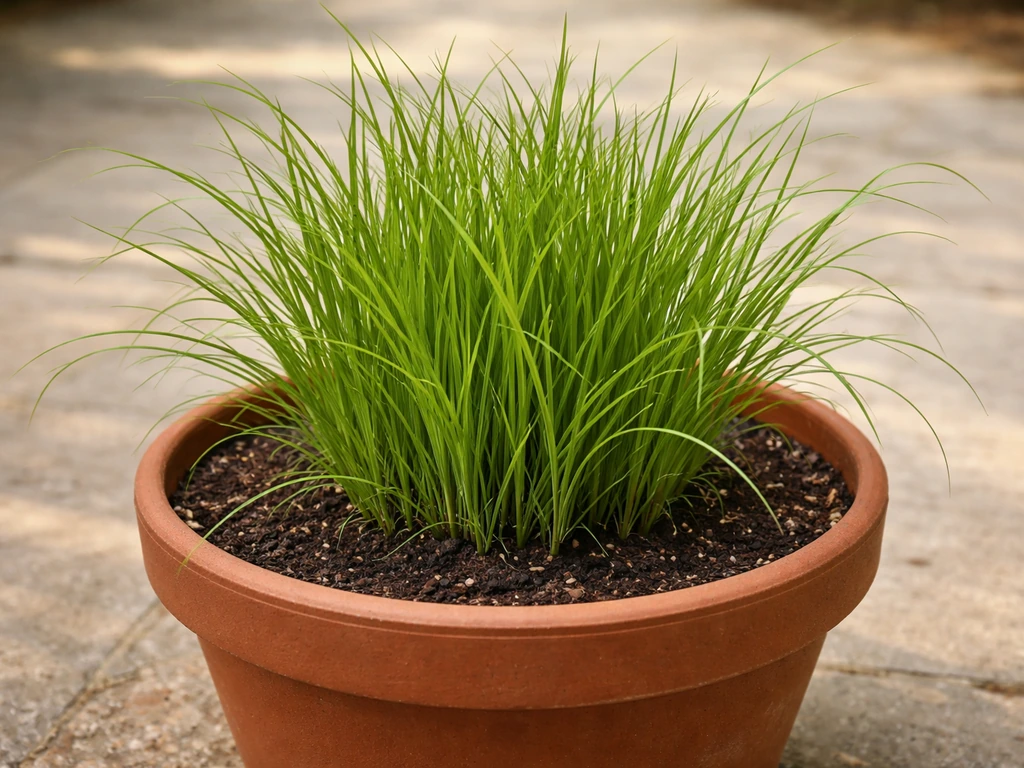
One trick that works well in containers is using a small olla (an unglazed clay pot buried in the soil) or even a DIY version with a buried plastic bottle with small holes. Sweetgrass can also be grown in pots, but you will want to focus on choosing a large container, using a fast-draining mix, and keeping the plant evenly moist as it establishes containers. These release water slowly and steadily near the roots, reducing the feast-and-famine cycle that stresses container plants. A medium-sized olla holds about 1.5 quarts of water, which can keep a large container moist for a day or two in moderate heat. It is a particularly useful technique if you travel or get busy and cannot water every day.
Mulching the top of the pot with a thin layer of straw, coco coir, or shredded leaves also helps retain moisture and keeps the root zone cooler during hot afternoons.
Feeding, trellising, and getting fruit to set
Fertilizing through the season
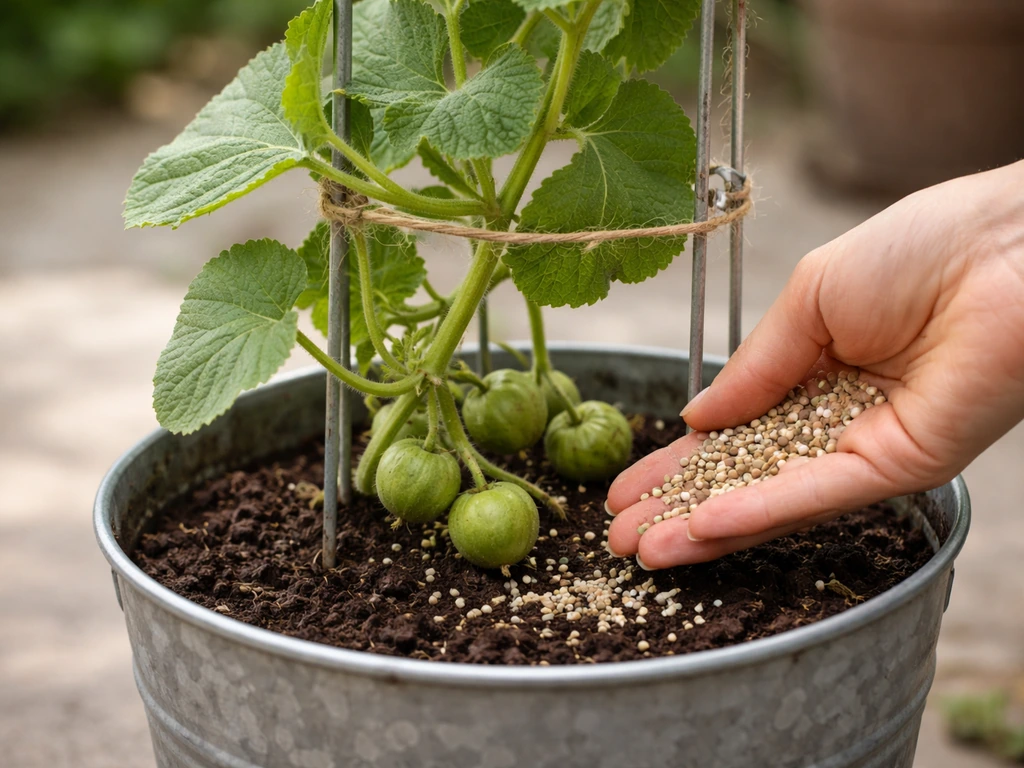
Container plants rely entirely on you for nutrition since they cannot reach into the surrounding soil. Start with a balanced slow-release granular fertilizer worked into the potting mix at planting time. Then, once the plant begins to flower (usually 4 to 5 weeks after sowing), switch to a fertilizer that is higher in potassium and phosphorus and lower in nitrogen. Too much nitrogen late in the season pushes the plant to make lots of leafy growth but few fruits. A liquid tomato or vegetable fertilizer applied every 10 to 14 days during flowering and fruiting works well. I also like to add a dilute seaweed or fish emulsion feed every few weeks as a gentle micronutrient boost.
Trellising your tinda vine
Get your trellis in place before the vine starts running, ideally at the time of sowing. A simple structure of three or four bamboo canes tied together at the top (like a teepee) works in a pinch, but a flat trellis of wire fencing or cattle panel attached to a wall or fence is better for managing a longer vine. As the vine grows, guide it gently toward the support and use soft ties or strips of old fabric to secure it at intervals. Tinda tendrils will grab onto wire and mesh on their own once they make contact, so you mainly just need to point them in the right direction.
Training the vine vertically is especially important in limited spaces. You can pinch the growing tip once the main vine reaches the top of your trellis, which encourages lateral branches that produce more flowering nodes. More flowering nodes means more potential fruit.
Getting flowers to set fruit
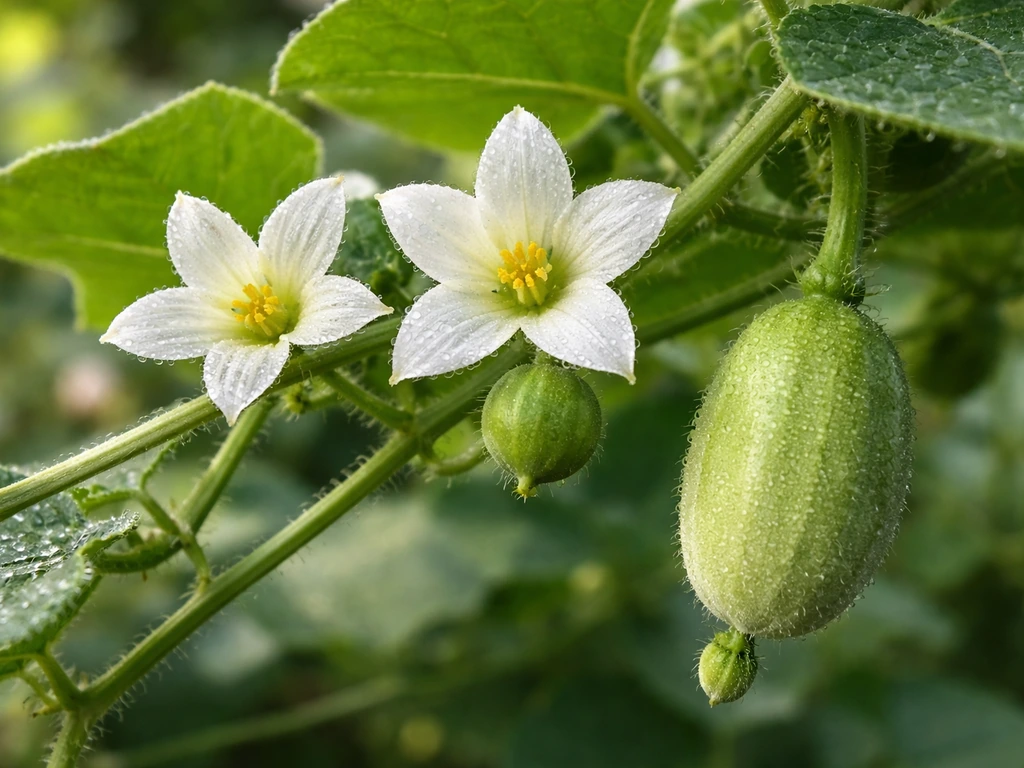
Tinda produces separate male and female flowers on the same plant. Male flowers appear first, usually a week or two before female flowers. Female flowers are easy to identify: they have a tiny swollen base (the future fruit) behind the petals. Pollination requires pollen to be transferred from a male to a female flower, which is normally done by bees and other pollinators.
If you are growing on a balcony or in an area with few pollinators, or if flowers keep dropping without setting fruit, hand-pollinate. In the morning when flowers are fully open, pick a male flower, peel back the petals, and dab the pollen-covered center directly onto the center of an open female flower. Do this on several flowers and repeat over a few mornings to improve your chances.
Heat is the other common cause of failed fruit set. When temperatures climb above about 35°C (95°F), pollen viability drops and flowers can abort. If you are in a hot spell, try pollinating in the early morning before the day heats up, and consider moving the pot to a spot with afternoon shade temporarily. Once temperatures moderate, fruit set usually improves on its own.
Pest and disease prevention: what to watch for
Insects to keep an eye on
The most common insect problems on tinda and other cucurbits are aphids and cucumber beetles. Aphids cluster on the undersides of young leaves and growing tips, sucking sap and excreting a sticky substance called honeydew that can attract sooty mold. More seriously, aphid species like the melon aphid and green peach aphid can transmit viruses that damage your plant far worse than the direct feeding does. Cucumber beetles (yellow with black stripes or spots) chew leaves, flowers, and fruit from seedling emergence right through harvest.
Check plants daily, especially when they are young. For aphids, a strong jet of water knocks most of them off, and neem oil or insecticidal soap spray handles persistent infestations. For cucumber beetles, row cover fabric over young plants keeps them off entirely (just remove it once flowering starts so pollinators can get in). Yellow sticky traps near the pot catch early arrivals and give you a warning.
Powdery mildew and downy mildew
Powdery mildew shows up as white powdery patches on the upper surface of leaves, usually later in the season. It thrives in humid conditions with poor air circulation, which is exactly what can happen when a dense tinda vine is crammed against a wall. Prevention is much easier than cure: space plants well, train the vine so leaves are not overlapping heavily, and avoid watering the foliage. If you see it appearing, spray with a potassium bicarbonate solution or neem oil at the first sign. Once it covers most of the leaf surface, control becomes very difficult.
Downy mildew is different: it causes yellow patches on the top of leaves with a grayish-purple fuzzy growth underneath. It spreads quickly in cool, wet conditions and can defoliate a plant and drastically reduce yield. Good airflow, avoiding overhead watering, and removing infected leaves promptly are your best defenses. If you have had problems with it before, copper-based fungicide as a preventive spray during humid periods helps.
Quick troubleshooting guide
| Problem | Likely Cause | What to Do |
|---|---|---|
| No germination after 2 weeks | Soil too cold or seeds too old | Use a heat mat; sow fresh seeds at 25–30°C |
| Leggy, pale seedlings | Not enough light | Move to full sun; do not sow too early indoors |
| Yellow lower leaves | Overwatering or nitrogen deficiency | Check drainage; feed with balanced fertilizer |
| Flowers dropping, no fruit | No pollination or heat stress | Hand-pollinate in early morning; shade during extreme heat |
| Tiny fruit stops growing then rots | Poor pollination or inconsistent watering | Hand-pollinate; water evenly; pick damaged fruit off immediately |
| White powder on leaves | Powdery mildew | Spray with potassium bicarbonate or neem oil at first sign |
| Vine suddenly wilts and collapses | Root rot from overwatering or vine borer | Check roots; improve drainage; inspect stem base for pest entry |
Harvesting tinda and keeping the plant producing
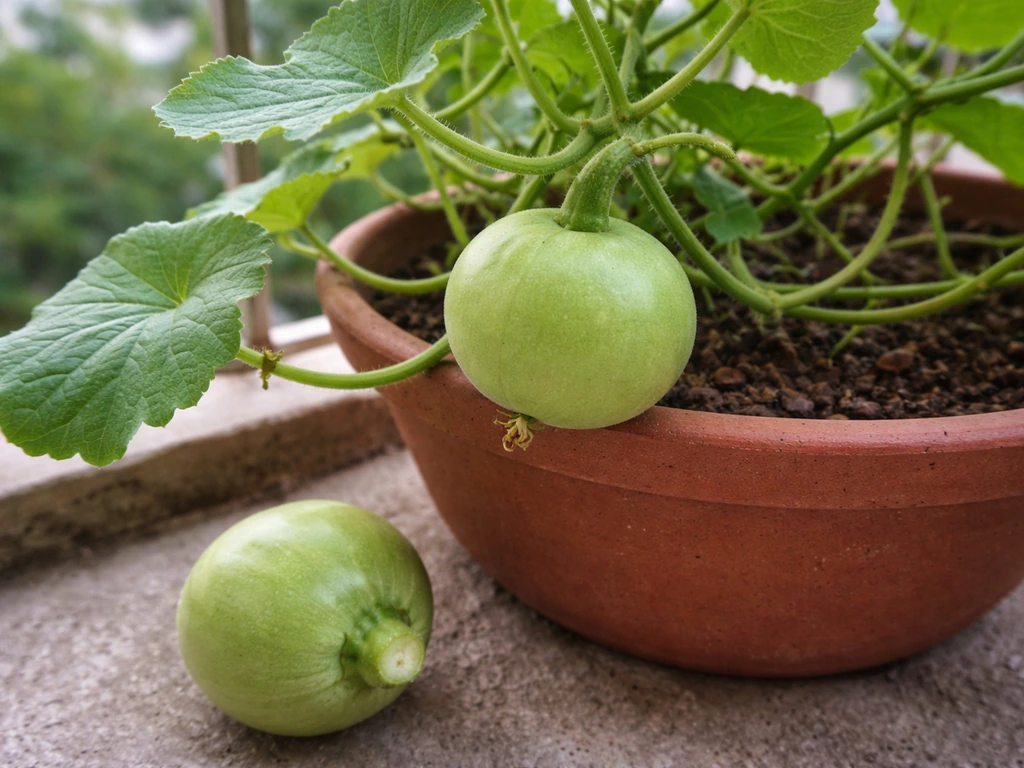
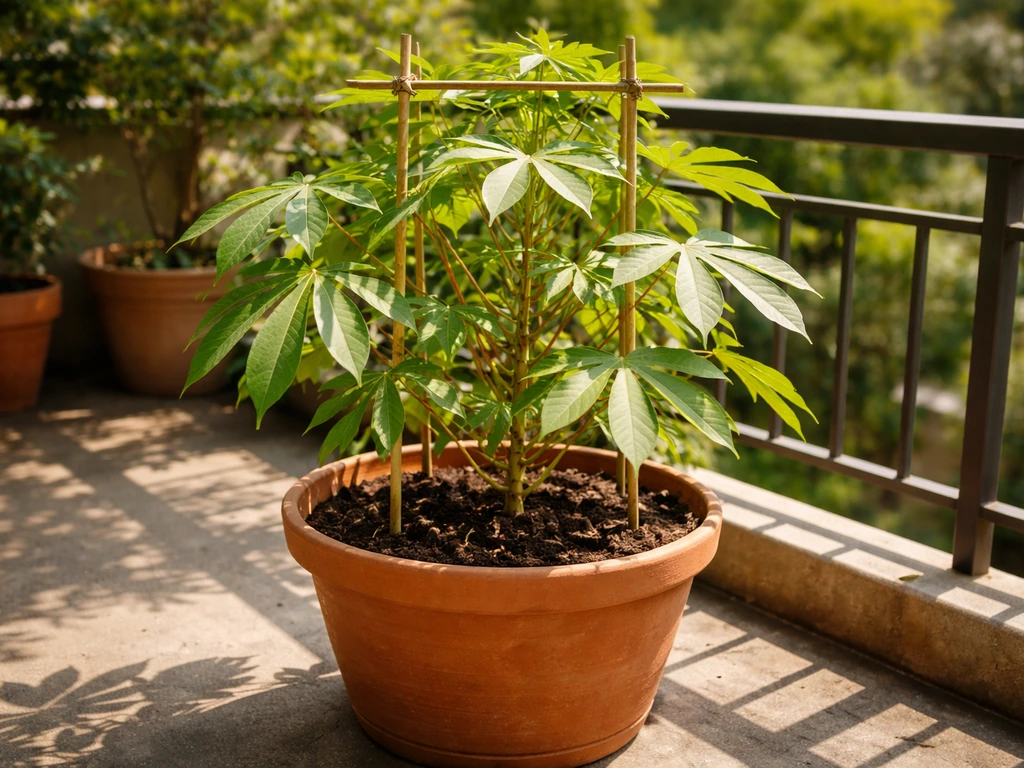
Tinda is ready to harvest when the fruits are about 2.5 to 3.5 inches in diameter. At this size, the skin is still pale green, smooth, and firm, and the flesh inside is tender and mild. This is when you want to eat them. If you are specifically growing tapioca (cassava) in pots, focus on using a large container and providing warm temperatures so the plants can establish well how to grow tapioca in pots. Do not wait until they get big and round and start to yellow, because they quickly become fibrous and seedy at that point, and leaving them on the vine too long can also trigger rot.
To harvest, cut the fruit off the vine near the top of the stem using a clean pair of scissors or a small knife. Do not yank or twist the fruit off, because that can damage the vine and the surrounding stem. Expect your first fruits around 60 to 90 days after sowing, depending on your conditions.
Here is the key to keeping the plant producing: pick frequently. Harvesting every two to three days once fruiting starts signals the plant to keep making more. If you leave a fruit to mature fully on the vine, the plant thinks its job is done and slows down dramatically. Regular picking is the single easiest way to extend your harvest window by several weeks. In good conditions, a well-fed, well-watered tinda plant in a large container can produce steadily for two months or more.
After each picking session, take a moment to check the vine for pests, remove any yellowing or diseased leaves, and top up the pot with water if needed. A quick liquid feed every two weeks during peak fruiting keeps the plant from running out of energy. Tinda is a genuinely rewarding container crop: fast, productive, and useful in the kitchen. If you want a different bloom-focused crop instead, you can also follow our guide on how to grow tuberose in pots. Once you have grown it successfully in a pot, it becomes a warm-season staple that is hard to give up.
FAQ
What pot size is the absolute minimum if I only have small containers available?
For tinda, the minimum that still usually works is about 10 to 12 inches deep and 12 inches wide (roughly a 5 to 7 gallon pot). Smaller pots often produce early wilting and fewer fruits because gourds dry out fast and become root-bound quickly. If you must use a smaller pot, use one plant per container, water daily during warm weather, and be prepared for lighter yields.
How many tinda plants should I grow in one pot?
In a container, plant one tinda per pot as your default. If the pot is very large (around 15 gallons or more) you may fit two plants, but only if you have strong trellising, enough space for vines to spread vertically, and you can keep moisture very consistent. Otherwise, two plants compete and you get poor airflow, more mildew, and reduced fruit set.
My tinda flowers drop but fruits do not form. What should I check first?
First check pollination and heat. If you have few pollinators, hand-pollinate in the morning on several male and female flowers over a few days. If it is extremely hot (around mid-30s C and above), wait for cooler mornings or move the pot to get afternoon shade temporarily, because pollen becomes less viable and flowers abort.
When should I thin seedlings, and what if they look weak after germination?
Thin after germination once you can clearly choose the strongest seedling, usually around 7 to 10 days. Cut the extra seedlings at soil level, do not pull them, to avoid disturbing roots of the one you keep. If seedlings are pale and leggy, it is almost always insufficient light, not a lack of fertilizer.
How can I tell whether I am underwatering or overwatering in a pot?
Underwatering usually shows as wilting that does not fully recover by evening, dry mix at the 1 inch depth, and leaves that look limp but not yellow and mushy. Overwatering more often shows soggy soil, yellowing lower leaves, and a persistent droop even when soil should be moist. If you can, lift the pot, dry pots feel much lighter, wet pots stay heavy.
Do I need to add compost after planting, or just at the start?
You generally only want compost or manure worked in at the beginning. During fruiting, avoid heavy additional organic amendments because they can raise fertility too high or worsen drainage. Instead, use a potassium and phosphorus-focused liquid fertilizer during flowering and fruiting, every 10 to 14 days.
Can I grow tinda from cuttings or transplant starts instead of direct sowing?
Tinda is best started from seed in its final container because cucurbit roots resent being disturbed. Transplant shock can delay growth and reduce early flowering. If you must transplant, keep the root ball intact, handle gently, and plan for a slower start while the plant recovers.
What trellis setup works best for pots, and how do I keep the vine from damaging itself?
Use a vertical support that can handle 6 to 10 feet of vine, like an A-frame or cattle panel attached to a wall. Install it at sowing, then guide the main vine and use soft fabric ties at intervals. Avoid tight ties that can girdle the stem, and periodically loosen and retrain as the vine thickens.
Should I pinch the top of the vine, and does it always help?
Pinching can help in containers because it encourages lateral branches and more flowering nodes, but do it only when the main vine reaches near the top of your trellis. If you pinch too early, you can delay fruiting. Stop training when you reach your vertical limit, then focus on light and watering to keep flower production steady.
How often should I fertilize once fruits start forming?
Once flowering begins (typically a few weeks after sowing), switch to a fruiting formula and keep feeding regularly, about every 10 to 14 days. During peak harvest, the plant can use nutrients quickly in pots, so a consistent schedule matters. If leaves become overly lush and fruits stall, you likely have too much nitrogen, adjust to a lower-nitrogen mix.
What are the best ways to prevent powdery mildew in container tinda?
In pots, mildew is often caused by humidity plus crowded foliage. Train the vine so leaves are not piled tightly against a wall, improve airflow by directing growth across the trellis, and water at the soil level instead of wetting leaves. When mildew appears early, treat promptly with potassium bicarbonate or neem oil, because once it spreads widely, control is much harder.
How do I harvest so the plant keeps producing, and what mistake reduces yield fastest?
Harvest when fruits are about 2.5 to 3.5 inches across, cut cleanly near the top of the stem, and pick every two to three days once fruiting starts. The fastest way to reduce yield is letting a fruit hang and mature fully, because the plant shifts from producing new fruits to completing its current fruit.
Is it normal for tinda to stop fruiting after a while in summer heat?
Yes, some slowing can happen when temperatures stay very high or when the container dries out repeatedly. If you see fewer new fruits, check watering first, then adjust the pot location for afternoon shade. Keeping up with frequent harvesting and consistent fruit-focused feeding usually restores production once conditions ease.
Can I use an olla or DIY water reservoir, and how should I set it up in a container?
Yes, an olla is a strong option to smooth out watering in pots. Bury it so the rim sits slightly below the potting mix surface, then fill it before it runs low. Use it as a supplement to regular checks, because even with ollas you may still need extra watering during extreme heat or if the pot dries faster than expected.