Yes, you can absolutely grow Tigridia in pots, and it actually works really well in containers as long as you nail two things: drainage and sunlight. If you want a similar container setup, follow the same container-friendly principles in our guide on how to grow tinda in pots: prioritize drainage, consistent moisture, and the right pot size.
How to Grow Tigridia in Pots: Step-by-Step Care Guide
Marcus Whitley
8 Jun 2026
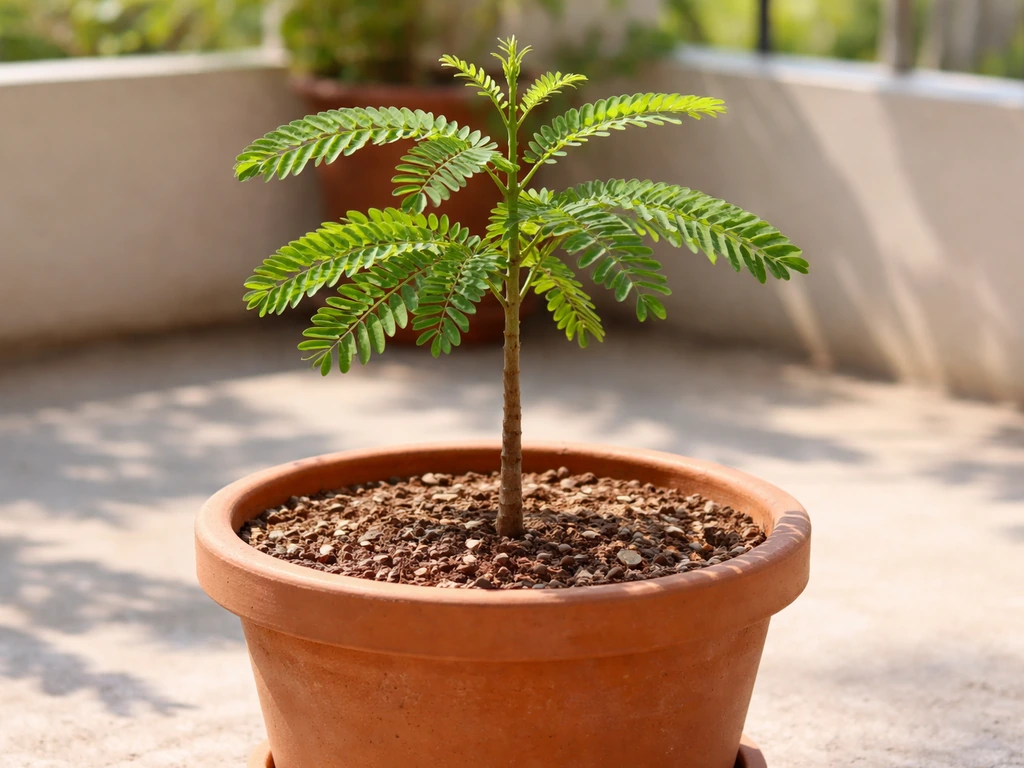
If you’re also wondering about a woody fruit tree, you can explore whether you can grow tamarind in a pot under the right light and container conditions can you grow tamarind in a pot.
Plant the corms (they look like small, papery bulbs) about 7–8 cm deep in a free-draining potting mix, give them a spot with as much direct sun as possible, water only when the top of the soil feels dry, and you'll get those stunning, exotic-looking blooms by mid to late summer. The main reason people fail with Tigridia in pots is rot from sitting in soggy soil, so once you get that right, the rest is straightforward.
What Tigridia actually is and which one to grow
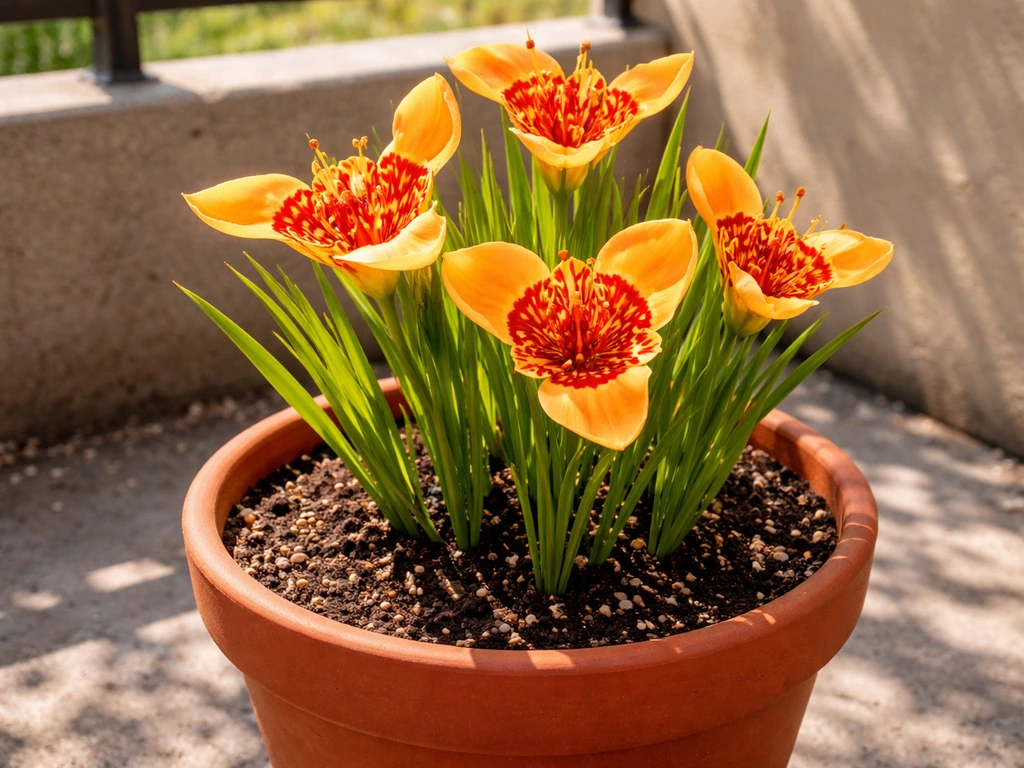
The plant most people mean when they say 'tiger flower' or 'peacock flower' is Tigridia pavonia, and that's the one you want to look for at garden centers or bulb suppliers. It's a Mexican native that grows from a small corm (bulb-like structure), sends up upright sword-shaped leaves, and produces these spectacular three-petaled flowers with intricate spotted centers. Each flower only lasts one day, which surprises a lot of first-timers, but don't let that put you off. A well-planted clump keeps producing blooms on the same stem over several weeks through mid to late summer, so the display actually goes on for quite a while.
In terms of size, Tigridia pavonia typically grows to around 60–70 cm tall (roughly 30 inches), so it's not a tiny plant. It fits nicely on a sunny balcony or patio, but factor in that height when choosing your spot so it doesn't get knocked over in the wind or end up too crowded against a wall.
What climate are you in? This changes everything
Tigridia pavonia is hardy in USDA zones 8–10, which basically means it can stay in the ground year-round in mild climates like coastal California, the Pacific Northwest lowlands, or similar. If you're in a colder zone (zone 7 and below), the corms will rot or freeze over winter if left outside, so you'll need to dig them up and store them indoors once the season ends. The good news is that growing in a pot actually makes that job much easier because you can just move the whole pot rather than digging around in the garden bed.
The right pot size for container Tigridia
Go for a pot that's at least 25–30 cm (10–12 inches) deep and about the same width across. That depth gives you room to plant the corms at the correct depth and still have a decent layer of drainage material at the bottom. If you want to plant several corms together (which looks much better than a single plant), use a wider pot, say 35–40 cm across, so you can space them out properly.
A terracotta pot is genuinely the best choice here, not just garden-center filler advice. Terracotta is porous, which means water and air move through the walls, helping the soil dry out faster between waterings. That directly reduces the risk of the corms rotting. Plastic pots hold moisture much longer, which is fine for some plants but risky for Tigridia.
Picking your corms and getting the timing right
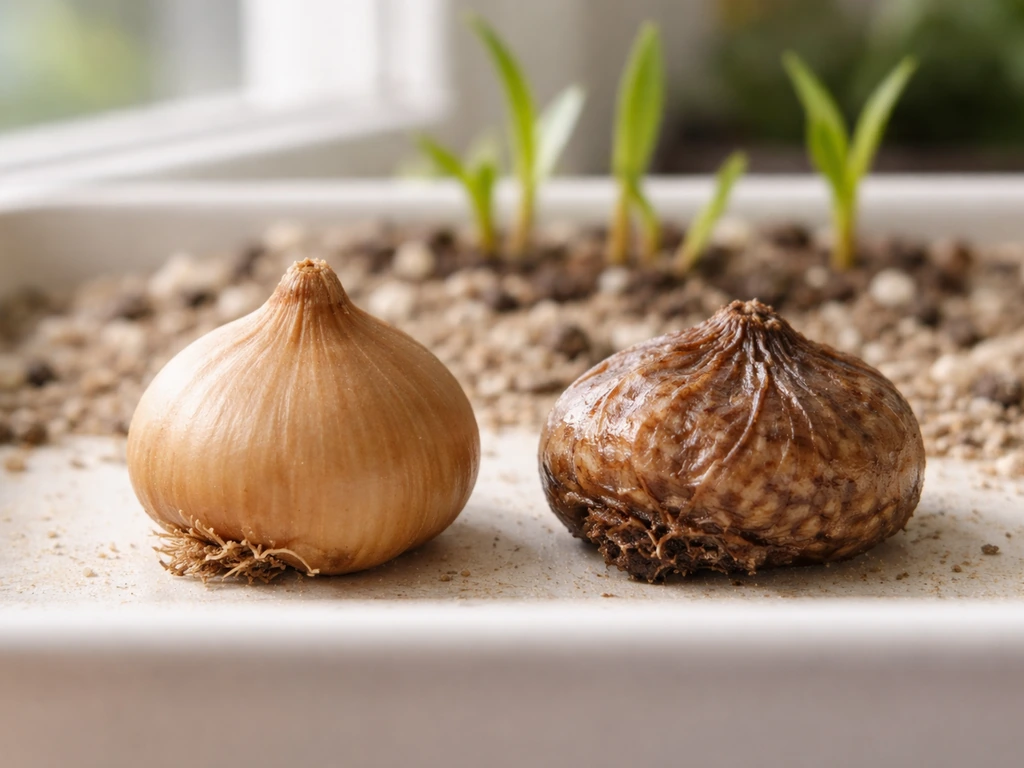
When you're buying Tigridia corms, look for ones that feel firm when you gently squeeze them. Soft, mushy, or shriveled corms have already started to deteriorate and won't give you reliable results. A healthy corm should feel solid and have a dry, papery outer coating. If you can see any obvious mold or black patches at the base, skip it.
Planting time is spring, specifically after your last frost date has passed. In most temperate climates that's somewhere between March and May. Tigridia corms are frost-sensitive, so even a light frost can damage or kill them if they're already in the ground. If you're itching to get started early (I completely understand), you can plant corms in pots indoors on a warm windowsill a few weeks before your last frost date, then move the pot outside once the danger has passed.
How deep and how far apart to plant
Plant each corm about 7–8 cm deep, measuring from the top of the corm to the soil surface. Space multiple corms 7–12 cm apart from each other. In a pot that's 35 cm wide you can comfortably fit three corms in a triangle pattern with about 10 cm between them. Place the corms with the pointed end facing up (if you can tell which end is which) or just on their side if you're unsure, and they'll figure it out.
Potting mix and feeding your Tigridia
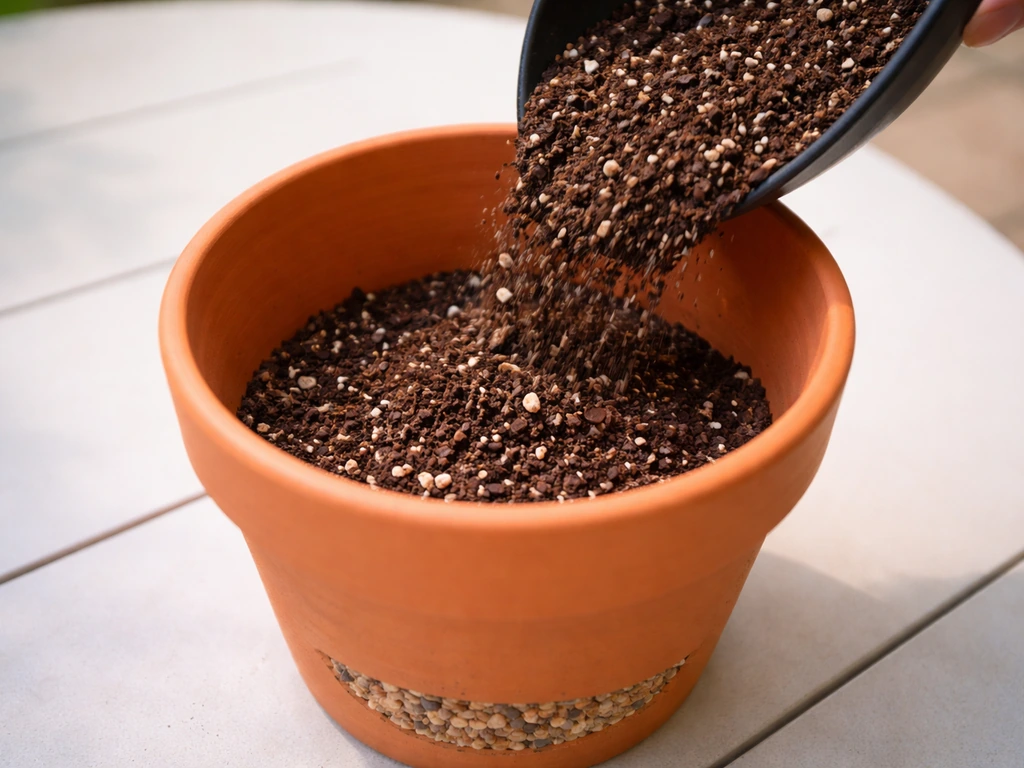
Do not use garden soil straight from the ground in a pot. It compacts, drains poorly, and is basically a recipe for root rot. Instead, use a good-quality, free-draining potting mix. A standard all-purpose potting mix works as your base, but improve it by mixing in about 20–30% perlite or coarse horticultural grit. This keeps the mix open and airy so water drains through quickly rather than pooling around the corms.
Before you add your potting mix, put a drainage layer at the bottom of the pot. A couple of centimeters of gravel, clay pebbles, or even broken pottery shards works fine. This prevents the drainage holes from getting blocked and stops the bottom of the soil from staying waterlogged. Then fill with your amended potting mix, plant your corms, and you're set.
When and how to fertilize
Tigridia isn't a heavy feeder, so you don't need to go overboard. Wait until you can see the first leaves emerging and they've reached about 10–15 cm tall before you start feeding. Once growth is underway, apply a diluted liquid fertilizer once a month through spring and summer. A balanced all-purpose liquid fertilizer (something like a 10-10-10 or similar) works well. Avoid high-nitrogen feeds because they push leafy growth at the expense of flowers. When autumn arrives and the plant starts to die back, stop feeding completely.
Light, watering, and keeping on top of heat
Tigridia loves full sun and genuinely thrives in heat, including hot afternoon sun that would stress other plants. Find the sunniest spot you have: a south-facing balcony, a bright patio, a rooftop, anywhere that gets at least six hours of direct sun per day. The more sun it gets, the more reliably it flowers.
Planting in too much shade is one of the most common reasons Tigridia produces disappointing results, so if your spot is shady, this might not be the right plant for it (tuberose and sweetgrass, for example, can handle shadier container setups better). If you’re also considering sweetgrass as a container plant, you’ll need to tailor the sun, soil, and watering to suit it sweetgrass in pots.
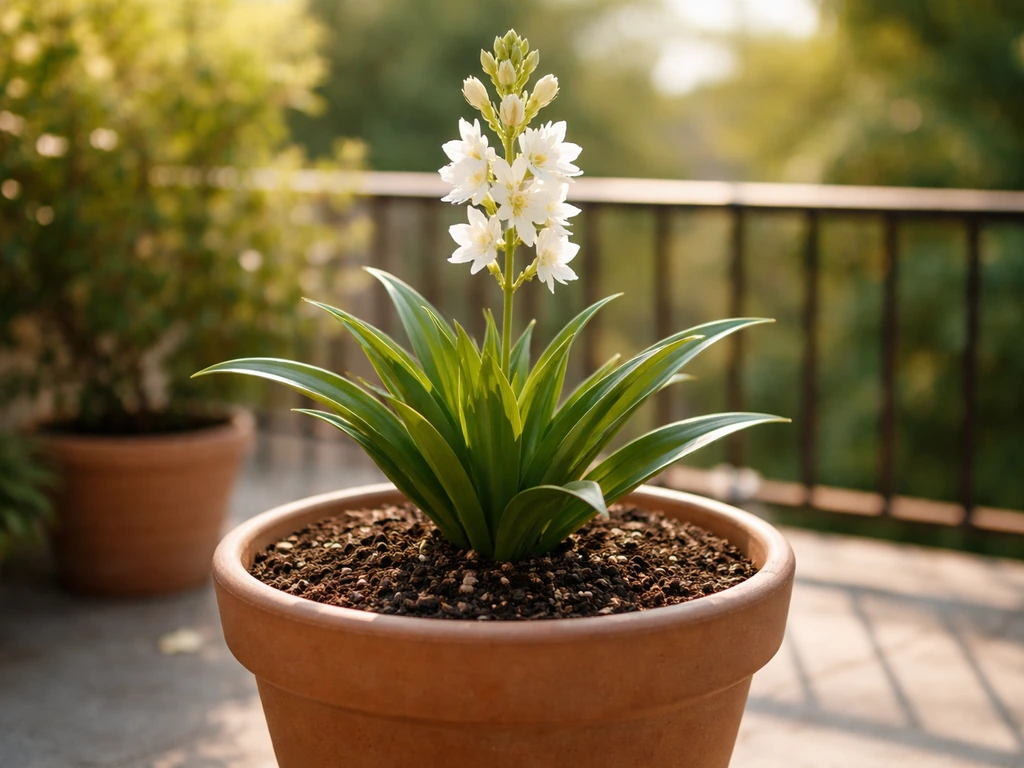
If you are comparing flowers like tuberose in pots, you may also want to look at how it handles light and watering to keep blooms thriving. That said, if you only have part-shade conditions, it can still cope, just with reduced flowering.
Watering without causing rot
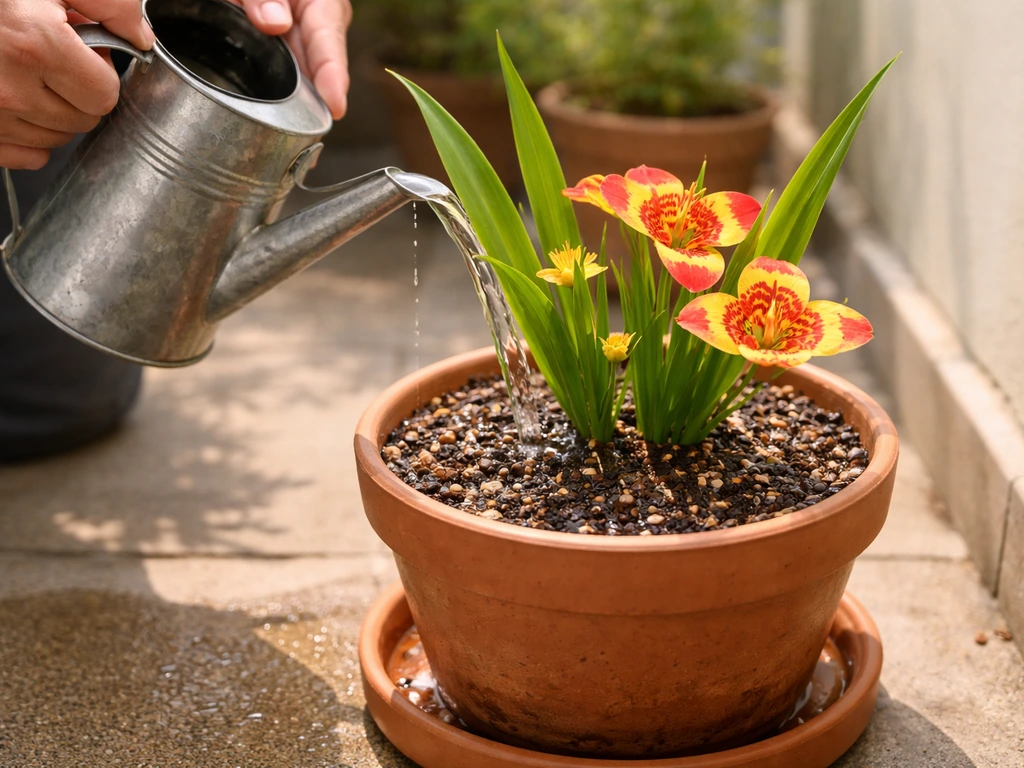
Watering Tigridia in pots is where most people go wrong. If you’re also wondering how to grow tapioca in pots, the same care principles around avoiding soggy soil and getting the container mix right still matter Watering Tigridia in pots. The rule is simple: only water when the top inch or two of the potting mix starts to feel dry. Don't water on a fixed schedule because weather changes how quickly the soil dries out.
On a hot, breezy day the pot might dry out fast; on a cool, overcast week it might stay damp for days. Stick your finger into the mix and let that guide you. When you do water, water thoroughly so it drains out the bottom, then leave it alone until the surface dries again. Never let the pot sit in a saucer of standing water because the corms will rot from the bottom up.
As the season winds down in autumn and the leaves start to yellow and fade, gradually reduce watering. By the time the plant is fully dormant, stop watering almost entirely. Dormant corms left in moist soil over winter will rot, especially in a pot where the soil doesn't drain into the ground.
Managing heat in a pot
Pots heat up and cool down faster than garden soil, which can sometimes stress the roots during extreme heatwaves. If you're in a climate where summer temperatures regularly push above 35–38°C (95–100°F), you might see the foliage looking a bit stressed at the hottest part of the day. Moving the pot to a spot with afternoon shade during peak summer heat can help, then returning it to full sun in the morning. A larger pot also buffers temperature swings better than a small one, which is another reason not to go too small with your container choice.
Supporting growth and dealing with pests and disease
Tigridia's upright stems can get knocked around by wind, especially on exposed balconies or rooftops. A simple bamboo cane pushed into the pot next to the main stem, loosely tied with soft garden twine, is usually all you need. Don't tie it too tightly or you'll damage the stem.
The two fungal problems to watch for
Basal rot (caused by Fusarium fungus) and gray mold (Botrytis) are the two diseases most likely to show up on Tigridia in containers. Basal rot usually starts at the base of the corm and works upward; if a plant suddenly collapses or looks mushy at the base, that's likely the culprit and it's almost always linked to overwatering or poor drainage. Prevention is your best tool: nail the drainage setup and the watering approach described above, and you dramatically reduce the risk.
Botrytis (gray mold) shows up as fuzzy gray patches, usually starting with water-soaked brown lesions on leaves or spent blooms. It loves cool, damp, humid conditions and tends to appear when air circulation is poor. To manage it, remove dead flowers and any yellowing leaves promptly (don't leave plant debris sitting in the pot), avoid getting water on the foliage when you water, and make sure your plants aren't packed together so tightly that air can't move between them. If you catch it early and improve conditions, it often clears up without needing to spray anything.
Thrips and other bugs
Thrips are small, fast-moving insects that can damage Tigridia leaves and flowers, leaving silvery streaks or distorted growth. They're worse in dry conditions. Keep leaf surfaces dry when watering, remove any heavily infested leaves, and if the problem persists, a spray of insecticidal soap or horticultural oil will knock them back. Check the product label to make sure it's suitable for ornamental plants before you apply.
What to expect from the flowers, and what to do after they bloom
Here's the thing about Tigridia flowers that surprises almost everyone the first time: each individual bloom lasts just one day, typically opening in the morning and fading by evening. Don't panic when you see a bloom drop, that's completely normal. The payoff is that each stem produces multiple flowers in succession, and with a clump of several corms in your pot, you'll have a rolling display that carries on for several weeks through mid to late summer. The flowers themselves are genuinely spectacular, with bold spotted markings that look almost tropical, so even a few days of blooms per week is worth the effort.
Deadheading spent flowers
Because each flower only lasts a day, deadheading is more about keeping the plant tidy than extending the bloom season. When a spent flower shrivels up, snip it off just above the first leaf below where the flower sat. This keeps the plant looking neat and reduces the chance of Botrytis taking hold on rotting petals. Don't cut the entire stem down while it still has buds on it, those are tomorrow's flowers.
Post-bloom care: storing corms or leaving them in the pot
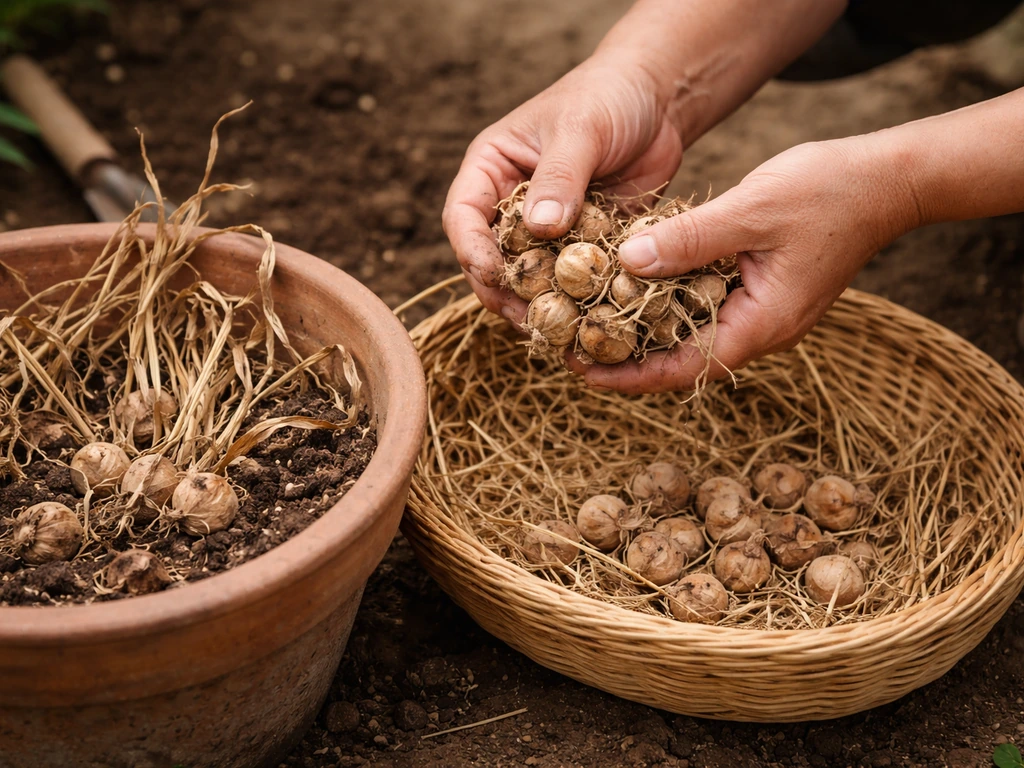
What you do after blooming depends entirely on your climate. If you're in zone 8 or warmer with mild winters, you can leave the corms in the pot and just move it somewhere dry and frost-free for winter, reducing watering to almost nothing while the plant is dormant. They'll come back the following spring when you start watering again.
If you're in a colder zone (zone 7 or below), you need to dig the corms out before the first frost. Wait until the leaves have faded and yellowed, which tells you the plant has pulled its energy back into the corm. Tip the pot out, gently shake off the potting mix, and let the corms dry out in a warm, airy spot for a few days.
Then store them somewhere cool and dry with a temperature of at least around 10°C (50°F), like an unheated garage or basement. A paper bag or a box of dry sand or vermiculite works well for storage. Check them once a month over winter and throw out any that have gone soft or moldy. Replant in spring after your last frost date and start the whole cycle again.
| Task | When to do it | Key tip |
|---|---|---|
| Plant corms | Spring, after last frost (March–May) | 7–8 cm deep, pointed end up |
| Start feeding | When leaves reach 10–15 cm tall | Balanced liquid feed, once a month |
| Deadhead spent blooms | Daily, as flowers fade | Cut just above first leaf below flower |
| Reduce watering | Autumn, as leaves yellow | Gradually taper off, then stop |
| Dig and store corms (cold climates) | Before first frost, once leaves fade | Dry thoroughly before storing |
| Replant stored corms | Following spring, after last frost | Check corms for firmness before planting |
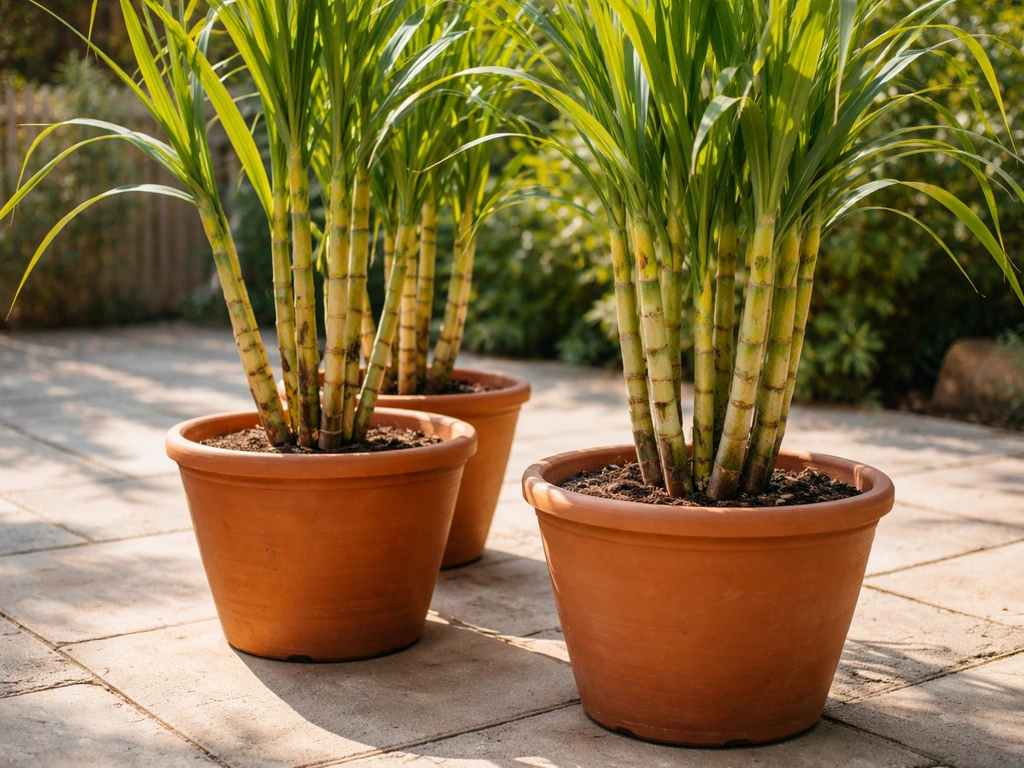
If you get all of this right, Tigridia in pots is honestly one of the more rewarding things you can grow on a balcony or patio. The setup is a bit specific, especially around drainage and watering, but once you've got it dialed in the plants pretty much look after themselves through the growing season. If you are also wondering how to grow sugar cane in pots, the key is getting enough light and keeping the root zone consistently moist but well-drained. And when those flowers open on a summer morning, they genuinely stop people in their tracks.
FAQ
What size pot is best for how to grow tigridia in pots if I want lots of blooms?
Aim for at least 25 to 30 cm deep, and do not underestimate width. For a fuller display, choose about 35 to 40 cm across so you can space multiple corms 7 to 12 cm apart, which improves airflow and reduces mold risk between plants.
Can I start tigridia corms indoors early, then move them outside?
Yes, plant them a few weeks before your last frost in the same type of free-draining potting mix. Harden them off for 7 to 10 days outdoors (start with a few hours of sun and gradually increase) to avoid leaf scorch when moving to hot direct sun.
How do I tell if I’m watering correctly in a pot?
Use the “top inch” test consistently, then adjust for weather. In hot, windy weather you may need watering more often, in cool or cloudy spells you may go longer, never water because a calendar says to. If water runs straight out and the potting mix never feels dry first, you are likely undercutting root uptake and encouraging rot.
Should I remove dead flowers and yellow leaves right away?
Yes, especially in containers. Snip off spent blooms and remove yellowing leaves promptly so rotting petals and debris do not sit in the pot, which lowers the odds of Botrytis developing in humid, low-airflow conditions.
Do I need a drainage layer if my pot already has holes?
A drainage layer helps protect the bottom and keeps drainage holes from clogging, but it is not a substitute for a potting mix that drains fast. Keep using a free-draining mix with perlite or coarse grit and ensure the potting mix does not compact down into a heavy, water-holding plug.
What should I do if my tigridia foliage collapses or turns mushy at the base?
Treat it as likely basal rot. Stop watering immediately, check drainage, and remove any clearly mushy corms or collapsed plants to prevent further spread. In future seasons, increase grit/perlite and water only after the top layer dries.
Why aren’t my tigridia plants flowering even though the leaves look healthy?
The most common cause in pots is too little direct sun, aim for at least six hours of sun daily. Other reasons include corms being too small or stressed by cold snaps, and overly rich, high-nitrogen fertilizer that encourages leaves over flowers.
Can I use plastic instead of terracotta for pots?
You can, but be extra strict with drying and mix structure because plastic retains moisture longer. Terracotta helps the root zone dry faster between waterings, so if you use plastic, increase perlite/grit and monitor moisture more carefully to prevent corm rot.
How do I store tigridia corms over winter if they were grown in pots?
After the leaves fade and yellow, tip out the pot and let corms dry in a warm, airy place for a few days. Store in dry sand, vermiculite, or a paper bag in a cool, dry spot around at least 10°C (50°F). Check monthly and discard any soft or moldy corms before replanting.
My climate is borderline zone 8 to zone 7, can I leave corms in the pot year-round?
If winter frosts or sustained cold nights happen, leaving corms in a pot is risky because the container cools differently than ground soil and can stay cold and damp. A safer approach is to lift and store corms indoors, or keep the pot in a frost-free, very dry location and water almost never during dormancy.
Should I fertilize before leaves emerge?
Hold off until you see leaves and they reach roughly 10 to 15 cm tall. Fertilizing early can do little for corms and may encourage unwanted leafy growth later, use diluted balanced liquid fertilizer once a month during spring and summer only.
Are thrips or other pests more likely on tigridia in pots?
Thrips are more likely during dry conditions and can distort growth or leave silvery streaks. Keep an eye on leaf undersides, remove heavily damaged leaves, and if needed use insecticidal soap or horticultural oil labeled for ornamental plants, avoid spraying in full midday heat.