You can absolutely grow ashwagandha in pots, and it actually does really well in containers as long as you nail two things: full sun and excellent drainage. Use a pot that's at least 12–15 inches deep, fill it with a sandy, well-draining mix, sow seeds about 2 cm (roughly 3/4 inch) deep once temperatures are consistently above 70°F, and expect to wait around 150–180 days before you can harvest the roots. That's the core of it. Everything else below is just making sure those fundamentals actually work for you in a container setting.
How to Grow Ashwagandha in Pots: Step-by-Step Care Guide
Marcus Whitley
19 Jun 2026
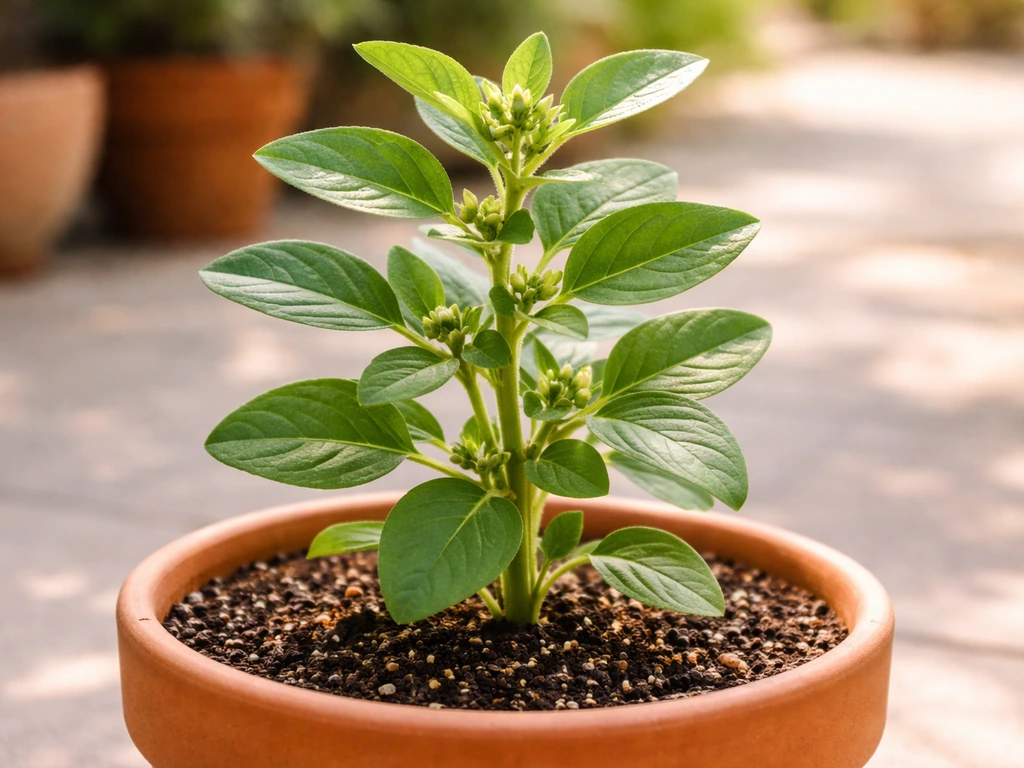
Best pot size and drainage for ashwagandha
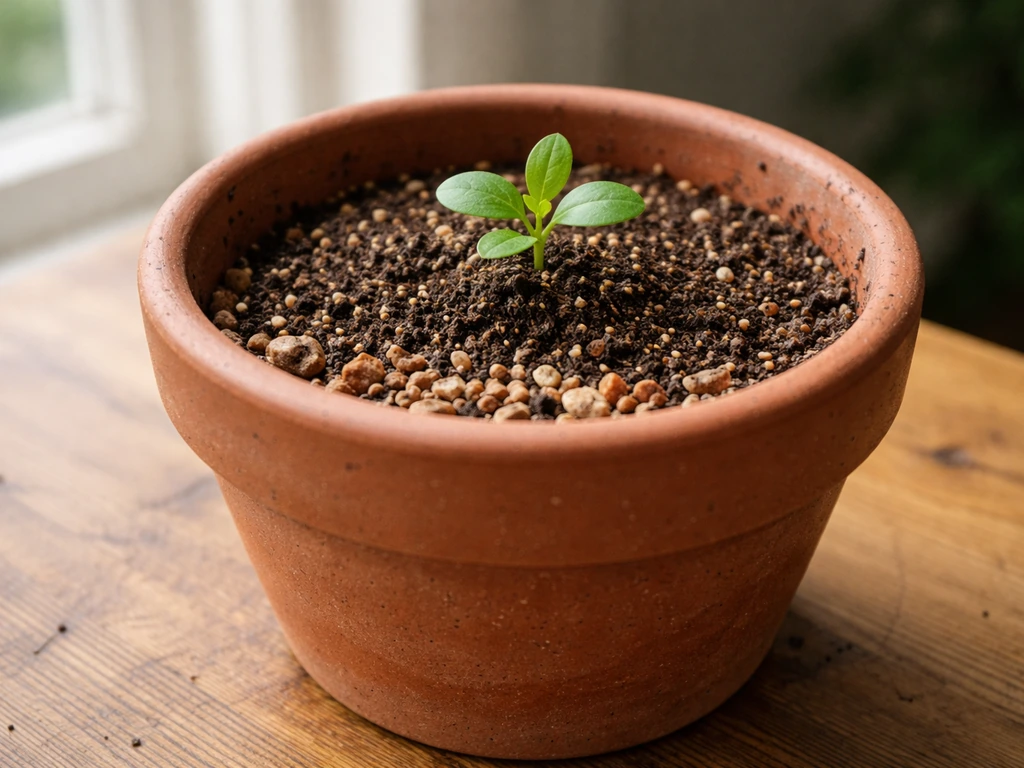
Ashwagandha grows into a bushy plant that can reach 36 inches tall and spread 9–12 inches wide in a temperate container setting. That means you need a pot that can hold a meaningful root system without cramping it. A minimum of 12 inches deep works for a single plant, but I'd personally go for at least 15 inches deep and 12 inches wide per plant. If you want to plant two or three together, use a half-barrel or a large 20-inch pot. Going bigger isn't always better though: larger pots take up more space and take longer to dry out between waterings, which matters a lot for a plant that hates soggy roots.
Drainage is non-negotiable. Ashwagandha is native to dry, stony conditions and its roots will rot fast if they sit in water. Make sure your pot has several drainage holes in the bottom, not just one. If you're repurposing a decorative pot or bucket that came with a plastic liner or foil sleeve, pierce holes through the bottom of that liner before planting. Don't skip this step. I've lost plants to this exact mistake. Place a small piece of mesh or a coffee filter over the holes before adding soil to prevent the mix from washing out, but never block the holes themselves with stones or gravel at the bottom (that old trick actually reduces drainage rather than improving it).
Light, temperature, and where to place your container
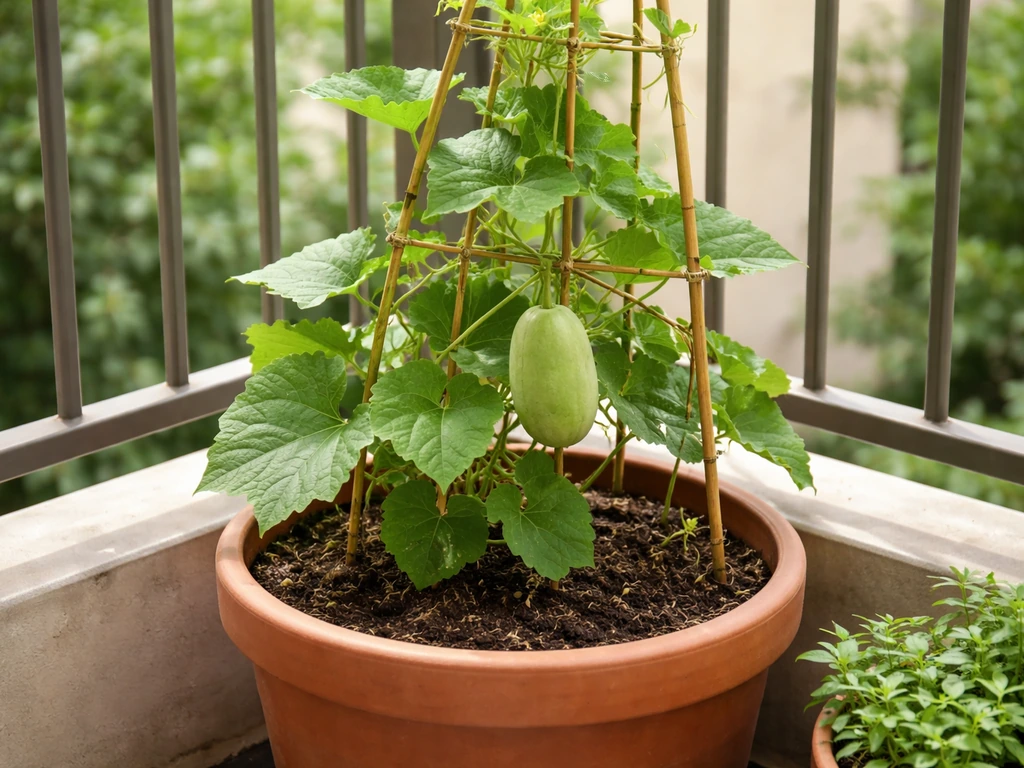
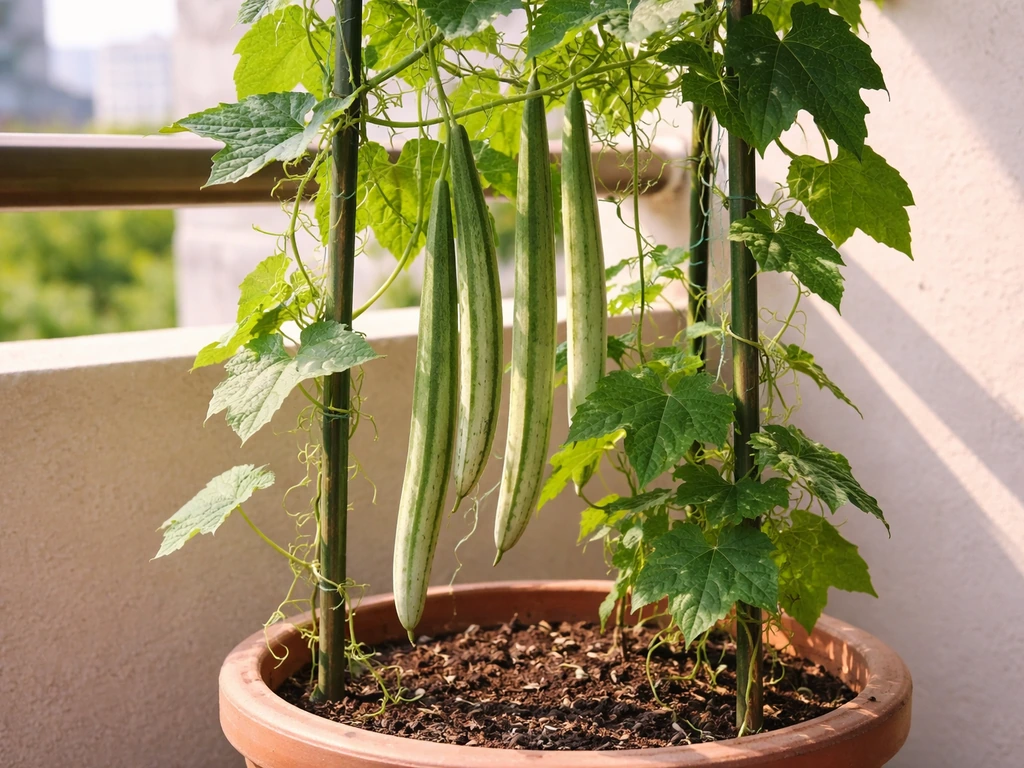
Ashwagandha cannot grow in shade. That's a hard rule, not a soft preference. It needs full sun, which means at least 6–8 hours of direct sunlight per day. Ridge gourd (tori) is another warm-season vine you can grow in a pot by providing plenty of sun, a sturdy trellis, and consistently moist but well-drained soil how to grow ridge gourd at home in pots. Put it in your sunniest spot: a south-facing balcony, a rooftop, a west-facing patio that gets afternoon sun, or the brightest windowsill if you're growing indoors under supplemental light. If you're in the Northern Hemisphere, south-facing is your best friend.
Temperature matters just as much. Ashwagandha germinates best between 20–35°C (68–95°F) and grows vigorously in warm conditions. Don't start seeds outdoors until nighttime temperatures are reliably above 70°F. In most of the US, that's late May through June. The good news about growing in pots is that you can move the container to chase warmth in spring or shade in brutal summer heat waves. If you want to try another container vine, here are the key steps for how to grow sponge gourd in pots. If your summer regularly hits 100°F+, a little afternoon shade from a wall or trellis won't hurt the plant and will prevent heat stress.
Seed starting and planting depth
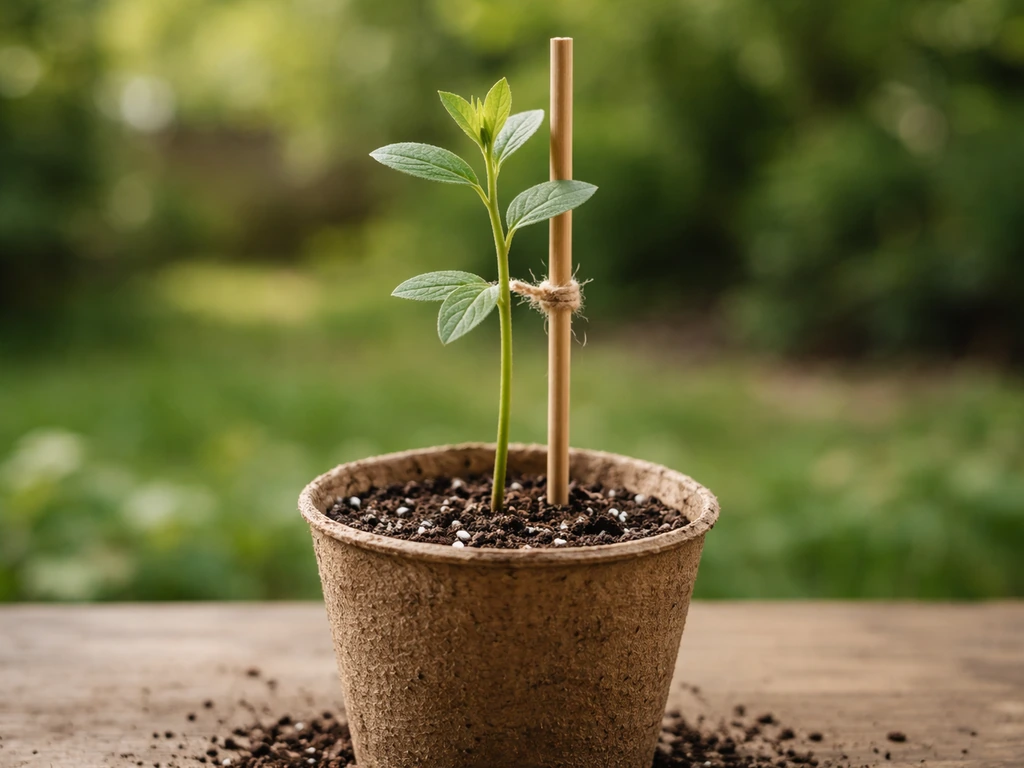
Start from seed directly in your container or in small seedling trays first. Sow seeds 2 cm (about 3/4 inch) deep. If you're starting in trays, use small biodegradable pots so you can transplant without disturbing the roots too much, because ashwagandha doesn't love root disturbance.
Germination can be slow and patchy, and that's normal. If you want to give your seeds the best start, soak them in plain water for 24–48 hours before planting. Some growers rinse seeds under running water for 10–15 minutes first to wash off any germination-inhibiting compounds on the seed coat, then soak. Both approaches genuinely improve germination rates and consistency. Seeds germinate best at 20–25°C (68–77°F) under warm, bright conditions. Don't bury them in a cold corner and expect fast results. If germination is very slow after 14 days, the soil temperature is likely too cool.
If you can find ashwagandha seedlings at a nursery or herb farm, grab them. It cuts months off your timeline. Transplant when seedlings are 4–6 inches tall and handle the root ball carefully. Plant them at the same depth they were growing in their nursery container.
Potting mix and fertilizing for strong growth
Ashwagandha wants a sandy, slightly alkaline, well-draining potting mix. Ash gourd can be grown in pots too, as long as you give it plenty of sun and a deep, well-draining container how to grow ash gourd in pots. A standard all-purpose potting mix alone is usually too moisture-retentive. Amend it heavily: aim for roughly 50–60% standard potting mix, 30–40% coarse sand or perlite, and a small amount of compost (10–15%) for fertility. Target a soil pH of 6.5–8.0. If your tap water is on the alkaline side, that actually works in your favor here. You can test pH with an inexpensive soil pH meter or strips.
For fertilizing, less is more, especially if you're growing for root harvest. Heavy nitrogen feeding pushes lush leafy growth but stunts root development, which is the opposite of what you want. Use a balanced, slow-release granular fertilizer (something like a 10-10-10) at planting, worked lightly into the top few inches of soil. After that, a diluted liquid fertilizer (half the recommended dose) once every 4–6 weeks is plenty. If you want bigger roots, lean toward a phosphorus-focused fertilizer (look for a middle number higher than the first, like 5-10-5) in the second half of the growing season. Skip the fertilizer entirely in the last 4–6 weeks before harvest.
Watering routine and preventing root rot
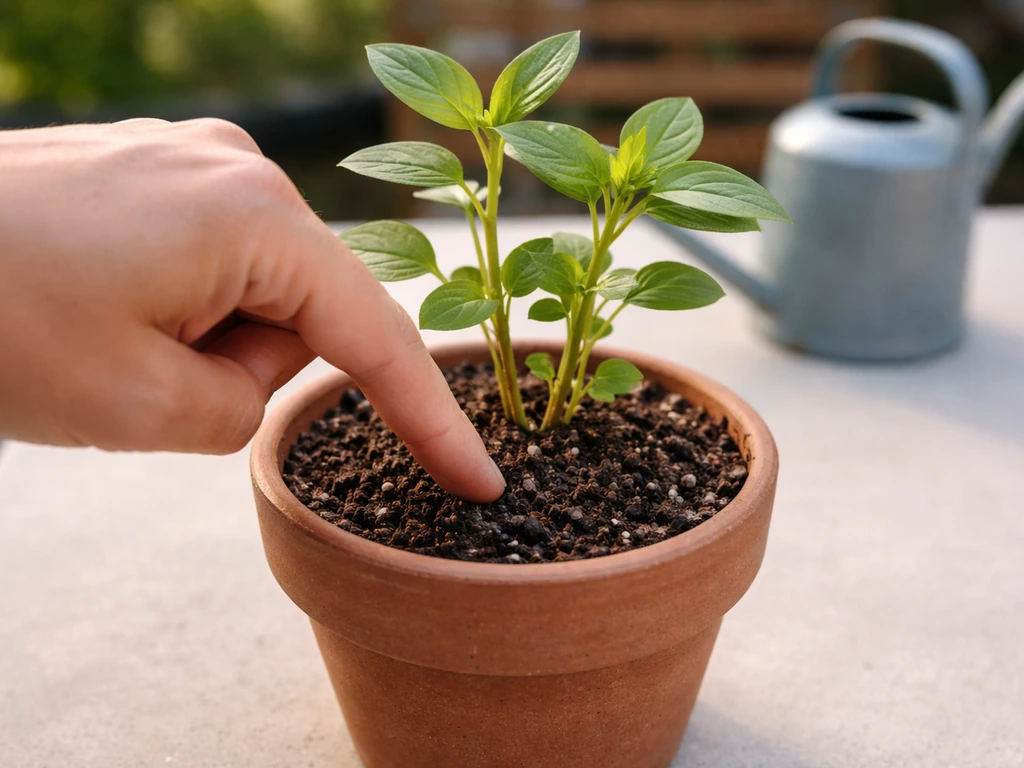
Ashwagandha is a drought-tolerant plant, and in containers it still wants to dry out between waterings. If you also want a vining crop, you can compare this container watering approach with how to grow bitter gourd in pots, since it similarly depends on consistent moisture and drainage to avoid problems. The classic finger test works well here: stick your finger 2 inches into the soil. If it's still moist, wait. If it's dry, water thoroughly until water runs freely out of the drainage holes, then leave it alone again. In a hot summer, that might mean watering every 2–3 days. In cooler or cloudy weather, it might be once a week or less.
The most common mistake with ashwagandha in containers is overwatering. Signs you've overdone it: yellowing lower leaves, mushy stems near the base, or a pot that never seems to fully dry out. If you see these signs, stop watering immediately, move the pot to a sunnier spot to help it dry faster, and check that your drainage holes are actually working. A well-draining sandy mix as described above is your best insurance policy against root rot. Vikaspedia’s agriculture guidance for medicinal plants notes a suitable soil pH range of 6.5, 8.0 alongside good water drainage blank" rel="noopener noreferrer">soil pH 6.5–8.0. Once you’ve dialed in pot drainage, you can apply similar container-care basics to grow snake gourd in pots, including warm temperatures, steady moisture, and a sturdy trellis for vines. In autumn and winter when the plant is dormant or semi-dormant, cut watering back dramatically.
Ongoing care in containers
Supporting the plant
In a pot, ashwagandha can get top-heavy as it grows toward 3 feet tall. A simple bamboo stake or a small tomato cage inserted at planting time prevents the plant from flopping over in wind. This matters more on exposed balconies and rooftops. Tie stems loosely with soft plant ties or strips of old fabric rather than wire or rigid ties that can cut into stems.
Pests to watch for
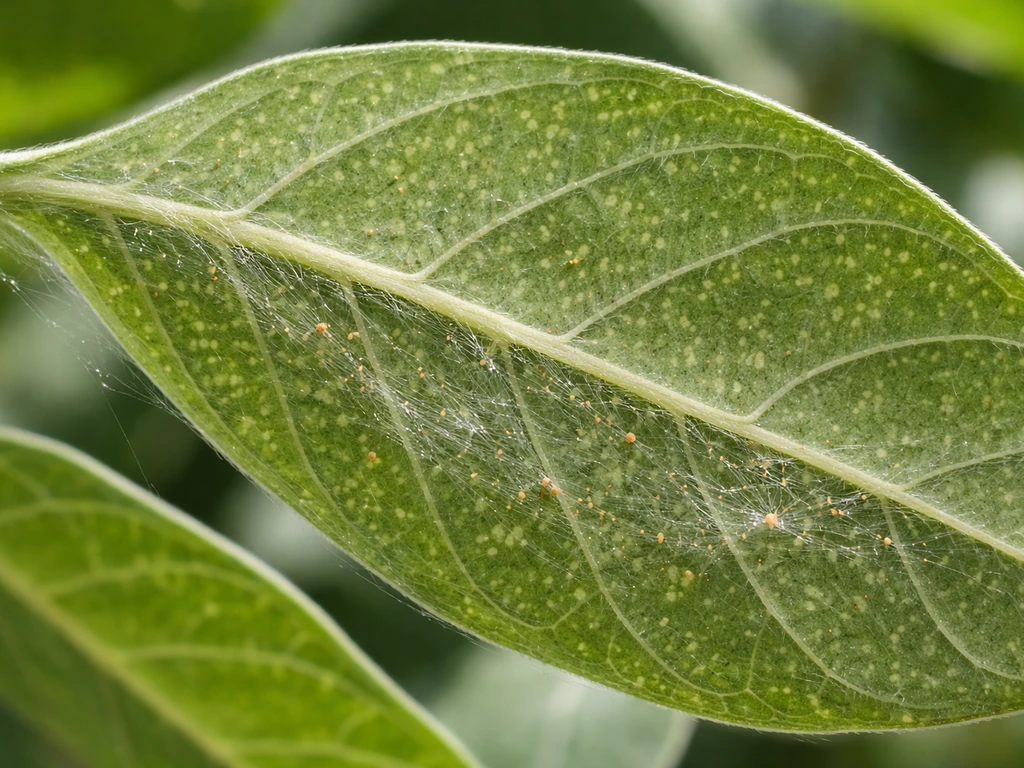
The main pest issue in container ashwagandha is spider mites, which thrive in hot, dry conditions (exactly what this plant loves). UConn IPM greenhouse guidance for herb greenhouse growing lists mites as a common pest that can affect herbs grown in containers spider mites. You'll notice fine webbing on the undersides of leaves and a dusty or stippled look to the foliage. If you catch it early, a strong spray of water from a hose can knock mites off. For more established infestations, use an insecticidal soap spray labeled for spider mites, applied to the undersides of leaves every 5–7 days for 2–3 rounds. Whiteflies and aphids are less common but possible; the same insecticidal soap handles them well. Check plants weekly when temperatures are high.
Pruning and tidying
Ashwagandha doesn't need much pruning. Pinch back the growing tips once or twice early in the season if you want a bushier plant with more branching. Remove dead or yellowing leaves as they appear to improve airflow and prevent fungal issues. If the plant flowers and you're NOT interested in saving seeds, deadheading (removing spent flowers) redirects energy toward root growth. If you do want seeds, let the berries ripen fully to a red-orange color before collecting them.
When and how to harvest ashwagandha roots
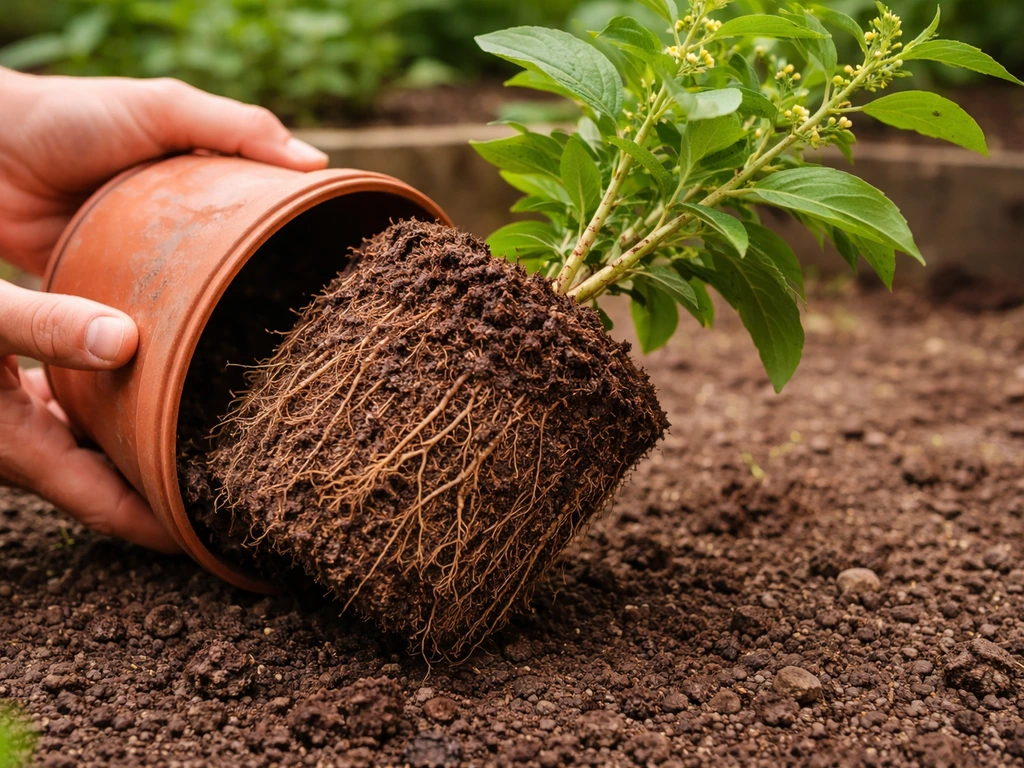
The roots are the prize. Don't rush it: harvesting too early gives you thin, underdeveloped roots with weak potency. The target window is 150–180 days after sowing (roughly 5–6 months). You'll know the plant is approaching maturity when the leaves start to yellow naturally and the berries have turned red-orange. These are your signals that the plant is putting energy back into the roots.
To harvest from a pot, tip the container on its side and gently slide out the entire root ball. Shake off the loose soil and separate the roots carefully. Ashwagandha produces a main taproot with smaller lateral roots. Rinse the roots under cool water, then slice them into 1–2 inch pieces and dry them in a warm, well-ventilated spot (or a low oven at around 100°F/38°C) until fully dried. Store in an airtight jar in a cool, dark place. Dried roots keep for up to a year.
For seed harvest, wait until the papery husks around the berries have dried and turned brownish on the plant. Collect whole berries, crush them lightly, and separate the seeds. Dry seeds for a few days at room temperature before storing in a paper envelope in a cool, dry place for next season's planting.
Troubleshooting common problems and overwintering
Quick troubleshooting guide
| Problem | Likely cause | What to do |
|---|---|---|
| Seeds not germinating after 2+ weeks | Soil too cold or seeds not pre-treated | Ensure soil temp is above 20°C (68°F); try soaking seeds 24–48 hours before re-sowing |
| Yellowing lower leaves | Overwatering or nutrient deficiency | Let soil dry out fully; check drainage holes; apply diluted balanced fertilizer if no recent feeding |
| Wilting despite moist soil | Root rot from poor drainage | Unpot the plant; trim rotten roots; repot in fresh sandy mix with better drainage |
| Slow, leggy growth | Insufficient light | Move to full sun; 6–8 hours direct sunlight minimum |
| Dusty/speckled leaves with webbing | Spider mites | Spray undersides with insecticidal soap every 5–7 days for 2–3 applications |
| Pale leaves, no new growth | Nutrient deficiency | Apply balanced liquid fertilizer at half strength; check soil pH is in 6.5–8.0 range |
| Plant collapsing or drooping in heat | Heat stress above 40°C (104°F) | Move to partial afternoon shade; water in early morning; mist foliage lightly |
Overwintering ashwagandha in a pot
Ashwagandha is a perennial in warm climates (USDA zones 8–10) but behaves like an annual in colder areas. If you're in a frost-prone zone, you have two options: treat it as an annual and harvest the roots before the first frost, or try to overwinter the container plant indoors. For overwintering, bring the pot inside before temperatures drop below 40°F. Place it in a cool but frost-free space, like an unheated garage or basement, where temperatures stay around 35–45°F. The plant will go dormant and drop its leaves. That's fine. Check the soil every 2–3 weeks and give it a very light water only if the top inch of soil is completely dry. Don't fertilize at all during dormancy.
In late winter or early spring, as days lengthen and temperatures climb back above 50°F, move the pot back toward a bright window or outdoors on warmer days to wake it up gradually. Resume regular watering and a light feeding once you see new growth emerging. Overwintered plants that survived will have a head start on root development and may be ready to harvest closer to the 120–150 day mark in their second season.
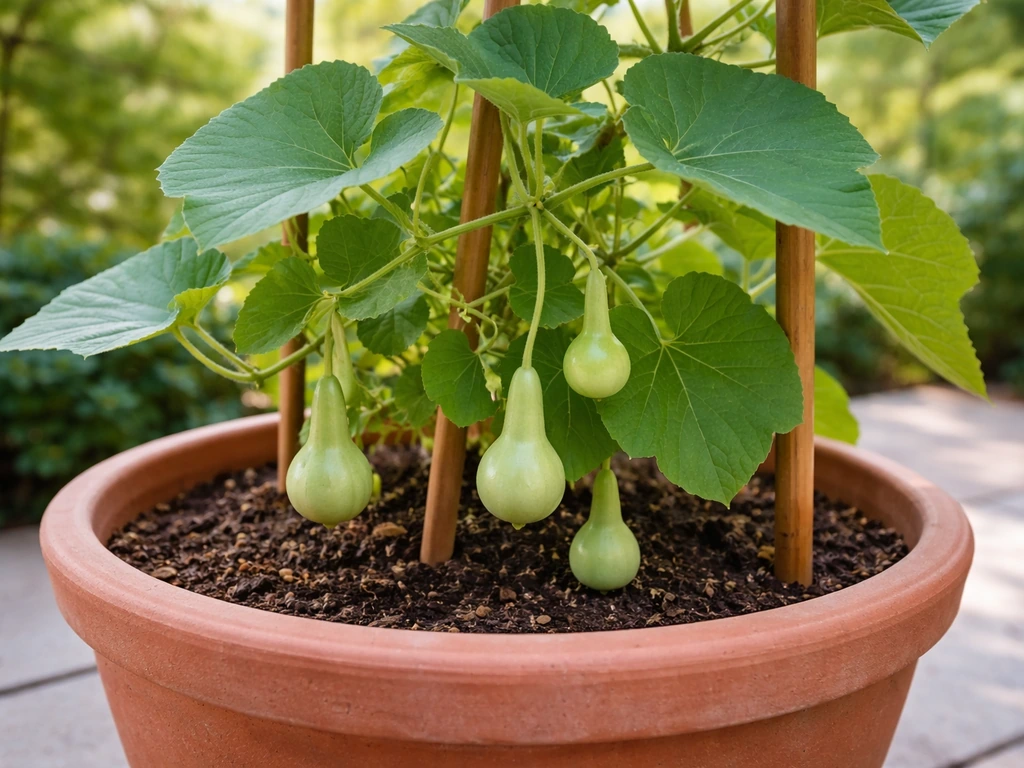
One honest note: not every overwintered ashwagandha makes it, especially in a container where the roots are more exposed to cold than they'd be in the ground. If the plant doesn't revive by mid-spring, harvest whatever roots are there and start fresh with new seeds. There's no shame in that. Starting a new pot each spring from pre-soaked seeds is a completely reliable approach, and it's what most container growers end up doing. If you enjoy growing other edibles in pots too, the same container-care principles around drainage, sandy soil, and full sun apply surprisingly well to many plants in this family of warm-season crops. Gourds like bottle gourds and other vining types also do well in large containers if you provide full sun, a deep pot, and excellent drainage other edibles in pots.
FAQ
Can I grow ashwagandha in pots indoors or on a shaded balcony? (What if I only get a few hours of sun?)
Yes, but only if the plant is getting enough direct sun. Aim for at least 6–8 hours of direct light, and if the pot is indoors, use a grow light for consistent daily output (especially in winter). If you cannot provide true full-sun conditions, expect slower growth and a smaller root harvest.
How do I know when to water ashwagandha in a pot, beyond “water when the soil feels dry”?
Use the finger test and also watch the pot weight. Ashwagandha roots rot when the mix stays wet, so water only after the top 2 inches feel dry, then water thoroughly until excess drains out. For many container setups, that becomes less frequent in cool weather and more frequent during heat waves.
What’s the safest way to overwinter ashwagandha in a pot in a cold climate?
If you want to overwinter, choose the largest pot you have and insulate it where possible (for example, wrap the container with breathable insulation). Containers cool down faster than ground soil, and ashwagandha may not fully survive cold snaps even with indoor dormancy handling.
What fertilizer schedule gives the biggest roots, and what should I avoid? (Is more fertilizer better?)
Do not fertilize heavily. For root production, keep nitrogen low, use only light feeding after establishment, and stop feeding in the final 4–6 weeks before harvest. If you see very lush leaves early, pause or reduce feeding rather than adding more.
Can I grow two or three ashwagandha plants in the same pot, and how does spacing change care?
Plan for one plant per 12-inch (minimum) pot if you want easier moisture control. If you plant multiple in one container, you’ll likely need to space them farther apart and monitor drying more closely because shared soil dries unevenly, which can increase rot risk.
Will ashwagandha still work in humid climates, or does container growing require different soil/watering?
Yes, but only if the roots are kept cool-dry and the mix stays airy. In very humid weather, reduce watering frequency, ensure the pot has multiple functional drainage holes, and confirm the potting mix has plenty of coarse sand or perlite so it doesn’t compact and hold water too long.
I soaked my seeds but germination was patchy, what are the most common causes?
For seed starting, soak 24–48 hours, but only use plain water and drain well before planting. After sowing, keep the surface lightly covered with mix, warm the area to around 68–77°F when possible, and avoid letting the soil go cold, which is a common reason for patchy or delayed germination.
My ashwagandha leaves are yellowing, how can I tell overwatering from nutrient issues in containers?
When leaves yellow and stems near the base feel mushy, treat it as overwatering until proven otherwise. Stop watering immediately, move the pot to stronger light for faster drying, and check that water actually drains freely. If drainage holes are blocked by compacted soil or a liner issue, correct it before restarting a watering routine.
When is the right time to harvest roots in pots, and what happens if I harvest early?
If you harvest too early, the roots are thinner and often less developed. The plant itself gives timing cues: natural leaf yellowing plus berries turning red-orange usually align with maturity. If you’re unsure, wait a bit longer, because delaying harvest generally increases root mass more than it harms quality.
Can I repot or move my ashwagandha during the growing season without losing root size?
You can lift the root ball carefully, but avoid repeatedly disturbing it. If you need to troubleshoot drainage or pests, do it quickly and minimize root damage. Repeatedly moving the plant for “checks” can stress it and slow root thickening.