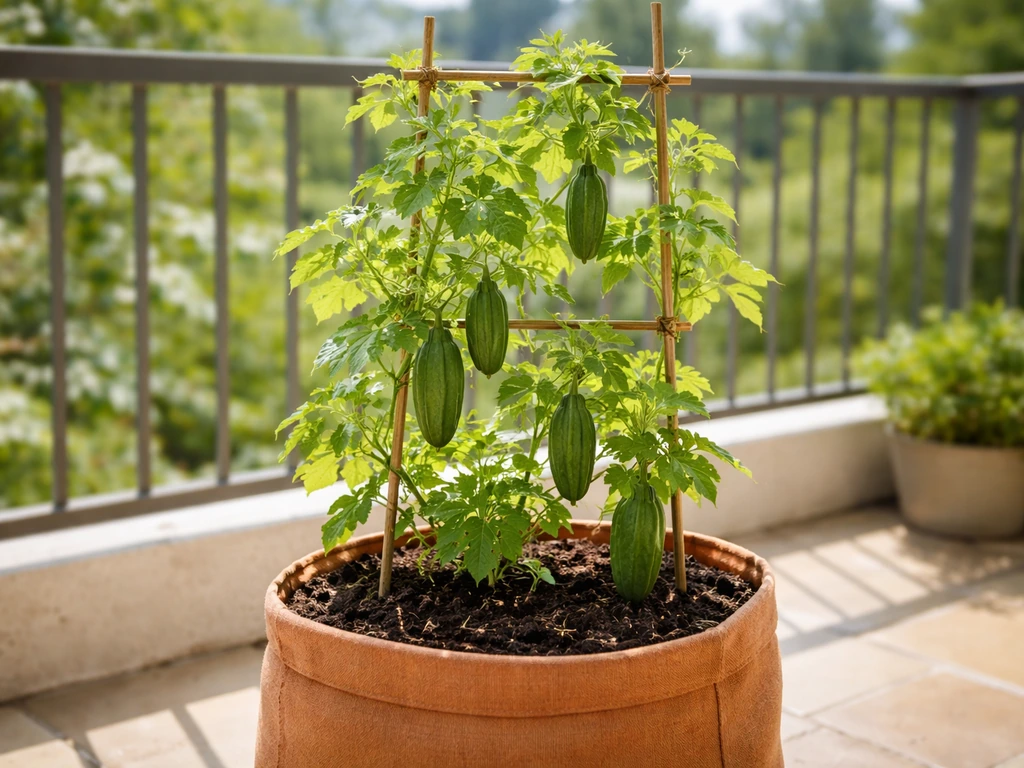
You can absolutely grow ridge gourd at home in pots, and it's one of the more rewarding climbers you can try in a container garden. NC State Extension’s Extension Gardener Handbook cautions that “corn and most large-fruited vining crops” cannot be grown in containers, so you need to choose a sufficiently large pot when attempting cucurbit vines in containers blank" rel="noopener noreferrer">corn and most large-fruited vining crops cannot be grown in containers. You can use the same container-gardening mindset for other climbers too, and if you want a related option, see how to grow ashwagandha in pots for container-specific guidance. You'll need a large pot (at least 12–15 inches deep and wide, though bigger is always better), a sturdy trellis, full sun, and consistent watering. Get those basics right and this vigorous vine will reward you with tender, ridged gourds ready to harvest in about 50–60 days from sowing.
How to Grow Ridge Gourd at Home in Pots Step by Step
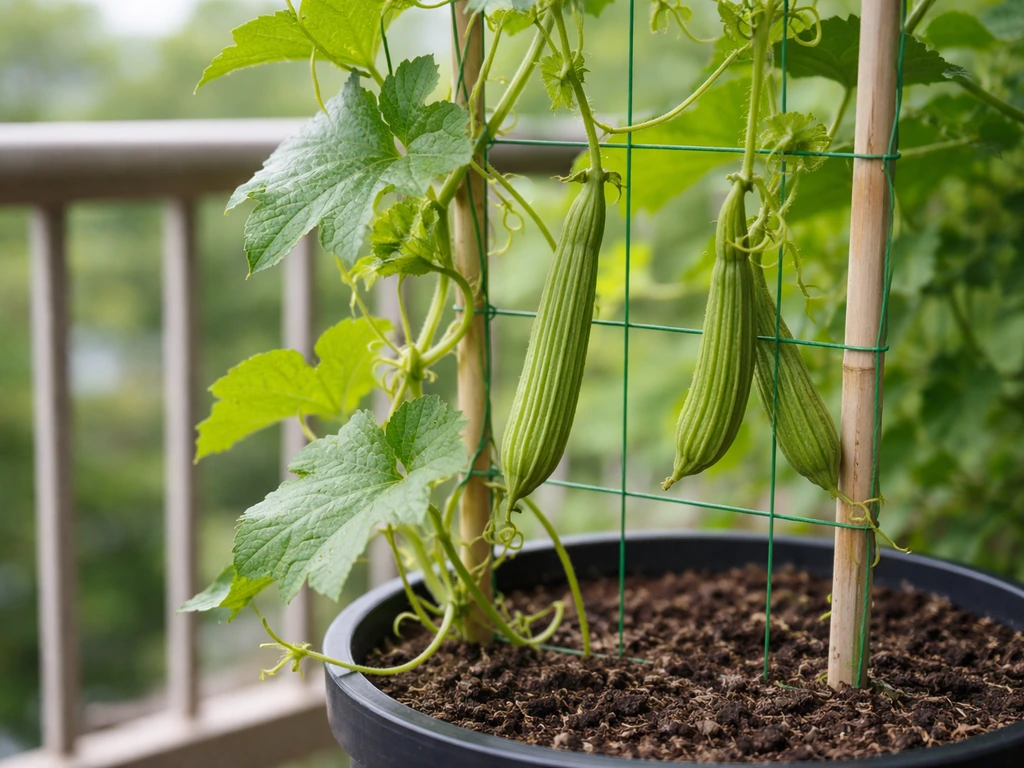
Best pot size and support for ridge gourd vines
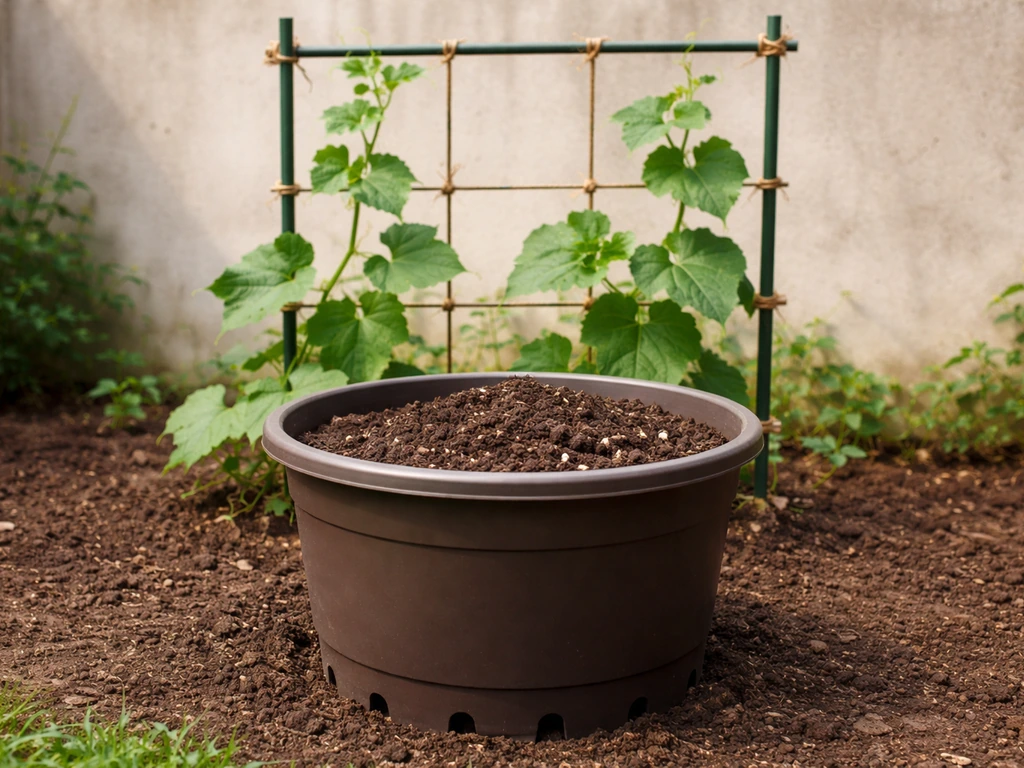
Ridge gourd is a fast, heavy vine, and skimping on pot size is the number one mistake beginners make. The roots need room to spread and the pot needs to hold enough moisture and nutrients to fuel that growth. Go with a container that's at least 15 inches deep and 15–18 inches wide per plant. A 15–20 liter pot works well. If you have space, a 25–30 liter pot or a half-barrel planter is even better because it gives you more buffer with water and nutrients.
Drainage holes are non-negotiable. Ridge gourd hates sitting in waterlogged soil, so make sure your pot has multiple holes at the bottom. If you're using a pot you already own, drill extra holes rather than risk root rot.
For support, ridge gourd vines can easily reach 10–15 feet in a season. You need a trellis, net, or vertical support in place before the vine starts climbing, which happens fast. A bamboo frame or a wire mesh panel tied to a wall works well on a balcony or patio. Even a simple A-frame made from garden stakes works. The key is stability: a fully-loaded vine with multiple fruits is surprisingly heavy, so anchor it properly so it doesn't topple in wind or rain.
Soil mix and container setup
Ridge gourd likes a rich, well-draining mix that stays moist but never soggy. A good starting blend is two parts good-quality potting mix, one part compost, and one part perlite or coarse sand. The compost feeds the plant early on, the perlite keeps the mix from compacting and improves drainage, and the potting mix holds it all together. Avoid using garden soil straight from the ground in a pot: it tends to compact over time and can bring in pests or diseases.
Before filling the pot, place a layer of small stones or broken pot pieces over the drainage holes to stop soil washing out. Fill the pot to about two inches below the rim so water doesn't overflow immediately when you irrigate. Give the mix a thorough soaking before you sow or transplant, and let any excess drain out completely.
If you're on a tight budget, a simpler mix of three parts regular potting soil plus one part homemade compost and a handful of perlite does the job well enough. Don't overthink it: as long as the mix is loose, drains well, and has some organic matter, ridge gourd will grow.
Sowing seeds vs planting seedlings
Ridge gourd is best started from seed directly in the final pot, mainly because the roots are sensitive and don't love being disturbed. That said, starting seedlings indoors and transplanting works if you're careful. Here's how to approach both.
Direct sowing in the pot
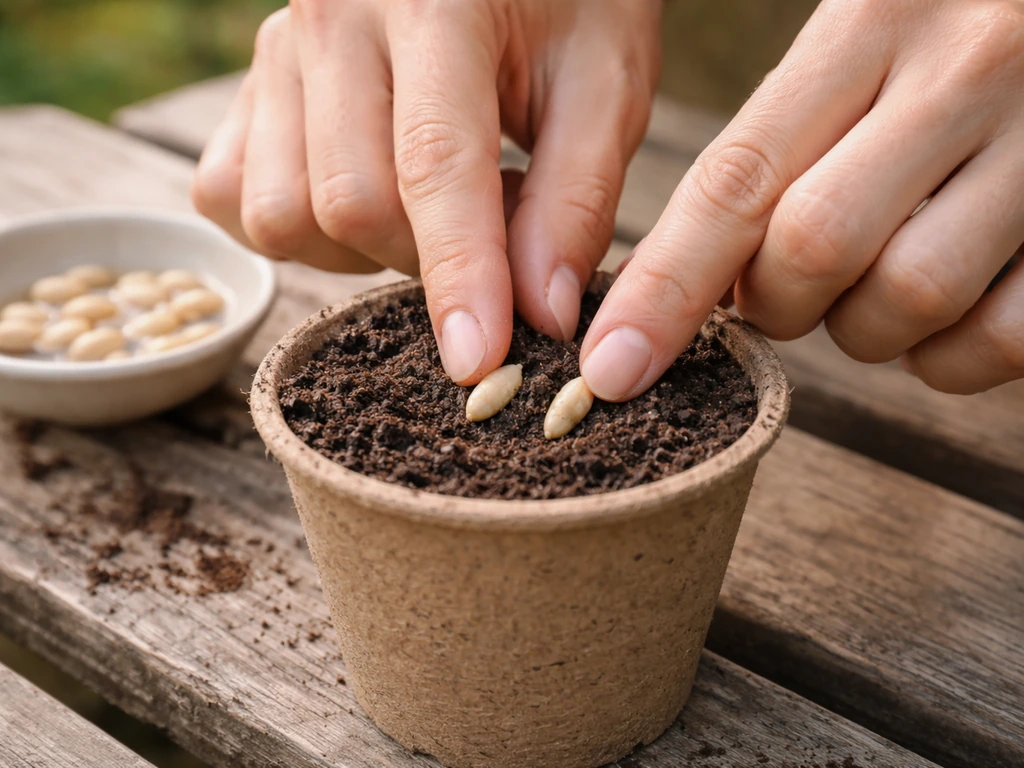
Soak the seeds in water for 8–12 hours before sowing. This softens the seed coat and speeds up germination noticeably. Sow 2–3 seeds per pot about half an inch to one inch deep, spacing them a few inches apart. Water gently, place the pot in a warm spot (25–35°C is ideal), and you should see sprouts in 5–10 days. Once seedlings are 3–4 inches tall and you can see which one is strongest, thin down to one or two plants per pot by snipping the weaker ones at soil level rather than pulling them out, which disturbs the roots of the one you're keeping.
Starting seedlings indoors first
If you want a head start in cooler weather, sow pre-soaked seeds in small peat pots or coir coir plugs about two to three weeks before your last frost date. Peat pots are ideal because you plant them directly into the final container without disturbing the roots at all. Harden off seedlings (gradually expose them to outdoor conditions over a week) before moving them outside permanently. When transplanting, handle the root ball very gently and plant at the same depth the seedling was already growing.
In warm climates, you can sow seeds outdoors from late spring through early summer. Ridge gourd is a warm-season crop: soil temperature should be at least 20°C for good germination, and ideally 25–35°C. If you're sowing in late May like right now, timing is perfect in most temperate and subtropical zones.
Light, temperature, and watering schedule
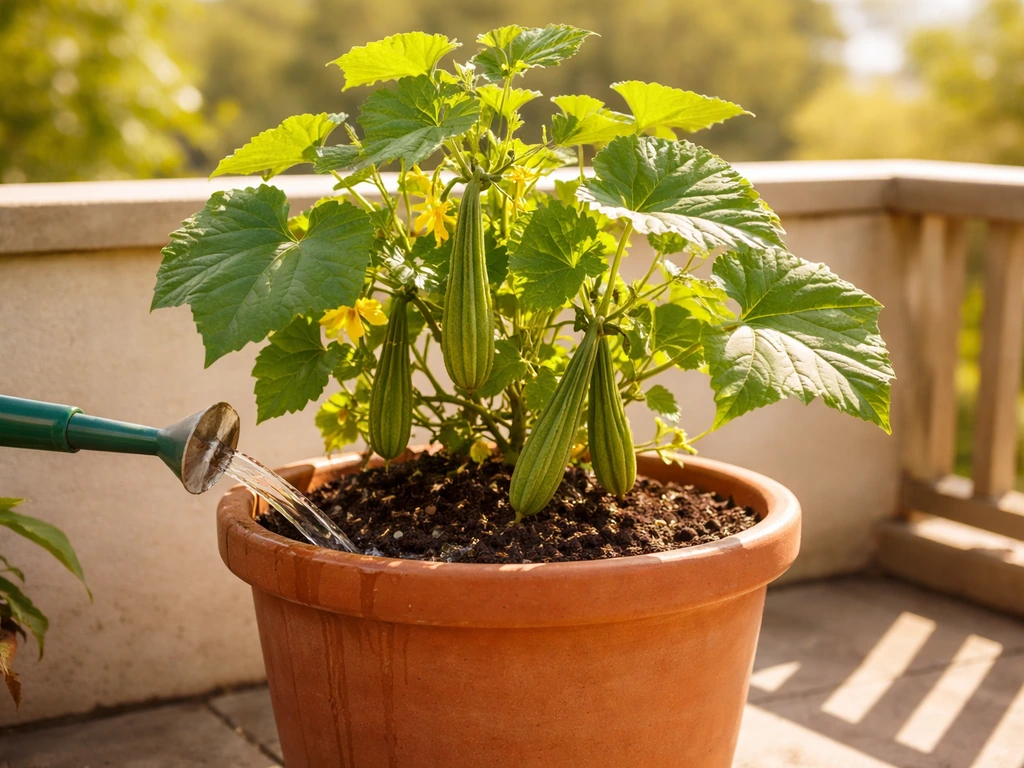
Ridge gourd needs full sun, ideally six to eight hours of direct sunlight per day. If your balcony or patio gets less than that, expect slower growth and fewer fruits. South or west-facing spots are generally best. On a rooftop or open terrace, you're in luck as long as you can keep up with watering.
Temperature-wise, ridge gourd thrives between 25–35°C and really doesn't like cold. Growth slows below 20°C and the plant can struggle below 15°C. If a sudden cold spell hits, move pots under cover or wrap them with frost cloth temporarily.
Watering in containers is where many people go wrong, either overwatering or letting the soil dry out completely between waterings. Ridge gourd in a pot needs consistent moisture, especially once flowering begins. A practical rule: check the soil by pushing your finger about an inch deep. If it feels dry at that depth, water thoroughly until it drains out of the bottom holes. In hot weather (above 30°C), that might mean watering daily. In mild weather, every two days is often enough. Never let the pot sit in a saucer of standing water.
- Hot summer days (above 30°C): water every day, preferably in the morning
- Mild weather (20–28°C): water every 2 days or when the top inch of soil feels dry
- Flowering and fruiting stage: keep moisture consistent, avoid letting soil dry out completely
- Seedling stage: water gently and less frequently until roots establish
Feeding your ridge gourd for strong growth
Container soil runs out of nutrients faster than garden beds because every watering leaches out some of what's in the mix. Ridge gourd is a hungry plant, especially once it starts climbing and setting fruit, so regular feeding makes a real difference.
For the first two to three weeks after germination, the starter compost in your mix is usually enough. After that, start a feeding routine. A balanced liquid fertilizer (something like a 10-10-10 NPK) applied every two weeks works well for general vegetative growth. Once you see flower buds forming, shift to a fertilizer that's higher in phosphorus and potassium and lower in nitrogen, something like a tomato feed or a bloom booster. Too much nitrogen during flowering produces lots of leaves but fewer fruits, which is a frustrating but very common mistake.
If you prefer organic options, a diluted mix of compost tea, liquid seaweed, or fish emulsion applied every 10–14 days works well. Bone meal worked into the top inch of soil at the start of flowering is another easy organic phosphorus boost. Whichever route you take, don't skip feeding entirely: an unfed container vine will produce thin, weak growth and disappointing fruits.
| Growth stage | What to feed | How often |
|---|---|---|
| Seedling (weeks 1–3) | Starter compost in mix, no extra feed needed | N/A |
| Vegetative growth (weeks 3–6) | Balanced liquid fertilizer (e.g., 10-10-10) | Every 2 weeks |
| Flowering and fruiting | Low-nitrogen, high-P/K fertilizer or bloom booster | Every 10–14 days |
| Ongoing fruiting | Continue bloom feed + occasional compost top-dress | Every 10–14 days |
Trellising, pruning, and keeping pests away
Training the vine on a trellis
Once the vine has a few sets of leaves and starts showing tendrils, guide it toward your trellis or support. Tie the main stem loosely with soft garden twine or strips of cloth every 6–8 inches as it grows. The tendrils will do a lot of the gripping work themselves, but a little help early on gets it headed in the right direction. Try to train the main stem upward first rather than letting it sprawl sideways, which makes better use of vertical space and improves air circulation.
Pruning for better yields
Light pruning keeps the plant productive and manageable. Pinch off the growing tip of the main stem once it reaches the top of your trellis, which encourages lateral (side) shoots to develop and that's where most of the fruiting happens. Remove any yellow or damaged leaves as you spot them. You don't need to do heavy pruning, but removing a few crowded or unproductive shoots improves airflow and reduces disease risk.
Common pests and diseases to watch for
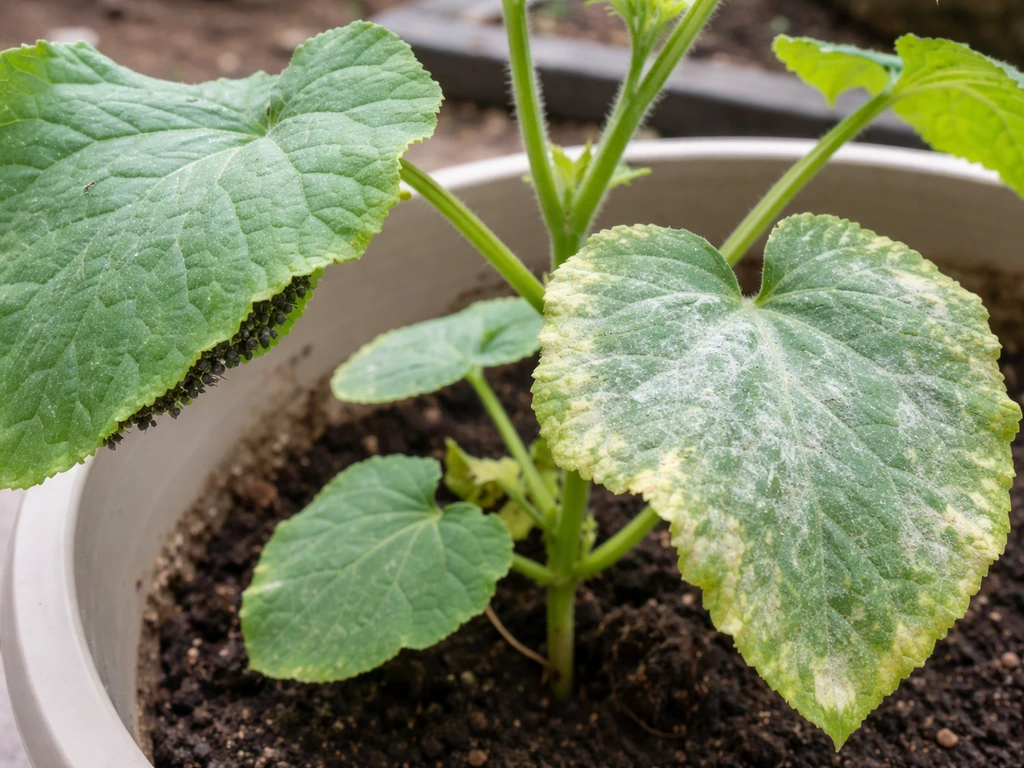
The most common pests on ridge gourd in containers are aphids, spider mites, and fruit flies. Aphids cluster on the undersides of leaves and on new growth: blast them off with water or use blank" rel="noopener noreferrer">a diluted neem oil spray. Spider mites show up in hot, dry conditions as tiny dots on leaves with fine webbing. Increase humidity around the plant, spray with water, and use neem oil if the infestation persists. Fruit flies (particularly Bactrocera species) can be a serious problem because they lay eggs inside developing fruits. Use yellow sticky traps near the plant and, if needed, wrap developing fruits in small paper or muslin bags. A peer-reviewed study in Florida Entomologist found a cylindrical sticky trap for fruit flies was 2.5 times more effective than certain yellow panel traps Use yellow sticky traps near the plant.
Powdery mildew (a white powdery coating on leaves) is the most common disease, especially in humid conditions with poor airflow. Avoid overhead watering, don't crowd the pot with too many plants, and spray with a diluted baking soda solution (1 teaspoon baking soda in 1 liter of water) at the first sign. Good air circulation around the pot is the best prevention. Ridge gourd in containers faces the same disease risks as bitter gourd or sponge gourd grown in pots, so the same prevention steps apply across all of them.
When and how to harvest ridge gourd
Ridge gourd is typically ready to harvest 50–60 days after sowing, though individual fruits are ready to pick much sooner once the plant is established and cropping. If you want more complete details, follow this guide on how to grow gourd in pots from seed to harvest. The key is to harvest young: pick fruits when they're 6–9 inches long for the best texture and flavor. At this size they're tender, not fibrous, and the skin is still easily cut. Leave them too long and they become tough, spongy, and bitter. A good test is to press your fingernail gently into the skin: if it pierces easily, it's ready.
Use a clean pair of scissors or a knife to cut the fruit from the vine rather than pulling or twisting, which can damage the plant. After your first harvest, keep checking the vine every two to three days because ridge gourd fruits develop quickly in warm weather. Regular harvesting actually encourages the plant to produce more fruits, so don't let any go past their prime on the vine.
Once the plant is producing well, keep up the feeding schedule and maintain consistent watering. Remove any fruits you've accidentally let go too large: leaving overripe fruits on the vine signals to the plant that it's done its job and can slow down flowering. If your plant starts looking exhausted mid-season (yellowing, fewer flowers), a side dressing of compost and a good feed will often revive it for another flush of production. With good care, a single container plant can produce fruits for 8–12 weeks in a warm season.
If you enjoy growing climbing gourds in pots, ridge gourd is a great starting point. Once you're comfortable with the process, the same skills transfer well to growing related vines like snake gourd or sponge gourd in containers, both of which follow similar care routines with a few differences in pot size and harvest timing. If you want a specific plan, learn how to grow snake gourd in pots by using the same pot, trellis, watering, and feeding approach, with a few adjustments for the variety. To get the best results with how to grow bitter gourd in pots, use the same potting, sun, and trellising approach, then keep harvesting young to maintain tenderness.
FAQ
How many ridge gourd plants can I grow in one pot?
For containers, plan on one plant per pot for best results, especially if the pot is only about 15 to 20 liters. If you try two plants in the same pot, fruit set and airflow usually drop, and watering becomes harder to balance. If you do overcrowd, increase the pot size substantially and expect more trellis space.
What potting mix moisture level should I aim for day to day?
Aim for soil that is evenly moist, not wet. A quick check is to lift the pot, if it still feels very light after watering and the top inch is dry, water again. If the pot feels heavy or soggy for long periods, you likely need more drainage or less frequent watering to avoid root stress.
Can I grow ridge gourd from store-bought seeds, and how do I improve germination?
You can try, but germination is less predictable if the seed is old or has been stored in heat. Soaking helps, and using fresh seed is the biggest improvement. If you do not see sprouts after 10 days at warm temperatures, re-sow rather than waiting indefinitely.
My ridge gourd vine is growing fast but not flowering, what should I check first?
First reduce nitrogen-heavy feeding. High nitrogen commonly causes lush leaves with few flowers. Also confirm full sun (at least six hours). Finally, make sure the pot has enough volume and nutrients, because a small, quickly depleted container can delay flowering even if the vine looks healthy.
Leaves look healthy but fruits are small and dropping, why is that happening?
Fruit drop often comes from inconsistent moisture, hot stress, or nutrient imbalance during flowering. Keep the soil consistently moist once buds appear, water deeply, and switch to a phosphorus and potassium-leaning feed when flowering starts. Also avoid relocating the pot repeatedly once flowering begins.
Should I pinch the vine, and where exactly do I stop it?
Yes, once the main vine reaches the top of your trellis, pinch or cut the growing tip to encourage side shoots, since most fruit comes from lateral growth. If you prune too early, you reduce the overall number of fruiting branches, so wait until the plant is tall enough to use the trellis height.
How do I prevent powdery mildew in hot, humid weather on a balcony?
Prioritize airflow: keep leaves off the balcony floor, avoid overhead watering, and remove any crowded or damaged foliage early. If you see early powdering, treat promptly with the diluted baking soda spray mentioned in the article and keep checking every few days. Also consider rotating the pot slightly so all sides get light and ventilation.
What is the best way to water ridge gourd in pots during very hot days?
Water early in the morning and water thoroughly until excess drains from the bottom. In extreme heat, daily watering may be needed, but the key is not just frequency, it is complete root-zone wetting. Never let the pot sit in a saucer of water, it can quickly trigger root issues.
How can I stop fruit flies from ruining developing gourds without harming the plant?
Use yellow sticky traps near the plants, then bag developing fruits with paper or muslin as soon as they are large enough to handle. Bagging reduces egg-laying directly. If your vine is very dense, thin a few leaves so bagged fruits can get airflow and do not stay damp.
Why does my potting mix seem to dry out too fast, and what can I do?
Container mixes can dry rapidly if the mix is too sandy or the pot is small. Use a larger pot, consider a small amount of compost to improve moisture retention (without making it soggy), and mulch the top inch lightly once seedlings are established. Also check that drainage holes are not partially clogged.
When should I harvest, and how often should I pick?
Harvest young when fruits are about 6 to 9 inches long, and check every two to three days once the plant is cropping. Leaving an overripe gourd on the vine can slow down further flowering. After the first harvest, consistent picking is one of the quickest ways to maintain yield.
Can I save my ridge gourd plant and restart after the first harvest ends?
Often yes. If growth looks exhausted mid-season, do a compost side dressing and a balanced feed, then keep watering consistently. Remove any fruits that are past their prime. If the vine is still green but flowering stops, usually a nutrition reset and improved light can bring another flush for a few more weeks.