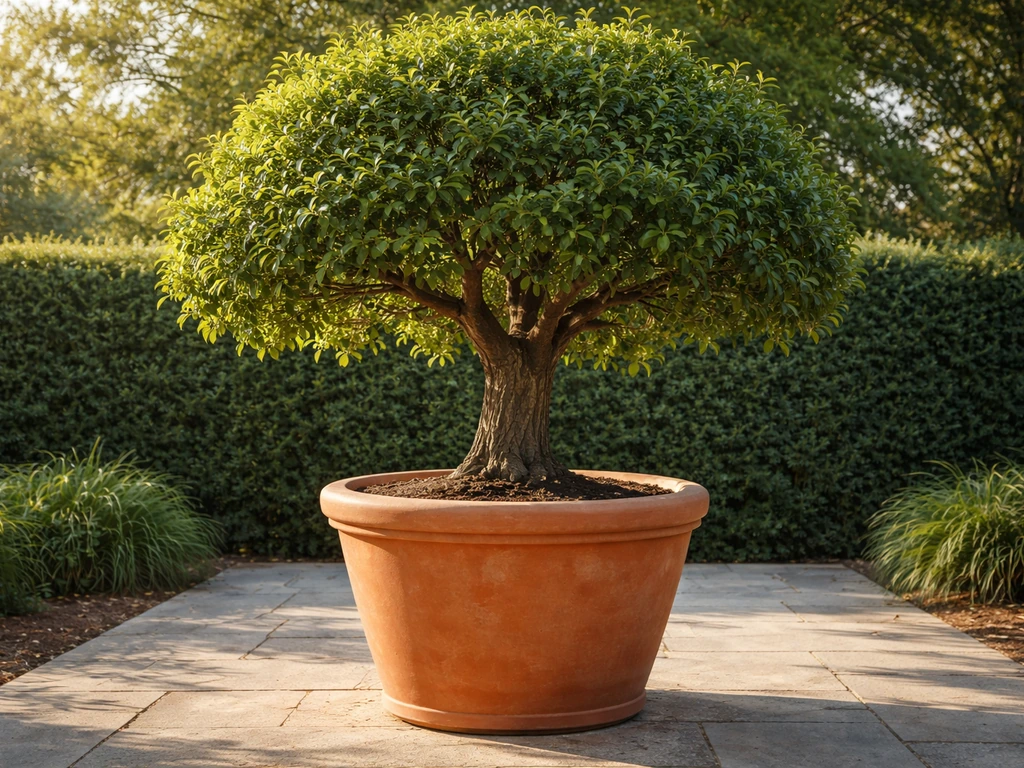
You can grow a genuinely big, impressive-looking tree in a pot, but it takes the right species, the right container setup, and a long-term plan you actually stick to. The trees that work best in containers are ones where you manage the size deliberately: either a naturally slow-growing or dwarf variety, or a vigorous species that you keep in check through pruning and root management. Get those two things right and a potted tree can look mature, full, and healthy for many years on a patio, balcony, or small garden.
How to Grow Big Trees in Pots: Step-by-Step Guide
Marcus Whitley
10 Jun 2026
Pick the right tree for your container and your idea of 'big'
"Big" means different things to different people. For some, it's a tree with a thick trunk and a real canopy overhead. For others, it's just something that looks substantial and mature next to the front door. Before you buy anything, decide what you actually want: height, canopy spread, evergreen year-round presence, or maybe fruit? Once you know that, you can pick a tree that's realistically going to deliver it in a pot.
The most reliable strategy is to choose a dwarf or slow-growing cultivar of a species you love. These are varieties that have been selected specifically because they grow more slowly and stay more compact, which means they stay proportionate in a container for far longer. Pinus strobus 'Bergman's Mini' is a great example: it's a compact Eastern white pine that tops out around 1. 8m (6ft) tall with a spread of about 1.
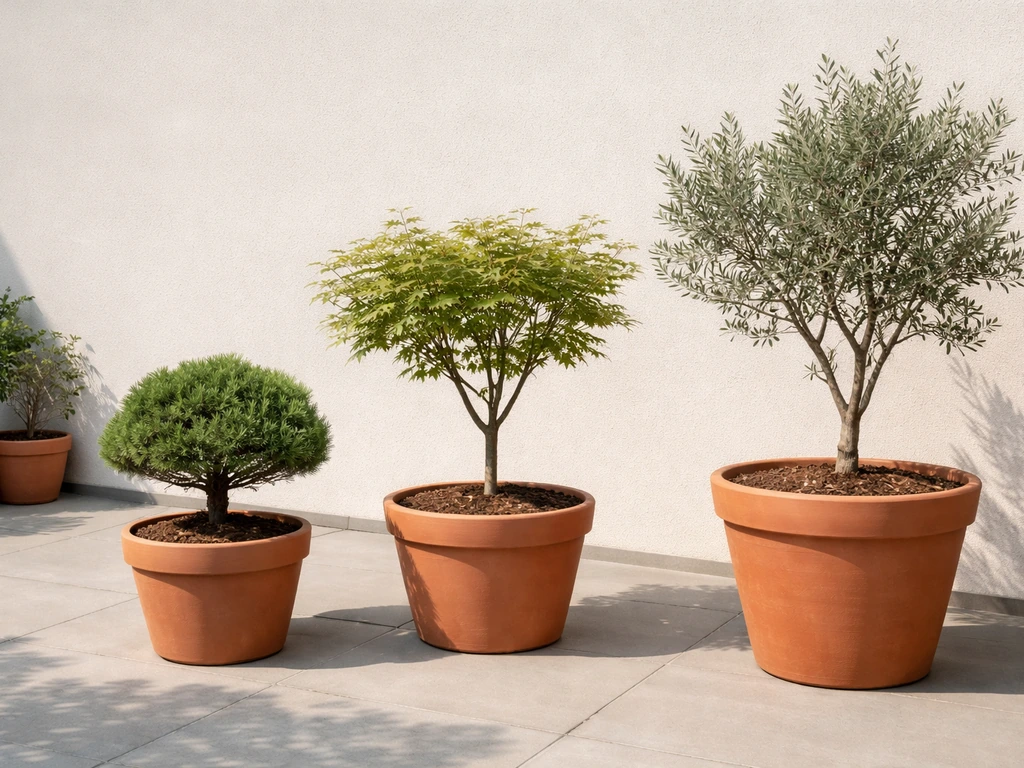
2m (4ft), and it looks like a proper mature tree in a large pot while being totally manageable. Dwarf conifers in general are excellent for this, they build structure, look substantial, and stay container-friendly for years. Bay trees, Japanese maples, olive trees, and fig trees are other strong choices that have been grown in pots for centuries.
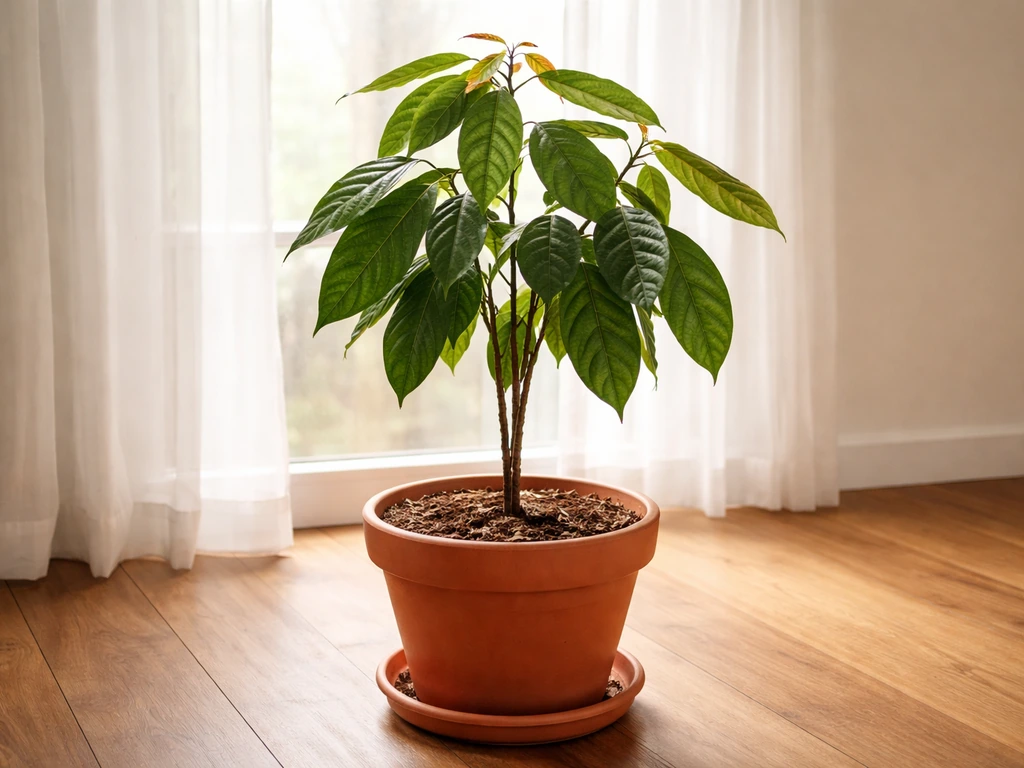
If you're drawn to something more unusual, like drumstick trees or cocoa trees, those are possible too but come with their own specific climate and pot-size demands. Drumstick trees can be grown in pots, but you’ll need the right container size, warmth, and consistent watering to keep them happy.
One practical tip from Brooklyn Botanic Garden's container design guidance is to buy the plant close to the size you want it to look, rather than starting tiny and waiting years for it to bulk up. With slow-growing species especially, buying a plant that's already 60–90cm tall means you're starting from a place that already looks good, and you're maintaining and refining rather than waiting.
| Tree type | Best 'big' potential in pots | Notes |
|---|---|---|
| Dwarf conifers (e.g., Pinus strobus 'Bergman's Mini') | Excellent | Slow, predictable growth; look mature without outgrowing the pot quickly |
| Japanese maple | Excellent | Beautiful canopy structure; happy in large pots for many years |
| Bay tree (Laurus nobilis) | Very good | Evergreen, shapeable, long container lifespan |
| Olive tree | Very good | Drought-tolerant, long-lived in pots, develops great trunk character |
| Fig | Good | Vigorous but responds well to root pruning; produces fruit in pots |
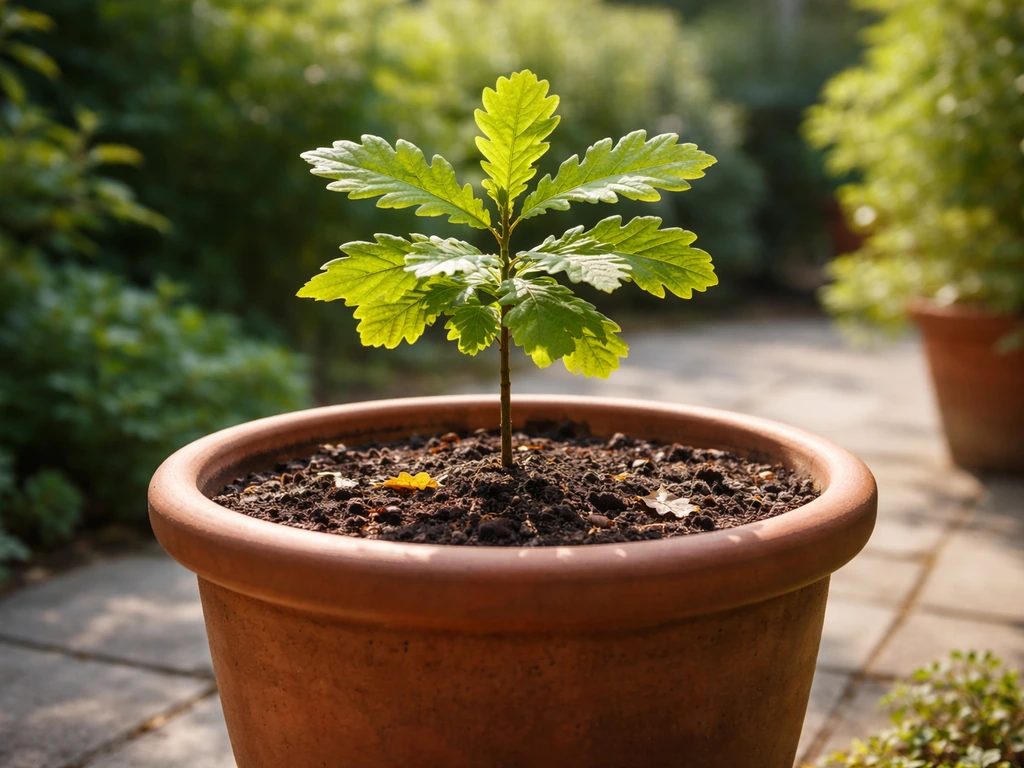
| Oak (slow-growing varieties) | Moderate | Can be striking but needs very large containers and patience |
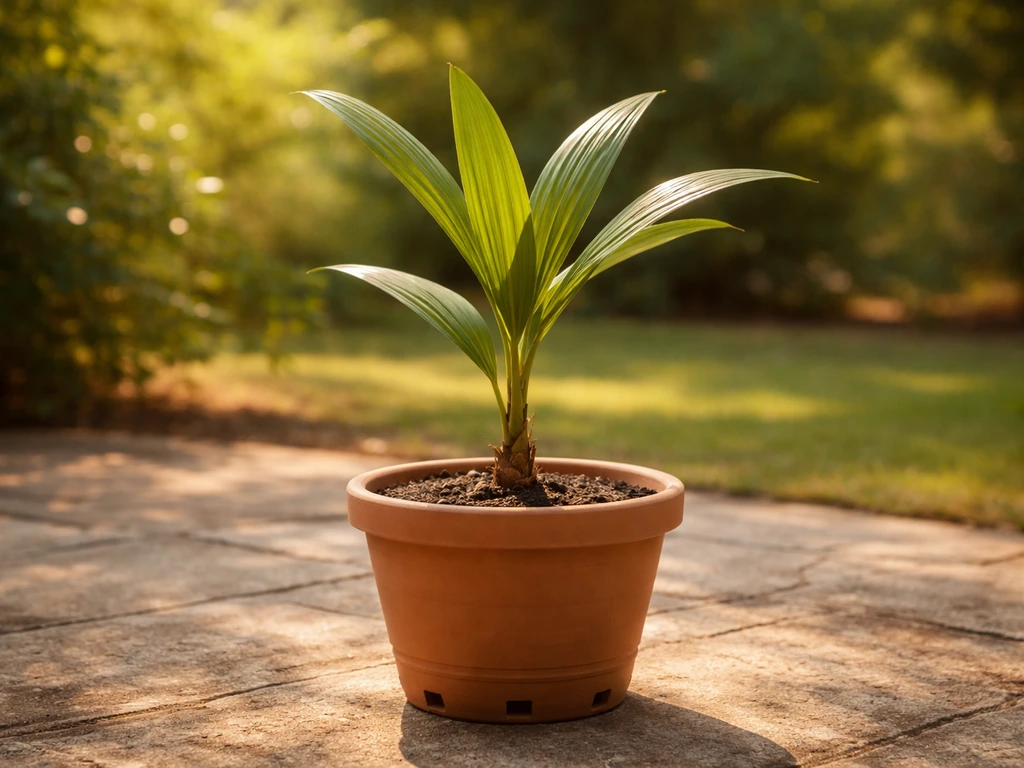
| Coconut or cocoa tree | Challenging | Climate-sensitive; needs warm conditions and very large containers |
Container size, pot type, drainage, and your root-space plan
This is where most people go wrong in one of two ways: they either start with a pot that's way too big, or they leave the tree in a too-small pot for too long. Both are problems. The RHS recommends potting up in stages rather than jumping straight into a massive container, finishing with a minimum final pot size of about 45cm (18 inches) in diameter for trees. I'd say 45cm is really the floor for anything you want to look genuinely big, for larger species or a more dramatic display, 60–75cm diameter pots give you much more room to work with.
Why not just start big? Because a huge volume of potting mix around a small root system holds excess moisture that the roots can't use quickly enough, which leads to soggy, oxygen-starved soil and root rot. Work up in stages: start in a pot roughly 5–10cm larger than the root ball, then move up in 10–15cm increments as the tree fills the container, typically every 1–3 years depending on how fast it's growing.
Drainage is non-negotiable. Every pot must have drainage holes, multiple holes for anything over 30cm wide. A simple check: fill the pot with water and see how fast it drains. If water is still sitting 24 hours after the second filling, drainage is poor and the setup will cause problems. Raise your pot on pot feet or bricks to ensure water can exit freely. For heavy containers that are hard to move, put them on a wheeled plant caddy from the start, you'll thank yourself later.
On pot material: fabric grow bags are genuinely underrated for trees. Because the sides are air-permeable, roots that reach the container wall are naturally air-pruned instead of circling around the inside. That produces a dense, fibrous root system rather than the thick circling roots you often get in hard plastic pots. Fabric pots are lighter too, which matters when you're moving a large container. The downside is they dry out faster, so you'll need to water more attentively in summer. For a permanent display in a fixed spot, heavy terracotta or wooden planters look great and provide good insulation for roots in winter.
Potting mix and soil setup for strong root growth
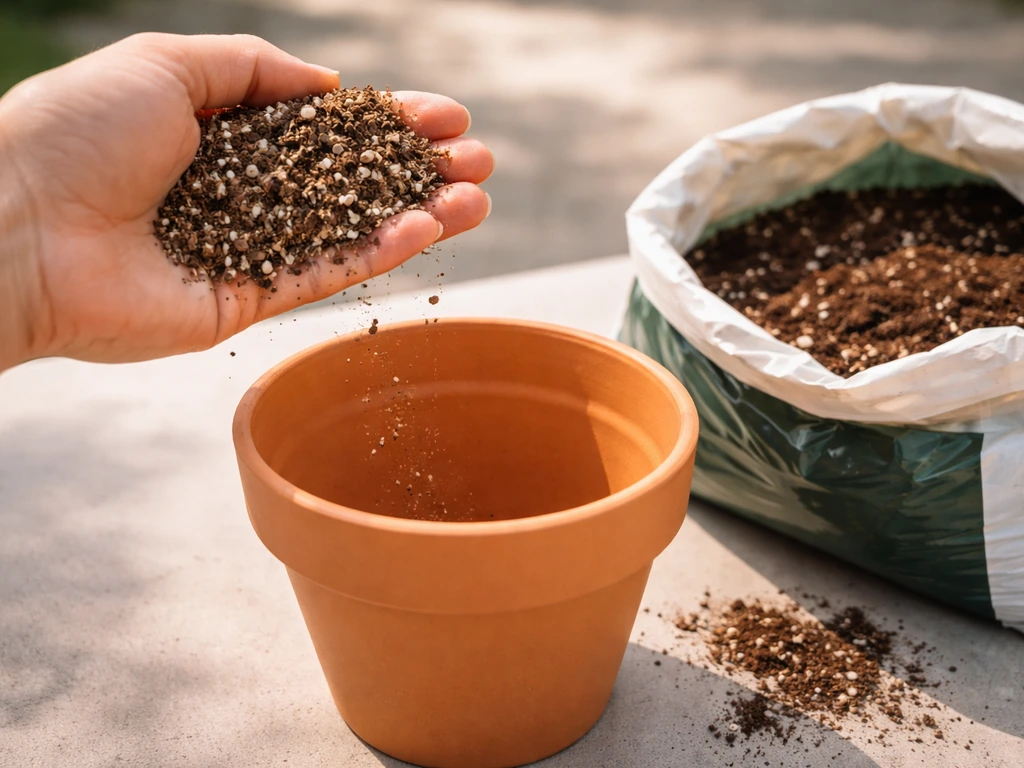
Garden soil from the ground is not suitable for containers. It compacts quickly in a pot, drains poorly, and suffocates roots. What you need is a light, structured growing medium that holds just enough moisture while letting air reach the roots and letting excess water drain away freely. Getting this right makes everything else easier.
A solid all-purpose container mix for trees uses roughly: 40% peat moss (or coconut coir as a more sustainable alternative), 20% pine bark fines, 20% perlite, and 20% vermiculite. To specifically grow a coconut tree in a pot, you’ll need warm temperatures, bright light, and a very well-draining setup, plus careful watering to avoid root issues grow coconut tree in pots. The peat or coir holds moisture and adds organic matter. The bark fines add structure and improve drainage. The perlite creates air pockets and speeds drainage. The vermiculite holds a bit of moisture and buffers nutrients. This combination gives you aeration, drainage, and moisture retention all at once, the three things tree roots in containers need most.
For trees specifically, I lean toward using a bit more bark and a little less peat than some general recipes suggest. Tree roots benefit from coarser structure, and bark particles do a great job of keeping the mix from compacting over time. You can also add a small amount of slow-release granular fertilizer and some agricultural lime (if using peat, which is acidic) when mixing, so your tree has nutrients available from the start. Refresh the top 5–10cm of mix each spring by scraping out the old, compacted surface layer and replacing it with fresh mix.
Light, watering, and feeding: the daily care schedule
Light
Most trees grown for size and canopy development need full sun, at least 6 hours of direct sunlight per day. This is one area where pots have a real advantage: you can move the container to chase the best light. If you're growing on a balcony or in an urban courtyard with patchy sun, choose a species that tolerates partial shade, like Japanese maple or bay. Bay trees are a great option for container growing, as long as you give them enough sun, consistent watering, and proper winter protection. Trying to push a sun-loving olive or fig in heavy shade will give you thin, leggy growth that never looks impressive.
Watering
Watering is where most container trees run into trouble. In summer, a large pot in full sun can dry out completely in 24–48 hours. Stick your finger 5cm into the soil, if it's dry at that depth, water thoroughly until it drains from the bottom. In spring and autumn, check every 2–3 days. In winter, container trees still need water, don't assume rain is doing the job. For evergreens especially, winter watering is essential because the foliage keeps losing moisture even when temperatures are low. The practical rule: make sure there's no standing water around the tree by nightfall, but don't let the root ball dry out completely during prolonged dry spells.
Hot, windy days accelerate water loss dramatically. On days above 30°C or in exposed positions, you may need to water daily. Mulching the top of the pot with bark chips or gravel reduces evaporation significantly and is worth doing from the start.
Feeding
Trees in pots depend on you for nutrients because the limited soil volume gets depleted quickly. Start feeding in early spring when growth resumes and continue through summer. Use a balanced slow-release granular fertilizer (something like 14-14-14 NPK) worked into the top of the pot in spring, then supplement with a liquid feed every 2–4 weeks through the growing season. Switch to a low-nitrogen, high-potassium feed from midsummer onward to help harden growth before winter. Stop feeding entirely from late autumn until spring, pushing soft new growth in autumn makes the tree more vulnerable to cold damage.
Salt buildup from fertilizers is a real issue in containers. Over time, mineral salts accumulate in the soil and burn roots. Flush the pot thoroughly with plain water every month or two during the growing season, water until it runs freely out the bottom for a minute or so, to wash out salt buildup.
Pruning, training, and root management
Shaping the canopy
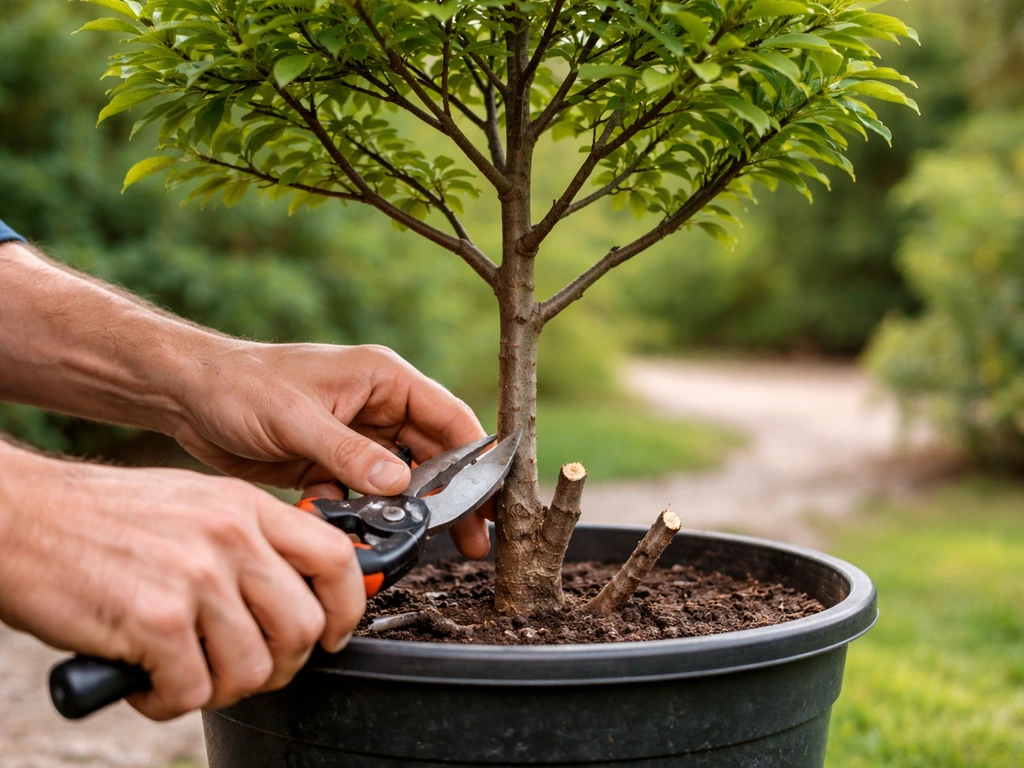
Pruning is how you create the 'big tree' look in a container. Without shaping, many trees just get rangy and scrappy. With deliberate pruning, you can build a strong central leader (the main trunk) and a well-spaced canopy that looks genuinely impressive. For most trees, prune in late winter or early spring just before growth begins. Remove crossing branches, any growth pointing back toward the center, and weak or dead wood. Step back regularly and look at the overall shape, you're aiming for an open structure that lets light reach all parts of the canopy.
For a tree-like look rather than a shrubby one, remove lower side branches gradually over a few years to raise the 'crown' and expose a proper trunk. This is called 'lifting the canopy' and it's one of the most effective ways to make a container plant look like a real tree rather than a large bush.
Repotting and root pruning
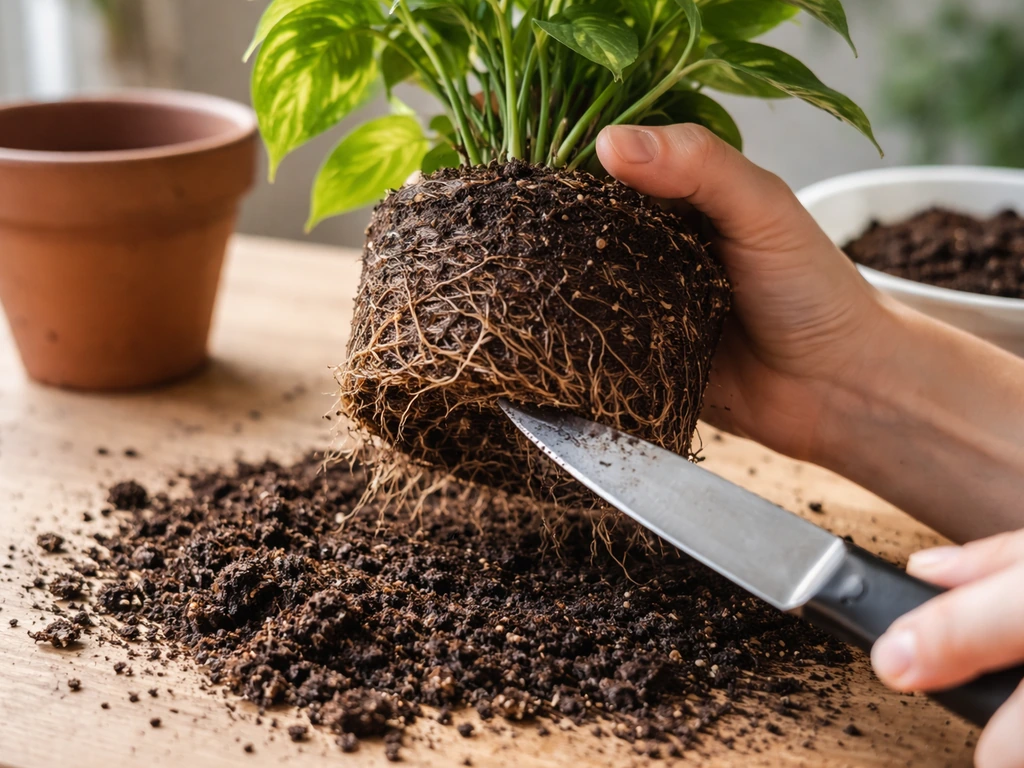
Every 2–3 years, check whether your tree has become root-bound by sliding it out of the pot. If you see a dense mat of roots wrapping around the outside of the root ball, or thick roots circling the container wall, it's time to act. Root circling is a serious long-term problem: those roots can eventually girdle (strangle) the trunk, and they stop the tree from anchoring and growing properly. Colorado State University guidance explains that circling and girdling roots can develop from the potting-up process when trees are kept in hard-sided containers too long, so interrupting incorrect root patterns during establishment helps prevent future girdling girdle (strangle) the trunk.
When repotting, use a sharp clean blade to shave off the outer 2–3cm of the root ball all the way around, removing the circling roots. Trim any roots that are growing upward, those will continue circling if left. Then repot into a container 10–15cm larger with fresh potting mix. This is called root pruning and it sounds drastic but trees handle it well. The result is a healthier, more fibrous root system that fills the new pot productively. If you want to keep the tree in the same pot rather than sizing up, you can prune back roughly the same proportion of roots as you remove from the top of the tree, then refill with fresh mix.
Seasonal care: heat stress and winter protection
Container trees are much more exposed to temperature extremes than trees in the ground. In summer, the pot itself heats up and can literally cook roots on a hot patio. Light-colored pots reflect heat better than dark ones. Grouping pots together provides mutual shading and keeps roots cooler. In extreme heat, move the pot to afternoon shade if possible, and water early in the morning so roots have moisture before the hottest part of the day.
Winter is the bigger risk for most container trees. A tree that's hardy in the ground can die in a pot because the roots have no insulating soil mass around them and can freeze solid. Penn State Extension advises treating container plants as if they were two hardiness zones colder than the plant's rating, so if you're in Zone 6, choose a tree rated to Zone 4 for container growing. Larger pots provide more insulation by sheer soil mass, which is one more reason to move to a bigger final container over time.
For winter protection, group pots together against a sheltered wall. Wrap the pot (not the plant) in horticultural fleece, bubble wrap, or burlap, then cover the outside of the wrapped pot with straw, bark, or leaves. If you have space, moving the pot into an unheated garage or shed for the coldest months is even better, the goal is to keep roots from freezing solid, not necessarily to keep them warm. Continue watering evergreens lightly through winter, always checking that no standing water remains around the tree by nightfall.
Troubleshooting the most common problems
- Slow or stunted growth: First check light levels — not enough direct sun is the most common cause. Then check whether the tree is root-bound or whether the soil has compacted and lost aeration. Replace the top layer of soil, check drainage, and make sure you're feeding regularly during the growing season.
- Yellowing leaves: Usually a nutrient deficiency, most often nitrogen (uniform yellowing across older leaves) or iron/magnesium (yellowing between leaf veins, common in acid-loving trees kept in alkaline water areas). Switch to a fertilizer with trace elements and consider occasional foliar feeding.
- Container drought and wilting: Even if you watered recently, compacted or hydrophobic soil can stop water actually reaching the roots — it just runs down the outside of the root ball and out the drainage hole. If water is running straight through, lift the pot and soak it in a trough of water for 30–60 minutes to fully rehydrate the mix. After that, improve drainage and aeration by repotting with fresh mix.
- Root circling and girdling: Identified at repotting time by roots wrapping around the container wall. Prune them off with a sharp blade and repot. Don't ignore this — girdling roots eventually kill trees.
- Salt buildup: White crusty deposits on the soil surface or around drainage holes indicate salt accumulation from fertilizers or hard water. Flush the pot thoroughly with water and reduce fertilizer concentration.
- Pests: Scale insects, aphids, vine weevil grubs (which eat roots), and spider mites are the most common container tree pests. Check the undersides of leaves regularly. Treat scale and aphids with horticultural oil or insecticidal soap. For vine weevil grubs, use biological nematode treatment in late summer or early autumn when soil is still warm.
- Root rot: Soggy, poorly draining soil causes roots to rot. Symptoms are sudden wilting despite wet soil, blackened root tips, and a foul smell from the pot. Improve drainage immediately, let the soil partially dry, and consider repotting into a well-draining mix. Remove any visibly black or mushy roots before repotting.
What to do this week to get started (or fix what's not working)
- Choose your tree species based on your light levels, climate zone, and what 'big' looks like to you. If in doubt, a dwarf conifer, Japanese maple, or bay tree are the most forgiving starting points.
- Check your current pot or buy a new one: make sure it has drainage holes and is the right size for where your tree is now (not dramatically oversized). If you're starting fresh, a 30–35cm pot is a good starting size for a young tree, with a plan to move up over the next few years toward that 45–60cm final size.
- Mix or buy a quality potting medium with peat or coir, bark, perlite, and vermiculite. Avoid garden soil and cheap composts that compact quickly.
- If your tree is already in a pot and struggling, slide it out, inspect the roots, trim any circling or upward-growing roots with a sharp blade, and repot with fresh mix.
- Start a watering and feeding schedule: check soil moisture every day or two in warm weather, and plan your first feed of the season with a balanced slow-release fertilizer.
- Identify the warmest, most sheltered spot you have for winter storage and start planning protection now if you're heading into autumn.
Growing a big, beautiful tree in a pot is absolutely doable, the people who fail usually either chose the wrong species, skipped the root management, or let the container situation drift without checking in. If you’re specifically aiming for cocoa, see how to grow cocoa trees in pots for the right temperature, light, and container setup. Treat it as an ongoing relationship rather than a one-time setup, and you'll end up with something that genuinely looks like a proper tree, just in a container on your patio. If you want a specific tree plan, follow these tips for how to grow oak trees in pots, including pot size, watering, and winter protection.
FAQ
Will a tree in a pot survive winter if it’s hardy in the ground?
Yes, but only up to a point. If your tree is hardy where you live, pot-grown roots can still freeze because the container lacks ground insulation. As a quick rule, always protect the pot itself during winter (wrap and mulch the outside), and consider choosing a species rated for about two zones colder than your area so the root ball survives repeated freeze-thaw.
Do I need to choose a dwarf tree, or can I make a normal tree look big in a pot?
Not necessarily. For “big canopy” results, prioritize trees that respond well to structure pruning (clear apical dominance, strong central leader) and that naturally tolerate being kept compact. If you want height and trunk thickness, avoid constantly shearing the foliage, instead do selective pruning (remove competing leaders, thin inward crossings) so growth can thicken the trunk.
How do I know when to water, especially in hot weather?
The best time is when you can see the soil dry-out pattern reliably. A practical approach is to water only after the top few centimeters begin to dry, but to water deeply enough that drainage runs for about a minute from the bottom, then empty saucers. In summer heat, check in the morning and again midday on windy balconies, since evaporation can outpace your schedule.
What’s the fastest way to cause root rot in container trees, and how do I prevent it?
Avoid potting straight into a huge container, and also avoid letting the pot sit in a permanently damp tray. Even with good soil, too much mix around a small root system stays wet and starves roots of oxygen. Use the staged pot-up approach and verify drainage by timing how quickly water leaves (if it still lingers after many hours, fix pot size or drainage holes first).
How can I tell if my tree is suffering from fertilizer salt buildup versus underfeeding?
Use a coarse, breathable mix and don’t fertilize like a houseplant. If leaves pale or growth stalls, you may need more feed, but if the tree gets leggy or soft, you likely overfed nitrogen or fed too late. Follow the “spring to summer feed, low nitrogen later, stop in late autumn” pattern, and flush with plain water every month or two to remove accumulated salts.
Are fabric grow bags good for a tree you want to keep in one place long-term?
A fabric grow bag helps roots air-prune, but it also changes how quickly the mix dries and can expose roots to wind. If you use a fabric bag, plan to water more consistently in summer and consider using a caddy or placing it where it won’t move constantly, since repeated movement can stress newly pruned or newly repotted roots.
How do I know it’s time to root prune, not just prune branches?
If the tree looks “big above ground” but the canopy is weak or the plant wobbles, check roots earlier than you think. For actively growing trees, inspect root-binding every 2 to 3 years as the article suggests, but if you see surface roots pushing out, heavy drought despite adequate watering, or slow regrowth after pruning, check sooner.
What’s the best pruning strategy if my tree is looking leafy but not developing a thick trunk?
For a strong trunk look, spacing matters more than how much you cut. Remove crossing and inward growth, then selectively remove lower side branches over multiple seasons. Don’t strip the canopy at once, the tree needs leaf area to build trunk thickness and to recover properly after root work.
What pot size should I plan for if my goal is a thick, mature-looking canopy in a few years?
Fewer issues come from using your intended final container size as the goal, but still potting up gradually. For a “genuinely big” look, most trees need a final diameter in the 60 to 75 cm range, not just 45 cm, if you want a thick canopy and stable moisture buffering. If you’re forced to use a smaller pot, accept that you must prune roots and shoots more often and the tree will stay smaller.
What should I do differently on heatwaves for container trees?
You may need to shade the pot, not the plant. After midday heat spikes, move the pot to afternoon shade if possible, keep mulch on the surface to slow evaporation, and water early in the morning so roots get moisture before the hottest part of the day. On extremely hot, windy days, daily checks can be necessary, but aim to water thoroughly rather than giving small top-up amounts.