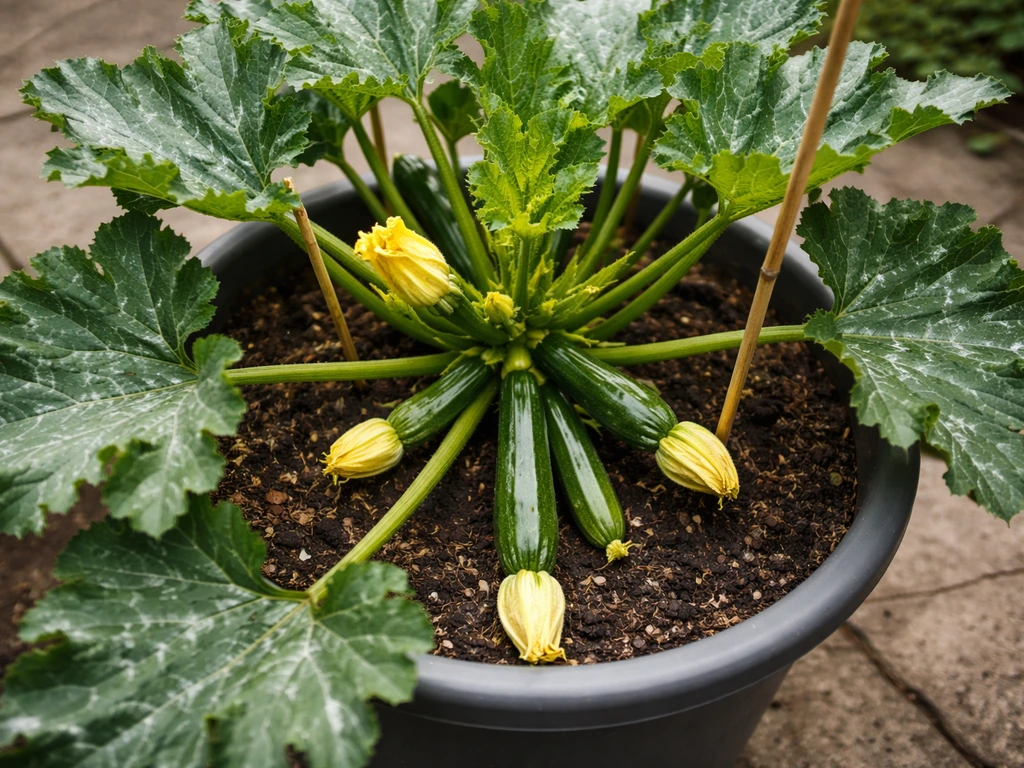
You can absolutely grow ajwain (also called carom or bishop's weed) in pots from seeds, and it's one of the more forgiving herbs you can try in a container. Courgettes are a great example of a warm-season vegetable you can successfully grow in pots from seed when you give them enough light, space, and consistent watering how to grow courgettes in pots from seed. Sow the seeds in a well-draining pot at least 8–10 inches deep, keep them warm and in bright indirect light, and you'll see germination in 7–14 days. From there, a little regular watering and some sun is all it really needs. Within 6–8 weeks you'll be snipping fresh leaves, and by the end of the season you can harvest the seeds too.
How to Grow Ajwain in Pots From Seeds Step by Step
Marcus Whitley
11 Jun 2026
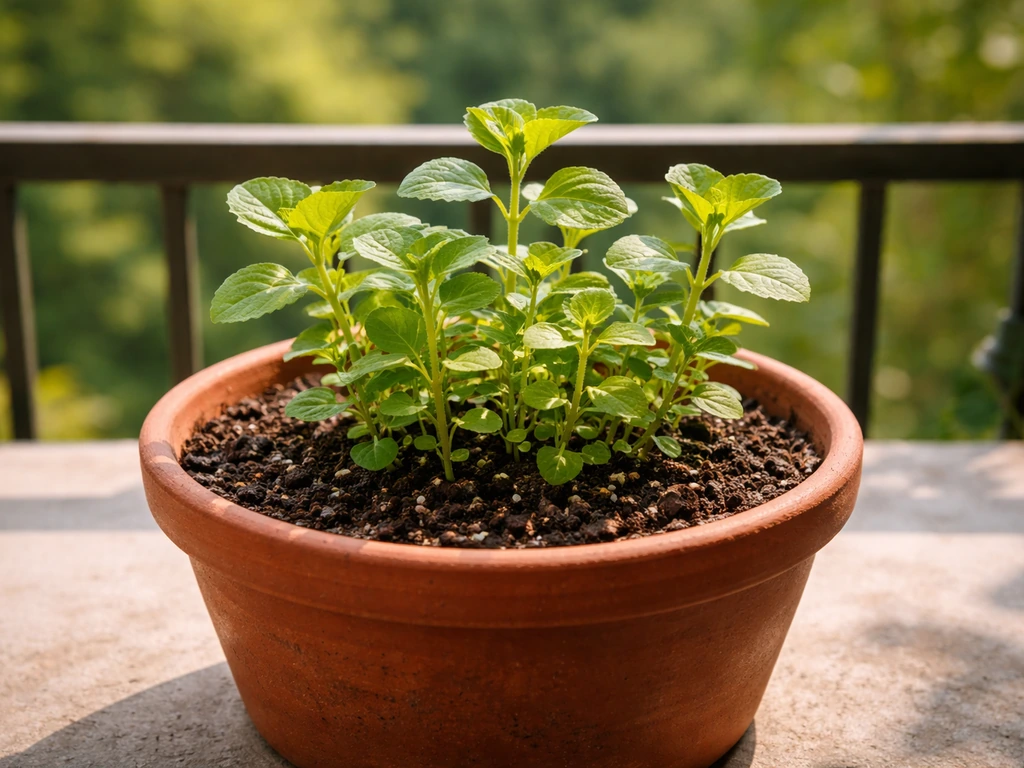
Best pot size and drainage setup for ajwain
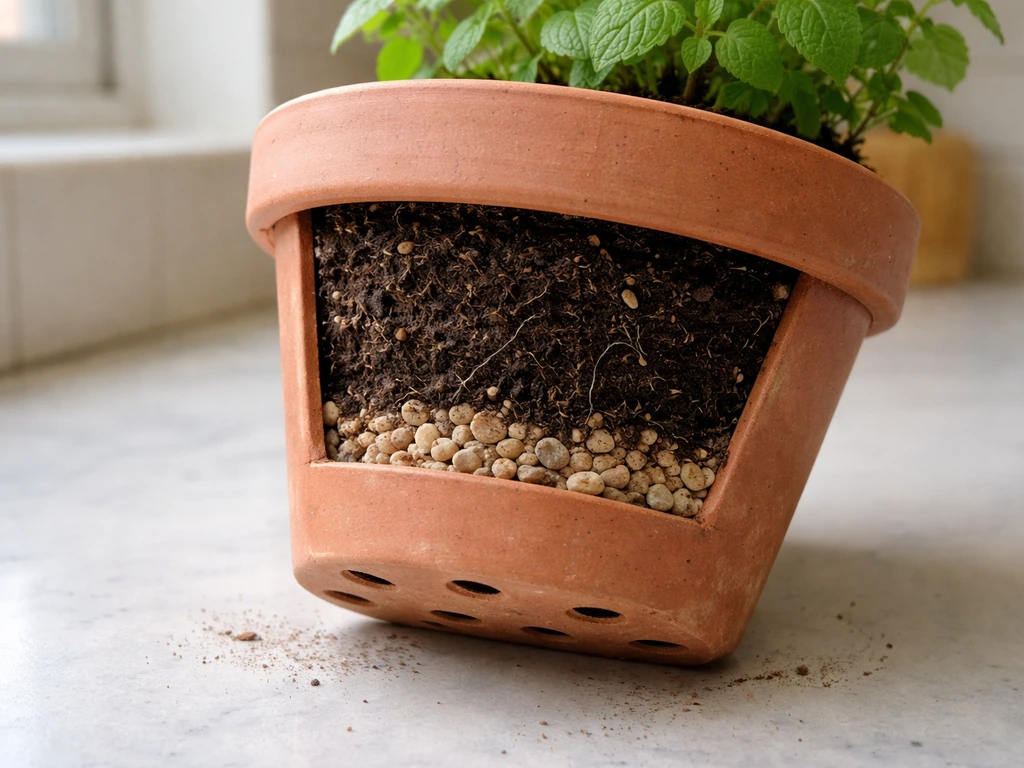
Ajwain has a fairly deep taproot for an herb, so don't shortchange it with a shallow pot. Go for a container that's at least 8–10 inches deep and 10–12 inches wide for a single plant. If you want to grow a small cluster (3–4 plants), step up to a 12–14 inch wide pot. Terracotta pots are great because they breathe, which helps prevent the soggy soil that ajwain absolutely hates. Plastic pots work fine too, especially if you're in a hot, dry climate since they retain moisture longer.
Drainage is the one thing you really cannot compromise on. Ajwain roots sitting in water will rot within days. Make sure your pot has at least one drainage hole at the bottom, ideally two or three if it's a larger container. If you're using a decorative outer pot (a cachepot) with no drainage hole, pierce a hole in the bottom or at minimum remove the inner pot to drain it after every watering. Don't just leave the plant sitting in a saucer full of water either. Pour out standing water within 30 minutes of watering.
One trick I rely on: place a small piece of mesh or a broken pot shard over the drainage holes before adding soil. This stops the soil from washing out while keeping water flowing freely. You don't need gravel or pebbles at the bottom, that's an old myth and it can actually make drainage worse by creating a perched water table in the pot.
Seed prep and choosing the right soil mix for containers
Ajwain seeds sold as culinary carom seeds (the ones in your spice rack) can work, but fresh seeds from a garden supplier germinate much more reliably. If you're using store-bought seeds, soak them in lukewarm water for 4–6 hours before sowing. This softens the seed coat and gives germination a nudge. Don't skip this step if you're using older seeds.
For the soil mix, ajwain needs something that drains fast but still holds some moisture and nutrients. A standard all-purpose potting mix works as your base, but you want to loosen it up. A good ratio for pots is 60% potting mix, 20% coarse sand or perlite, and 20% compost. The sand or perlite stops the mix from compacting and waterlogging, and the compost gives slow-release nutrition. Avoid using garden soil straight from the ground, it's too heavy for containers and tends to compact, which suffocates roots.
If you want to keep it simple and budget-friendly, just mix two parts potting mix with one part coarse sand. That alone is enough to make a real difference in drainage. Ajwain is a Mediterranean/South Asian herb that evolved in well-drained, slightly lean soils, it doesn't need rich, heavy soil to thrive.
How to sow ajwain seeds in pots (depth, spacing, timing)
When to sow
Ajwain is a cool-season herb that genuinely struggles in intense heat. The ideal sowing window is early spring (February to April in most temperate regions) or early autumn (August to September). If you're in a tropical or subtropical climate, sow in the cooler months between October and February. Germination slows or stalls when soil temperatures drop below 15°C (59°F) or climb above 30°C (86°F), so timing around those extremes makes a big difference.
How to sow
- Fill your pot with the prepared soil mix to about 1 inch below the rim.
- Water the soil thoroughly and let it drain completely before sowing — you want moist but not soggy soil.
- Scatter 4–5 seeds per pot (for a 10-inch pot) or place them about 3–4 inches apart if you're using a wider container.
- Press the seeds lightly onto the surface, then cover them with a thin layer of soil — no more than 3–5 mm (about a quarter inch) deep. Ajwain seeds are tiny and need light to germinate, so burying them too deep is a common mistake.
- Mist the surface gently with a spray bottle. Don't pour water directly — it can displace the seeds.
- Cover the pot loosely with a clear plastic bag or a piece of glass to hold in humidity until germination begins.
Expect germination in 7–14 days under good conditions. Ajwain germination rates can be uneven, don't panic if only half your seeds sprout. That's normal. Sowing a few extra seeds is the easiest workaround, and you can always thin later. If nothing germinates after three weeks, the seeds may be old or conditions too cold, and it's worth starting fresh.
Germination and early care (light, warmth, watering)
Once you've sown, put the pot somewhere warm, around 20–25°C (68–77°F) is ideal. A sunny windowsill, a greenhouse shelf, or even the top of a refrigerator works well for warmth. At this stage, the seeds don't need direct light yet, just warmth and consistent moisture at the surface.
Check the soil daily. You want the top layer to stay just barely moist, not wet. Mist with a spray bottle rather than pouring water. Overwatering at this stage is the most common reason seedlings die, the fungal disease called damping-off causes seedlings to collapse at soil level, and it's almost always triggered by soil that's been kept too wet for too long. If you see seedlings tipping over and rotting at the base, that's it. The fix is to immediately improve airflow, reduce watering, and if possible, remove the affected seedlings before the fungus spreads.
Once sprouts appear (usually small, delicate stems with two tiny seed leaves), remove the plastic cover and move the pot to a bright spot with at least 4–5 hours of light daily. At this point, leggy, pale seedlings are a sign they're not getting enough light. Move them closer to a window or supplement with a grow light if you're starting indoors during winter.
When seedlings reach about 2–3 inches tall and have a second set of leaves, thin them out. Keep the strongest-looking seedling per 4-inch area and snip the rest at soil level with scissors (don't pull, you'll disturb the roots of the keeper). In a 10-inch pot, 2–3 plants is plenty.
Ongoing container care (sun, watering schedule, feeding)
Sun and position
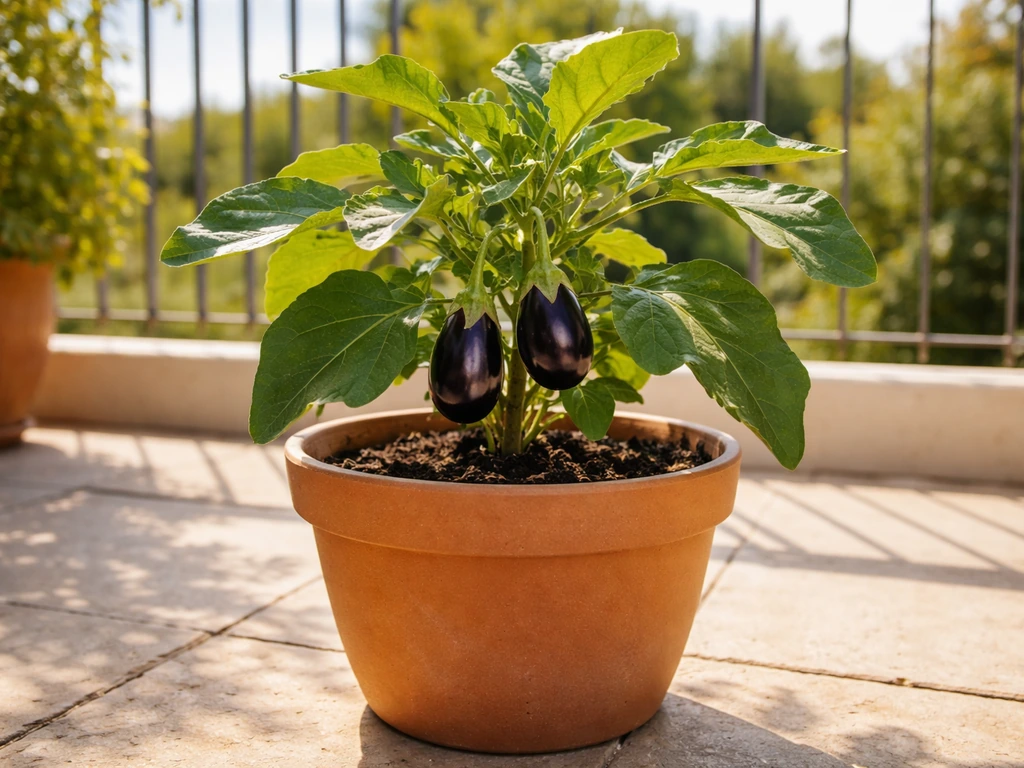
Ajwain wants at least 5–6 hours of direct or bright indirect sunlight daily. A south or west-facing balcony or windowsill is ideal. In peak summer heat above 35°C (95°F), move it to a spot with afternoon shade, too much harsh sun will dry out the container fast and stress the plant. One of the real advantages of container growing is this flexibility, so use it. If you’re also planning aubergines, you can use the same container principles but with a bigger pot and a more consistent watering schedule container growing.
Watering
The simplest watering rule for ajwain in pots: water when the top inch of soil feels dry to your finger. In spring and autumn that might be every 2–3 days. In peak summer it could be daily. In cool weather, stretch it to every 4–5 days. Always water deeply until it drains from the bottom holes, then stop. Shallow, frequent splashing keeps only the top layer moist and encourages shallow roots. Deep, less-frequent watering is the goal.
Feeding
Ajwain is not a heavy feeder, but container plants do need more nutrition than in-ground plants because nutrients wash out every time you water. Start feeding about 4 weeks after germination with a diluted liquid fertilizer, half-strength balanced fertilizer (like a 10-10-10) every 3–4 weeks is enough. If you want to push leaf production, a slightly nitrogen-heavy fertilizer once a month works well. Avoid over-fertilizing; too much nitrogen produces lush, weak growth that's more prone to pests and less aromatic.
Common problems in pots and quick fixes
| Problem | Likely Cause | Quick Fix |
|---|---|---|
| Yellowing leaves | Overwatering or waterlogged soil | Let soil dry out, check drainage holes aren't blocked, reduce watering frequency |
| Leggy, stretched stems | Not enough light | Move to a brighter spot or use a grow light for 12–14 hours daily |
| Seedlings collapsing at soil level | Damping-off (fungal) | Remove affected plants, improve airflow, stop misting and let soil surface dry slightly between waterings |
| Wilting despite moist soil | Root rot from poor drainage | Repot into fresh mix with better drainage, trim any blackened roots |
| Slow or no growth | Cold temperatures or nutrient deficiency | Move to a warmer spot, feed with diluted liquid fertilizer |
| Aphids or whiteflies on leaves | Common in warm weather | Spray leaves with diluted neem oil or a mild soap-water mix, repeat every 5–7 days |
| Soil drying out too fast | Pot too small or too porous | Upgrade to a larger pot or line terracotta with a plastic bag before adding soil |
Root rot is the big one to watch. It's almost always caused by either poor drainage or watering too often, and by the time leaves go yellow the roots are already in trouble. If you suspect root rot, tip the plant out, look at the roots, healthy roots are white or light tan, rotted roots are brown, mushy, and may smell. Cut off the damaged parts, dust with cinnamon (a natural antifungal), and repot in fresh, dry mix. It sounds dramatic but it actually works quite often.
When and how to harvest ajwain leaves and seeds
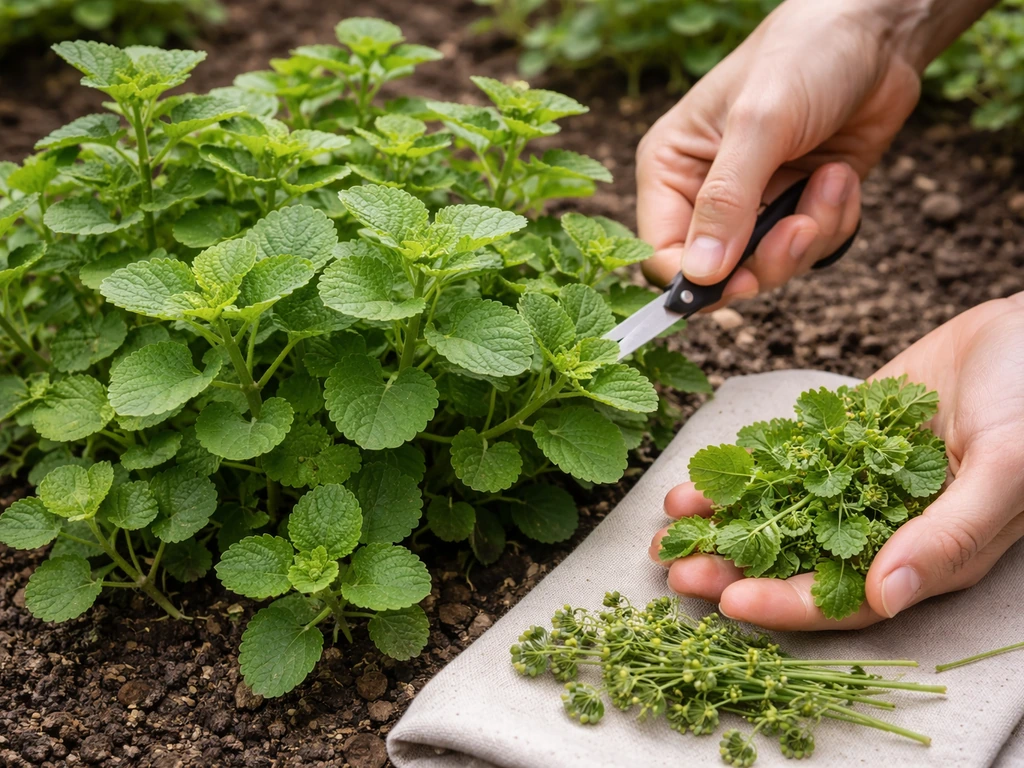
Harvesting leaves
You can start harvesting ajwain leaves once the plant is about 6–8 inches tall, usually 6–8 weeks after germination. Always harvest from the tips of stems rather than stripping leaves from the middle, snipping the top 2–3 inches of a stem actually encourages the plant to branch out and become bushier, giving you more leaves over time. Never take more than a third of the plant at once. If you strip it too hard, it'll struggle to recover.
Fresh ajwain leaves have a strong thyme-like flavour and are used widely in Indian cooking, they're great in flatbreads, fritters, and lentil dishes. Pick leaves in the morning when the essential oils are most concentrated for the best flavour.
Harvesting seeds
Ajwain flowers in late spring or summer (depending on your climate and sowing time), producing small white umbel flowers. The seeds form after flowering and are ready to harvest when the seed heads turn brown and dry on the plant, this usually takes about 4–5 months from sowing. Cut the seed heads off and place them in a paper bag in a warm, dry spot for a week to finish drying. Then shake or rub the heads to release the seeds. Store dried seeds in an airtight jar away from light. They'll stay potent for up to a year.
One thing worth knowing: once ajwain bolts (goes to flower and seed), leaf production slows down. If you want to extend the leaf harvest, pinch off any flower buds as soon as they appear. If you want seeds, let it flower. You can't really have both at peak quality at the same time, so decide early in the season which you're prioritising.
Your quick-start checklist
If you're ready to get started today, here's the short version of everything you need to do in order:
- Choose a pot at least 8–10 inches deep with drainage holes — terracotta or plastic both work.
- Mix your soil: 60% potting mix, 20% perlite or coarse sand, 20% compost.
- Soak seeds in lukewarm water for 4–6 hours before sowing.
- Fill the pot, water it, let it drain, then press seeds onto the surface at 3–4 inch spacing and cover with just 3–5 mm of soil.
- Mist the surface, cover loosely with plastic, and place in a warm spot (20–25°C).
- Check daily for moisture and germination. Remove cover once sprouts appear.
- Move to a bright, sunny spot with 5–6 hours of light after sprouting.
- Thin to the strongest seedlings when they're 2–3 inches tall.
- Water deeply when the top inch of soil is dry. Feed with diluted fertilizer from week 4.
- Start snipping leaf tips at 6–8 weeks. Harvest seeds at 4–5 months when seed heads are brown and dry.
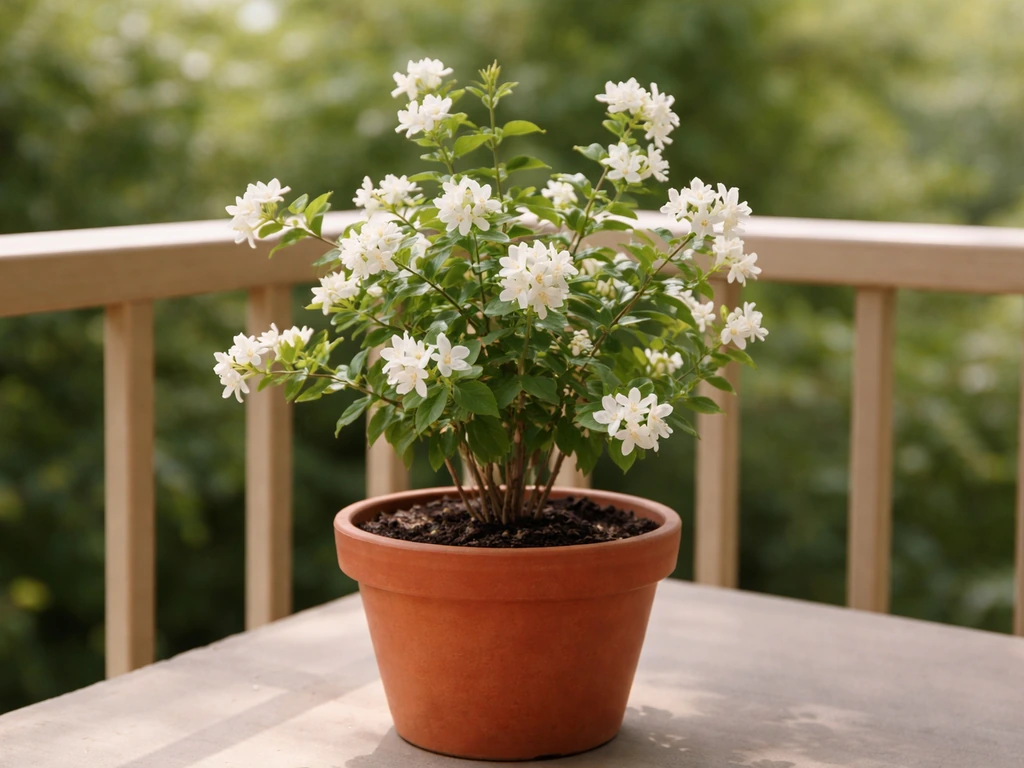
Ajwain is genuinely one of the easier herbs to grow in containers once you nail the drainage. If you’re specifically aiming to grow mogra in a pot, you’ll want to focus on similar container basics like fast-draining soil, bright light, and careful watering. Brahmi can be grown in a pot too if you provide warm light, a well-draining mix, and steady moisture easier herbs to grow in containers. If you've had luck growing other herbs like brahmi or moringa in pots, ajwain is a natural next addition to your balcony or windowsill setup. Don't overthink it, get the pot, get the seeds, and give it a go. You can use the same basic container principles when learning how to grow brinjal in pot, especially around drainage and watering.
FAQ
Can I start ajwain in a smaller pot and move it later?
It’s possible, but ajwain’s taproot doesn’t like disturbance. If you must transplant, do it early (when seedlings are just a couple inches tall), keep as much root-soil as possible, and use the same fast-draining mix in the final pot. Waiting longer than that often leads to stalled growth.
My ajwain seeds germinated, but the seedlings look weak and topple over. What should I do right away?
That pattern usually points to damping-off from persistently wet soil. Stop watering immediately, improve airflow around the pot (more light and less humidity), remove any collapsed seedlings, and only resume watering when the top inch is barely dry. If you can, switch to misting instead of pouring until they stabilize.
How often should I water if the weather is humid but it’s still warm?
Use the “top inch dry” rule rather than a calendar schedule. In humidity, pots can stay moist longer, so you may water less frequently than you would in dry climates. Always drain fully, and don’t let the plant sit in a saucer, even for short periods.
Should I add gravel or pebbles at the bottom of the pot for extra drainage?
Avoid it. Pebbles can create a perched water layer that actually traps moisture near the roots. Instead, focus on potting mix that drains fast, a pot with adequate drainage holes, and letting excess water flow out after deep watering.
Why is my ajwain turning yellow leaves but the soil seems wet?
Yellowing plus damp conditions typically indicates root stress, most often from poor drainage or overwatering. Check the drainage holes, confirm water fully drains within about 30 minutes, and if it keeps worsening, inspect the roots and repot in fresh, dry mix after trimming any brown, mushy roots.
When should I thin seedlings, and how do I thin without damaging the remaining plants?
Thin once they have a second set of leaves and are strong enough to handle light disturbance. Snip the extras at soil level with scissors. Pulling can disrupt the taproot and the soil around the keeper, causing growth setbacks.
Is ajwain self-pollinating in pots, and how can I improve seed production if I want seeds?
Ajwain can set seed in containers, but seed quality improves if flowers get enough sun and airflow. Aim for at least 5 to 6 hours of light and consider gently shaking the plant once in a while during flowering to help distribute pollen.
What fertilizer should I use in pots, and how do I avoid overly lush, less-aromatic growth?
Use a diluted balanced liquid fertilizer and start feeding around 4 weeks after germination. If you choose a nitrogen-leaning approach, keep it to about once a month, and stop boosting nitrogen if the plant gets very soft, pale, or grows fast but tastes less intense.
How can I harvest leaves without reducing the plant too much?
Harvest from the stem tips, and never take more than one-third of the plant at once. If you remove a lot of middle leaves, the plant loses its main growing points and may not branch well, which reduces the total number of future harvests.
What’s the best way to store ajwain seeds for maximum potency?
Dry the seed heads thoroughly until they are crisp, then store seeds in an airtight jar away from light and humidity. For best results, keep the jar in a cool cabinet, and label the date since even properly stored seeds gradually lose germination over time.