You can absolutely grow mogra (Jasminum sambac) in a pot, and it will flower beautifully if you get three things right: a well-draining container, a loose and airy soil mix, and at least 6 hours of direct sun each day. Everything else, watering, feeding, pruning, is pretty forgiving once those basics are in place. I've seen people struggle for years with mogra on a balcony, then switch to better drainage and a sunnier spot and suddenly get blooms every few weeks. That's genuinely how much those two things matter.
How to Grow Mogra Plant in a Pot: Step-by-Step Guide
Marcus Whitley
9 Jun 2026
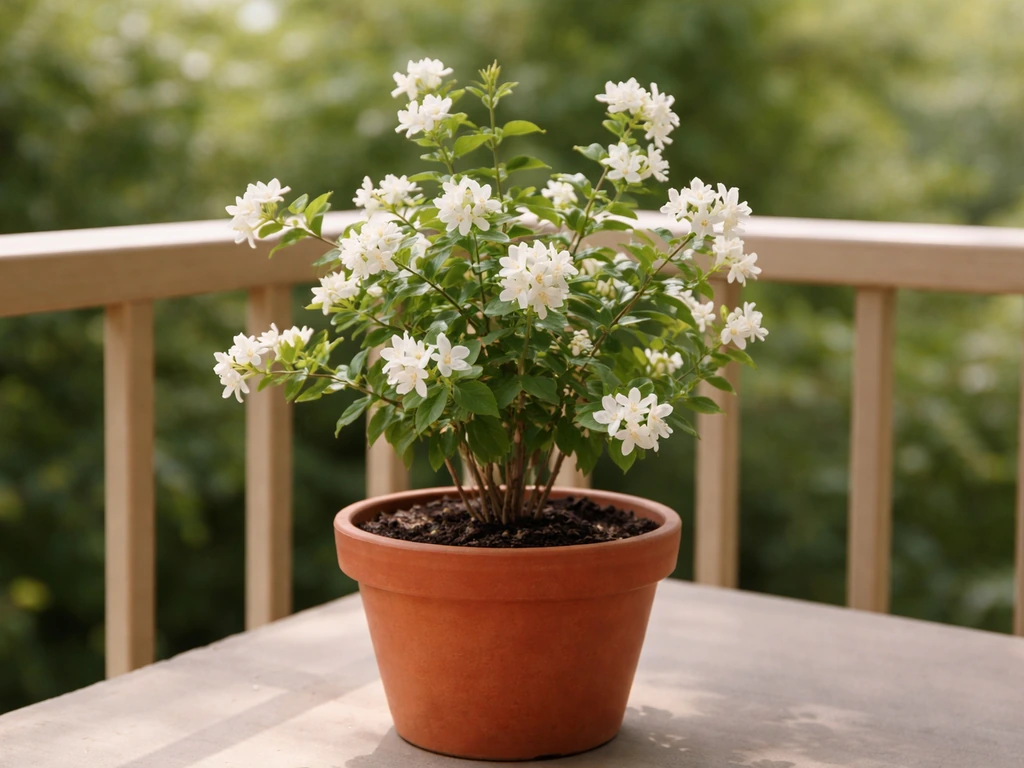
Choosing the right pot, size, and drainage
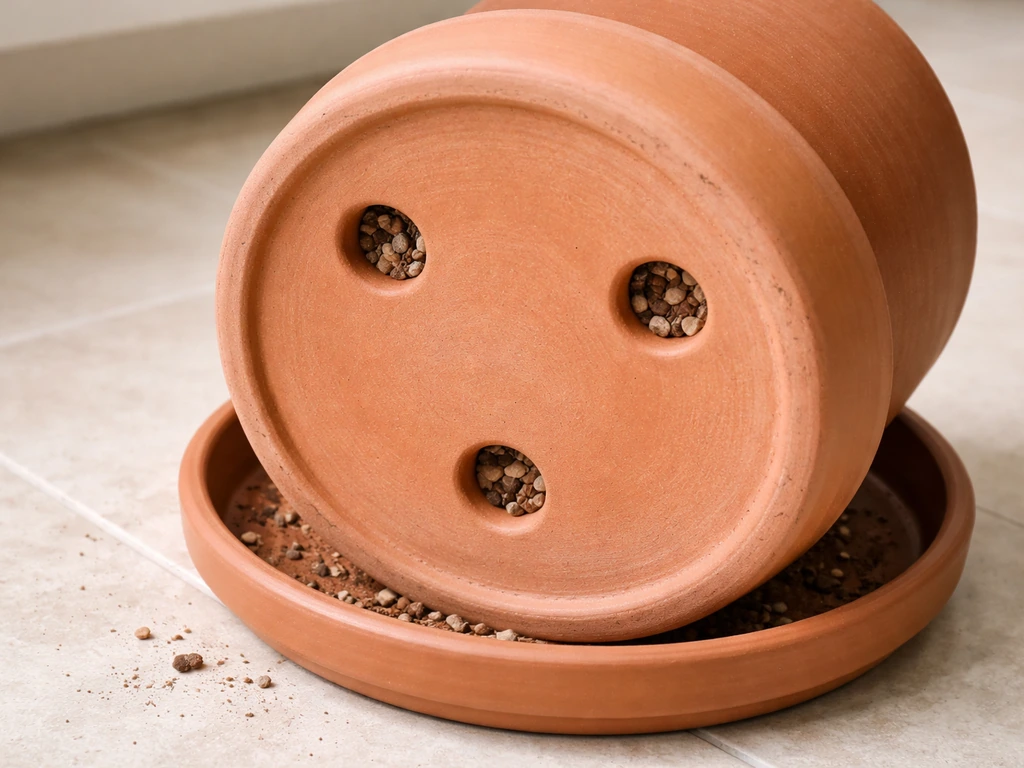
Start with a pot that's about 12 to 14 inches wide and roughly the same depth. That's big enough to give the roots room to establish without holding excess moisture. This matters more than most people think: a pot that's too large stays wet for too long after watering, which is one of the fastest ways to kill mogra. Go bigger only when the plant has clearly outgrown its current home.
Drainage is non-negotiable. You want at least three to four drainage holes, each about 1/2 inch in diameter, spread across the bottom of the pot, not just a single hole in the center. A single central hole often gets blocked by the root ball over time. Multiple holes let water escape freely from all sides. Terracotta pots are my first recommendation for mogra because they're breathable and help the soil dry out a bit between waterings. Plastic pots work fine too, just be more careful about overwatering. Skip self-watering or reservoir-style planters entirely for mogra: keeping the roots sitting near standing water is a recipe for root rot.
Best soil mix and fertilizer schedule for container mogra
Never use garden soil in a pot. Use a quality potting mix in containers and avoid garden soil, since constantly soggy potting conditions can lead to root rot and other deadly plant diseases constantly soggy soil in a pot can cause root rot. It compacts over time, blocks drainage, and suffocates roots. Mogra needs a light, chunky, fast-draining mix that still holds some moisture. Here are two practical recipes depending on what's available to you:
| Mix Option | Ingredients | Best For |
|---|---|---|
| Mix A (widely available) | 50% quality potting mix + 30% orchid bark (1/4–1/2 inch chunks) + 20% perlite | Urban gardeners with access to a garden center |
| Mix B (DIY/budget-friendly) | 40% coarse perlite + 30% aged pine bark fines + 20% coco coir (pre-rinsed) + 10% worm castings | Those who want full control over each component |
| Mix C (South Asian/local materials) | Potting soil + cocopeat + river sand + vermicompost, roughly 40:20:20:20 | Gardeners using locally sourced materials |
Any of these will work. The goal is a mix that water runs through quickly (not pools on top) but doesn't dry out bone-dry within 24 hours. If you press a handful and water drips out easily, you're in the right territory.
Feeding your mogra through the season
Mogra is a hungry plant when it's actively growing and flowering. During the main growing season (roughly March through October in most of India and tropical climates), feed every two weeks with a balanced liquid fertilizer or a phosphorus-and-potassium-leaning formula. Phosphorus and potassium support flower production, so something like an NPK of 10-30-20 or a tomato-type fertilizer works great during the bloom push. In winter or when the plant is resting, cut feeding to once a month or pause it altogether. Don't fertilize a stressed or newly repotted plant: wait until it shows fresh growth. Granular slow-release fertilizer scratched into the top inch of soil every 2 to 3 months is a low-effort alternative if you tend to forget liquid feeding schedules.
Buying healthy saplings and the best way to plant them
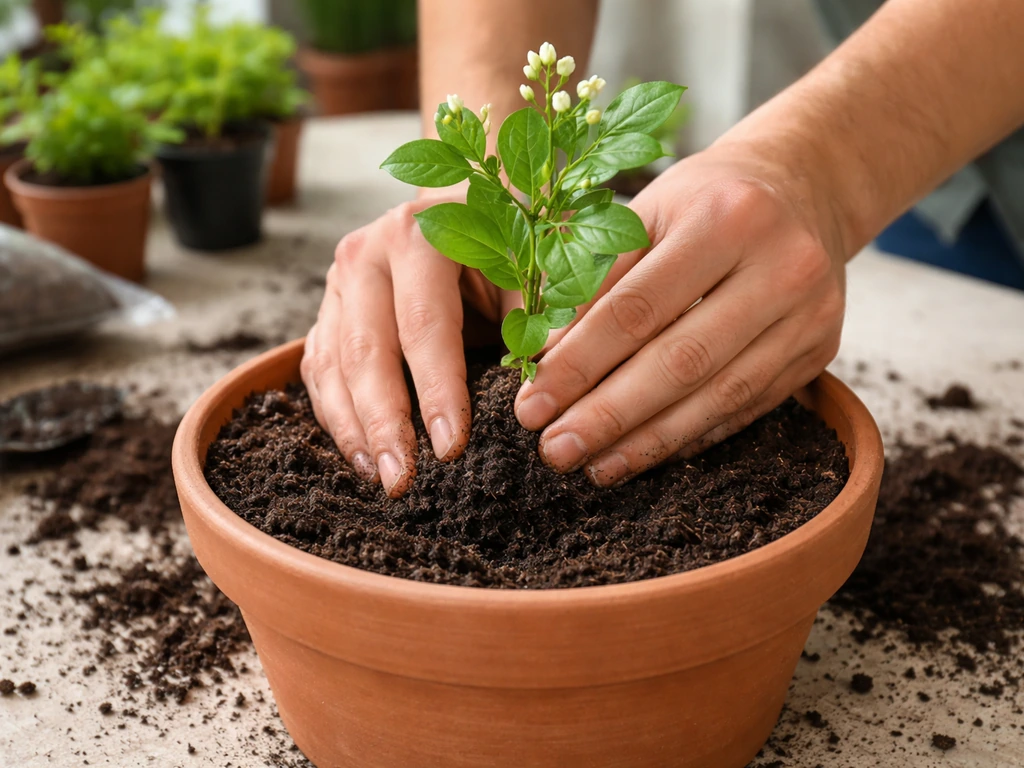
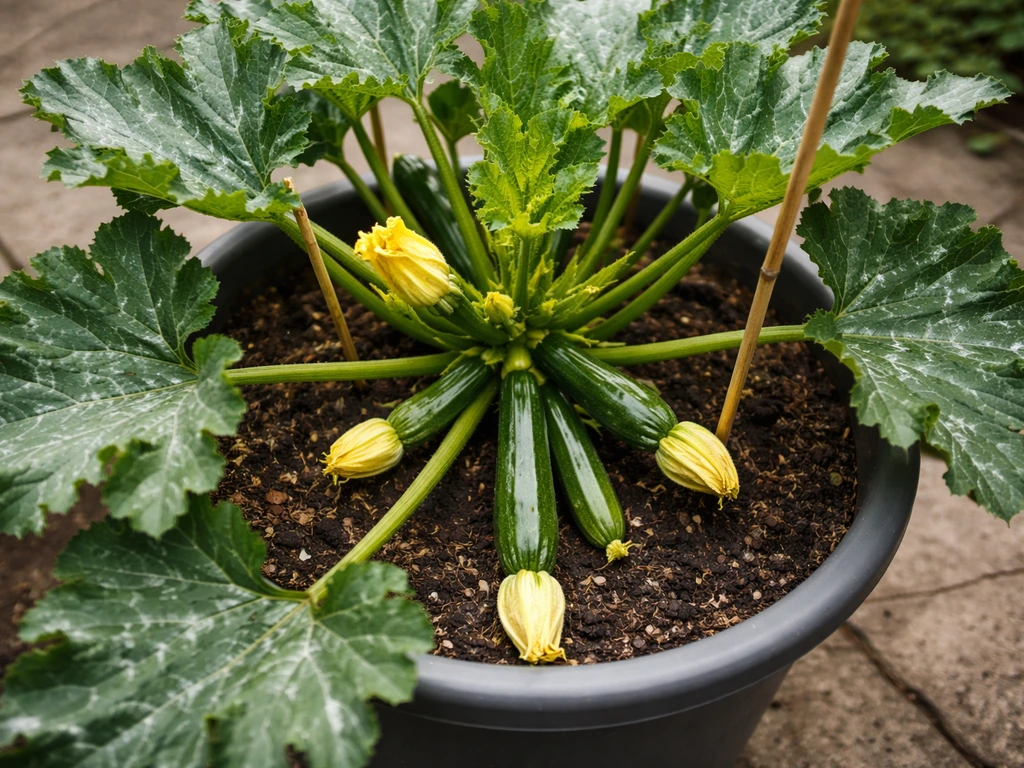
Buy a sapling rather than trying to grow mogra from seed. Seed-grown mogra is slow, inconsistent, and rarely done even by experienced growers. If you want ajwain specifically, the pots-and-seeds method is similar, but you'll need lighter, well-draining soil and keep the container in full sun while seeds germinate grow ajwain in pots from seeds. If you want a direct guide for starting courgettes in pots from seed, follow the steps for sowing, warmth, and consistent watering how to grow courgettes in pots from seed. Saplings from a nursery or stem cuttings from a friend's plant are the practical path. When buying, look for a sapling with deep green leaves (not yellowing), firm stems, and at least 3 to 5 active growth nodes. Avoid plants with black or mushy stems at the base, white powdery patches on leaves, or a root ball that's so compacted it looks like a solid plug.
If you're planting a stem cutting instead, take a 6 to 8 inch semi-hardwood cutting (not the fresh soft tips, but not old woody stems either), remove the lower leaves, and dip the cut end in rooting hormone powder. Plant it in a small pot with moist coco coir and perlite, keep it in bright but indirect light, and it should root in 4 to 6 weeks. Once roots are established and you see new leaf growth, transplant it into your main mix.
When potting a nursery sapling, choose a container only slightly larger than the root ball, maybe 2 inches wider on each side. Fill the bottom with your prepared mix, place the plant at the same depth it was growing in its nursery container (don't bury the stem), and firm the soil gently around it. Water thoroughly right after planting, then leave it in shade or filtered light for the first week while it settles in.
Sunlight, temperature, and getting the watering routine right
Mogra loves sun, and I mean real sun, not bright indoor light near a window. Aim for at least 6 to 8 hours of direct sunlight per day for maximum blooms. A south or west-facing balcony or rooftop is ideal. If your plant is getting fewer than 5 hours of direct sun, don't be surprised by sparse flowering or leggy growth: light is the single biggest lever for blooms. Indoor or semi-shaded plants might stay alive, but they won't give you the fragrant clusters this plant is known for.
Temperature-wise, mogra is happiest above 65°F (around 18°C). It thrives in warm tropical and subtropical conditions and goes partially dormant in cold winters. If you're in a climate that drops below 50°F (10°C) in winter, move the pot indoors or to a protected spot. It won't like frost at all.
How often to water, and how to tell when it needs it
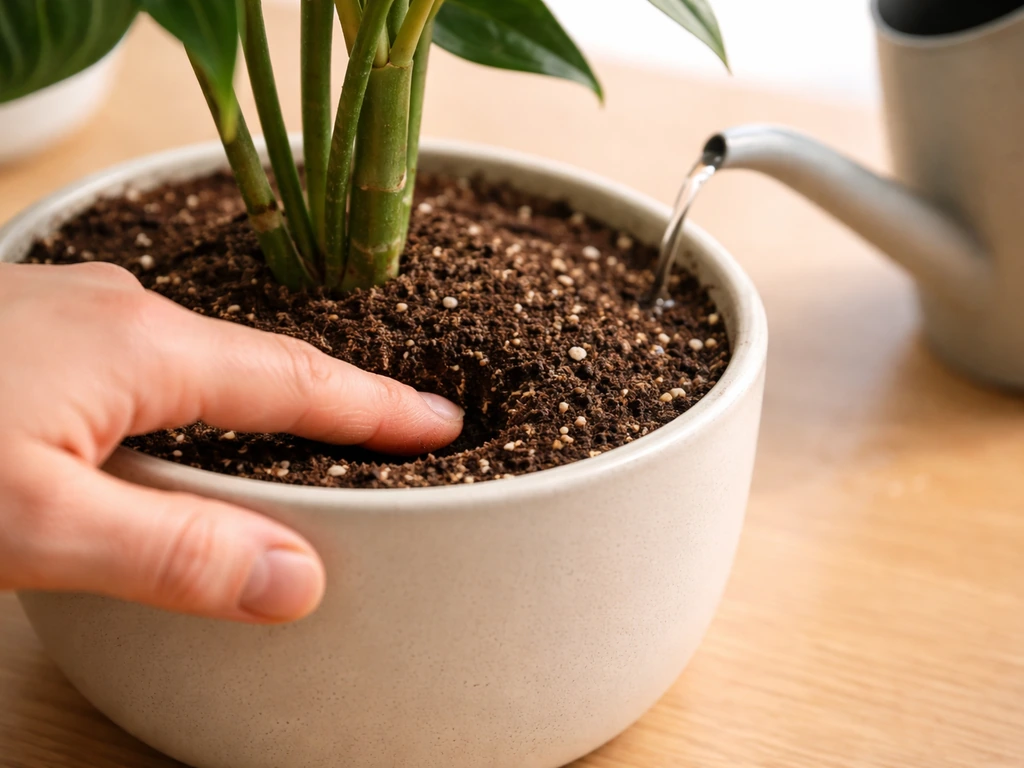
The easiest watering rule: push your finger about an inch into the soil. If it feels dry at that depth, water thoroughly until it drains freely from the bottom holes. If it still feels moist, wait another day. In hot summer months, a pot in full sun may need watering every day or every other day. In cooler months or during cloudy stretches, every 3 to 4 days might be enough. The worst thing you can do is water on a fixed schedule without checking the soil first, because the same pot can need water very differently across seasons.
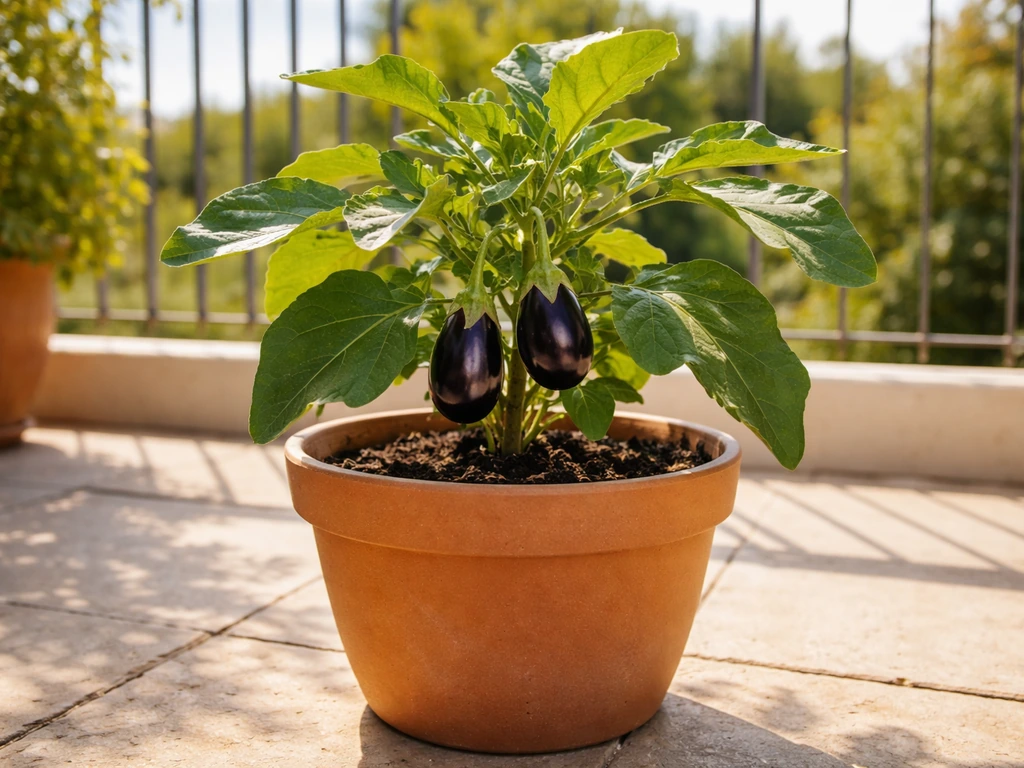
Overwatering shows up as yellowing leaves, especially on lower stems, and the soil smells slightly sour or musty. Underwatering causes leaves to droop or curl and the plant looks tired. Both limit flowering, but overwatering is the more dangerous of the two because it leads to root rot, which is hard to recover from once established. If you keep the soil too wet when growing brinjal in a pot, you can also end up with root-rot problems that stunt growth root rot.
Pruning, training, and coaxing more blooms
Mogra flowers on new growth, so pruning regularly is directly tied to how many flowers you get. The approach is light and consistent rather than one heavy annual chop. After each flush of blooms fades, snip the spent flower stems back to just above the first set of healthy full leaves below the flowers. This is called deadheading combined with a light trim, and it signals the plant to push out new shoots, which become the next round of flower buds.
For shaping and to keep the plant bushy rather than leggy, pinch the growing tips every few weeks during the active season. Just pinch off the very last 1 to 2 inches of each new stem between your fingers. This forces the stem to branch, creating two or three new shoots where there was one, which means more eventual flowering sites. Research on Jasminum sambac confirms that pruning treatments significantly improve plant performance and flower output compared to unpruned plants, so this isn't just aesthetic, it actually works.
Avoid heavy hard-pruning (cutting back to old wood) for potted mogra. It can recover, but it sets the plant back significantly and delays blooming. If your plant has gotten very woody and sparse, a moderate rejuvenation cut to roughly half its height once a year after the main bloom flush is fine, but do it gradually rather than all at once.
If you want to train it as a climber or let it trail over a trellis, give it a small bamboo frame or wire support in the pot. Mogra stems are naturally twining, so they'll attach themselves with a little guidance. A trained plant tends to flower more than an untrained sprawling one because sunlight reaches more of the canopy.
Pest and disease prevention plus quick fixes
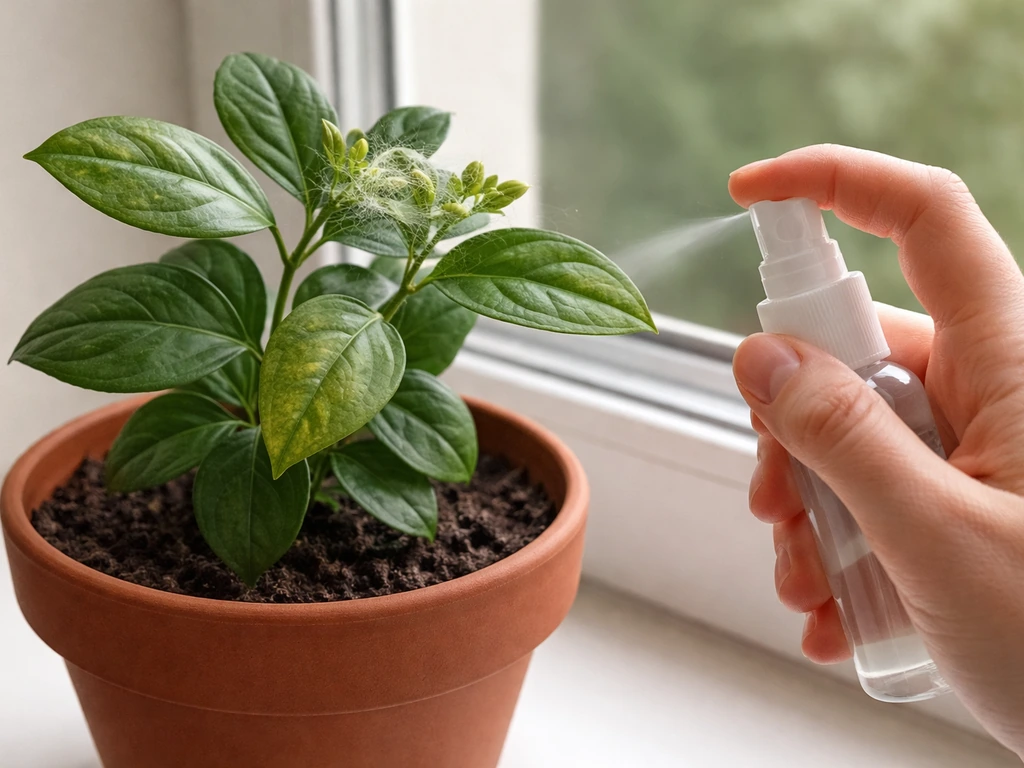
Container mogra is fairly tough, but a few pests show up consistently. Knowing what to look for early makes all the difference.
| Pest / Problem | How to Spot It | Quick Fix |
|---|---|---|
| Spider mites | Faint yellow speckling on leaves, fine silky webbing on new growth, especially in hot dry weather | Spray with 0.5% neem oil + 1% insecticidal soap solution every two weeks; apply at dawn; increase humidity around the plant |
| Mealybugs | White fluffy clusters in leaf axils and stem junctions | Dab with alcohol-soaked cotton swab for small infestations; neem oil spray for larger ones; knock off with a strong water jet outdoors |
| Scale insects | Immobile waxy brown or tan bumps on stems and leaf undersides | Scrape off with a soft toothbrush; follow up with neem oil spray for two to three weeks |
| Root rot | Yellowing leaves, mushy or brown stems at soil level, sour-smelling soil | Unpot immediately, trim rotted roots with clean scissors, repot in fresh sterile mix; drench with a phosphite-based fungicide; reduce watering |
| Iron deficiency / yellow leaves with green veins | New leaves turn yellow but leaf veins stay green | Apply chelated iron supplement; check soil pH (acidic mix helps iron availability) |
Prevention is much easier than treatment. Check your plant every week when you water: flip a few leaves and glance at stem junctions. Catching a small mealybug cluster early takes 30 seconds to fix. Catching it after a full infestation takes weeks. Good airflow around the pot (don't crowd it between other plants) and avoiding wet foliage at night both cut pest and disease risk significantly.
Seasonal care, repotting, and when to expect flowers
Adjusting care through the year
In spring and early summer, mogra wakes up fast. This is the time to resume feeding, do any shaping pruning, and start increasing watering as temperatures rise. The main bloom flush typically happens from late spring through the monsoon season (roughly May through September in India), with repeat flushes possible if you're keeping up with light pruning and feeding. During the hottest weeks, water more frequently and move the pot to a spot with afternoon shade if temperatures are consistently above 40°C (104°F), which can stress even this heat-tolerant plant.
In winter, slow everything down. Reduce watering, stop or drastically cut fertilizer, and accept that the plant may drop some leaves and look a bit rough. That's normal. As long as the stems stay firm and green, the plant is alive and will come back strong in spring. If you're in a region with cold winters, bring the pot indoors to a bright south-facing window.
When and how to repot
Mogra actually prefers being slightly root-bound in its container: don't rush to repot. Wait until you see roots poking out of the drainage holes, the soil dries out within a day or two of watering, or you can see roots pushing up the soil surface. That's your signal. In practice, most potted mogra plants need repotting only about once every three years. When it's time, choose a new pot only 2 inches wider than the current one, no bigger. Gently tap and squeeze the sides of the old pot, then slide the root ball out without yanking. Shake off the old soil, trim any visibly dead or circling roots, and pot it up in fresh mix. Water well and keep it in partial shade for a week or two while it adjusts.
Realistic timeline for flowering
If you start with a healthy nursery sapling, you can realistically expect to see your first flower buds within 6 to 10 weeks of planting, assuming the plant gets full sun and is watered and fed correctly. Research on Jasminum sambac under good conditions reports bud initiation around 31 days and first flowers opening around 43 days after proper establishment, so roughly 4 to 6 weeks for a plant that's already settled in. A cutting-raised plant takes longer because it needs to root and establish first, so add 2 to 3 months to that estimate. If your plant is past the 10-week mark and still hasn't bloomed, check the light first (almost always the culprit), then feeding and drainage.
Growing mogra in a pot is genuinely one of the most rewarding container plants you can keep. Once it finds its rhythm, it'll reward you with fragrant clusters regularly through the warm months. If you're also growing other aromatic or compact shrubs in containers, plants like brahmi or ajwain follow similar principles of good drainage and consistent care in pots, and many of the same soil and watering habits apply across the board. For tips that are specific to aubergines in containers, see our guide on how to grow aubergines in pots. For more detailed guidance on container care, see our full guide on how to grow moringa in pots.
FAQ
What size pot is best for mogra if I want it to bloom reliably on a balcony?
Use a pot about 12 to 14 inches wide and deep for most balcony plants, but do not go much larger to “give it room.” Mogra tolerates being slightly root-bound, and a pot that is too large stays wet longer, which increases the risk of root rot and delays flowering.
How can I tell if my mogra’s soil mix drains correctly before planting?
Do a simple water-run test: fill the pot with your mix, water thoroughly, then watch. The water should drain out freely within minutes, not sit on the surface. After one day, the soil should be dry around 1 inch down, not still wet.
Should I keep the pot in full sun all day, even in peak summer heat?
Aim for 6 to 8 hours of direct sun, but in sustained extreme heat (around 40°C/104°F and above) provide afternoon relief. Moving it to a spot with afternoon shade during those weeks can prevent stress that otherwise shows up as poor bud formation.
How often should I water mogra in a pot if I live in a dry climate?
Check moisture at 1 inch depth, because climate matters more than a fixed schedule. In hot, dry conditions you may water daily or every other day, but only if that 1-inch test shows dryness. If it still feels moist, waiting prevents overwatering.
My mogra leaves are yellowing, but the soil doesn’t smell bad. What else could be wrong?
Yellowing can be from nutrient imbalance or low light, not only overwatering. If the soil is not sour or musty and drainage is fine, try increasing sun to at least 6 hours and resume the right feeding during active growth rather than watering more frequently.
Why isn’t my potted mogra blooming even though it’s alive?
The most common causes are insufficient direct sun, feeding that is too low or paused during growth, or pruning that removes too much new growth. Confirm you are getting at least 6 hours of direct sun, feed regularly in the growing season, and deadhead lightly after each flush instead of hard cuts.
Can I grow mogra indoors on a windowsill?
It can survive indoors, but bloom quality usually drops without real sun. If you cannot give at least 5 to 6 hours of direct outdoor sun equivalent, expect sparse flowering. For best results, move the pot outdoors during warm months and bring it back indoors in winter to a bright south-facing window.
Is it better to fertilize with liquid fertilizer or slow-release granules for pot mogra?
Both work. Liquid feeding every two weeks during growth is fastest for consistent flowering support. Granular slow-release scratched into the top inch every 2 to 3 months is easier, but it won’t correct short-term light or watering problems, so prioritize sunlight and drainage first.
When should I repot my mogra, and how do I avoid shock?
Repot only when it shows clear root activity, such as roots poking from drainage holes or the mix drying within 1 to 2 days. When you move up, choose only about 2 inches wider. After repotting, water thoroughly once and keep it in filtered light or partial shade for 1 to 2 weeks while it settles.
How do I prune potted mogra if it keeps getting woody and flowering less?
Avoid hard pruning back to old wood. Instead, do consistent deadheading after each bloom flush and pinch new tips during the active season. If it becomes very woody and sparse, do a moderate rejuvenation cut to about half its height, once a year after a main bloom flush, and do it gradually rather than all at once.
What pest signs should I watch for, and what’s the earliest response?
Look for mealybugs at leaf joints and along stems, and check weekly during watering. If you spot small clusters early, wipe or remove them immediately, then monitor closely for spread. Waiting until leaves look heavily coated usually means weeks of repeat treatment.
Why do my mogra buds fall off before opening?
Bud drop often happens from stress, commonly inconsistent watering (alternating dry and wet), sudden temperature swings, or too little light. Stabilize the 1-inch moisture routine, keep it in the brightest possible spot, and avoid heavy pruning during the weeks when buds are forming.
Can I train mogra to grow up a trellis in a pot, and will it bloom more?
Yes. Provide a small support frame in the same pot so stems can twine from the base as they grow. Well-exposed training can improve flowering by spreading foliage so more branches receive direct sun, which supports bud formation throughout the canopy.