Yes, you can absolutely grow aubergines in pots, and they actually do really well in containers when you give them enough space, heat, and consistent water. Expect one plant per pot to give you around 4 to 6 fruits per season, with cropping starting roughly 18 to 20 weeks from sowing. It takes a bit of attention, especially with watering in summer, but there's nothing here that a beginner can't manage.
How to Grow Aubergines in Pots: Step by Step Guide

Marcus Whitley
8 Jun 2026
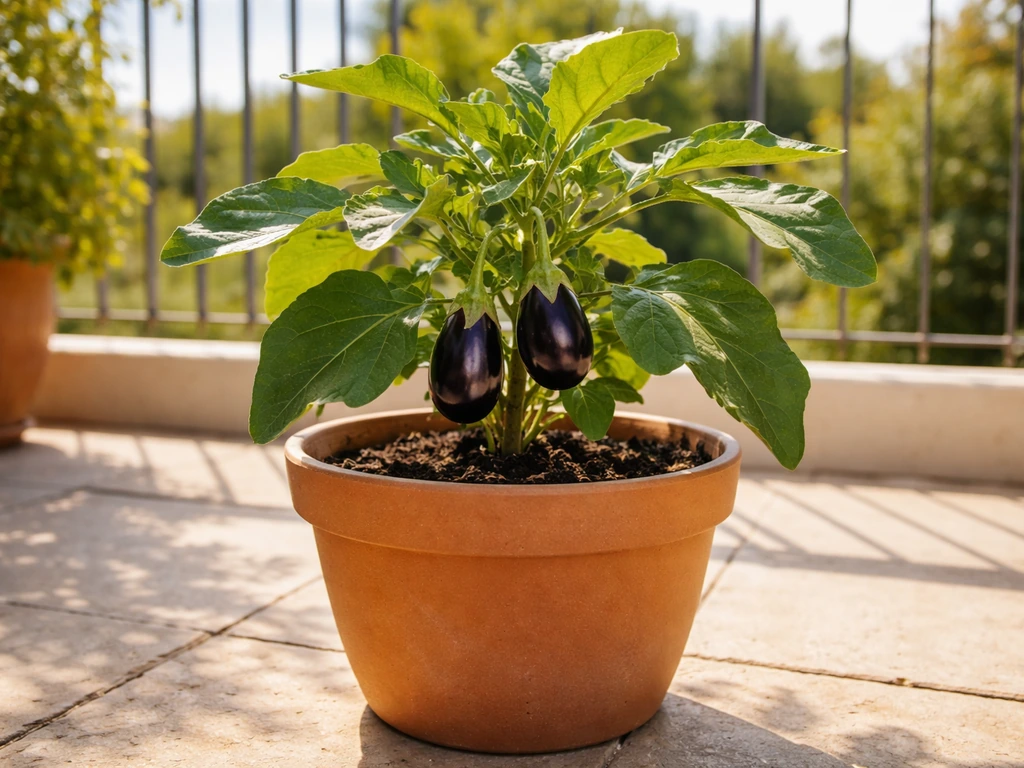
Can you grow aubergines in pots (and what to expect)
Aubergines are genuinely well suited to container growing. They have a compact enough root system that a decent-sized pot keeps them perfectly happy, and growing in a pot actually gives you a big advantage: you can move the plant to chase the sun or bring it indoors when temperatures drop. That mobility is a game changer if you're gardening on a balcony, patio, or in a cooler climate like the UK where warmth is never guaranteed.
What you should realistically expect: one plant in one pot, producing somewhere between 4 and 6 aubergines over the season. That might sound modest, but those fruits will be fresh, full-flavoured, and genuinely satisfying to grow yourself. The plants are reasonably tall (think knee to hip height depending on variety), so factor that in if you're working with limited vertical space. They're heat lovers, so the more sun and warmth you can give them, the better your harvest will be. In the UK especially, a sheltered south-facing spot or an unheated greenhouse makes a real difference.
Choosing the right pot size, variety, and location
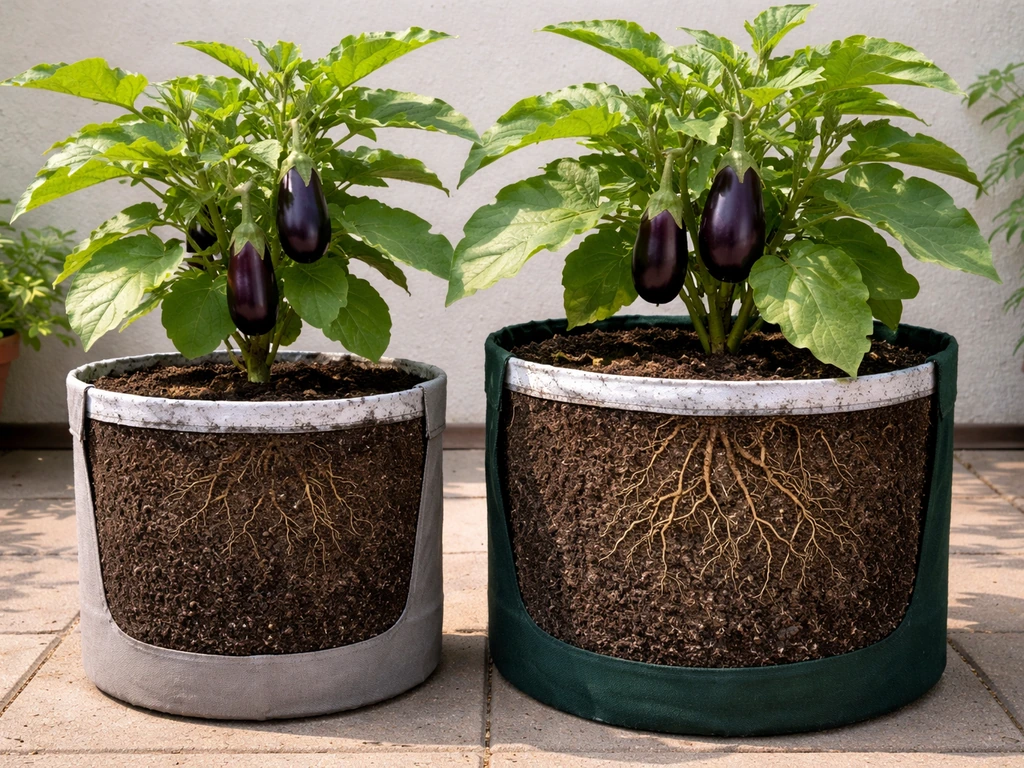
Pot size
Don't go smaller than 5 gallons (about 18 litres) per plant. That's the minimum. The roots need at least 11 to 18 inches (roughly 28 to 45 cm) of depth to establish properly, and cramping them leads to stressed plants that drop flowers instead of setting fruit. If you can go bigger, do. A 30 cm (12 inch) wide pot works, but a 35 to 40 cm wide pot gives the roots even more room to spread and holds moisture more consistently. Stick to one plant per pot no matter what size you use.
Which variety to pick
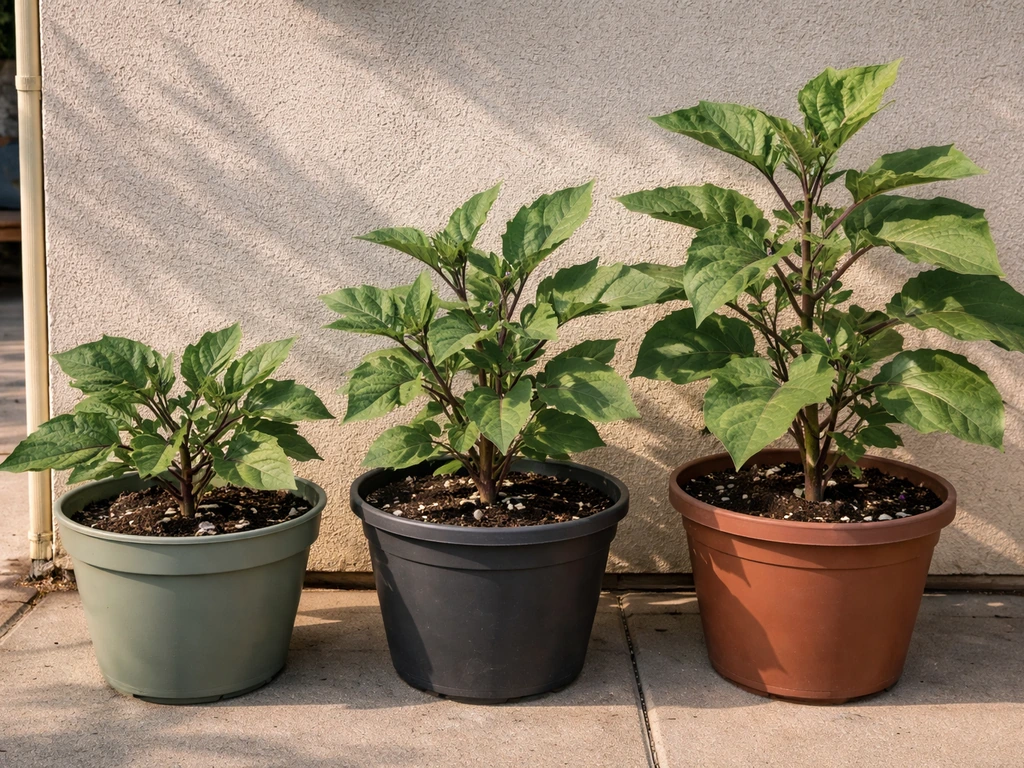
This is where container growing gets interesting. Not all aubergines are created equal for pot culture. For smaller spaces and cooler climates, you want varieties that are compact, earlier to fruit, and not reliant on a long hot season. In the UK, the RHS recommends sticking to varieties with their Award of Garden Merit (AGM), which is basically a stamp of approval for reliable performance in British conditions. Look for varieties like Dusky, Moneymaker, or the slender Ping Tung Long if you want something a bit different. If you're growing in a warmer climate or a sheltered greenhouse, you have more flexibility with larger-fruited types like Black Beauty or Florida Market.
Location
Aubergines want as much sun as possible. Aim for at least 6 to 8 hours of direct sunlight daily. A south or south-west facing wall, patio, or windowsill is ideal. In the UK, Garden Organic recommends keeping aubergines in a greenhouse or polytunnel for the most consistent results, and I'd agree with that if you have the option. If you're growing outside, put them against a warm wall to trap reflected heat. The pot itself will also warm up in the sun, which helps the roots stay at a temperature the plant enjoys.
Container-friendly compost and planting setup
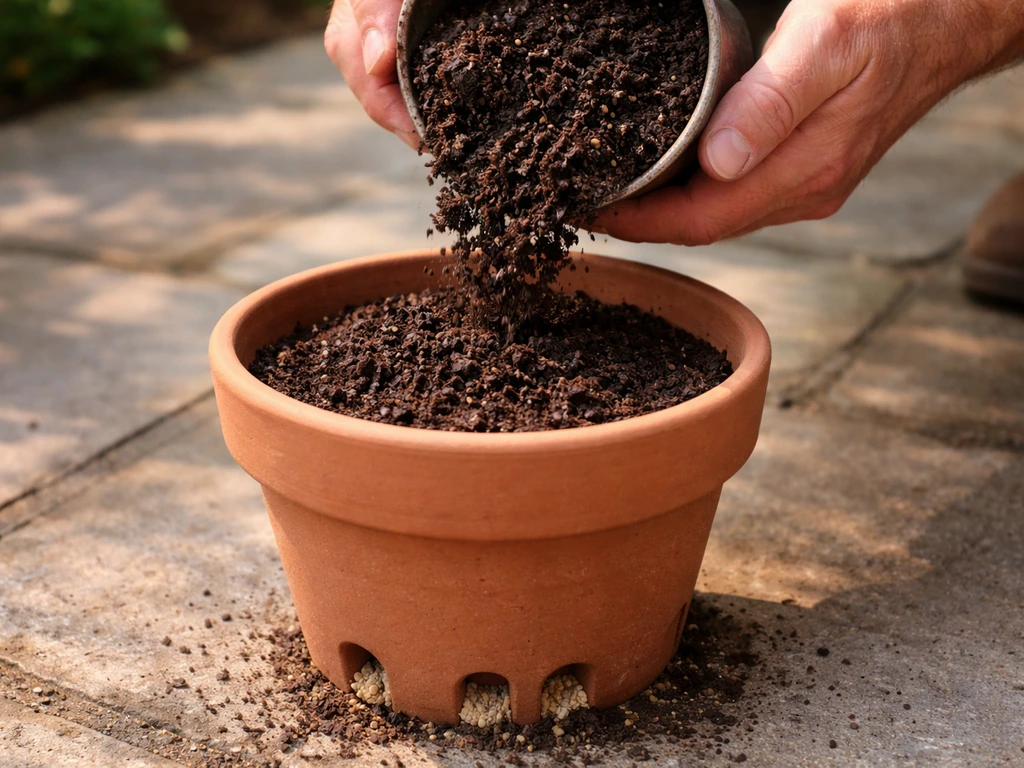
Use a good quality, peat-free potting compost as your base. Aubergines like a slightly acidic growing medium, somewhere in the pH range of 5.5 to 6.5, which most standard multipurpose potting composts sit within. If you have access to homemade garden compost, mixing a small amount into your potting compost improves moisture retention, which is helpful because containers dry out fast.
Drainage is critical. Before you add compost, make sure your pot has drainage holes at the bottom, and check they're not blocked. You can add a thin layer of crocks (broken pot pieces), pebbles, or coarse grit at the bottom to help water flow freely. Waterlogged roots cause rot fast in containers, and a soggy, airless compost is one of the most common reasons container aubergines fail. The compost should feel moist when you squeeze a handful, not wet and clumping, and definitely not dusty dry.
Sowing from seed vs buying seedlings: timing and how to plant
Starting from seed
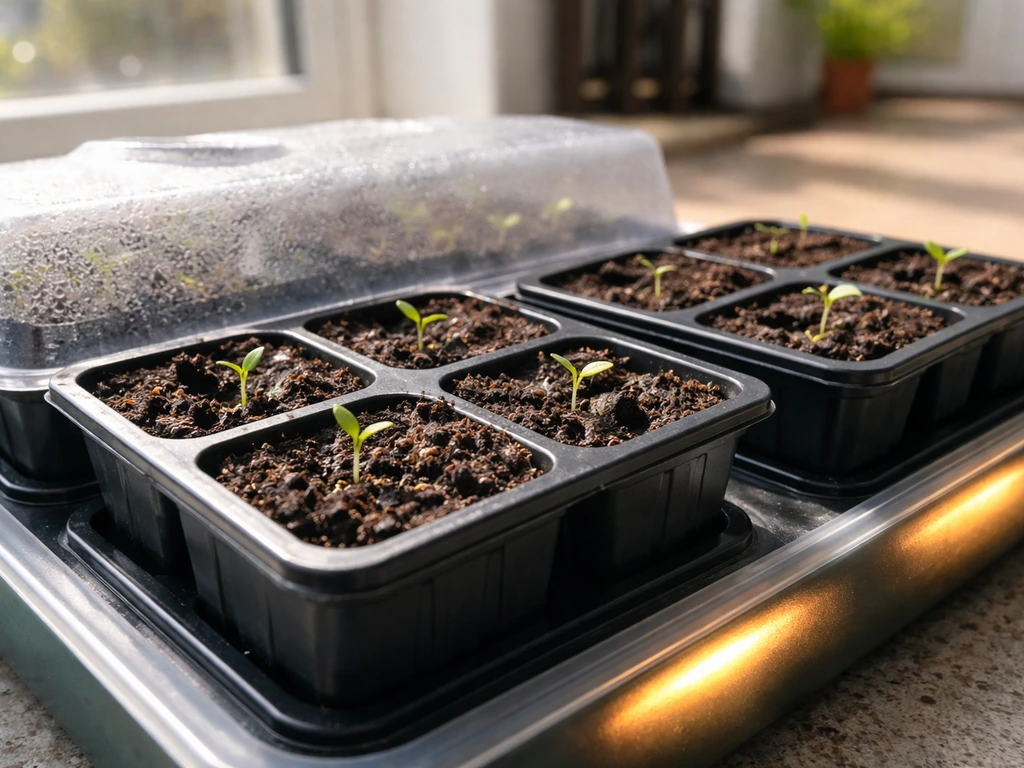
Sow aubergines indoors between February and mid-March in the UK. They need warmth to germinate well: aim for a soil temperature of around 24 to 30°C. A heated propagator is the easiest way to hit those temperatures consistently. Sow seeds about 6 mm deep in small pots or module trays filled with moist seed compost. Ajwain can be grown in pots from seeds too, but it needs a warm, sunny spot and light, well-drained compost to germinate and grow well grow ajwain in pots from seeds. Once germinated (usually within 10 to 14 days at the right temperature), move them somewhere bright and keep temperatures above 18°C. Pot them up into larger containers progressively as they grow, rather than jumping straight to the final large pot, which can lead to the compost staying too wet around young roots.
Buying young plants
If the seed sowing window has passed or you just want to skip ahead, buying young aubergine plants from a garden centre in late spring is a perfectly sensible choice. Look for stocky, healthy-looking plants rather than tall, leggy ones. Plant them into their final container from late May onwards (once frost risk is past and temperatures are reliably warmer), burying them at the same depth they were growing in their nursery pot. Don't plant out earlier than this if you're in the UK or a similar climate; a cold snap at this stage can set the plant back weeks.
Watering and feeding: the schedule that actually works
Watering
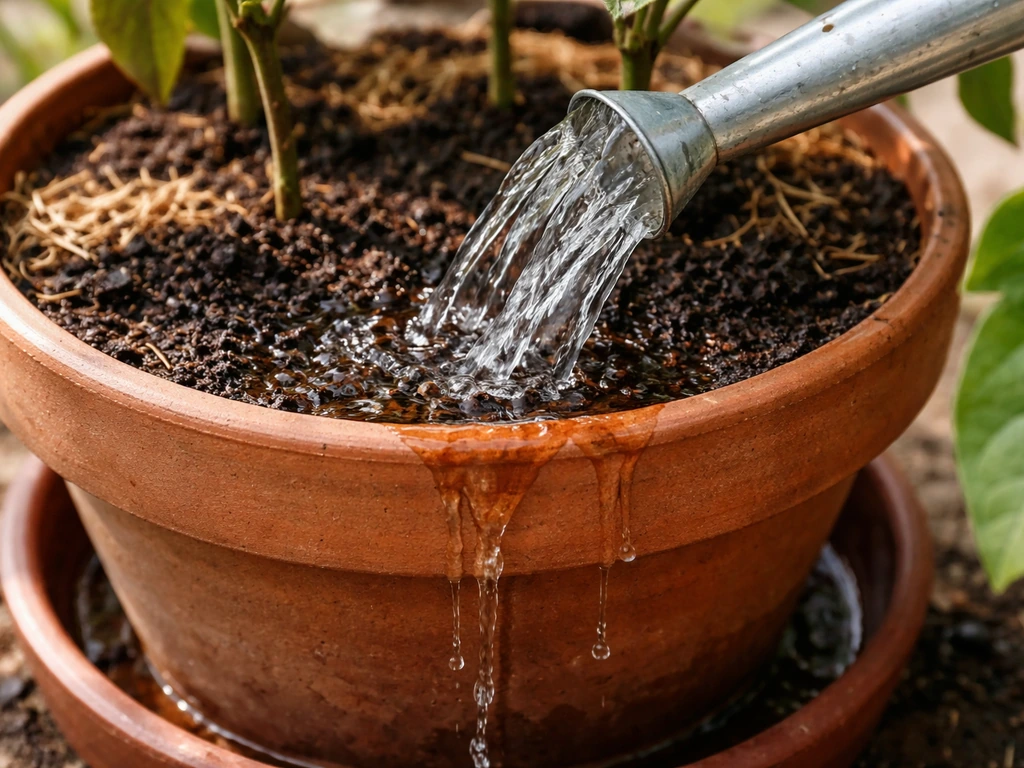
This is where container aubergines need the most attention. In hot weather, containers dry out extremely quickly, and aubergines in pots may need watering daily or even twice a day when temperatures are high. The rule I use: push your finger about an inch into the compost. If it feels dry at that depth, water thoroughly until it runs freely from the drainage holes. If it still feels moist, leave it. Never let the compost dry out completely, and never let it sit waterlogged. Both extremes cause problems: dry soil triggers blossom drop, and soggy soil rots the roots. Use tepid water if you can, especially when plants are indoors or in a greenhouse, as cold water can shock warm roots.
Feeding
For the first few weeks after potting up, a general balanced liquid feed every couple of weeks is fine, because fresh potting compost usually has enough nutrients to get plants going. Once you see the first flower buds forming, switch to a high-potash liquid feed, a tomato fertiliser works perfectly here, and apply it weekly. The extra potassium supports flower development, fruit set, and overall fruit quality. If you prefer an organic approach, comfrey liquid feed (made by steeping comfrey leaves in water) is an excellent natural source of potassium and works brilliantly from flowering onwards. Keep feeding consistently through the whole fruiting period.
Light, temperature, pollination, and keeping growth in check
Aubergines need daytime temperatures consistently above 20°C and nights no cooler than around 15°C to flower and set fruit well. Below that, they sulk, flower drop increases, and fruiting slows right down. If you're growing in a greenhouse or polytunnel, open vents and doors on warm days to allow air movement and any passing insects to get in, even though aubergine flowers are self-pollinating (they can fertilise themselves without bees). In still, enclosed conditions, gently shaking the plants occasionally when in flower can help pollen move and improve fruit set. Misting the leaves with tepid water twice a day also helps: it raises humidity, deters red spider mites, and supports fruiting.
To get the best sized fruits rather than a lot of small ones, pinch out the growing tip of the main stem once the plant has 5 or 6 fruits setting. This directs the plant's energy into those fruits rather than producing more flowers. Limiting each plant to 5 or 6 fruits gives you noticeably better size and flavour than letting it go unchecked.
Common problems and how to sort them
| Problem | What causes it | What to do |
|---|---|---|
| Blossom drop (flowers fall off) | Temperature too high or low, inconsistent watering, or low light | Improve watering consistency, protect from cold nights, move to a warmer spot |
| Red spider mites | Hot, dry conditions, especially in greenhouses | Mist leaves twice daily with tepid water, increase humidity, use biological control if severe |
| Aphids | Mainly greenfly or black aphids clustering on new growth | Squish by hand or blast off with water; use insecticidal soap spray if the infestation is heavy |
| Whitefly | Common under cover, clusters on underside of leaves | Yellow sticky traps, introduce Encarsia formosa (biological control), or use an appropriate spray |
| Damping off (seedlings collapsing) | Fungal disease triggered by overwatering and poor air circulation | Don't overwater seedlings, use clean pots and fresh compost, ensure good ventilation |
| Leggy/pale growth | Not enough light or too much nitrogen feed | Move to a brighter spot, switch from high-nitrogen to high-potash feed once flowering begins |
| Yellowing leaves | Nutrient deficiency or overwatering | Check drainage, review feeding schedule, apply a balanced liquid feed if yellowing is widespread |
The most common issue I see with beginners is inconsistent watering combined with cold nights. If your flowers are dropping before setting fruit, those two factors are almost always to blame. Check the temperature at night, and get into a daily watering habit during summer rather than guessing.
Harvesting, storing, and wrapping up the season
When and how to harvest
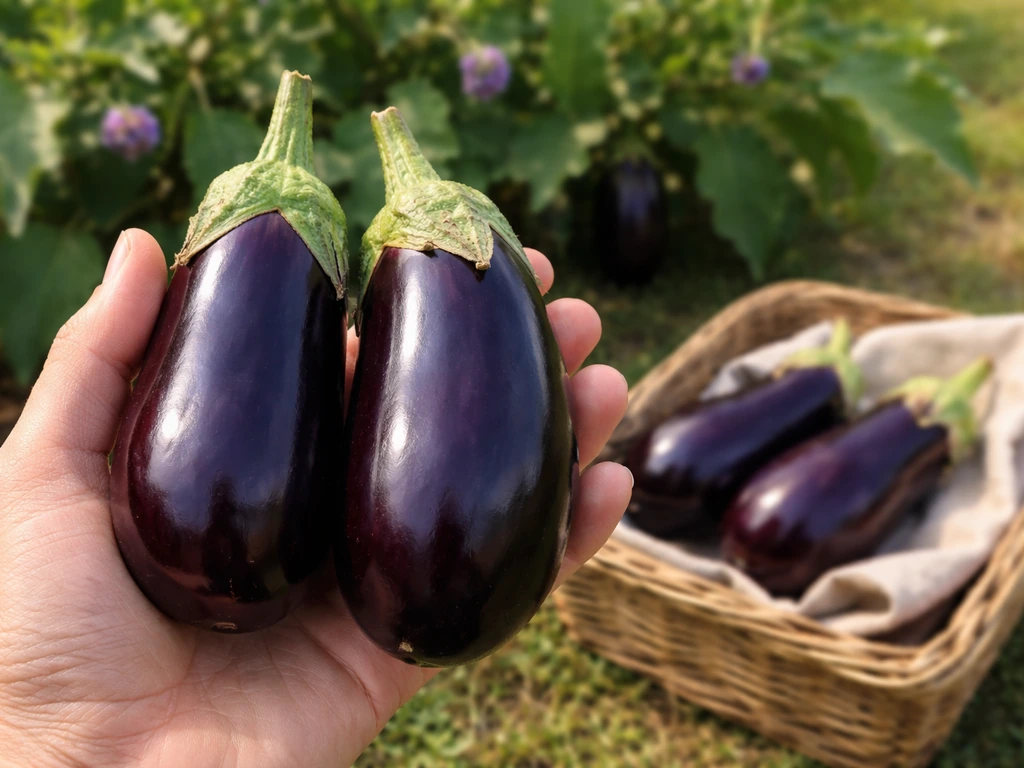
The single most reliable harvest cue is skin shine. When your aubergine is ready, the skin should be glossy, taut, and well-coloured (deep purple, white, or striped depending on variety). Press it gently: it should feel firm but give slightly. If the skin has gone dull and matte, blank" rel="noopener noreferrer">the fruit is overripe and will likely taste bitter inside, so don't leave them on the plant too long. Harvest using a sharp knife or secateurs, cutting the stem about 2 cm above the fruit. Don't pull or twist, as you can damage the plant. Picking regularly encourages the plant to put energy into any remaining fruits.
Storing your harvest
Freshly picked aubergines keep for about a week at room temperature or slightly longer in the fridge. They don't love very cold storage, so if you have a cool pantry, that's often better than the fridge for short-term keeping. Aubergines don't freeze well raw, but they freeze fine once cooked (roasted, grilled, or made into dishes like ratatouille or baba ganoush).
End of season
Once temperatures start dropping in autumn and flowering has stopped, your aubergine plant is done for the season. Aubergines are perennials in their native warm climates, but in the UK and similar temperate zones they're effectively grown as annuals because they can't survive frost. Once cropping is finished, clear the plant, empty the pot, and refresh the compost before next season. Don't try to overwinter the plant outdoors. If you have a heated greenhouse and want to experiment with keeping a plant going, you can try it, but most gardeners find it easier to start fresh from seed or young plants each year. That's not a failure, it's just how container aubergine growing works, and next season you'll have the experience to do it even better.
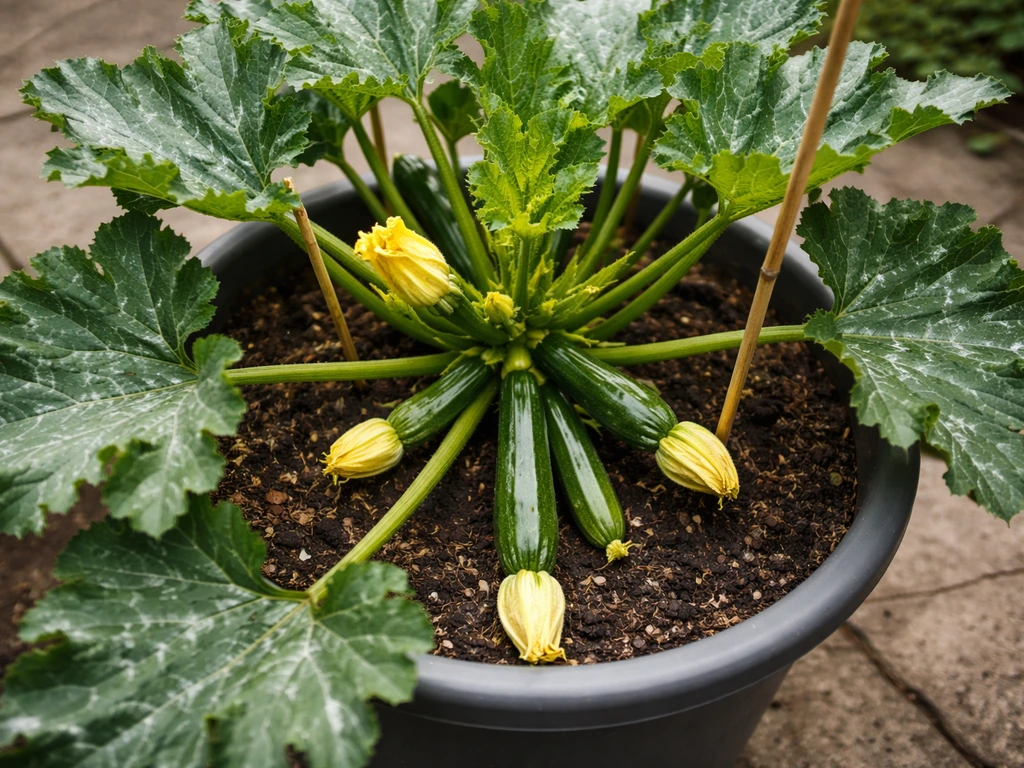
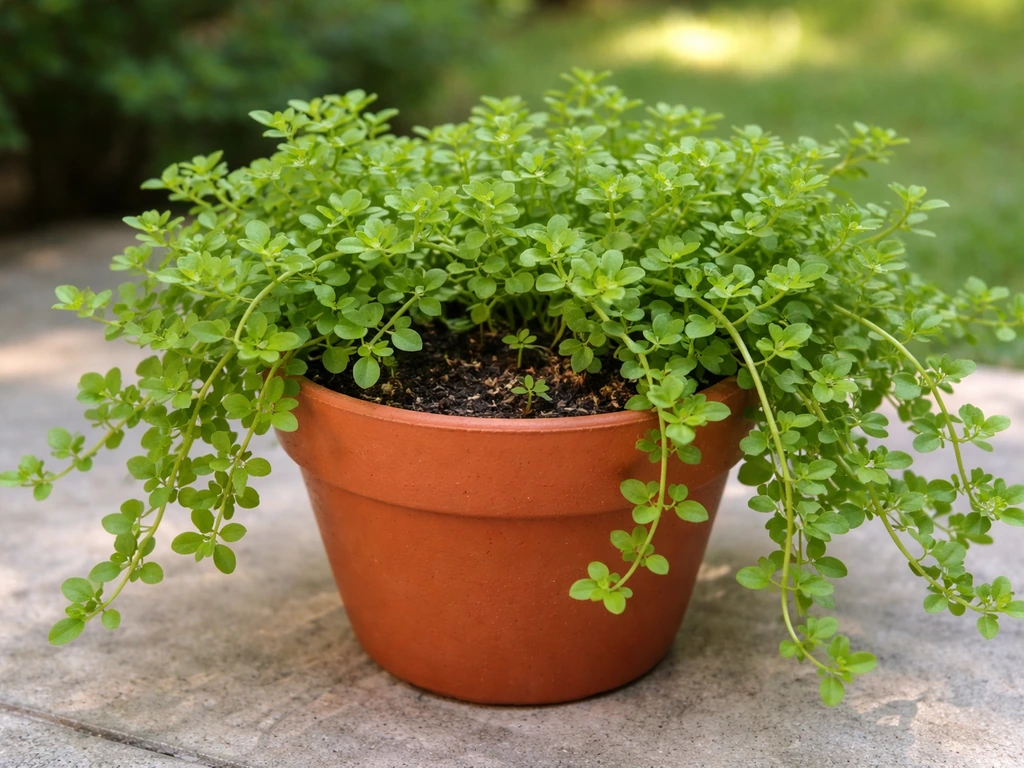
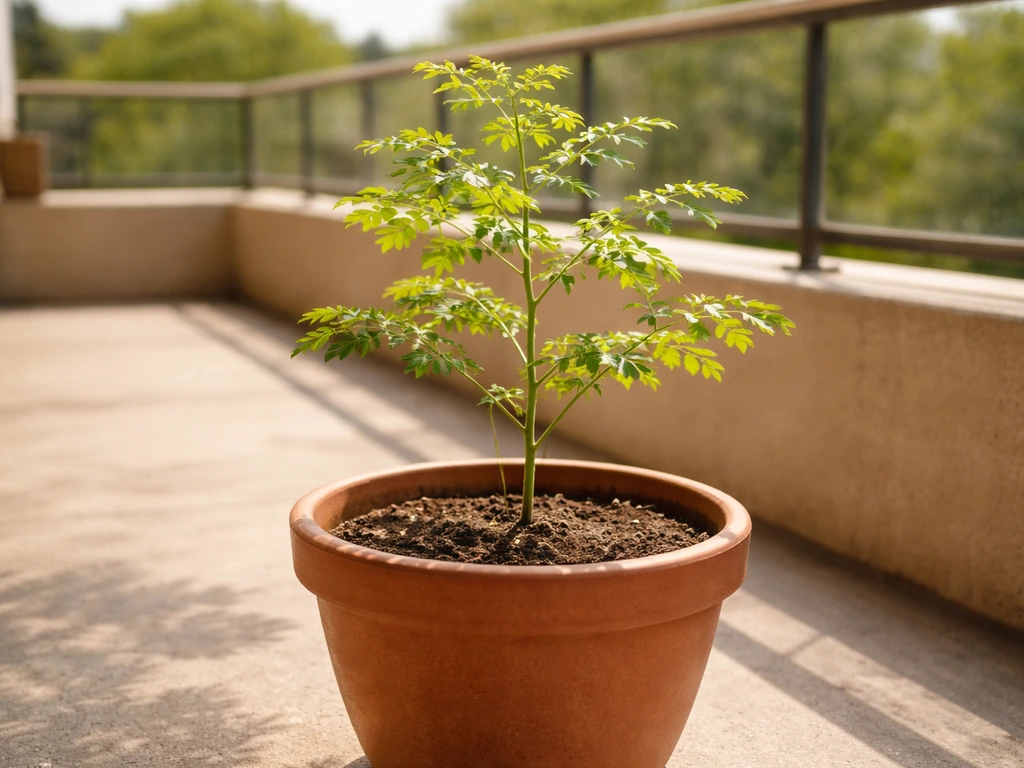
If you enjoyed growing aubergines in pots, it's worth exploring other fruiting vegetables that thrive in containers. You can use the same container principles to learn how to grow brahmi plant in pot, focusing on the right soil, warmth, and consistent moisture growing aubergines in pots. If you want a parallel guide, the same container mindset works for moringa too, so you can follow our tips on how to grow moringa in pots other fruiting vegetables. Courgettes are another rewarding option that can be started from seed in a similar way, and if you're interested in growing aubergines under the name brinjal (as they're known in South Asia and parts of Africa), the container principles are exactly the same. If you want to grow mogra plant in pot, focus on the right container size, strong light, and consistent moisture so it settles in and thrives. If you want the full process, see how to grow courgettes in pots from seed, including sowing and timing for the best harvest Courgettes are another rewarding option. If you’re looking specifically for how to grow brinjal in pot, the same container basics like pot size, warmth, watering, and feeding will guide you brinjal (as they're known in South Asia and parts of Africa).
FAQ
How do I know when to water aubergines in pots if the surface looks dry but the root zone might still be wet?
Aim for a loose, even moisture level, water until you see some run-off, then wait until the compost feels dry at about 2 to 3 cm down. Avoid topping up tiny amounts, because salts and uneven wetting can build in the pot and lead to flower drop.
What’s the best watering routine during cool or unpredictable weather?
Use tepid water and try to water in the morning. If nights are cool, skip heavy watering late in the day, because the pot stays damp longer and increases the chance of root stress and problems like blossom drop.
Can I keep my pot in a saucer or cachepot to catch excess water?
Yes, and it helps prevent soggy compost. If you use a cachepot or saucer, empty it after watering, or use a drip tray that you can remove from under the pot during the day. Leaving the pot sitting in runoff is a common container mistake.
Do aubergines in pots need help with pollination?
Don’t rely only on self-pollination. In still greenhouse conditions, gently shake the plant when flowers are open, and if days are very cool, lightly hand-pollinate by brushing the flower center with a soft paintbrush to improve fruit set.
My aubergine is growing lots of leaves, but it won’t fruit. What should I adjust?
Most beginners overdo nitrogen. Once you see flowers, reduce any extra leafy growth focus and switch to a high-potash feed, ideally weekly. Too much nitrogen can lead to tall plants with lots of leaves and few fruits.
Why are my aubergine flowers dropping before setting fruit?
That usually points to temperature issues, uneven watering, or weak feeding timing. Check night temperatures first, then make sure watering is consistent, and switch to high-potash feed once buds form.
When is the safest time to pot up seedlings into a larger container, and how do I minimize transplant shock?
Repot only when the plant is actively growing and avoid doing it while it is stressed (heatwave or cold snap). If you must pot up, handle the root ball gently, keep the same depth as before, and water in thoroughly.
What are the signs my pot size is too small for growing aubergines in containers?
A pot that is too narrow or underfilled causes quick drying and root crowding. Stick to one plant per pot, use the larger size you can manage, and consider insulating the pot base with bubble wrap or horticultural fleece in cool spells.
Can I mulch aubergines in pots to reduce watering, and will it help or cause problems?
Yes, but keep it light and remove it for brief periods on mild days so you do not trap excessive humidity. In humid conditions, airflow matters, so don’t cover all sides tightly around the foliage.
What pests should I watch for on potted aubergines, and what’s the best first response?
If you see pests, act early. Inspect under leaves weekly, hose off mild infestations, and treat promptly rather than waiting for major damage. In containers, red spider mite outbreaks often worsen in hot, dry weather, so consistent moisture around the pot and occasional misting can help.
How do I harvest aubergines for the best flavor, and what happens if I leave them too long?
If the fruit skin is dull, the flesh can turn bitter, and seeds get more developed. For best flavor, harvest when the skin is glossy and the fruit feels firm, then pick regularly to keep energy directed to the remaining fruits.
Can I store harvested aubergines longer than a week, and what’s the safest way to freeze them?
Aubergines do not handle long cold storage well, but you can extend eating time by storing in a ventilated bag in the fridge crisper if needed. For longer storage, cook first and freeze the prepared dishes, not the raw fruit.