Yes, you can absolutely grow courgettes in pots from seed, and they do surprisingly well in containers if you give them enough space and water. If you want the same kind of container success, learn how to grow ajwain in pots from seeds using similar potting and watering basics. One healthy plant in a large pot can produce around 3 to 4 courgettes per week during a good summer, which is more than enough for most households.
How to Grow Courgettes in Pots From Seed: Step-by-Step
Marcus Whitley
6 Jun 2026
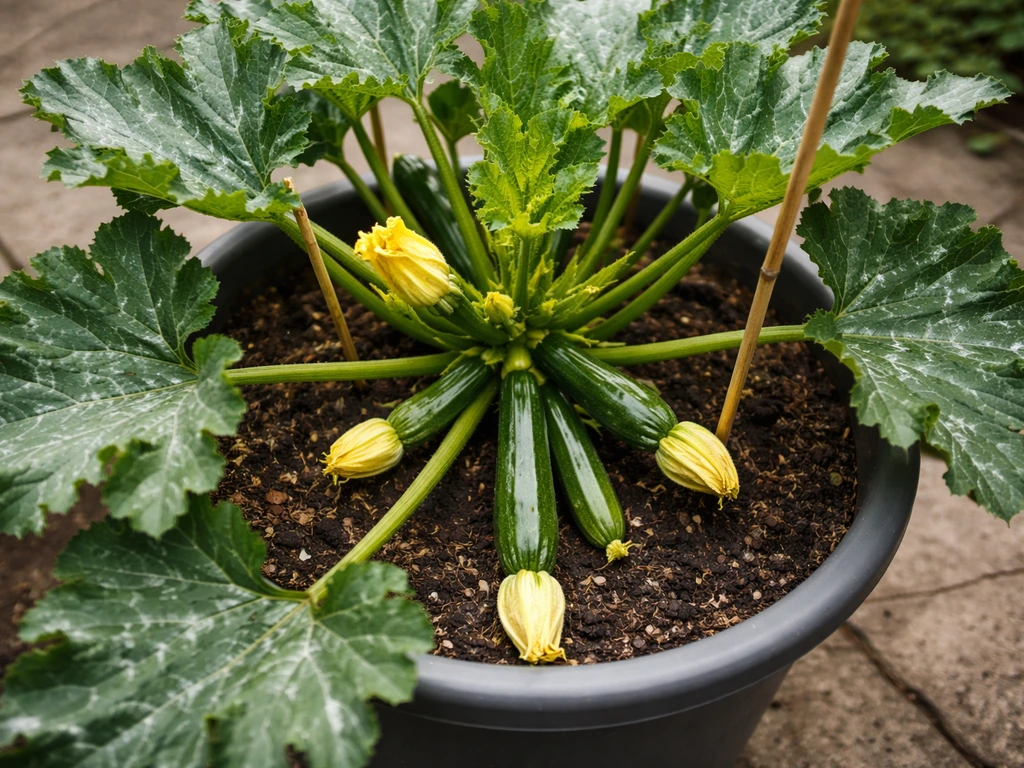
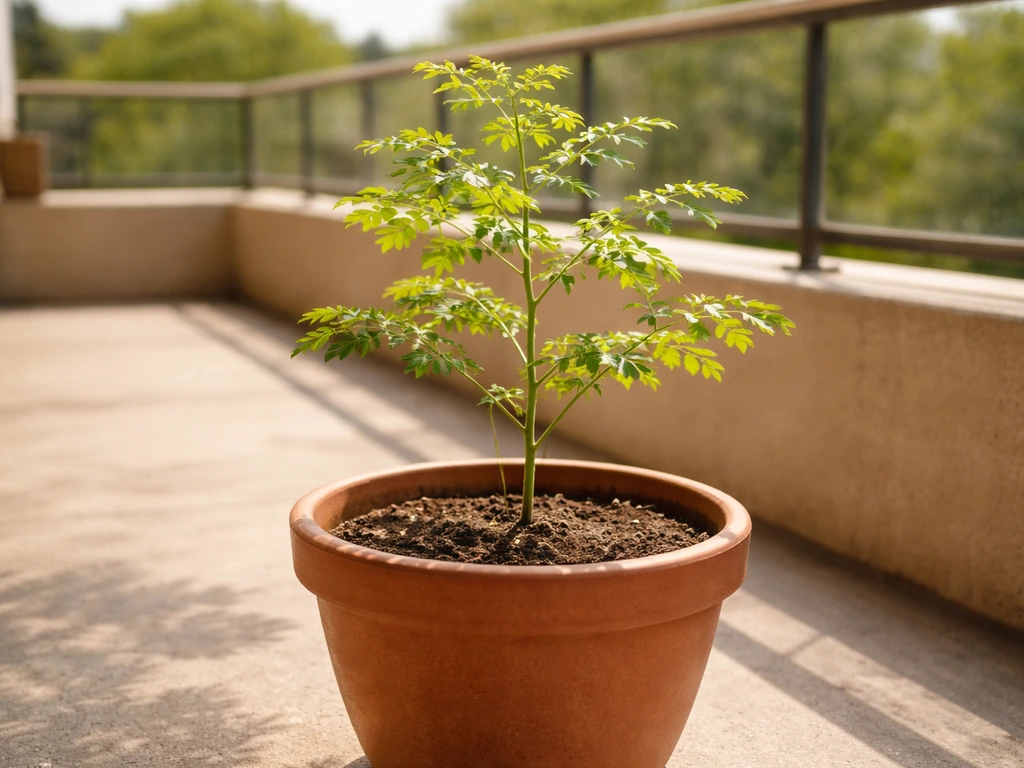
The key things to get right are pot size (bigger than you think), a quality potting mix, consistent watering, and a warm enough spot. For brahmi, choose a warm spot and keep the pot consistently moist so the plant establishes well a warm enough spot. If you also want to try something similar in container gardening, check out how to grow moringa in pots for a fast, compact tree option bigger than you think.
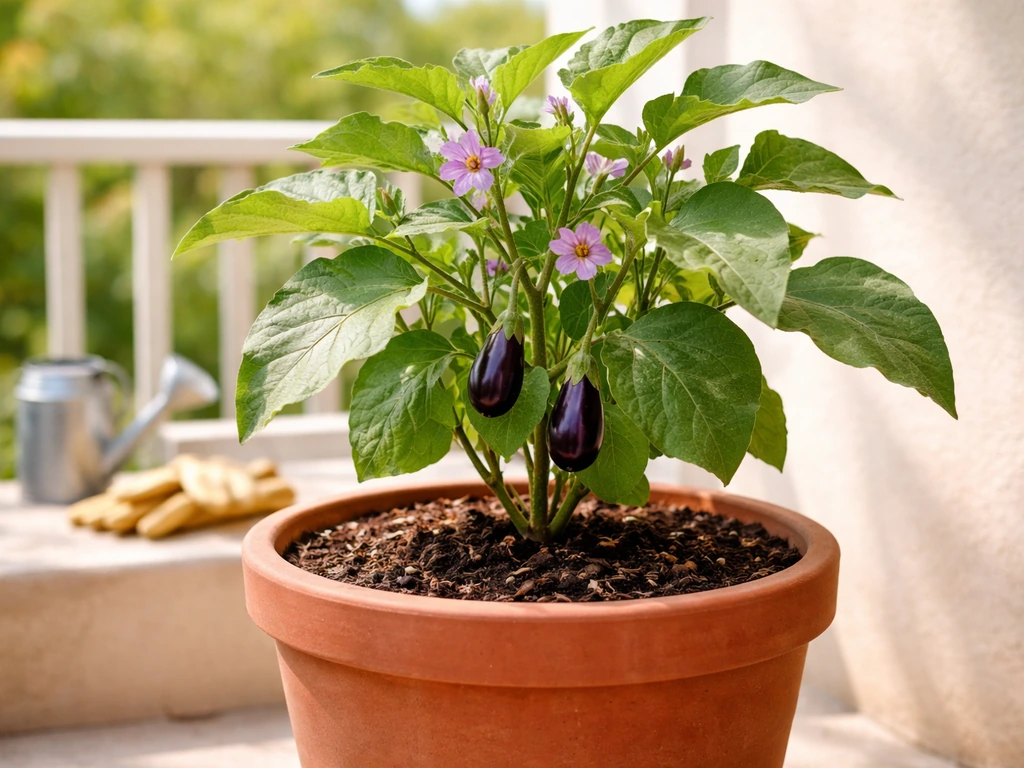
Get those four things sorted and courgettes are one of the most rewarding crops you can grow in a container. If you want the same container approach for eggplants, this guide on how to grow aubergines in pots will help you match the pot size, feeding, and warmth they need. If you are growing a different crop instead, this guide on how to grow moringa in pots covers the right container and care for success.
Can courgettes really thrive in pots?
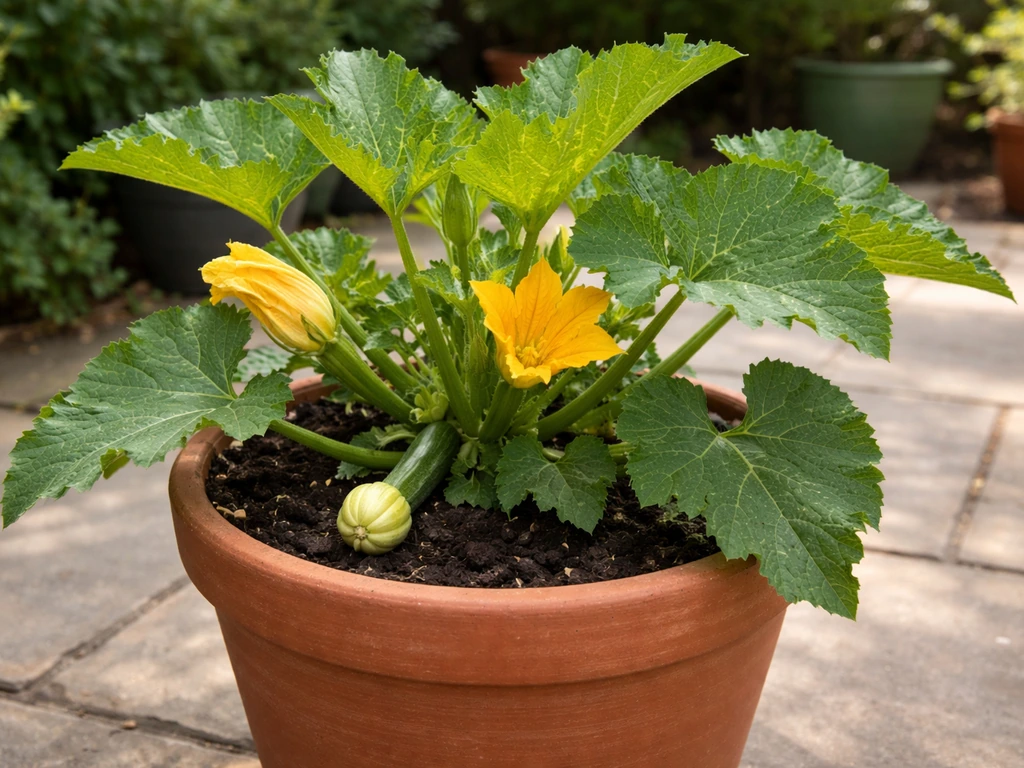
Courgettes are big, thirsty, hungry plants. In the ground they spread freely and pull whatever they need from the soil. In a pot, you are in control of everything they eat and drink, which sounds like a lot of work but actually makes them quite manageable once you get into a routine. The honest truth is that a courgette in a pot will never be quite as effortless as one in a well-prepared garden bed, but for balcony growers, urban gardeners, or anyone with only a patio or courtyard, it is absolutely a viable and rewarding option.
What you should expect: a single plant will produce fruit steadily from midsummer until the first frost. The RHS puts that at roughly 3 to 4 fruits per week in good conditions, which is genuinely impressive from one pot. The plant itself will be large and bushy, so plan for it to take up real space. Think of it like a small shrub that also produces food.
Picking the right pot, location, and container setup
Pot size is where most people go wrong. Courgettes have big root systems and dry out fast in anything too small. The minimum I would recommend is 20 litres (about 4 gallons), but honestly, 30 to 50 litres (6 to 10 gallons) is where the plant will really perform. As a rough physical guide, aim for a container at least 50 cm deep and 50 cm across. A large plastic storage trug, a half-barrel planter, or a dedicated 40-litre fabric grow bag all work well. Avoid terracotta for courgettes if you can: it dries out too fast and you will be watering constantly.
Drainage is non-negotiable. Make sure your container has several holes in the base. If it does not, drill some. Courgettes hate sitting in waterlogged compost and will develop root rot fast if water cannot escape freely. Raising the pot slightly off the ground on pot feet or bricks helps drainage and also stops pests from crawling up from below.
Location matters as much as the pot itself. Once you have the right spot, you can follow the same container approach to learn how to grow mogra plant in pot successfully Location matters as much as the pot itself.. Courgettes want full sun: at least 6 hours of direct sunlight per day, and more is better. A south- or west-facing patio, balcony, or windowsill ledge is ideal. They also need shelter from strong winds, which can damage the big leaves and dry the plant out even faster. If your only outdoor space is exposed and breezy, position the pot in a corner or near a wall for some protection.
Getting the soil mix right
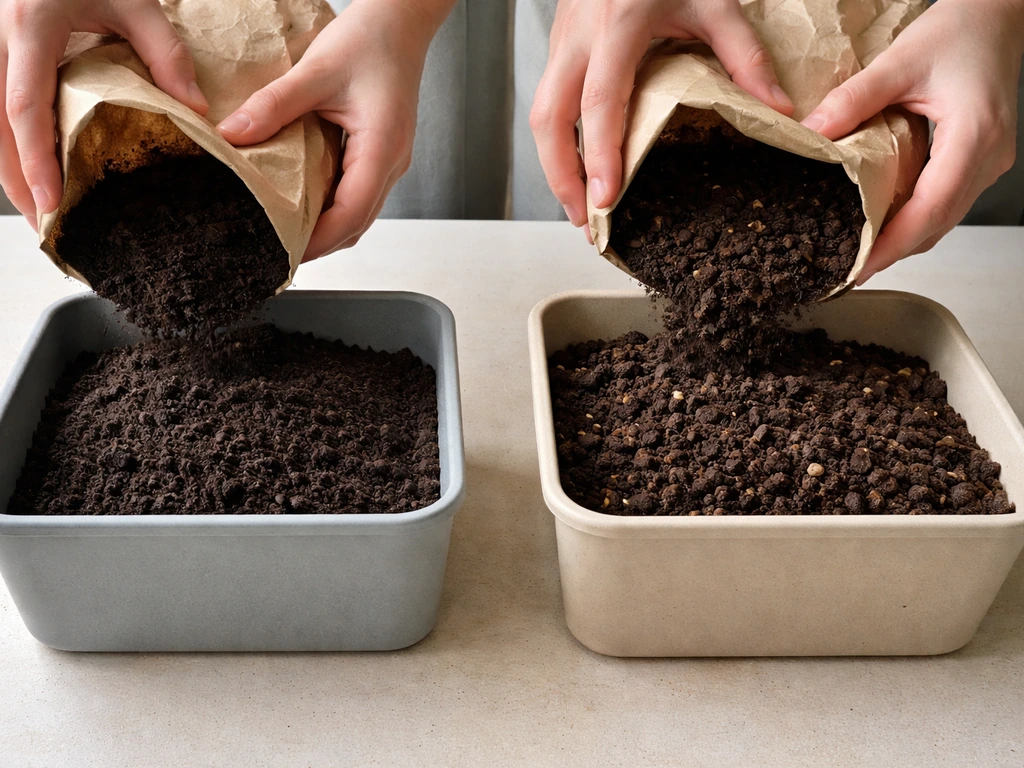
For sowing seeds, use a peat-free seed compost. This is specifically designed to give seeds the right balance of moisture and air and tends to give much more reliable germination than homemade compost or general-purpose mixes. The RHS points out that peat-free seed composts outperform homemade compost for germination, and in my experience that holds true. Do not use garden soil in seed trays or small pots at all. Garden soil compacts badly in containers, drains poorly, and can carry pathogens that cause damping off, a fungal problem that kills seedlings at soil level almost overnight.
Once you are potting the plant into its final large container, switch to a good quality peat-free multipurpose compost. You can mix in some slow-release granular fertiliser at this stage to give the plant a steady nutrient base for the first few weeks. Some gardeners add a handful of perlite or horticultural grit to improve drainage, which is worth doing if your compost feels very dense. Fill the pot to within about 5 cm of the top to leave room for watering without it all spilling over the sides.
Sowing courgette seeds: timing, depth, and germination
Timing is everything with courgettes. Sow too early and you will have a large plant with nowhere warm to go outside yet. The right window in the UK is mid-April to late May for indoor sowing, or late May to early June if sowing directly outdoors once the risk of frost has passed. Today being early June 2026, you are right at the edge of that window but still have time to get seeds going, especially if you are willing to start them indoors on a warm windowsill.
Sow each seed on its side, about 13 mm (half an inch) deep, into a 7.5 cm (3 inch) pot or a modular seed tray filled with moist peat-free seed compost. Sowing on its side helps prevent water sitting on the flat face of the seed and potentially rotting it before it germinates. One seed per pot or module is plenty. Place the pots somewhere warm: a propagator set to around 20 to 25 degrees Celsius is ideal, but a warm windowsill above a radiator works too. Germination usually takes 5 to 10 days. Once seedlings emerge, remove any propagator lid and give them as much light as possible.
Covering each pot with a cloche or a piece of horticultural fleece after sowing helps retain heat and moisture while the seed is germinating. Leave it in place for as long as possible after the seedling appears, at least until it outgrows the cover. This gives the young plant a slightly warmer, more sheltered microclimate in those vulnerable early days.
Caring for seedlings and moving them to their final pot
The biggest seedling killer after damping off is weak, low light. Courgette seedlings need strong light from the moment they germinate, ideally 12 to 16 hours a day if you are using a grow light, or as close to a bright south-facing window as possible if you are relying on natural light.
If you want the same container success with aubergines, the key is choosing the right pot size and keeping the compost evenly moist how to grow aubergines in pots. A seedling grown in poor light becomes tall, floppy, and weak before it has even left the seed tray. Rotate the pot every day or two if it is on a windowsill so the seedling does not lean hard towards the light.
Since you are sowing one seed per pot, there is no thinning involved at this stage. Just grow each seedling on in its individual pot until it has developed two or three true leaves (not the first pair of seed leaves, but the proper courgette-shaped leaves that follow). At that point it is ready to move to its final container.
Before moving it outside permanently, harden it off over about a week to 10 days. This means putting the plant outside in a sheltered spot for a few hours each day, gradually increasing the time. It acclimatises the plant to outdoor temperatures, wind, and direct sunlight without shocking it. Skipping this step often results in wilted, scorched plants that take weeks to recover, which I have learned the hard way.
Plant one courgette into the centre of your large container. If you want the same container approach but with brinjal, the basics of choosing a large pot, warm sunny placement, and consistent feeding still apply courgette. Just one. I know it is tempting to squeeze two in, but courgettes are enormous plants and two in one pot will compete for water and nutrients and both underperform. One plant, one big pot is the rule.
Watering, feeding, and light through the growing season
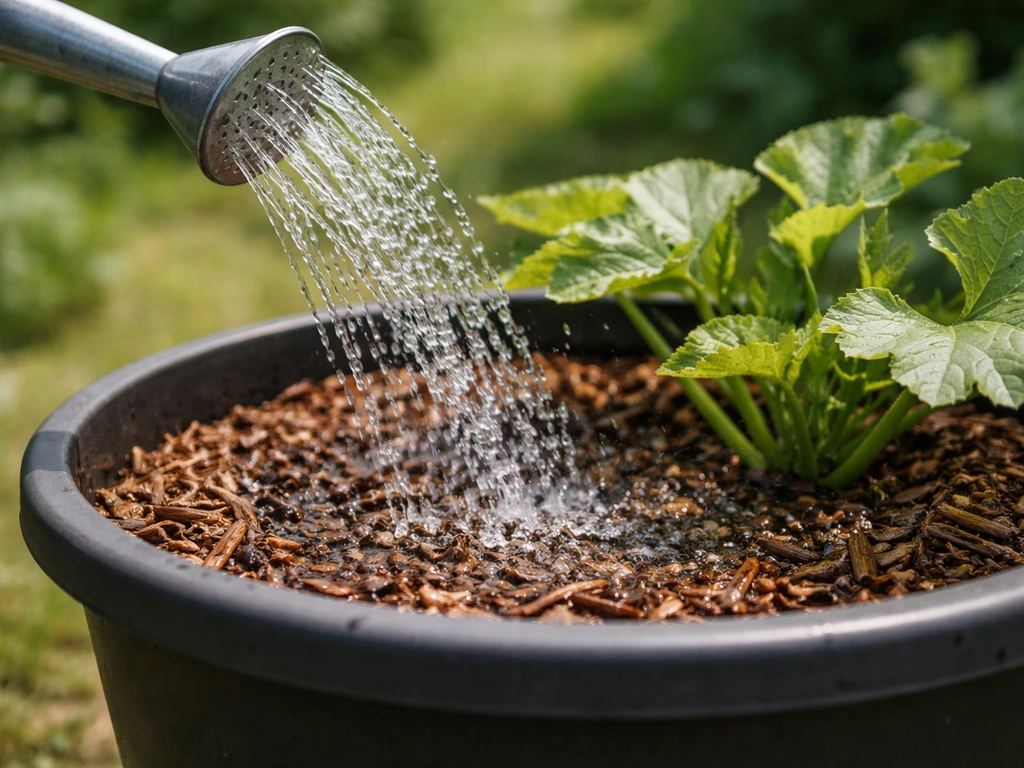
Courgettes in pots are thirsty. In summer you may need to water once, or even twice, a day. That is not an exaggeration. Container plants cannot draw on reserves in the surrounding soil, so every drop they get must come from you. The best way to check is to push your finger about 2 cm into the compost: if it feels dry at that depth, water it. If it still feels damp, leave it another few hours. Always water at the base of the plant rather than over the leaves, which helps prevent fungal problems.
Putting a layer of mulch on top of the compost, such as wood chips or straw, slows evaporation and reduces how often you need to water. It also keeps the root zone cooler on very hot days. It is a small thing but genuinely useful on a hot balcony or patio.
For feeding, courgettes are hungry plants and will need regular liquid feeding once they are in their final pot. Start feeding with a balanced liquid fertiliser (one with equal parts nitrogen, phosphorus, and potassium) from about two weeks after potting. Once the plant starts flowering, switch to a high-potassium feed such as a tomato fertiliser, applied weekly. This encourages fruiting rather than just leafy growth. Without regular feeding in a pot, your plant will start well and then stall.
A rough seasonal care calendar
| When | What to do |
|---|---|
| Mid-April to late May | Sow seeds indoors, 13 mm deep, in small pots on a warm windowsill or in a propagator |
| May to early June | Grow seedlings on in strong light; harden off before moving outside |
| Late May to June | Transplant into final large container (30 to 50 litres) outside once frost risk has passed |
| June to July | Water frequently, begin weekly liquid feeding; watch for first flowers appearing |
| July to September | Hand-pollinate if needed, harvest fruits regularly, continue feeding and watering |
| September to first frost | Production slows; continue harvesting until plant dies back with cold weather |
Flowers, pollination, and getting actual courgettes
Courgettes produce two types of flowers on the same plant: male and female. The male flowers appear first, usually a week or two before the females. You can tell them apart easily: female flowers have a tiny, miniature courgette at their base before they even open, while male flowers sit on a plain thin stem with nothing behind the petals. Only the female flowers develop into fruit, but they need pollen from a male flower to do so.
In a garden with lots of bees, pollination usually happens naturally. On a balcony or in a courtyard with fewer pollinators, you might need to give it a hand. It is simple: pick a fully open male flower in the morning when both flowers are open, peel back the petals to expose the pollen-covered centre, and dab it gently against the centre of an open female flower. Do this once per female flower and you should see the tiny courgette at the base start swelling within a couple of days. If you notice lots of female flowers appearing but the small courgette behind them yellows and drops off without swelling, poor pollination is almost always the cause.
Harvest courgettes when they are about 10 to 15 cm long. This is when they taste best and it also encourages the plant to keep producing. Left to grow large, they divert the plant's energy into that one fruit, slowing down the whole harvest. Check the plant every day or two in peak season because courgettes go from perfect to oversized marrow very quickly.
Common container problems and how to fix them
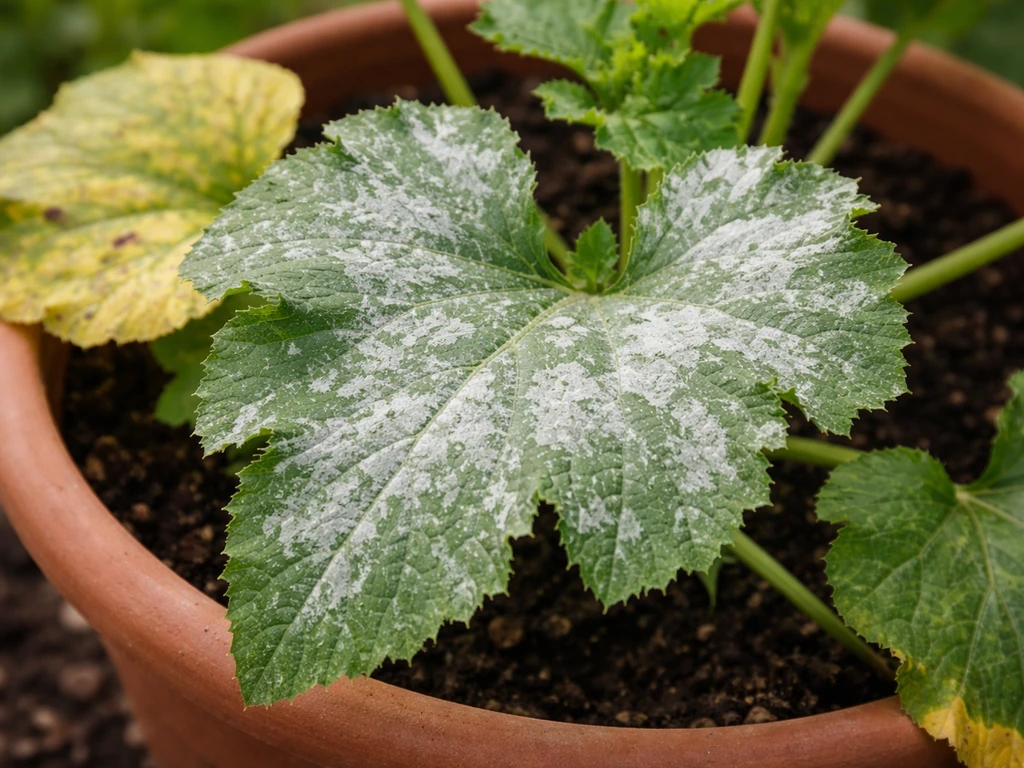
Powdery mildew is the most common problem you will encounter, especially later in the season. It looks like a white dusty coating on the leaves. It is caused by a combination of warm dry conditions and poor air circulation, which is more likely in a tight patio or balcony setup. You cannot always avoid it entirely, but you can slow it down by making sure the plant has space around it, watering at the base rather than over leaves, and not letting the leaves stay wet overnight. If mildew appears, remove the worst-affected leaves to improve airflow and slow the spread.
- Yellowing leaves: usually a sign of overwatering or nutrient deficiency. Check that drainage is working and start liquid feeding if you have not already.
- Plant wilting despite wet compost: could be root rot from poor drainage. Check the pot base and ensure water can escape freely.
- Lots of flowers but no fruit: likely a pollination issue or the plant is only producing male flowers. Wait a week or two for females to appear, then hand-pollinate.
- Seedlings collapsing at soil level (damping off): caused by using non-sterile compost or overwatering. Always use fresh seed compost and do not let trays sit in standing water.
- Slow growth after transplanting: plant may be in shock or not getting enough sun. Give it a week to settle, make sure it is in the sunniest spot available, and hold off on heavy feeding until it perks up.
- Fruits turning yellow and dropping off: this is almost always failed pollination. Hand-pollinate the next open female flower as soon as you see one.
One more thing worth knowing: courgettes in containers are more susceptible to problems than those in open ground simply because the environment is more controlled and sometimes more extreme, hotter compost, faster drying, less room for roots to escape stress. But that also means when things go wrong, the fix is usually straightforward. Adjust the watering, move the pot to better light, feed more regularly, and the plant usually bounces back quickly. Do not be discouraged by early hiccups. The first time you slice into a courgette you grew yourself from a seed in a pot on your balcony, it genuinely feels like a win.
FAQ
How do I know if my pot is too small for courgettes grown from seed?
Start with 30 to 50 litres and full sun (6 hours minimum). If your plant still looks stunted, add a 2 to 3 cm mulch layer and switch to weekly high-potassium feed once flowering begins, then check moisture by pushing a finger 2 cm down before watering again.
Can I start courgette seeds earlier than mid-April if I grow them in pots?
Courgettes usually need a warmer start, then they tolerate outdoor temperatures if nights are reliably above frost risk. If you have cold nights, keep the seedlings on a warm windowsill until they have 2 to 3 true leaves, then transplant to the large pot and harden off gradually in a sheltered spot.
Should I move seedlings straight into their final large pot, or pot up from smaller containers?
Yes, but do it in stages. Sow into small modules, then pot up into the final container once the seedlings have true leaves, and avoid leaving them longer in small cells because roots can become pot-bound quickly in courgettes.
How often should I water courgettes in pots, and what watering pattern is best?
Water at the base until excess drains from the holes, then wait until the top is drying while the compost 2 cm down feels dry. A common mistake is frequent light watering, which keeps the surface wet but leaves the root zone uneven.
What should I do if my potted courgette wilts but the compost still seems damp?
Try to keep the compost evenly moist, not constantly wet. If you see sudden wilting despite moist surface, check drainage and lift the pot slightly to confirm it is not sitting in runoff, then reduce watering and remove any water-holding saucer under the pot.
Can I use garden soil or compost I already have instead of peat-free potting mix?
Use a peat-free multipurpose compost for potting up, not general-purpose garden soil. Also ensure the mix is not overly dense, if it feels clay-like add perlite or horticultural grit to improve drainage and oxygen around the roots.
Why are my courgette flowers turning yellow and dropping without forming fruit?
Female flowers need pollen and consistent conditions. If many females form but the baby courgettes yellow and drop, inspect for pollination first, then check temperature and airflow, and avoid overusing nitrogen-rich feed which can boost flowers without fruit set.
What feeding schedule works best for courgettes in pots once they start flowering?
Courgettes often need a lot of nutrients after transplanting. Start with balanced liquid feed about two weeks after potting, then switch to tomato-style high-potassium weekly when flowering starts, and do not skip feeding because containers dry and run out of nutrients faster.
Why is my courgette plant flowering but producing very little fruit?
If leaves look healthy but you are not getting courgettes, it is usually pollination or timing. Ensure you are harvesting when they are 10 to 15 cm, keep feeding potassium after flowering, and avoid picking too late, because oversized fruits can slow new production.
Should I prune courgettes grown in pots, and can pruning increase harvest?
Yes. Pinch out the growing tip only if your plant is very overgrown and you have established fruit already, but generally avoid heavy pruning because courgettes produce flowers on mature growth. Focus on removing the worst mildew leaves for airflow instead.
How can I prevent powdery mildew on courgettes in a balcony pot setup?
Powdery mildew tends to worsen when foliage stays damp and airflow is restricted. Remove the most affected leaves early, water only at the base, keep the pot in the sunniest spot you have, and avoid overcrowding around the pot that blocks breeze.
What happens if I leave courgettes too long before harvesting, and how do I recover the plant?
In most cases you will want to harvest by regular checking because courgettes can become too large quickly. If you miss a few and they get oversized, remove them promptly, then return to harvesting smaller ones to restart steady fruiting.
How do I protect potted courgettes from early autumn frosts?
Stop watering and feeding if frosts are approaching, then protect the container with fleece or move it to a sheltered spot. To avoid losing the whole plant overnight, watch the weather forecast and cover before temperatures drop, not after.