To grow plants faster in pots, you need to get five things right at the same time: the right plant for container life, a pot that doesn't choke the roots, a well-draining soil mix loaded with nutrients, as much light as you can give them, and consistent watering that never lets the soil go bone dry or sit waterlogged. Miss one of those and everything else slows down. Nail all of them together and you'll be genuinely surprised how quickly things take off.
How to Grow Plants Faster in Pots: Step-by-Step
Marcus Whitley
5 Jun 2026
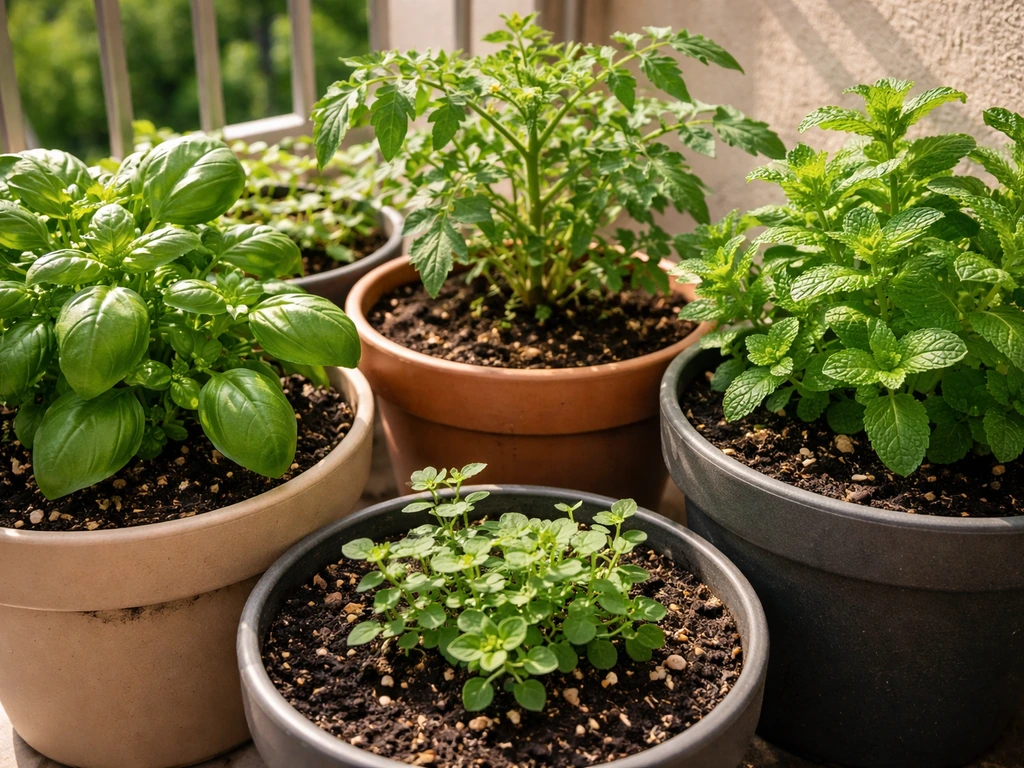
Start with plants that actually grow fast in pots
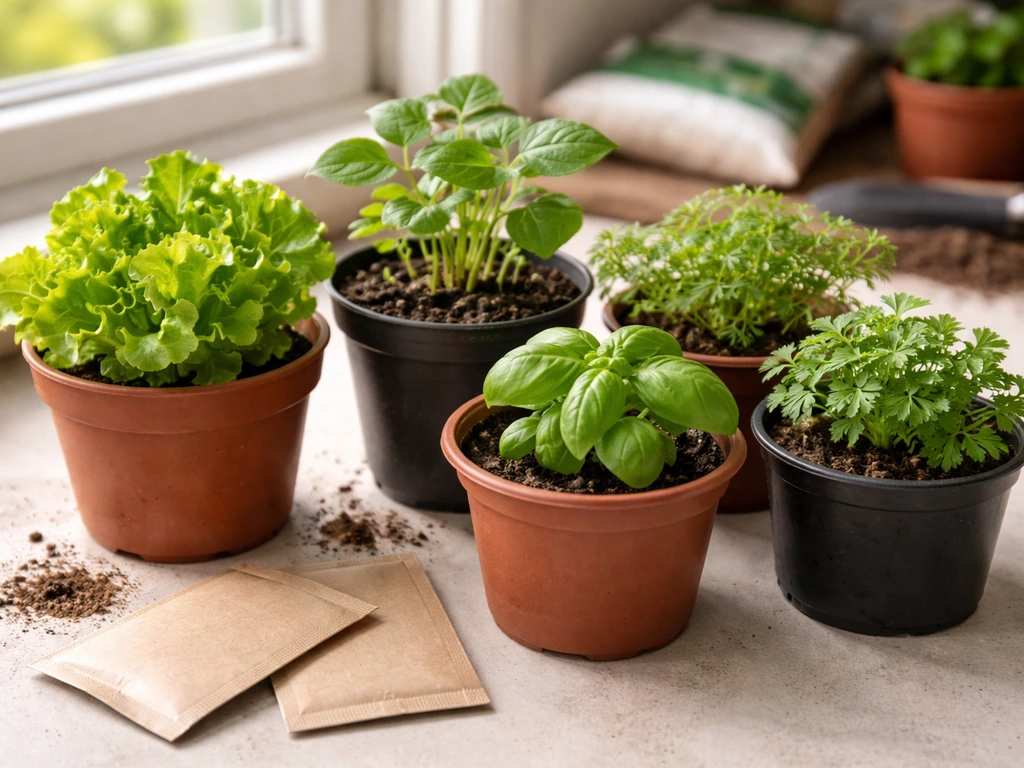
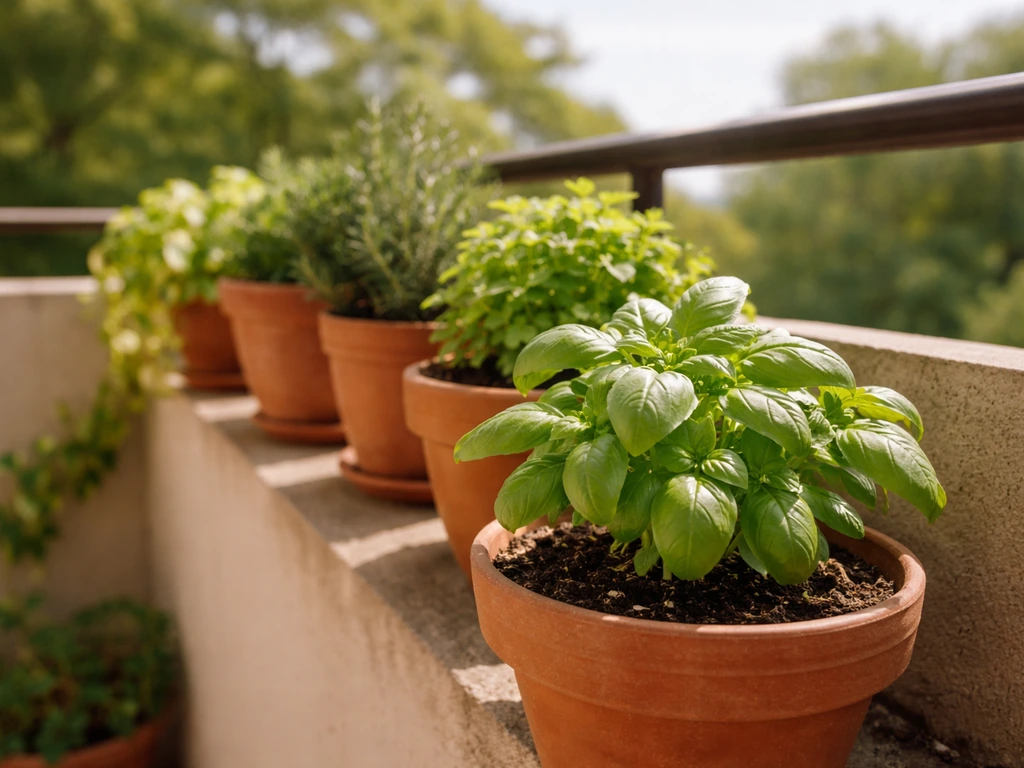
The single biggest shortcut to faster results is picking the right plant from the start. Some plants are just naturally quick, and some varieties within a species are bred specifically for compact container life. Radishes, for example, go from seed to harvest in just 22 to 28 days. Mustard greens are ready to start cutting in 30 to 60 days. Bush beans take around 75 to 85 days and pack a lot of production into a small space. Leafy greens like lettuce, spinach, and arugula are among the fastest things you can grow in a pot, and they're forgiving for beginners.
Always look for 'bush,' 'dwarf,' or 'compact' varieties when shopping for seeds or transplants. A bush tomato won't waste energy on long vines that need support and space. A dwarf pepper focuses its resources on fruit rather than sprawling stems. These varieties are engineered for the kind of root environment a pot offers, so they grow productively without fighting their container.
Check the seed packet for the 'days to harvest' number and use that as your baseline for planning. If you want to keep harvesting over a longer season, try succession planting every 10 days or so, especially for fast crops like radishes and greens. If you are wondering how to grow aquarium plants in pots, focus on high humidity, clean water handling, and plants matched to the light you can provide fast-growing varieties.
Get your pot size, drainage, and airflow right
A cramped root system is a slow root system. When roots circle the pot or run out of room, the plant spends energy surviving rather than growing. When roots circle the pot or run out of room, the plant spends energy surviving rather than growing, so if you are switching materials for your setup, also review the basics in how to grow plants in ceramic pots.
Peppers need at least an 8-inch-deep container and 2 to 5 gallons of volume per plant. Tomatoes, eggplant, and peppers all do best in a minimum five-gallon pot. Smaller crops like herbs and lettuces can get away with less, but bigger is almost always better for speed. I've made the mistake of starting tomatoes in a three-gallon pot thinking I'd upgrade later, and they always lagged weeks behind plants that started in the right-sized container from day one.
Drainage holes are non-negotiable. Without them, water fills the air pockets in your soil, roots suffocate, and growth stops fast. Every container should have holes or slits in the bottom so excess water can escape freely. If you're repurposing a bucket or decorative pot, drill at least four to six holes in the base. Airflow around the pot matters too: elevating containers slightly on pot feet or bricks improves drainage and lets air circulate under the base, which helps prevent the kind of soggy, oxygen-starved root zone that kills growth momentum.
Build a soil mix that feeds speed
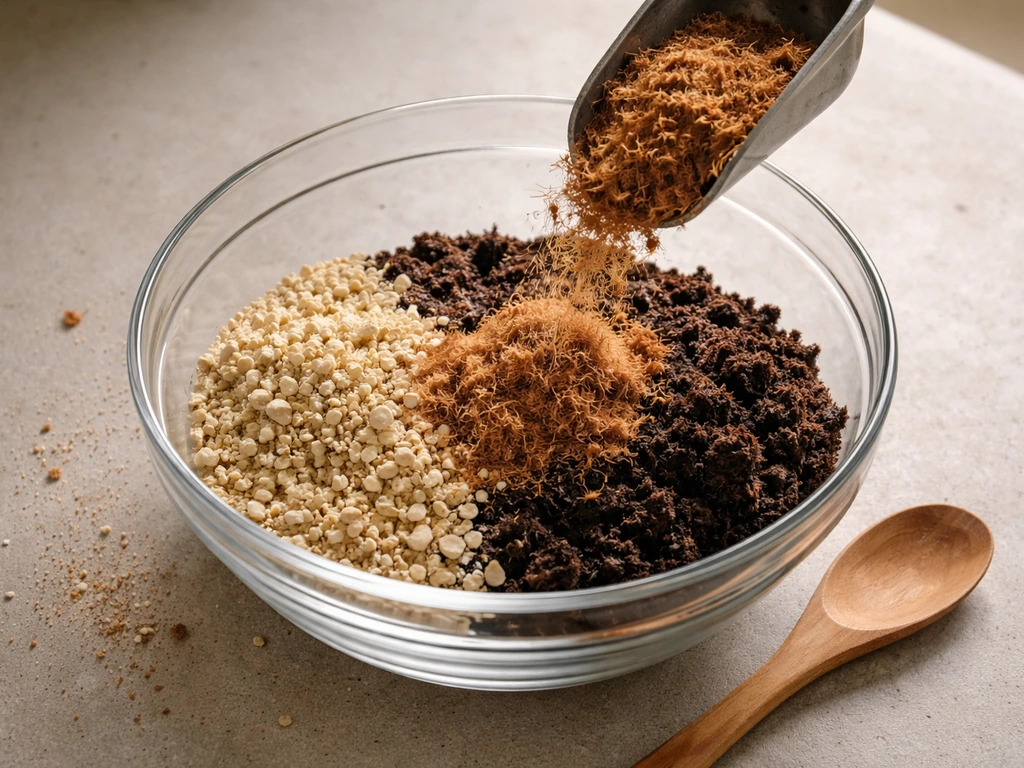
Regular garden soil in a pot is a growth killer. It compacts, drains poorly, and suffocates roots. You want a potting mix specifically designed for containers: something light, airy, and moisture-retentive without being dense. A simple and effective base mix is equal parts peat moss and perlite by volume. Perlite keeps things loose and draining; peat holds just enough moisture without waterlogging. Many commercial potting mixes already use this kind of formula, often adding vermiculite, composted bark, or coconut coir for structure and water retention.
If you want to build your own nutrient-rich mix, try equal parts vermiculite, peat moss, and high-quality compost, then add measured amendments like blood meal (for nitrogen), rock phosphate (for phosphorus), and greensand (for potassium and trace minerals). The key with compost is not to overdo it: keep it between 15% and 40% of your total mix. Too much compost can push your pH above 7.0, locking out nutrients and slowing growth. Most good potting mixes land around pH 6.2, which is a sweet spot for nutrient availability in containers.
Give them as much light as you possibly can
Light is the engine of plant growth, and in containers you have one big advantage: you can move the pot. Put sun-loving plants where they get the most direct light in your space, ideally six or more hours of direct sun for vegetables and fruiting crops. Track the sun patterns on your balcony, windowsill, or patio across the day and rotate pots as needed to catch the best light. Even an hour or two of extra sun per day can meaningfully accelerate growth.
When natural light isn't enough, grow lights make a real difference. Light intensity for plants is measured in PPFD (micromoles of light per square meter per second), and for leafy greens like lettuce, a PPFD of around 150 to 300 works well under artificial lighting.
For seedlings using basic shop-style LED or T8 lights, keeping the fixture close to the plants and running it for long photoperiods, up to 22 hours for young seedlings in some setups, can push growth noticeably faster than shorter light cycles. If you're growing indoors or on a dark balcony, a simple LED grow light panel is one of the best investments you can make for speed.
For indoor growers, pairing a bright location with the right grow light schedule helps you learn how to grow indoor plants in pots successfully.
Water in a way that supports growth, not stress
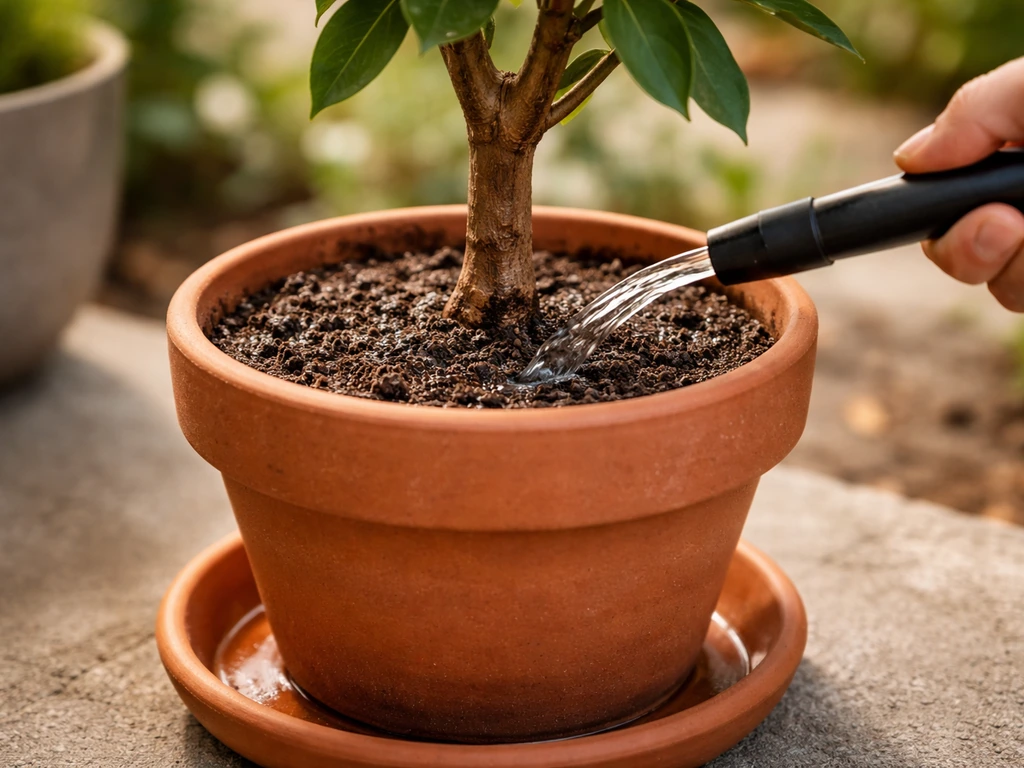
Containers dry out much faster than garden beds, especially in warm weather or wind. The golden rule is to keep the root zone consistently moist, but never waterlogged. The moment a container dries out completely, the soil can actually shrink away from the pot wall, creating gaps where water runs straight through without actually wetting the roots. That kind of moisture stress slams the brakes on growth. And if the pot sits wet for too long, roots start dying from lack of oxygen.
How often you water depends on your pot size, the weather, and what you're growing. On hot, windy days, small pots may need watering twice a day. Larger containers in cooler weather might only need water once or twice a week. The best method is the finger test: push your finger an inch into the soil, and if it feels dry at that depth, water thoroughly until it drains from the bottom. Don't water on a fixed schedule; water based on what the soil is actually telling you. This habit alone will make your container plants grow noticeably faster.
Time your growing with temperature and season
Container soil heats up and cools down faster than ground soil, which is both an advantage and a risk. In spring, you can get a head start by placing dark-colored pots in sunny spots where they warm up quickly and give warm-season crops like tomatoes and peppers the soil temperature they need to grow fast. In summer heat, that same effect can cook roots if you're not careful: light-colored containers, shade cloth during peak afternoon hours, or grouping pots together can help moderate extreme temps.
Match your plants to the season. Cool-season crops like lettuce, spinach, and radishes grow fastest in spring and fall when temperatures are in the 50s to 70s Fahrenheit. Warm-season crops like tomatoes, peppers, and cucumbers need consistent warmth above 60°F to really move. Planting warm-season crops too early in cool soil is one of the most common reasons container plants seem stuck for weeks. Wait for genuine warmth, or start seeds indoors under lights and transplant once the weather is right. The timing investment pays off in real speed gains later.
Feed your plants on a schedule that matches their growth
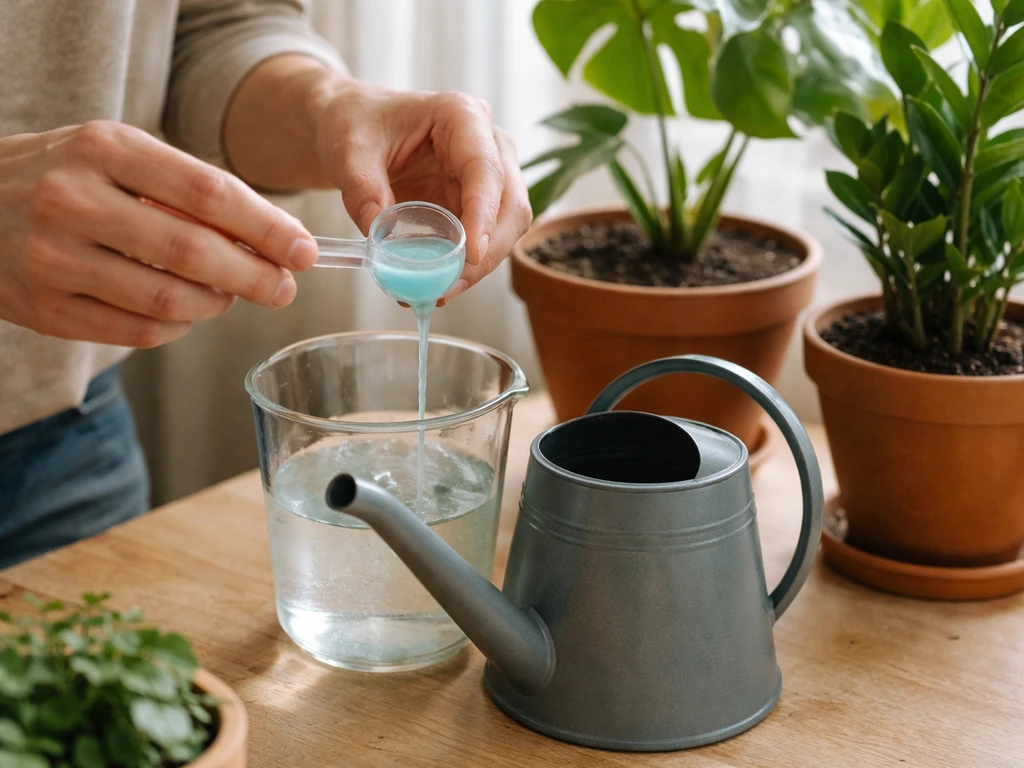
Container plants run out of nutrients fast because frequent watering constantly leaches nutrients out of the pot. That means feeding is not optional if you want fast growth: it's essential and ongoing. Wait two to six weeks after planting before starting a regular fertilizer routine, depending on how nutrient-rich your initial potting mix was. After that, feed weekly with a diluted water-soluble fertilizer. A classic approach is about 1 ounce of a balanced 20-20-20 fertilizer per 4 gallons of water, or 1 to 2 tablespoons of fish emulsion per gallon, applied once a week.
During the vegetative phase, when you want leaves and stems to grow fast, lean toward a fertilizer with a higher nitrogen ratio. Nitrogen is what drives leafy, vigorous top growth. When plants start flowering and fruiting, shift toward a balanced or slightly higher phosphorus formula to support that transition. Watch your plants: small, pale leaves and slow top growth are the clearest signs of nitrogen deficiency. If you see that, bump up your nitrogen feeding and you'll usually see a visible response within a week or two.
| Growth Stage | Fertilizer Focus | Example Product/Approach | Frequency |
|---|---|---|---|
| Seedling / early growth (weeks 2–6) | Balanced NPK | 20-20-20 at dilute strength | Every 1–2 weeks |
| Active vegetative growth | Higher nitrogen | Fish emulsion (5-1-1) or high-N liquid | Once a week |
| Pre-flowering / fruiting | Balanced to higher P/K | Tomato-specific fertilizer or 5-10-10 | Once a week |
| Mid-season maintenance | Balanced NPK | 20-20-20 or compost tea | Every 1–2 weeks |
Prune, train, and stop pests before they slow you down
Plants that put energy into unnecessary leaves, suckers, or crowded stems grow slower overall. For tomatoes, removing suckers (the little shoots that sprout between the main stem and a branch) keeps the plant focused and improves airflow through the foliage. UNH Extension also notes that removing tomato suckers can increase airflow by reducing humidity on leaves and can improve harvestable yields and help the harvest last longer removing suckers keeps tomato plants focused and improves airflow through the foliage. Better airflow means leaves dry faster after watering, which dramatically reduces the humidity that fungal diseases love. Pruned tomatoes also produce larger, higher-quality fruit more efficiently than unpruned ones left to sprawl.
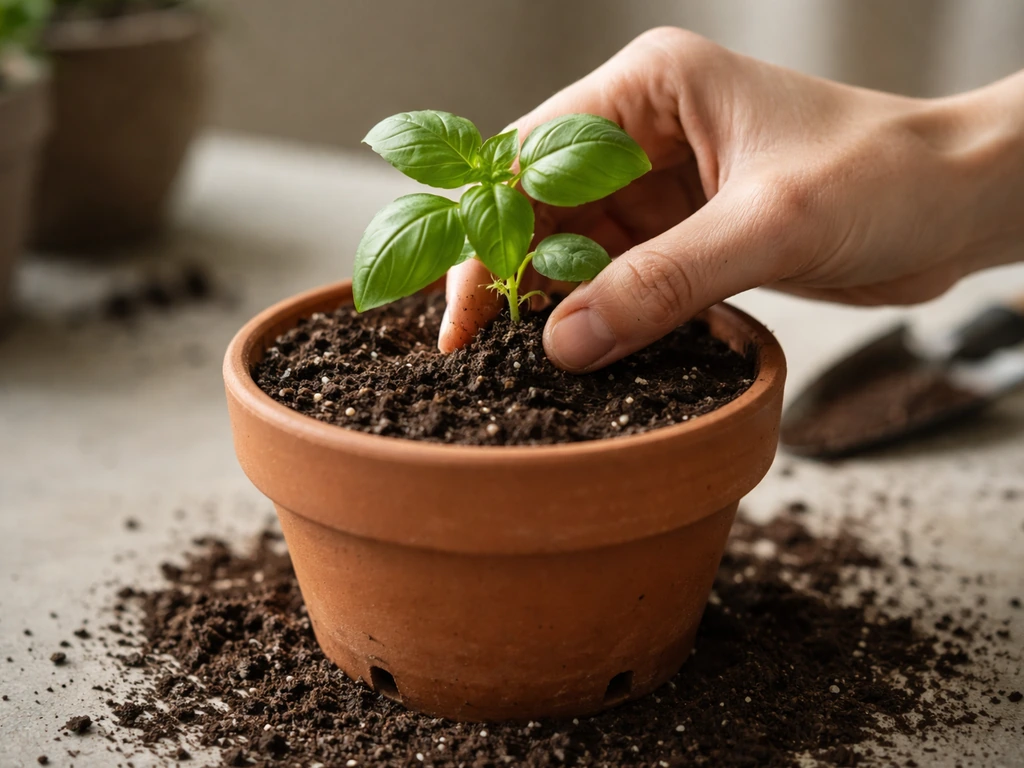
For herbs and compact edibles, pinching is your best friend. Pinching means snipping off the very tip of a stem, just a small amount, to encourage the plant to branch out and become bushier. It sounds counterintuitive to cut a plant to make it grow faster, but for basil, mint, and similar herbs, regular pinching keeps them producing vigorously instead of bolting to flower and going bitter.
Pest and disease prevention is about not losing momentum. A aphid infestation or a round of powdery mildew can set a plant back weeks. Check the undersides of leaves every few days, especially in warm weather. Catch problems early and they're easy to handle with a soap spray or by removing affected leaves by hand. For issues like blossom end rot on tomatoes and peppers, which is caused by calcium deficiency often linked to inconsistent watering, the fix is simply maintaining even soil moisture rather than reaching for a spray. Consistent roots mean consistent calcium uptake, and that keeps fruiting plants on track without interruption.
Putting it all together day by day
Growing plants faster in pots isn't about one magic trick. If you're aiming for the best results, this guide on how to grow small plants in pots also covers the key container tips like pot size, drainage, light, and watering schedules Growing plants faster in pots.
If you want a full, step-by-step plan for how to grow a garden in pots, focus on choosing the right containers, matching plants to your light, and staying consistent with watering and feeding. It's about removing every small obstacle that slows growth: the wrong pot size, poor drainage, compacted soil, inconsistent water, too little light, or nutrients running out.
When all those things are dialed in at once, container plants can grow surprisingly fast, sometimes faster than in-ground plants because you have total control over the environment. Start with a fast variety in the right-sized container, build a light and nutritious mix, give it maximum light, water before the soil dries out, feed weekly once established, and keep up with pruning and pest checks.
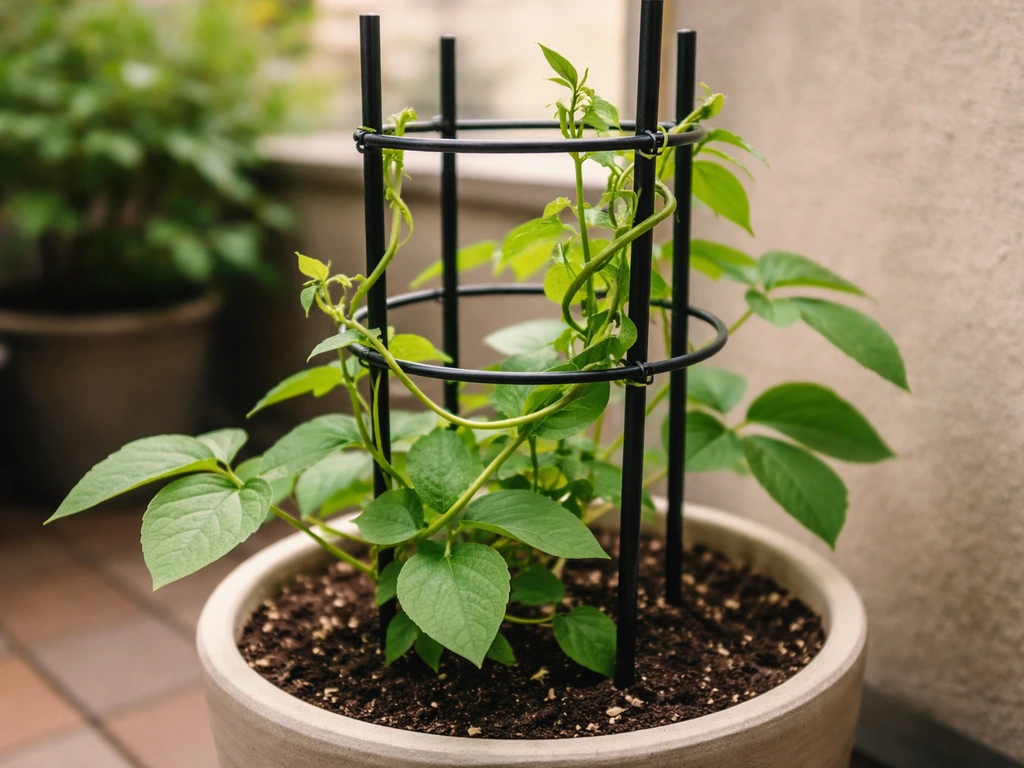
If you are using plastic pots, make sure you still provide excellent drainage and airflow so roots stay healthy and growth stays fast. Do those things consistently and you'll have plants that visibly grow week by week rather than sitting still wondering what went wrong. Once you master the basics above, you can use the same pot, light, and watering principles to grow climbing plants in pots with faster, steadier vertical growth.
FAQ
What’s the fastest way to speed up growth when I already planted in the wrong pot size?
You can’t fully undo root stress, but you can limit the damage. Stop waiting for “perfect,” and transplant quickly to the right container size, ideally before roots become tightly circling. After transplanting, keep the soil evenly moist (no dry-down) for about a week, and shade from harsh afternoon sun for 2 to 3 days to reduce transplant shock.
How can I tell if my potting mix is draining well enough for fast growth?
Do a one-time drainage check: fill the pot, water thoroughly, then time how long it takes to drain and observe whether water pools on top. If water takes too long to drain or leaves the surface soggy for hours, your mix is too dense or your drainage holes are partially blocked. In that case, repot with a lighter container mix and ensure holes are clear.
Should I fertilize immediately after potting, or is there a best waiting period?
Wait before regular feeding, because fresh potting mix often already contains nutrients. A good rule is to start a routine around two to six weeks after planting, depending on how nutrient-rich the mix is and whether you’re using lots of compost or amendments. If your plant shows pale, slow growth before that window, you can use a diluted feed once, then return to the regular schedule.
What fertilizer type helps the most for “faster” growth, and how do I avoid overfeeding?
For fast vegetative growth, prioritize nitrogen-rich fertilizer, but use diluted doses and adjust based on leaf color and growth rate. Overfeeding often looks like very dark leaves with weak roots or slow growth plus leaf tip burn. If you see that, flush the pot with water until it drains well, then resume with a lower dilution.
Is it better to water more often with smaller amounts, or less often with deeper watering?
Deep, thorough watering is usually faster because it re-wets the whole root zone. Small frequent top-ups can keep the outer soil wet while inner roots stay dry or oxygen-starved. Use the finger test, water until runoff starts from the bottom, then wait until the soil is dry about 1 inch down before watering again.
How do I stop soil from pulling away from the pot wall and losing moisture fast?
That shrinkage happens when the pot dries completely. To prevent it, water earlier rather than later, and consider using a slightly larger pot or a thicker mulch layer on the soil surface to reduce evaporation. If soil already separated, re-moisten thoroughly, then resume a consistent routine without letting the surface fully dry out.
Can I use ice or cold water to slow growth in summer, or should I do something else?
Cold water doesn’t reliably “control” growth and can stress roots, especially in warm weather. If you’re trying to keep growth comfortable and steady, focus on moderating heat instead: use lighter-colored containers, provide afternoon shade, and consider grouping pots to reduce temperature swings. Watering should cool the root zone gradually, not shock it.
What’s the best light strategy for faster results if I don’t have full sun?
Maximize the usable hours first by repositioning the pot as the sun moves and rotating when growth is uneven. If you lack several hours of direct sun, add grow light time rather than guessing at the schedule, and keep the fixture close enough to matter for your plant type. Leafy greens can respond quickly to consistent supplemental light.
How close should grow lights be to seedlings or leafy greens?
Closer usually means more intensity, but too close can cause stress like leaf curling or bleaching. Start with the light at a practical working distance, observe the plant for 3 to 5 days, then adjust gradually. Aim for vigorous, compact growth rather than stretched stems, which usually signals insufficient light.
Do fast-growing plants need pruning or pinching to actually stay fast in pots?
Often, yes. Pinching encourages branching in herbs like basil and helps keep plants productive instead of switching early to flowering. For tomatoes, removing suckers improves airflow and helps direct energy to fruit rather than extra stems. For leafy greens, avoid heavy pruning unless you’re harvesting in a way that matches the crop’s regrowth style.
What are the most common reasons container plants seem to grow slowly even with good care?
The usual culprits are inadequate light, wrong container size, or nutrient loss from frequent watering. Temperature mismatch is another big one, like trying warm-season crops too early. If leaves look pale or growth is slow, check light and soil depth first, then confirm you’re feeding appropriately and not letting the soil swing between dry and waterlogged.
How can I prevent blossom end rot in pots without guessing supplements?
Blossom end rot is strongly linked to inconsistent soil moisture, which disrupts calcium uptake. Instead of calcium sprays as a main fix, maintain steady moisture so the root zone doesn’t dry out and then rebound. If it appears, adjust your watering immediately and check that the pot isn’t drying out faster than you think due to heat or wind.
Should I switch plant varieties within the same pot for faster harvests, or keep one crop?
For speed, succession planting works best with the same crop type and similar growth needs, because watering and fertilizing targets stay aligned. If you mix very different crops, one may shade or outcompete another, or their moisture needs may conflict. If you want faster overall output, stagger planting dates or dedicate separate pots to different fast crops.