Growing indoor plants in pots comes down to five things done right: the correct pot size with drainage holes, a quality potting mix (not garden soil), enough light for that specific plant, water only when the soil actually needs it, and a light fertilizing routine during the growing season. Get those five right and most indoor plants will thrive. Miss one or two and you get the classic problems: yellow leaves, root rot, drooping stems, or gnats. This guide walks you through each step so you can skip the trial-and-error phase most beginners go through. If you want to grow a garden in pots instead of just keeping a few indoor plants, the same container basics like drainage, potting mix, light, and watering apply.
How to Grow Indoor Plants in Pots: Beginner Guide
Marcus Whitley
13 Jun 2026
Choosing the right pot (size, material, drainage)
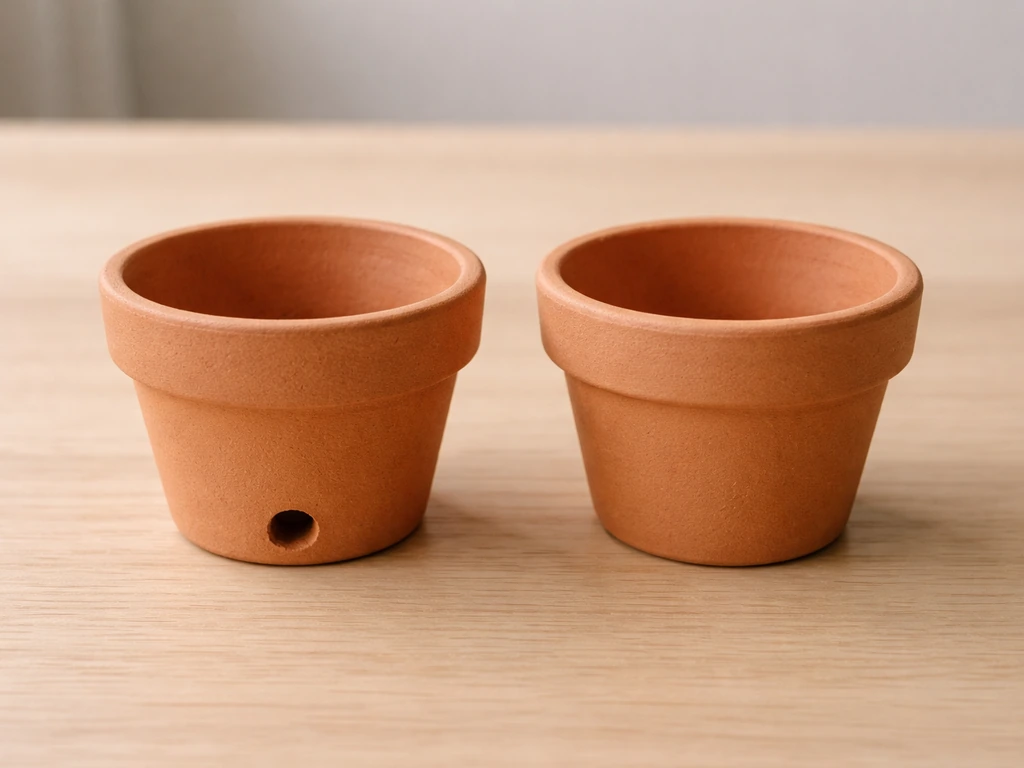
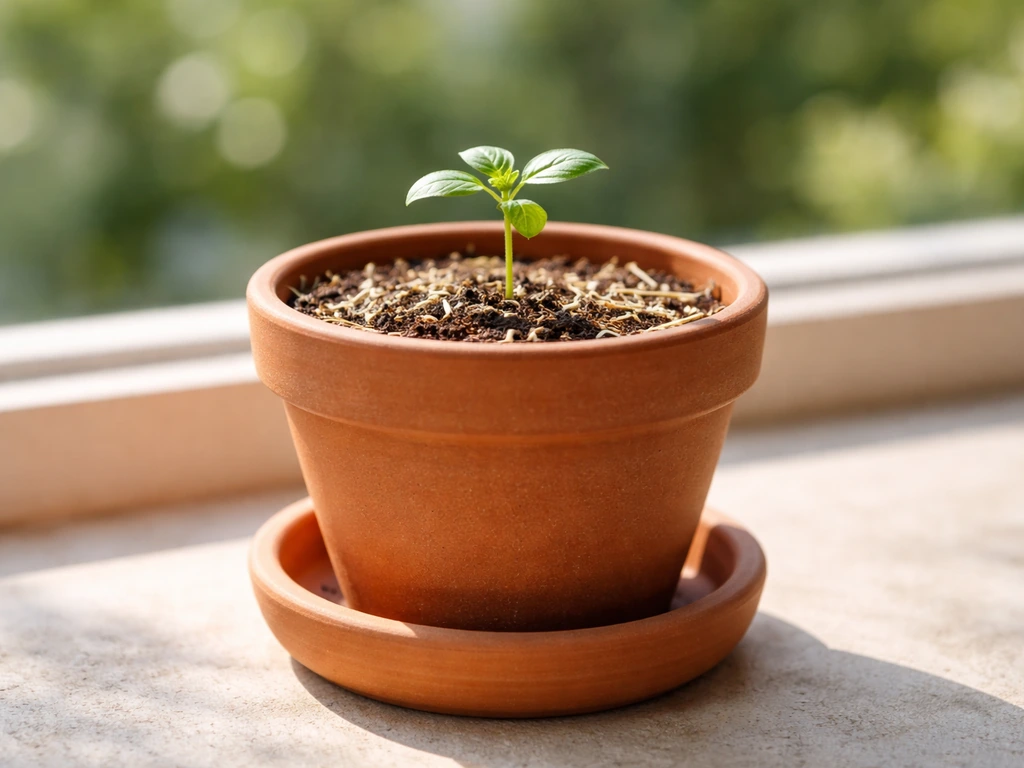
The single most important feature of any pot is a drainage hole at the bottom. Without one, excess water sits around the roots and root rot sets in fast. If you fall in love with a decorative pot that has no drainage hole, do not plant directly into it. Instead, pot your plant into a plain nursery pot with drainage holes and just drop that inside the decorative one as a potholder. This keeps roots healthy and the look you want.
Size matters more than most beginners expect. A small plant in a large pot means a lot of soil around the roots stays wet for a long time, which is a root rot setup. When potting up, go only about 2 inches larger in diameter than the current pot. That is enough room for roots to grow without holding excess moisture. If a plant is in a 4-inch pot, move it to a 6-inch pot, not a 10-inch one.
If you use a saucer or drip tray under the pot, empty it after every watering. Roots sitting in a pool of water in the tray is just as damaging as no drainage at all. Check the tray about 30 minutes after watering and dump whatever has collected there.
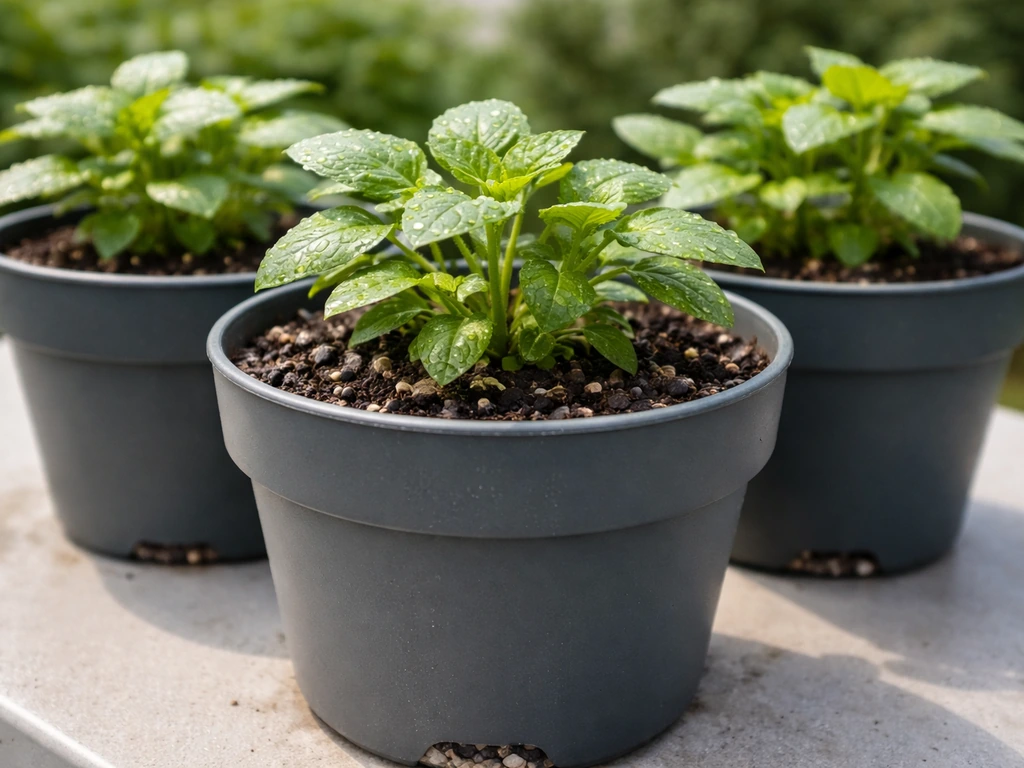
For material, terracotta is a classic choice because it is porous and lets the soil breathe and dry out more evenly. It is heavier and can crack if left outdoors in frost, but indoors it works beautifully for most plants, especially anything that prefers drying out between waterings like succulents or snake plants. Plastic and glazed ceramic pots hold moisture longer, which suits moisture-loving plants like ferns and peace lilies. To learn how to grow plants in ceramic pots successfully, focus on matching the pot type to your watering needs and plant preferences glazed ceramic pots. If you are growing plants in plastic pots specifically, just be mindful that the soil dries out more slowly, so your watering frequency should drop to match.
Soil and planting basics for indoor containers
Never use soil from your garden for indoor pots. Garden soil is too dense for containers, drains poorly, and can introduce pests and diseases into your home. You want a sterile, quality potting mix designed for containers. Beyond that, the specific mix should match the plant.
| Plant type | Best potting mix | Key amendment |
|---|---|---|
| Succulents and cacti | Cactus/succulent mix | Extra sand or perlite for fast drainage |
| Tropical foliage (pothos, philodendron) | Standard potting mix | Perlite to improve aeration |
| Ferns and moisture-lovers | Moisture-retaining mix | Peat moss or coconut coir |
| African violets | African violet-specific mix | Good aeration, slightly acidic |
| Snake plant, ZZ plant | Well-draining potting mix | Perlite or coarse sand |
When planting, fill the bottom of the pot with a couple of inches of mix, set the plant in so the base of the stem sits about an inch below the rim, then fill in around the roots. Firm the mix gently, but do not pack it tight because roots need air spaces to breathe. Water thoroughly right after planting so the mix settles around the roots, and then let the pot drain completely before placing it on its saucer.
One thing worth knowing early: a good potting mix provides a decent start, but it does not feed your plant forever. The nutrients in bagged mix usually run out within a few weeks to a couple of months, which is why fertilizing matters (covered below).
Light setup: placing plants for healthy growth
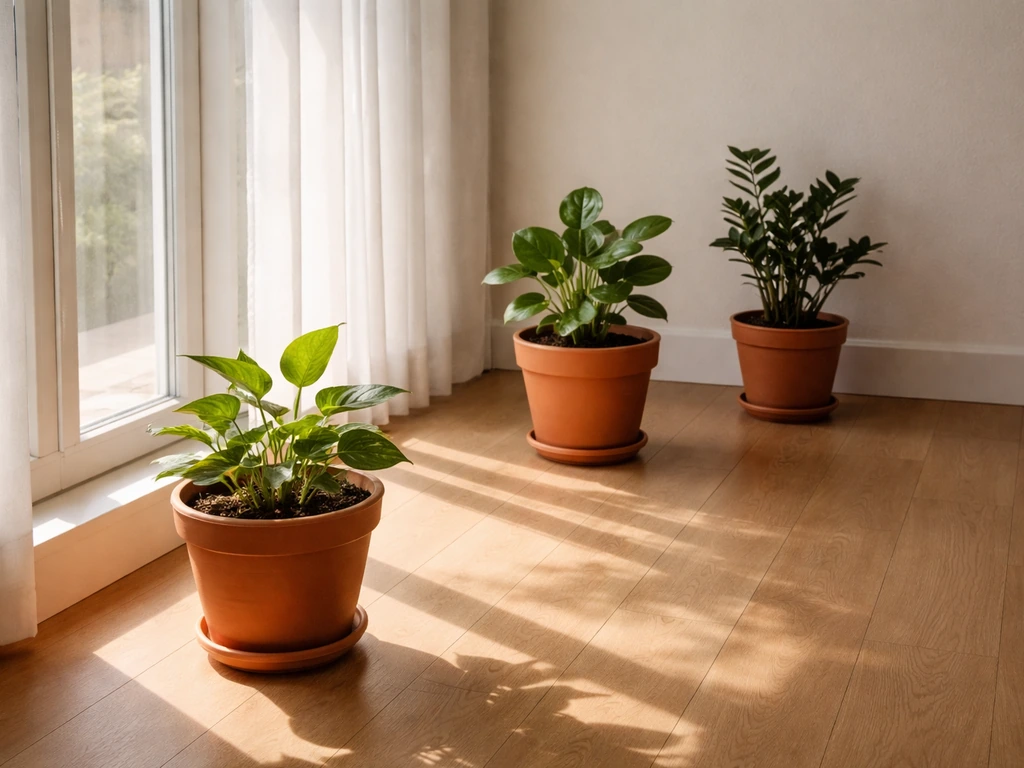
Light is the variable most people underestimate when growing indoor plants in pots. A room that feels bright and sunny to you may barely register as low light for many plants. Understanding roughly what kind of light your home offers will save you a lot of frustration.
Extension researchers categorize indoor light into three practical zones. Low light is roughly 25 to 100 foot-candles, which describes spots near north-facing windows or in the interior of rooms. Medium light covers brighter spots a few feet from east or west-facing windows. High light means being right in or very close to a south-facing window with several hours of direct sun. If you want to get precise, an inexpensive light meter or even a smartphone app can measure foot-candles or PPFD (the scientific measurement of light for photosynthesis). For reference, African violets prefer about 50 to 150 PPFD, succulents want 100 to 200 PPFD, and most tropical foliage like philodendrons can handle anywhere from 50 to 250 PPFD.
In practice, place high-light plants like succulents and cacti within a foot or two of your brightest window. Medium-light plants like pothos or peace lily can sit 3 to 5 feet away from a window. Low-light tolerators like snake plants can handle the back corners of a room, though they still grow better with some natural light. If your home genuinely does not have enough natural light, a grow light (even a simple LED grow bulb in a standard lamp) can supplement. Light duration matters as much as intensity: most houseplants want 10 to 16 hours of light per day, which natural windows alone may not provide in winter.
Rotate your pots a quarter turn every week or two. Plants lean toward their light source over time, and rotating keeps growth even and prevents one-sided stretching.
Watering and humidity routines (how to avoid root rot)
Overwatering is the number one reason indoor plants fail. It is not usually about pouring too much water at once; it is about watering too frequently before the soil has had a chance to dry appropriately. The fix is simple: check the soil before you water rather than watering on a fixed schedule.
For most tropical houseplants, stick your finger about an inch into the soil. If it feels moist, wait. If it feels dry at that depth, water thoroughly until water runs freely from the drainage hole. For succulents and cacti, let the soil dry out completely before watering again. For moisture-lovers like ferns, keep the top half-inch of soil consistently damp but never waterlogged.
Seasons change your watering frequency significantly. In winter, with lower light and cooler temperatures, most plants slow their growth and need far less water. This is when overwatering mistakes spike. Cut your watering frequency in half during autumn and winter, and check the soil carefully before every water. Small pots tend to dry out faster than large ones, so they will need more frequent checks year-round.
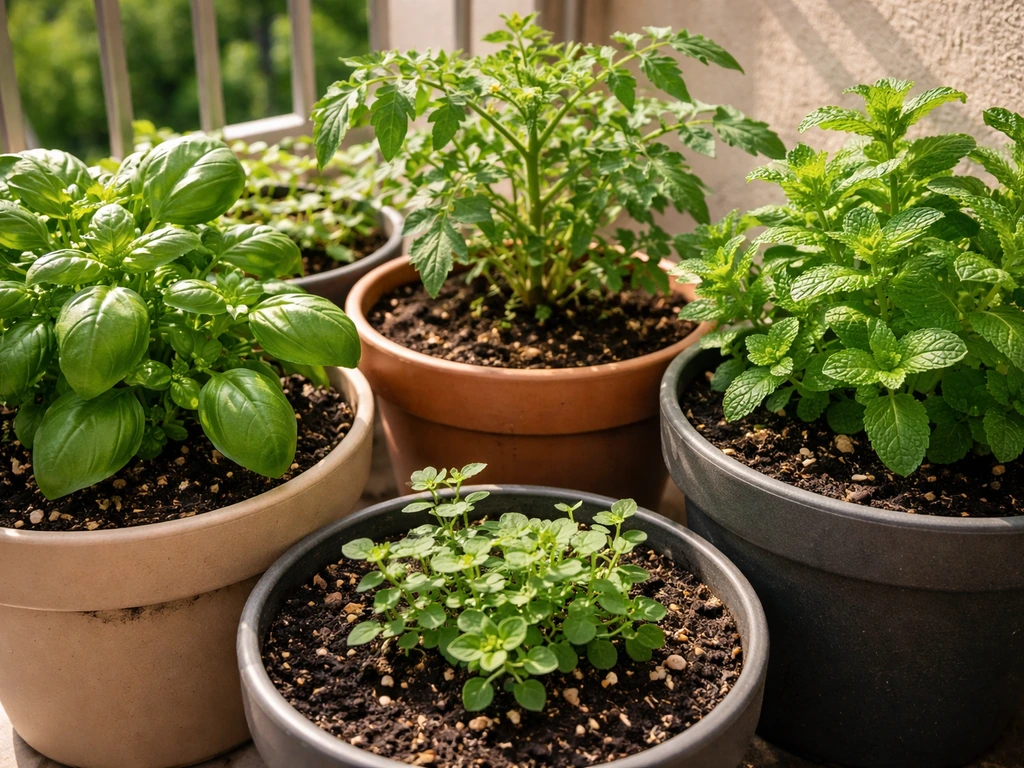
Humidity is worth paying attention to for tropical plants. Most homes run at 30 to 50 percent relative humidity, especially in winter when heating systems dry the air out. Tropical plants generally prefer 50 to 70 percent. Grouping plants together raises local humidity slightly through shared transpiration. A simple humidity tray (a shallow tray filled with pebbles and water, with the pot sitting on the pebbles above the waterline) or a small room humidifier near your plant corner can make a real difference for ferns, calatheas, or orchids.
Wipe down large-leaved plants like monsteras or rubber plants with a damp cloth every few weeks. Dust on the leaves blocks light absorption and invites pests. It is a small habit that pays off.
Fertilizing, repotting, and general maintenance
Fertilizing without burning your plants
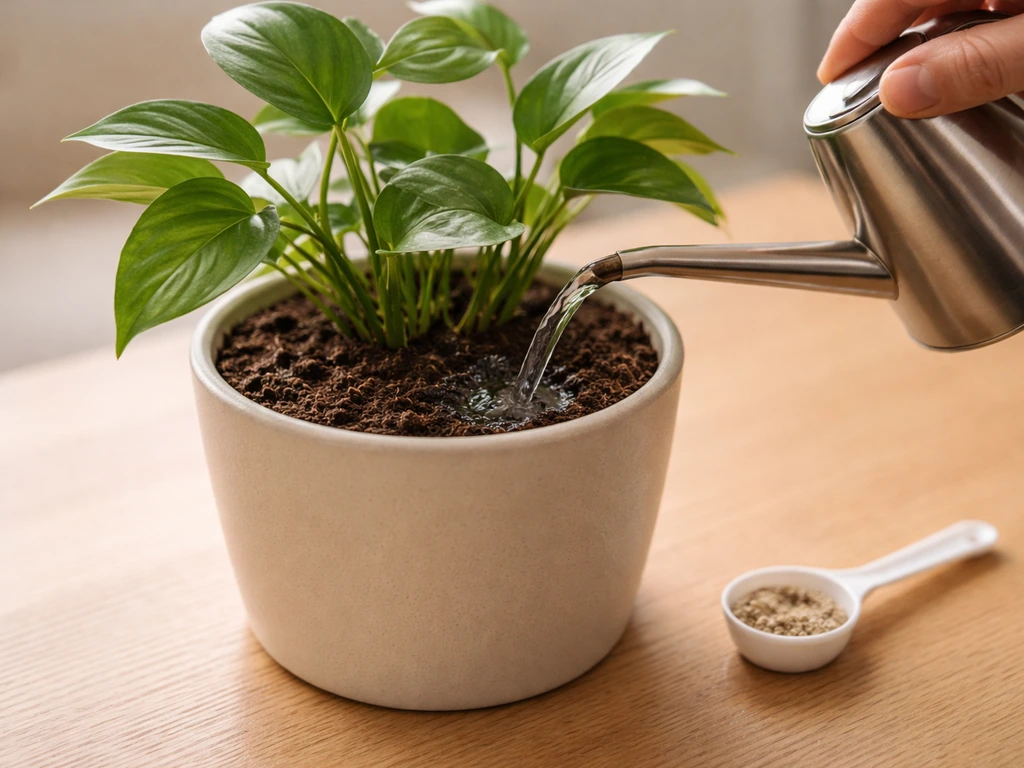
During the active growing season (roughly spring through early autumn), most indoor potted plants benefit from a balanced liquid fertilizer every 2 to 4 weeks. To grow plants faster in pots, focus on giving them enough light and feeding during the active growing season. Choose a general-purpose houseplant fertilizer and dilute it to half the recommended strength on the label, especially if you are new to fertilizing. In OSU Extension’s houseplant care guidance, fertilizer frequency can vary with season, light, temperature, species, and potting medium blank" rel="noopener noreferrer">fertilizer frequency varies with season, light, temperature, species, and potting medium. Over-fertilizing burns roots and leaf edges just as surely as underwatering. In winter or in dimly lit rooms, hold off on fertilizing almost entirely because the plant is barely growing and cannot use the nutrients, which then accumulate as salts in the soil.
If you notice white crusty residue on the soil surface or pot edges (fertilizer salt buildup), flush the soil. Run water through the pot slowly at a volume roughly 4 to 5 times the pot's soil volume, letting it drain completely. This pushes the accumulated salts out through the drainage holes and resets things.
Repotting: when and how
Repot when you see roots poking out of the drainage holes, when the plant seems to dry out extremely fast after watering (a sign roots have filled the pot), or when growth has stalled despite good light and feeding. Spring is the best time to repot because the plant is entering active growth and will recover quickly.
Go up only one pot size at a time, meaning no more than 2 inches larger in diameter. Remove the plant from its current pot, gently loosen the root ball, shake off some of the old potting mix, place it in the new pot with fresh mix, and water well. Keep the plant out of direct sun for a few days after repotting to reduce stress on the roots.
Other routine care
- Prune dead or yellowing leaves promptly to redirect the plant's energy and reduce disease risk
- Check for pests every time you water: look under leaves and along stems
- Rotate pots a quarter turn every week or two for even, upright growth
- Clean leaves with a damp cloth monthly on large-leaved varieties
- Refresh the top inch of potting mix once a year if you are not doing a full repot
Troubleshooting common indoor pot-plant problems
Most indoor plant problems trace back to water, light, or pests. Here is how to identify what is happening and what to do about it.
Yellow leaves
Yellow leaves are almost always overwatering, though poor drainage, very low humidity, and temperature shock can contribute too. Check the soil: if it is consistently wet and heavy, you are overwatering. Let it dry out more between waterings, make sure the drainage hole is not blocked, and empty that saucer after watering. If the soil is actually dry and leaves are yellowing, the plant may be root-bound or underlit.
Drooping or wilting
Drooping can mean the plant is too dry (feel the soil, it will be bone dry and the pot will feel light) or too wet (soggy soil, possibly with root rot setting in). Dry soil is the easier fix: water thoroughly. Soggy soil is more serious. If you tip the plant out and the roots are brown and mushy rather than white and firm, root rot has started. Trim the dead roots with clean scissors, repot into fresh dry mix in a clean pot with drainage, and hold back on watering for a week or two.
Fungus gnats
Fungus gnats are those tiny flies that hover around your pots and drive you mad. The larvae live in the top 2 to 3 inches of moist soil. The fix is simple in principle: let the top 1 to 2 inches of soil dry out completely between waterings. Gnat larvae cannot survive in dry soil. Yellow sticky traps catch the adults and reduce the population while you sort out the moisture issue. Avoid overwatering and you will keep gnats away for good.
Mealybugs and spider mites
Mealybugs look like tiny cottony or waxy white blobs on stems and leaf joints. For a light infestation, dab each one with a cotton swab dipped in rubbing alcohol. For a heavier infestation, spray the whole plant thoroughly with insecticidal soap. Spider mites leave fine webbing on leaves, usually underneath, and cause tiny speckled damage on the leaf surface. Wash the plant down with a strong stream of water (outside or in the shower), then follow up with insecticidal soap or horticultural oil every 5 to 7 days for a few weeks.
Powdery mildew
White powdery patches on leaf surfaces, often starting on lower leaves, indicate powdery mildew. Penn State Extension notes that powdery mildew typically appears as white, powdery fungal growth on the upper leaf surface, often beginning on lower leaves powdery mildew shows white powdery fungal growth on the upper leaf surface. Improve air circulation around the plant, reduce humidity slightly, and remove affected leaves. Fungicidal sprays designed for indoor plants can help for persistent cases. Avoid misting in the evening when moisture sits on leaves overnight.
Picking indoor plants that fit your light and space
Matching the plant to your actual conditions is far more effective than trying to match your conditions to the plant. If you are wondering how to grow aquarium plants in pots, the same idea applies: match the plants to the water conditions, light, and drainage they need to thrive. Before buying anything, figure out what light you have and how much space and maintenance time you realistically have. Then choose accordingly.
| Light level | Good plant choices | Notes |
|---|---|---|
| Low light (25–100 foot-candles) | Snake plant, ZZ plant, peace lily, pothos | Snake plant and ZZ are extremely low-maintenance; peace lily and pothos appreciate occasional wiping |
| Medium light (100–200 foot-candles) | Philodendron, spider plant, dracaena, Chinese evergreen | Most common houseplants fit here; rotate regularly |
| High light (200+ foot-candles) | Succulents, cacti, African violets, rubber plant | Need a south-facing window or supplemental grow light |
If you are just starting out, pothos and snake plants are genuinely hard to kill. Pothos tolerates low light, uneven watering, and neglect better than almost any other plant. Snake plant (now officially called Dracaena trifasciata) thrives in low light and needs minimal watering, making it ideal for beginners or anyone with a busy lifestyle. Peace lily is another great beginner plant that even signals when it needs water by drooping slightly before any damage occurs.
If you have small pots and limited space, smaller varieties of these plants work well. Climbing plants can also thrive in containers if you choose a pot size with good drainage, provide enough light, and give the vines a sturdy support climbing plants in pots. Growing small plants in pots is its own skill set, mostly around more frequent watering checks since small pots dry out fast, but the same principles apply.
If you have pets or small children at home, check plant toxicity before buying. Common houseplants including pothos, peace lily, philodendron, dumbcane (Dieffenbachia), and Chinese evergreen are toxic to cats and dogs if ingested. The ASPCA maintains an updated list of toxic and non-toxic plants by species. Safe alternatives include spider plants, Boston ferns, and most orchids. It is worth a quick search before any new plant comes home.
The broader goal of growing plants indoors in pots is more achievable than it seems. Most plant failures come from one or two avoidable mistakes, usually overwatering or poor light, not from anything complicated. Start with one or two forgiving species, nail the basics of drainage, watering, and light placement, and build from there. Once you see healthy new growth on a plant you have been tending, you will want to add more. That is how it always goes.
FAQ
Can I reuse potting mix from old indoor plants?
It is better not to. Old mix can be depleted in nutrients and may contain pests, eggs, or disease. If you do reuse it, bake or steam it thoroughly to sanitize, and still plan to refresh fertility with fertilizer or replace most of the mix with fresh potting blend.
How do I know if my pot is draining well enough, even if it has a drainage hole?
Do a water test before planting. Fill the pot with water and observe how fast it drains and whether water pools near the bottom. If it drains slowly, the potting mix can be too dense or the hole can be partially blocked by roots, debris, or a stuck saucer gap.
Is it okay to water from the top, or should I water from the bottom?
Top watering is usually easiest and safest for most houseplants, since you can confirm drainage. Bottom watering can reduce leaf wetness for sensitive plants, but only use it if the mix can absorb evenly, then discard any remaining water after the excess is absorbed.
What should I do if my indoor plant keeps growing but looks stretched and weak?
That pattern usually means insufficient light. Move the pot closer to the brightest window, increase light duration with a grow light, and rotate weekly. Avoid the common mistake of just increasing fertilizer, stretched growth is a light problem first.
Should I mist tropical plants to boost humidity?
Misting gives short-lived humidity and can raise the chance of fungal spotting if leaves stay wet overnight. If you mist, do it earlier in the day and only lightly, then focus on more reliable humidity options like grouping plants or using a humidity tray or small humidifier.
How do I prevent salt buildup beyond flushing the soil?
Use half-strength fertilizer and fertilize less often during the season, and avoid watering on a fixed schedule. If your water is very hard, consider occasional deeper flushes and periodically pour water through until runoff, then empty the saucer to reduce residue sitting around the roots.
What is the right time to switch from “let it dry” to “water again” for a specific plant?
Base it on the plant’s soil depth and the pot size, not the calendar. For most tropicals, test moisture about an inch down, for succulents dry all the way through, and for ferns keep the top half-inch moist. Small pots require more frequent checks, since they dry quickly.
Do I need a bigger pot every time I repot, or can I keep the same size?
If the plant is healthy and not root-bound, you can sometimes keep the same pot and refresh part of the mix. When roots circle the pot or stall growth despite good light, that is when going up by only about 2 inches in diameter is appropriate.
Why do leaves yellow even when I am not overwatering?
Yellowing can also come from low light, cold drafts, or nutrient imbalance. Check whether the soil is actually drying between waterings, confirm the plant is in the correct light zone, and look for temperature stress near windows or vents before changing only the watering routine.
Are grow lights worth it, and how far should I place them?
Grow lights are useful when your room is reliably below the plant’s light needs, especially in winter. Start by placing the light close enough that the plant is receiving strong light, then adjust based on growth, avoiding heat stress and ensuring you still rotate the pot and use a timer for about 10 to 16 hours daily.
What soil should I use for potted indoor plants if I cannot find “potting mix”?
Look for a container or potting mix that is labeled for indoor containers. Avoid garden soil because it compacts and holds water too long. If the bag is generic, choose one that includes ingredients like peat, coco coir, or composted bark, and ensure it drains well.
How can I reduce fungus gnats if my plants are in dark corners with limited airflow?
Fungus gnats thrive in consistently moist topsoil. Increase airflow, let the top 1 to 2 inches dry between waterings, and use sticky traps to catch adults. If the space is very dim, consider moving the plant or adding light so the soil dries faster and the plant is healthier.