You can absolutely grow the real Alpine edelweiss (Leontopodium alpinum) in a pot, and it actually thrives in containers when you nail two things: gritty, fast-draining soil and a very restrained hand with the watering can. Elaichi can also be grown in a pot, but it has different needs than alpine edelweiss elaichi in a pot. This plant evolved on rocky mountain slopes where drainage is instant and water is scarce, so the worst thing you can do is treat it like a regular garden perennial. Get those two fundamentals right, give it full sun and cool temperatures, and you will have those iconic white fuzzy star-shaped flowers year after year.
How to Grow Edelweiss in a Pot: Step-by-Step Care
Marcus Whitley
24 Jun 2026
Make sure you actually have the right plant
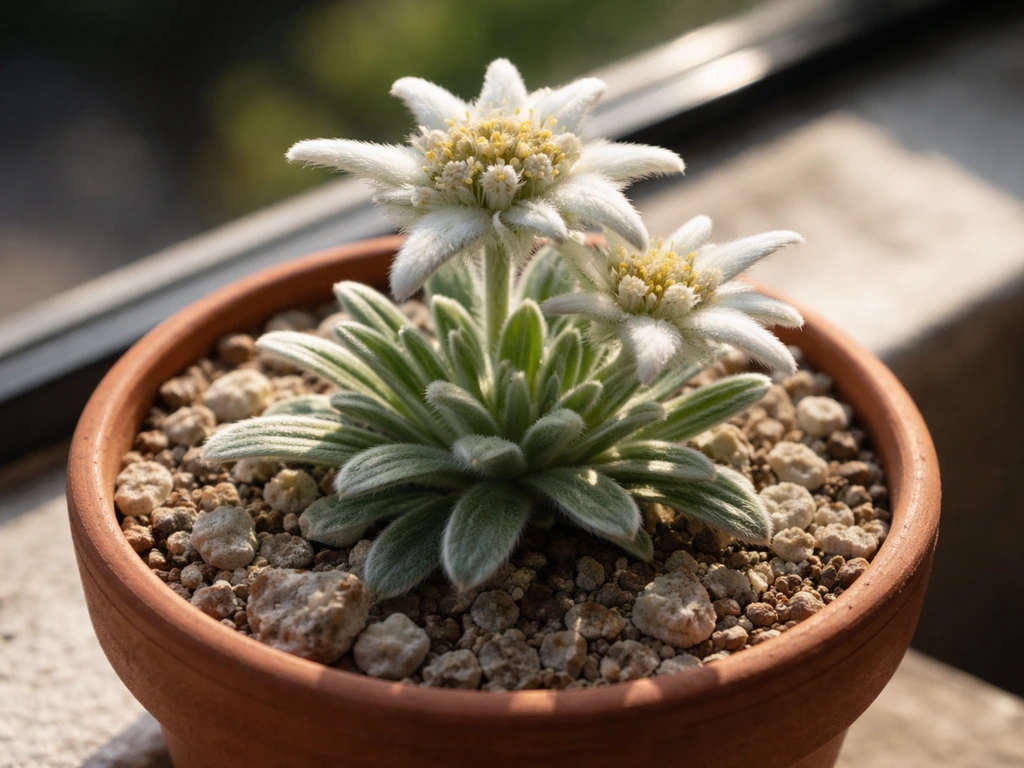
This is worth saying upfront because 'edelweiss' is one of those common names that gets slapped onto several different plants. The real deal is Leontopodium alpinum (sometimes listed as Leontopodium nivale subsp. alpinum), and it's a small herbaceous perennial with spoon-shaped leaves, 1. 5 to 4 cm long, covered in dense white woolly fluff.
The flowers are tiny yellow button-like heads, but what you're really looking at when you admire edelweiss is the ring of white cottony bracts arranged in a star pattern around those flowers. The RHS describes Leontopodium alpinum as having small yellowish flower-heads surrounded by showy white-felted, leaf-like bracts [ring of white cottony bracts arranged in a star pattern around those flowers](https://www. rhs.
org. uk/plants/9924/leontopodium-alpinum/details). That's the 'edelweiss star' you recognize from the song.
The confusion comes from garden centers and online sellers labeling other plants as edelweiss. Some are other Leontopodium species from Asia that look similar but behave differently. Others are completely unrelated plants with white daisy-like flowers. If you search images online and something labeled edelweiss looks more like a round white daisy on a tall stem, that's probably not L. alpinum. Before you buy, check that the botanical name on the label says Leontopodium and ideally Leontopodium alpinum specifically. If you buy the wrong plant and wonder why it isn't behaving the way guides like this one describe, misidentification is often the culprit.
Picking the right pot and finding the best spot
Edelweiss stays compact, typically reaching 15 to 20 cm tall and spreading maybe 20 to 30 cm wide, so you don't need a huge container. A terracotta pot around 20 to 25 cm in diameter works well for a single plant. I prefer terracotta over plastic here because it's porous and helps the soil dry out between waterings, which is exactly what this plant wants. Make sure the pot has at least one large drainage hole. If you love the look of a ceramic or glazed pot, drill extra holes in the base before you plant.
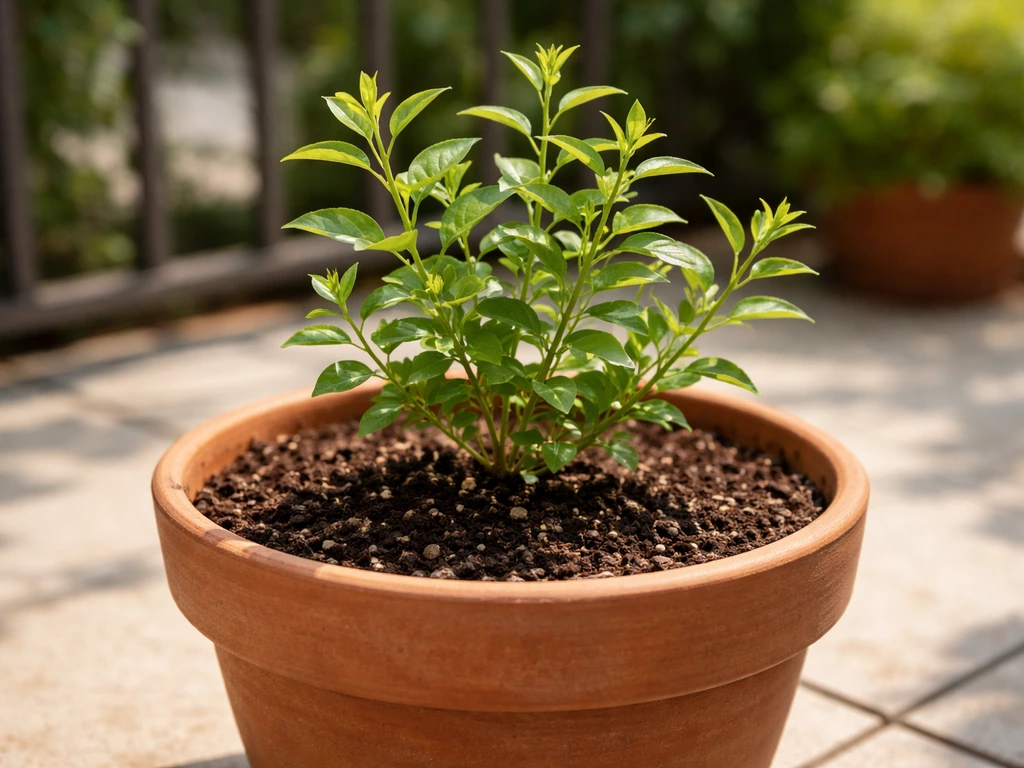
Placement matters enormously. Edelweiss wants full sun, meaning at least six hours of direct sunlight daily, and it genuinely struggles in shade or even partial shade. If you’re specifically growing a curry leaf plant in a pot, keep it in a bright, sunny spot and let the soil dry slightly between waterings full sun. A south-facing balcony, windowsill, or rooftop is ideal.
Because this is a mountain plant, it also likes air movement and does not appreciate being crammed into a hot, still corner where heat bounces off walls. If your summers regularly exceed 25 to 30°C, try to find a spot that gets morning sun and some afternoon relief, or move the pot during the hottest weeks. Edelweiss is not a tropical plant and scorching heat can stress it more than cold ever will.
The potting mix that actually works for edelweiss
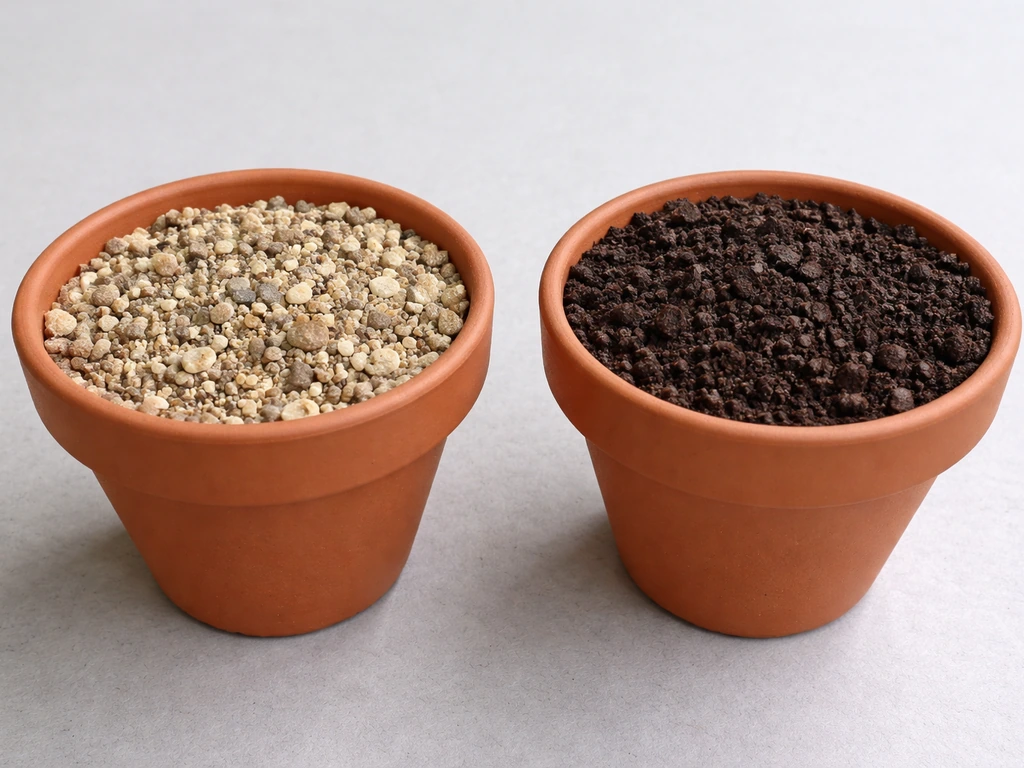
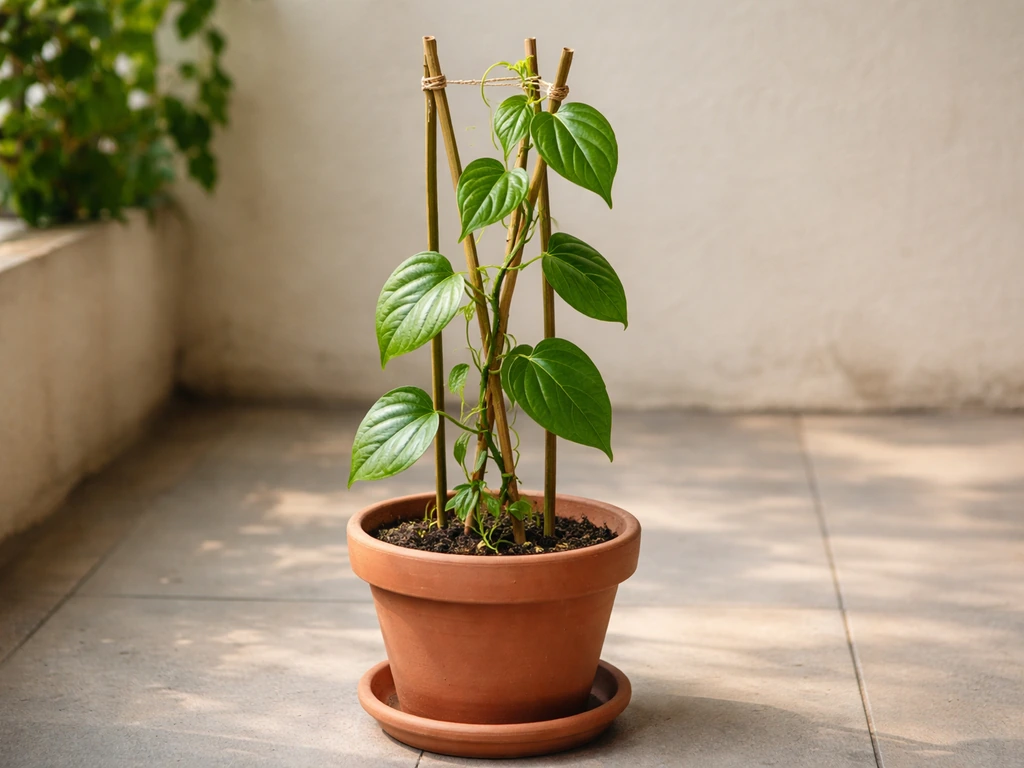
This is the single most important decision you'll make. Standard multipurpose potting compost is too rich and holds too much moisture. If you're growing a betel leaf plant in a pot, use a lighter, well-draining potting mix so the roots don't stay too wet Standard multipurpose potting compost. Edelweiss needs what alpine gardeners call a gritty mix, something that drains in seconds and doesn't compact into a soggy block. I mix one part good quality potting compost, one part horticultural grit or coarse sand (not builder's sand, which is too fine), and one part perlite or crushed granite. That might sound fussy, but you can buy horticultural grit at any garden centre and it transforms how the soil behaves.
At the base of the pot, before adding your mix, place a layer of coarse gravel or broken terracotta pieces around 2 to 3 cm deep. This keeps the drainage hole clear and prevents the gritty mix from washing out. If you are new to container growing and want a wider comparison, you can also see how to grow henna plant in pot for another set of pot care basics. You can also mulch the surface with fine grit after planting. It looks attractive, keeps moisture from sitting against the woolly stems (which can cause rot), and discourages weeds.
How to plant edelweiss: seeds or divisions?
You have two realistic options: starting from seed or buying an established plant and dividing it. Both work, but they have different timelines and quirks.
Starting from seed
Edelweiss seed needs a cold period to germinate, a process called stratification. If you're starting in late winter or early spring (January to March), mix the seed with a little damp sand, seal it in a bag, and put it in the fridge for two to four weeks before sowing. Sow the seed on top of your gritty mix in small pots or seed trays, barely covering them with a dusting of fine grit.
Keep them in a cool, bright spot, around 10 to 15°C, and be patient. Germination can take two to eight weeks. Don't sow in a warm room and then wonder why nothing happens. Once seedlings have two or three true leaves, pot them on into individual containers with your alpine mix.
Expect your first flowers in the second year.
Buying a plant or dividing an existing one
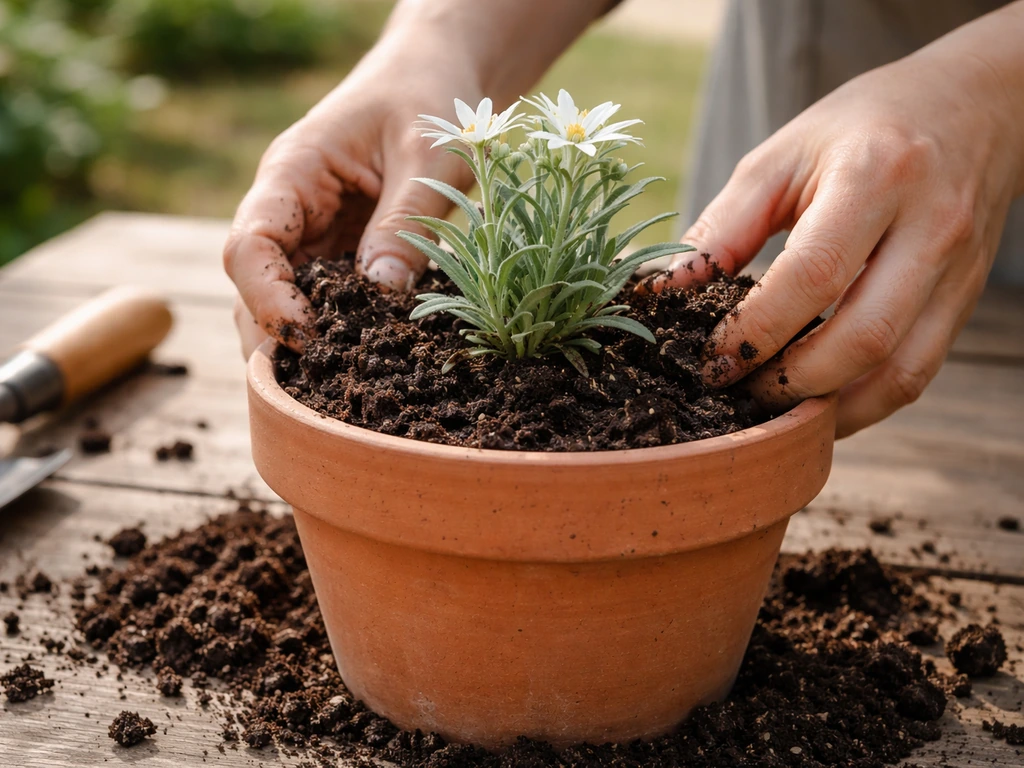
If you want flowers sooner, buy a small plant from a specialist alpine nursery and pot it up in late spring once frosts have passed. When potting on, don't bury the crown (the point where the leaves meet the roots) deeper than it was in its original pot. Edelweiss crowns sitting in damp soil is one of the fastest routes to rot. You can also divide a healthy established plant in early spring before new growth fully kicks off.
Use a clean sharp knife to cut through the root clump, making sure each division has several healthy shoots and roots attached. Pot each division straight into fresh alpine mix and water it once to settle the roots, then hold back for a week or two before the next watering.
Watering and feeding: less is genuinely more
Overwatering is how most potted edelweiss dies. The rule I follow is this: before watering, push your finger an inch into the soil. If it still feels even slightly damp, leave it alone. In practice, during spring and summer I water roughly every seven to ten days, and only when the top inch or two of mix has dried out. how to grow bay leaves in a pot If you're wondering about growing herbs in containers. In autumn I cut back to every two to three weeks. In winter the plant goes dormant and may need almost no supplemental water at all, just enough to prevent the roots from completely desiccating, perhaps once a month.
Always water at the base, not overhead. Getting the woolly leaves and bracts wet encourages fungal problems. And never let the pot sit in a saucer of standing water. If you are using a saucer, empty it 30 minutes after watering.
On feeding: edelweiss naturally grows in nutrient-poor mountain soils, so heavy feeding actually harms it by producing lush, soft, disease-prone growth. I use a very diluted low-nitrogen liquid fertilizer, something like a tomato feed at quarter strength, just once or twice in spring as the plant comes out of dormancy. That's genuinely all it needs. Skip feeding entirely in summer, autumn, and winter.
Light, temperature, and keeping it going through winter
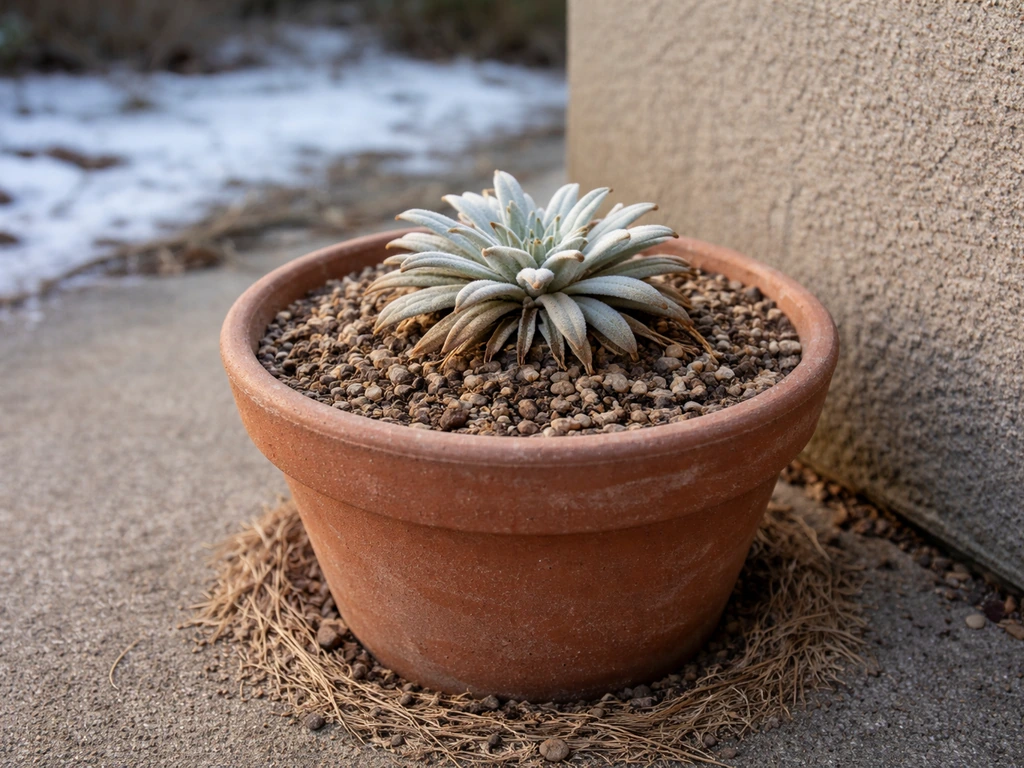
Edelweiss is actually quite cold-hardy, tolerating temperatures well below freezing when it's dormant and in well-drained soil. The danger in containers is not the cold itself but the combination of cold and wet. A pot sitting outside in a cold, rainy winter with no drainage protection becomes a death trap even for hardy alpines.
From late autumn, once the plant starts looking tired and fading back, move the pot to a sheltered spot. A cold greenhouse, an unheated porch, or even tucking the pot against a wall under an overhang will do. The goal is to keep it cold (below 5°C is fine) but protected from prolonged rain and sitting water. If you are in a mild climate with wet winters, this winter shelter step is non-negotiable. You can also wrap the pot in bubble wrap or hessian to protect the roots from the freeze-thaw cycles that crack ceramic pots and stress root systems.
In spring, once temperatures are reliably above freezing at night, bring it back into full sun and resume your light watering schedule. You should see new growth pushing up within a few weeks. Edelweiss typically flowers from late spring through summer, usually June to August in most temperate climates.
Troubleshooting: what's going wrong and how to fix it
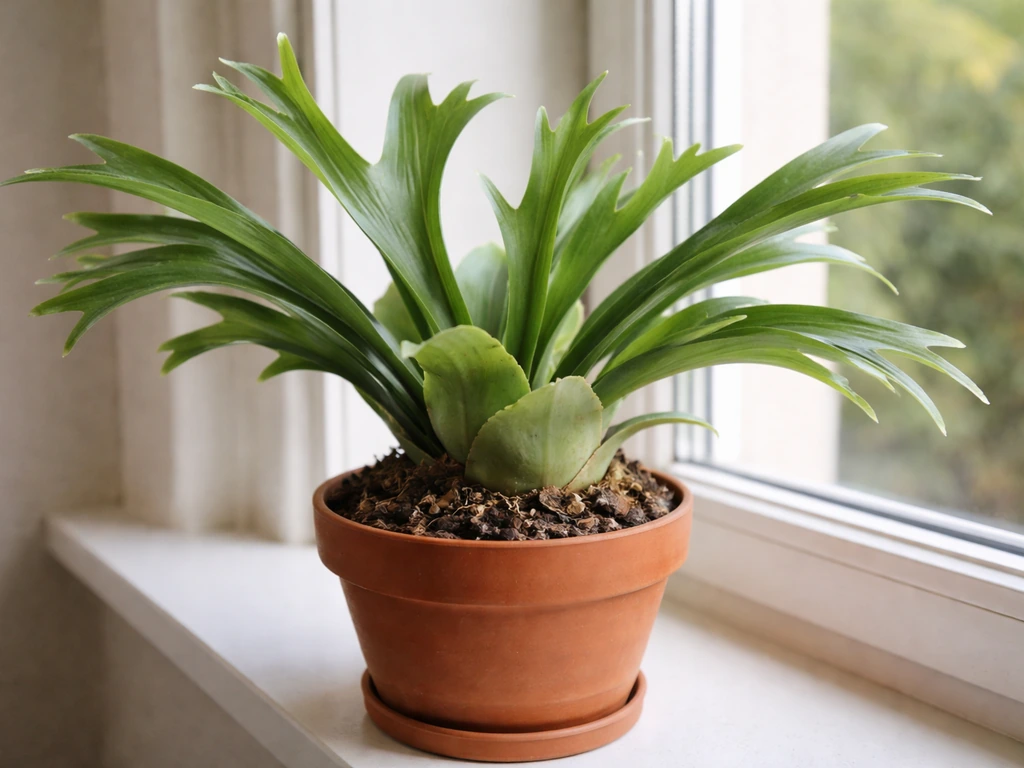
Even with the best intentions, things go wrong. Here are the problems I see most often with potted edelweiss and what to do about them. If you want to grow elkhorns in pots, focus on the same kind of drainage-first setup and lean, quick-drying soil potted edelweiss.
| Problem | Most Likely Cause | Fix |
|---|---|---|
| Yellowing leaves, mushy base | Overwatering or poor drainage | Immediately stop watering, check drainage holes, repot into fresh gritty mix if roots are rotting |
| Leggy, floppy growth | Not enough light | Move to a sunnier spot with at least 6 hours of direct sun daily |
| No flowers after 2+ years | Too much shade or too much nitrogen fertilizer | Increase sun exposure, stop feeding or cut back dramatically |
| Leaves lose their white woolly texture | Overhead watering or high humidity | Water at the base only, improve air circulation around the plant |
| Plant not coming back in spring | Root rot over winter from wet and cold combined | Shelter pot from rain next winter; check roots for rot before the season |
| Seedlings damping off | Too much moisture and warmth at germination stage | Use gritty seed mix, keep cool (10–15°C), improve ventilation |
| Plant looks dry and shrivelled in winter | Roots completely desiccated during dormancy | Water very lightly once a month even in winter to keep roots alive |
One thing worth normalising: edelweiss can look quite sad and brown during dormancy in winter, and it's easy to assume it's dead when it's just sleeping. Before you throw a plant out in late winter, scratch one of the stems near the base. If there's any green underneath the surface, it's still alive. Give it a little patience and a gentle start to watering in early spring before making any decisions.
Your checklist for keeping edelweiss going year after year
- Confirm your plant is genuine Leontopodium alpinum, not a lookalike
- Use a terracotta pot (20 to 25 cm) with excellent drainage holes
- Mix your own gritty alpine potting medium: one part compost, one part grit, one part perlite
- Place in full sun (minimum 6 hours daily) with good air movement
- Water only when the top inch of soil is dry, roughly every 7 to 10 days in summer
- Never water overhead and never leave the pot sitting in water
- Feed just once or twice in spring with quarter-strength low-nitrogen liquid fertilizer
- Shelter the pot from winter rain while keeping it cold, not warm
- Divide or repot every two to three years as the plant matures to keep it vigorous
Growing edelweiss in a pot is genuinely achievable for a beginner, and once you adjust your watering instincts to match what this alpine plant actually wants, it's surprisingly low-maintenance. The woolly, star-shaped flowers are absolutely worth the effort, and once you have a healthy plant established, you can divide it each spring to build up a whole collection. If you enjoy growing other distinctive plants in containers, the same gritty, well-drained approach translates well to other unusual container projects, though most plants on this site, like elephant ears or curry leaf plants, prefer the opposite conditions and need far more moisture and warmth than edelweiss ever will.
FAQ
Can I grow edelweiss in a pot indoors on a windowsill?
Yes, but only if you also match edelweiss’s soil and sun. Use a south-facing or full-sun windowsill if possible, and keep the pot on a moisture-measuring habit (water only when the top inch is dry). If your indoor air is warm and dry, rotate the pot weekly for even growth, but avoid heating the roots with a radiator nearby.
How do I prevent crown rot after potting or dividing edelweiss?
Edelweiss crowns rot when they stay too wet. After planting or potting up, keep the crown at the same height as before, and use a gritty mix with a free-draining base layer. If you suspect rot, stop watering immediately, move the pot to brighter sun for faster drying, and consider repotting into completely fresh dry mix if the plant is browning at the base.
What if I only have standard potting compost available, can I still grow it?
If you only have multipurpose compost, you can still succeed, but you must amend it heavily and ensure drainage. Edelweiss needs a mix that drains in seconds, so aim for roughly two-thirds mineral components (grit/sand plus perlite or crushed granite) and only one-third compost. Don’t rely on “less watering” to compensate for a dense, moisture-holding mix.
Why is my potted edelweiss not flowering (but it’s growing leaves)?
Start by checking moisture and light rather than adding fertilizer. If the soil stays damp for days, scale back watering and improve drainage. If it’s too shaded, even perfect watering won’t trigger flowering, so move to at least six hours of direct sun. Then, only in spring, use a very diluted low-nitrogen feed once or twice, otherwise skip feeding.
What diseases should I watch for, and how can I prevent them in containers?
Fungus and mildew are often caused by wet woolly foliage. Always water at the base, water in the morning so any stray moisture dries quickly, and improve airflow by not crowding the pot. If you see blackening or fuzzy growth on the leaves, remove the worst affected parts and keep conditions dry for several weeks.
Can I plant edelweiss with other plants in the same pot?
Yes, but avoid combining edelweiss with thirsty or shade-loving plants. Use companions only if they prefer the same dry, gritty conditions, and keep edelweiss’s crown unobstructed for drying. A better option is planting edelweiss in its own pot and grouping pots together for aesthetics.
Do I need to protect potted edelweiss in winter, even though it is cold-hardy?
It depends on the winter, but in wet climates err on the protective side. Edelweiss is hardy, yet container soil can stay wet too long. If winter rain is frequent, keep it under cover (cold greenhouse, porch, or under an overhang), and wrap the pot only if you also protect from prolonged soaking.
How can I tell if my edelweiss is being overwatered versus underwatered?
Overwatering commonly shows up as limp stems, browning from the crown, and a sour smell in the mix. Underwatering is usually the opposite, the plant looks dry and shriveled with soil pulling away from the pot walls. Use the finger test (top inch or two dry first) and remember that edelweiss wants to dry out well between waterings.
When is the best time to repot potted edelweiss, and how often should I do it?
You can, but it is usually best to avoid potting up repeatedly. After a successful repot, wait until the plant has established new growth and the roots have settled, typically after flowering or at the start of spring growth. If you must move it, keep the crown height unchanged and use only the gritty alpine mix.
What should I do if I missed watering and the soil has gone bone-dry?
Let it dry out slightly first, then water slowly at the base until excess drains out, and empty any saucer after 30 minutes. If it’s been totally neglected and the soil is bone dry, give multiple gentle waterings across a few days rather than one soaking, which can shock the roots in an already compacted dry mix.
How long will it take to get flowers from seed versus buying a plant?
Yes, and start early because edelweiss takes time. Expect true flowers in about the second year from seed. If you want earlier blooms, buying a small established plant is the fastest route, then focus on consistent full sun and dry, gritty conditions.
How do I make sure I bought the real alpine edelweiss and not a lookalike?
Look for the label and confirm botanical name first, Leontopodium alpinum is the real alpine edelweiss. Second, compare the growth habit, it stays relatively compact and forms a dense clump with woolly star-bracts. If the plant is tall, daisy-like on long stems, or demands regular moisture, it’s likely a different species or even a different genus.