You can grow dhaniya (coriander/cilantro) in pots successfully, and honestly it's one of the more forgiving herbs to start with. Sow seeds directly into a pot that's at least 8–10 inches deep, use a well-draining potting mix, keep the soil evenly moist, give it 6–8 hours of sunlight with some afternoon shade in hot weather, and you'll be snipping fresh leaves within 30–45 days. The single biggest mistake beginners make is letting it get too hot or dry, which sends it straight to flowering before you get a decent harvest. Get those two things right and you're most of the way there.
How to Grow Dhaniya in Pots: Step-by-Step Care Guide
Marcus Whitley
2 Jun 2026
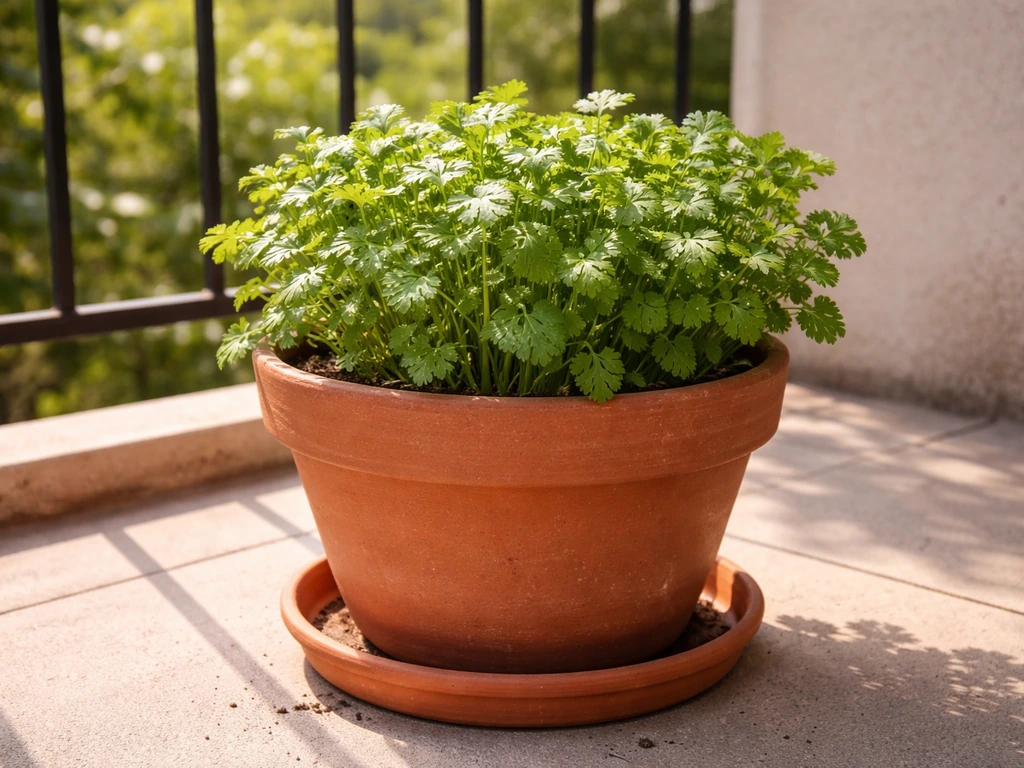
Choosing the right pot and placement for dhaniya
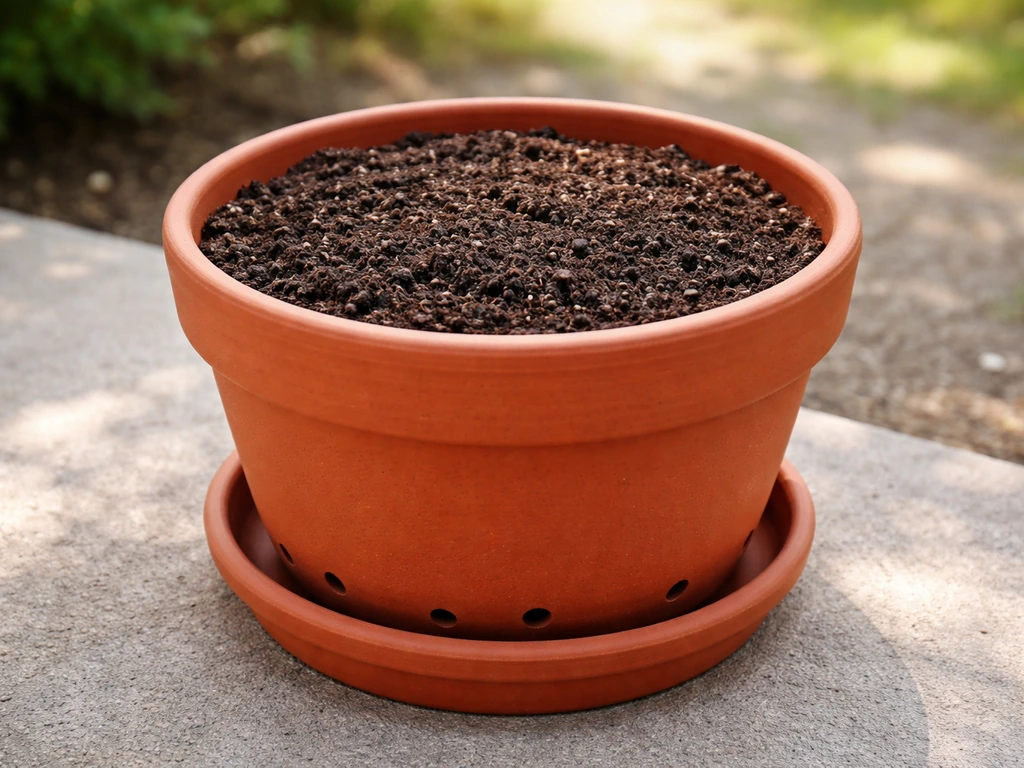
Pot size matters more for dhaniya than most people expect. Coriander has a long taproot, so if you plant it in a shallow container, the roots hit the bottom fast, the plant gets stressed, and it bolts (goes to seed) way too soon. Go for a pot that's at least 8–10 inches (20–25 cm) deep. Width matters too: a pot that's 10–12 inches wide gives you room to sow enough seeds for a real harvest. If you want a continuous supply, consider two or three pots going at staggered times rather than one big one.
Drainage holes are non-negotiable. Dhaniya absolutely hates sitting in waterlogged soil, and a pot without holes is a recipe for yellow, wilting plants. If you're reusing a decorative pot without holes, either drill some or use it as an outer cover with a proper draining pot sitting inside.
For placement, morning sun with some afternoon protection is the sweet spot, especially in warmer months. Dhaniya thrives with 6–8 hours of sunlight per day, but if temperatures are climbing above 85°F (30°C), direct afternoon sun will stress the plant and trigger bolting faster than almost anything else. A balcony or windowsill that gets bright light from the east or southeast works really well. One of the great advantages of container growing is that you can physically move the pot to a cooler, shadier corner when a heat wave hits, something you simply can't do with plants in the ground.
Soil mix and container setup
Never use heavy garden soil straight from the ground in a container. It compacts quickly, drains poorly, and suffocates the roots. What you want is a light, airy potting mix that drains well but still holds enough moisture. A reliable DIY mix is roughly 40% coco coir or peat, 25–30% mature compost, and 25–30% perlite. The coir or peat holds moisture, the compost gives slow nutrition, and the perlite keeps things airy and well-draining. If you’re also curious about other greens, learn how to grow manathakkali keerai in pots with similar container-friendly steps like using a good mix and consistent moisture. If you're buying a ready-made mix, look for a premium potting mix labeled for herbs or vegetables, and add a handful of perlite per pot if it feels dense.
Before filling the pot, place a small piece of mesh, landscape fabric, or even a coffee filter over the drainage holes. This keeps the soil from washing out every time you water while still letting water drain freely. It's a tiny step that saves a lot of mess.
Fill the pot to about an inch below the rim to leave room for watering. Give the mix a light water before sowing so it's evenly moist but not dripping wet. You're setting up the right environment from the start.
Seeds, sowing method, and spacing
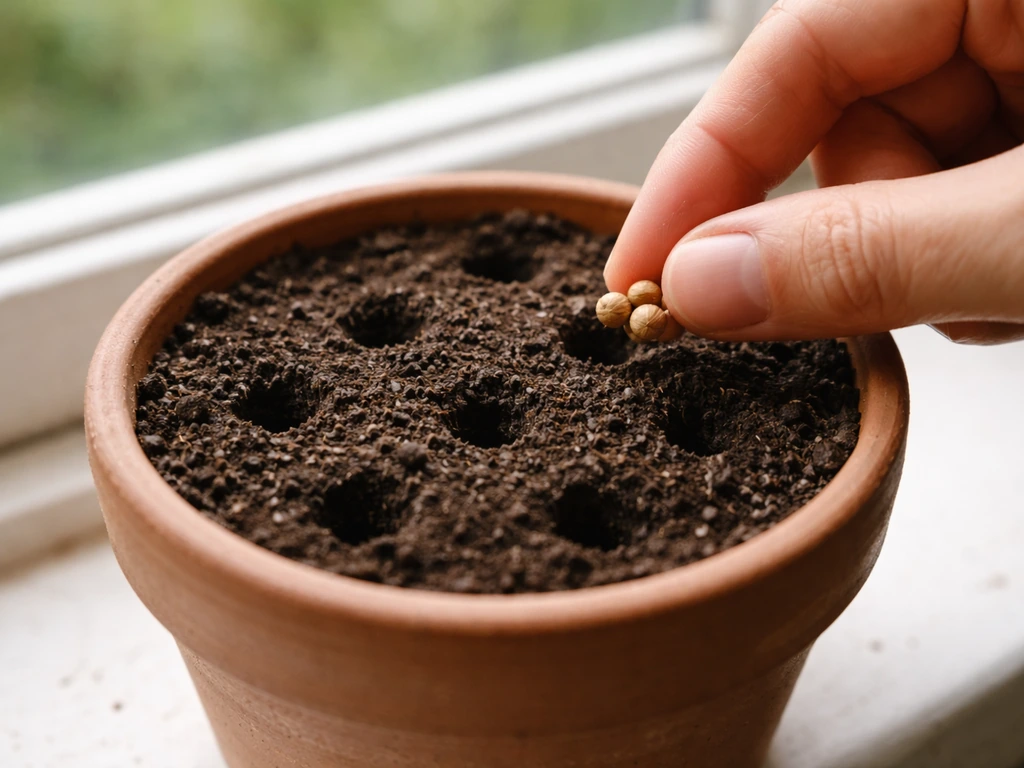
Dhaniya is best grown by direct sowing, meaning you put the seeds straight into the final pot rather than starting them in trays and transplanting. Coriander has that long taproot and really dislikes being moved once it's established. Transplanting almost always causes stress and early bolting. So skip the seedling tray step entirely.
One thing worth knowing: the 'seed' you buy is actually a fruit containing two seeds. Lightly crush it between your palms or on a hard surface before sowing. This improves germination by exposing both seeds inside. It makes a noticeable difference.
Sow seeds about half an inch (1–1.5 cm) deep. For leaf production in a container, you can sow them fairly densely at around 1–2 inches apart and then thin to 3–4 inches apart after the first true leaves appear. Thinning feels wasteful at first, but crowded plants compete for nutrients and air circulation, which leads to weaker, more disease-prone growth. Just snip the extras at soil level rather than pulling them out, to avoid disturbing the roots of the plants you're keeping.
Germination takes 7–21 days depending on temperature. Seeds germinate best when the soil temperature is between 55–68°F (13–20°C). If your soil is warmer than 75°F (24°C), germination drops sharply, so in summer, try sowing in the cooler evening and keep the pot in a shaded spot until sprouts appear. Don't give up before three weeks if temperatures are on the cooler side.
Watering, sunlight, and temperature: how to prevent bolting
Consistent watering is one of the most important things you can do to keep dhaniya in leaf mode. Irregular watering, either letting it dry out completely or drowning it, stresses the plant and triggers bolting. The goal is soil that stays evenly moist but never waterlogged. The best way to check: push your finger 1–2 inches into the soil. If it feels dry at that depth, it's time to water. If it still feels cool and damp, give it another day.
When you do water, water thoroughly until it drains from the bottom of the pot. This encourages roots to grow deeper rather than staying near the surface. Containers dry out faster than ground soil, especially in warm or windy conditions, so check daily during hot weather rather than sticking to a fixed schedule. Avoid keeping the pot sitting in a saucer of water as this keeps the roots permanently wet, which leads to yellowing and root problems.
Temperature is the other big factor. Dhaniya performs best between 50–85°F (10–29°C). Once temperatures consistently push past 85°F, the plant's instinct is to flower and set seed before it dies. This is natural behavior, not a failure on your part. In Indian summers, growing dhaniya is much easier between October and March. During summer, choose a spot with afternoon shade, water more frequently, and accept that each batch may have a shorter window before bolting. The good news: a container makes it easy to rotate between cooler spots on your balcony or move it indoors near a bright window.
Fertilizer and feeding for lush, leafy growth
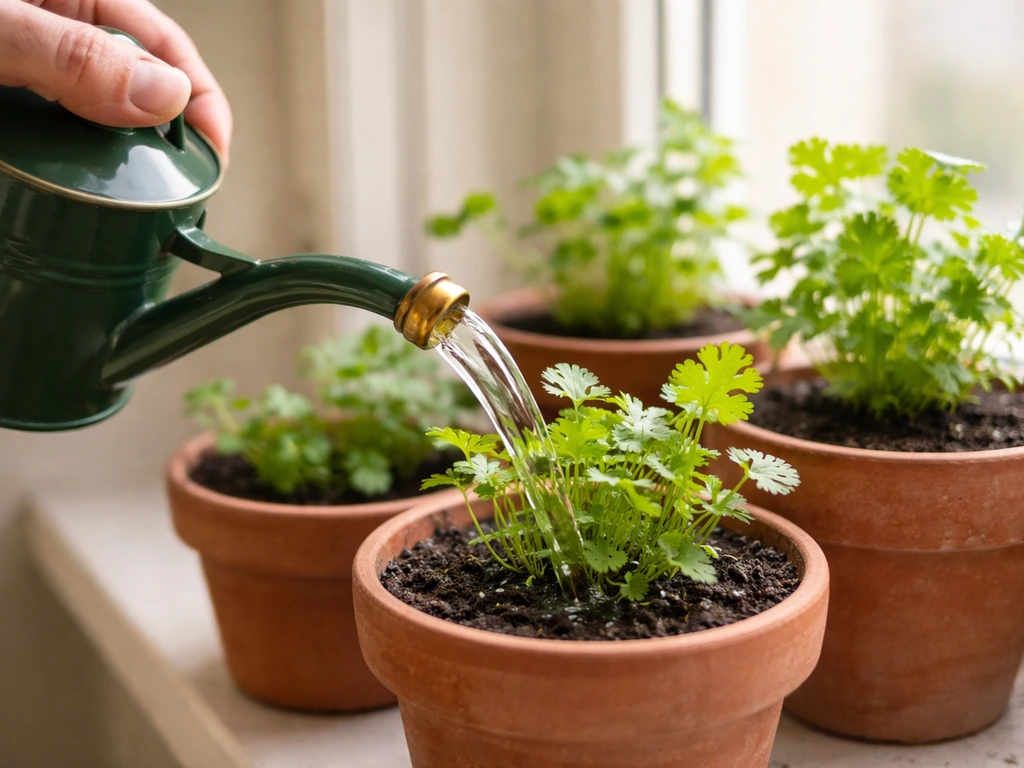
If your potting mix already contains compost, dhaniya doesn't need heavy feeding. It's a fast-growing herb and doesn't need a lot. Overfeeding, especially with high-nitrogen fertilizers, can actually reduce leaf quality and push the plant toward lush but weak, floppy growth.
For the best results, use a diluted liquid fertilizer at every second watering rather than every time. A balanced fertilizer or one that's slightly lower in nitrogen works well, something like a 5-10-10 NPK or a standard all-purpose liquid feed diluted to half strength. You're aiming for steady, moderate feeding. Start feeding about two weeks after seeds germinate and continue through the harvest period. If you built a good compost-rich potting mix to begin with, you may find you need very little extra feeding at all.
How to harvest dhaniya and keep it producing
You can start harvesting when plants are about 6–8 inches (15–20 cm) tall, which usually happens 30–45 days after sowing. Don't wait longer than this: regular harvesting actively encourages the plant to keep producing new leaves.
Always use clean, sharp scissors or pruners. Cut the outer leaves and stems first, leaving the younger inner growth intact. The rule to remember is never remove more than one-third of the plant in a single session. If you strip it back heavily, it struggles to recover. Harvest about once a week at peak growth, or whenever outer leaves reach around 4–6 inches long.
The moment you see a flower bud forming in the center of the plant, pinch or snip it off immediately. This delays the plant from going into seed mode and buys you more weeks of leaf production. It won't stop bolting forever, but it extends your harvest window noticeably. Once the plant does fully bolt and flowers open, the leaves become sparse and more bitter. At that point, let it go to seed if you want coriander seeds for cooking, or pull it out and start a fresh pot.
The best strategy for a continuous supply is succession sowing: start a new pot every 3–4 weeks so you always have one pot at peak harvest while another is just getting established. This is the single most practical tip for anyone who cooks with dhaniya regularly.
Troubleshooting common dhaniya problems
Seeds not germinating
If nothing's sprouting after 2–3 weeks, temperature is usually the culprit. Soil above 75°F (24°C) dramatically reduces germination rates. Try sowing when temperatures are cooler, or move the pot to a shadier spot during the germination phase. Also check that you're sowing at the right depth: too deep (more than an inch) and seeds struggle to push through. Make sure the soil stays consistently moist but not waterlogged during this window.
Leggy, tall, spindly plants
Leggy plants are almost always a light problem. If dhaniya isn't getting enough sun, it stretches upward looking for more. Move the pot to a sunnier spot with at least 6 hours of direct light. Overcrowding can also make plants stretch, so check that you've thinned adequately to 3–4 inches apart. Overfertilizing with nitrogen can also cause tall, weak growth, so dial back the feeding if you've been giving it a lot.
Yellowing leaves
Yellow leaves are the most common complaint, and overwatering is the most common cause. If the soil feels soggy or the pot has been sitting in water, the roots are probably suffocating and can't take up nutrients properly. Let the pot dry out a bit, check that drainage holes are clear, and improve drainage in the mix. If the soil moisture seems fine, yellowing can also point to nitrogen deficiency, in which case a light feed with a balanced liquid fertilizer usually fixes it within a week or two.
Powdery mildew
Powdery mildew shows up as small white, fluffy or powdery patches on leaves, starting as tiny spots around 1–2 mm and expanding if left alone. It thrives in humid, crowded conditions with poor air circulation. Remove affected leaves immediately, improve spacing between plants, and avoid overhead watering. A diluted neem oil spray applied every 7–14 days works as both a preventive and treatment. Make sure you're not overwatering, since consistently wet foliage invites fungal issues.
Bolting too fast
If your dhaniya bolts within a few weeks of sprouting, the cause is almost always heat, drought stress, or both. Move the container to a cooler spot with afternoon shade, water more consistently, and try sowing a slow-bolting variety if you can find one. In summer, accept that each batch will have a shorter window and plan succession sowing accordingly. Pinching off flower buds the moment they appear also buys meaningful extra time.
A quick setup checklist before you start
- Pot at least 8–10 inches deep with drainage holes
- Mesh or coffee filter placed over drainage holes
- Light potting mix with compost and perlite (not garden soil)
- Seeds lightly crushed before sowing
- Sow half an inch deep, thin to 3–4 inches apart after first true leaves
- Placement: 6–8 hours of sun, with afternoon shade in warm weather
- Water when top 1–2 inches of soil feel dry
- Light liquid feed at every second watering, starting two weeks after germination
- Begin harvesting outer leaves at 6–8 inches tall, never more than one-third at once
- Pinch flower buds off as soon as they appear
- Start a new pot every 3–4 weeks for continuous supply
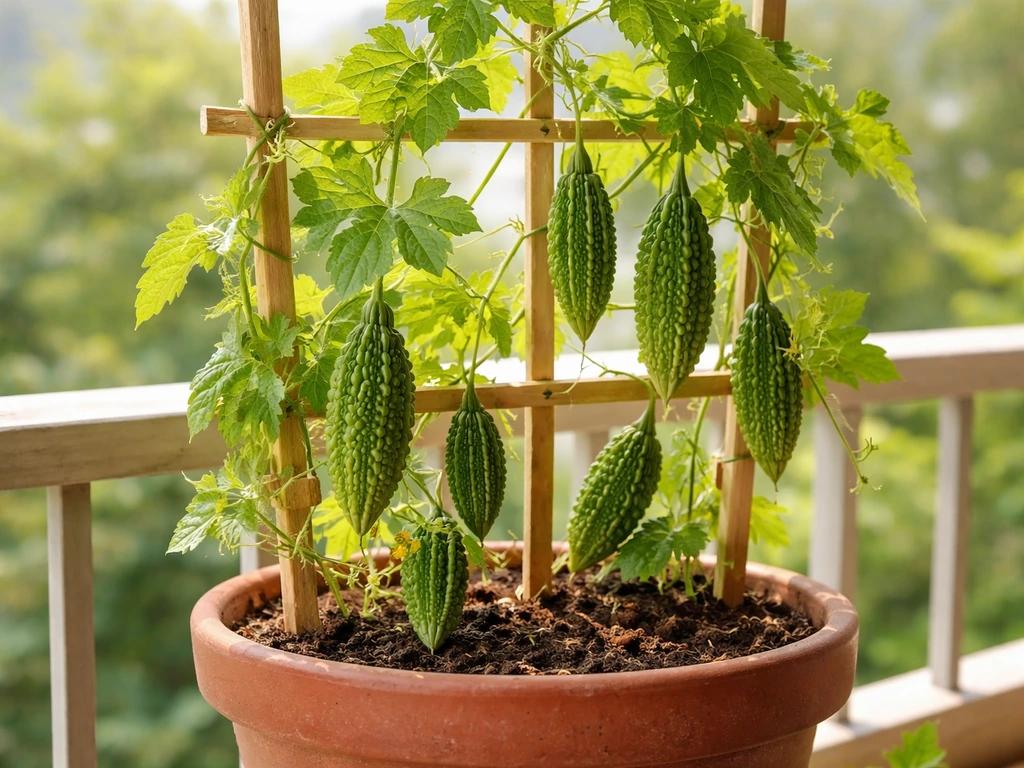
Growing dhaniya in pots is genuinely one of the most satisfying things you can do in a small space. It's fast, it's useful in the kitchen, and once you've done one successful batch, the next one is much easier. If you enjoy growing herbs this way, the same container approach works brilliantly for palak (spinach) and even more demanding vegetables like bhindi and karela, so there's plenty of room to expand once you've got dhaniya dialed in. If you want to grow karela in a pot too, pick a large container, use a well-draining mix, and keep consistent moisture and warm temperatures. If you want to branch out beyond dhaniya, you can also learn how to grow rajnigandha in pots for a fragrant container garden. If you want to grow other vegetables in pots the same way, follow these practical pot-gardening steps in Hindi grow vegetables in pots in hindi. If you want to try something similar, follow the same container-friendly basics when you learn how to grow bhindi in pots. The same container approach can also be used when learning how to grow alugbati in pots.
FAQ
How many dhaniya plants can I grow in one pot for a good harvest?
For leaf harvest, plan on sowing enough seeds to thin down to about 3–6 plants in a single 10–12 inch wide pot. Thinning to 3–4 inches apart helps airflow and reduces bolting risk. If you want a lot of leaves, use multiple smaller pots instead of crowding one pot.
Can I grow dhaniya in a shallow pot and still get leaves?
Not reliably. Because dhaniya has a long taproot, shallow containers tend to stress the plant and increase early bolting. If your pot is less than about 8 inches deep, switch to fewer seeds or accept that you will get a shorter harvest window.
Why are my dhaniya seeds rotting or not sprouting even though the soil is moist?
Usually it is waterlogged soil or seeds planted too deep. Make sure the pot has drainage holes, the mix is airy, and you are only moist not soggy. Also keep sowing depth around half an inch (about 1 to 1.5 cm), and avoid compacted heavy garden soil.
What’s the best way to water dhaniya in pots during hot, windy weather?
Check the top 1–2 inches of soil daily, hot days often need watering more than once. Water thoroughly until it drains out the bottom, then empty any drainage saucer immediately. Consistent moisture beats a fixed schedule.
Should I use a saucer under the pot, and can I let water sit there?
Do not let water sit in the saucer. Standing water keeps the root zone constantly wet, leading to yellowing and root problems. If runoff collects, dump it right away each time you water.
How do I keep dhaniya from bolting when temperatures are above 85°F (30°C)?
Move the pot to afternoon shade or indoors near a bright window, and water more consistently to avoid drought stress. Starting new batches via succession sowing also helps because each batch will have a shorter leaf window in peak summer.
Can I grow dhaniya indoors year-round, and what light do I need?
Yes, but prioritize bright light and airflow. A windowsill with strong east or southeast light works well, and if your indoor light is weak you may get leggy growth, which then reduces leaf quality. Rotate the pot so growth stays even.
Why are my plants leggy and tall, even though I’m watering correctly?
Most often it is insufficient light or overcrowding. Dhaniya stretches toward light when it does not get enough sun, and dense sowing can worsen it. Ensure at least 6 hours of light, thin to 3–4 inches apart, and avoid high-nitrogen feeding.
Is it better to fertilize dhaniya or rely only on compost in the pot?
If your potting mix already has compost, start with minimal feeding. Overfeeding, especially with high nitrogen, can create weak floppy growth and reduce leaf quality. If you fertilize, use diluted liquid feed every second watering and start about two weeks after germination.
What should I do if my dhaniya leaves are turning yellow?
First check for soggy conditions, which is the most common cause. If the soil feels damp and the pot has poor drainage, let it dry slightly and ensure drainage holes are clear. If moisture is fine, a light balanced liquid feed can address nitrogen deficiency.
How can I harvest without stopping new leaf growth?
Harvest regularly but do not remove too much at once. Cut outer leaves first, leave younger inner growth, and never take more than about one-third of the plant in a single session. Snip only the extras at thinning to avoid disturbing the roots.
What does it mean when I see a flower bud, and do I need to pinch it off?
Flower buds mean the plant is switching into seed mode. Pinch or snip the bud immediately to extend leaf production by weeks. If it fully bolts and flowers open, leaves typically get sparse and more bitter, so start another pot for continuous supply.
How often should I start a new pot to keep dhaniya coming?
Use succession sowing, start a new pot every 3 to 4 weeks. This way one pot is at peak harvest while another is just establishing, reducing gaps when a batch bolts due to heat.
Can I plant dhaniya after another crop in the same pot?
Yes, but refresh the potting mix. Reusing the same mix often leads to depleted nutrients and compaction, which can harm drainage and germination. Add fresh potting mix and compost (or replace most of it), then sow new seeds directly.
What pest or disease signs should I watch for in containers?
Powdery mildew shows up as small white powdery patches, it spreads faster when leaves stay crowded and foliage stays wet. Remove affected leaves, improve spacing, avoid overhead watering, and consider a diluted neem oil spray every 7 to 14 days.